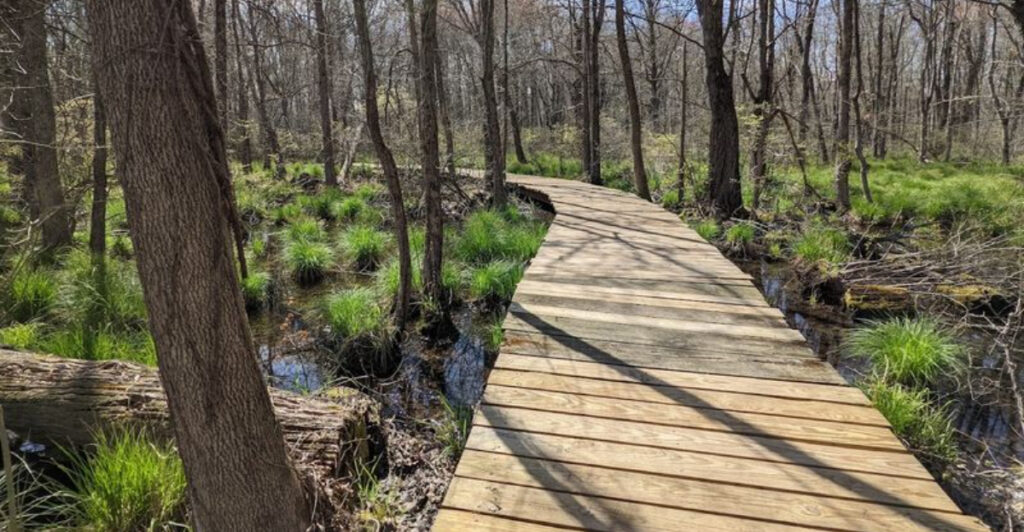
There is a stretch of trail in Somerset County, New Jersey, where the wooden boardwalk winds through open water, tall reeds, and quiet ponds, and most people driving through Basking Ridge have no idea it exists. The Great Swamp watershed is one of the most ecologically rich corners of the entire northeastern United States, and tucked right along its edge is a park that has been quietly earning its reputation as one of the state’s best-kept outdoor destinations.
Flat trails, well-marked crossings, an environmental education center, and a landscape that shifts from dense forest canopy to open wetland in just a few hundred feet make this place genuinely hard to leave. Whether the goal is birding, a casual family hike, or simply spending a few hours away from pavement, this Somerset County gem delivers something that is surprisingly hard to find this close to a major metro area.
Where Exactly This Park Sits and How to Get There
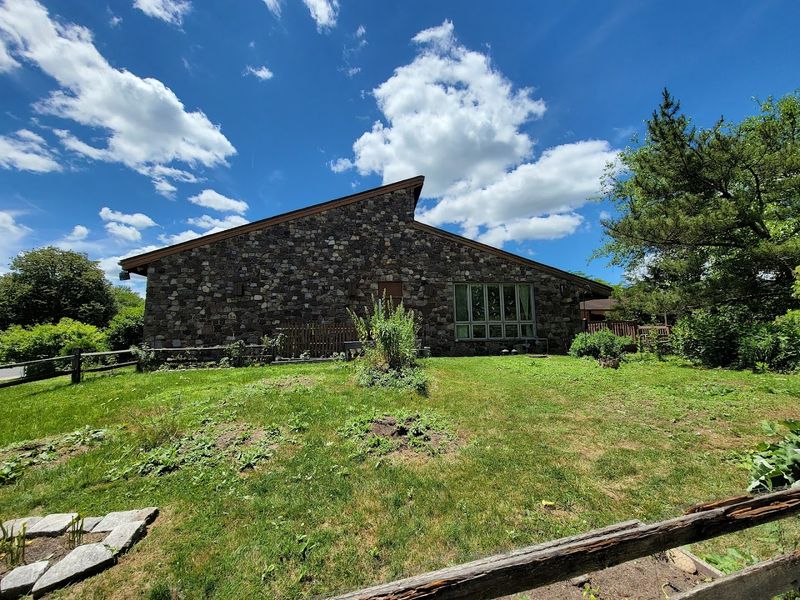
Lord Stirling Park sits at 190 Lord Stirling Rd, Basking Ridge, NJ 07920, in the heart of Somerset County. The park is managed by the Somerset County Park Commission, and it sits directly adjacent to the Great Swamp National Wildlife Refuge, one of the most significant freshwater wetland areas in the northeastern United States.
Getting there is straightforward from most parts of central New Jersey. The parking lot is spacious and free, which is a welcome detail for anyone used to paying to park near natural areas in this region.
There are no complicated entry fees or permit requirements for hiking the trails.
The Environmental Education Center sits right by the parking area, making it an easy first stop before heading out on the trails. Trail maps are posted at multiple points throughout the park, so even first-time visitors can orient themselves quickly without needing to download anything in advance.
The Great Swamp Connection That Makes This Place Unique
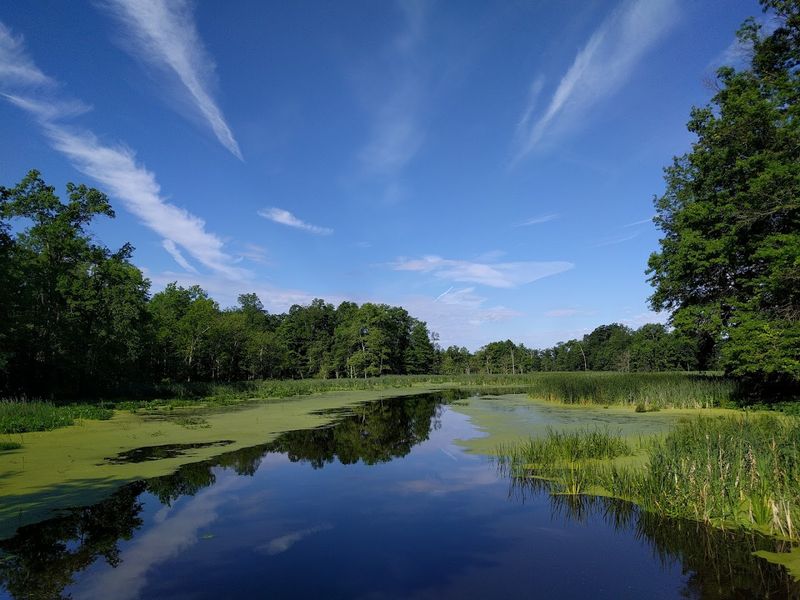
Lord Stirling Park is not just a local green space. It is part of the larger Great Swamp watershed, a massive natural system that stretches across several New Jersey municipalities and represents one of the most intact freshwater wetland ecosystems left in the northeastern corner of the country.
The Great Swamp itself was famously saved from becoming a jetport in the 1960s, when a coalition of local residents and conservationists successfully fought back a plan that would have paved over the entire area. That effort resulted in the land being designated a National Wildlife Refuge, and the surrounding parcels, including what is now Lord Stirling Park, were preserved alongside it.
That history gives the park a significance that goes well beyond its trail mileage. Every boardwalk plank and observation tower in this park exists because a community once decided that a wetland was worth protecting, and that decision still pays off for every person who walks through here today.
A Trail System Built for All Skill Levels
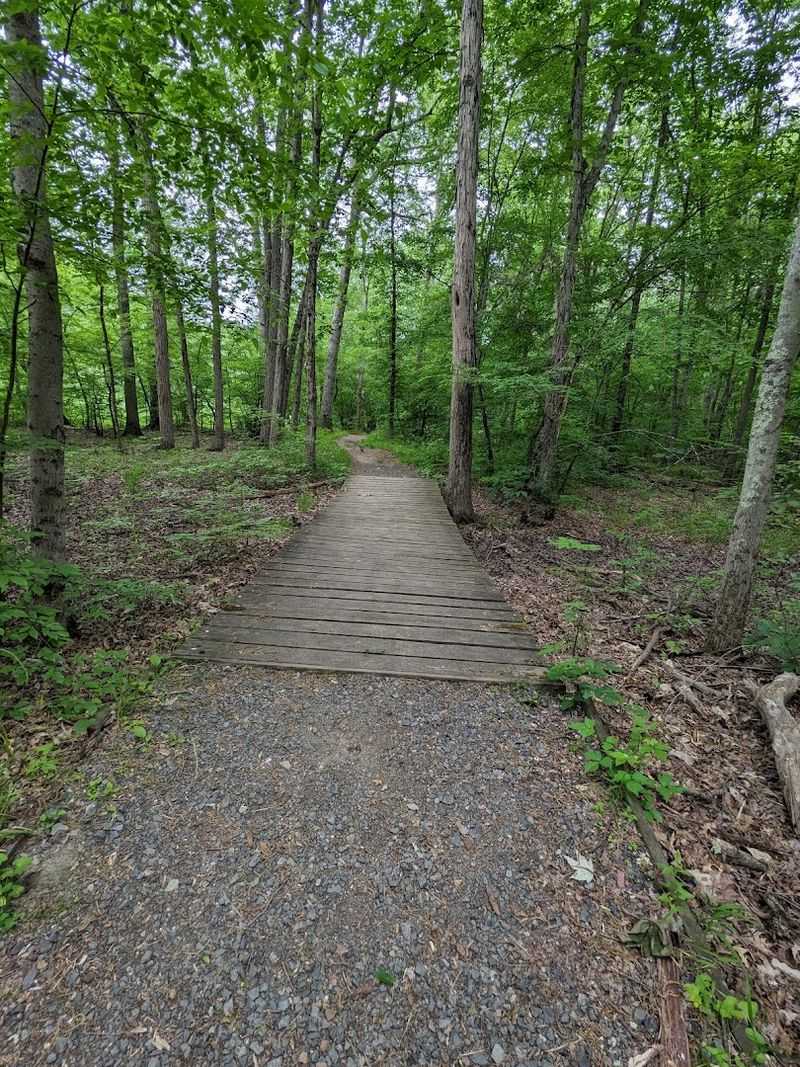
The trail network at Lord Stirling Park is color-coded and covers several miles of terrain, with routes ranging from a quick 15-minute loop around a pond to a full perimeter walk that can take over two hours to complete. The Red Trail and Green Trail are the most popular options and are generally the best maintained of the bunch.
All of the trails are flat, which makes the park accessible for young children, older adults, and anyone who prefers a walk over a climb. The surface alternates between gravel, woodchips, grass, and wooden boardwalk depending on the section, so the experience changes as the route progresses.
The Yellow Trail, which runs along the eastern side of the park, can get muddy and waterlogged after rain, so waterproof footwear is strongly recommended year-round. Rain boots work particularly well for younger hikers, and the trail conditions after wet weather actually give the wetland landscape a more dramatic and authentic character that dry-weather visits simply cannot replicate.
The Boondocks Boardwalk and Why It Deserves Its Own Paragraph
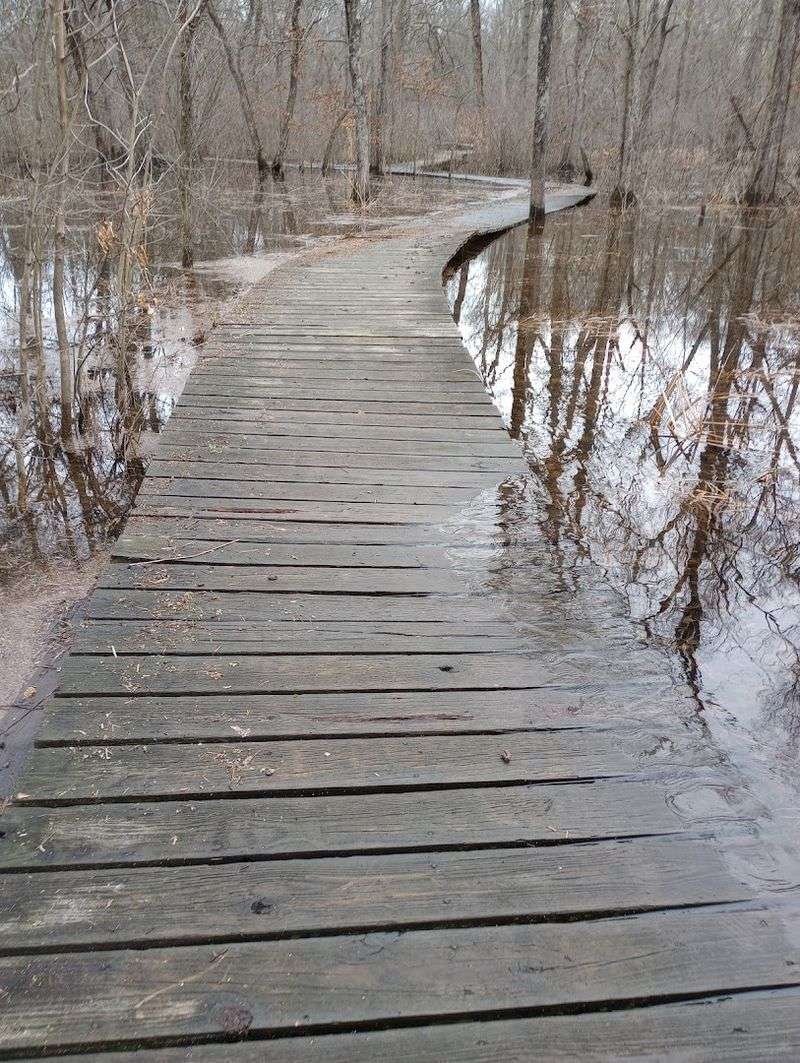
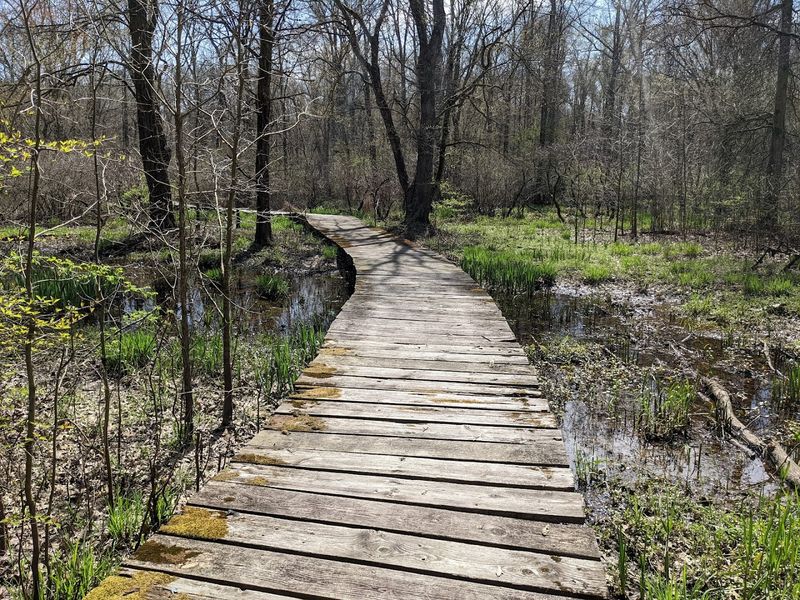
The Boondocks Boardwalk is one of the most talked-about features of Lord Stirling Park, and for good reason. The boardwalk was renovated in recent years and now extends through one of the most open and ecologically active sections of the entire swamp, placing hikers directly above the water with views in every direction.
Reaching the Boondocks section requires heading to the north side of the park, which is a longer walk from the parking lot but absolutely worth the extra distance. The boardwalk itself sits low over the wetland surface, and the surrounding landscape opens up considerably compared to the tree-covered sections of trail closer to the entrance.
A few sections of the older boardwalk show signs of wear, with mossy planks that can be slippery when wet, so taking it slow and wearing shoes with grip is a practical move. The payoff for that caution is access to one of the most visually striking stretches of freshwater wetland trail available anywhere in New Jersey without a permit or fee.
Bird Watching Opportunities That Rival Dedicated Refuges
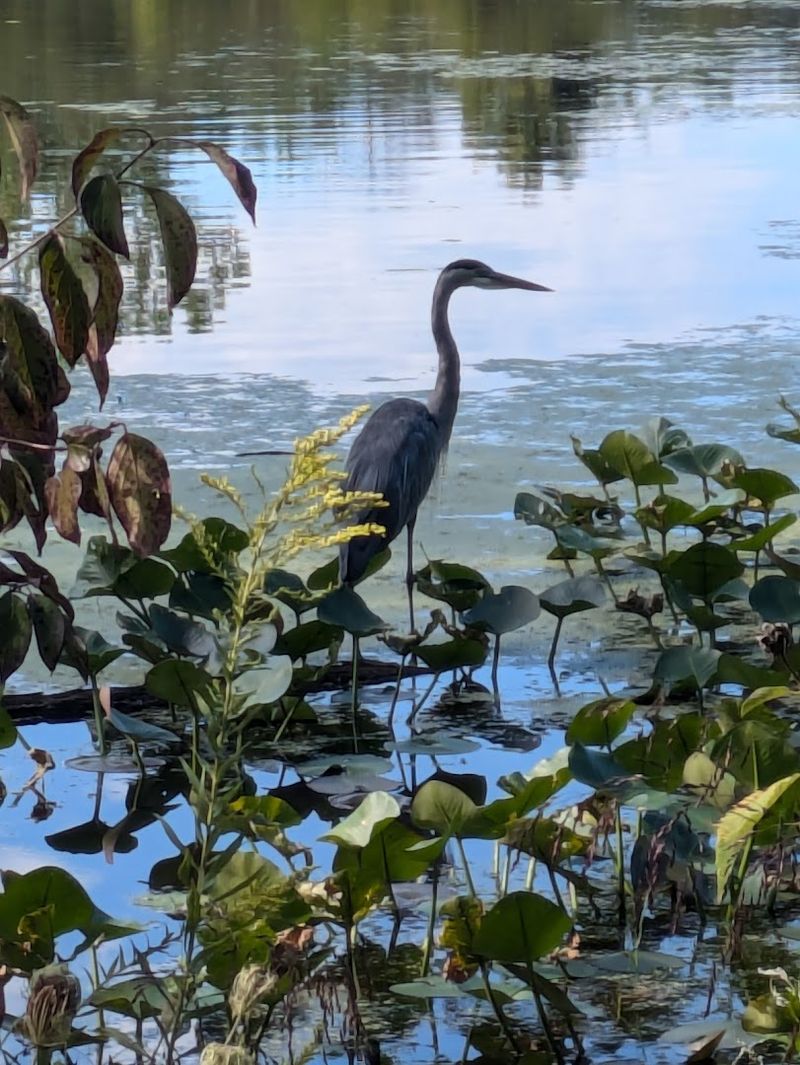
Birding at Lord Stirling Park is a serious draw, and the diversity of species that pass through or nest in the wetland makes it one of the better birding locations in Somerset County. The park sits within the Great Swamp flyway corridor, which means migratory species use this area as a stopover point during spring and fall movements.
Herons are among the most commonly spotted large birds, and Canada geese have made the ponds near the trail system a regular home. Ospreys have been reported flying over the open water sections, and wood ducks are frequently seen in the calmer, tree-lined pond areas toward the interior of the park.
The flat terrain and open boardwalk sections give birders unobstructed sightlines across the water, which is a significant advantage compared to densely wooded trails where canopy cover limits visibility. Bringing binoculars is worth the extra weight in the bag, and early morning visits tend to produce the highest activity before foot traffic picks up on weekends.
The Environmental Education Center Is More Than a Pit Stop

The Environmental Education Center at Lord Stirling Park is a fully air-conditioned building located right next to the main parking lot, and it serves as both a practical resource and a genuine educational attraction. Inside, there are taxidermy animal displays, natural history exhibits, and educational materials focused on the Great Swamp ecosystem and the broader wetland environment.
The center has been used for community events, school programs, and even private gatherings. The building includes a full kitchen, restrooms that have been updated and are cleaner than most people expect from a park facility, and a flexible event space that has hosted everything from nature programs to family celebrations.
Staff at the center have a reputation for being welcoming and genuinely knowledgeable about the park and surrounding ecosystem. The center is not always open on Sundays or during off-season hours, so checking the Somerset County Parks website before visiting is a smart move if the building is part of the plan for the day.
Observation Towers That Reward the Extra Miles
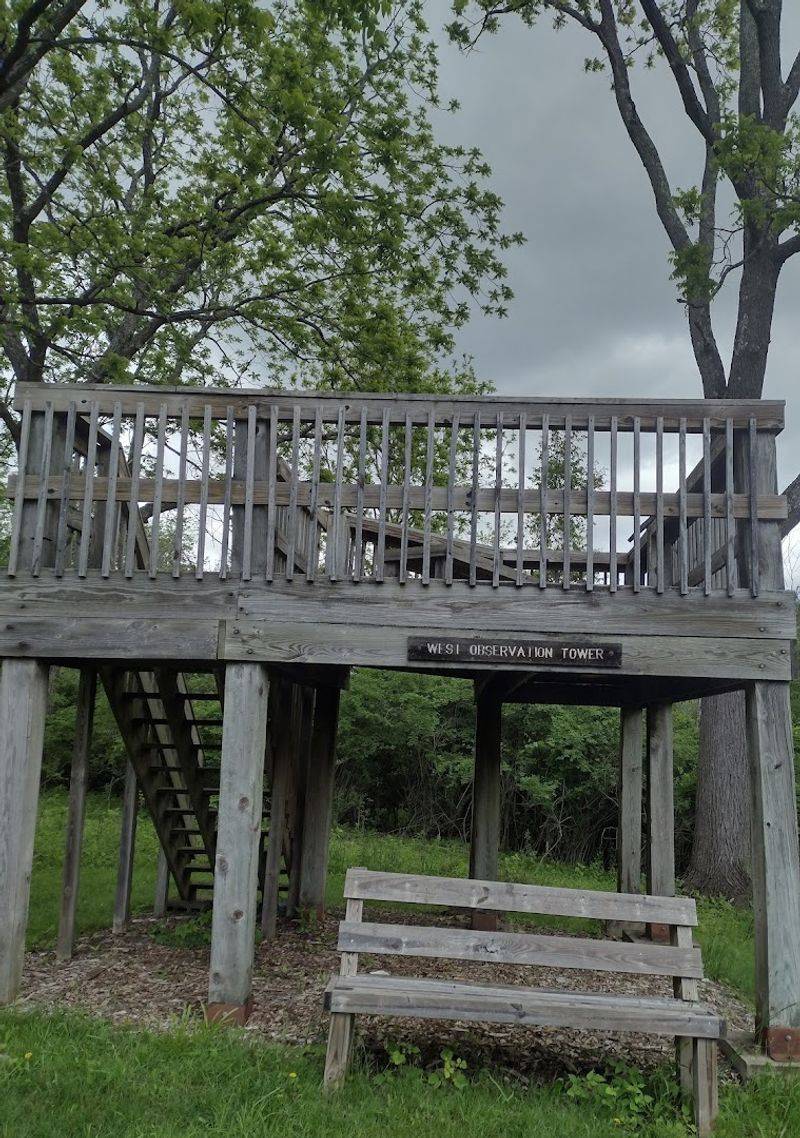
Two observation towers are located in the back sections of Lord Stirling Park, and both require a longer walk to reach from the main parking area. The East Observation Tower can be accessed via the Yellow Trail, while the second tower sits deeper into the park along the perimeter route near the open swamp sections.
Getting to both towers in a single visit is a reasonable goal for anyone who sets aside two or more hours for the hike. The trails leading to them pass through some of the most ecologically active parts of the park, including sections where white-tailed deer are commonly spotted moving through the tree line at the edge of the wetland.
The towers themselves are wooden structures that elevate hikers above the surrounding marsh vegetation, giving a broader perspective on how expansive the swamp system really is. On a clear day, the view from either tower makes it obvious why this landscape was worth saving from development decades ago.
Wildlife Beyond the Birds: What Else Lives Here
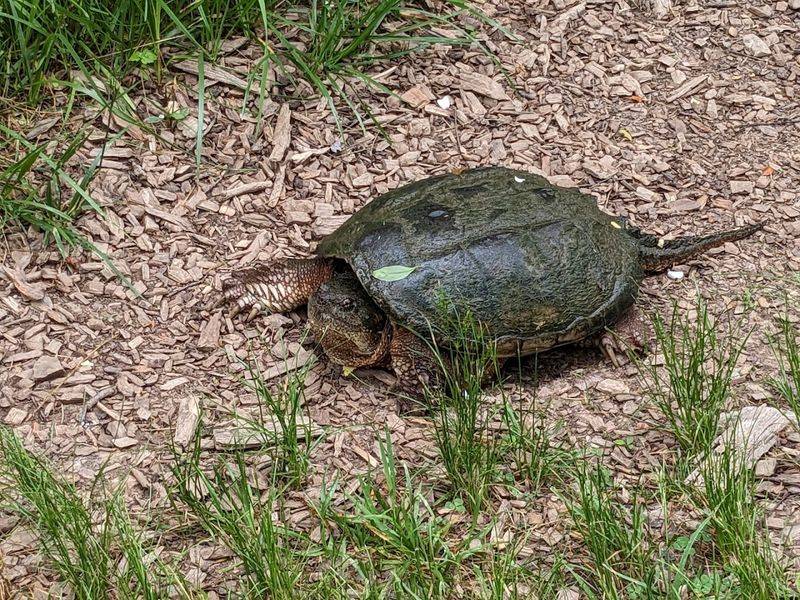
Lord Stirling Park is home to a wide range of wildlife beyond its well-known bird population. White-tailed deer are frequently spotted near the tree lines that border the open wetland sections, particularly during early morning and late afternoon hours when they tend to move more actively through the park.
Beaver activity is visible in parts of the park, with dams and gnawed tree stumps appearing along some of the water channels near the boardwalk areas. An osprey has been spotted circling the open water sections, and various turtle species can be seen resting on logs along the pond edges during warmer months.
The insect population is also very much alive here, which is worth mentioning practically. Mosquitoes and other biting insects are present in significant numbers from late spring through early fall, and bug spray is not optional in this environment.
Eco-friendly repellent options are worth considering given the sensitivity of the surrounding wetland ecosystem and its resident wildlife.
Seasonal Visits and What Each Time of Year Brings
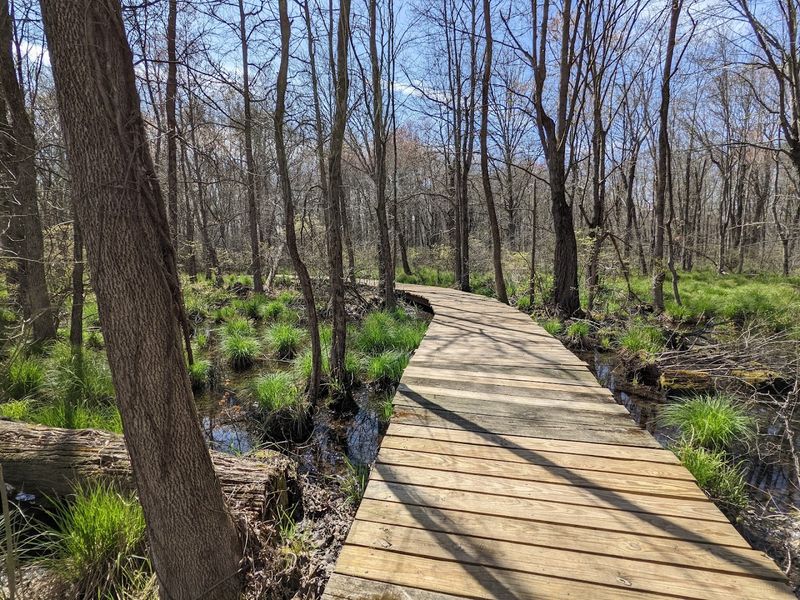
Lord Stirling Park changes character noticeably across the four seasons, and each time of year offers a different version of the experience. Spring brings the highest water levels and the most active wildlife movement, but also the muddiest trail conditions, particularly on the Yellow Trail.
Waterproof boots are essentially mandatory from March through May.
Summer is the most popular season for casual visits and family hikes, though the insect activity peaks during these months and the humidity can be significant given the proximity to open water. Early morning summer visits before 9 a.m. are noticeably more comfortable and less crowded than midday arrivals.
Fall is widely considered the most visually rewarding time to visit, when the tree canopy shifts through amber, orange, and gold and reflects across the open ponds along the trail. Winter visits are quieter and the trails are firm underfoot, which some hikers actually prefer.
Warm winter days occasionally produce surprisingly clear and peaceful conditions that make the park feel entirely different from its summer version.
Trail Markings and Navigation Tips for First-Time Visitors
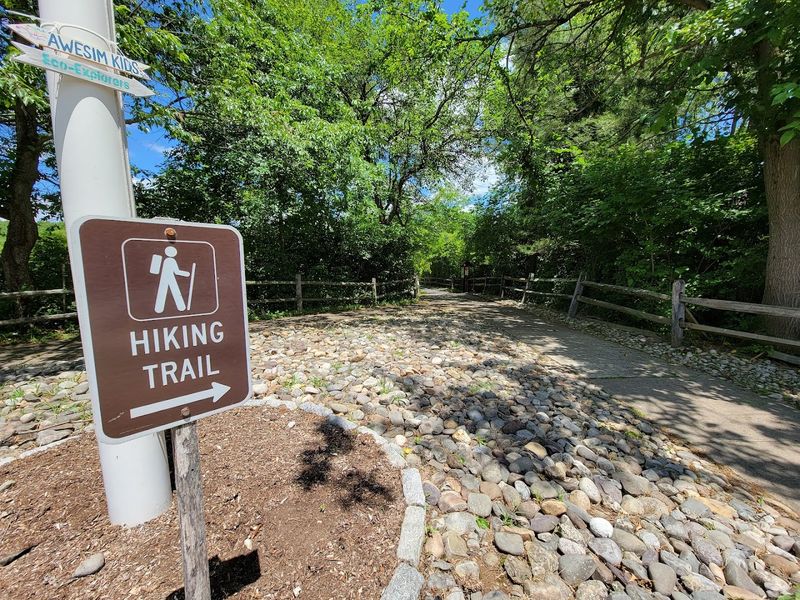
Navigation at Lord Stirling Park is generally well-handled, with trail markers posted at intersections throughout the system. The signage uses color-coded blazes that correspond to the named trails, and most major junctions have clear directional posts that include trail names and distances.
Some sections of the Yellow Trail have fork points where both branches carry the same color blaze, which can create brief moments of confusion for hikers trying to follow a specific route. Picking up a paper trail map from the Environmental Education Center before heading out, or photographing the large posted maps near the parking lot, helps avoid any unnecessary doubling back.
GPS works in the park but the trail system is compact enough that the posted maps are usually sufficient for navigating the main loops. The trails closer to the nature center have more benches and are easier to follow, while the outer perimeter sections require slightly more attention to the markers.
Allowing extra time on a first visit is always a practical approach here.
Kayaking on the Water: A Lesser-Known Option
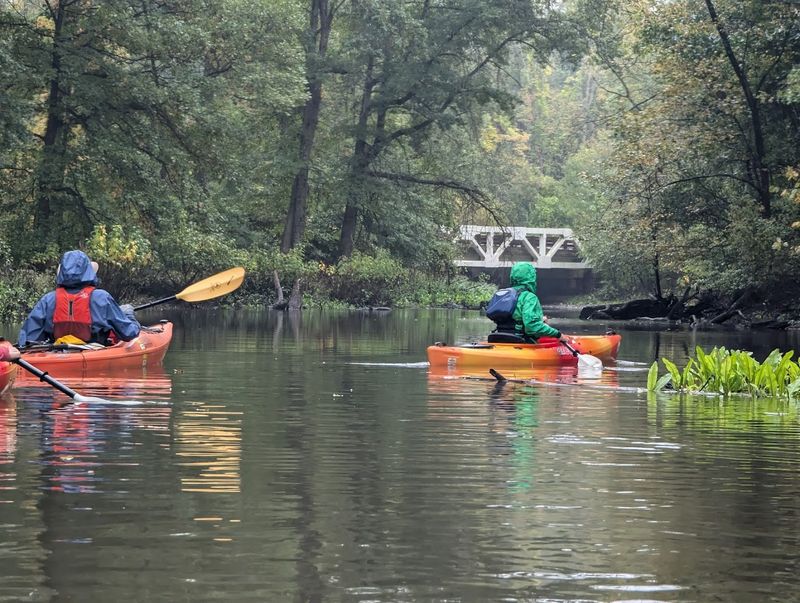
Beyond the trail system, Lord Stirling Park also offers kayaking access to the wetland waterways, making it one of the few parks in the region where hiking and paddling can be combined in the same visit. The flat, calm water channels that wind through the swamp are well-suited for kayaking at a relaxed pace.
The kayaking option adds a completely different perspective on the wetland ecosystem compared to what the boardwalk and land trails provide. From the water, the vegetation, wildlife, and overall scale of the swamp become more apparent, and it is possible to access areas of the marsh that are not reachable on foot from the main trail system.
Bringing a personal kayak or canoe is the standard approach, as on-site rental availability can vary. Checking with the Somerset County Park Commission website ahead of the visit is the best way to confirm current access points and any seasonal restrictions that may apply to water-based recreation in the park.
Practical Gear That Makes the Difference Here
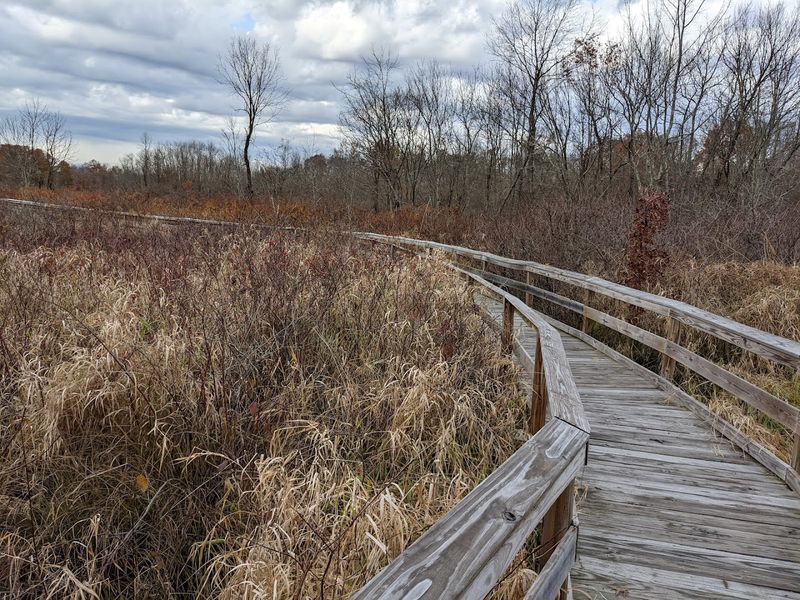
A few pieces of gear genuinely change the quality of a visit to Lord Stirling Park, and the most important one is footwear. Waterproof hiking boots or rubber rain boots are strongly recommended regardless of recent weather, because the wetland environment keeps sections of trail consistently damp throughout the year.
Standard sneakers or canvas shoes will not hold up on the muddier sections.
Bug spray is the second non-negotiable item. The insect population in a functioning freshwater swamp is substantial, and exposed skin without repellent is a reliable way to leave the park with more bites than memories.
Applying repellent to the face and neck, not just arms and legs, makes a noticeable difference on warmer months visits.
A reusable water bottle, a light layer for cooler mornings, and a fully charged phone for photographing wildlife round out a practical packing list. The park is free to enter, so the gear investment is really the only cost associated with a visit, which makes it excellent value for a full afternoon outdoors.
Historic Character and the Park’s Equestrian Side
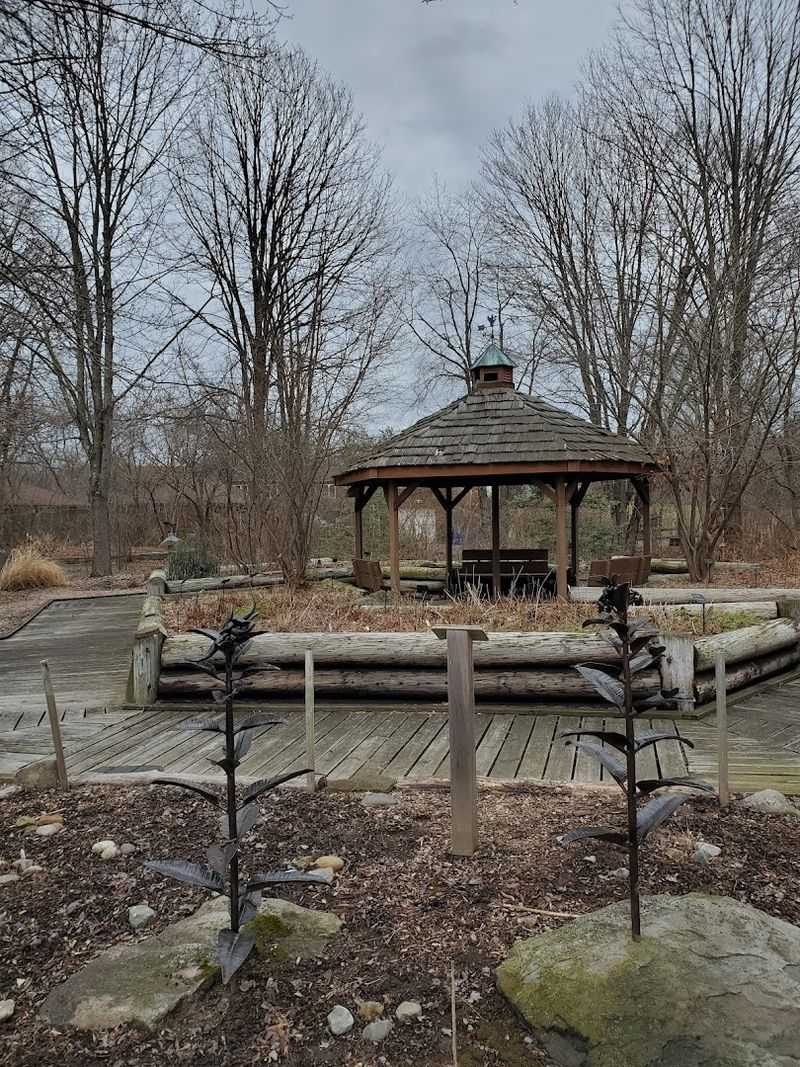
Lord Stirling Park carries a layer of historical identity that extends beyond its natural features. The park is named after William Alexander, who claimed the title of Lord Stirling and was a general in the Continental Army during the American Revolution.
The Basking Ridge area has deep Revolutionary War connections, and the park sits within a landscape that has been inhabited and historically significant for centuries.
The park also includes an active equestrian facility that offers English-style trail rides and riding lessons. The stable operation runs showcase events in a ring and provides a structured riding program that draws participants from across the Somerset County area.
Historical programming has been offered at the park as well, with living history events that bring the 1770s period to life through demonstrations and educational activities. These events have been popular with families and school groups looking for an outdoor experience that combines natural history with American colonial history in a single location.
Why This Park Keeps Pulling People Back
Lord Stirling Park has a way of becoming a regular destination rather than a one-time visit for the people who find it. The combination of accessible trails, genuine ecological richness, free admission, and a landscape that looks noticeably different across seasons gives it a repeat-visit quality that more polished, fee-based parks sometimes lack.
Families return because the trails are manageable for young children while still offering enough distance and variety for adults who want a real walk. Birders return because the species diversity changes with the seasons.
Hikers return to try the longer perimeter route or to finally make it all the way to both observation towers in a single outing.
The park sits close enough to major roads and suburban communities that it requires almost no planning to visit, yet it consistently delivers an experience that feels removed from the surrounding development. That contrast, between the density of central New Jersey and the quiet of a functioning wetland just off Lord Stirling Road, is exactly what keeps this place on people’s short lists year after year.
Share this story