America is home to some of the most stunning natural scenery anywhere on Earth. From towering mountain peaks to glowing desert canyons, the variety of landscapes across the country is truly remarkable.
Whether you love hiking, road trips, or simply soaking in a view, these places will leave you speechless. Here are the American landscapes that earned a spot on our list of the world’s most breathtaking views.
1. Grand Canyon, Arizona
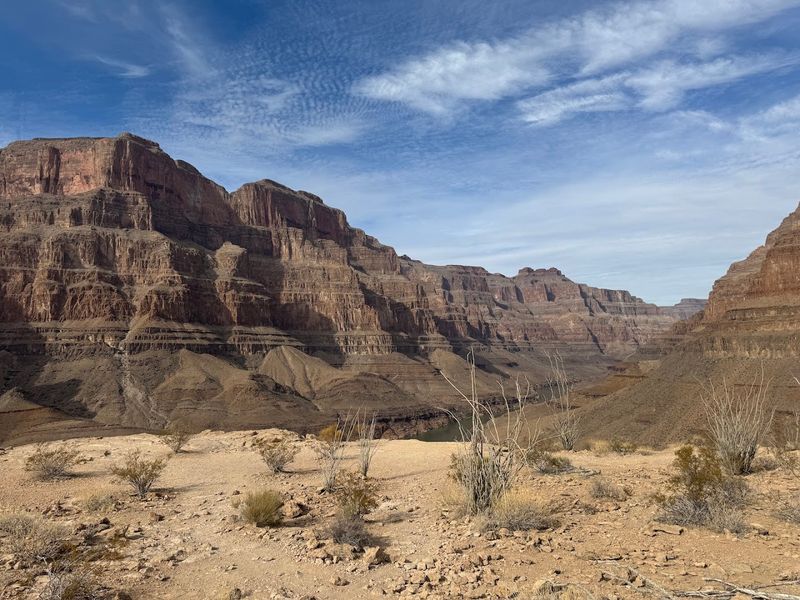
Nothing in a photograph truly prepares you for standing at the rim of the Grand Canyon for the first time. Stretching over 277 miles long and more than a mile deep, its sheer scale is almost impossible to process.
The layered red, orange, and purple rock walls hold nearly two billion years of Earth’s geological history.
At sunrise and sunset, the canyon transforms into a living painting as shifting light changes the colors across the walls. Visitors often stand in complete silence, overwhelmed by what they are seeing.
The South Rim is open year-round and offers stunning overlooks that require no hiking at all.
Rangers lead free educational programs that help visitors understand how this massive landscape was carved by the Colorado River over millions of years. Few places on Earth deliver this level of raw, humbling beauty so effortlessly.
2. Yosemite Valley, California
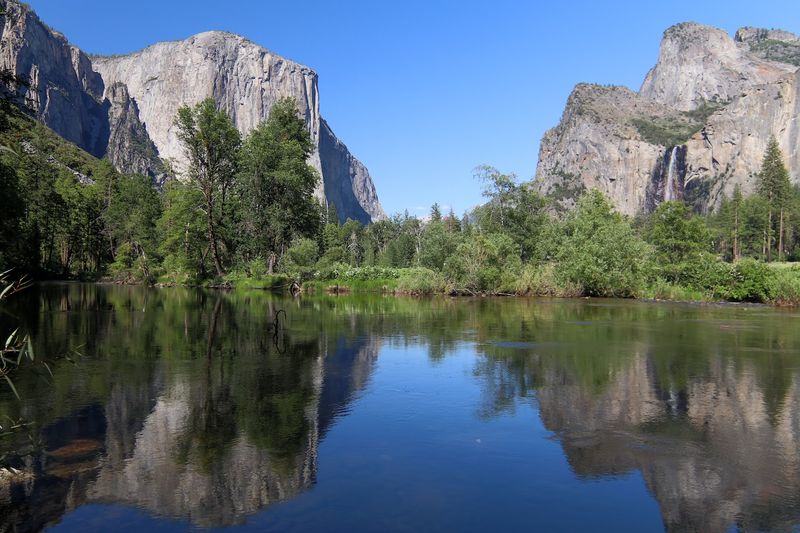
Massive granite walls rising nearly 3,000 feet straight up from a lush green valley floor make Yosemite one of the most dramatic landscapes in North America. El Capitan and Half Dome have become iconic symbols recognized around the world, drawing climbers, photographers, and nature lovers from every continent.
Yosemite Falls, one of the tallest waterfalls in North America, roars loudest in late spring when snowmelt feeds its powerful flow. The valley floor is dotted with ancient sequoias, meadows full of wildflowers, and winding rivers that reflect the towering cliffs above.
It is genuinely hard to believe a place this beautiful exists outside of a painting.
John Muir, the famous naturalist who helped protect Yosemite, once called it “the grandest of all the special temples of Nature.” After one visit, it is easy to understand exactly what he meant.
3. Yellowstone National Park, Wyoming
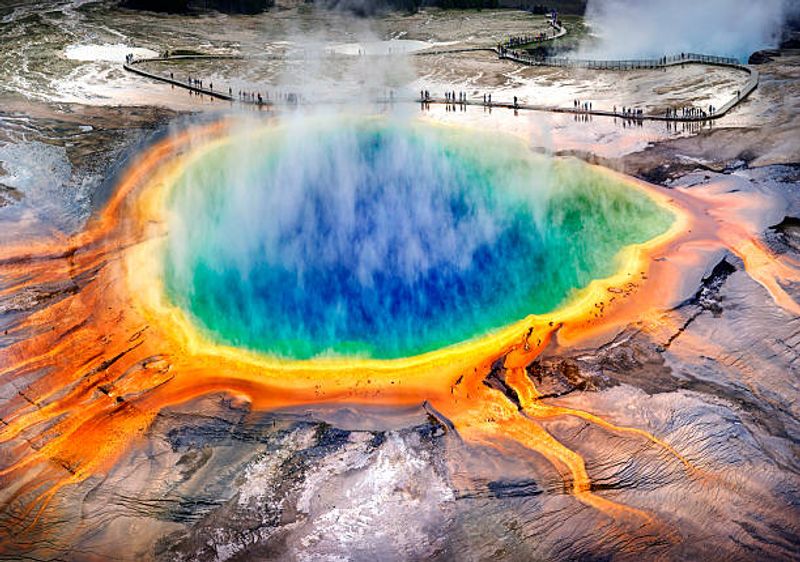
Yellowstone sits on top of one of the world’s largest active volcanic systems, and that underground energy creates a landscape unlike anything else on the planet. Erupting geysers, boiling mud pots, and brilliantly colored hot springs dot a vast wilderness that also happens to be home to bison, wolves, grizzly bears, and elk.
The Grand Prismatic Spring is the park’s most photographed feature, and for good reason. Its rings of deep blue, emerald green, gold, and orange come from heat-loving microorganisms called thermophiles that thrive in the scalding water.
Seeing it from an overlook trail is a jaw-dropping experience.
Old Faithful geyser has been erupting roughly every 90 minutes for centuries, drawing crowds who cheer every time it shoots boiling water nearly 180 feet into the air. Yellowstone is not just a park.
It is a reminder that the Earth is still very much alive.
4. Glacier National Park, Montana
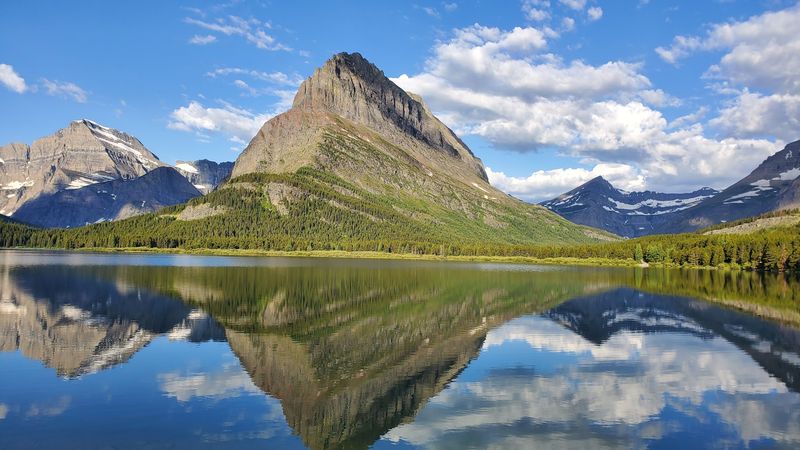
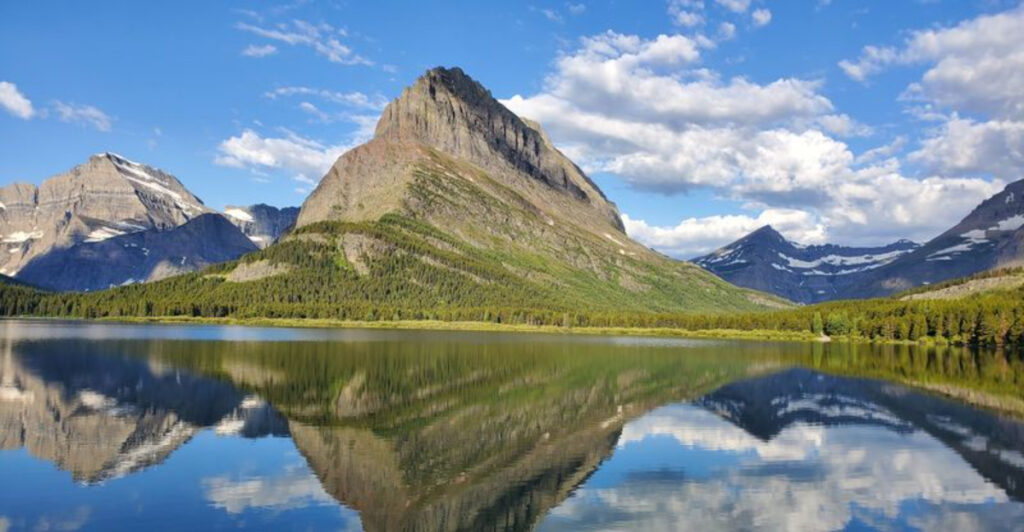
Called the “Crown of the Continent” for good reason, Glacier National Park packs an extraordinary amount of natural beauty into its more than one million acres. Crystal-clear lakes reflecting jagged peaks, alpine meadows bursting with wildflowers, and ancient glaciers carving their way through rocky valleys create scenery that looks straight out of a fantasy novel.
The Going-to-the-Sun Road is one of the most scenic drives in the entire country, winding through the heart of the park at elevations that put you eye-level with mountain goats and bighorn sheep. Lake McDonald, famous for its colorful painted pebbles visible through the glassy water, is a favorite stop for visitors of all ages.
Scientists estimate that the park’s remaining glaciers could disappear by 2030 due to climate change, making a visit feel both inspiring and urgent. Glacier National Park is a treasure that deserves to be seen and protected.
5. Monument Valley, Arizona and Utah
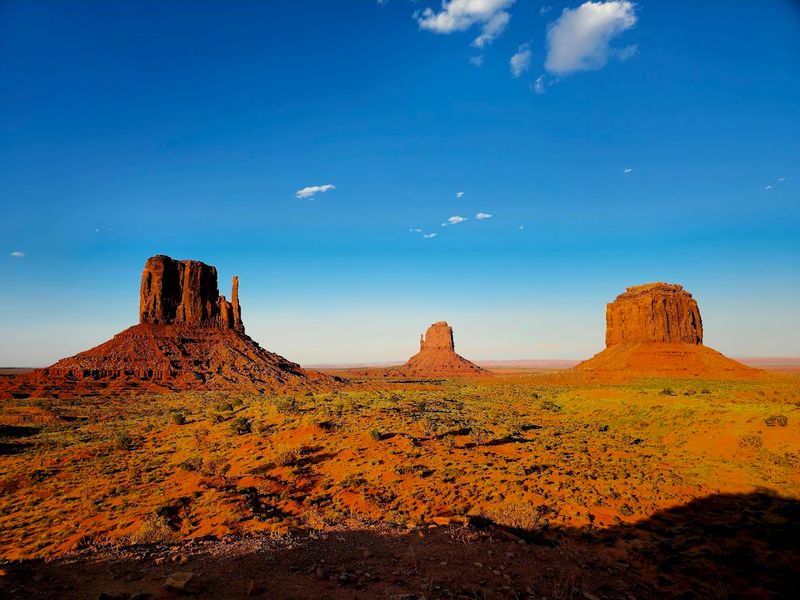
Few landscapes in the world are more instantly recognizable than the towering sandstone buttes of Monument Valley. Rising up to 1,000 feet from the flat desert floor, these ancient formations have appeared in countless Western films, car commercials, and travel magazines for decades.
Their deep red and orange color comes from iron oxide in the sandstone.
Monument Valley sits within the Navajo Nation, and guided tours led by Navajo hosts offer visitors a deeper understanding of the land’s cultural and spiritual significance. Watching the sunrise paint these formations in shades of gold and crimson is one of those experiences that stays with you for a lifetime.
The valley floor stretches across the Colorado Plateau, creating wide-open skies that make the buttes look even more dramatic. Stargazing here on a clear night, far from city lights, is equally unforgettable.
This is the American West at its most powerful and timeless.
6. Na Pali Coast, Hawaii
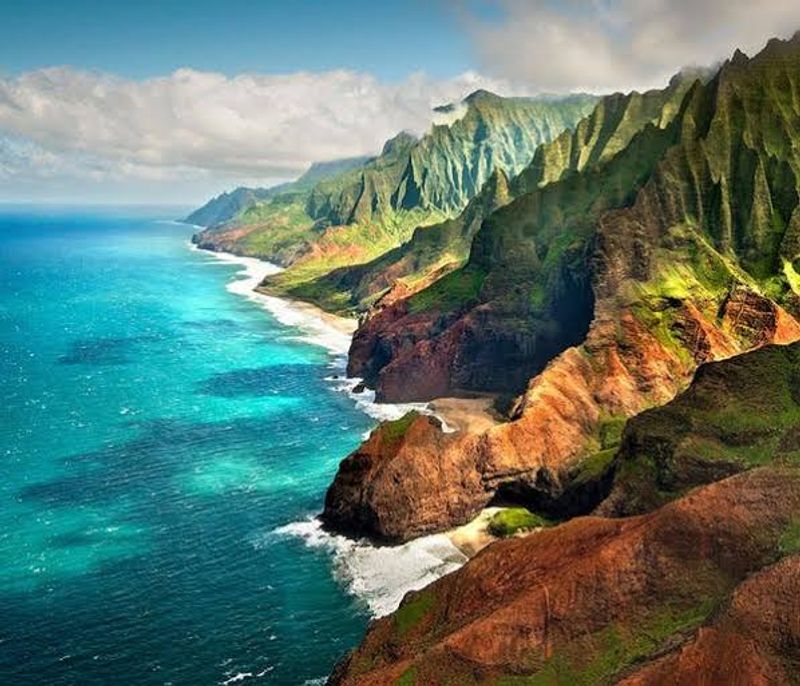
The Na Pali Coast on the island of Kauai looks almost too beautiful to be real. Razor-sharp cliffs covered in lush green vegetation plunge straight into turquoise water, with waterfalls threading down narrow valleys and disappearing into the ocean below.
Much of this coastline is completely inaccessible by road, which has kept it wild and unspoiled.
Visitors can experience the Na Pali Coast by boat tour, helicopter ride, or the challenging Kalalau Trail, an 11-mile hike that rewards determined hikers with some of the most spectacular coastal views on Earth. Each option offers a different perspective on these ancient cliffs, which were formed by millions of years of volcanic activity and erosion.
Hollywood has repeatedly chosen Na Pali as a filming location, including for scenes in Jurassic Park. Once you see these cliffs in person, it is easy to understand why filmmakers keep coming back.
Nature simply does not get more cinematic than this.
7. Antelope Canyon, Arizona
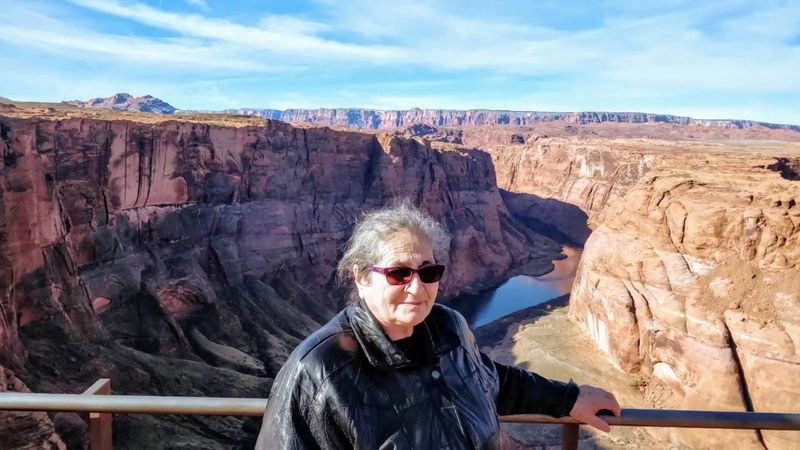
Antelope Canyon is a slot canyon carved by flash floods and wind erosion into smooth, flowing waves of Navajo sandstone near Page, Arizona. The canyon walls twist and curve in ways that seem almost sculpted by hand, and the narrow opening above sends beams of light streaming down into the chamber at certain times of day.
Photographers travel from all over the world to capture those famous light beams, which typically appear around midday from late spring through summer in Upper Antelope Canyon. The colors shift from deep red to burnt orange to soft pink depending on the time and season, making every visit feel slightly different.
The canyon is located on Navajo land and is accessible only through guided tours operated by Navajo-owned companies. Visiting with a knowledgeable local guide adds important cultural context to the experience.
Antelope Canyon is proof that some of the world’s greatest art was made long before humans arrived.
8. Denali National Park, Alaska
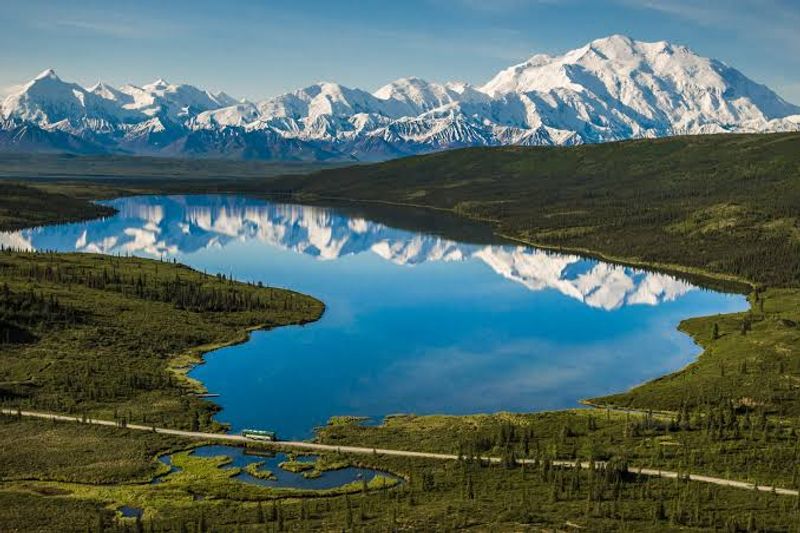
Denali is North America’s tallest mountain, soaring 20,310 feet above sea level in the heart of Alaska’s interior. But the mountain is just the beginning.
The six million acres of wilderness surrounding it include sprawling tundra, braided rivers, boreal forests, and glaciers that stretch for miles in every direction.
Wildlife roams freely here on a scale that is rare anywhere in the modern world. Grizzly bears, wolves, caribou, moose, and Dall sheep are regularly spotted from the park’s single road, which stretches 92 miles into the wilderness.
Private vehicles are restricted beyond the first 15 miles, so most visitors explore by park bus.
Denali is only visible from the park road about 30 percent of the time due to clouds, which makes a clear sighting feel like a true gift. The combination of raw scale, untouched wilderness, and dramatic wildlife makes this one of the last genuinely wild places left on Earth.
9. Great Smoky Mountains, Tennessee and North Carolina
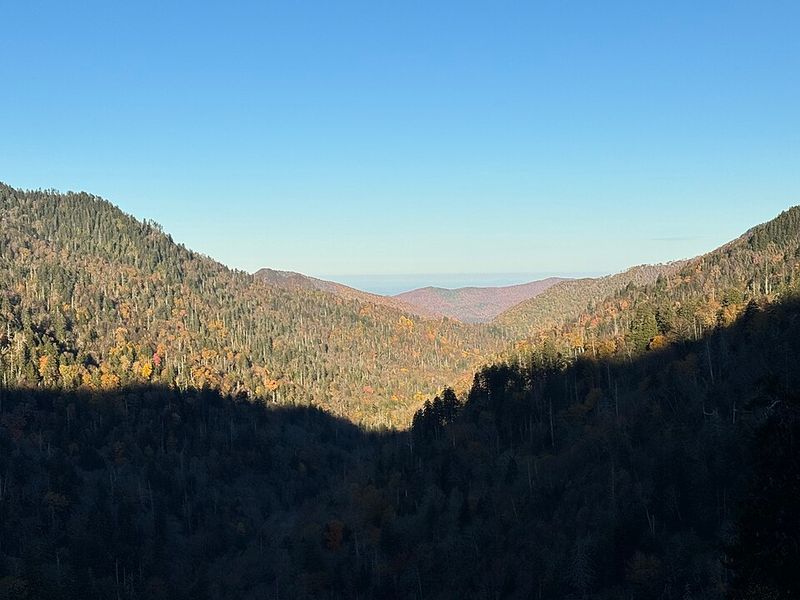
There is something deeply comforting about the Great Smoky Mountains. The soft blue haze that drifts through the valleys and over the rounded ridges gives this range its name and its unmistakable look.
These ancient mountains are among the oldest on Earth, worn smooth by hundreds of millions of years of erosion.
Fall is peak season, and for good reason. The forests covering the Smokies contain one of the most diverse collections of tree species in North America, and when autumn arrives, the hillsides erupt in brilliant shades of orange, crimson, and gold.
Clingmans Dome, the highest point in the park at 6,643 feet, offers sweeping 360-degree views on clear days.
The Great Smoky Mountains National Park is the most visited national park in the entire country, welcoming more than 12 million visitors each year. No entrance fee is required, making it one of the most accessible natural wonders in America.
Everyone is welcome here.
10. Bryce Canyon, Utah
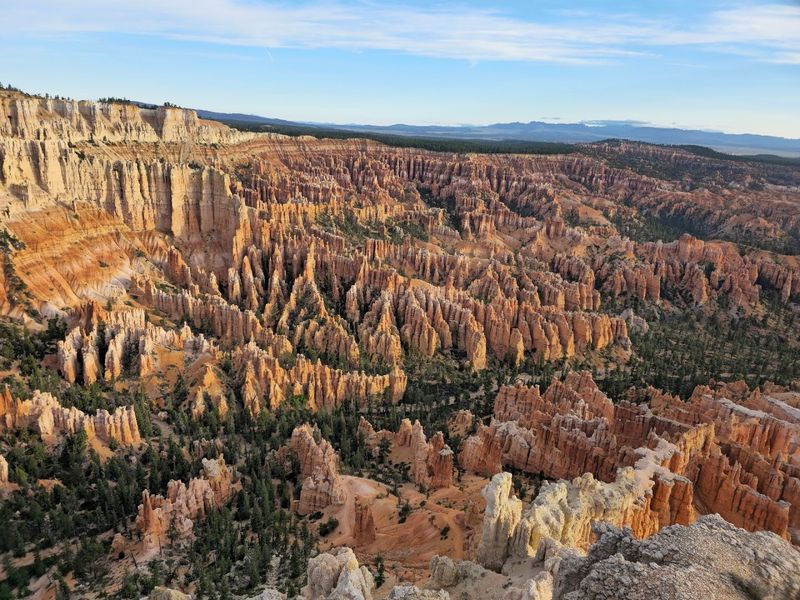
Bryce Canyon is not technically a canyon at all. It is a series of natural amphitheaters carved into the edge of a high plateau, filled with thousands of towering rock spires called hoodoos.
These strange formations were shaped by frost weathering and stream erosion over millions of years, and no two look exactly alike.
At sunrise, the hoodoos glow in shades of deep orange, salmon pink, and creamy white, creating a scene that looks almost otherworldly. The Navajo Loop Trail descends right into the heart of the formations, putting you among the hoodoos in a way that is truly unforgettable.
Winter visits offer an extra treat: snow-dusted hoodoos against a vivid blue sky look absolutely stunning.
Bryce Canyon also sits at high elevation, around 8,000 to 9,000 feet, which means the air is crisp and clear even in summer. On a dark night, the park is certified as an International Dark Sky Park, making stargazing here genuinely world-class.
11. Zion National Park, Utah
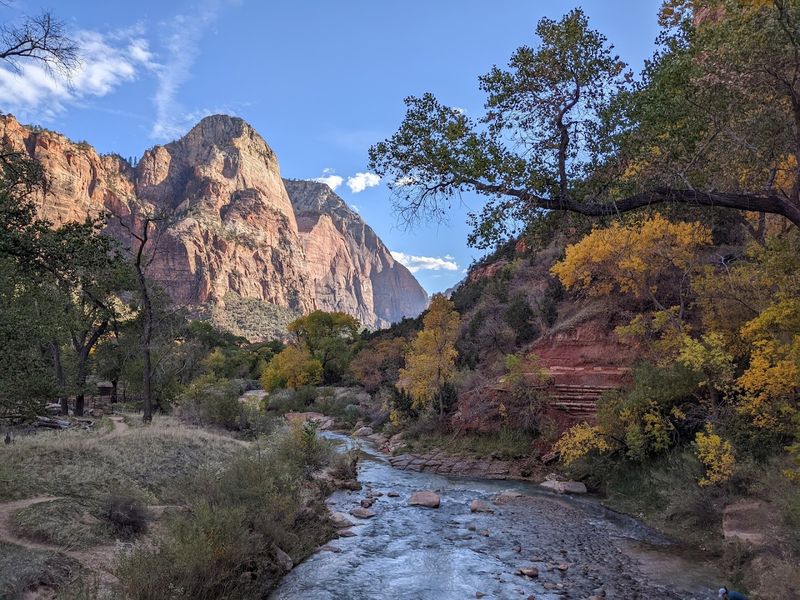
Zion National Park is a place where the scale of nature makes you feel wonderfully small. Sheer sandstone walls in shades of red, orange, and white rise up to 2,000 feet on either side of the narrow canyon, while the Virgin River winds quietly along the canyon floor below.
The contrast between the towering rock and the lush green vegetation along the river is striking.
Angels Landing is arguably the most famous hike in the entire national park system. The trail climbs to a narrow rocky spine with chains bolted into the rock for safety, and the views from the top stretch across the entire canyon in every direction.
It is thrilling and a little terrifying in the best possible way.
The Narrows, where hikers wade through the Virgin River between canyon walls just a few feet apart, offers a completely different but equally magical experience. Zion has something for every type of visitor, from casual walkers to serious adventurers.
Few parks deliver such consistent visual drama.
12. Niagara Falls, New York
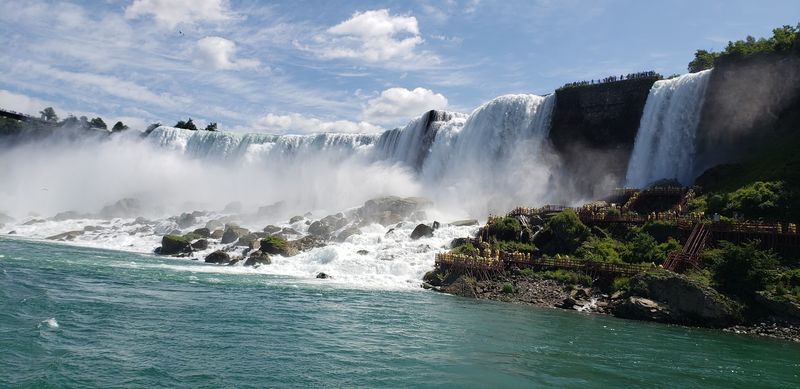
Niagara Falls has been drawing visitors for centuries, and it still manages to exceed expectations every single time. The Horseshoe Falls, the largest of the three falls that make up Niagara, sends more than 85,000 cubic feet of water over its edge every second.
The roar and spray hit you well before you even see the falls themselves.
Standing on the observation deck at Niagara Falls State Park, the oldest state park in the country, puts you close enough to feel the mist on your face. The Maid of the Mist boat tour takes visitors directly into the basin below the falls, where the noise and power of the water are simply overwhelming in the best way.
At night, the falls are illuminated in a rotating display of colors that transforms the scene into something almost theatrical. Winter visits offer a bonus: partially frozen falls surrounded by ice formations that turn the landscape into a surreal, glittering spectacle.
Niagara never gets old.
13. Big Sur, California
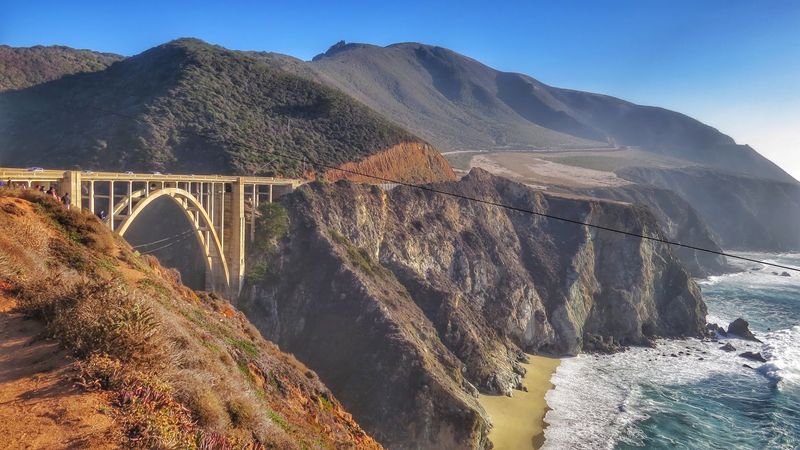
Big Sur is one of those rare places where a simple drive becomes one of the most memorable experiences of your life. Highway 1 hugs the edge of rugged coastal cliffs for about 90 miles between Carmel and San Simeon, offering non-stop views of crashing Pacific waves, rocky outcrops, and forested hillsides tumbling straight into the sea.
The Bixby Creek Bridge, one of the most photographed bridges in California, arches gracefully over a deep coastal gorge and has appeared in more car commercials than almost any other stretch of road in America. Pulling over to watch the sunset from a clifftop turnout here is a moment that stays with you for years.
Elephant seals haul out on the beaches near San Simeon, sea otters float in the kelp beds offshore, and condors soar overhead along the cliffs. Big Sur is as rich in wildlife as it is in scenery.
It is a place that rewards slow travel and lingering stops at every overlook.
14. Arches National Park, Utah
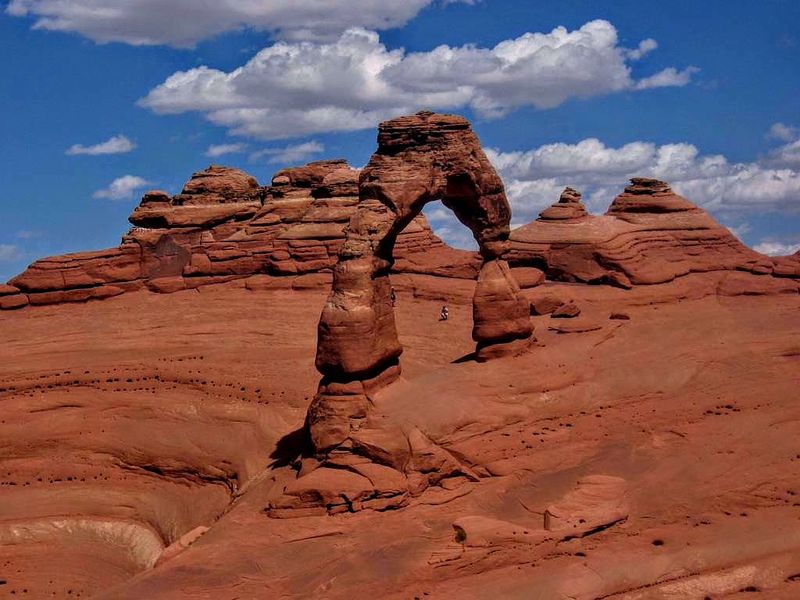
With more than 2,000 natural sandstone arches spread across a blazing red desert landscape, Arches National Park is one of the most geologically unique places on Earth. The arches range from small window-sized openings to Landscape Arch, which spans 306 feet and is one of the longest natural arches in the world.
Each one was carved by water, ice, and erosion over millions of years.
Delicate Arch is the park’s most iconic feature and appears on Utah’s license plate. Hiking the 3-mile round trip trail to reach it feels like a pilgrimage, and the moment it comes into view perched on the edge of a natural bowl is genuinely breathtaking.
At sunset, the arch glows deep red against a sky fading from orange to purple.
The park sits at about 4,000 feet elevation, which means summer evenings cool down quickly after the scorching afternoon heat. Stargazing under a certified dark sky here is another highlight that many visitors do not expect.
Arches rewards visitors who stay past sunset.
15. Crater Lake, Oregon
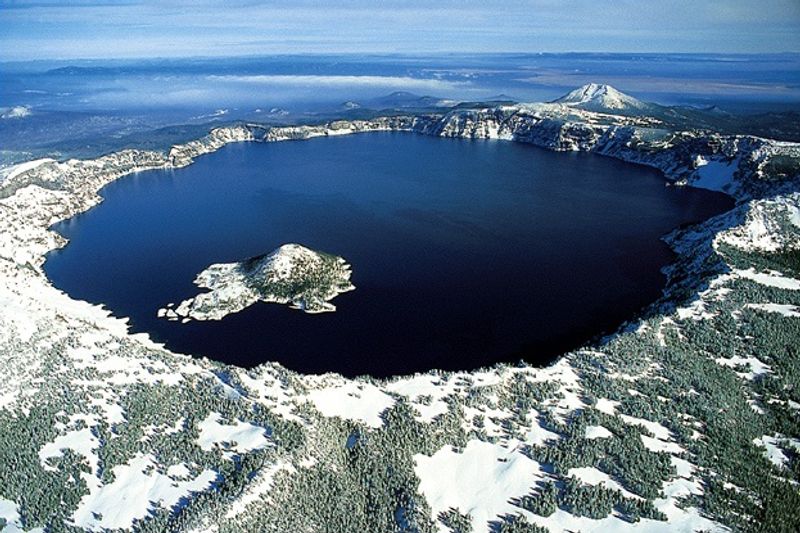
About 7,700 years ago, a massive volcanic eruption caused Mount Mazama to collapse inward, creating a caldera that slowly filled with rain and snowmelt over centuries. The result is Crater Lake, the deepest lake in the United States at 1,943 feet, and one of the clearest and most brilliantly blue bodies of water anywhere in the world.
The blue is not just striking. It is scientifically remarkable.
Because Crater Lake has no rivers flowing in or out, the water is extraordinarily pure, allowing sunlight to penetrate deep below the surface and reflect back that intense, almost electric blue color. On calm days, the reflections of the crater rim are so sharp they look like a mirror image.
Wizard Island, a small cinder cone volcano that pokes up from the center of the lake, adds a mysterious and dramatic touch to an already stunning scene. Snow typically blankets the rim from October through June, giving the park a completely different look with each season.
Crater Lake is quiet, remote, and absolutely unforgettable.
Share this story