Sugar is everywhere, and some countries take their sweet tooth very seriously. From tiny island nations to cold Nordic lands, global sugar consumption tells a fascinating story about culture, diet, and lifestyle.
I was genuinely shocked when I first looked at the data and realized that some of the biggest sugar consumers are not the countries you would expect. Get ready for a sugary tour around the world that will surprise you at every stop.
Luxembourg

Luxembourg is tiny but mighty when it comes to sugar. This small European nation consistently ranks among the world’s top sugar consumers per capita, and honestly, it makes sense once you visit.
The food culture here leans heavily on rich pastries, chocolates, and sweet wines.
Luxembourg shares culinary borders with Belgium, France, and Germany, which means its residents enjoy the best sweets from all three traditions. That triple influence adds up fast on the sugar scale.
Rich tarts, cream-filled cakes, and pralines are everyday treats, not just special-occasion indulgences.
The country also has a high standard of living, giving residents plenty of purchasing power for premium confectionery. Sugar consumption here averages around 57 kilograms per person per year.
That is a staggering number for a country most people could not find on a map without squinting.
Fiji
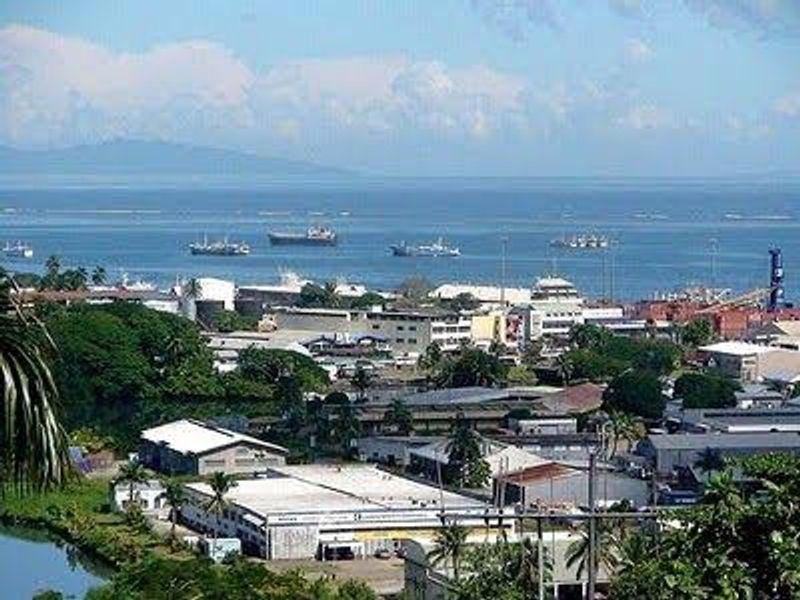
Fiji grows sugarcane as one of its main agricultural products, so it is no surprise that sugar flows freely through Fijian daily life. The country has been producing cane sugar since the 1800s, and that history is baked right into the national diet.
Sugar is not just a food here, it is practically a cultural institution.
Traditional Fijian dishes and drinks lean sweet, and processed foods loaded with added sugars have become increasingly common in urban areas. The combination of homegrown sugar supply and changing modern eating habits has pushed consumption figures well above global averages.
Health organizations have flagged the rising rates of diabetes and obesity in Fiji, linking them directly to sugar intake. The irony is sharp: a country that produces so much sugar is now grappling with the health costs of consuming it.
Fiji is a paradise, but this is one export it could afford to keep more of offshore.
Suriname
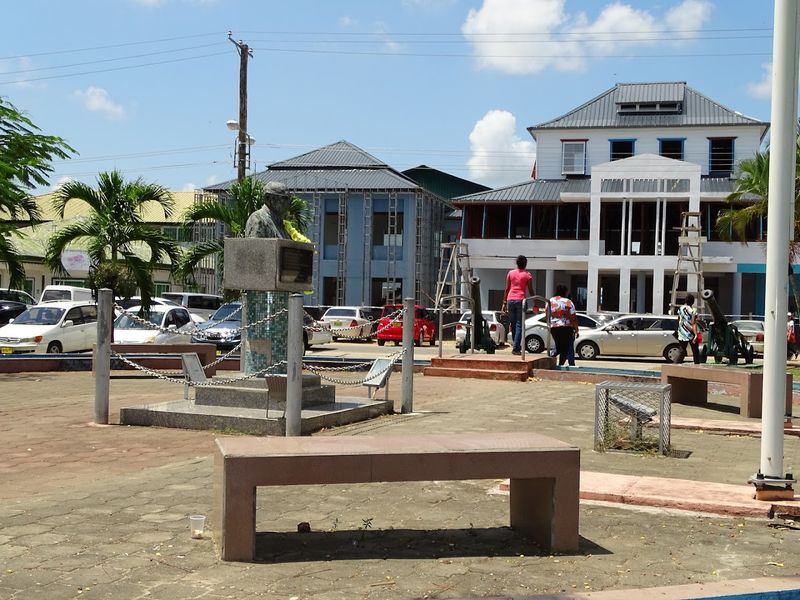
Suriname is one of South America’s most underrated countries, and its relationship with sugar runs centuries deep. Dutch colonizers established sugarcane plantations here in the 1600s, and the legacy of that era still shows up in the national diet today.
Sweet is simply the default flavor setting in Surinamese cuisine.
The country’s multicultural population, which includes Creole, Javanese, Hindustani, and Chinese communities, all bring their own sugar-heavy culinary traditions to the table. Sweetened condensed milk, sugary pastries, and syrup-drenched desserts appear across every cultural celebration.
The variety is impressive, even if the calorie count is not.
Suriname’s per capita sugar consumption is among the highest in Latin America and the Caribbean. Sugary soft drinks are extremely popular and widely affordable, which does not help the numbers.
Still, food culture here is joyful and community-driven, and nobody is giving up their sweet treats without a serious fight.
Montenegro
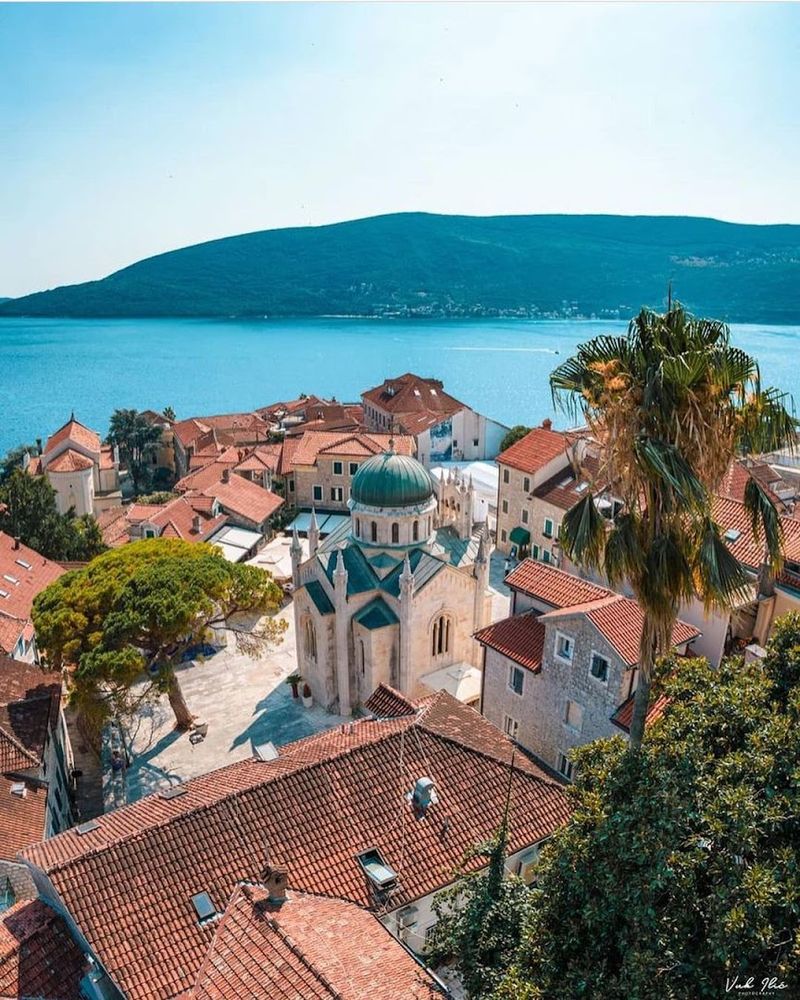
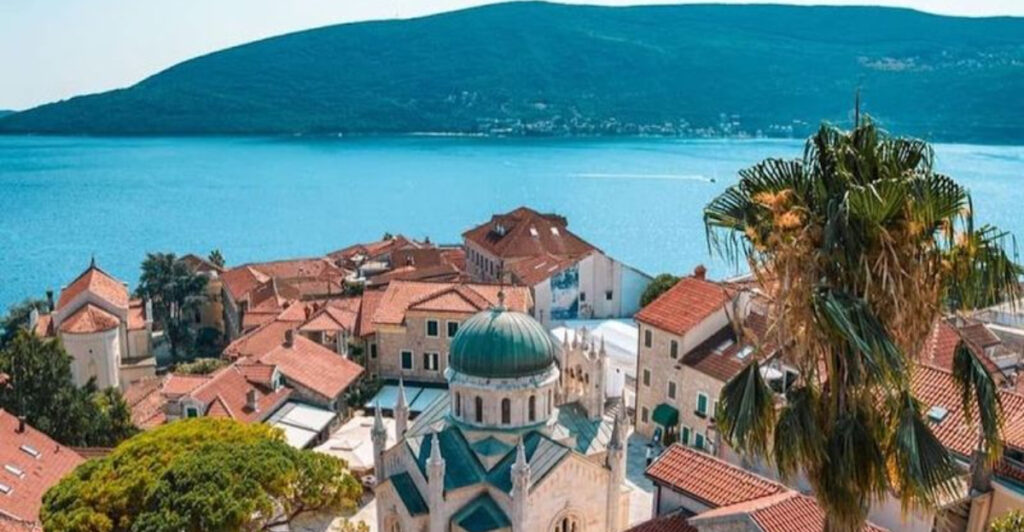
Montenegro may be one of Europe’s smallest countries, but its appetite for sugar punches well above its weight. Balkan food culture is famously generous with sweetness, and Montenegro is no exception.
Baklava, tufahije, and sweet rakia-based drinks are staples at every family gathering worth attending.
Coffee culture here is serious, and strong Turkish-style coffee almost always comes paired with something sugary on the side. It is practically rude to serve a guest coffee without a piece of lokum or a sweet pastry.
That hospitality tradition quietly adds a lot of sugar to the daily average.
Montenegro’s sugar consumption is driven as much by social customs as by personal preference. Celebrations, funerals, holidays, and casual visits all revolve around sweet food.
The country has been working on modernizing its health guidelines, but changing centuries of delicious tradition is easier said than done. Some habits are just too sweet to quit.
Australia
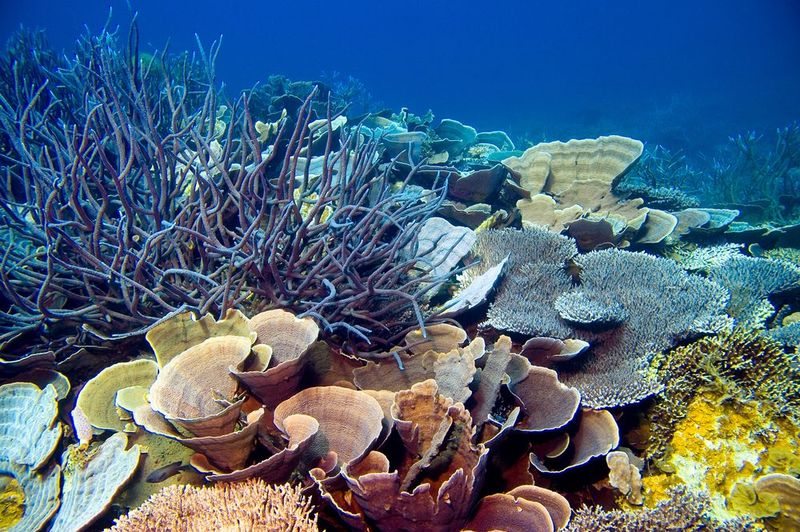
Australia has a serious sugar habit, and most Australians would probably shrug and reach for another Tim Tam while reading that. The country’s love of sweetened beverages, processed snacks, and sugary breakfast cereals has placed it firmly among the world’s top consumers.
The numbers are not exactly something to celebrate.
Australians consume an average of over 50 kilograms of sugar per person annually. A big chunk of that comes from hidden sugars in packaged foods rather than obvious treats.
That sneaky sugar in your morning granola bar and your flavored yogurt adds up before you even get to dessert.
Australia’s food industry has faced growing pressure to reduce added sugars in products, and health campaigns have been ramping up in recent years. Progress is slow, though.
Sugar is deeply embedded in the food supply chain, and changing that takes more than a few catchy government slogans. Still, awareness is growing, and that is at least a step in the right direction.
Iceland

Iceland has a reputation for clean air and pristine nature, but its sugar consumption stats are anything but pure. Icelanders have an almost legendary love of candy, particularly licorice and chocolate.
The country’s per capita candy consumption is among the highest in the world, which is a fun fact until you look at the dental records.
Saturday is literally called “nammidag” in Icelandic children’s culture, which translates roughly to candy day. Kids traditionally get their weekly sweet fix on Saturdays, a custom that has been around for generations.
That kind of institutionalized sugar ritual is both adorable and slightly alarming.
The long, dark Icelandic winters probably do not help. When the sun disappears for months, comfort food and sweets become very appealing coping mechanisms.
Iceland imports enormous quantities of confectionery, and local brands produce creative flavors that keep demand high year-round. The cold may be brutal, but at least the candy is world-class.
Lithuania
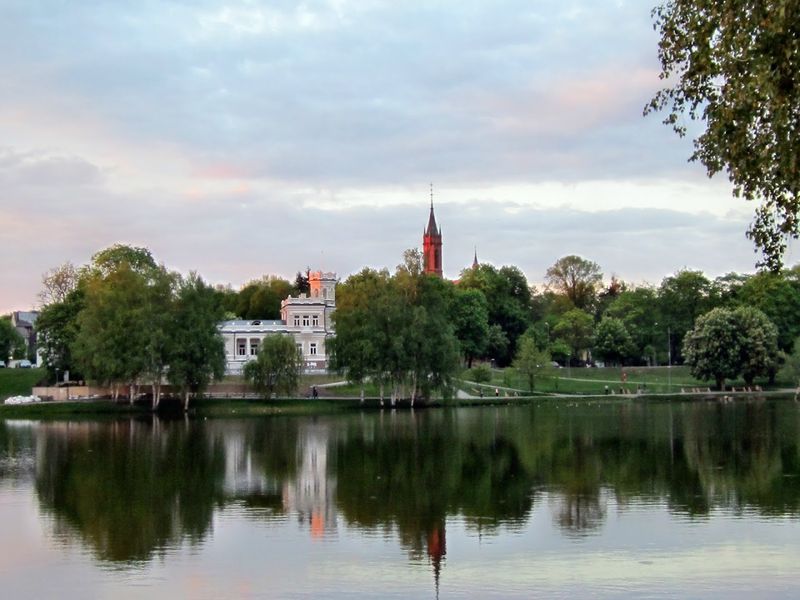
Lithuania might not be the first place that comes to mind when you think about sugar, but the data tells a different story. Baltic cuisine is hearty and rich, and sweetness plays a bigger role than outsiders expect.
Honey cakes, sweet breads, and syrup-heavy desserts are central to Lithuanian food traditions.
Lithuania also has a strong culture of home baking, which means sugar consumption happens at a very personal, everyday level. Grandmothers across the country are turning out honey rolls and poppy seed cakes on a weekly basis.
That kind of warm, homemade sweetness is hard to resist and even harder to measure accurately.
Sugary soft drinks and energy drinks have surged in popularity among younger Lithuanians, pushing the per capita figures even higher. The country has been rolling out sugar taxes and awareness campaigns to address rising health concerns.
It is a tough sell when the honey cake is already cooling on the counter, but Lithuania is trying.
Ireland

Ireland runs on tea and biscuits, and that combination alone could explain a significant portion of the country’s sugar intake. The Irish have an almost sacred relationship with their afternoon tea, and no proper cup is complete without something sweet alongside it.
Chocolate digestives are basically a national food group at this point.
I once spent a week in County Clare and counted no fewer than four biscuit varieties on offer at a single bed and breakfast. The host looked genuinely offended when I suggested that was a lot of sugar before noon.
In Ireland, sweet hospitality is non-negotiable.
Beyond tea time, Ireland has seen a sharp rise in processed food consumption over recent decades. Sugary breakfast cereals, flavored yogurts, and fizzy drinks are now everyday staples.
Ireland introduced a sugar tax on soft drinks in 2018, which helped nudge some manufacturers toward reformulation. Progress is real, but the biscuit tin remains stubbornly full.
Nauru
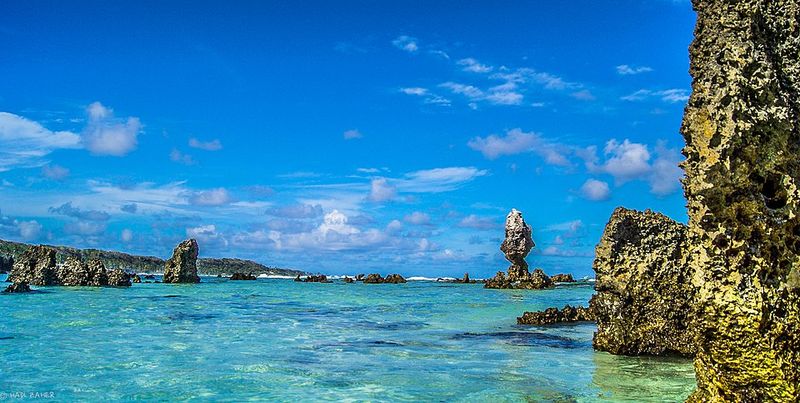
Nauru is one of the world’s smallest countries, and it carries one of the world’s heaviest burdens when it comes to diet-related health problems. The island nation in the Pacific has extremely high rates of obesity and diabetes, both closely linked to a diet heavy in imported processed foods and sugary drinks.
This is a serious public health crisis on a tiny island.
Nauru has very limited agricultural capacity, so almost all food is imported. That means the food supply is dominated by cheap, calorie-dense, sugar-loaded products.
Fresh produce is expensive and scarce, while canned goods and soft drinks are affordable and everywhere. The economics of the situation make healthy eating genuinely difficult for many residents.
International health organizations have been working with Nauru’s government to address the crisis, but change is slow when geography and economics stack the odds against you. Nauru’s sugar story is less about indulgence and more about access, affordability, and the complicated legacy of food dependence on imported goods.
Macau
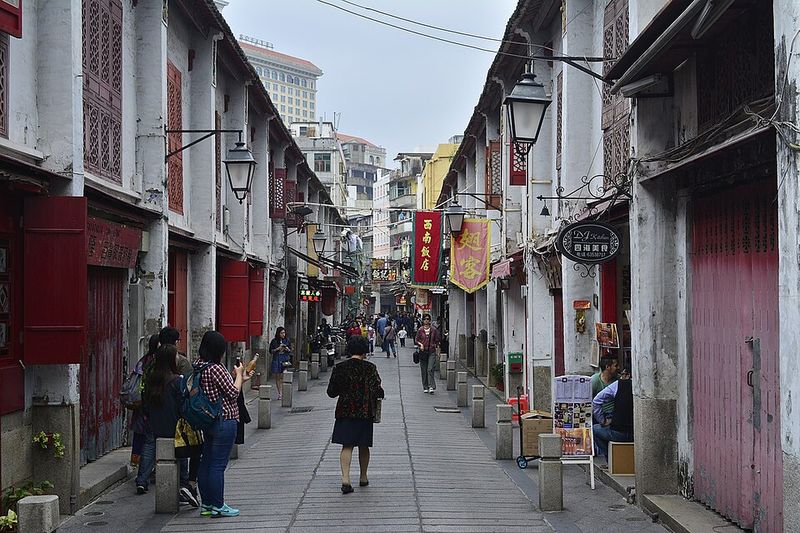
Macau is famous for casinos, but the real jackpot here is the pastry scene. This tiny territory blends Portuguese and Chinese culinary traditions in a way that produces some of the world’s most irresistible sweets.
The Portuguese egg tart, or pastel de nata, is practically Macau’s edible mascot and is consumed in enormous quantities daily.
Beyond egg tarts, Macau’s streets are lined with shops selling almond cookies, serradura pudding, and sugar-coated peanuts. Sweet snacking is woven into the social fabric of daily life here.
Tourists and locals alike fuel their casino adventures with a steady stream of sugary treats from morning to midnight.
The combination of tourism-driven food culture and deeply rooted Portuguese-Chinese dessert traditions keeps sugar consumption in Macau persistently high. With millions of visitors passing through each year, the demand for sweet treats never dips.
Macau may be small in size, but it is absolutely enormous in dessert ambition.
Estonia
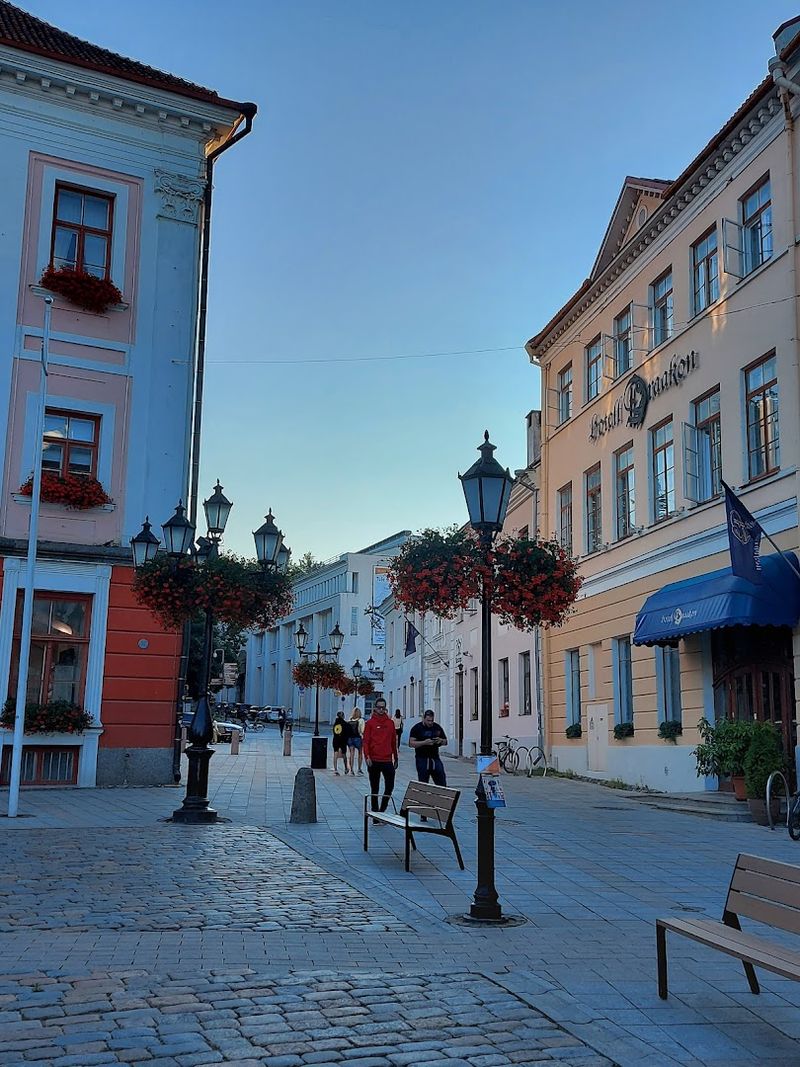
Estonia has a serious marzipan obsession, and Tallinn’s old town is basically a marzipan museum you can eat. The tradition of crafting elaborate marzipan figures dates back to medieval times, and Estonians have never stopped being enthusiastic about it.
Chocolate, kringel bread, and sweet pastries are also deeply embedded in everyday eating habits.
Estonian food culture celebrates richness and comfort, which naturally skews sweet. Rye bread with honey, cream-filled pastries, and chocolate-dipped everything are standard fare at cafes and home tables alike.
The country has a thriving local confectionery industry that keeps shelves well-stocked with temptation.
Sugar consumption in Estonia is notably higher than the European Union average, which has prompted some public health concern. The government has introduced nutritional labeling improvements and awareness campaigns targeting younger populations.
Results are mixed so far, mostly because it is very hard to say no to marzipan shaped like a tiny medieval knight. Estonia earns extra points for making sugar consumption genuinely artistic.
Saint Lucia
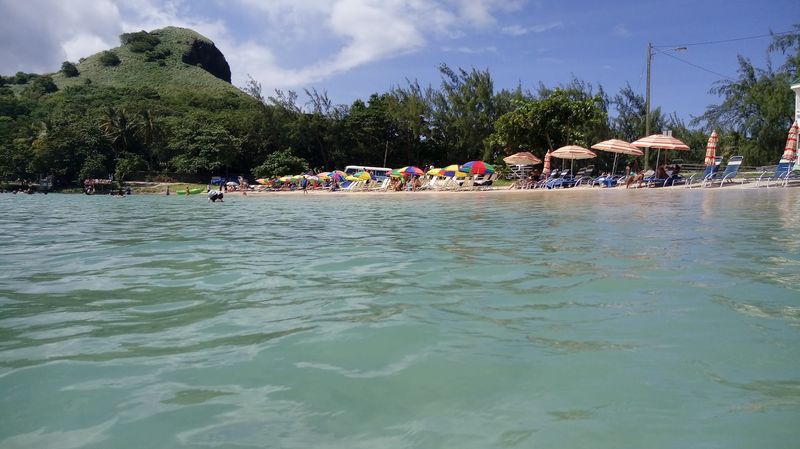
Saint Lucia is a Caribbean gem with a sugarcane history that stretches back to the colonial era. The island’s landscape was once dominated by sugar plantations, and while the industry has shrunk, the taste for sweetness has not.
Traditional Saint Lucian cuisine features plenty of sugar-laden treats rooted in that agricultural legacy.
Rum, which is basically liquid sugarcane, is a cornerstone of Saint Lucian culture and contributes significantly to overall sugar intake. Sweet carbonated drinks, fruit punches loaded with syrup, and traditional Creole desserts like bread pudding and coconut fudge keep the numbers climbing.
Nobody on the island is apologizing for any of it.
Tourism has also introduced more processed sweets and imported confectionery into the local diet over the decades. Health advocates on the island are pushing for better nutrition education, particularly targeting childhood sugar consumption.
Saint Lucia is working on it, but when your island literally grew sugarcane for centuries, old habits take time to sweeten into something healthier.
Saint Kitts and Nevis
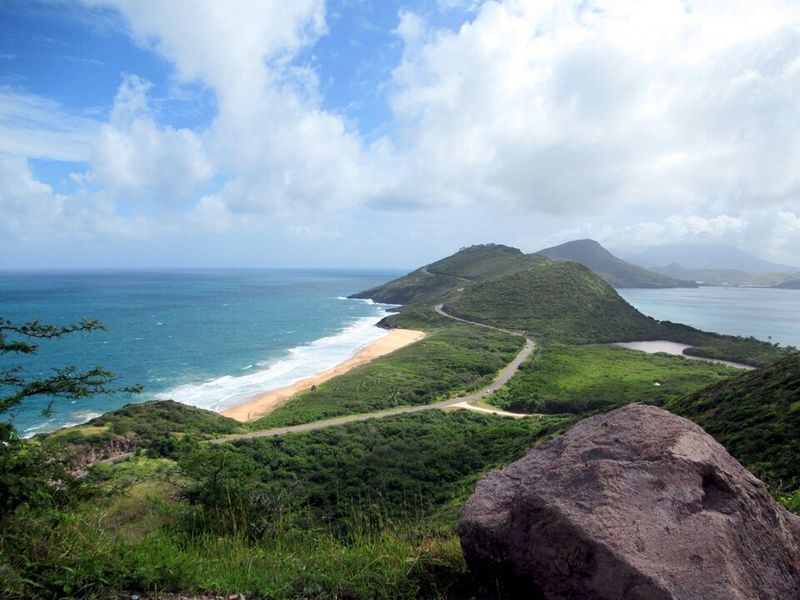
Saint Kitts and Nevis has sugarcane running through its entire national identity. For centuries, sugar was the backbone of the economy, and the island’s landscape is still dotted with old sugar mill ruins that tell that story visually.
The sugar industry officially ended in 2005, but the dietary habits it shaped have lingered on.
Sweet drinks, sugar-heavy traditional desserts, and processed foods with high sugar content are everyday staples for many residents. Coconut drops, peanut brittle, and sugary beverages are beloved local treats that show up at every celebration.
The cultural connection between sweetness and joy runs extremely deep here.
The shift away from agricultural sugar production did not reduce sugar consumption at all. Instead, cheaper imported processed foods filled the gap, often with even more added sugars than traditional homemade versions.
Public health campaigns in Saint Kitts and Nevis are now addressing the resulting rise in non-communicable diseases. The ruins of the old mills stand as a reminder of how much history one small island can carry.
Bolivia
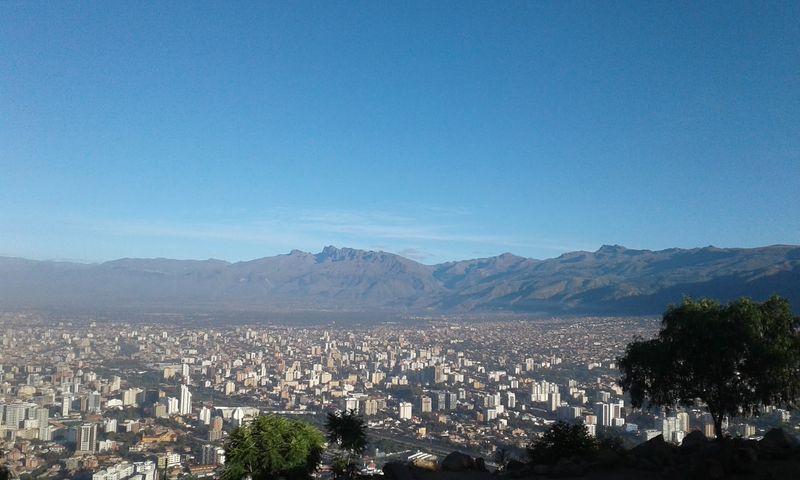
Bolivia has a sweet tooth that rivals countries twice its size. Traditional Bolivian celebrations are packed with sugary foods, from syrup-soaked pastries at festivals to sweet chicha drinks served at family gatherings.
Sugar is not just a flavor here, it is a social currency exchanged at every important life event.
Street food culture in Bolivian cities is a sugar lover’s adventure. Vendors sell everything from candied nuts to deep-fried sweet dough dusted with powdered sugar.
The variety is impressive, and the prices are low enough that sweet snacking is accessible to almost everyone, which keeps consumption figures high across income levels.
Bolivia also has a significant sugarcane industry in its lowland regions, particularly around Santa Cruz. Local production keeps sugar affordable and available nationwide.
Health officials have expressed concern about rising diabetes rates, especially in urban areas where processed food consumption has accelerated. Bolivia is sweet in every sense of the word, and that is both its charm and its challenge.
Mongolia
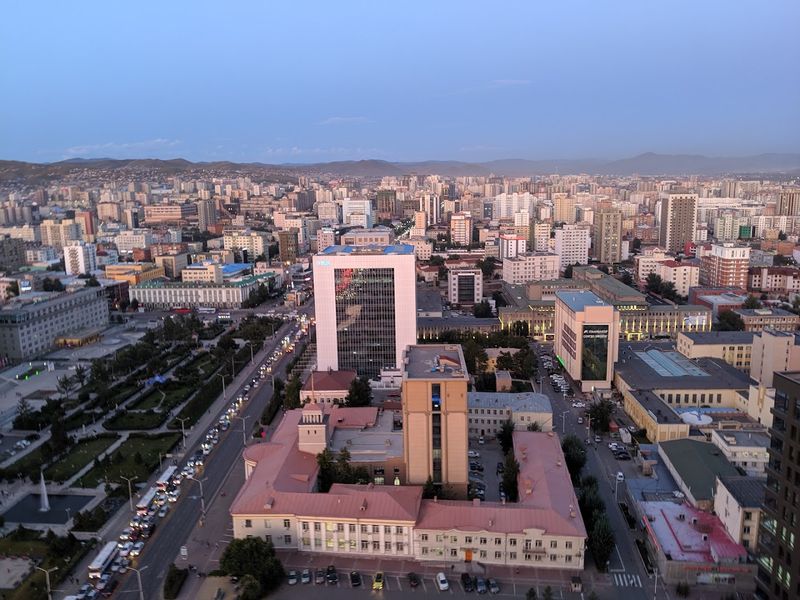
Mongolia might surprise you on this list. The country is more famous for vast steppes and fierce warriors than for sugar, but modern Mongolia has developed quite the sweet habit.
The rapid urbanization of recent decades brought fast food, sugary soft drinks, and processed snacks into Mongolian daily life at a startling pace.
Traditional Mongolian cuisine is meat and dairy heavy, but sweetened milk tea with generous amounts of sugar is consumed multiple times daily by most Mongolians. That alone accounts for a meaningful chunk of daily sugar intake.
Add in the growing popularity of candy, biscuits, and carbonated drinks among younger generations, and the numbers climb quickly.
Ul boov, the traditional stacked biscuit cake served at Lunar New Year, is one of the most beloved sweet traditions in the country. Mongolia’s sugar consumption has roughly doubled over the past two decades as urban diets shifted dramatically.
Health authorities are paying close attention, but convincing a nation that survived on fermented mare’s milk to cut back on sugar is a genuinely tough conversation to start.
Share this story