 Unearth The Voyage
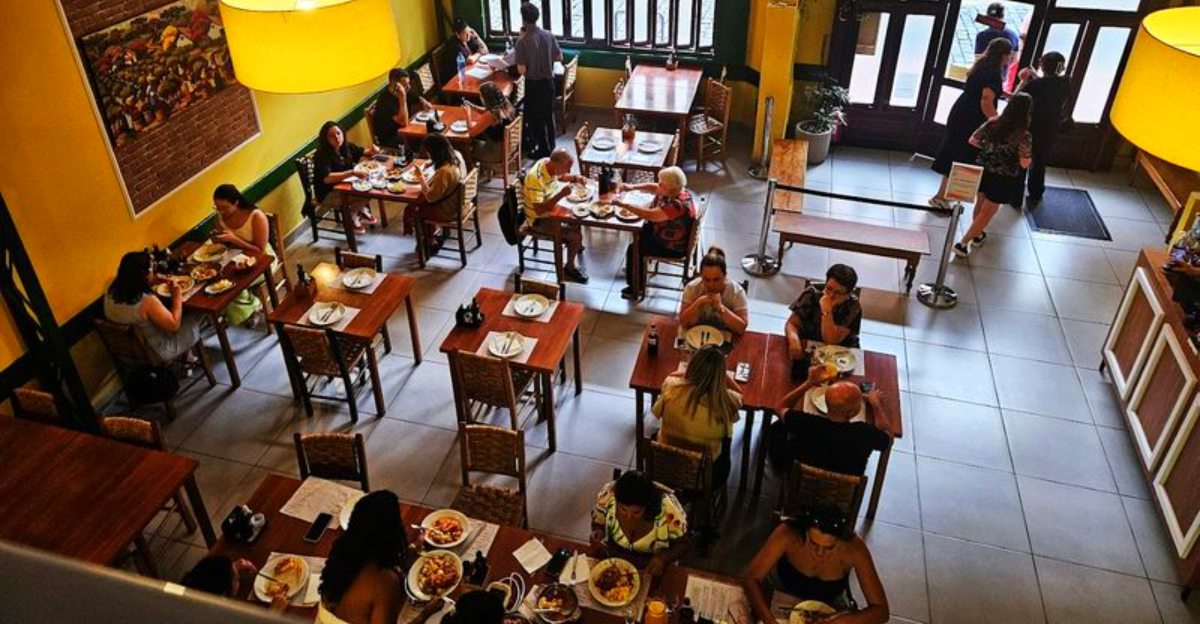
Brazil has more than 200 million people, and it sometimes feels like every single one of them has a strong opinion about where to eat. That is not a bad thing.
The country’s food culture runs deep, from the Amazon rainforest to the streets of Rio de Janeiro, and each region brings something completely different to the table. A churrascaria in Sao Paulo operates on entirely different terms than a street stall in Belem, yet both can leave you equally speechless.
This article covers 13 restaurants, markets, and food spots across Brazil that have earned their reputation the hard way through consistently outstanding food, loyal regulars, and dishes that people travel long distances just to try. Some are fancy, some are casual, and a few are genuinely one of a kind.
Read on to find out which ones made the list.
1. Confeitaria Colombo, Rio de Janeiro

Open since 1894, Confeitaria Colombo is one of the oldest and most photographed cafes in all of Brazil, and it has earned every bit of that attention.
The building features tall Belgian mirrors, a stained glass ceiling, and marble countertops that have been in place for well over a century.
The menu centers on traditional Brazilian pastries, strong coffee, and classic desserts that have barely changed since the cafe first opened its doors.
Pao de queijo, eclairs, and brigadeiro cake are among the most popular orders here.
Located in downtown Rio, the cafe draws a mix of tourists and office workers who stop in for a midday break.
Reservations are not required for the ground floor, but the upstairs tea room fills up quickly on weekends.
A visit here is less about a single dish and more about experiencing a piece of Rio’s culinary history.
2. Mocotó, São Paulo
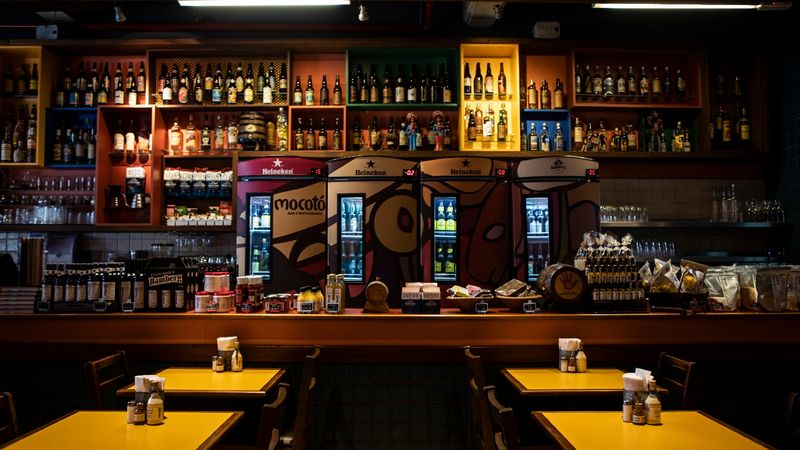
Founded in 1973 by a man who moved from the Brazilian Northeast to Sao Paulo, Mocoto started as a small neighborhood spot and grew into one of the most talked-about restaurants in Latin America.
The signature dish is caldo de mocoto, a rich bone broth made from cow’s feet that has been on the menu since day one.
Chef Rodrigo Oliveira, who took over from his father, has expanded the menu while keeping the Northeastern identity fully intact.
Dishes like baiao de dois, a combination of rice and beans cooked together, and carne de sol, sun-dried salted beef, draw crowds every single day.
The restaurant sits in the Vila Medeiros neighborhood, far from Sao Paulo’s tourist center, which makes the loyal customer base even more impressive.
Reservations book out weeks in advance on weekends.
3. Casa do Porco, São Paulo
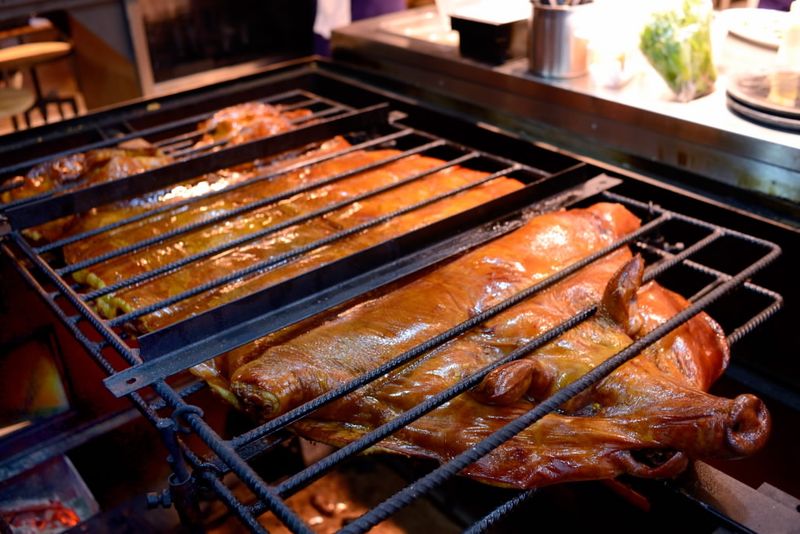
Ranked consistently among the top 50 restaurants in Latin America, Casa do Porco has built its entire identity around one animal: the pig.
Chef Jefferson Rueda opened the restaurant in 2015 in downtown Sao Paulo, and the concept was considered a risk at the time.
The tasting menu runs through multiple courses, each featuring pork prepared in a different way, from cured and sliced thin to slow-roasted whole and served at the table.
Rueda sources his animals from small farms and works with specific breeds chosen for flavor rather than volume.
The restaurant also runs a street-level sandwich window that serves porchetta rolls to passersby at more casual prices.
Inside, the space feels relaxed and unpretentious despite its reputation, which is exactly the tone Rueda intended.
Booking well ahead is strongly recommended, as tables are released online and fill up fast.
4. Oro, Rio de Janeiro
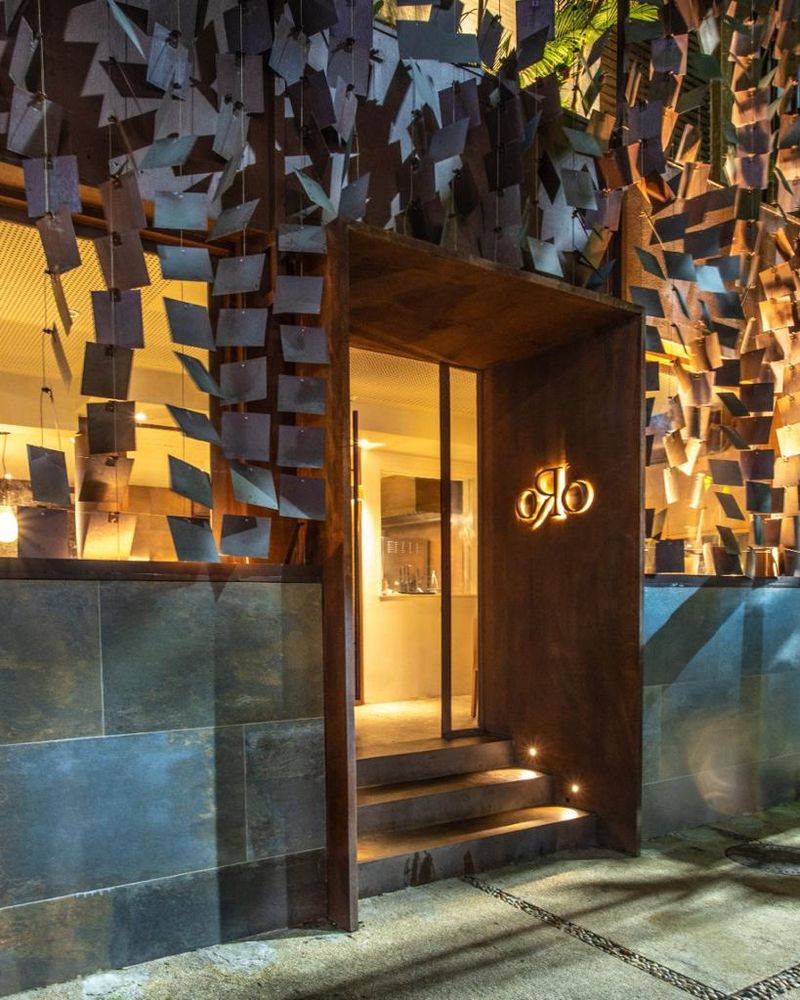
Chef Felipe Bronze has spent years making the case that Rio de Janeiro deserves its own serious fine dining identity, and Oro is his strongest argument yet.
The restaurant holds two Michelin stars and offers a tasting menu that changes based on seasonal Brazilian ingredients, often featuring products that most diners have never encountered before.
Bronze trained in France and New York before returning to Brazil, and that background shows in the technical precision of every plate.
Dishes are compact and carefully constructed, with each course building logically on the one before it.
The dining room seats a small number of guests, which allows the kitchen to give full attention to each table.
Oro is located in the Leblon neighborhood, one of Rio’s most upscale areas, and the surrounding streets make for a pleasant walk before or after the meal.
5. Mercado Ver-o-Peso, Belém
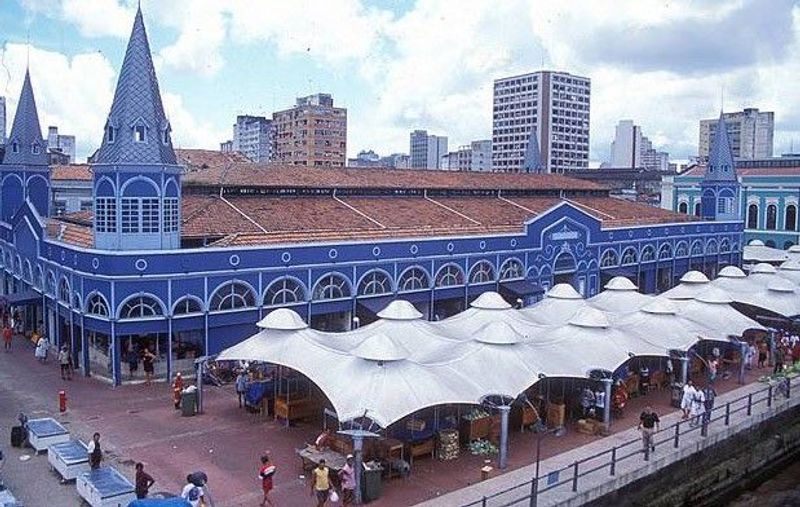
Ver-o-Peso is not just a market. It is the central food institution of the entire Amazon region, and it has been operating on the waterfront of Belem since the colonial era.
The market covers several buildings and an open-air section that stretches along the Rio Guama, offering everything from fresh fish pulled directly from Amazonian rivers to medicinal herbs and exotic fruits with no equivalent anywhere else in the world.
Tacacá, a hot broth made with tucupi and jambu leaves, is sold by vendors in the market and represents one of the most distinctive food experiences in all of Brazil.
Pato no tucupi, duck cooked in fermented cassava broth, is another local staple worth trying nearby.
The best time to visit is early morning when the freshest products arrive.
Bring cash, as most vendors do not accept cards.
6. D.O.M., São Paulo
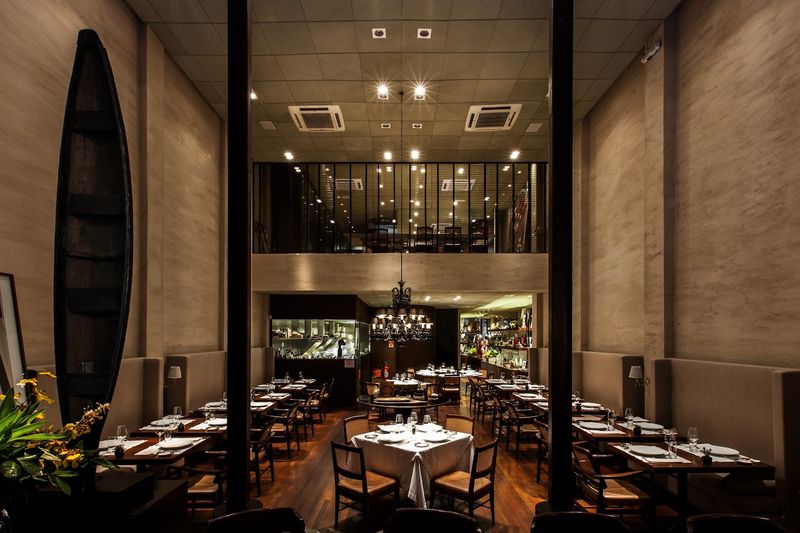
Alex Atala is arguably the most internationally recognized chef in Brazilian history, and D.O.M. is the restaurant that made his reputation.
Opened in 1999, D.O.M. currently holds two Michelin stars and has appeared on the World’s 50 Best Restaurants list multiple times.
Atala’s focus is on native Brazilian ingredients, many of them sourced directly from the Amazon, that rarely appear on menus anywhere outside the region.
Ingredients like priprioca root, tucuma palm, and baru nuts show up in dishes that combine indigenous knowledge with classical French technique.
The tasting menu runs approximately 10 to 12 courses and takes around three hours to complete.
D.O.M. is located in the Jardins neighborhood of Sao Paulo, surrounded by boutique shops and galleries.
The restaurant also has an ongoing research partnership with communities in the Amazon to support sustainable ingredient sourcing.
7. Beach Kiosks in Rio de Janeiro
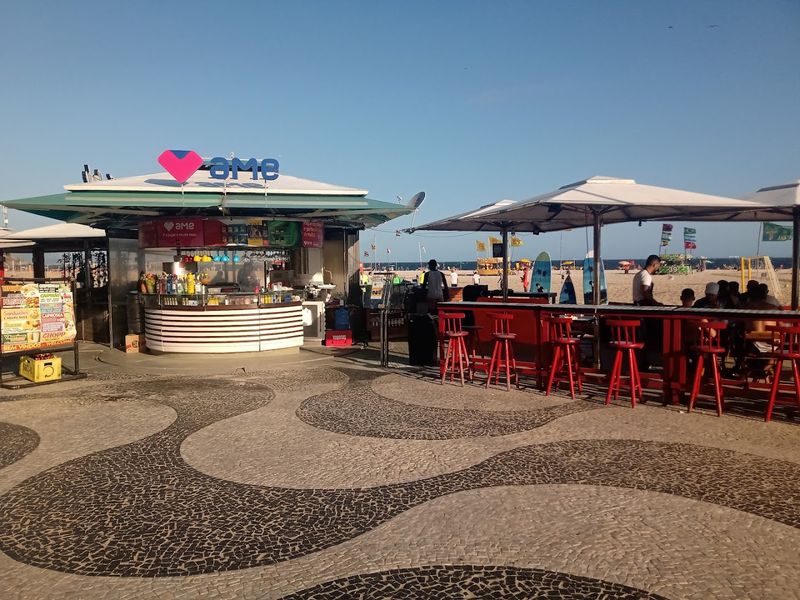
Some of the most satisfying meals in Rio happen not in restaurants but at the rows of numbered kiosks that line Copacabana and Ipanema beaches.
Each kiosk is a small permanent structure licensed by the city, and the competition between them keeps the quality surprisingly high.
Grilled queijo coalho, a firm cheese threaded onto a skewer and cooked over charcoal, is the most popular order and costs only a few reais.
Fresh coconut water served directly from the fruit is available at almost every stand and is one of the most refreshing things you can order in the midday heat.
Many kiosks also serve plates of fried shrimp, grilled fish, and fruit cups.
The setup is informal. You sit at a plastic table, watch the waves, and eat with your hands.
No reservations, no dress code, and no pretense required.
8. Restaurante Mangai, Brasília
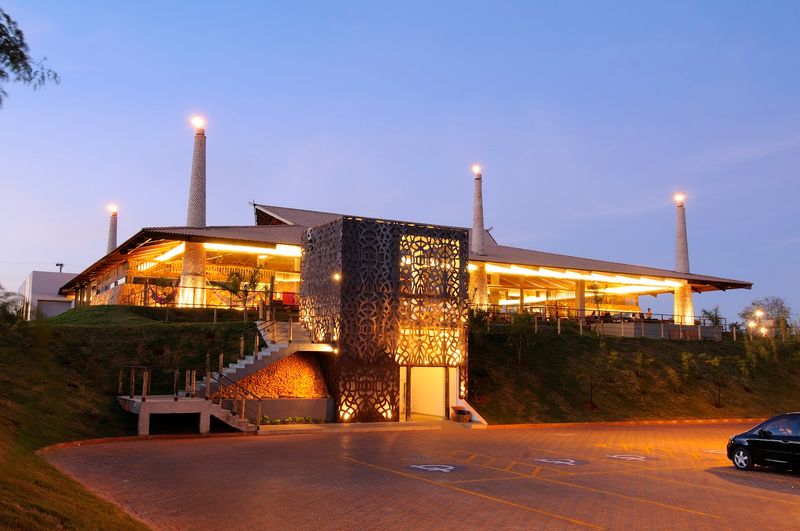
Mangai has a reputation that travels far beyond Brasilia’s city limits, and the buffet format is central to why people keep coming back.
The restaurant offers more than 100 dishes at any given service, all representing different regional cooking traditions from across Brazil.
Guests pay by weight, which means you can load up on everything from feijoada and mocofava to grilled sun-dried meats and multiple types of rice and bean combinations.
The dessert section alone features over 20 options, including traditional sweets from Minas Gerais, the Northeast, and the Amazon region.
Mangai is popular with government workers, tourists visiting the capital, and Brazilians from other states who use it as a crash course in regional cuisine.
The dining room is large and fast-moving, with a cafeteria-style layout that keeps things efficient.
It is practical, generous, and genuinely delicious.
9. Coco Bambu, Fortaleza
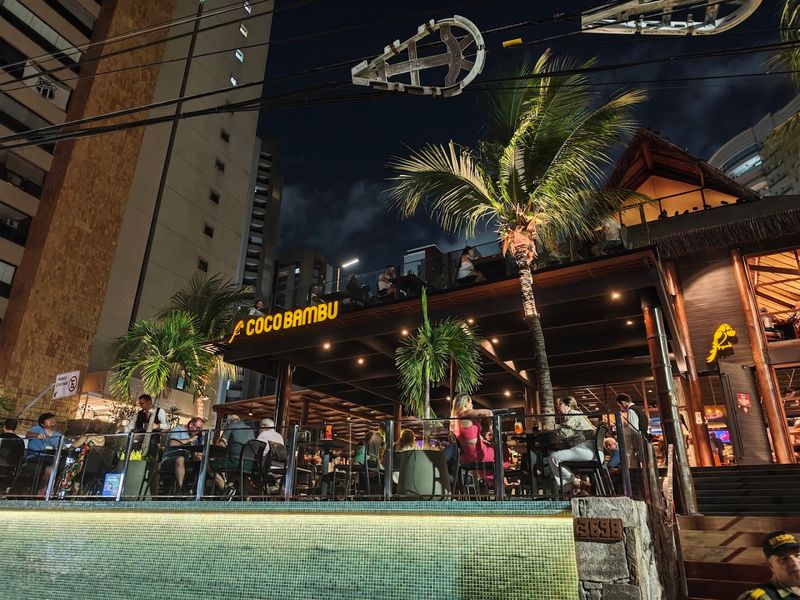
What started as a single restaurant in Fortaleza in 1999 has since grown into one of Brazil’s most recognized seafood chains, with locations across the country but roots firmly planted in the Northeast.
The original Fortaleza location remains the most celebrated, partly because of its proximity to the fishing communities that supply the kitchen.
Shrimp is the star of the menu here, prepared in dozens of ways including coconut sauce, butter and garlic, and grilled over charcoal.
Portions are notoriously large. Most dishes are designed to serve two people, and first-time visitors often order more than they need.
The restaurant also serves crab, lobster, and fresh fish from the local coastline, all priced according to daily market rates.
Coco Bambu is a good representation of how seriously the Brazilian Northeast takes its seafood, treating every plate as something worth the trip.
10. Mercado Municipal in São Paulo
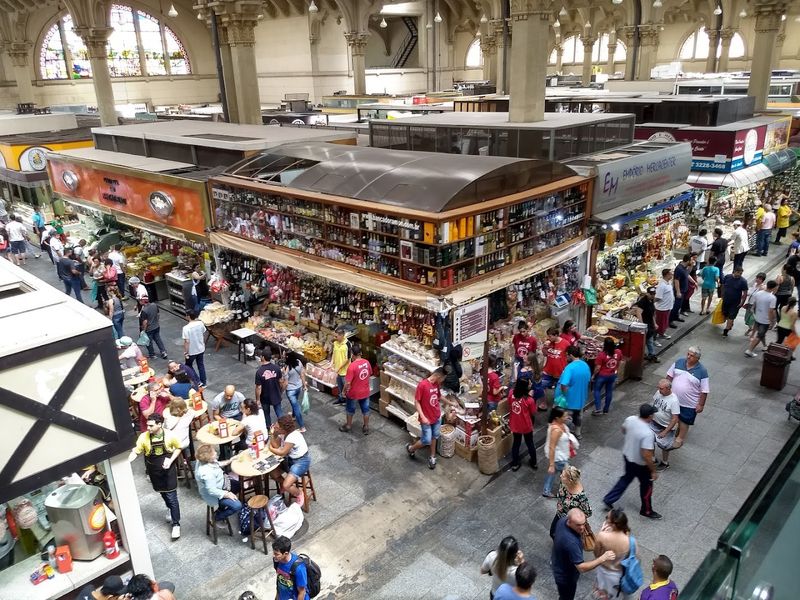
The Mercado Municipal of Sao Paulo, locally called Mercadao, opened in 1933 and remains one of the city’s most visited food destinations more than 90 years later.
The building itself is an architectural landmark, featuring 72 stained glass panels that depict scenes of Brazilian farming and food production across their combined 800 square meters.
The most iconic food order here is the mortadella sandwich, a thick roll stuffed with sliced Italian-style mortadella and melted cheese, sold at counters that have been in operation for decades.
Tropical fruits unavailable in most countries, like cupuacu, jabuticaba, and graviola, are sold fresh by vendors throughout the market.
The upper mezzanine level has several sit-down restaurants serving traditional Paulista cuisine.
Weekdays are calmer, but Saturday mornings bring a full crowd that turns the market into a genuinely lively food event.
11. Boteco Bars Across Brazil
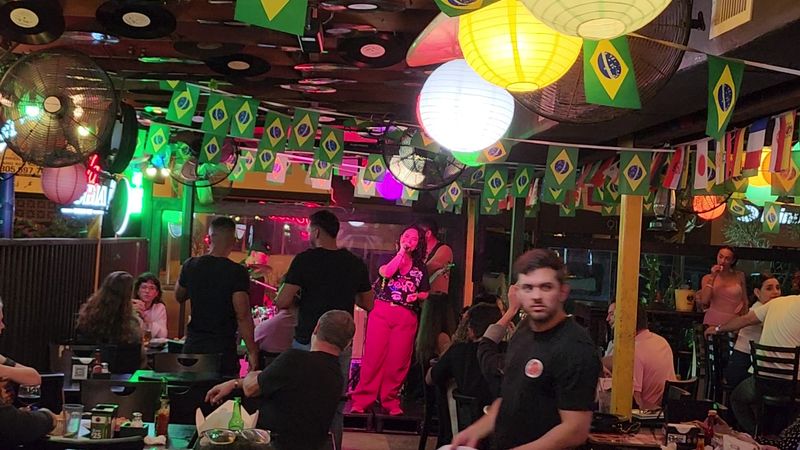
The boteco is Brazil’s version of the neighborhood pub, and it functions as a social institution as much as a food destination.
These informal bars exist in every city and town across the country, each one with its own regular crowd, its own house recipes, and its own particular personality.
The food served at a boteco is called petiscos, and it covers a wide range of small, shareable dishes designed to be eaten slowly over a long conversation.
Coxinha, a teardrop-shaped fried dough filled with shredded chicken, is one of the most beloved petiscos in the country. Pastel, a thin fried pastry with various fillings, runs a close second.
Fried cassava with garlic sauce and feijoada on Saturday afternoons are also standard offerings.
The best botecos are rarely listed on travel apps. Ask a local where they go, and follow that recommendation without hesitation.
12. Tacacá Stands in the Amazon Region
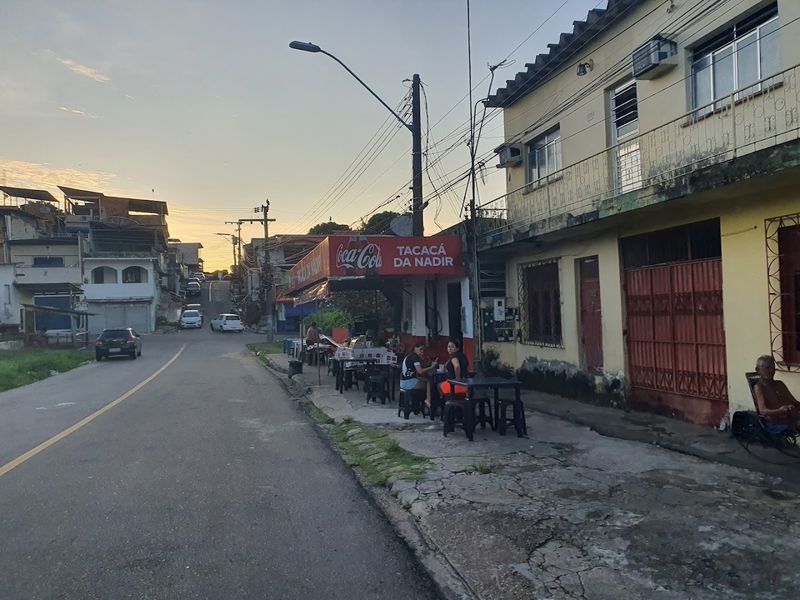
Tacacá has been described by food historians as one of the oldest continuously prepared dishes in Brazil, with roots that go back to indigenous communities in the Amazon long before European contact.
The dish is served hot in a cuia, a bowl made from a dried gourd, and contains tucupi broth, dried shrimp, and jambu leaves.
Jambu is the ingredient that makes tacacá genuinely unlike anything else. The leaves contain a natural compound that causes a mild numbing and tingling sensation in the mouth, which is completely normal and fades quickly.
Tacacá stands are most common in Belem and Manaus, where vendors typically set up in late afternoon and run until evening.
The stands attract long lines of regulars who stop by after work.
Trying tacacá from a street vendor rather than a restaurant is considered the more authentic way to experience it.
13. Parmegiana Restaurants in Curitiba
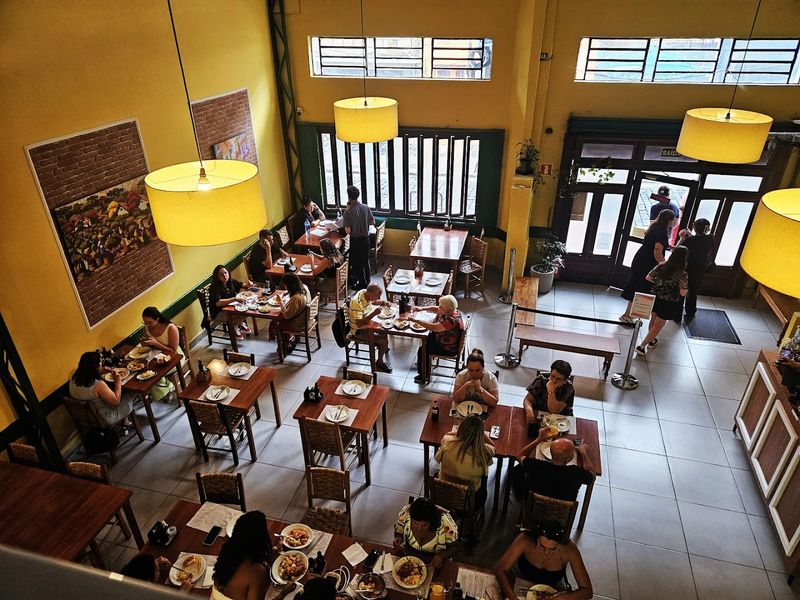
Brazil’s take on the classic parmigiana is a dish that has developed its own identity entirely separate from its Italian origins, and Curitiba has become one of the cities most associated with doing it well.
The Brazilian version typically involves a thick breaded cutlet of chicken or beef, covered in tomato sauce and a generous layer of melted cheese, then served with white rice and french fries on a plate large enough to cause concern.
Many Curitiba restaurants that specialize in parmegiana serve portions intended for two people, though locals often manage them solo without much difficulty.
The dish is deeply embedded in Brazilian comfort food culture and appears on menus from casual lunch spots to mid-range restaurants across the city.
Curitiba’s Italian immigrant heritage, which dates back to the late 1800s, partly explains why the city took this dish so seriously.
It is hearty, familiar, and reliably satisfying.



