America has a long history of panicking over things that turned out to be totally fine. From playground toys to classroom doodles, plenty of harmless stuff has faced bans, restrictions, or outright hysteria over the years.
Spoiler: most of it survived. Here are 13 things that America tried to ban but never quite managed to get rid of.
Chewing Gum in Schools

Gum is basically the cockroach of school supplies. No matter how many teachers ban it, it survives.
Schools have been waging war on gum for decades, and the battlefield is mostly the underside of desks. The reasoning is fair: scraped-off gum is gross, expensive to clean, and somehow always ends up in someone’s hair.
I once got busted chewing a piece of spearmint in third grade and had to stick it on my nose for the rest of class. Traumatic.
But effective? Debatable, because I absolutely kept chewing gum after that.
Gum was never banned on a national level. Each school sets its own rules, and plenty of schools simply do not bother enforcing it anymore.
Gum companies are still thriving, mint flavors are still dominating checkout lanes, and kids are still sneaking pieces into class. The great gum rebellion continues, quietly and chewily.
Hula Hoops Are Still Spinning
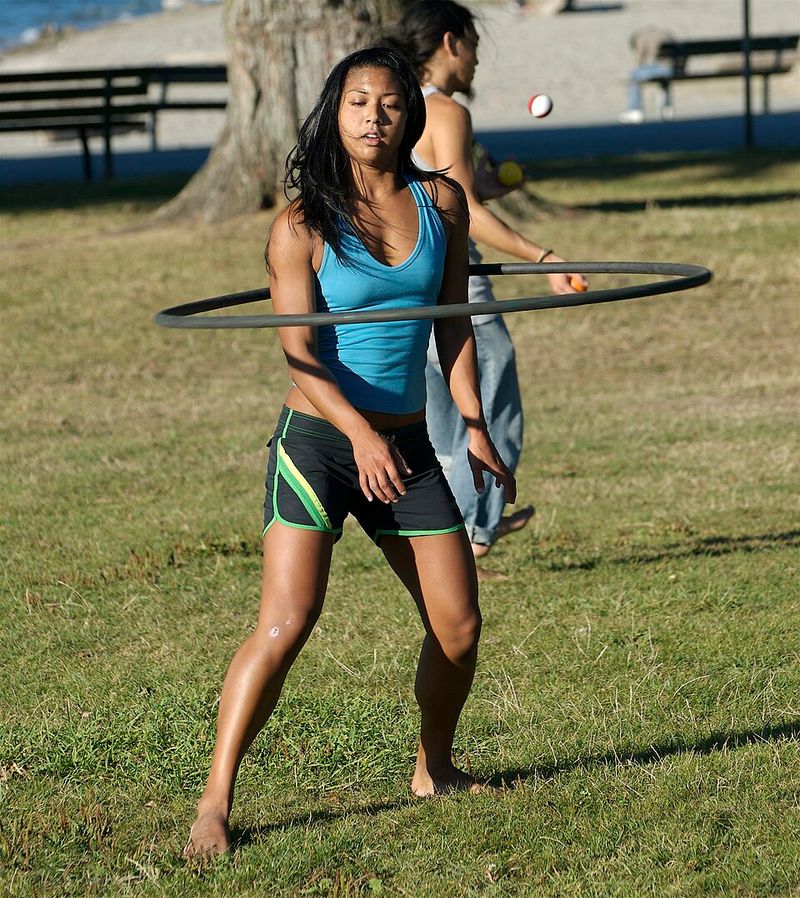
Back in the 1950s, some communities genuinely thought hula hoops were a menace. A spinning plastic ring was apparently enough to send certain adults into a moral panic.
Some schools called them distracting. A few countries actually banned them over concerns about hip-swinging movements being too provocative.
America flirted with the idea too.
Wham-O sold 25 million hula hoops in just four months when they launched in 1958. That is not a toy with a quiet exit.
The panic fizzled fast, and the hoop kept spinning right through it.
Today, hula hoops are used in fitness classes, elementary school PE, and competitive hooping events. Wham-O still sells them.
They show up at birthday parties, summer camps, and the occasional very enthusiastic street performer’s act. Whatever local bans existed back then did absolutely nothing.
The hula hoop outlasted the outrage, as most fun things tend to do.
Cartoons Were Never Cancelled
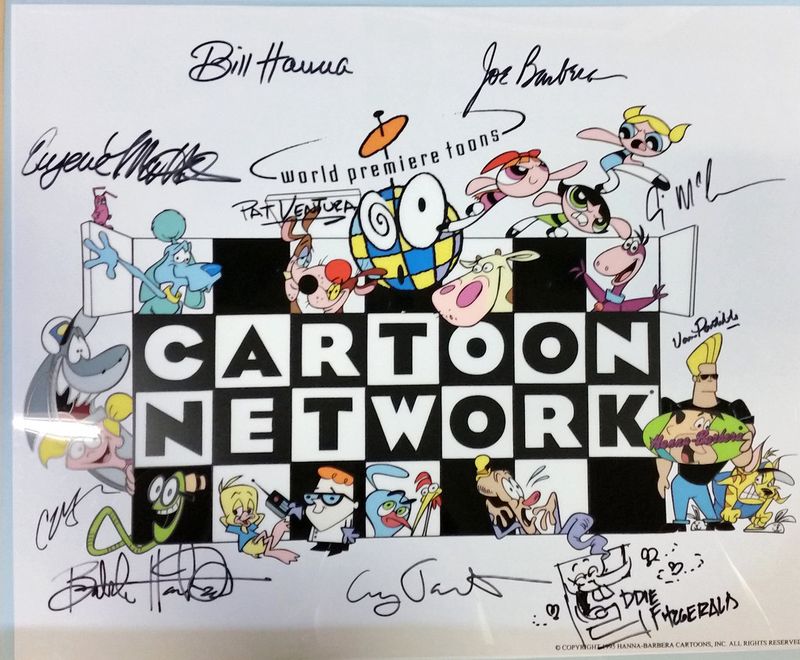
At various points in American history, cartoons have been accused of being too violent, too weird, or too distracting for young minds. Concerned parents and school boards pushed to restrict when and where kids could watch them.
Saturday morning cartoons faced regulatory pressure in the 1970s over advertising and content standards.
The result was not a cartoon apocalypse. Networks adjusted content, added educational segments, and kept broadcasting.
Bugs Bunny did not disappear. Neither did Tom and Jerry, despite Tom getting flattened by a frying pan roughly 400 times per episode.
Streaming has made cartoons more accessible than ever. Kids today have access to more animated content than any generation before them.
The restrictions shaped the format and scheduling of cartoons, but the medium itself never came close to disappearing. If anything, animation has grown into a massive global industry.
Censors tried. Cartoons won.
Looney Tunes fans everywhere rejoiced.
Skateboarding in Public Parks
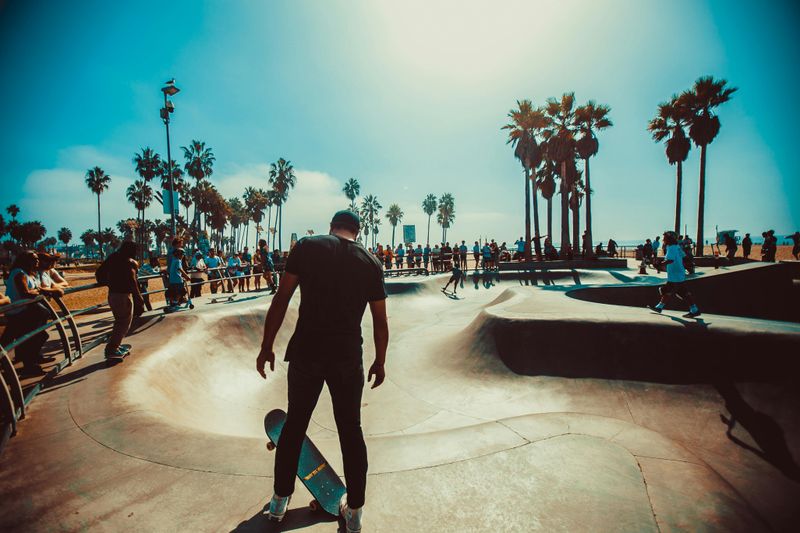
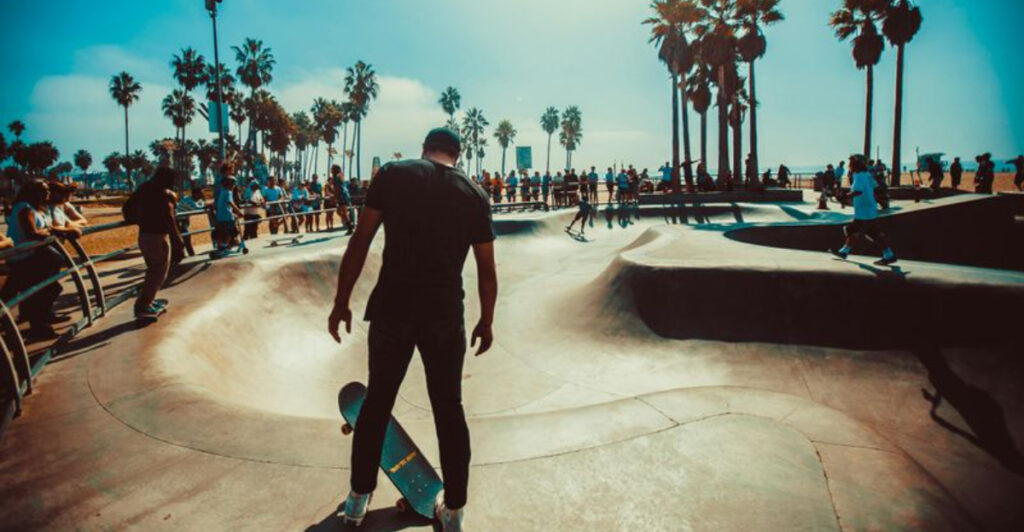
Skateboarders have been fighting for their right to skate since the moment someone decided a kickflip was a public safety threat. Cities across the country slapped up “No Skateboarding” signs in parks, plazas, and sidewalks, convinced that wheels and concrete were a dangerous combo.
In New York City, skating is allowed only in designated areas rather than banned outright.
The funny thing is, banning skating in one spot just sent skaters to the next block. They are resourceful like that.
The restrictions mostly shaped where skating happens, not whether it happens at all.
Today, skateboarding is an Olympic sport. That is right, the thing some cities tried to ban is now on the world’s biggest athletic stage.
Designated skate parks have popped up in cities nationwide, giving skaters a proper home. The “ban” did not kill skating; it basically gave it a makeover.
Fast Food Toys Survived the Health Police
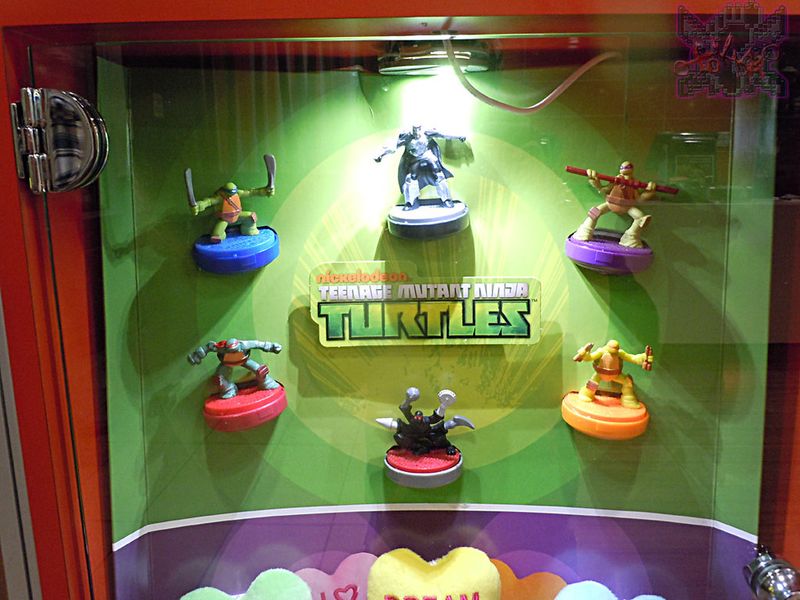
San Francisco made headlines in 2011 when it passed an ordinance restricting toy giveaways in children’s fast food meals that did not meet nutrition standards. The goal was to stop toys from luring kids toward unhealthy food.
Other cities considered similar rules. McDonald’s Happy Meal toys suddenly became a policy debate.
Restaurants, being extremely creative when money is involved, found a workaround almost immediately. Some locations started selling the toys separately for a penny, technically complying with the law while changing absolutely nothing about the experience.
A penny for a toy. Brilliant, honestly.
Fast food toys are still very much around. Happy Meal collectibles, themed promotions, and kids meal prizes continue to drive traffic into restaurants.
The ordinance nudged some nutrition improvements but did not kill the toy. Kids are still ripping open those little bags hoping for something cool, and occasionally getting a tiny plastic spoon.
Progress is slow.
Colorful Sneakers Refused to Fade
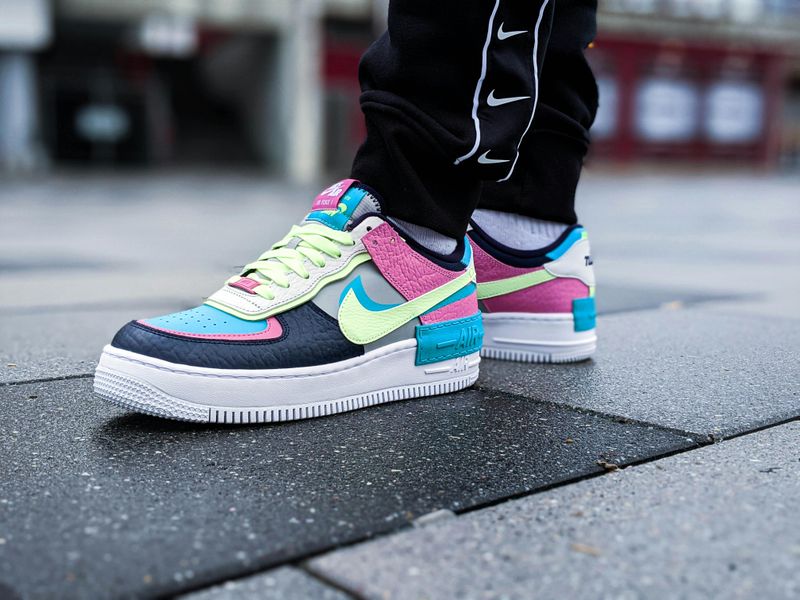
Schools across the country have tried to tone things down by restricting what shoes students can wear. Dress codes targeting colorful sneakers popped up as administrators worried that flashy footwear caused distractions or led to social comparisons over brands.
Some schools pushed for plain white or black shoes only.
Sneaker culture, however, does not care about your dress code. The global sneaker market is worth over 70 billion dollars and growing.
Kids are trading, collecting, and obsessing over limited edition releases. No school policy was ever going to slow that down.
Outside of school walls, colorful sneakers are everywhere. On city streets, in sports arenas, at music festivals, and apparently on the feet of every single person at the airport.
The restrictions were always limited to specific school settings. The sneakers themselves never went anywhere.
If anything, telling a kid they cannot wear their favorite shoes just makes those shoes more desirable.
Paper Airplanes Still Fly
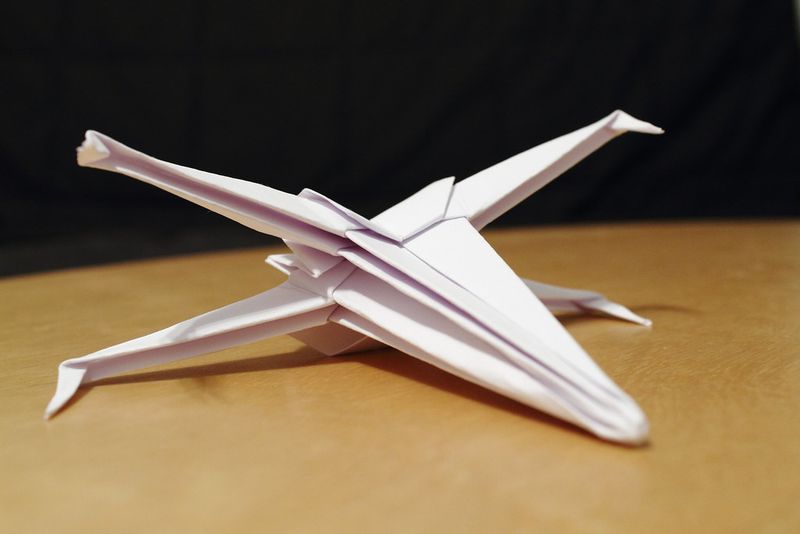
Few things in life are as universally satisfying as launching a well-folded paper airplane across a room. Teachers have known this for years, which is exactly why paper airplanes have been banned in classrooms since roughly the invention of paper.
They interrupt lessons, waste notebook pages, and occasionally take out someone’s eye. Well, almost.
The ban, of course, only applies inside the classroom. Step outside and the skies are wide open.
Paper airplane competitions exist worldwide, and the world record for longest paper airplane flight is over 226 feet. Someone took that classroom contraband and turned it into a sport.
Paper airplanes are still being folded in the back of every boring class in America. The designs get passed around like secret recipes, whispered between students with the urgency of classified intel.
No classroom rule has ever truly stopped a determined 12-year-old with a sheet of loose-leaf paper and too much free time.
Whistling Is Still Perfectly Legal

Yes, some schools actually told kids to stop whistling in the hallways. Not because whistling is dangerous, but because it is noisy, and schools prefer the sound of productive silence over an impromptu rendition of whatever song is stuck in everyone’s head that week.
Conduct policies quietly discouraged the habit.
Calling this a ban is a stretch. It was more like a strongly worded suggestion from a vice principal who had already had a long day.
Whistling is completely legal everywhere in the United States. No law has ever targeted it.
No federal agency has weighed in on the matter.
People still whistle while they work, while they walk, and while they pretend not to be nervous in awkward situations. Street musicians whistle.
Athletes whistle at referees. Grandparents whistle to call grandkids in for dinner.
The hallway rule did not put a dent in any of it. Whistling remains gloriously unstoppable.
Musical Instruments Outside Class

Noise complaints are the enemy of spontaneous music. Some schools restrict when students can play instruments because a trombone at 7:30 AM is genuinely a lot for everyone involved.
Hallway jam sessions get shut down. Practice rooms have sign-up sheets.
The music has rules now.
But music programs themselves are thriving. School bands, orchestras, jazz ensembles, and marching bands are still active across the country.
Private lessons, community bands, and youth orchestras give students even more opportunities to play outside of school hours.
The restrictions are about time and location, not about music itself. Nobody is outlawing the trumpet.
They are just asking you to wait until third period. Millions of American kids are learning instruments right now, and the music industry is not exactly struggling.
From garage bands to Carnegie Hall, music made it through the scheduling restrictions just fine. The trombone at 7:30 AM, however, remains controversial.
Doodling Never Got the Memo
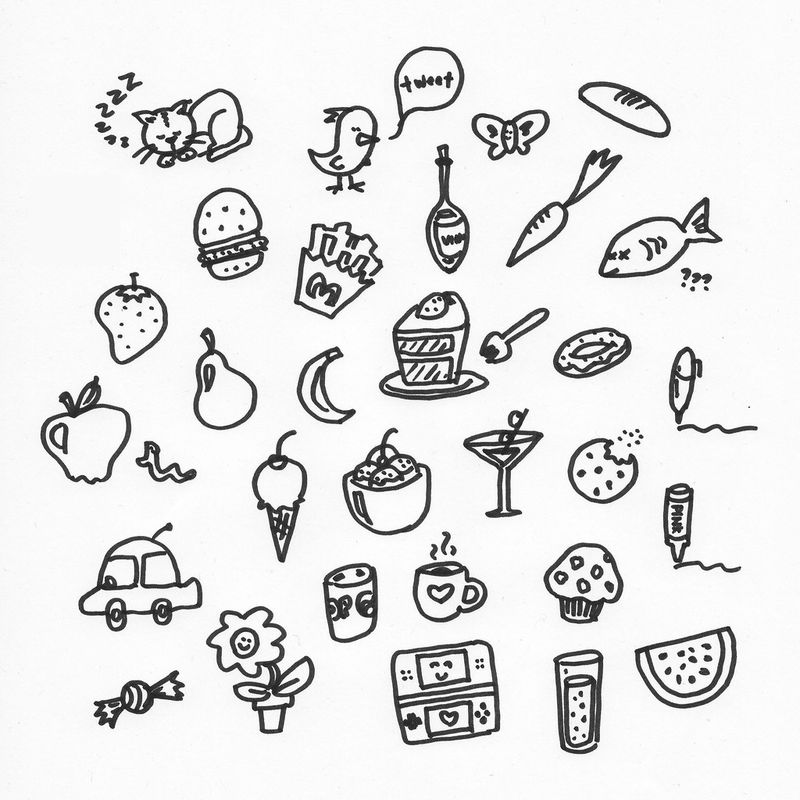
Teachers have been confiscating doodle-filled notebooks since the dawn of mandatory education. The official stance has always been that drawing little cartoon characters in the margins means you are not paying attention.
Fair point. But science has actually pushed back on this one.
Research from the University of Plymouth found that doodlers retain 29 percent more information than non-doodlers during boring tasks. So the kid drawing a dragon next to their algebra notes might actually be doing something right.
Try explaining that to a substitute teacher, though.
Doodling was never banned at the national level. It is a classroom management issue, not a legal one.
Students across America still fill their notebooks with sketches, spirals, and elaborate fantasy maps during lectures. Some of those doodlers grew up to be professional illustrators, animators, and designers.
The margin drawings survived every disapproving look, and they are not going anywhere. Pencils up, teachers.
Cheerleading Uniforms Stayed in the Game
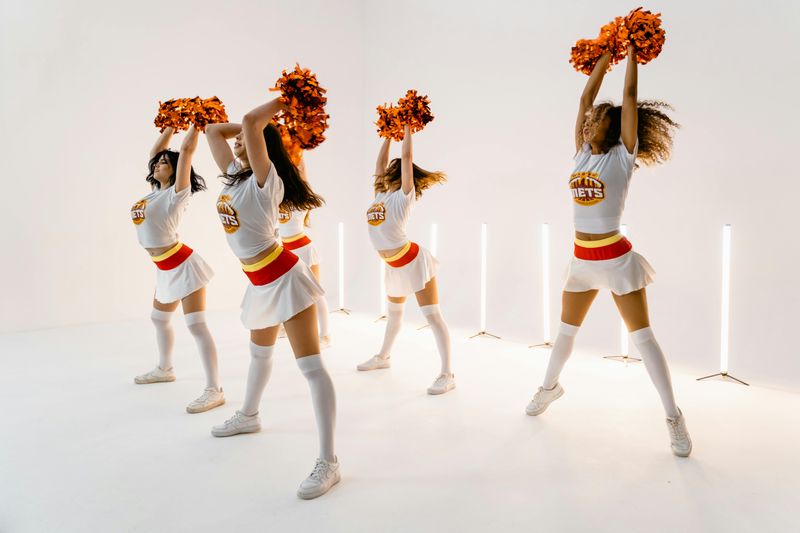
Cheerleading uniforms have sparked more school policy debates than almost any other piece of athletic wear. Administrators have pushed for longer skirts, higher necklines, and stricter rules about when uniforms can be worn during the school day.
Some districts banned wearing them to class at all outside of game days.
The Supreme Court actually weighed in on this. In 2021, the Court ruled on a case involving a cheerleader and free speech, which shows just how seriously people take this stuff.
The uniforms themselves, meanwhile, kept getting made, sold, and worn at games across the country.
Cheerleading is a multi-billion dollar industry with competitive leagues, national championships, and dedicated training facilities. The uniform debates have shaped dress code policies but done nothing to slow the sport down.
From Friday night football games to national competitions, cheerleaders are still flipping, cheering, and wearing their uniforms with full team spirit intact.
Pet Rocks Are Still a Thing
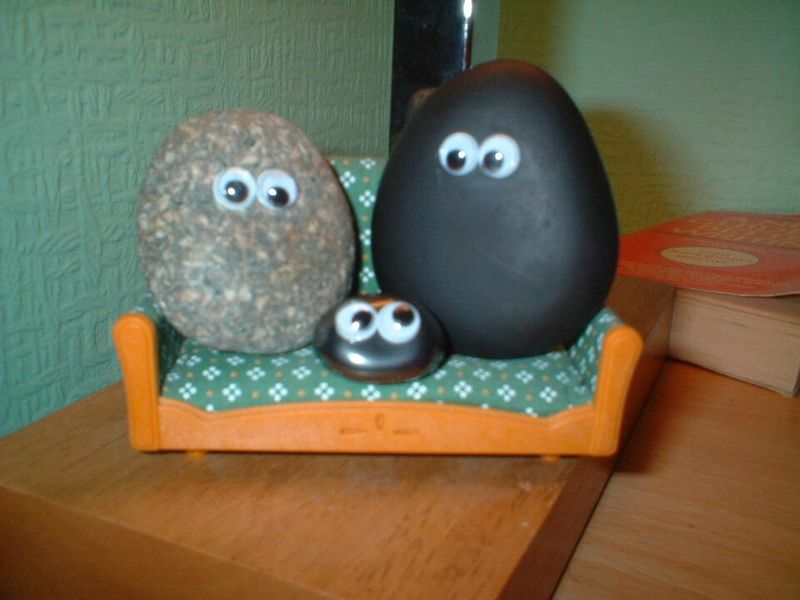
The Pet Rock is proof that Americans will buy absolutely anything if the marketing is good enough. Gary Dahl launched them in 1975 and became a millionaire within months.
Schools occasionally confiscated them as distractions, which honestly feels like the most 1970s sentence ever written. A rock.
Confiscated. For being disruptive.
The original craze faded, but Pet Rocks never fully disappeared. Modern versions are sold online, complete with care instructions and tiny carrying boxes.
The joke never got old because the joke is that it was never really a joke. People genuinely loved their rocks.
Today, Pet Rocks pop up as gag gifts, novelty items, and retro collectibles. Etsy sellers have made custom versions with painted faces and personalized names.
The classroom confiscations of the 1970s did absolutely nothing to diminish the legacy of the Pet Rock. It is still out there, sitting quietly, being the low-maintenance companion it always was.
Marbles Are Rolling Strong
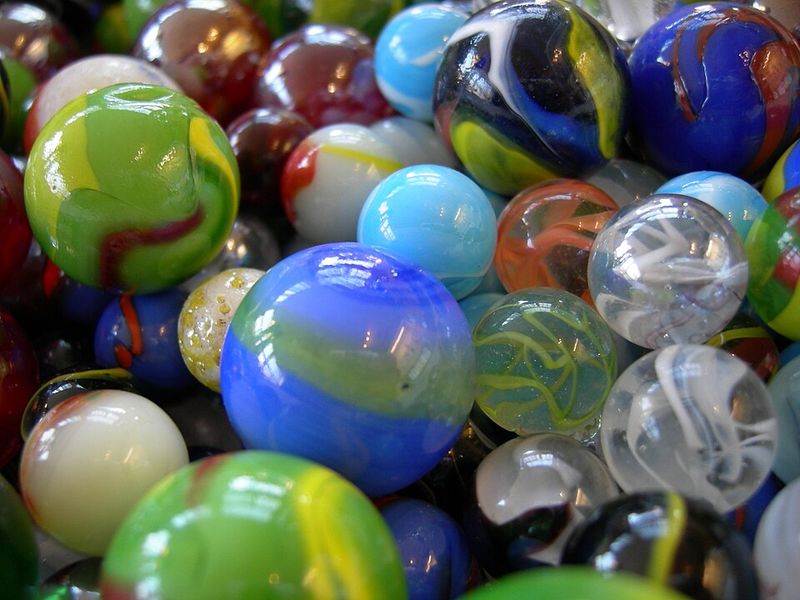
Schools banned marbles for two reasons: kids were using them for gambling, and a stray marble on a hallway floor is basically a tiny land mine for anyone walking by. Both concerns are legitimate.
Still, banning marbles from school property did not erase the game from American life.
The National Marbles Tournament has been running since 1922. The 2026 event in Wildwood, New Jersey will celebrate 103 years of competitive marble shooting.
That is a tournament older than most living grandparents. Marbles have serious staying power.
Marble collecting is also a dedicated hobby with online communities, antique fairs, and prized hand-blown glass pieces worth hundreds of dollars. Vintage marbles from the early 1900s are considered genuine collectibles.
The school ban pushed marbles off the playground but sent them straight into the hands of collectors and competitive players. Sometimes getting banned is the best career move a toy can make.
Share this story