The 1970s were a strange and restless decade for rock music. While stadium acts filled arenas and radio stations pushed polished hits, a parallel world of underground bands was quietly rewriting the rules of what rock could be.
These groups rarely topped the charts, but their experiments with noise, rhythm, emotion, and structure planted seeds that bloomed into the alternative music of the 1980s, ’90s, and beyond. If you love indie rock, post-punk, or experimental music today, the bands on this list are a big reason why that music exists.
1. Roxy Music
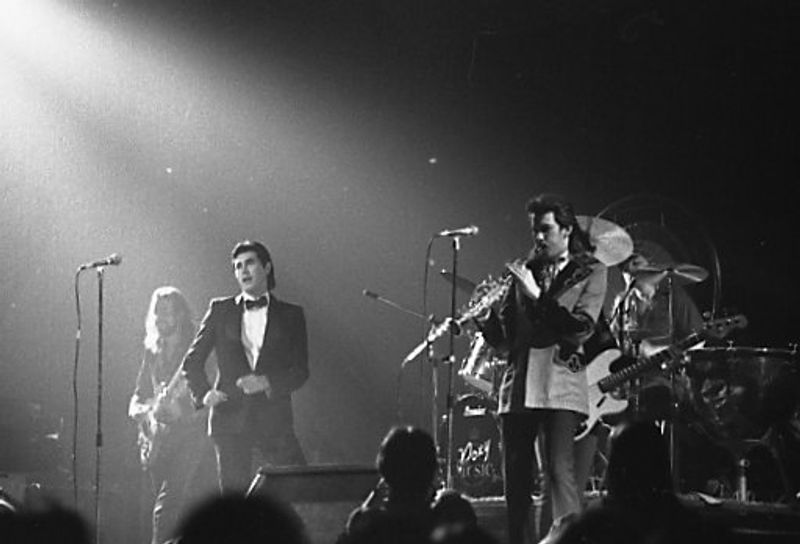
Art rock rarely looked or sounded as polished and strange at the same time as it did when Roxy Music arrived in 1972. Bryan Ferry’s theatrical vocals combined with Brian Eno’s early synth work created a sound that felt futuristic and retro at once.
Bands like Radiohead and Duran Duran openly credited Roxy Music as a major reference point. Their willingness to blend high fashion with sonic experimentation gave alternative music a sense of sophistication it had never quite had before.
2. Television
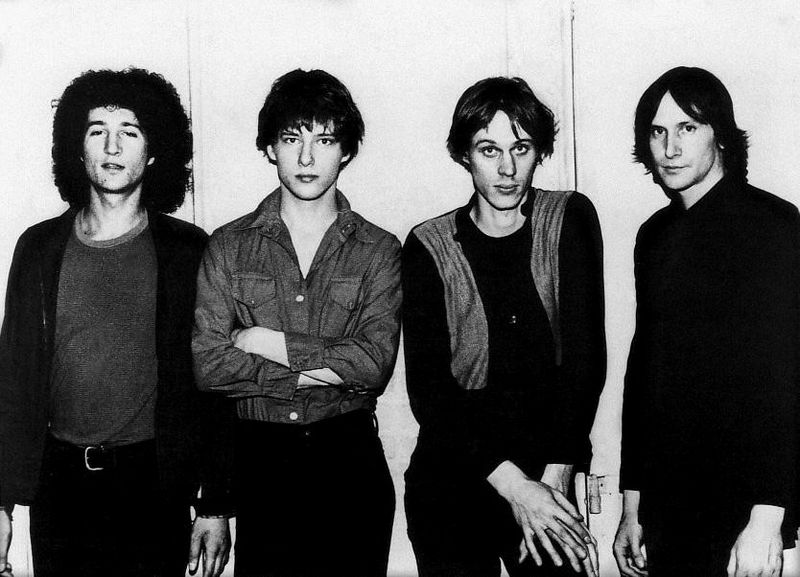
When Television released “Marquee Moon” in 1977, guitar-based rock music gained a new vocabulary. Tom Verlaine and Richard Lloyd’s interlocking guitar lines were precise, angular, and completely unlike the blues-based riffs that dominated rock at the time.
The album became required listening for indie and post-punk guitarists throughout the 1980s and beyond. Bands like Interpol and Pavement owe a clear structural debt to Television’s approach, where melody and tension replaced volume and aggression as the main tools of expression.
3. Big Star
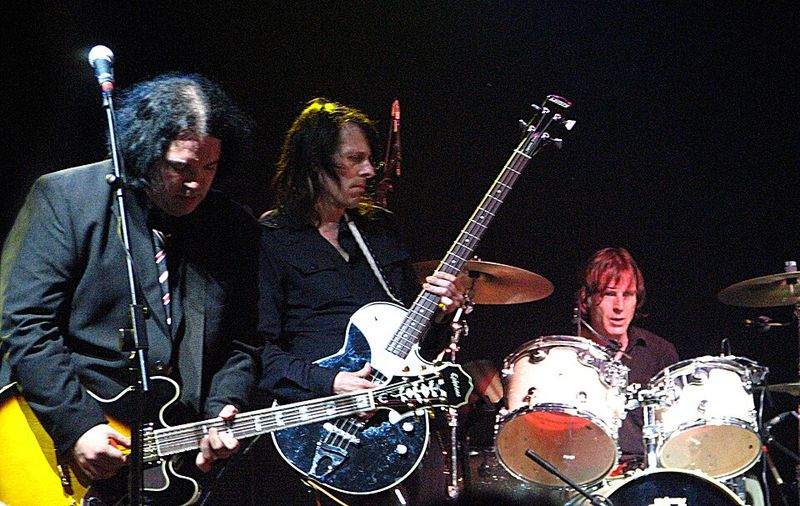
Alex Chilton and Chris Bell built something remarkable with Big Star’s first two albums, released in 1972 and 1974, yet almost nobody heard them at the time. Distribution failures kept the records out of most stores, leaving the band commercially stranded despite strong critical praise.
By the 1980s, bands like R.E.M. and The Replacements had discovered those records and treated them like blueprints. Big Star’s mix of melodic hooks and emotional vulnerability became a defining characteristic of American alternative rock for the next two decades.
4. The Velvet Underground
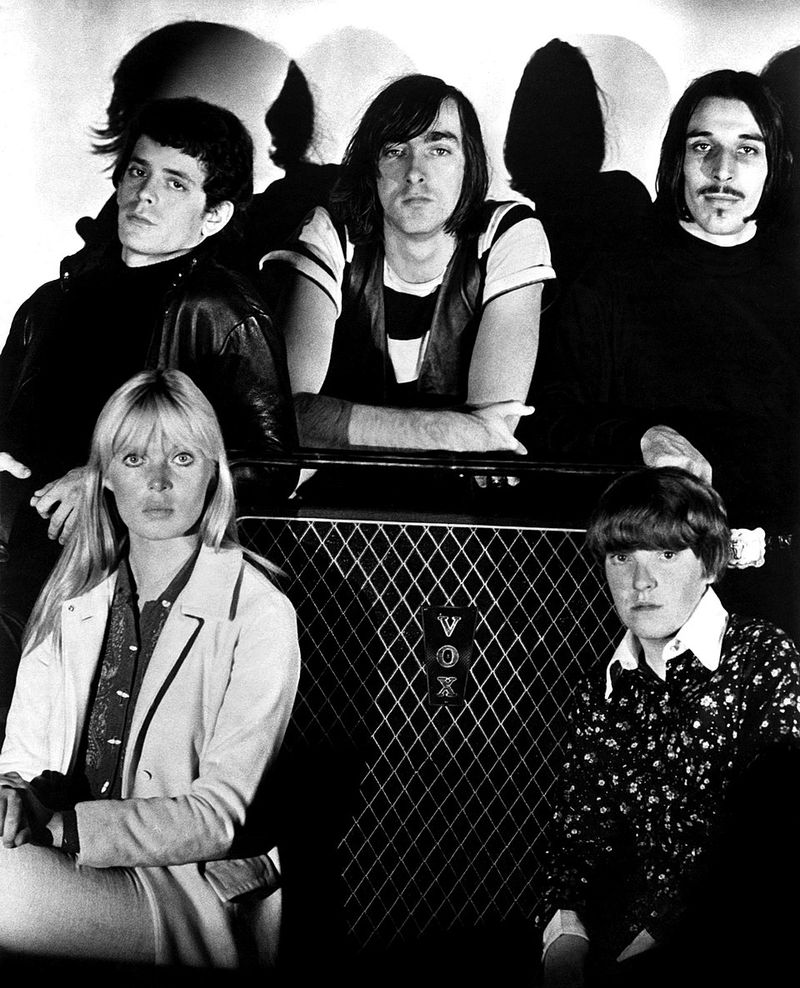
By the early 1970s, The Velvet Underground had already broken up, but their four studio albums were just beginning to find their real audience. Their catalog circulated through underground scenes in New York, London, and Manchester, where young musicians absorbed every note.
Lou Reed’s deadpan storytelling and the band’s willingness to use distortion, drone, and unconventional song structures became central to punk and indie rock. Brian Eno famously noted that while few people bought their records, everyone who did started a band.
5. The Stooges
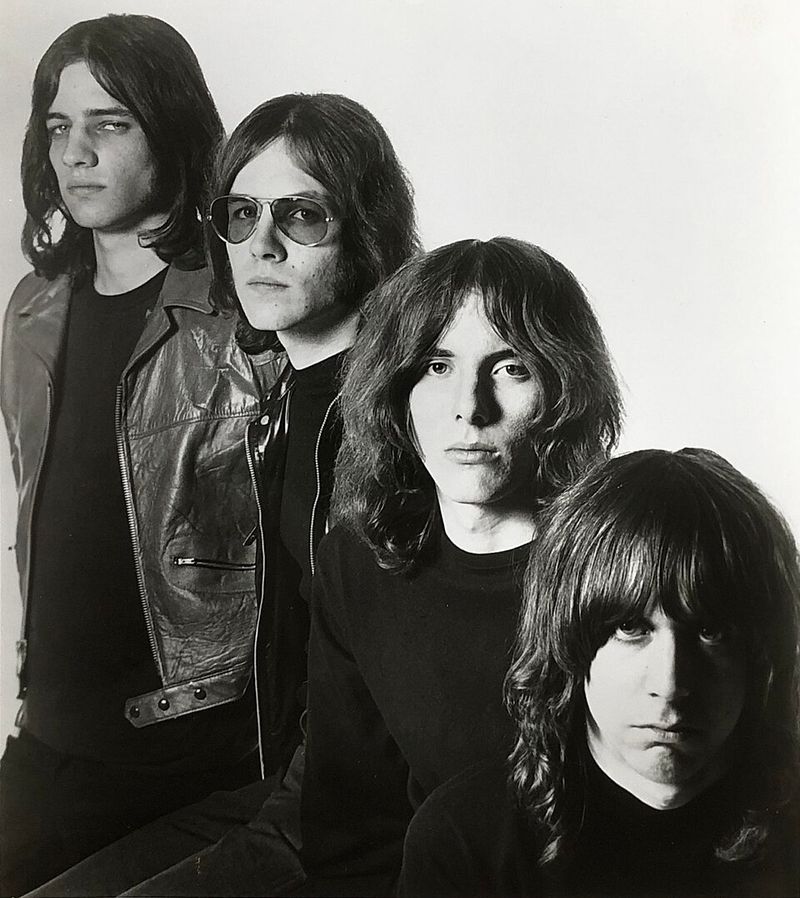
Iggy Pop performing with The Stooges in the early 1970s was a documented spectacle of physical commitment and musical aggression that most rock acts at the time simply had no interest in matching. Their 1973 album “Raw Power” was produced by David Bowie and became a direct ancestor of punk.
Grunge bands in the early 1990s, particularly Nirvana, pointed directly to The Stooges as a primary influence. The band’s stripped-down approach to guitar rock set a standard for rawness that alternative music kept returning to across multiple decades.
6. T. Rex
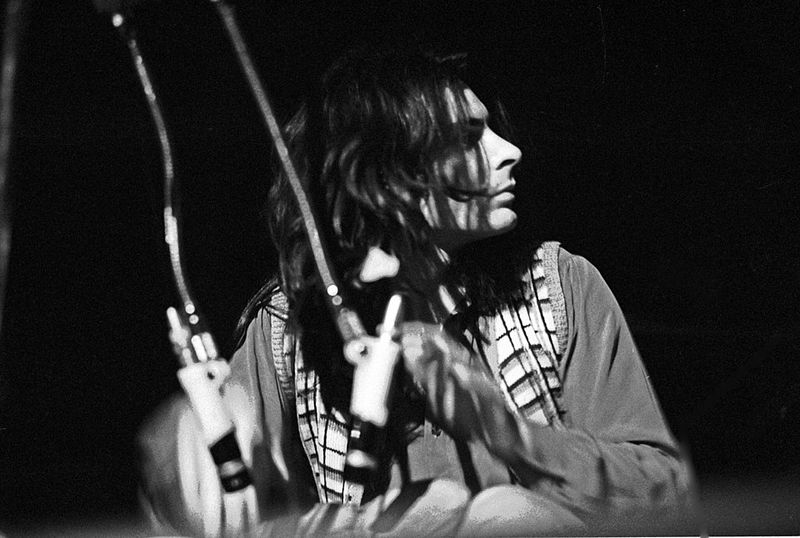
Marc Bolan took electric blues, wrapped it in glitter and fuzz guitar, and created a string of UK hits between 1971 and 1973 that redefined what pop-oriented rock could feel like. His approach was catchy but strange, commercial but never quite mainstream in spirit.
Alternative bands that balanced pop appeal with a slightly off-kilter attitude, from Placebo to early Suede, drew on T. Rex’s example.
Bolan proved that chart success and artistic weirdness were not mutually exclusive, a lesson alternative music absorbed and kept using.
7. Wire
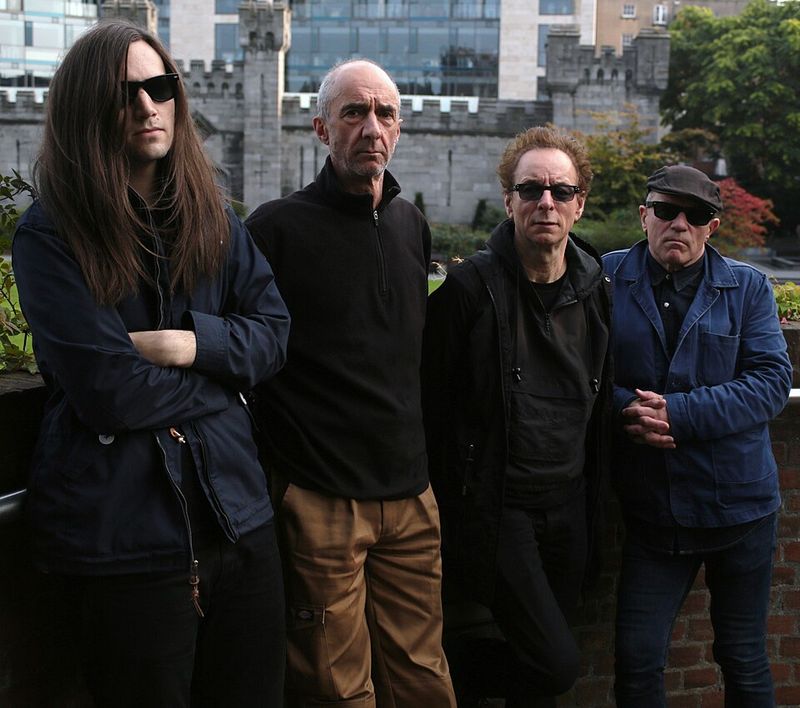
Wire released three albums between 1977 and 1979 that got progressively shorter, stranger, and more abstract, moving from aggressive punk to something closer to art music within just two years. Their 1978 album “Chairs Missing” introduced synthesizers and mood-driven arrangements that felt completely ahead of schedule.
Bands like Elastica, Blur, and R.E.M. acknowledged Wire as a direct influence on their own approaches to song structure. The band’s commitment to reduction and precision made them a touchstone for anyone who wanted punk’s energy without its predictable format.
8. Brian Eno
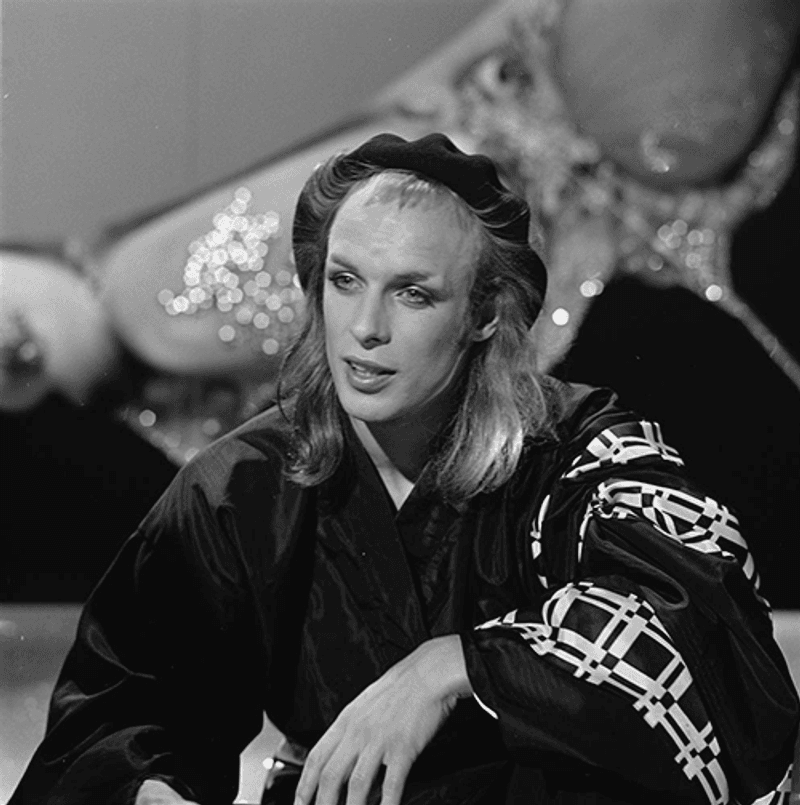
Brian Eno left Roxy Music in 1973 and spent the rest of the decade building an entirely new category of music called ambient, while also producing landmark albums for David Bowie, Talking Heads, and others. His work was conceptual, process-driven, and deliberately resistant to conventional song structure.
Alternative artists from Radiohead to Bon Iver have cited Eno’s production philosophy as foundational to their own methods. His idea that texture and atmosphere could carry as much meaning as melody reshaped how alternative musicians thought about what a record could do.
9. Can
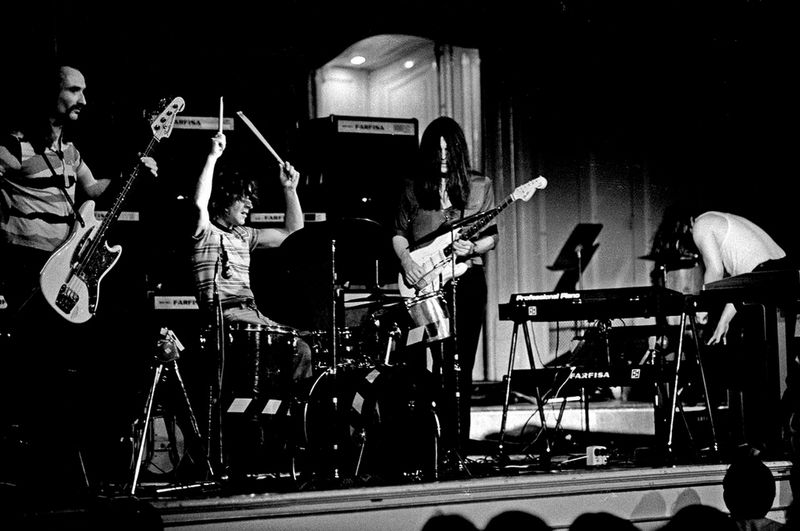
Few bands from West Germany changed the direction of rock music as dramatically as Can did between 1968 and 1979. Their long improvisational tracks, built on locked rhythmic grooves, were unlike anything coming out of Britain or America at the time.
Post-punk bands like Public Image Ltd. and indie acts across the 1990s borrowed directly from Can’s approach to rhythm and repetition. Their influence is so widespread that music writers still refer to their style as a foundation of modern experimental rock.
10. Suicide
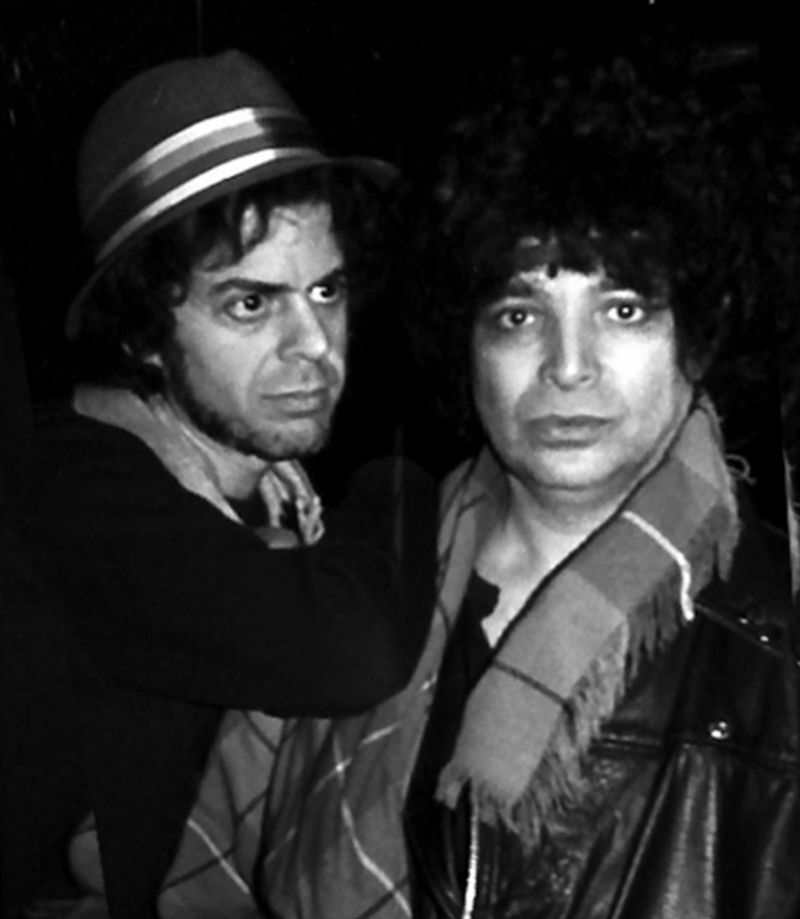
Alan Vega and Martin Rev performed in New York in the mid-1970s with nothing more than a drum machine and a synthesizer, and audiences were frequently hostile because the music was so confrontational and unfamiliar. That reaction only confirmed how far ahead of their time they were.
Industrial acts, synth-punk bands, and artists like Bruce Springsteen and Nick Cave all pointed to Suicide as a genuine influence. Their minimalist, abrasive electronic approach anticipated entire genres by at least a decade, making them one of the most forward-looking acts of the 1970s.
11. The Modern Lovers

Jonathan Richman recorded the core Modern Lovers sessions in 1972 with John Cale producing, but the album sat unreleased until 1976, by which point punk had already started borrowing from the exact same stripped-down approach Richman had pioneered years earlier.
His songs were simple, honest, and often awkward in a way that felt deliberate rather than accidental. Bands like The Lemonheads, Pavement, and countless lo-fi indie acts drew from Richman’s model of emotional directness delivered through minimal instrumentation.
Sincerity, it turned out, was its own kind of rebellion.
12. Hawkwind
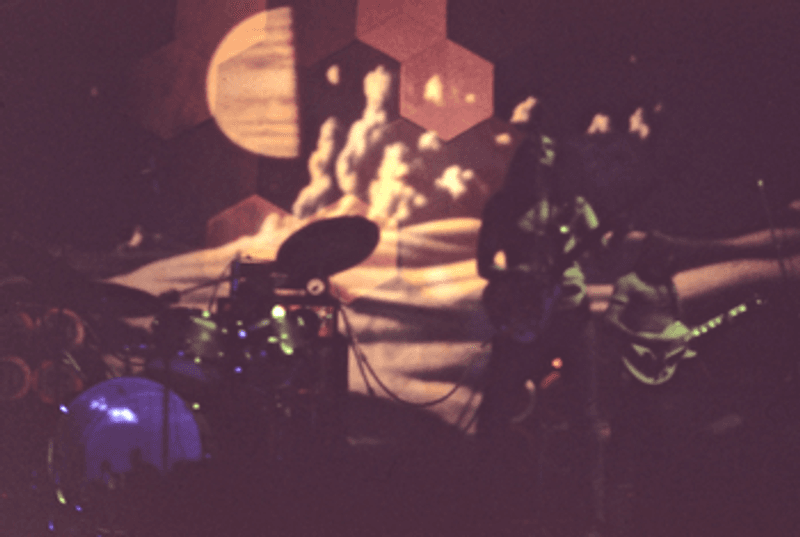
Hawkwind spent the 1970s building a catalog of extended, effects-heavy space rock that prioritized atmosphere and volume over conventional song craft. Their 1972 live album “Space Ritual” remains one of the most committed documents of psychedelic rock from that era.
The stoner rock and alternative metal scenes that developed in the 1990s, including bands like Kyuss and Monster Magnet, acknowledged Hawkwind as a key reference for their own heavy, repetitive approach. The band’s willingness to push rock into ritualistic territory gave later generations a template for psychedelic heaviness.
13. King Crimson
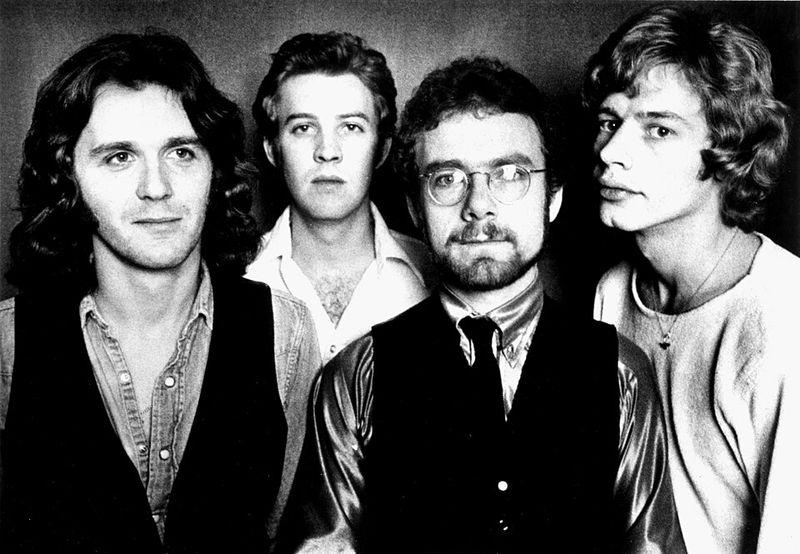
Robert Fripp’s guitar work with King Crimson across the 1970s ranged from jazz-influenced improvisation to harsh, angular noise, and the band’s willingness to discard what was working in favor of something harder to categorize made them permanently difficult to place in any single genre.
Their darker albums, particularly “Red” from 1974, influenced bands far outside the prog rock audience, including Tool, Radiohead, and various post-metal acts. King Crimson demonstrated that complexity and aggression could coexist in rock music without sacrificing emotional intensity.
14. The New York Dolls
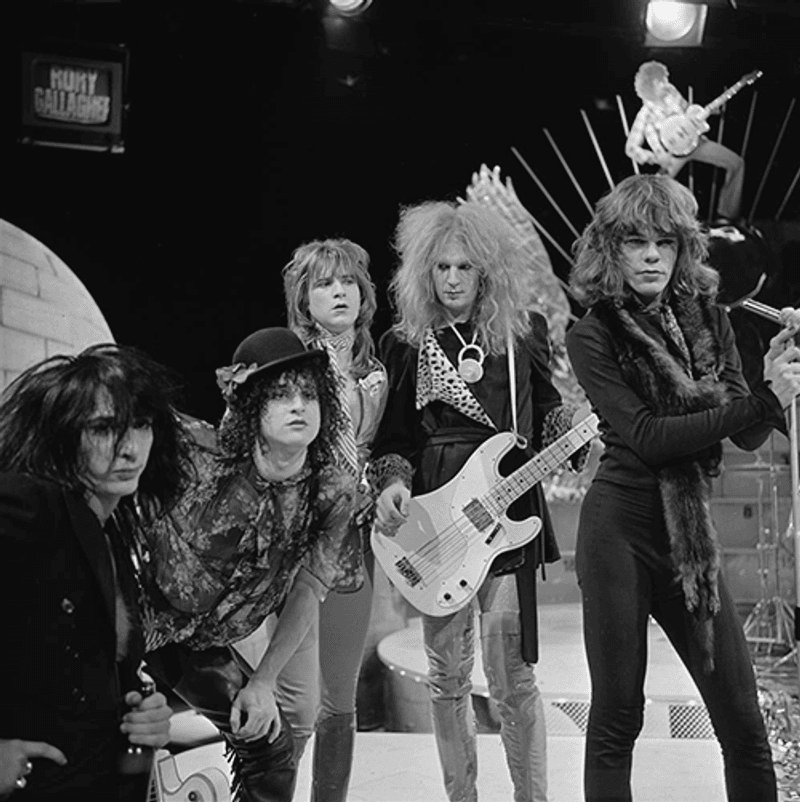
The New York Dolls dressed in women’s clothing, played sloppy rock and roll, and released two albums in 1973 and 1974 that sold poorly but circulated widely among musicians who recognized something genuinely new in the chaos. Malcolm McLaren managed them briefly before going on to create the Sex Pistols.
Their trashy glamour and confrontational image fed directly into both punk and alternative fashion. Morrissey cited them as a formative influence, and their blending of visual provocation with raw guitar rock created a template that ran through punk, glam metal, and indie rock alike.
15. MC5
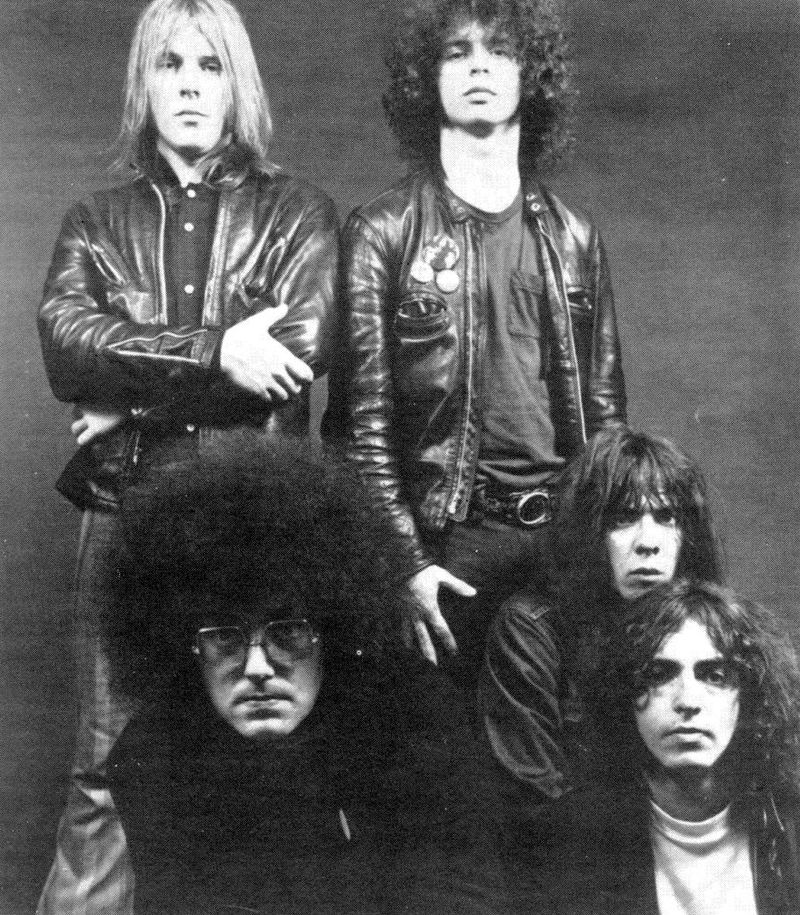
MC5 recorded their debut album live at Detroit’s Grande Ballroom in 1968, and the raw, politically charged energy captured on that record set a standard for confrontational rock that punk bands spent the next decade trying to match. By the early 1970s, the band had broken up, but their recordings kept spreading.
Their connection to radical politics and their refusal to soften their sound for commercial radio gave alternative music a model for rebellion that went beyond attitude into actual ideological commitment. Bands from the Clash to Rage Against the Machine inherited that approach.
16. Thin Lizzy
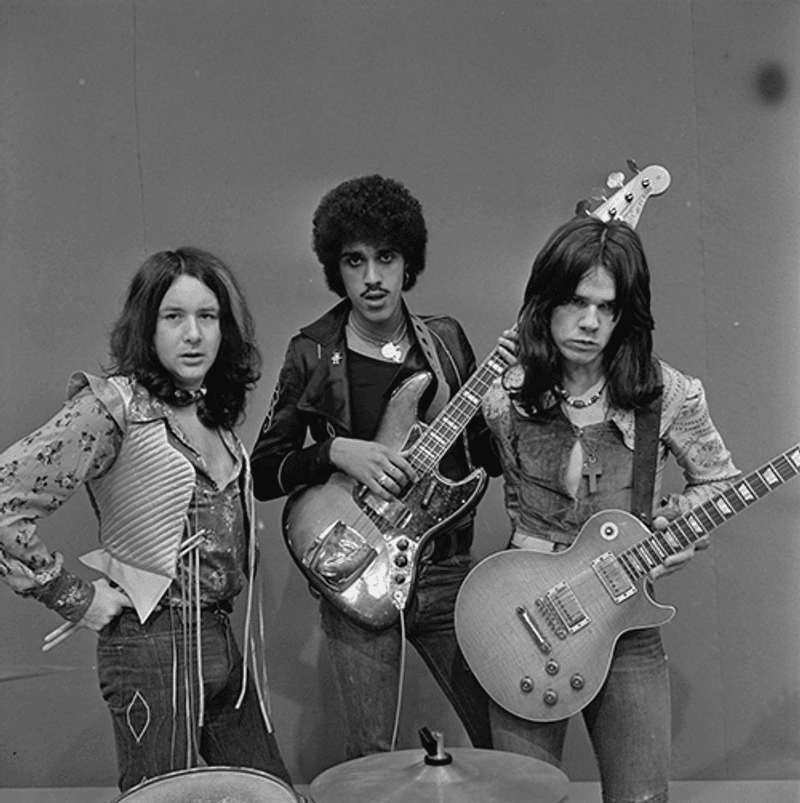
Phil Lynott and Thin Lizzy developed a signature sound built around interlocking dual-guitar harmonies that was melodic enough for mainstream radio but aggressive enough to influence hard rock and early alternative acts. Their 1976 album “Jailbreak” is still studied by guitarists for its arrangement techniques.
Indie guitar bands of the 1990s, including The Cranberries and some of U2’s earlier work, reflected Thin Lizzy’s influence in how they layered guitar parts to create a sense of space and momentum. Lynott also brought a literary quality to his lyrics that alternative songwriters quietly absorbed.
17. Sparks
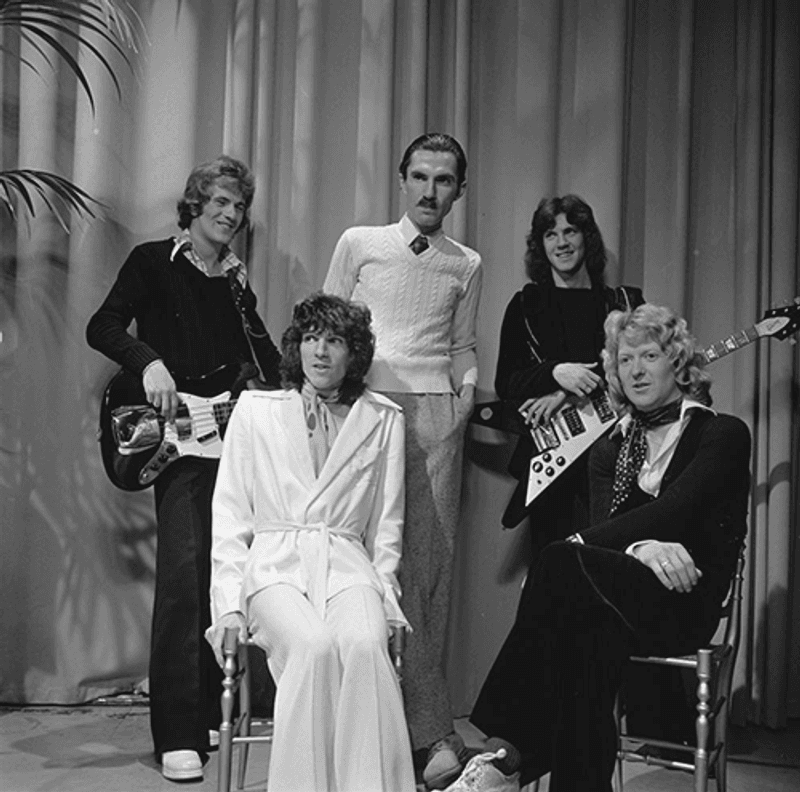
Ron and Russell Mael have been making records since 1971 and have never once sounded like anyone else, which is itself a kind of accomplishment. Their 1974 album “Kimono My House” combined operatic vocals, sharp satirical lyrics, and a theatrical presentation that confused pop audiences but fascinated musicians.
Beck, Franz Ferdinand, and Morrissey have all cited Sparks as a foundational influence on their own approaches to quirky, intelligent pop. Sparks demonstrated that rock music could be funny, strange, and genuinely artful without sacrificing melodic appeal, a combination alternative music would keep returning to.
18. Pere Ubu
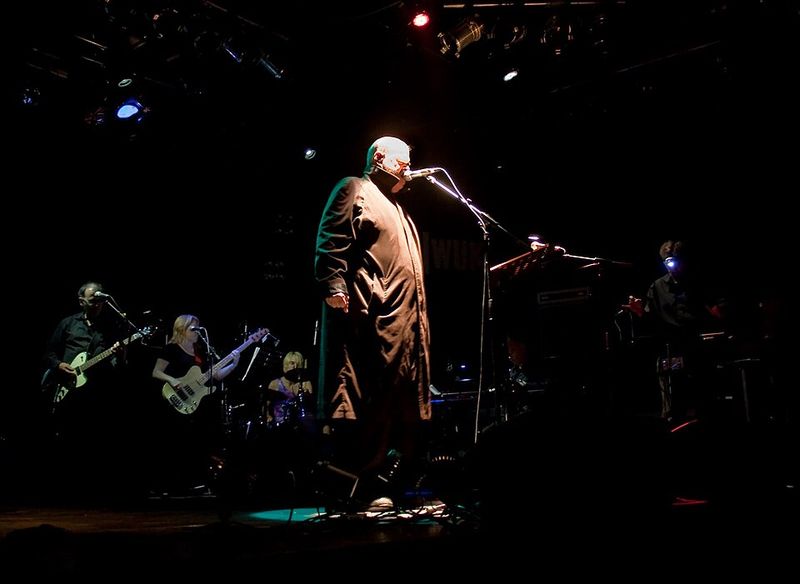
Cleveland, Ohio in the mid-1970s was not the obvious birthplace of avant-garde rock, but Pere Ubu released their first single in 1975 and immediately established themselves as one of the most unusual bands in America. David Thomas’s unconventional vocal style and the band’s use of industrial noise set them apart from virtually everyone.
Their debut album “The Modern Dance” from 1978 influenced post-punk and art-rock acts across two continents. Bands like Pixies, Talking Heads, and various 1990s underground acts absorbed Pere Ubu’s model of combining accessible rock structures with genuinely disorienting sonic choices.
19. Captain Beefheart & His Magic Band
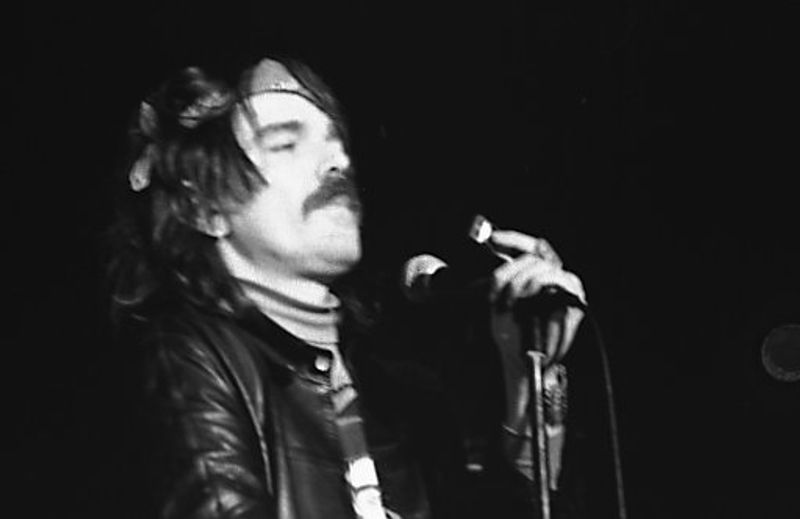
Don Van Vliet, performing as Captain Beefheart, released “Trout Mask Replica” in 1969 and spent the 1970s continuing to make records that treated blues and rock as raw material to be taken apart and reassembled in ways that followed no conventional logic. His musicians rehearsed parts for months to achieve calculated dissonance.
Tom Waits, PJ Harvey, and members of The Fall all pointed to Beefheart as a key influence on their own unconventional approaches. His work gave experimental rock musicians permission to treat structure itself as something that could be questioned rather than followed.
20. The Feelies
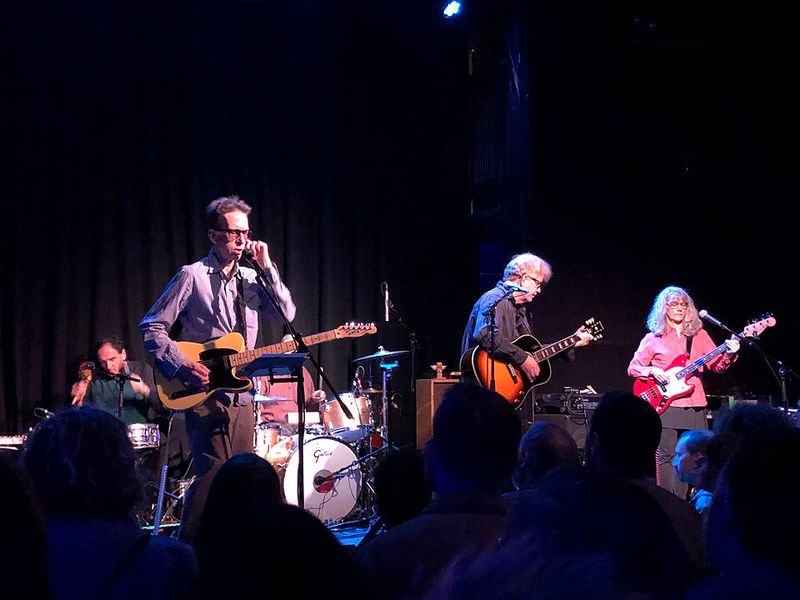
The Feelies released their debut album “Crazy Rhythms” in 1979, and its combination of tightly wound guitar lines, nervous percussion, and understated vocals pointed directly toward the college rock sound that would dominate American alternative radio in the late 1980s. The record was made on a small budget and sounded completely original.
R.E.M. and Yo La Tengo both acknowledged The Feelies as a direct influence on their own guitar-driven approaches. Their restrained energy and preference for tension over release gave indie rock a model of cool that felt distinctly American and entirely self-sufficient.
Share this story