Some guitar riffs did more than make songs famous. They changed the entire direction of rock music.
Long before heavy metal became a global force and hard rock filled stadiums, a handful of guitarists were experimenting with distortion, volume, speed, and aggression in ways audiences had never heard before.
These riffs became the building blocks of heavy music. They introduced darker tones, louder amplifiers, palm-muted grooves, downtuned guitars, and a new kind of power that pushed rock beyond its blues roots.
From proto-metal pioneers in the 1960s to the arena-shaking giants of the 1980s and early 1990s, each riff on this list helped shape the DNA of heavy rock.
Some created entirely new genres. Others inspired generations of guitarists to pick up an instrument and play louder than anyone before them.
Together, these eighteen riffs tell the story of how hard rock and heavy metal were born one power chord at a time.
1. Enter Sandman – Metallica
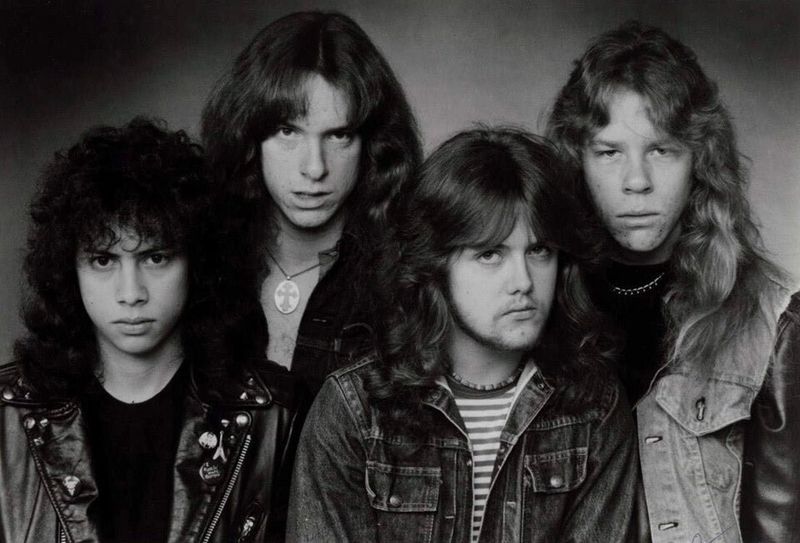
Kirk Hammett wrote the opening riff during a 1990 recording session, and producer Bob Rock helped shape it into the mid-tempo, palm-muted groove that appeared on Metallica’s 1991 self-titled album. The band deliberately moved away from the fast, complex arrangements of their earlier work to reach a wider audience.
That strategic shift worked. The album sold over 16 million copies in the United States alone, making it one of the best-selling metal records in history. “Enter Sandman” became the entry point for millions of new fans.
The riff demonstrated that heavy metal could anchor a mainstream hit without losing its core identity or intensity.
2. Ain’t Talkin’ ‘Bout Love – Van Halen
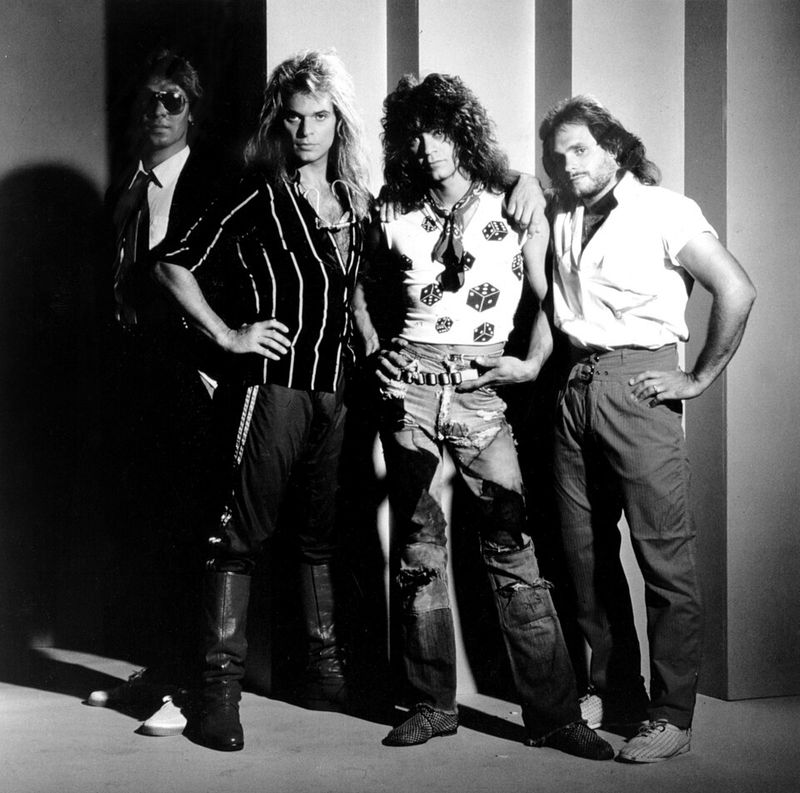
Eddie Van Halen built this riff around a simple two-chord pattern that he described as a joke, something he played while mocking acoustic folk music. That ironic origin produced one of the most effective hard rock riffs on Van Halen’s 1978 debut album.
The track showcased Van Halen’s ability to take a minimal idea and execute it with maximum impact. Eddie’s tone, timing, and confidence made even simple phrases sound authoritative and fresh.
The debut album arrived in 1978 and instantly repositioned what hard rock guitar could achieve technically and commercially. Van Halen’s influence on 1980s rock guitar is difficult to overstate, and this track was part of the opening argument.
3. Barracuda – Heart
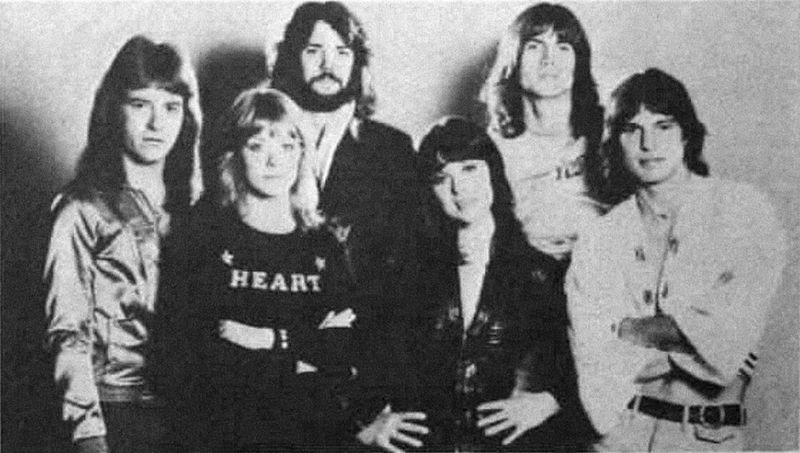
Ann and Nancy Wilson wrote this riff in 1977 as a direct response to a misleading promotional campaign by their record label. That frustration translated into one of the sharpest, most aggressive guitar riffs of the decade.
The track appeared on Heart’s album “Little Queen” and became their defining hard rock statement.
Nancy Wilson’s guitar work on the track demonstrated technical precision and raw energy in equal measure. The riff arrived in sharp, staccato bursts that gave the song an almost confrontational tone.
Heart’s success with this track helped challenge assumptions about who could lead a hard rock band, influencing a generation of musicians who followed.
4. Detroit Rock City – KISS
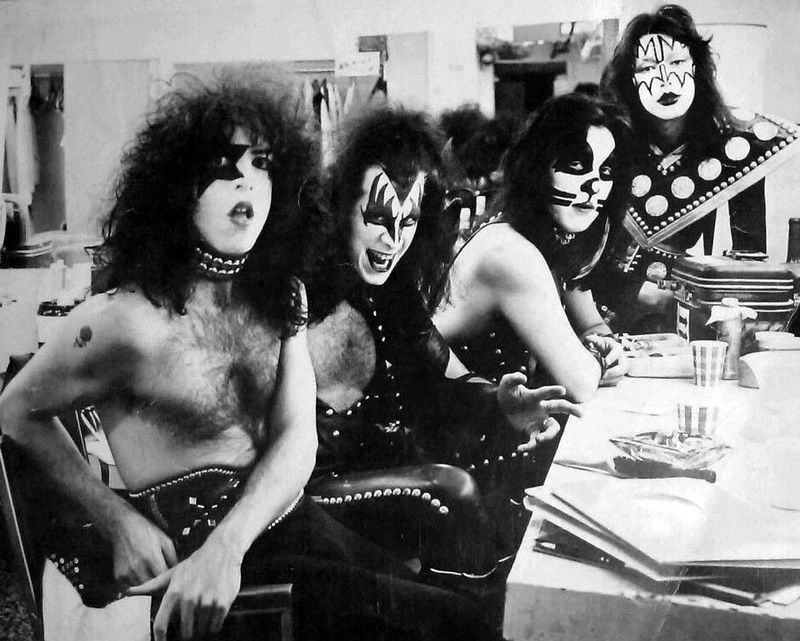
KISS released this track on their 1976 album “Destroyer,” and producer Bob Ezrin helped shape it into a stadium-ready anthem. Ace Frehley’s opening riff arrived like a declaration, wide, driving, and built for large venues rather than intimate club stages.
The song captured the theatrical ambition that defined KISS during their commercial peak. Their concerts during this period featured elaborate stage production, and the music was written to match that scale.
“Detroit Rock City” became one of the clearest examples of how hard rock could function as spectacle. The riff didn’t just introduce a song; it announced an entire performance philosophy built around maximum impact.
5. Whole Lotta Love – Led Zeppelin
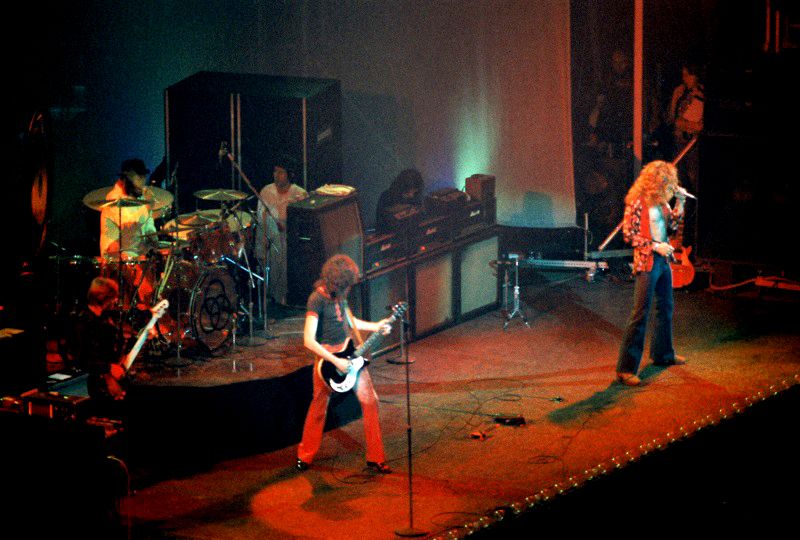
Jimmy Page reportedly developed the central riff for this song while living on a houseboat on the Thames River in 1969. That detail alone says something about how unplanned and instinctive the creation of rock history can be.
Released on Led Zeppelin’s second album, the riff combined a raw blues foundation with distorted, crushing guitar tones that felt entirely new at the time. It helped establish the template that dozens of hard rock and early heavy metal bands would follow throughout the 1970s.
The song’s structure also broke radio conventions, featuring a lengthy psychedelic breakdown that challenged what a rock single could include.
6. Iron Man – Black Sabbath
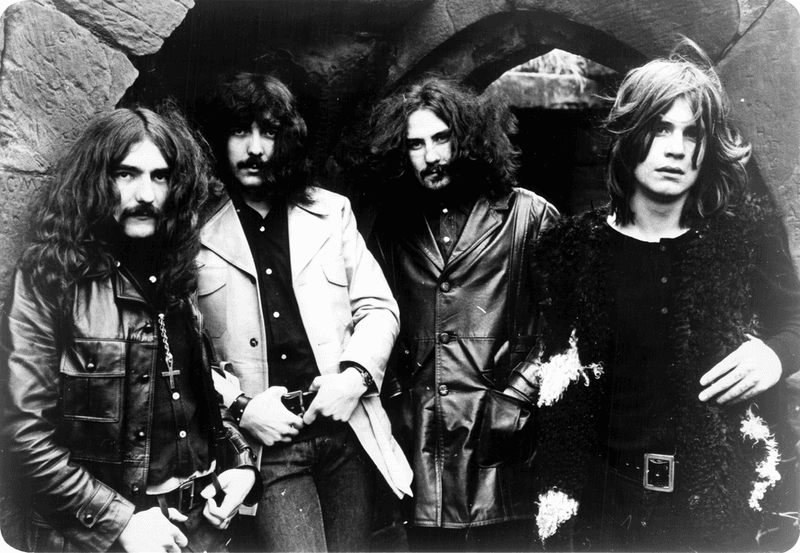
Tony Iommi recorded this riff despite having lost the tips of two fingers on his right hand in a factory accident as a teenager. He solved the problem by creating homemade fingertip prosthetics and tuning his guitar down to reduce string tension, which accidentally produced a heavier, darker sound.
That tuning choice became a defining characteristic of metal guitar. “Iron Man,” released on Black Sabbath’s 1970 album “Paranoid,” featured a slow, grinding riff that felt genuinely threatening in a way rock hadn’t quite managed before.
Iommi’s approach proved that limitation could become innovation, and the metal genre was built on that accident.
7. Back in Black – AC/DC
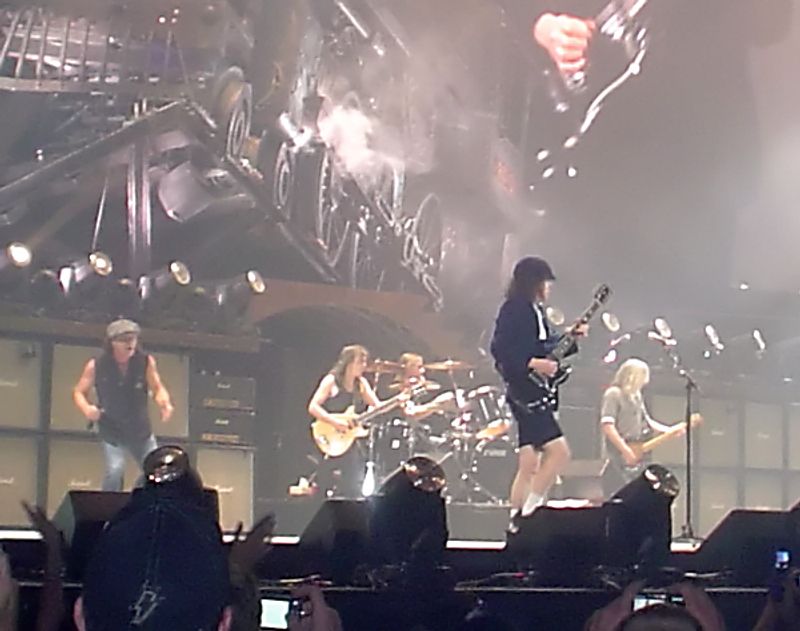
Recorded in 1980 as a tribute to the band’s previous vocalist, “Back in Black” opened with a riff so clean and confident that it became one of the best-selling rock albums in history. Angus Young played the riff with a groove-first mentality that prioritized feel over technical complexity.
The album sold over 50 million copies worldwide, making it one of the top-selling records ever made. That success proved that stripped-down, attitude-driven rock could compete commercially with anything else on the market.
Young’s approach influenced countless guitarists who learned that a riff doesn’t need to be complicated to be unforgettable.
8. Sunshine of Your Love – Cream
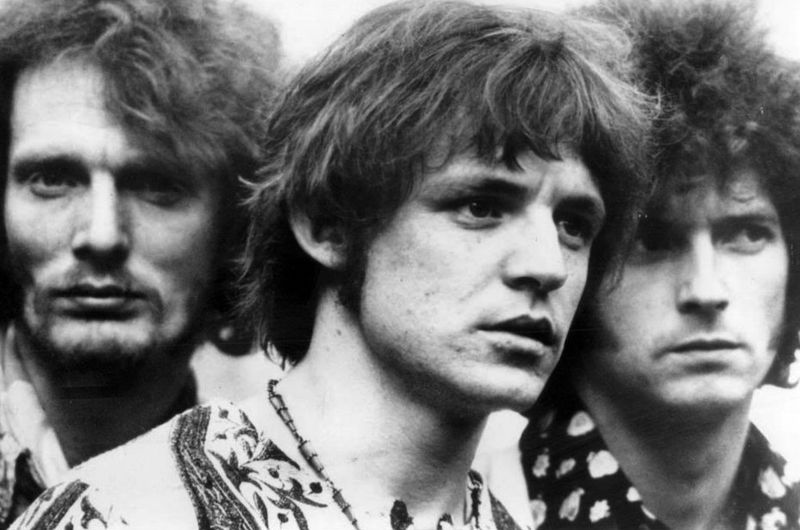
Eric Clapton wrote this riff the morning after attending a Jimi Hendrix concert in London in 1967, and the influence shows. The riff blended a descending blues phrase with a heavy, repetitive structure that anticipated the harder rock sounds coming from British bands just a few years later.
Cream released the track on their 1967 album “Disraeli Gears,” and it became one of the clearest bridges between psychedelic rock and the emerging world of heavy guitar music. Jack Bruce’s bass line locked in perfectly with Clapton’s guitar, creating a dense, powerful sound.
The riff remains a standard in guitar education and music history discussions.
9. Smoke on the Water – Deep Purple
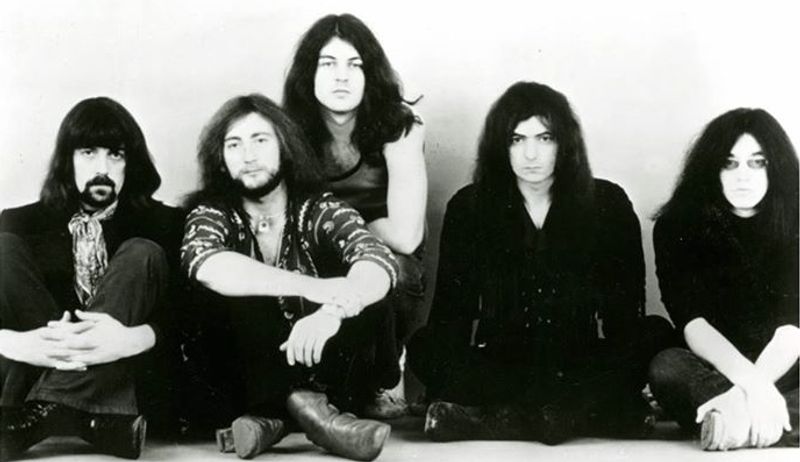
Four notes. That’s all it took for Ritchie Blackmore to write what many consider the most recognized guitar riff in rock history.
Recorded in 1971 at the Casino in Montreux, Switzerland, the riff appeared on Deep Purple’s 1972 album “Machine Head” and immediately became a staple of rock radio.
The riff uses a simple blues scale pattern played on the low strings, making it easy enough for beginners to learn within minutes. That accessibility helped turn it into a universal rite of passage for new guitarists worldwide.
Its power comes not from complexity but from confidence. Blackmore played it straight, heavy, and without apology.
10. You Really Got Me – The Kinks
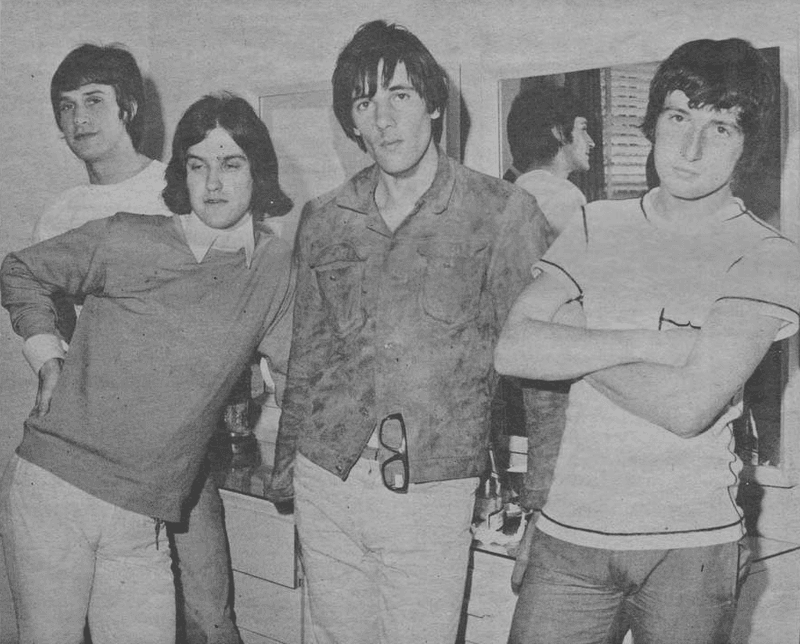
Released in 1964, this riff arrived before the term “hard rock” even existed. Dave Davies reportedly slashed the speaker cone of his amplifier with a razor blade to achieve the raw, distorted tone that defined the track.
That act of deliberate destruction created one of rock’s most important sounds.
The song reached number one in the UK and number seven in the US, introducing millions of listeners to the power of distorted guitar chords. Many music historians credit this track as a direct ancestor of hard rock and punk guitar playing.
Van Halen later covered the song in 1978, introducing it to an entirely new generation of rock fans.
11. Paranoid – Black Sabbath
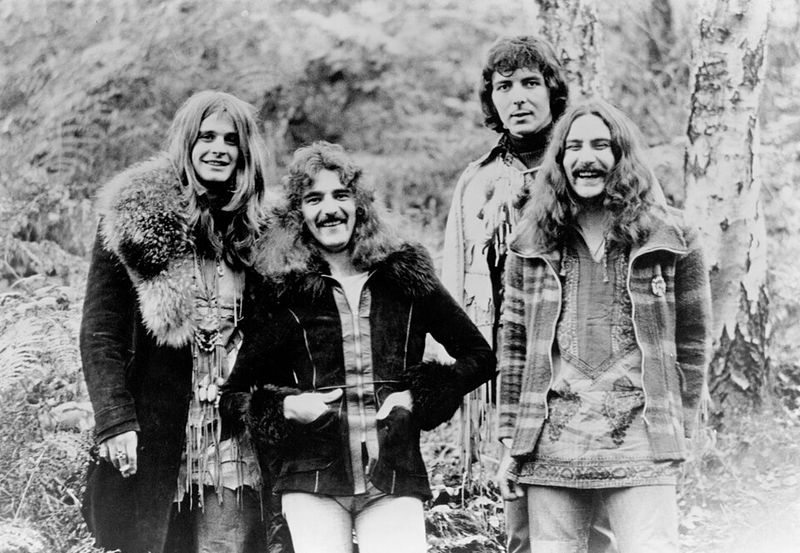
The band reportedly wrote this track in about ten minutes as filler material to complete their second album. That origin story makes its eventual cultural impact even more remarkable. “Paranoid” became Black Sabbath’s biggest commercial hit and the title track of an album that helped define heavy metal as a genre.
The riff moves fast and aggressively, a contrast to the slower, more ominous pace of “Iron Man.” It showed that Sabbath could operate at multiple tempos while maintaining their signature heaviness.
Released in 1970, the song reached number four on the UK charts and demonstrated that heavy rock had a genuine mainstream audience waiting for it.
12. Walk This Way – Aerosmith
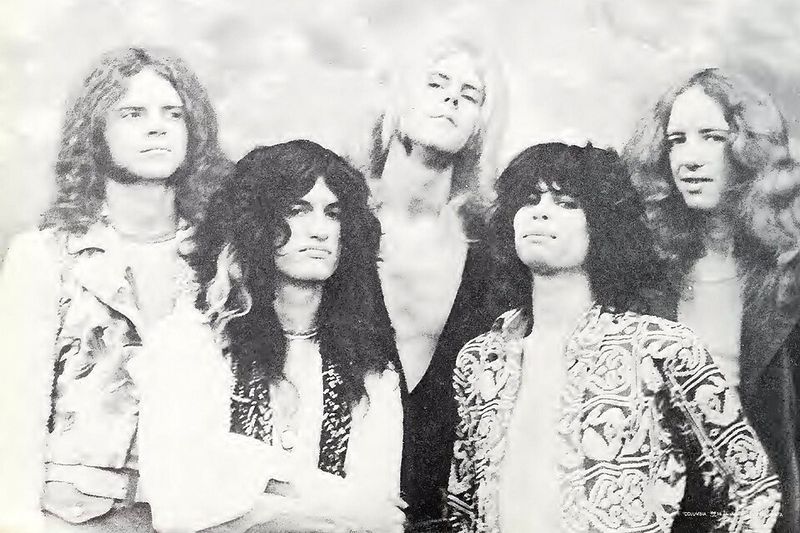
Joe Perry came up with this riff during a sound check in Hawaii in 1975, improvising a funky, syncopated phrase that didn’t sound like anything else Aerosmith had recorded. The track appeared on their 1975 album “Toys in the Attic” and became one of their signature songs.
The riff borrowed rhythmic ideas from funk and soul music, giving it a swagger that separated it from straightforward rock. That crossover quality became even more significant in 1986 when Run DMC collaborated with Aerosmith on a hip-hop version that introduced both artists to new audiences.
That 1986 version is widely credited with helping break down barriers between rock and rap music.
13. Sweet Child O’ Mine – Guns N’ Roses

Slash originally wrote the opening riff as a finger exercise, not expecting it to become one of the most recognizable intros in rock history. Axl Rose heard it during rehearsal and insisted on building a full song around it.
That decision produced Guns N’ Roses’ only number one single in the United States.
Released in 1988 on “Appetite for Destruction,” the song helped revive arena rock at a time when many critics considered the genre commercially exhausted. The melodic riff stood apart from the harder, more aggressive material on the same album.
Its success pushed an entire generation of guitarists toward melodic lead playing as a core skill.
14. Crazy Train – Ozzy Osbourne
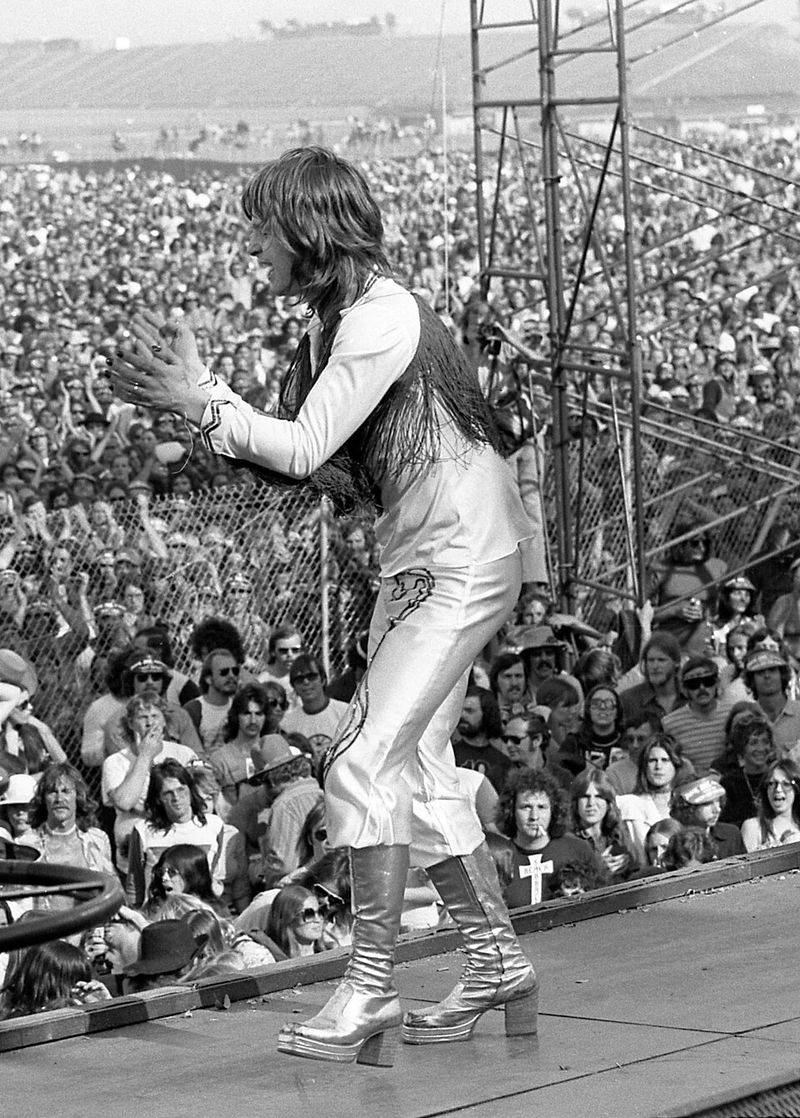
Randy Rhoads was only 19 years old when he recorded this riff, yet the track demonstrated a technical maturity that left other guitarists stunned. His approach combined classical music theory with aggressive metal playing, a combination that had rarely been attempted at that level before 1980.
The song appeared on Ozzy Osbourne’s debut solo album “Blizzard of Ozz” and established Rhoads as one of the most innovative guitarists of his generation. His use of harmonics, precise picking, and structured scale runs gave the riff a different texture than most hard rock of the era.
Rhoads changed how musicians thought about combining formal music education with hard rock performance.
15. La Grange – ZZ Top
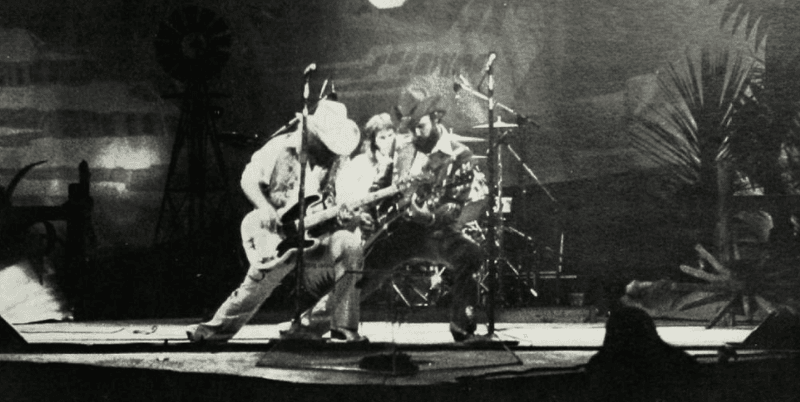
Billy Gibbons based this riff on a John Lee Hooker blues pattern and recorded it for ZZ Top’s 1973 album “Tres Hombres.” The track opened with a slow, building guitar figure before exploding into a driving boogie that became one of the defining sounds of Texas rock.
Gibbons proved that a riff rooted entirely in traditional blues could still sound enormous and modern in a hard rock context. The song never charted particularly high on its initial release, but its reputation grew steadily through years of radio play and live performances.
ZZ Top’s stripped-down approach influenced countless Southern rock and blues-rock guitarists throughout the following decades.
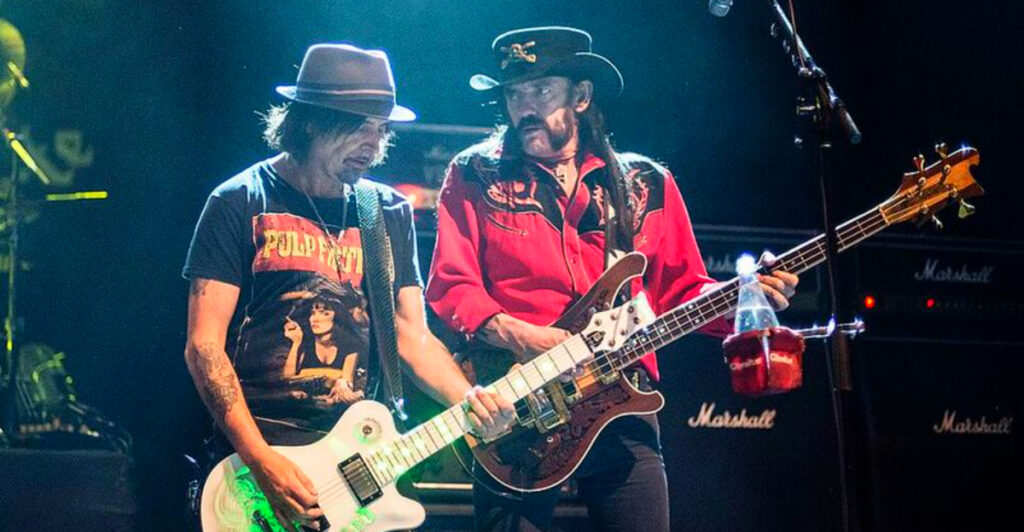
16. Ace of Spades – Motörhead
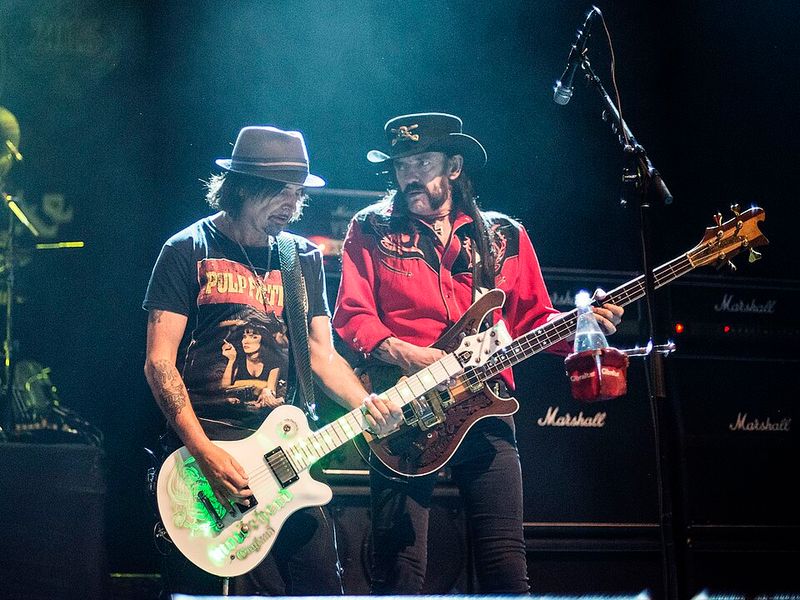
Motörhead released this track in 1980 at a speed and intensity that sat at the intersection of punk and heavy metal. Lemmy Kilmister’s aggressive playing style rejected the technical polish of mainstream rock in favor of relentless forward momentum.
The song’s riff was built for speed rather than subtlety, and that directness gave it a raw energy that influenced the emerging thrash metal scene of the early 1980s. Bands like Metallica, Slayer, and Anthrax have all cited Motörhead as a foundational influence.
Lemmy’s approach demonstrated that rhythm and aggression could carry a riff just as effectively as melody or technical skill, reshaping the expectations of heavy music.
17. More Than a Feeling – Boston
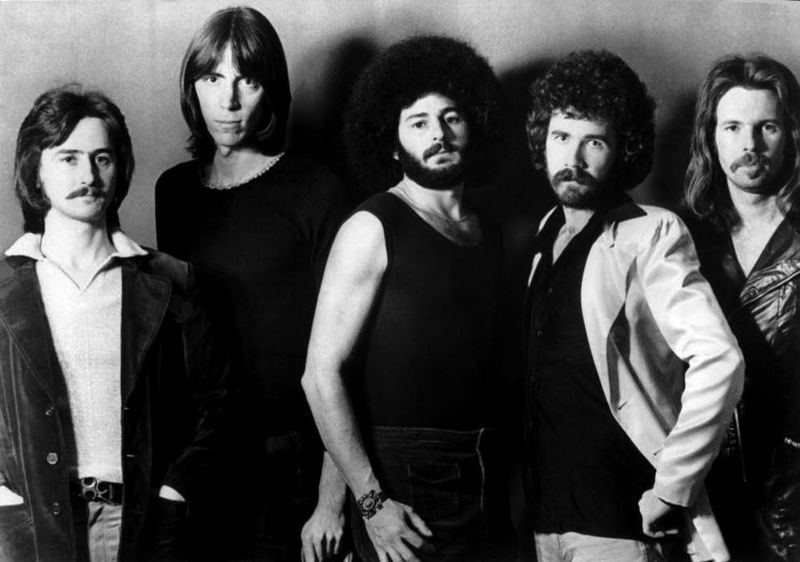
Tom Scholz recorded the entire debut Boston album in a basement studio he built himself, using homemade equipment and meticulous layering techniques. The result was a guitar sound so polished and full that radio programmers initially assumed a major studio had produced it.
Released in 1976, the album sold over 17 million copies in the United States and became one of the best-selling debut albums in rock history. Scholz held a degree from MIT and applied engineering precision to guitar production in a way no one had quite attempted before.
His layered approach changed how arena rock was recorded and mixed, raising production standards across the genre significantly.
18. Welcome to the Jungle – Guns N’ Roses
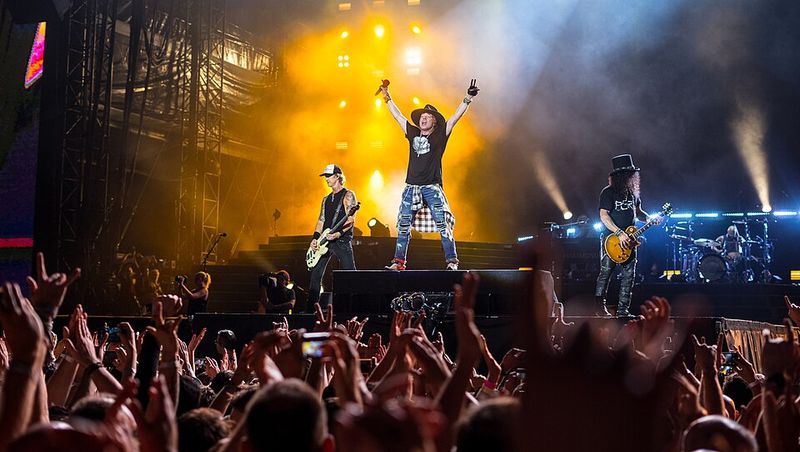
Guns N’ Roses opened their 1987 debut album with this riff, and it announced a deliberate shift away from the polished pop-metal that had dominated rock radio throughout the mid-1980s. Slash’s descending guitar figure was raw, aggressive, and city-worn in a way that felt authentic rather than manufactured.
The album “Appetite for Destruction” went on to sell over 30 million copies worldwide, becoming the best-selling debut album in US chart history. That commercial success validated the band’s gritty approach and pushed other acts to reconsider the value of unpolished rock.
The riff helped restore a sense of danger and urgency to mainstream rock at a moment when both qualities had largely disappeared from the genre.
Share this story