There is a small island tucked between the bustle of Key West and the mainland of Florida where tiny deer wander freely through front yards, and the loudest sound you might hear is a heron splashing in a canal. Most tourists speed right past it on US-1 without a second glance, and honestly, that is their loss.
Big Pine Key moves at its own pace, a pace that feels more like a deep breath than a rushed vacation itinerary. With nature refuges, calm waters, and a community that genuinely loves where it lives, this island rewards the curious traveler who decides to slow down and look around.
Whether you are a wildlife lover, a kayaker, or just someone craving a quieter corner of the Florida Keys, Big Pine Key has something real and refreshing waiting for you.
Where Big Pine Key Sits on the Map
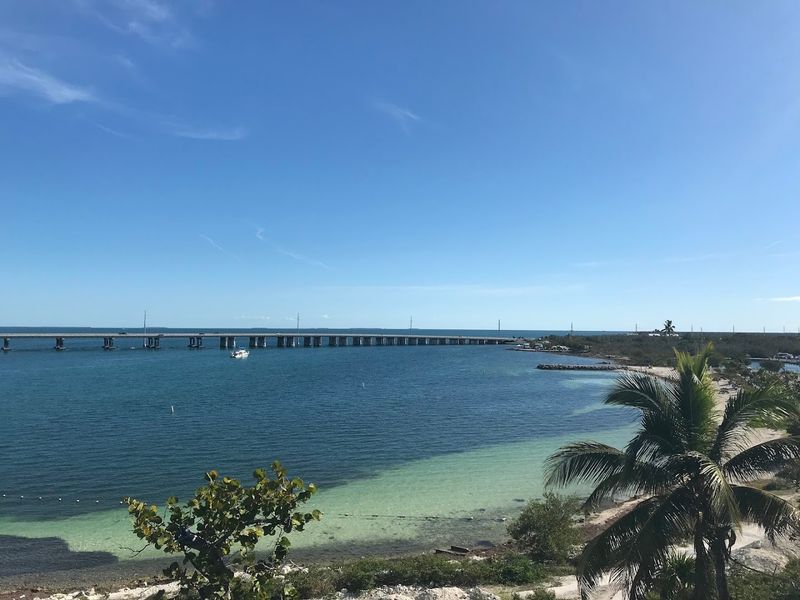
Big Pine Key sits at mile marker 33 on the Overseas Highway, US-1, in Monroe County, Florida, about 30 miles northeast of Key West. The island’s official address falls under the zip code 33043, and it is classified as a census-designated place and unincorporated community.
As of the 2020 census, around 4,521 people call this island home full time, which gives it the kind of small-town feel that is genuinely rare in Florida these days. The island is larger than most Keys, covering roughly 10 square miles of land.
That extra space is part of what makes it special. There is room here for nature to breathe, for wildlife corridors to exist, and for residents to enjoy a lifestyle that does not feel squeezed or overdeveloped.
Big Pine Key manages to feel remote without actually being far from anything important.
The Famous Key Deer You Will Actually See
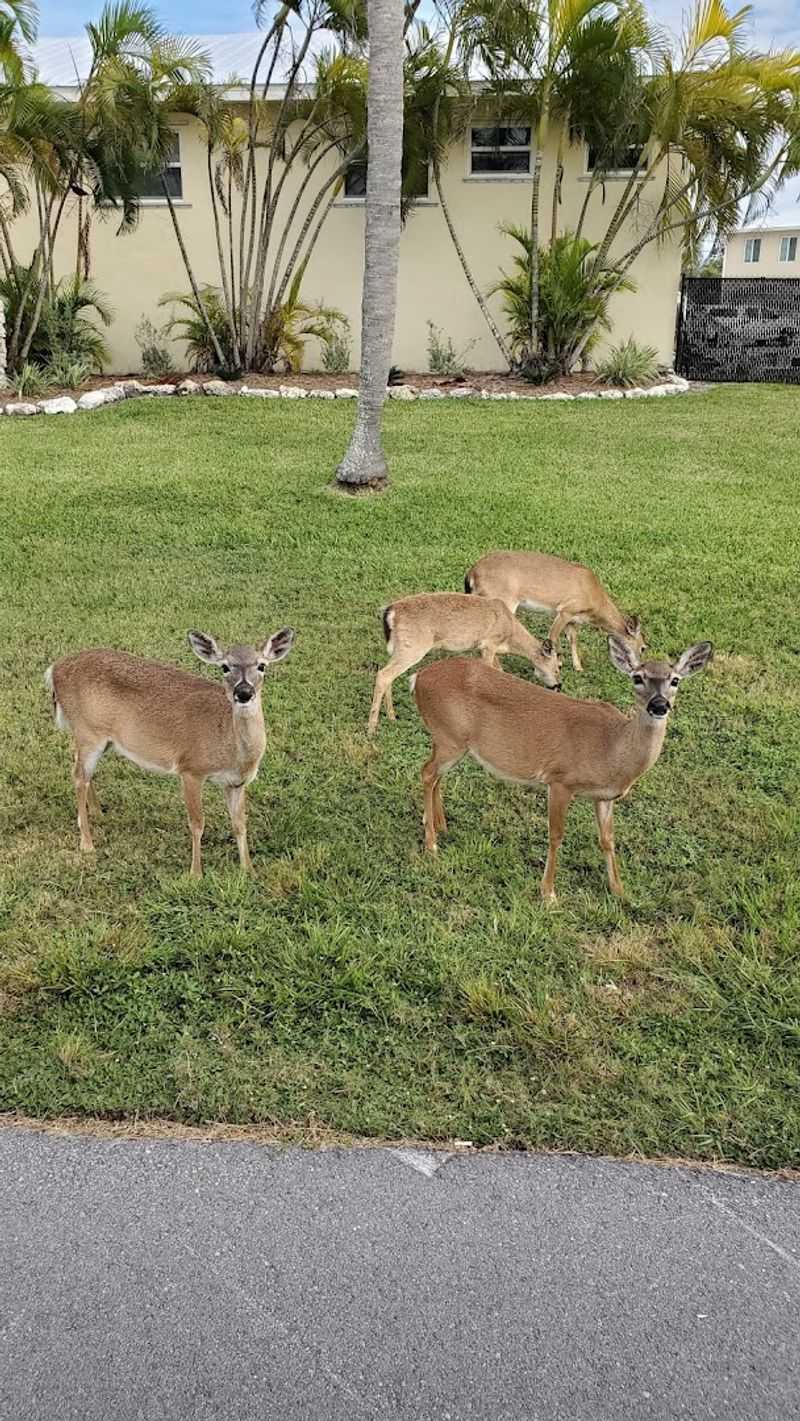
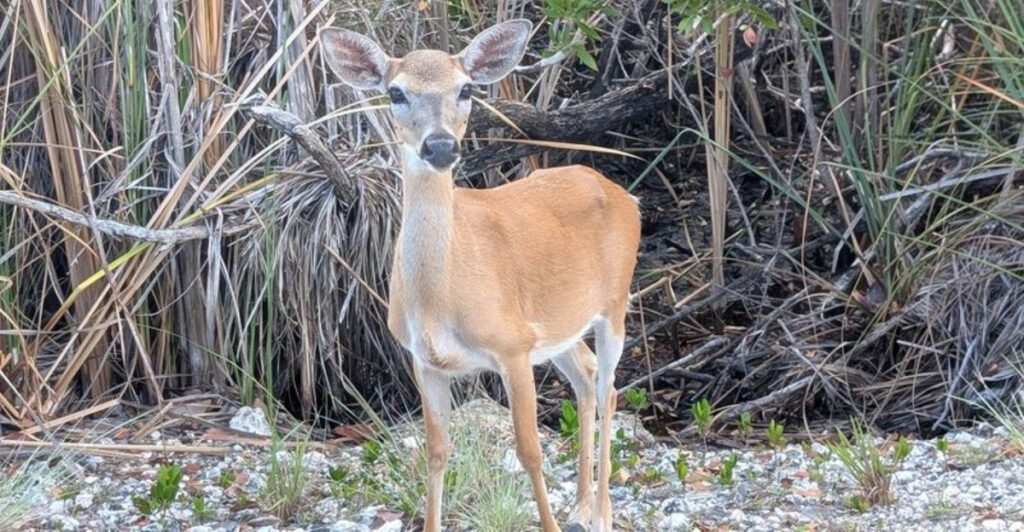
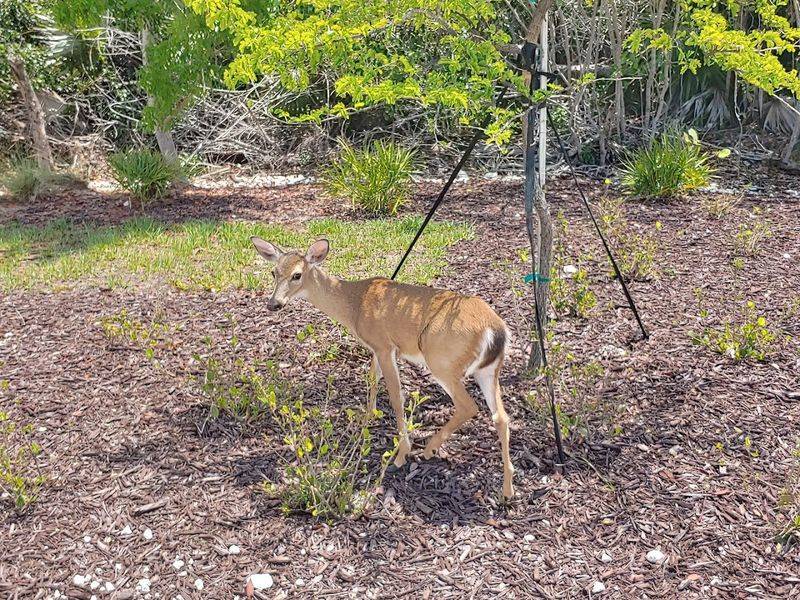
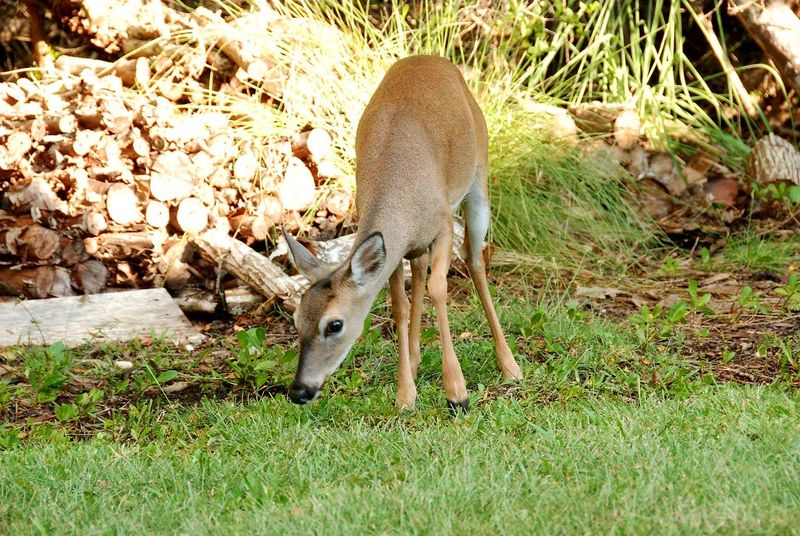
No visit to Big Pine Key makes sense without talking about the Key deer, the island’s most beloved residents. These miniature white-tailed deer stand only about 24 to 28 inches tall at the shoulder, roughly the size of a large dog, and they have been living on this island for thousands of years.
They are federally protected as an endangered species, and hunting or feeding them is strictly prohibited. Still, spotting one is almost guaranteed if you drive or walk through the right neighborhoods, especially near the National Key Deer Refuge.
Early morning and late afternoon are the best times to catch them grazing near roadsides or wandering between houses. Seeing one up close for the first time is genuinely surprising.
Their calm, unbothered energy makes the whole experience feel like a quiet gift from the island, one that no theme park or resort could ever replicate.
The National Key Deer Refuge and Its Wild Spaces
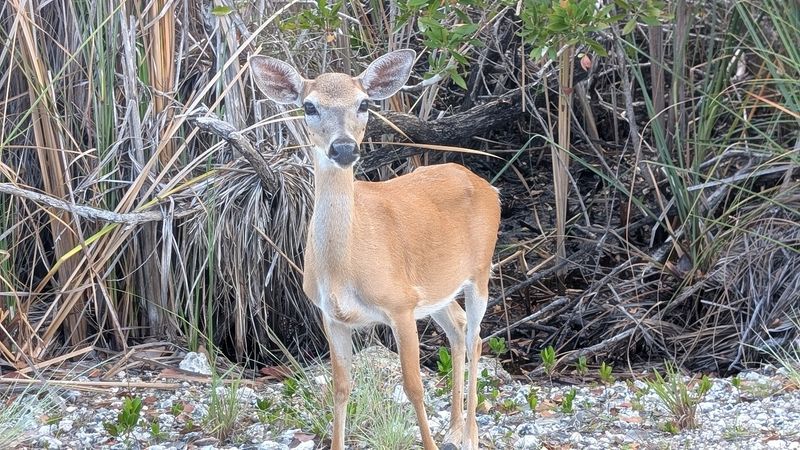
The National Key Deer Refuge was established in 1957 specifically to protect the Key deer and the unique ecosystem they depend on. It covers more than 84,000 acres spread across multiple islands, but its heart is right here on Big Pine Key.
The refuge includes pine rockland forests, mangrove wetlands, freshwater ponds, and open buttonwood flatlands, all of which support an incredible variety of wildlife beyond just the deer. Visitors can explore several self-guided nature trails, including the Fred Mannillo Nature Trail and the Watson Hammock Trail, both of which are short, accessible, and genuinely rewarding.
The refuge headquarters is located on Key Deer Boulevard, and staff there are friendly and full of helpful information. Birders, butterfly enthusiasts, and reptile fans will all find something to get excited about here.
The refuge is free to enter, which makes it one of the best no-cost outdoor experiences in the entire Florida Keys.
Blue Hole: A Freshwater Surprise in the Middle of the Keys
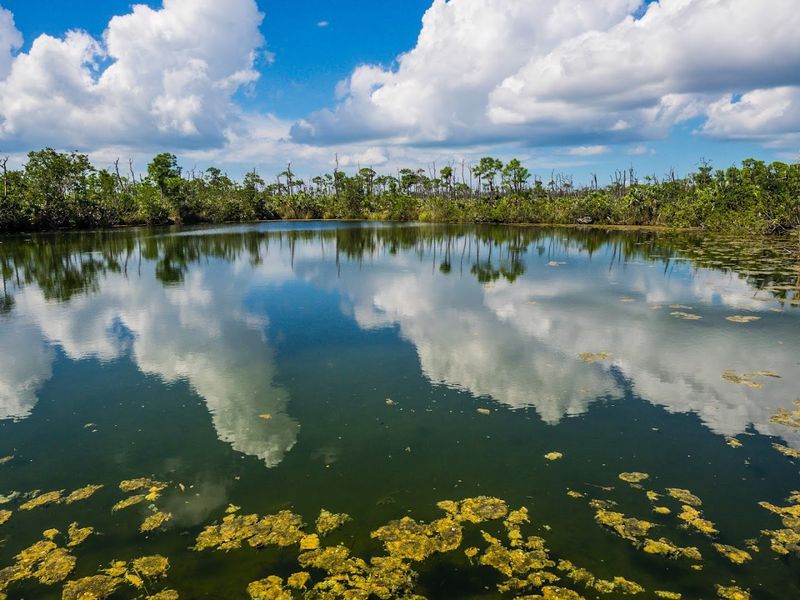
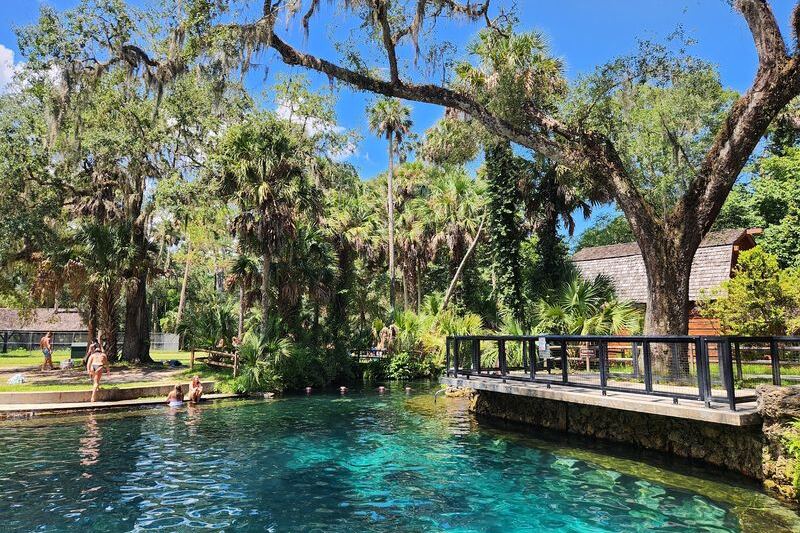
One of the most unexpected sights on Big Pine Key is the Blue Hole, a freshwater quarry pond located within the National Key Deer Refuge. It was created when workers quarried limestone from the land during the early 20th century, and over time, it filled with fresh water and became a thriving wildlife habitat.
Today, the Blue Hole is home to American alligators, turtles, wading birds, and various fish species. There is a short paved path and an observation platform that lets visitors get close enough for a good look without disturbing the animals.
Spotting an alligator floating near the surface while a great blue heron stands perfectly still nearby is the kind of scene that stops you in your tracks. The Blue Hole is free to visit and is open during daylight hours.
It is one of those places that sounds ordinary until you actually stand there and realize how extraordinary it is.
Kayaking and Paddleboarding the Backcountry Waters
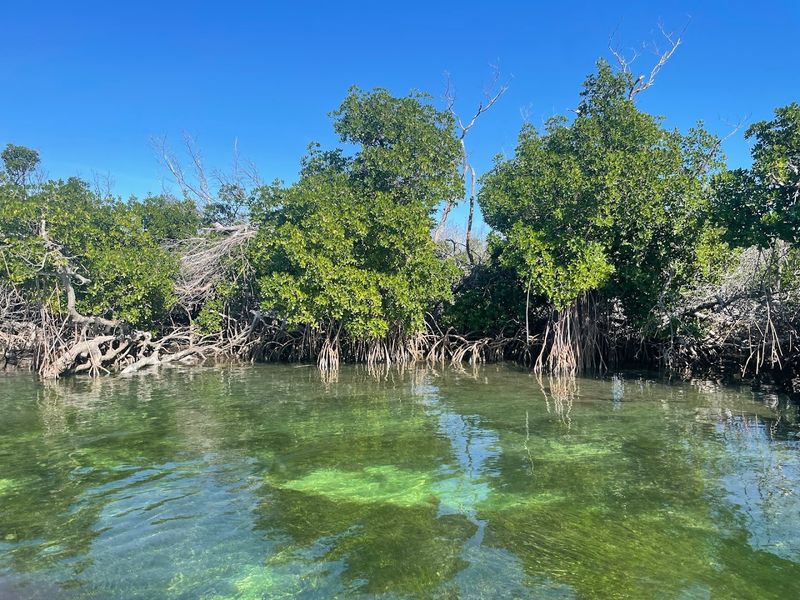
The waters surrounding Big Pine Key are some of the most peaceful paddling destinations in all of the Florida Keys. The backcountry side, facing Florida Bay, is shallow, calm, and rich with sea grass beds, mangrove tunnels, and small sandy flats where wildlife gathers throughout the day.
Kayaking or paddleboarding here means you might drift past resting nurse sharks, spotted eagle rays, and manatees moving slowly through the warm shallows. Several outfitters in the area offer rentals and guided tours that take the guesswork out of navigation.
Even on your own, the channels are manageable, and the scenery rewards every stroke of the paddle. The Atlantic side offers a different experience, with slightly choppier water and access to nearshore reefs.
Regardless of which direction you choose, the paddling around Big Pine Key is the kind of activity that makes you forget entirely how long you have been out on the water.
The Laid-Back Community Feel of the Island
Big Pine Key has a personality that is hard to fake. The roughly 4,500 people who live here year-round have chosen a lifestyle that prioritizes nature, quiet, and community over convenience and nightlife.
That choice is visible in the way the island feels.
There are no chain hotels, no massive resort complexes, and no loud strip malls competing for your attention. What you find instead are modest homes, friendly neighbors, a few locally owned restaurants, and a general store or two that keeps things functional without getting flashy.
The community hosts occasional events, farmers markets, and fundraisers that feel genuinely grassroots rather than manufactured for tourists. Chatting with a local here often turns into a 20-minute conversation about the deer, the water, or the latest wildlife sighting on their street.
Big Pine Key is the kind of place where the community itself is part of the attraction.
Pine Rockland Forests: A Rare Ecosystem Worth Knowing About
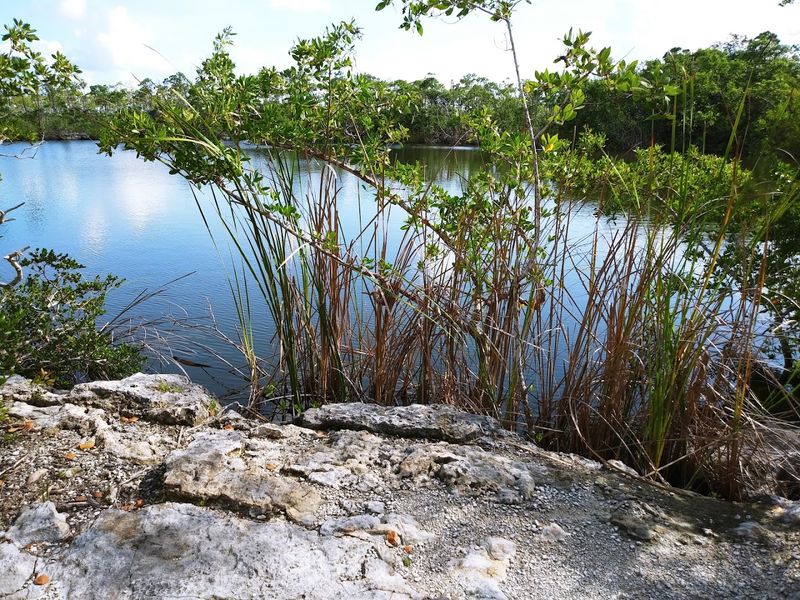
Most people do not associate the Florida Keys with pine forests, but Big Pine Key is one of the few places in the Keys where pine rockland habitat still exists. This rare ecosystem is dominated by South Florida slash pines growing directly out of exposed limestone rock, with a diverse understory of native shrubs, grasses, and wildflowers.
Pine rockland is one of the most endangered ecosystems in North America, with only a small fraction of its original extent remaining. Big Pine Key holds a significant portion of what survives, making the island genuinely important from a conservation standpoint.
Walking through a pine rockland feels different from any other natural area in the Keys. The light filters through the canopy in long, golden shafts, and the ground is surprisingly open and easy to navigate.
It is a quiet, contemplative kind of nature experience, one that does not demand your attention so much as it earns it slowly.
Best Times to Visit Big Pine Key
The Florida Keys have a subtropical climate, which means warm temperatures year-round, but the timing of your visit makes a real difference in what your experience feels like. The dry season, running roughly from November through April, brings lower humidity, cooler temperatures in the 70s, and far fewer mosquitoes.
This is the peak season for outdoor activities, wildlife viewing, and comfortable hiking. Summer visits are entirely possible and often more affordable, but the heat and humidity are intense, and afternoon thunderstorms are a daily reality from June through September.
Hurricane season runs from June through November, with the most active months being August through October. Big Pine Key was significantly impacted by Hurricane Irma in 2017, and the community has worked hard to rebuild and restore.
Visiting during the dry season gives you the best combination of weather, wildlife activity, and access to trails and water activities at their most enjoyable.
Wildlife Beyond the Deer: What Else Lives Here
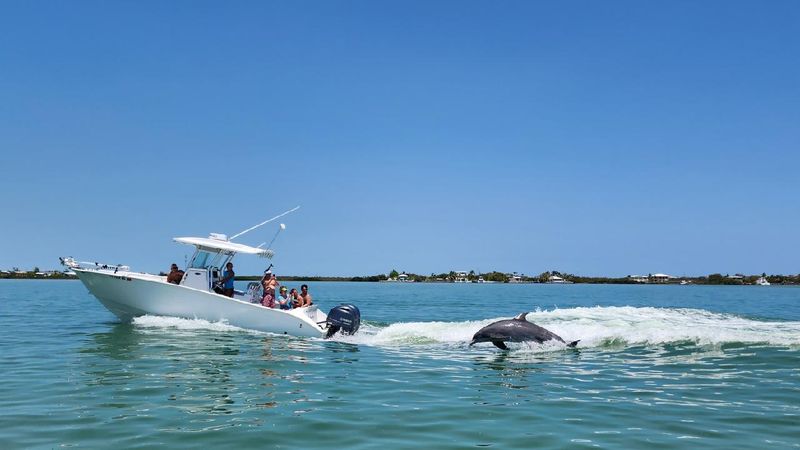
The Key deer may be the celebrities of Big Pine Key, but they share the island with an impressive supporting cast of wildlife that deserves equal attention. The great white heron, a large and distinctly pale subspecies found only in the Florida Keys, is frequently spotted wading along canal edges and shorelines here.
American alligators, as seen at the Blue Hole, are permanent residents. Ospreys nest on channel markers and utility poles throughout the island.
Manatees drift through the canals during cooler months, sometimes surfacing just a few feet from a dock.
Butterflies are also abundant, with the rare Schaus swallowtail and several other species depending on the native vegetation of the refuge. Reptile fans will spot various lizards and the occasional indigo snake.
Big Pine Key is the kind of place where looking out your window or down a canal path can turn into an impromptu wildlife encounter at any moment.
Tips for Visiting Big Pine Key Responsibly
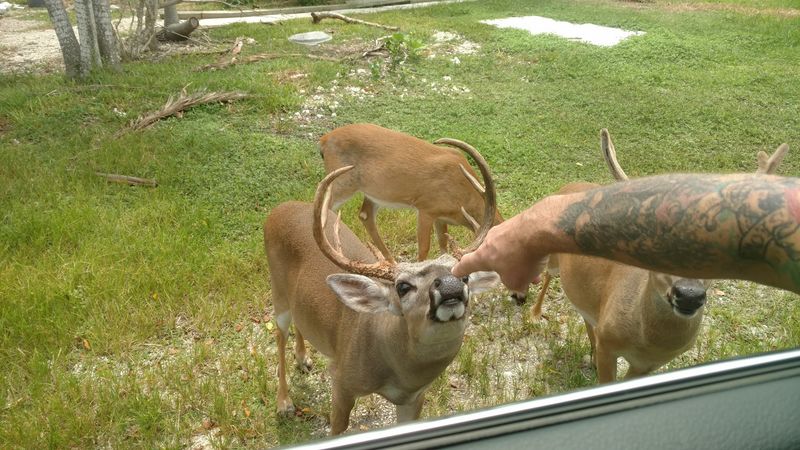
Big Pine Key is a place that rewards respectful visitors. The most important rule is simple: do not feed the Key deer.
Feeding them is illegal and genuinely harmful, as it causes the deer to approach roads and vehicles, which is one of the leading causes of their decline.
Speed limits on the island are strictly enforced, particularly at night when deer are most active on roadways. Drive slowly and stay alert, especially on Key Deer Boulevard and the surrounding residential streets.
Leave natural areas exactly as you find them. Do not remove plants, disturb wildlife, or stray off designated trails within the refuge.
Bring reef-safe sunscreen if you plan to snorkel, as chemical sunscreens damage coral ecosystems. Pack out everything you bring in.
The residents of Big Pine Key take enormous pride in their island and its wild inhabitants, and visitors who share that respect are always welcome back.
Share this story