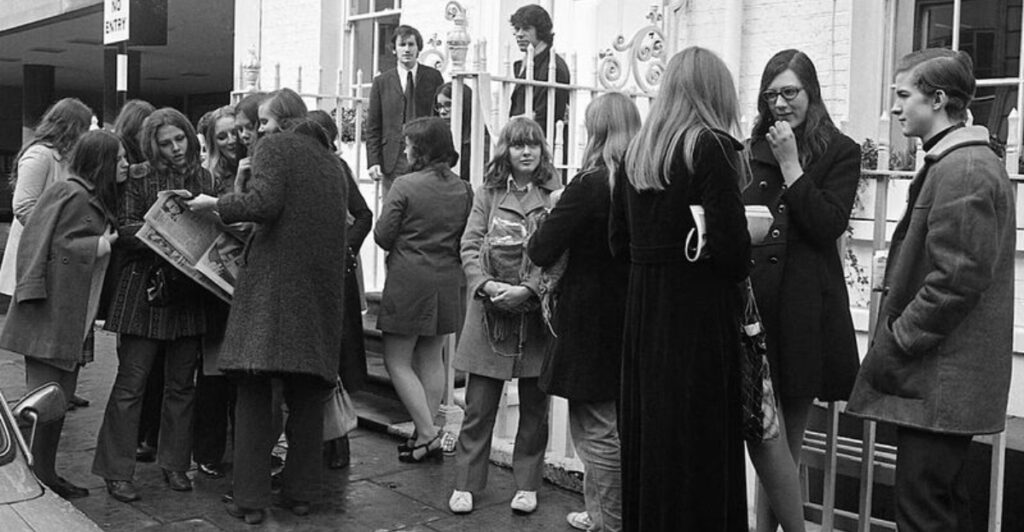
If the 1960s ended with confusion and unrest, 1970 began with people trying to figure out what came next. The peace-and-love optimism of the previous decade was fading fast, replaced by protests, political anger, cultural upheaval, and rapid social change.
America felt exhausted from Vietnam, shaken by assassinations, and uncertain about the future – but at the same time, entirely new trends in music, technology, fashion, and activism were starting to reshape everyday life.
It was a year when millions gathered for the first Earth Day while others marched against the Vietnam War. The Beatles split apart just as disco started creeping into clubs and heavy metal was being born in dark recording studios.
Americans watched astronauts nearly die in space, worried about airplane hijackings, debated women’s rights, and saw trust in government continue to erode.
More than anything, 1970 felt like a cultural crossroads. Some people desperately wanted stability and order back, while others believed society needed even bigger changes.
Nearly every headline seemed larger than life – and everybody had an opinion about it.
Here are the 12 biggest things everyone was talking about in 1970.
1. The Kent State Shootings Shocked America
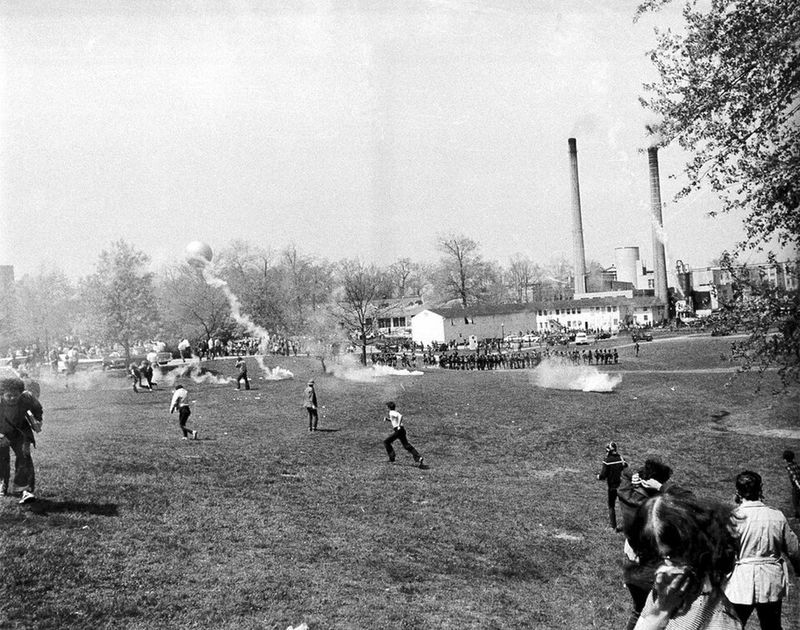
Few events in 1970 captured the nation’s tension more powerfully than the Kent State shootings.
On May 4, students at Kent State University in Ohio gathered to protest President Nixon’s expansion of the Vietnam War into Cambodia. National Guardsmen had been sent to campus amid rising demonstrations.
Then, in a horrifying moment that stunned the country, guardsmen opened fire on unarmed students.
Four students were killed. Nine others were wounded.
The photographs from the scene became instantly iconic, especially the image of a screaming young woman kneeling beside a victim’s body. The shootings ignited outrage nationwide.
Colleges shut down across America as students organized strikes and demonstrations.
To supporters of the anti-war movement, Kent State proved the government had turned violently against its own citizens. To others, the protests themselves symbolized a nation spinning out of control.
Either way, almost everyone had an opinion – and the divisions grew even deeper afterward.
2. Americans Couldn’t Stop Arguing About Vietnam
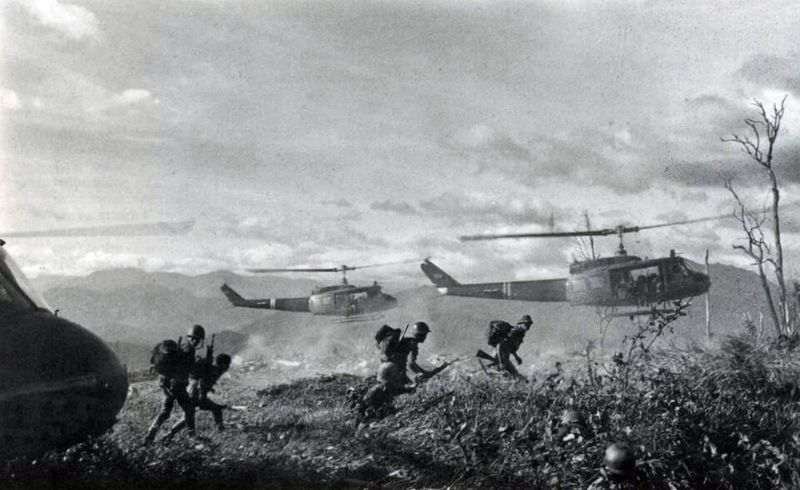
By 1970, the Vietnam War dominated nearly every aspect of American life. Families argued about it at dinner tables.
Politicians built careers around it. Protesters marched against it constantly.
President Richard Nixon had promised “peace with honor,” but when U.S. forces entered Cambodia in 1970, many Americans felt betrayed. Anti-war protests exploded across the country, especially among young people who feared the war would never end.
At the same time, many Americans strongly supported the military and believed protesters were disrespecting soldiers serving overseas. This created a level of social division that touched almost every community.
Television intensified everything. Every night, viewers watched footage of jungle combat, bombings, casualties, and destruction from halfway around the world.
For the first time, war didn’t feel distant – it felt like it was unfolding directly inside American living rooms.
The Vietnam debate wasn’t just political anymore. It became deeply personal.
3. Earth Day Made Environmentalism Suddenly Mainstream
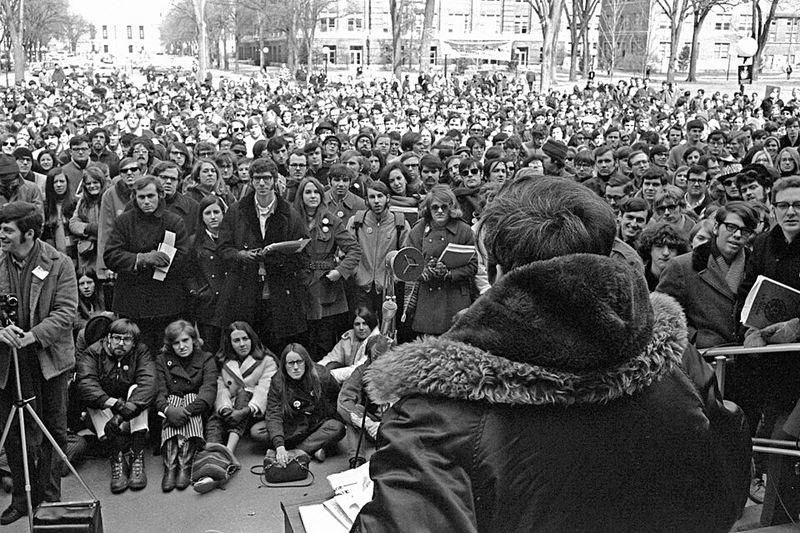
Before 1970, environmental issues rarely dominated national conversations. Then came the first Earth Day.
Held on April 22, 1970, Earth Day brought millions of Americans together for rallies, cleanups, speeches, and demonstrations focused on pollution and conservation. Smog-covered cities, oil spills, polluted rivers, and toxic industrial waste had become impossible to ignore.
One of the biggest wake-up calls came from the heavily polluted Cuyahoga River in Ohio, which had famously caught fire more than once due to industrial waste floating on its surface. Images like that shocked Americans and helped fuel growing environmental awareness.
Earth Day transformed environmentalism from a niche concern into a major national movement almost overnight. Politicians suddenly realized voters cared deeply about pollution and conservation.
The Environmental Protection Agency (EPA) was established later that same year.
For many Americans, 1970 was the first time they seriously considered the idea that modern life might actually be damaging the planet.
4. Apollo 13 Turned Into a Space-Age Nightmare
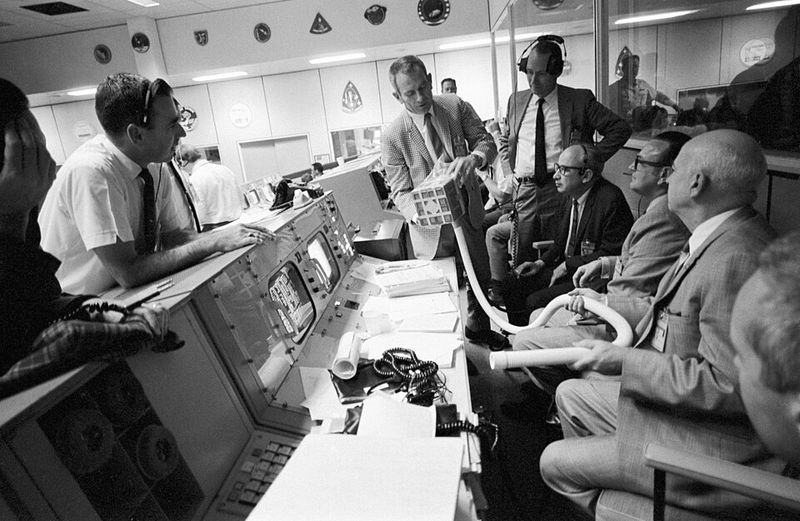
The Apollo moon missions had started to feel almost routine after the success of Apollo 11. Then Apollo 13 reminded everyone how dangerous space travel really was.
On April 13, 1970, an oxygen tank exploded aboard the spacecraft during its mission to the moon. Suddenly, astronauts Jim Lovell, Jack Swigert, and Fred Haise were stranded hundreds of thousands of miles from Earth with limited power, oxygen, and water.
Americans became completely glued to television coverage as NASA engineers worked around the clock to save the crew. Every update felt tense and uncertain.
The astronauts had to improvise survival methods using limited supplies while Mission Control desperately calculated ways to bring them home safely.
Against incredible odds, Apollo 13 safely returned to Earth.
The mission instantly became one of NASA’s greatest stories – not because it reached the moon, but because the astronauts survived at all. In a year filled with bad news, their rescue felt like one rare national victory everyone could celebrate together.
5. Disco Was Quietly Beginning Its Takeover
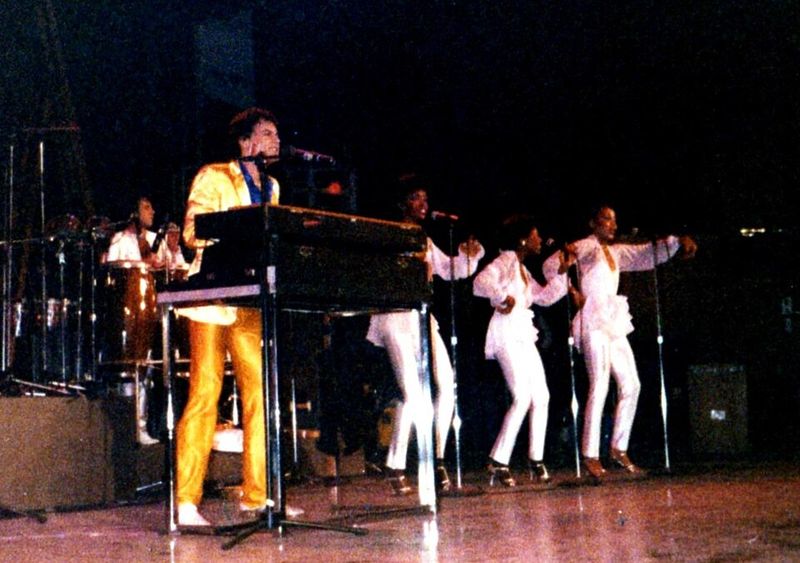
Even though disco would completely dominate later in the decade, you could already feel its rise in 1970.
Dance clubs became increasingly popular, especially in cities like New York. Funky basslines, orchestral arrangements, and rhythm-heavy music started replacing the psychedelic rock sound associated with the late 1960s.
Songs by artists like Diana Ross, Isaac Hayes, and The Jackson 5 helped push popular music toward a smoother, dance-oriented direction.
For younger audiences, disco represented escape. People wanted excitement, glamour, and energy after years of political tension and war coverage.
Clubs offered flashing lights, nonstop dancing, and a sense of freedom that many Americans craved.
At first, few realized disco would soon become one of the most dominant cultural forces of the decade. But by 1970, the movement had already started building momentum.
6. The Women’s Liberation Movement Was Changing Society
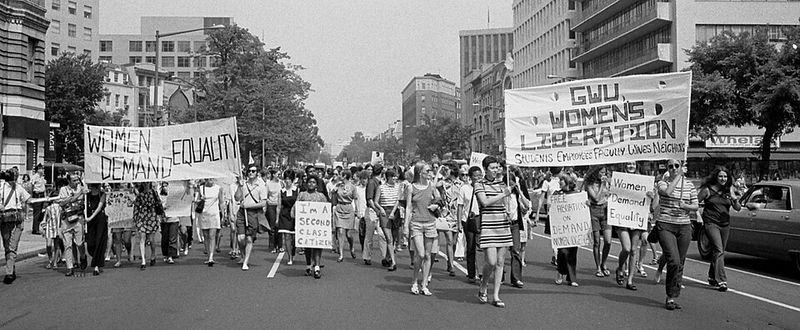
The women’s liberation movement gained enormous visibility in 1970, forcing conversations about gender roles into mainstream America.
Women organized marches, protests, and public demonstrations demanding equal pay, workplace opportunities, reproductive rights, and broader social equality. The Women’s Strike for Equality in August 1970 drew tens of thousands of participants across the country.
Books and public debates challenged traditional expectations that women should remain confined to domestic roles. More women openly questioned why career opportunities, salaries, and freedoms remained unequal.
Not everyone welcomed the changes. Critics argued feminism threatened traditional family values, while supporters insisted society desperately needed reform.
Regardless of where people stood politically, the conversation had become impossible to avoid. The movement reshaped workplaces, education, politics, and culture in ways that would continue throughout the decade and beyond.
7. Charles Manson Still Haunted the Nation
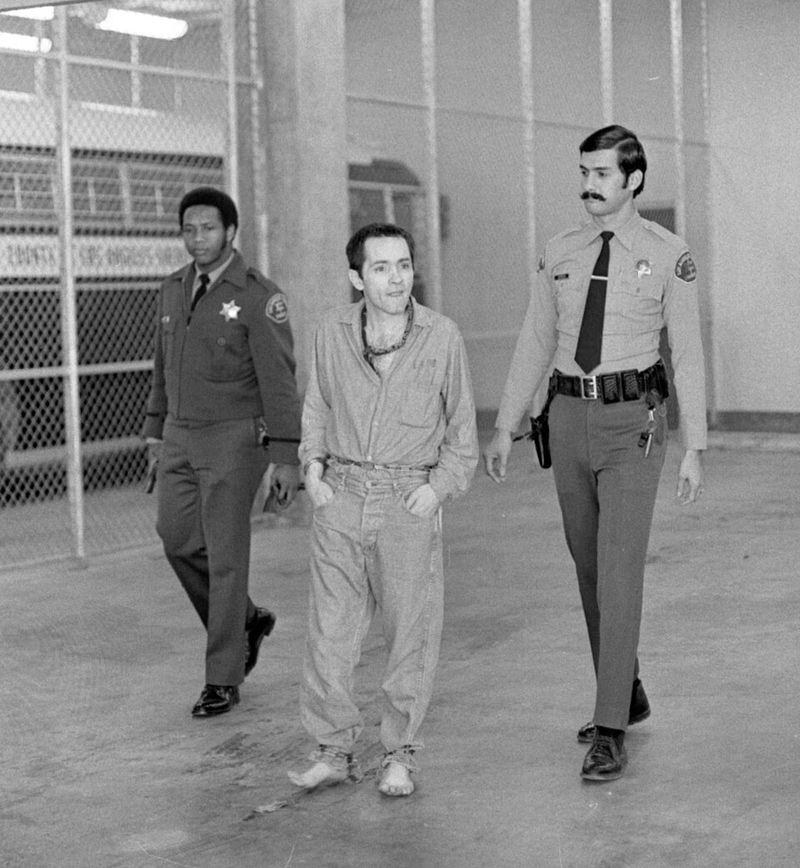
Although the Manson Family murders occurred in 1969, the trial dominated headlines throughout 1970 and kept Americans completely fascinated.
Charles Manson appeared less like a typical criminal and more like a symbol of everything that had gone wrong with the darker side of the counterculture movement. His followers behaved bizarrely in court, carved symbols into their foreheads, and treated him almost like a spiritual leader.
The horrifying murders of actress Sharon Tate and others had already shocked the public, but the trial intensified the obsession. Newspapers covered every strange detail, from Manson’s outbursts to the eerie devotion of his followers.
To many Americans, the case represented the death of the “peace and love” image associated with the hippie movement. The optimism of the 1960s suddenly looked far more dangerous and chaotic than many people had once imagined.
8. Fashion Had Become Loud, Colorful, and Impossible to Ignore
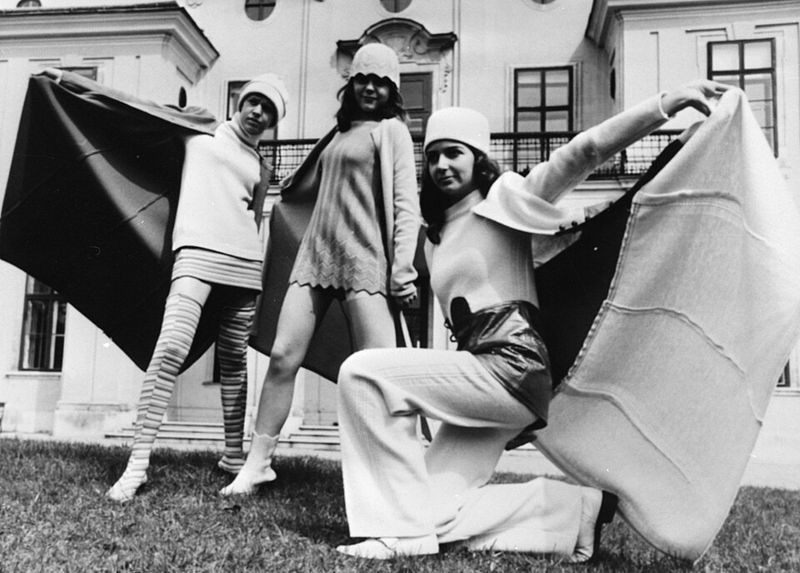
By 1970, fashion was no longer subtle.
Bell-bottom jeans, fringe jackets, giant sunglasses, platform shoes, tie-dye shirts, and psychedelic prints became mainstream almost everywhere. Men grew their hair longer, women experimented with bold new styles, and bright colors dominated both clothing and interior design.
Fashion reflected the growing cultural divide between generations. Younger people embraced individuality and rebellion through clothing, while older Americans often viewed the new styles as outrageous or ridiculous.
At the same time, the fashion industry increasingly blended influences from rock music, the counterculture movement, and emerging disco trends. The polished conservatism of the 1950s looked ancient compared to the flashy self-expression taking over in 1970.
The louder the outfit looked, the more fashionable it probably was.
9. The Concorde Represented the Future of Travel
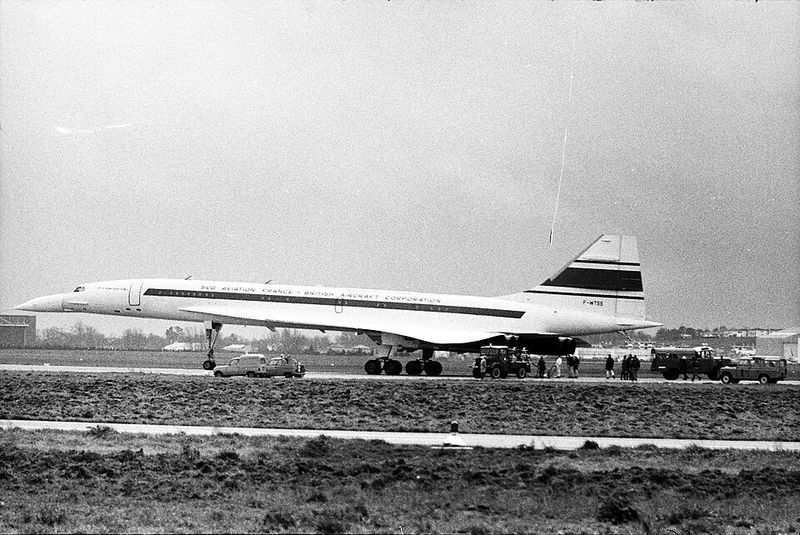
In 1970, the Concorde looked like something straight out of science fiction.
The sleek, needle-nosed supersonic jet promised to fly passengers faster than the speed of sound, cutting travel times dramatically. Crossing the Atlantic in just a few hours suddenly seemed possible, and people were fascinated by the idea that commercial air travel had entered the future.
Even those who would never actually afford a ticket couldn’t stop talking about it. The Concorde symbolized technological optimism during a period when much of the world felt politically unstable.
While protests and riots dominated headlines, the aircraft represented the belief that innovation could still push humanity forward.
Magazines featured glamorous photos of the jet, television programs highlighted its incredible speed, and aviation experts predicted supersonic travel might soon become common for ordinary travelers.
That future never fully materialized, but in 1970, the Concorde felt like proof that tomorrow had already arrived.
10. “Love Story” Became a Cultural Obsession
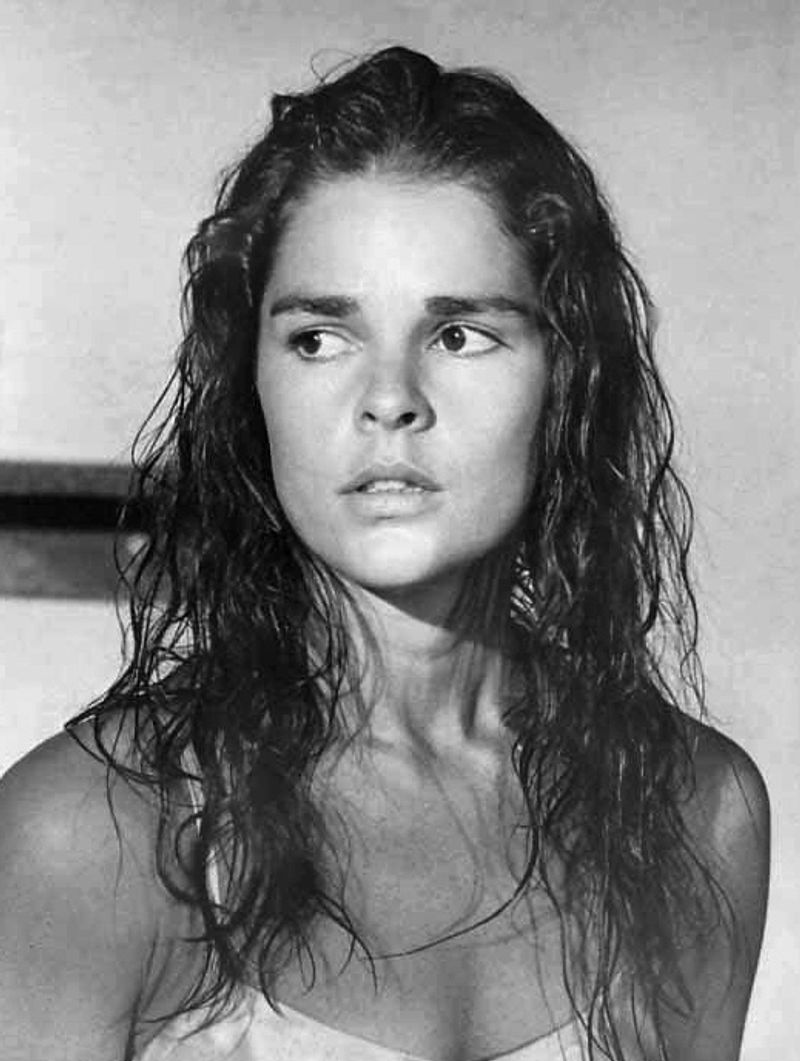
Few movies hit audiences emotionally the way Love Story did in 1970.
The romantic drama starring Ryan O’Neal and Ali MacGraw turned into a massive box-office sensation almost immediately. Audiences packed theaters, openly cried during screenings, and repeated its most famous line endlessly:
“Love means never having to say you’re sorry.”
The film’s emotional simplicity connected deeply with viewers during a turbulent time in American life. After years of political violence, assassinations, war coverage, and social unrest, many people seemed eager for a story centered on love, heartbreak, and personal emotion instead of national conflict.
The movie also helped redefine the modern romantic drama. Its success influenced Hollywood for years, proving emotionally driven stories could become cultural phenomena just as easily as action films or musicals.
For a while, it felt like nearly everyone had either seen Love Story or was planning to.
11. Black Sabbath Accidentally Invented Heavy Metal
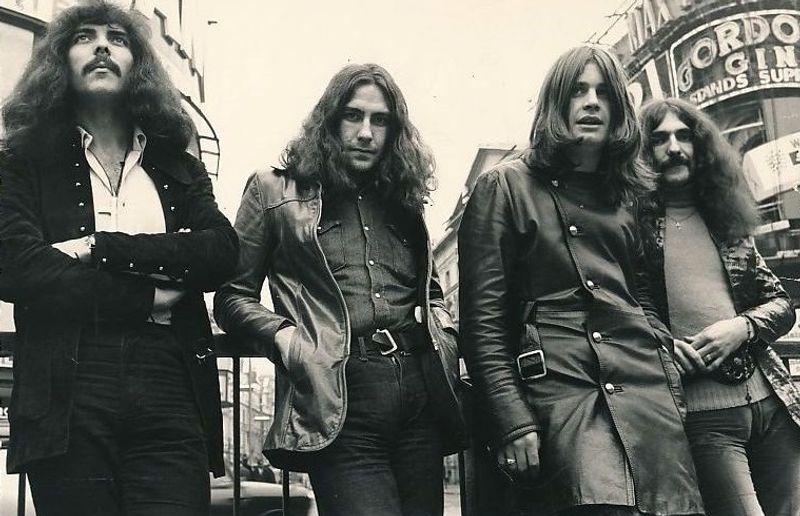
When Black Sabbath released their debut album in 1970, most listeners had no idea they were hearing the birth of an entirely new genre.
The band’s music sounded darker, heavier, and more ominous than traditional rock. Thunderous guitar riffs, haunting lyrics, and a gloomy atmosphere gave their songs a sound that felt almost unsettling compared to the upbeat rock music dominating radio at the time.
Some critics hated it immediately. Others were fascinated.
Songs about fear, war, paranoia, and the supernatural connected with younger audiences who felt disillusioned by the collapse of 1960s idealism. The optimism of the hippie era was fading, and Black Sabbath’s music captured that darker mood perfectly.
At first, few industry executives understood how influential the band would become. But 1970 marked the beginning of heavy metal – a genre that would eventually grow into one of the biggest musical movements in the world.
12. The Beatles Officially Broke Up
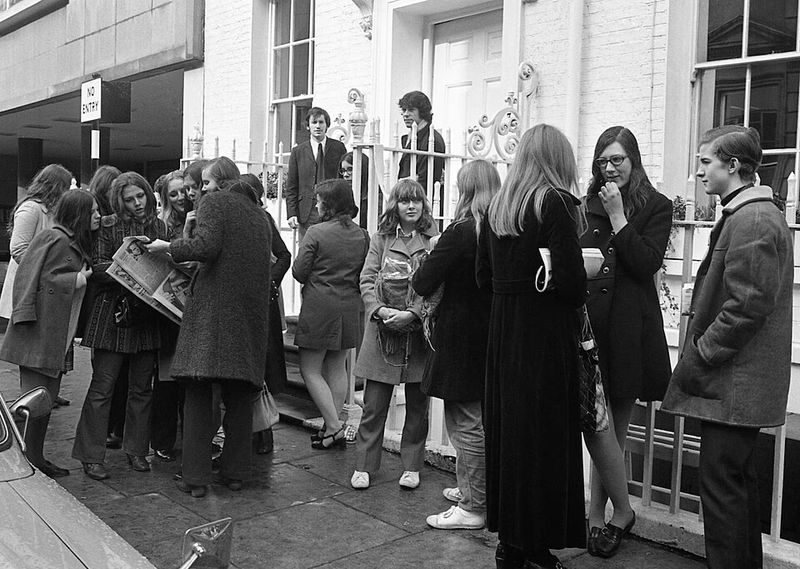
For much of the 1960s, The Beatles seemed untouchable. They weren’t just the biggest band in the world – they were practically a global institution.
That’s why the announcement of their breakup in 1970 hit fans like a cultural earthquake.
When Paul McCartney publicly revealed he was leaving the group, newspapers treated the story almost like an international tragedy. Fans blamed Yoko Ono, business disputes, creative differences, or simple exhaustion depending on who they sided with.
Radio stations played Beatles songs nonstop as people tried to process the end of an era.
The breakup symbolized something bigger than music. To many people, it felt like the official closing chapter of the 1960s itself.
The idealism, experimentation, and unity associated with the decade suddenly seemed fractured. Even though each Beatle would go on to successful solo careers, the magic of the group together felt impossible to replace.
For millions, the question wasn’t just “Why did The Beatles break up?” It was: “What happens now?”
Share this story