New Jersey gets a bad rap sometimes, but honestly, the Garden State is hiding some genuinely cool spots that most people drive right past. I stumbled onto a few of these places by accident, and each one left me wondering why they are not on every travel list.
From glowing minerals underground to living farms frozen in time, this state has layers that tourists rarely get to see. Get ready to add some seriously underrated stops to your next road trip.
Howell Living History Farm, Hopewell Township, New Jersey
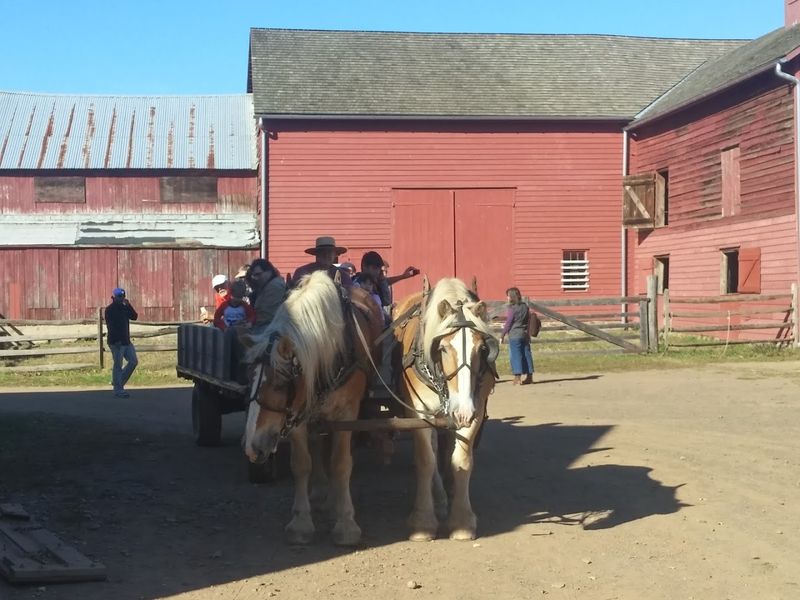
Howell Living History Farm operates as if the calendar stopped somewhere around 1900, and that is exactly the point. Located in Hopewell Township, this working farm uses period tools, draft animals, and traditional farming methods to show visitors what agricultural life really looked like.
Staff members dress in era-appropriate clothing and demonstrate tasks like plowing, planting, and harvesting using techniques from over a century ago. Watching someone guide a team of oxen across a field puts modern convenience into sharp perspective.
It moves slower than you expect, and somehow that feels refreshing.
The farm runs seasonal programs tied to actual agricultural cycles, so the experience changes depending on when you visit. Spring planting looks completely different from fall harvest.
Admission is free, which makes it one of the best deals in the state. Families with young children tend to linger here much longer than they planned.
Pequest Trout Hatchery and Natural Resource Education Center, Oxford, New Jersey
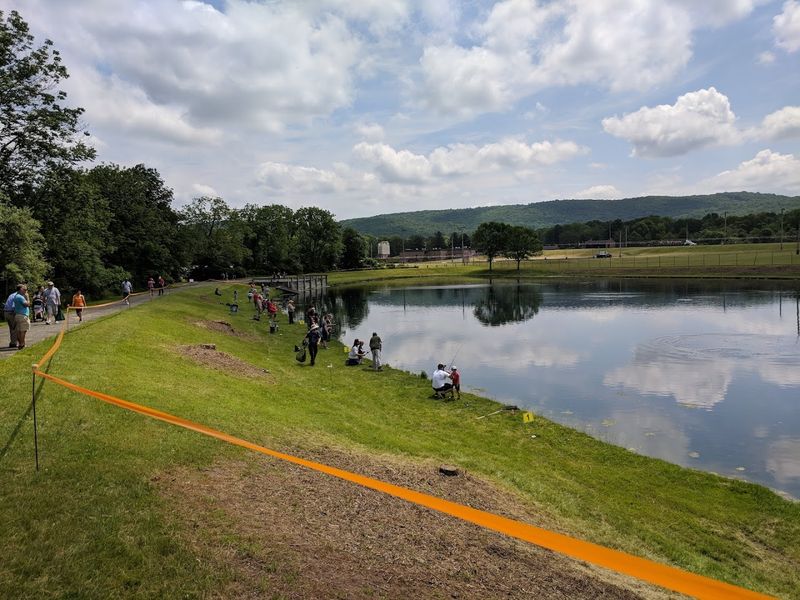
Every year, Pequest Trout Hatchery raises around 600,000 trout and releases them into New Jersey waterways, yet most residents have never visited the place responsible for stocking their favorite fishing spots. The facility in Oxford is part hatchery, part nature education center, and fully worth the drive.
You can walk the outdoor raceways and watch thousands of trout darting through crystal-clear water. The education center inside covers native wildlife, local ecosystems, and conservation efforts across the state.
The exhibits are hands-on and genuinely engaging for all ages.
I visited on a quiet Tuesday and had the place nearly to myself, which felt like a bonus. The surrounding land includes hiking trails through meadows and along the Pequest River.
Admission is free, making this one of those rare spots where you get a lot without spending anything. Check their event calendar because they host family fishing clinics throughout the year.
Shippen Manor Museum, Oxford, New Jersey
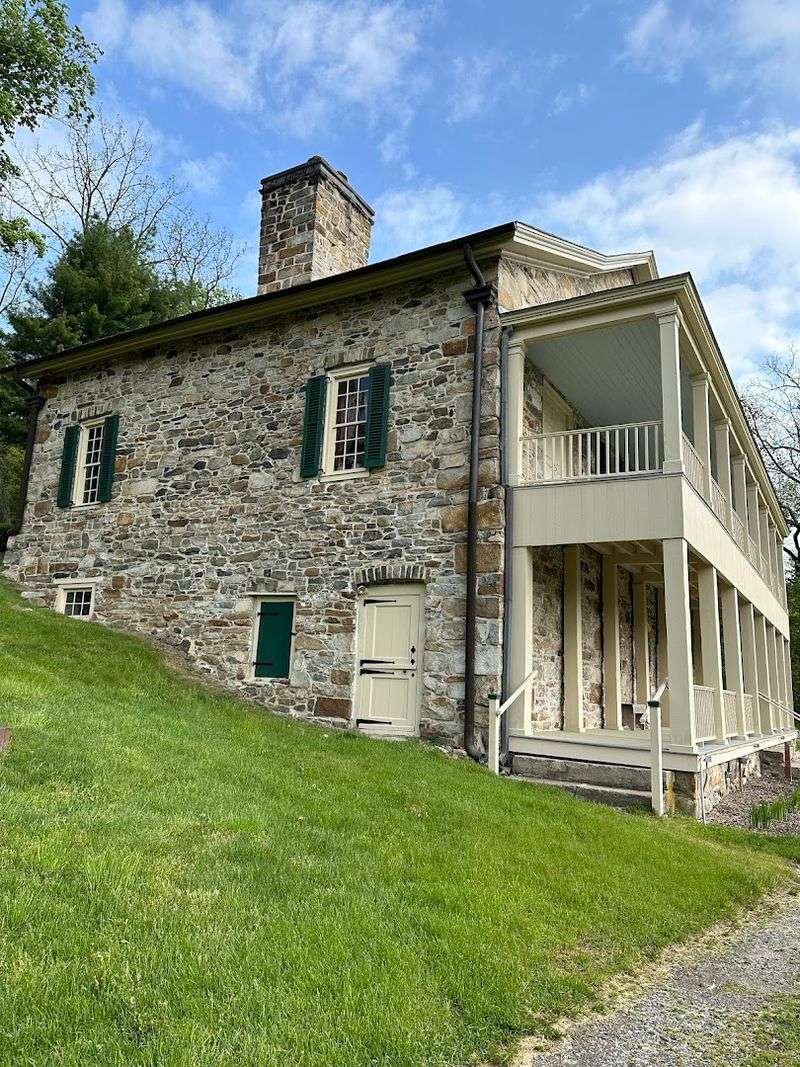
Built in 1754, Shippen Manor sits in Oxford like a quiet history professor nobody bothered to introduce you to. The stone manor house was originally home to the ironmaster overseeing the Oxford Furnace, one of the earliest iron-producing operations in colonial New Jersey.
That backstory alone makes the visit worthwhile.
The museum inside the manor covers local history from the colonial period through the industrial era. Furnishings and artifacts are period-appropriate, giving the rooms a lived-in quality that feels more authentic than many historic house museums.
The guides here actually know their stuff and enjoy sharing the details.
Oxford Furnace, the iron furnace associated with the manor, still stands nearby and can be viewed as part of your visit. The two sites together paint a surprisingly complete picture of early American industry.
Admission is low-cost, and the museum is often uncrowded, which means you get a genuinely personal tour experience.
The Hermitage, Ho-Ho-Kus, New Jersey
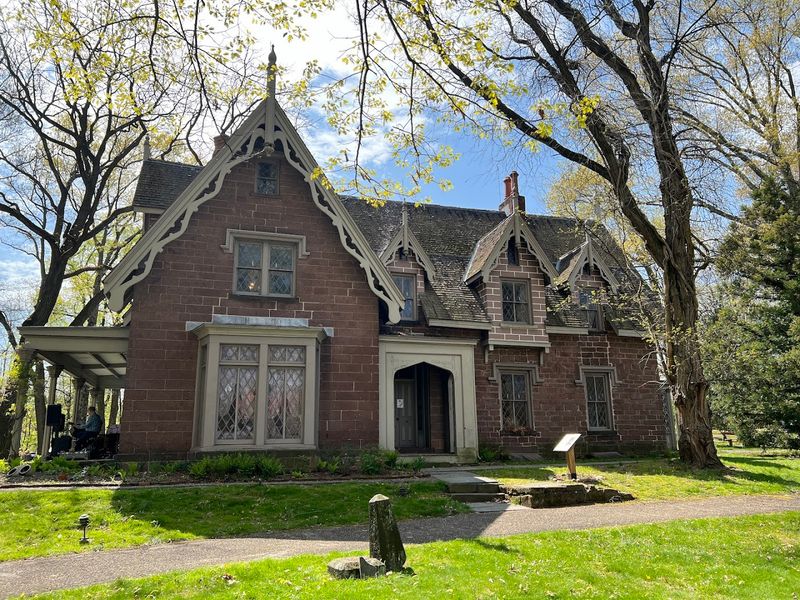
The Hermitage in Ho-Ho-Kus has one of the most quietly dramatic histories of any building in New Jersey. Aaron Burr, yes that Aaron Burr, married his wife Theodosia Bartow Prevost here in 1782.
The house itself is a Gothic Revival gem that has survived multiple centuries with remarkable grace.
Tours of the interior reveal layers of history stretching from the Revolutionary War era through the Victorian period. The house changed hands and styles over generations, and you can actually see those changes reflected in the architecture and decor.
It is one of the few National Historic Landmarks in New Jersey that flies completely under the radar.
The grounds are lovely for a short walk, and the surrounding neighborhood adds a charming context to the visit. Tour schedules vary by season, so check ahead before making the trip.
Groups and history enthusiasts tend to find this place especially rewarding, but first-timers are always pleasantly surprised.
Whitesbog Village, Browns Mills, New Jersey
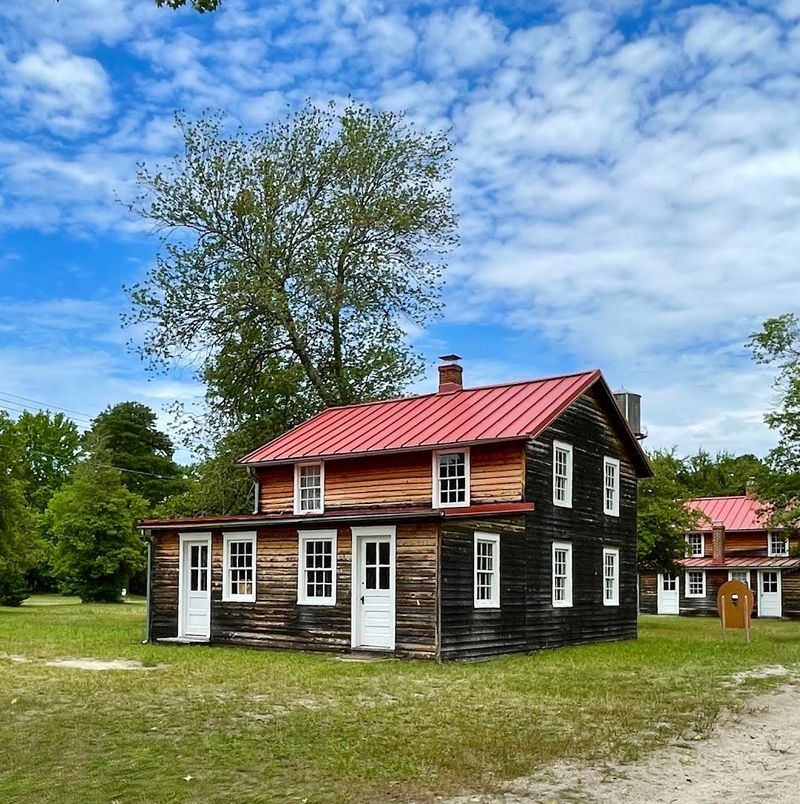
Whitesbog Village looks like a movie set that time forgot, and the story behind it is genuinely fascinating. Tucked inside Brendan T.
Byrne State Forest in the Pine Barrens, this preserved agricultural village was the birthplace of the cultivated blueberry industry in America. Elizabeth White developed the first commercially grown blueberries here in the early 1900s, working alongside botanist Frederick Coville.
The village includes original workers’ cottages, a general store, and processing buildings that have been preserved rather than restored, giving the place a raw, honest atmosphere. Walking the quiet roads feels like stepping into a faded photograph.
Cranberry bogs and blueberry fields still surround the village, and seasonal harvests bring the landscape to life in autumn. Guided tours and self-guided walks are both available.
The Pine Barrens backdrop adds an extra layer of atmosphere that you simply cannot manufacture. This one genuinely earns the title of hidden gem.
Batsto Village, Hammonton, New Jersey
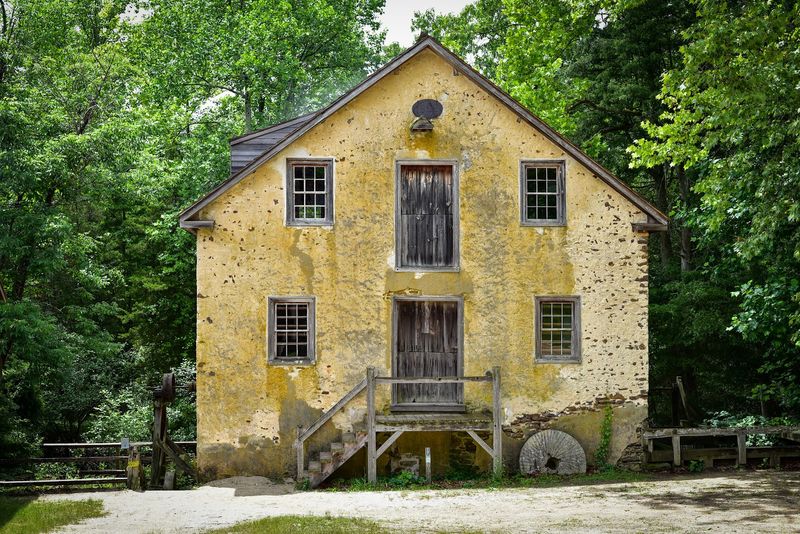
Batsto Village has over 30 historic buildings preserved inside Wharton State Forest, and somehow it still manages to stay off most people’s weekend plans. The village operated as an iron and glass production center from the mid-1700s through the late 1800s, and the sheer scale of what remains is impressive.
The Batsto Mansion is the crown jewel of the site, a rambling Victorian-era home that tells the story of the ironmaster’s life in vivid architectural detail. Surrounding it are workers’ cottages, a grist mill, a sawmill, and outbuildings that together form a remarkably complete industrial village.
The setting inside the Pine Barrens adds a moody, atmospheric quality that photographs beautifully.
Nature trails wind through the surrounding forest and along the Batsto River, making this a great full-day destination. The visitor center provides solid historical context before you explore.
Parking fees apply but building tours are low-cost or free depending on the season. Come on a weekday to enjoy it without crowds.
The Raptor Trust, Millington, New Jersey
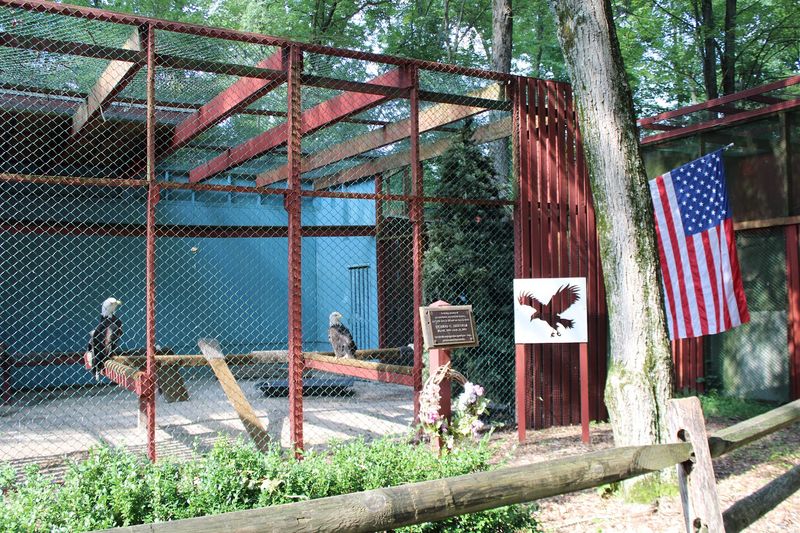
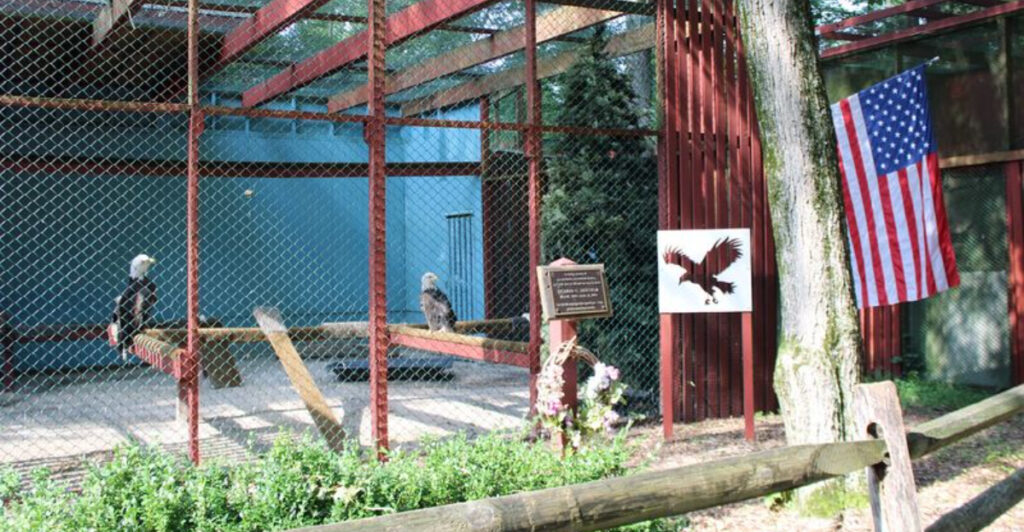
Owls, hawks, eagles, and falcons all share space at The Raptor Trust in Millington, and getting up close to these birds is an experience that sticks with you. The facility primarily operates as a wildlife rehabilitation center, caring for injured birds of prey before releasing them back into the wild.
The birds on permanent display are those unable to survive in the wild on their own.
Walking through the outdoor exhibit areas brings you face to face with species you might only see as a distant speck in the sky otherwise. The great horned owls are particularly theatrical about staring you down.
Educational signage throughout the grounds explains each species and the challenges they face in the modern world.
Admission is free, though donations are genuinely appreciated since the center operates as a nonprofit. The surrounding Great Swamp watershed area is beautiful and worth exploring before or after your visit.
This place earns serious loyalty from repeat visitors.
Fosterfields Living Historical Farm, Morristown, New Jersey
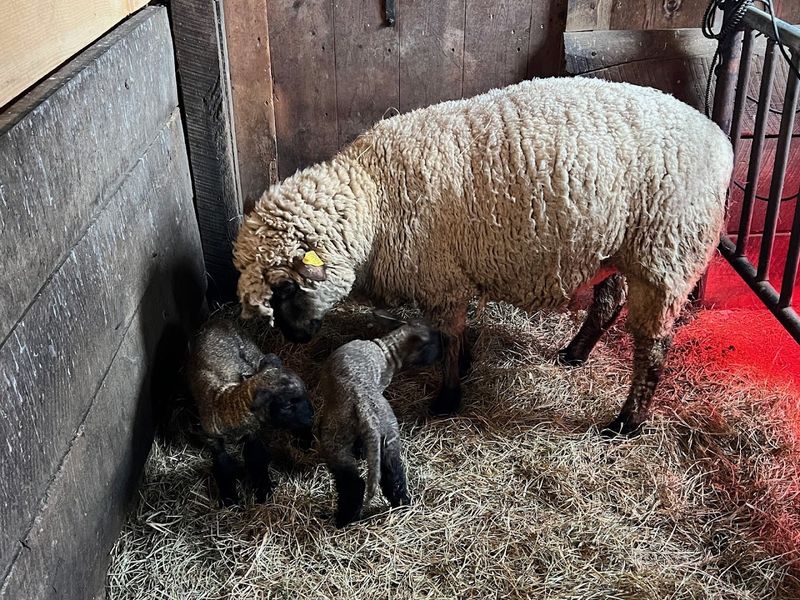
Fosterfields Living Historical Farm operates as a working farm set in the late 1800s, and the attention to detail here is genuinely impressive. Located within Morris County’s extensive park system, the farm centers on the life of Caroline Foster, who ran this property as a working farm well into the 20th century.
Her story is both practical and quietly remarkable.
Costumed staff demonstrate period farming techniques, tend heritage breed animals, and maintain gardens using methods appropriate to the era. The Victorian farmhouse at the center of the property is open for tours and reflects the domestic life of a prosperous farm family from that period.
The farm connects beautifully to the adjacent Wick House, a Revolutionary War-era site, making the whole area worth a half-day visit. Programs change seasonally, so autumn visits often include harvest demonstrations and cider pressing.
The setting inside the Morris County park system means the surrounding landscape is well-maintained and pleasant for walking.
Tulpehaking Nature Center, Hamilton, New Jersey
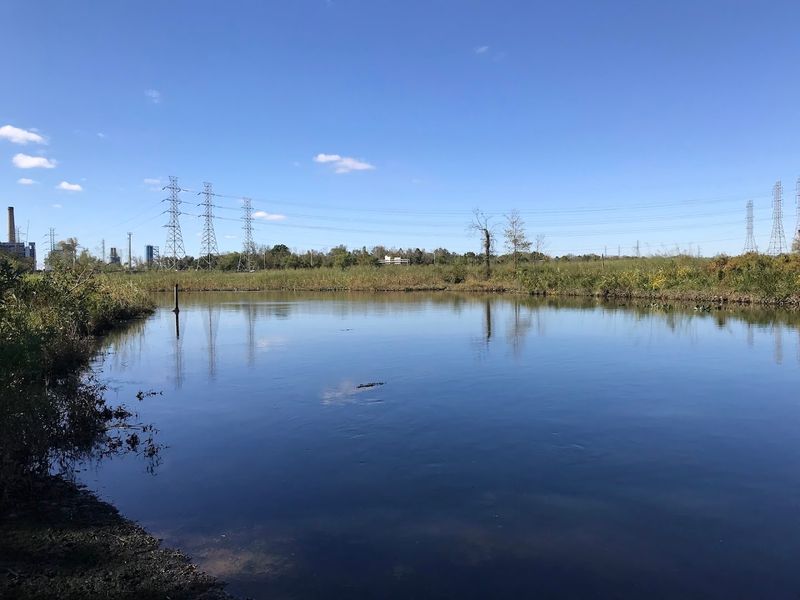
Tulpehaking Nature Center sits along the Delaware River in Hamilton and focuses specifically on the cultural and natural history of the Lenape people who called this region home for thousands of years. The name itself comes from the Lenape language, meaning land of the turtles, which gives you an immediate sense of the center’s perspective.
Exhibits inside cover Lenape history, traditional practices, and the ecology of the surrounding river and wetland habitats. The center does a thoughtful job of presenting Indigenous history without reducing it to a single era or oversimplifying the story.
That kind of nuance is refreshing in a small regional museum.
Outside, trails wind through wetlands and along the riverbank, offering good opportunities for birdwatching and quiet reflection. The site connects to Abbott Marshlands, one of the most significant freshwater tidal marshes on the East Coast.
Admission is free, and the center welcomes school groups, families, and solo visitors with equal warmth.
UACNJ Observatory at Jenny Jump State Forest, Hope, New Jersey
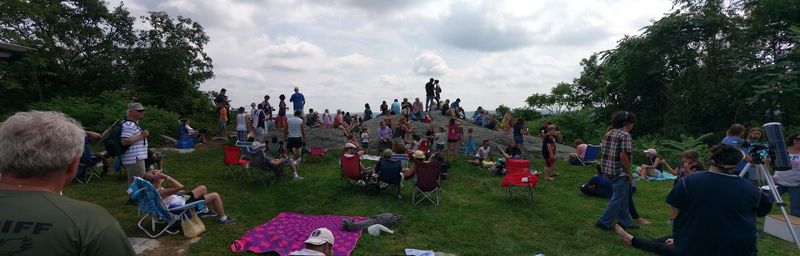
New Jersey is not exactly famous for dark skies, which makes the UACNJ Observatory at Jenny Jump State Forest a genuinely unexpected treasure. The United Astronomy Clubs of New Jersey operate this facility inside Jenny Jump State Forest near Hope, and on clear nights, the stargazing here is legitimately spectacular.
Public viewing nights happen regularly throughout the year, with club members available to guide visitors through the telescopes and point out planets, nebulae, and star clusters. The equipment is serious, not the toy-grade stuff you might expect at a public event.
First-time stargazers and experienced astronomy fans both find plenty to get excited about.
The forest setting keeps light pollution low enough to see the Milky Way on the best nights, which is a rare treat this close to the New York metro area. Check the UACNJ website for scheduled public events before visiting since the observatory is not open every night.
Bring a red flashlight and dress in layers.
InfoAge Science and History Museums, Wall, New Jersey
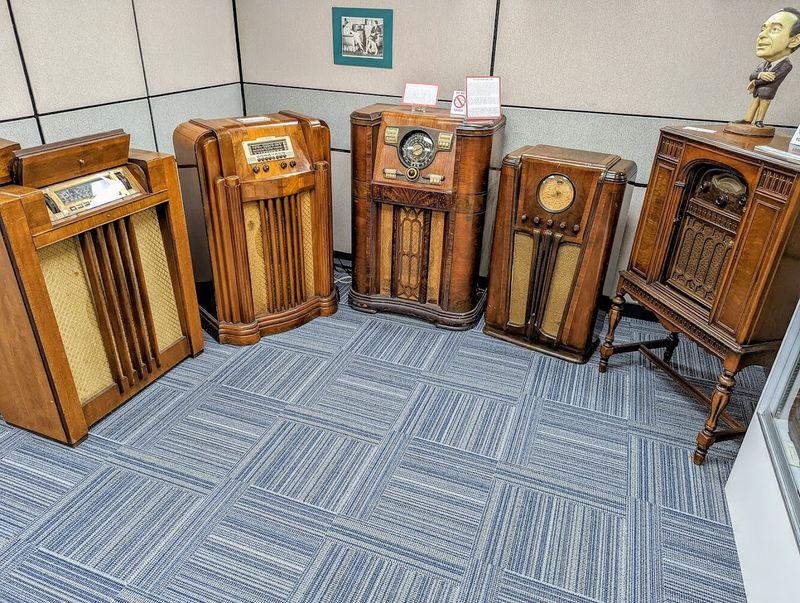
Camp Evans in Wall Township has a history so packed with scientific milestones that it is almost absurd how few people know about it. The site served as a key research and development facility for radar, communications, and early computing technology from World War II through the Cold War era.
It is now home to InfoAge Science and History Museums, a sprawling campus of vintage tech that geeks out completely.
Multiple buildings house collections covering radar history, radio communications, space exploration, and military technology. The sheer variety means different visitors gravitate toward completely different exhibits.
One building alone contains enough vintage computers to make a tech historian weep with joy.
The campus also preserves the original radar dish used in the first successful radar contact with the moon in 1946, which is a genuinely significant piece of scientific history. Weekend events often include demonstrations and hands-on activities.
Admission is modest, and volunteer guides bring deep personal knowledge to the tours.
Rutgers Geology Museum, New Brunswick, New Jersey
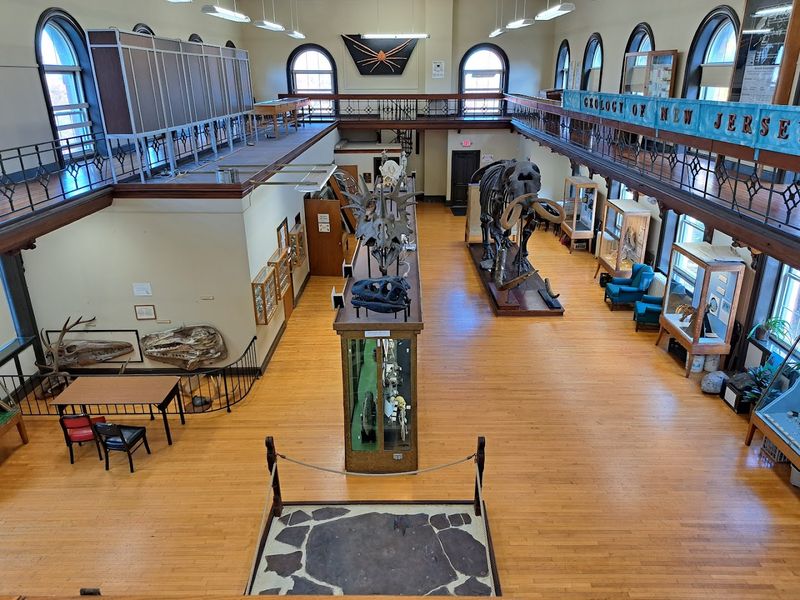
A mastodon skeleton standing over ten feet tall greets you at the entrance of the Rutgers Geology Museum, and that first impression sets the tone perfectly. Located on the Rutgers University campus in New Brunswick, this free museum houses one of the most impressive geological and paleontological collections in the region, yet it rarely makes travel lists.
Beyond the mastodon, the collection includes meteorites, gemstones, fossils, and mineral specimens from around the world. The displays are educational without being dry, and the space itself has an old-school museum charm that feels increasingly rare.
I walked through expecting to spend twenty minutes and stayed for well over an hour.
The museum is free and open to the public on a limited schedule, so check their hours before making the trip. It works beautifully as a standalone visit or paired with a walk through the historic Rutgers campus.
Geology enthusiasts will find depth here that exceeds expectations for a university museum of this size.
Roebling Museum, Roebling, New Jersey
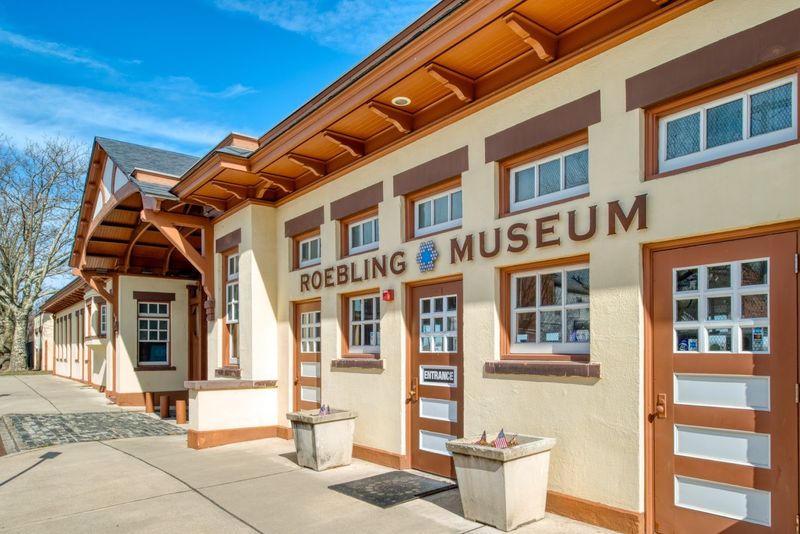
The Brooklyn Bridge exists partly because of work done in a small New Jersey town called Roebling, and the museum there tells that story better than anywhere else. John A.
Roebling founded a wire rope manufacturing operation here, and the company town that grew around it is one of the best-preserved examples of industrial paternalism in American history.
The Roebling Museum covers the engineering achievements of the Roebling family alongside the social history of the workers who lived and labored in the company-owned town. The exhibits balance industrial pride with honest examination of what life in a company town actually meant for residents.
That nuance makes the museum stand out from typical industrial history sites.
The surrounding Roebling neighborhood retains much of its original character, with rows of worker housing still standing along the streets. A self-guided walking tour of the historic district pairs perfectly with the museum visit.
Admission is very affordable, and the staff are enthusiastic about sharing the town’s overlooked significance.
The Stickley Museum at Craftsman Farms, Morris Plains, New Jersey
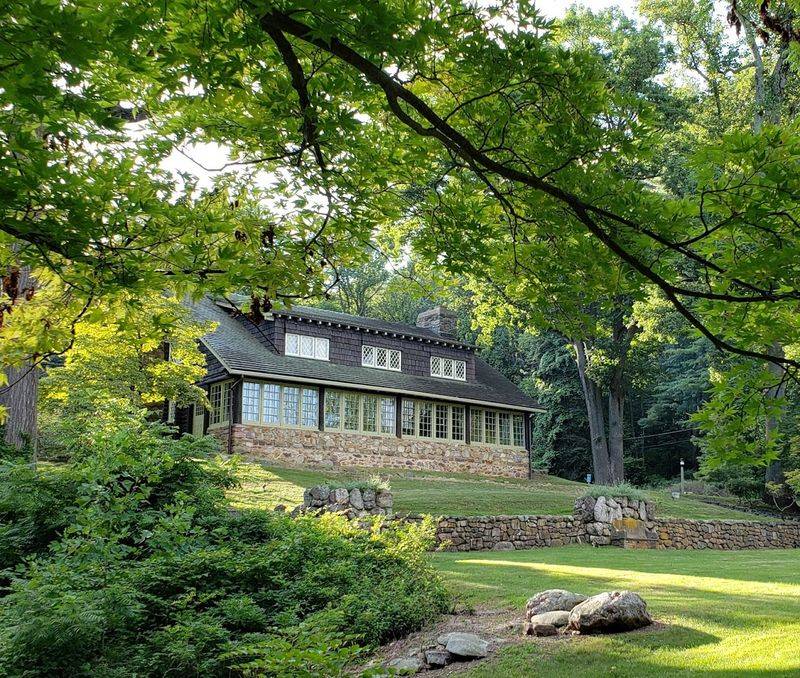
Gustav Stickley built Craftsman Farms in Morris Plains as his personal retreat and a living demonstration of his Arts and Crafts design philosophy, and the place still radiates that original intention over a century later. Stickley is the man largely responsible for making Mission-style furniture a household concept in early 20th-century America, and this property was his proudest project.
The main log house is a masterpiece of the Craftsman aesthetic, with hand-hewn timbers, built-in furniture, and earthy materials that feel intentional in every detail. Guided tours walk you through the interiors, explaining Stickley’s philosophy and pointing out original furnishings that remain in place.
The craftsmanship is extraordinary up close.
The surrounding grounds include gardens and outbuildings that reflect the original farm layout. The museum hosts lectures, craft workshops, and seasonal events that draw both design enthusiasts and casual history visitors.
Admission is modest, and the experience rewards anyone with even a passing interest in American decorative arts or architectural history.
Share this story