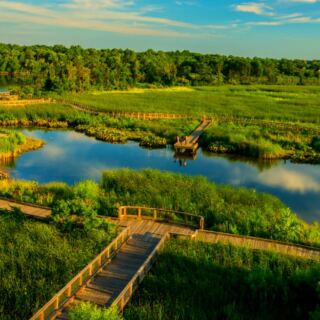
A former dairy farm in Burton has grown into one of Michigan’s most impressive nature preserves, with 383 acres of trails, wetlands, gardens, and wildlife habitats to explore. At For-Mar Nature Preserve and Arboretum, visitors can walk through floodplain forests, cross suspension bridges, climb into a 30-foot treehouse, and visit a butterfly house all within the same property.
The preserve stands out because there is always something different around the next bend. Deer, wild turkeys, and rare Blanding’s turtles are regularly spotted along the trails, while native plant gardens and wooded creek paths make the space feel far removed from the surrounding city.
What seems like a quick stop often turns into an hours-long visit once people realize how much the preserve actually offers.
Where to Find It and What to Expect at the Gate
The address is 2142 N Genesee Rd, Burton, MI 48509, and the moment you pull into the parking lot, the scale of what you are about to explore becomes apparent. The preserve sits in Genesee County, Michigan, and it is open every day of the week from 9 AM to 8 PM, which gives you plenty of time to make a real day of it.
Admission is completely free, which is one of those facts that genuinely surprises people who hear it for the first time. A 383-acre nature preserve with maintained trails, a visitor center, live animals, gardens, and events, all at no cost, is not something you come across every day.
The staff at the front desk are genuinely helpful, happy to hand you a trail map and point you toward whatever interests you most. You can also reach the preserve by phone at 810-736-7100 or browse their event calendar at geneseecountyparks.org before your visit.
First impressions here set a welcoming tone that carries through the entire experience.
From Dairy Farm to Nature Preserve: The Origin Story
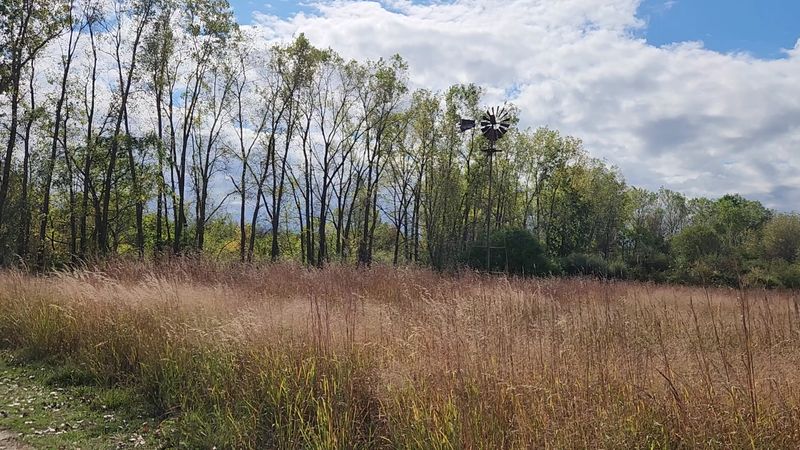
Not many nature preserves begin their lives as working dairy farms, but that is exactly what makes the history of this place so unexpectedly charming. Forbes and Martha Merkley owned and operated the land for years before donating the entire 383-acre property, which led to the official establishment of For-Mar Nature Preserve and Arboretum in 1970.
The name itself is a nod to the Merkleys: “For” from Forbes and “Mar” from Martha. That kind of personal legacy woven into a public space gives the preserve a warmth that purely institutional parks sometimes lack.
More than five decades later, the land has evolved far beyond its agricultural roots, yet the open meadows and wide grassy lanes still carry a quiet echo of its farming past. The transition from a place that fed a community through milk to one that nourishes it through nature is a genuinely compelling arc.
Understanding that history makes every trail you walk feel just a little more meaningful.
Seven Miles of Trails That Never Feel the Same Twice
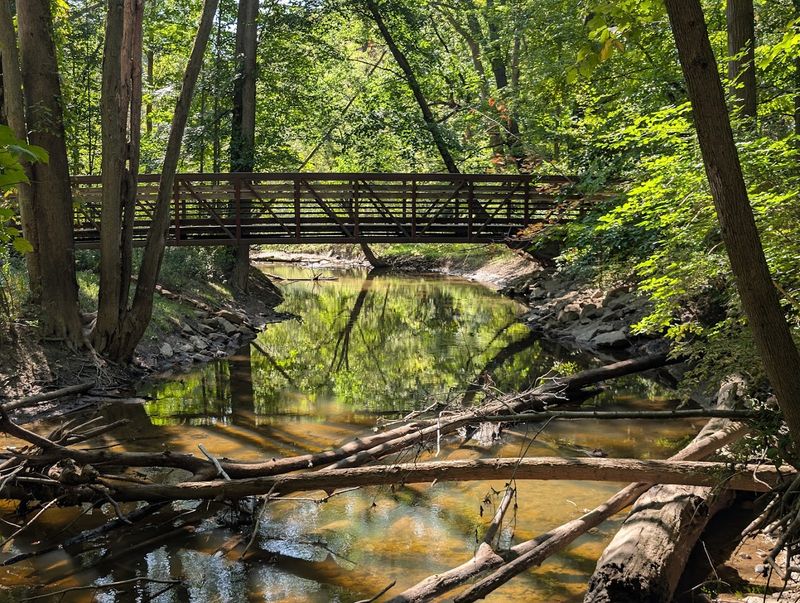
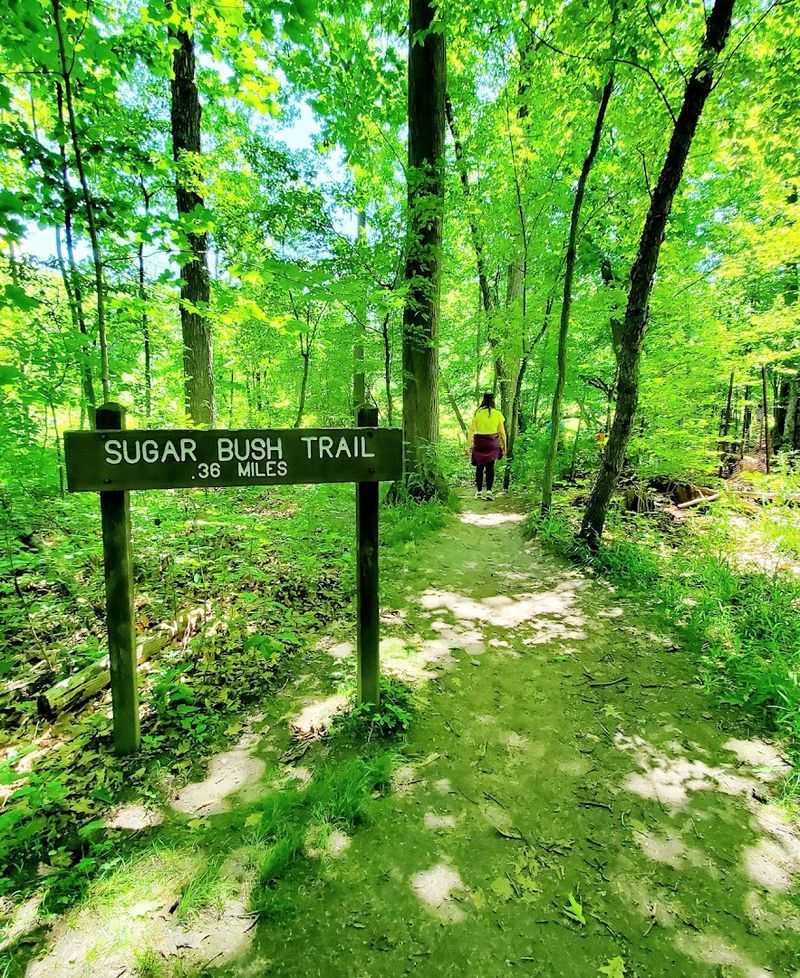
Over seven miles of trails spread across the property, and the variety is what keeps things interesting. Short footpaths, mowed grassy lanes, and packed gravel roads give you options depending on your energy level and what you want to see that day.
Specific gravel service roads are designated for jogging and biking, so the trail system accommodates more than just walkers.
A significant stretch of the trail network winds through the floodplain of Kearsley Creek, which meanders through the park in a way that makes the surrounding forest feel especially lush and layered. The interpretive trail, roughly 1.4 kilometers long, features educational stations along the route and accessible boardwalks through wetland areas, which is genuinely useful for families with younger kids or visitors who need a smoother surface.
Trail marker signs and maps are posted at regular intervals, so getting turned around is harder than it sounds. When winter arrives with at least three inches of snow and frozen ground, the trails open up for cross-country skiing and snowshoeing, keeping the preserve active year-round.
The next section covers a feature that stops nearly every first-time visitor in their tracks.
The Treehouse That Earns Every Bit of Its Reputation
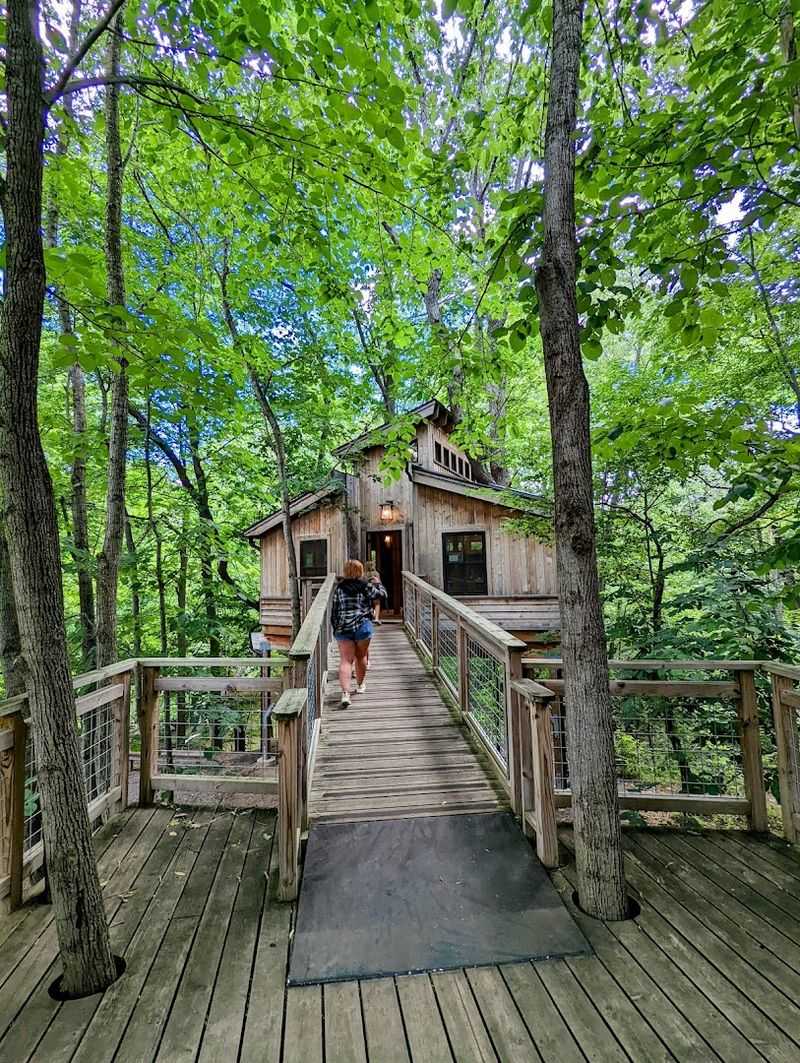
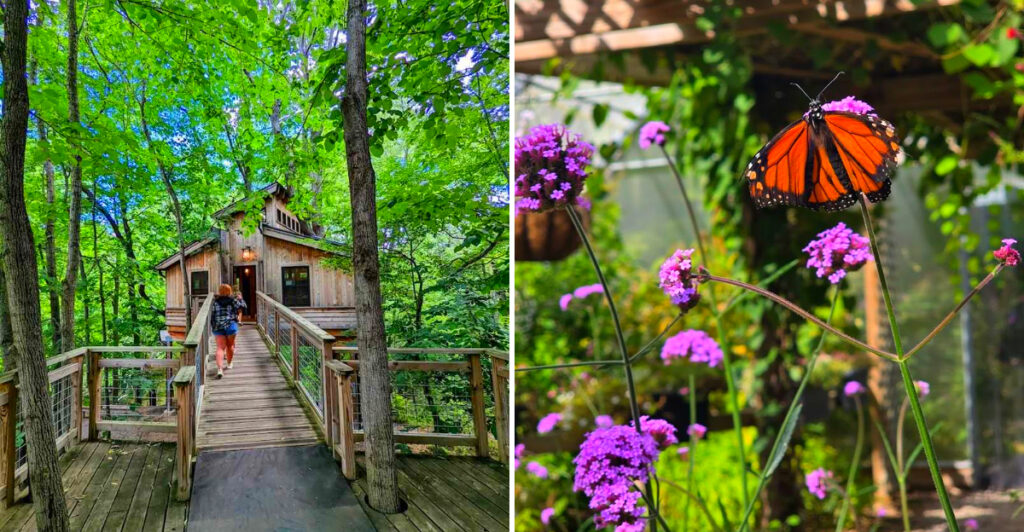
Roughly 30 feet above Kearsley Creek, a barrier-free treehouse gives visitors a perspective of the surrounding forest that you simply cannot get from the ground. The structure is accessible via ramps and stairs, and the views out over the creek and the canopy below it are the kind that make you pause and actually look rather than just glance.
Kids absolutely light up when they reach it, and honestly, so do adults who were not expecting something this well-constructed in a free county park. The treehouse has become one of the most talked-about features of the entire preserve, and rightly so.
It sits far enough into the woods that reaching it feels like an earned reward rather than a quick sideshow.
On busy days, there may be a short wait at the top while other visitors take their time soaking in the view, which is a small price to pay. The creek below moves quietly through the trees, and the whole scene has a stillness that is hard to manufacture.
After the treehouse, the bridges scattered across the property offer their own surprises worth exploring.
Four Bridges, Including One That Creaks and Sways on Purpose
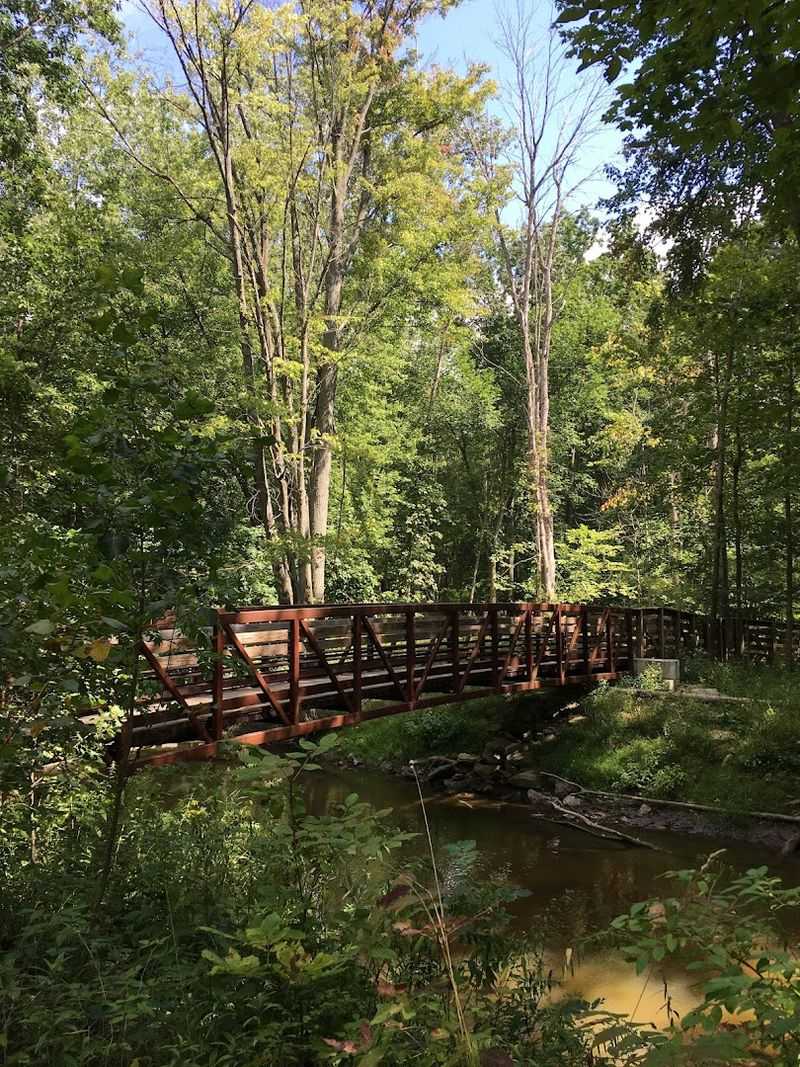
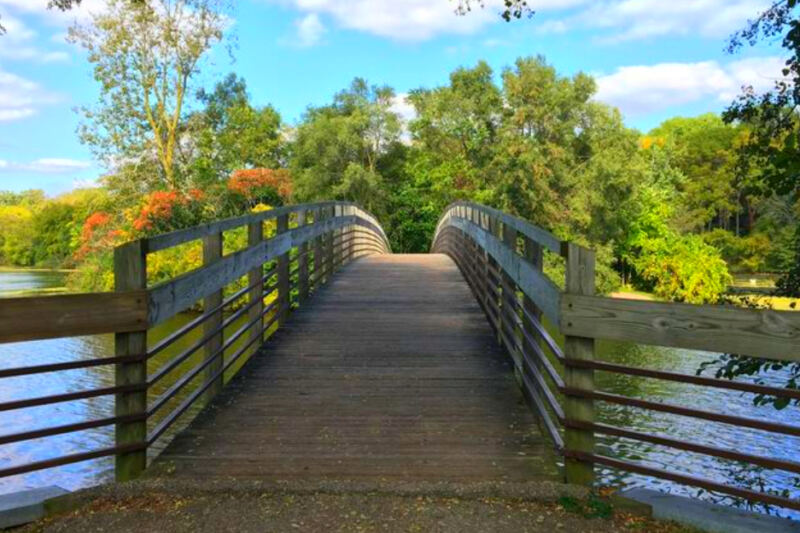
Four bridges are scattered across the property, and each one has its own personality. The Mott bridge is sturdy and scenic, the vehicle bridge is purely functional, the troll bridge has a name that children take very seriously, and then there is the suspension bridge, which sways and creaks underfoot in a way that makes even confident adults grip the handrails just a little tighter.
The suspension bridge has become something of a rite of passage for families who visit regularly. Kids dare each other to cross it, parents pretend to be calm, and the whole thing is genuinely fun in a way that no amount of signage or programming could replicate.
It connects two sections of trail over Kearsley Creek and gives you a moving view of the water below.
The bridges are not just connective infrastructure here; they are destinations in their own right. Each one offers a different angle on the creek and the surrounding woodland, and collectively they give the trail network a sense of adventure that keeps younger visitors especially motivated to keep moving.
The gardens waiting ahead add a completely different kind of beauty to the experience.
Gardens That Go Well Beyond a Few Flower Beds
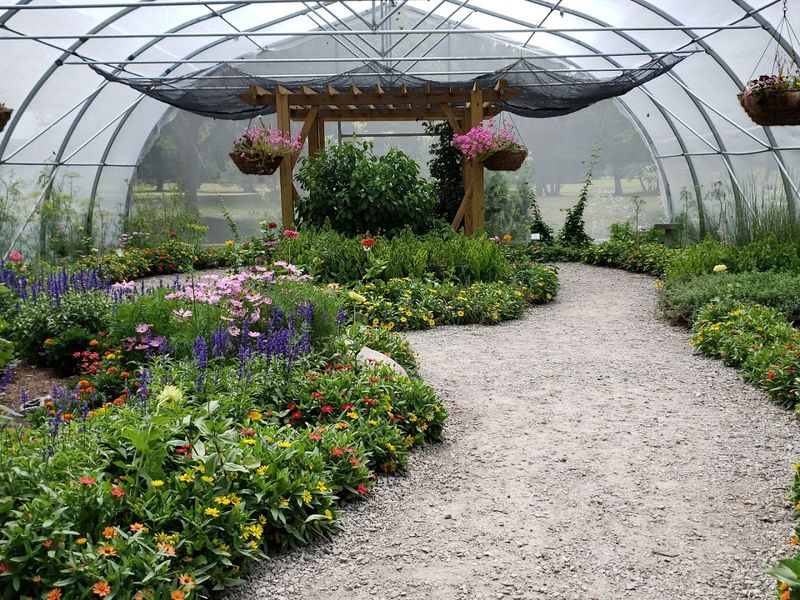
The garden spaces at For-Mar are more varied and thoughtful than most visitors expect. The Community Garden alone covers over 11,000 square feet, with both raised and ground-level beds used for public access and children’s programming.
It is a working space, not just a decorative one, and that distinction matters.
The Geology Garden, positioned in front of the visitor center, highlights Michigan’s native rocks alongside wildflowers and grasses in a combination that manages to be both educational and genuinely attractive. Beyond that, the preserve maintains a Memorial Garden, a Four Seasons Garden, a native shade garden, a Garden Exploration Space, and collections of ornamental grasses and native plant species that shift with the seasons.
The arboretum component adds over 1,800 woody specimens to the mix, which is a staggering number for a space that most people initially think of as a hiking destination. Late spring and early summer are particularly rewarding times to visit when the blooms are at their peak.
The butterfly house connected to the garden spaces deserves its own full conversation.
The Butterfly House and What Lives Inside It
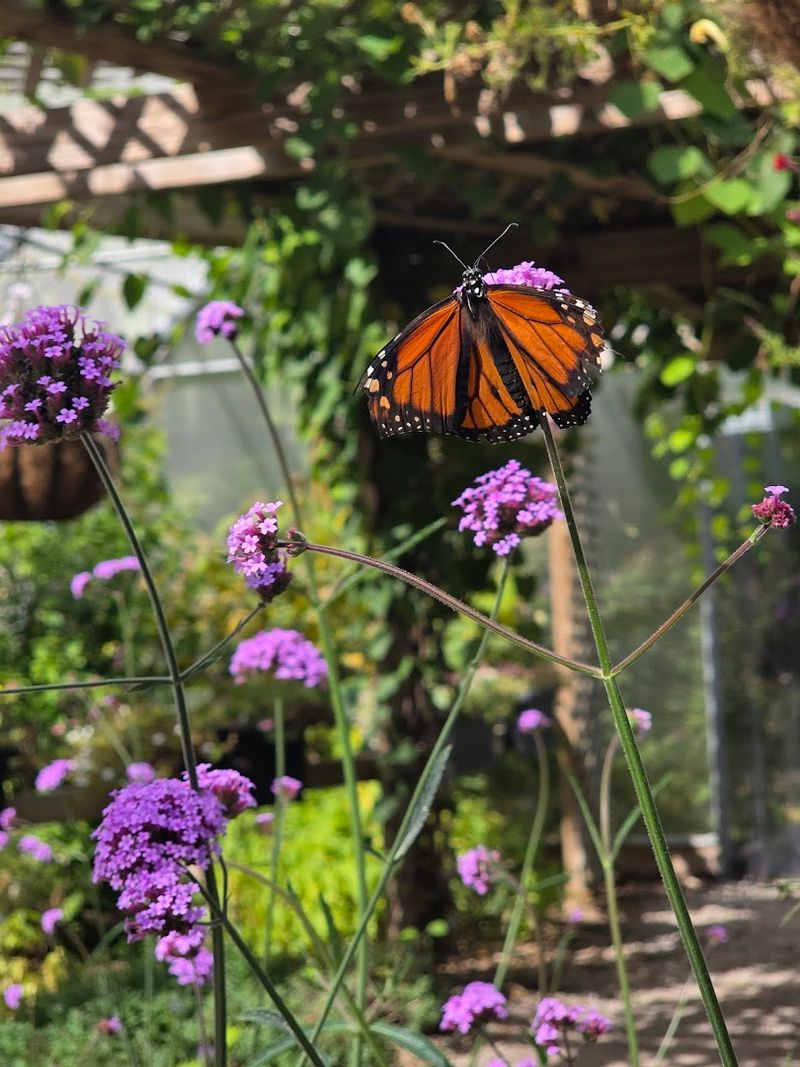
The Butterfly House at For-Mar is one of those attractions that sounds modest until you are actually standing inside it. Colorful butterfly species move freely through the enclosed space, landing on plants and occasionally on visitors who stand still long enough.
The atmosphere inside is warm and humid, which is a pleasant contrast to a cool Michigan morning.
Children find it almost impossible to contain their excitement in there, and the experience of having a butterfly land on your hand or shoulder is the kind of small moment that tends to stick in memory far longer than bigger, louder attractions. The house connects naturally to the surrounding garden spaces, reinforcing the preserve’s overall focus on pollinators and native ecosystems.
The apiary on the property adds another layer to this theme. Italian and Carniolan honeybee colonies housed in the apiary contribute to the pollination of wildflowers and trees across the preserve, making the gardens and the Butterfly House part of a larger, functioning ecological system.
The wildlife habitats across the rest of the property are equally interconnected and well worth exploring next.
Wildlife Sightings That Happen Without Any Planning
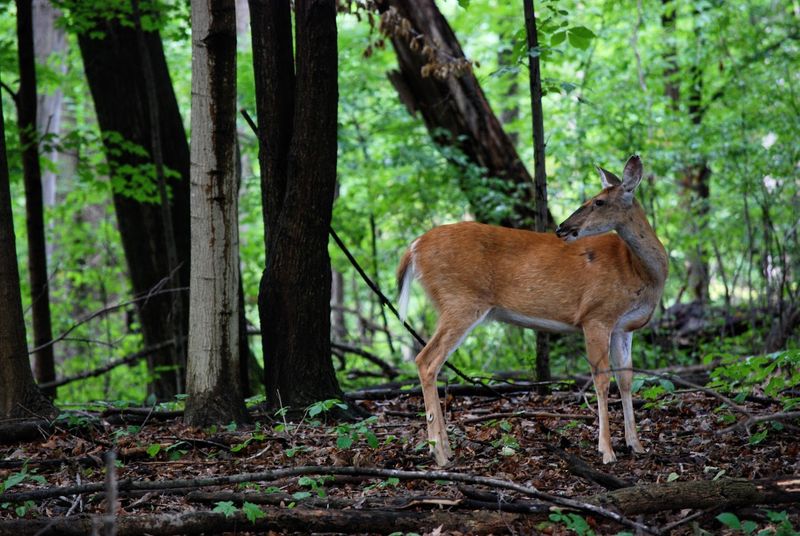
White-tailed deer and wild turkeys are practically regulars at For-Mar, and they move through the property with a comfort level that suggests they know exactly who owns the place. Sightings are common enough that first-time visitors are often surprised by how close the animals come without any prompting.
Beyond the deer and turkeys, the preserve supports red and fox squirrels, chipmunks, bullfrogs, screech owls, Cooper’s hawks, and bluebirds. The wetlands, meadows, forests, and ponds across the property create a patchwork of habitats that supports an impressive range of species without any of them feeling out of place.
The turtle population here is particularly notable. Snapping, painted, musk, and box turtles are all present, and the preserve is home to a population of Blanding’s turtles, which are a threatened species in Michigan.
The observation tower positioned over the wetland habitats gives you an elevated view of these ecosystems that dramatically increases your chances of spotting something worth remembering. The visitor center brings all of this wildlife indoors in its own compelling way.
A Visitor Center With Live Animals and a Museum Inside

The visitor center at For-Mar does more than point you toward the trailhead. Inside, hands-on exhibits feature live animals, giving visitors a close look at local reptiles, amphibians, insects, and fish that they might not spot on the trails.
Turtles, frogs, and snakes are among the residents, and the staff are comfortable letting younger visitors interact with some of them in a supervised setting.
The Foote Bird Museum, located in the DeWaters Education Center, houses a collection of over 600 mounted birds and their eggs. For birding enthusiasts or anyone curious about Michigan’s avian diversity, this collection is genuinely impressive and covers species that range from common backyard visitors to rare regional finds.
Binoculars and special outdoor activity backpacks are available to borrow, which is a practical touch that elevates the trail experience for families who did not come fully prepared. The gift shop near the exit is worth a stop on the way out.
Knowing all of this makes the next seasonal feature of the preserve feel like a natural extension of the same educational spirit.
Seasonal Events That Give You a New Reason to Return

The Harvest Festival is one of the most popular events on the For-Mar calendar, drawing families who come specifically for the corn play area, the tram ride through the arboretum, and the general festive atmosphere of a Michigan autumn afternoon. It has the energy of a community celebration rather than a ticketed attraction, which keeps it feeling accessible and warm.
Night hikes are another offering that surprises visitors who assumed the preserve was strictly a daytime destination. The trails take on a completely different character after dark, with the sounds of the wetlands and forest amplified in a way that daylight visits simply cannot replicate.
Guided nature walks are held throughout the year, with knowledgeable guides who cover both current ecological activity and historical context of the land.
Birthday parties with nature themes, including turtle-focused programs where kids can hold live animals and complete crafts, have become a popular option for families looking for something more memorable than a standard venue. Checking the social media pages and the official website before your visit is genuinely worth the extra minute it takes.
Practical Tips That Make Your Visit Noticeably Better
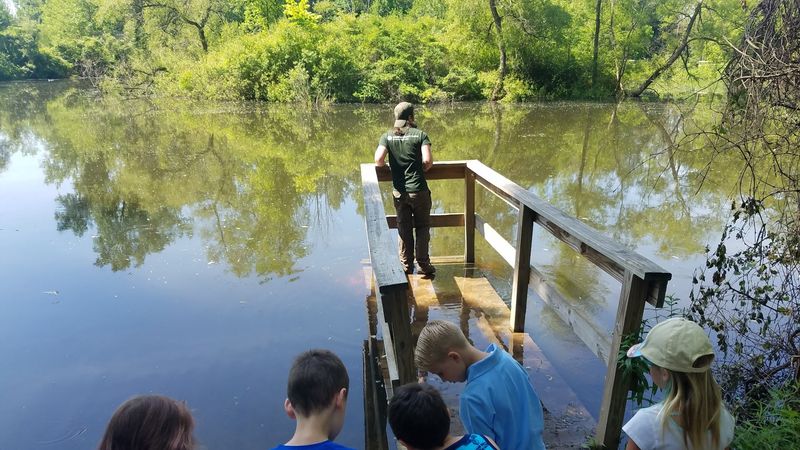
Sturdy footwear is not optional here, especially after any rain. The trails near Kearsley Creek and the wetland areas can get muddy quickly, and the difference between hiking boots and regular sneakers becomes very obvious within the first half mile.
Packing water and a snack is equally important, since the trail system covers enough ground to turn a casual walk into a two-hour adventure without much warning.
Bug spray is a practical necessity during the warmer months, particularly on trails that run close to standing water. Mosquitoes can be persistent in those sections, and a quick application before you head out makes the whole experience considerably more comfortable.
Picnic areas are available in multiple spots across the property, so bringing a packed lunch is a genuinely good strategy.
The preserve is open daily from 9 AM to 8 PM, and weekday mornings tend to be quieter than weekend afternoons if you prefer more solitude on the trails. The entire experience is free, the staff are helpful, and the property is consistently well-maintained.
There is very little standing between you and a genuinely excellent day outdoors.
Share this story