Asia is home to some of the most breathtaking rural towns and villages in the world, where ancient traditions, stunning landscapes, and warm communities come together in unforgettable ways. From misty mountain hamlets to terraced rice fields and centuries-old wooden homes, these places offer a glimpse into a slower, more meaningful way of life.
Whether you love history, nature, or simply discovering something new, rural Asia has something truly special waiting for you. Get ready to explore 15 of the most beautiful villages and towns across this incredible continent.
1. Shirakawa-go, Japan
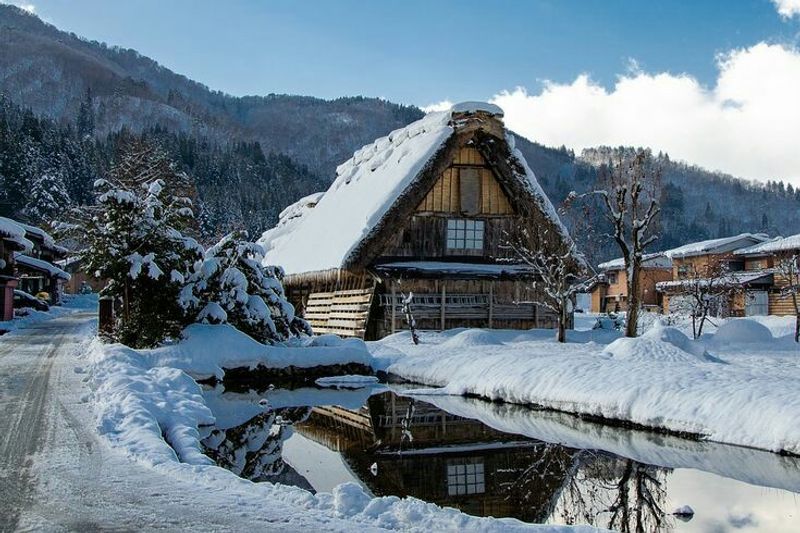
Few places in the world look quite as magical as Shirakawa-go when snow blankets its famous steep-roofed farmhouses. Located in the Gifu Prefecture of central Japan, this UNESCO World Heritage village is known for its gassho-zukuri architecture, where roofs are built at steep angles to withstand heavy snowfall.
The name literally means “hands in prayer,” describing the triangular shape of the roofs.
Walking through the village feels like stepping into a living museum. Many of the farmhouses are over 250 years old and still used by local families today.
Some have been converted into cozy guesthouses where visitors can sleep, eat traditional meals, and experience daily life firsthand.
Winter is the most popular season to visit, especially during the illumination events when the entire village glows under soft lights. Spring and autumn are quieter but equally stunning, with cherry blossoms and colorful foliage framing the historic homes.
2. Jiufen, Taiwan
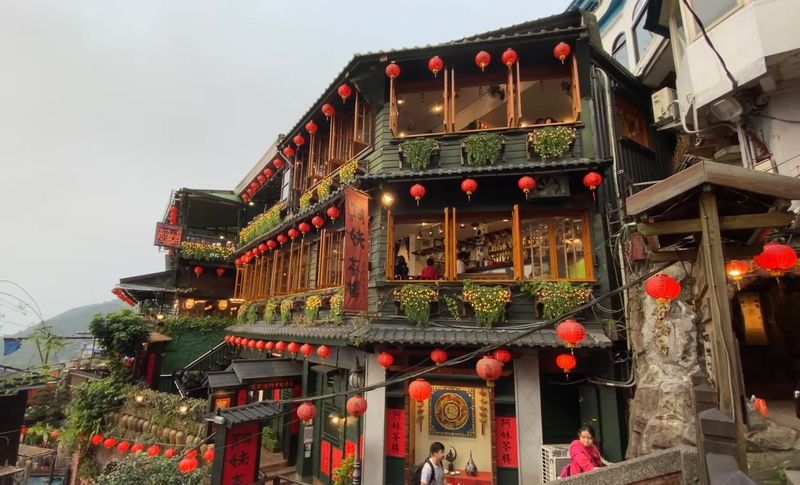
Clinging to the misty hillsides of northern Taiwan, Jiufen is the kind of place that makes you feel like you have walked into a dream. This former gold mining town is famous for its winding stone staircases, glowing red lanterns, and traditional teahouses perched dramatically above the Pacific Ocean.
Many people recognize it as a real-life inspiration behind the animated film “Spirited Away.”
Gold was discovered here in 1893, and the town boomed with fortune seekers. When the mines closed, Jiufen quietly transformed into one of Taiwan’s most beloved cultural destinations.
Today, visitors explore narrow alleys lined with snack stalls selling taro balls, fish balls, and sweet potato treats.
The best time to visit is late afternoon, when the golden light reflects off the ocean and the lanterns begin to flicker on. Foggy evenings add an extra layer of atmosphere that makes the town feel wonderfully mysterious and timeless.
3. Hoi An, Vietnam
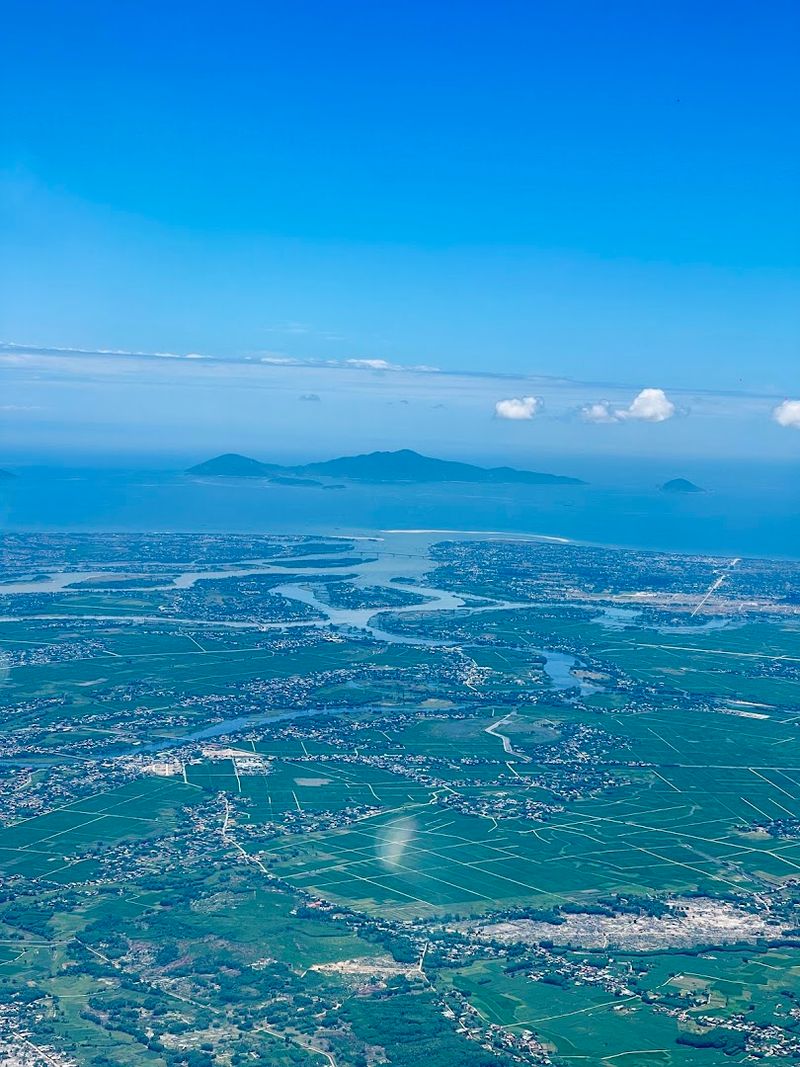
Hoi An is one of Southeast Asia’s most perfectly preserved ancient trading ports, and walking its lantern-lit streets at night feels like pure magic. Located in central Vietnam, this UNESCO World Heritage town is famous for its yellow-painted merchant houses, wooden shop fronts, and hundreds of colorful silk lanterns strung above narrow streets.
The town has been remarkably well-preserved since the 15th century.
During its heyday, Hoi An welcomed traders from China, Japan, and Europe, which explains the fascinating mix of architectural styles still visible today. The Japanese Covered Bridge, built in the 1590s, remains one of the most photographed spots in all of Vietnam.
Hoi An is also a food lover’s paradise. Dishes like white rose dumplings, cao lau noodles, and banh mi sandwiches originated here and are still made using traditional recipes.
Visiting the weekly Full Moon Lantern Festival, when electric lights are switched off and candles replace them, is an experience unlike any other.
4. Penglipuran, Indonesia
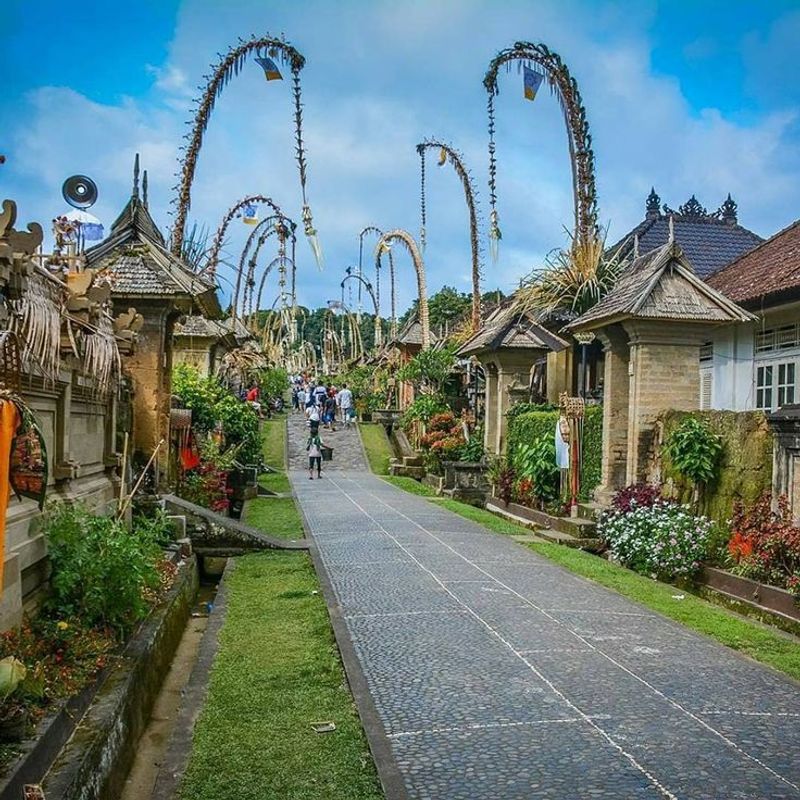
Penglipuran has earned the title of one of the cleanest villages in the world, and a single visit makes it easy to understand why. Tucked into the cool highlands of Bali, Indonesia, this traditional Balinese village has maintained its original layout for over 700 years.
Motorbikes and cars are banned from the main street, keeping the air fresh and the atmosphere wonderfully peaceful.
Every home in Penglipuran follows the same traditional design, with bamboo gates opening into family compounds arranged according to ancient Hindu Balinese principles. The community takes enormous pride in their surroundings, sweeping the stone pathways daily and decorating their gates with fresh flower offerings.
Visitors are welcome to walk freely through the village, chat with locals, and even watch traditional crafts being made. A large bamboo forest at the end of the main road offers a shaded, serene walk.
Penglipuran is proof that modern life and ancient culture can coexist beautifully.
5. Mae Kampong, Thailand
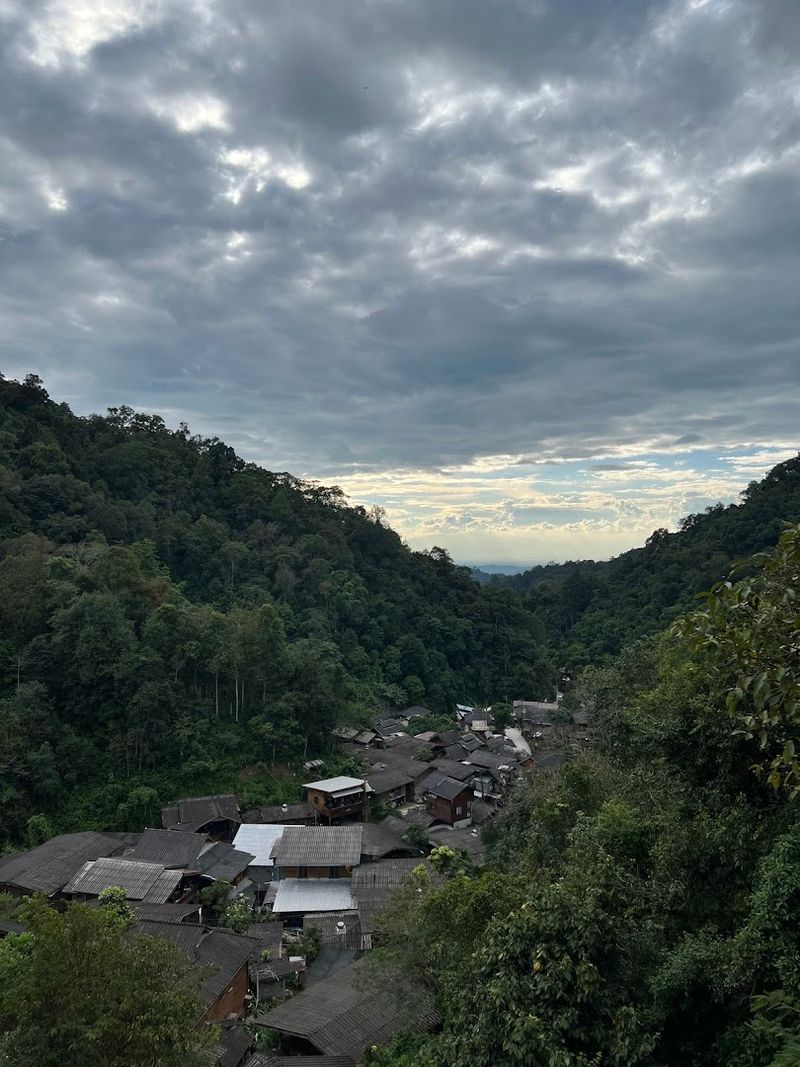
Hidden in the forested mountains east of Chiang Mai, Mae Kampong is a Thai village that rewards those willing to travel the winding roads to reach it. At around 1,300 meters above sea level, the air here is noticeably cooler and fresher than the city below.
The village is surrounded by thick jungle, waterfalls, and tea plantations that produce some of Thailand’s finest miang fermented tea leaves.
Mae Kampong became famous partly because of a Thai film that featured the village’s scenery, drawing curious travelers who then fell in love with its quiet charm. Wooden stilted houses line a rushing mountain stream, and residents still practice traditional ways of life passed down through generations.
Community-based tourism here is thoughtfully managed, meaning visitors directly support local families. Staying in a homestay, learning to cook northern Thai food, and trekking through the surrounding forest are highlights that make Mae Kampong far more rewarding than a typical tourist stop.
6. Ghandruk, Nepal
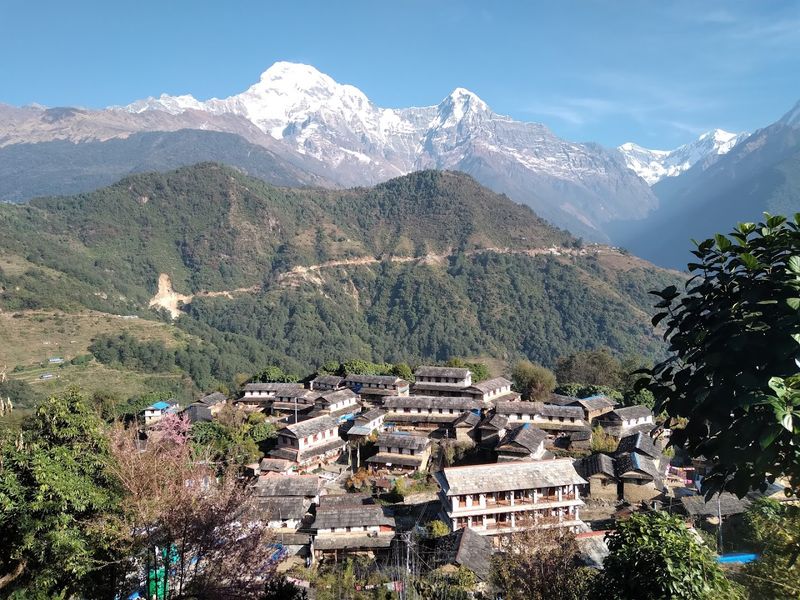
Sitting at 1,940 meters in the Annapurna region of Nepal, Ghandruk offers some of the most jaw-dropping mountain views on Earth without requiring an extreme trek to reach them. This traditional Gurung village is one of the largest in the Annapurna Conservation Area and serves as a popular stop along the famous Annapurna Circuit trail.
The Annapurna South and Hiunchuli peaks seem close enough to touch from the village stone pathways.
The Gurung people, known for their history as Gurkha soldiers, are incredibly warm and welcoming hosts. Their culture is rich with music, dance, and colorful festivals, and a visit to the local Gurung Museum gives wonderful insight into their heritage.
Stone-paved paths connect terraced fields and traditional homes, many of which now serve as cozy teahouses for trekkers. Mornings here are extraordinary, as the rising sun turns the snow-covered peaks a brilliant shade of pink and gold that no photograph fully captures.
7. Gulmit, Pakistan
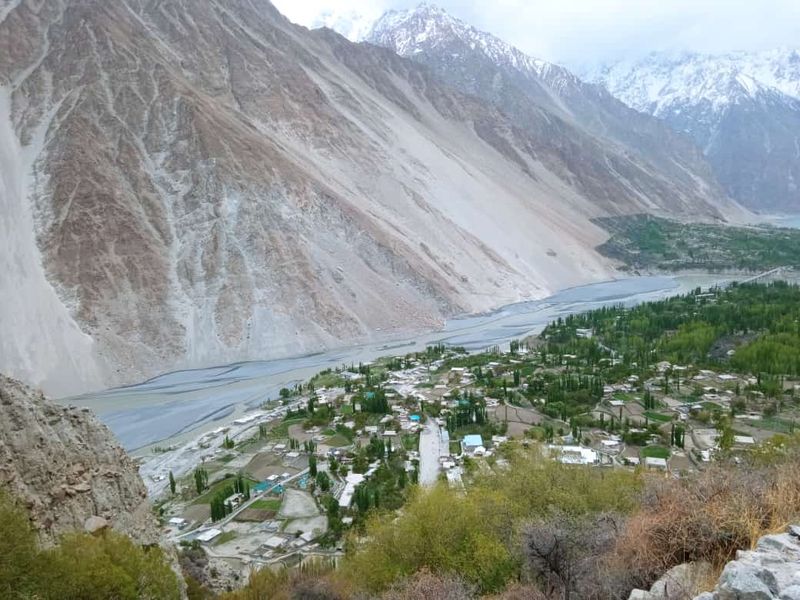
Gulmit is a small gem of a village sitting high in the Gojal region of Pakistan’s Upper Hunza Valley, at an elevation of around 2,400 meters. Surrounded by some of the world’s tallest and most dramatic mountain peaks, including the iconic Passu Cones, this village has a raw, untouched beauty that feels worlds away from modern city life.
The Karakoram Highway, one of the highest paved roads on Earth, passes right through the area.
The people of Gulmit are predominantly Wakhi, a distinct ethnic group with their own language, music, and traditions. Visitors often describe the local hospitality as extraordinary, with families inviting strangers in for tea and dried apricots without a second thought.
Gulmit also serves as a base for exploring the nearby Borith Lake, Passu Glacier, and ancient rock carvings left by Silk Road travelers centuries ago. For adventurous travelers, few places in Asia offer this level of dramatic scenery combined with such genuine human warmth.
8. Batad, Philippines
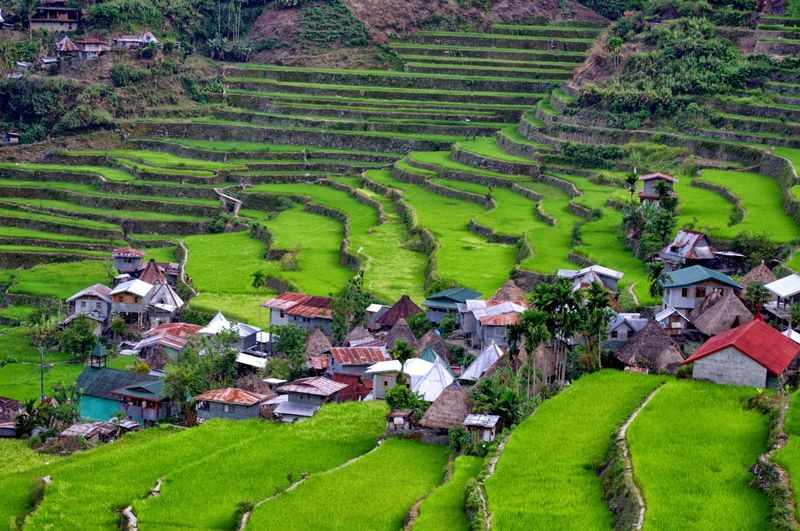
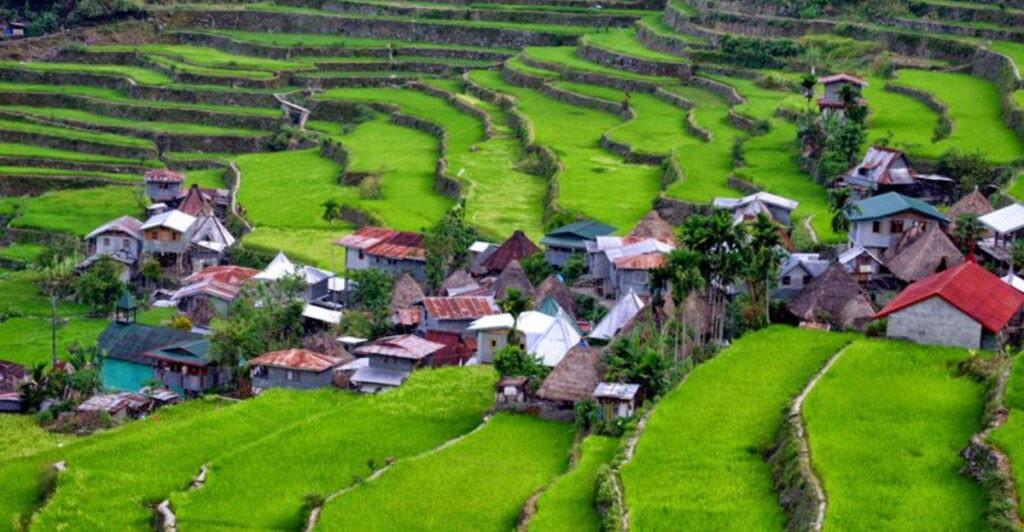
Batad is not easy to reach, and that is exactly part of its appeal. Tucked inside a natural amphitheater of ancient rice terraces in the mountains of Ifugao Province, this small Filipino village can only be reached on foot after a challenging hike.
The reward, however, is one of the most breathtaking landscapes in all of Asia.
The terraces surrounding Batad are part of the UNESCO-listed Ifugao Rice Terraces, often called the “Eighth Wonder of the World.”
The Ifugao people carved these terraces into the mountainside over 2,000 years ago using only hand tools, creating a sophisticated irrigation system that still functions perfectly today. Walking along the narrow terrace walls while gazing across layers of vivid green paddies is a humbling experience.
Batad village itself is small and simple, with a handful of family-run guesthouses offering basic but comfortable accommodation. The nearby Tappiya waterfall makes a perfect afternoon hike, and sunsets over the terraces are absolutely unforgettable.
9. Wuyuan, China
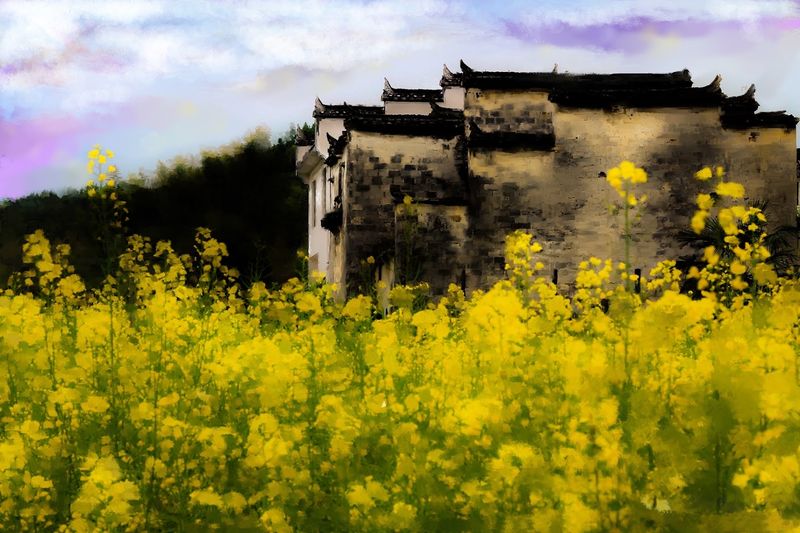
Every spring, Wuyuan transforms into one of China’s most stunning natural canvases. Located in Jiangxi Province, this rural county is made up of dozens of ancient villages, each surrounded by rolling fields of bright yellow rapeseed flowers that burst into bloom between March and April.
The contrast of golden flowers against the classic white walls and dark rooftops of Huizhou-style architecture is simply extraordinary.
Wuyuan is often called “the most beautiful countryside in China,” and it earns that title in every season. Autumn brings fiery red persimmons and hanging chili peppers adorning village walls, while winter mornings reveal misty valleys straight out of a classical Chinese painting.
The villages of Likeng, Sixi, and Yan Cun are among the most visited, each offering ancient bridges, cobblestone paths, and ancestral halls dating back to the Ming and Qing dynasties. Wuyuan is a destination that rewards slow exploration, so plan to spend at least two or three days soaking it all in.
10. Paro, Bhutan
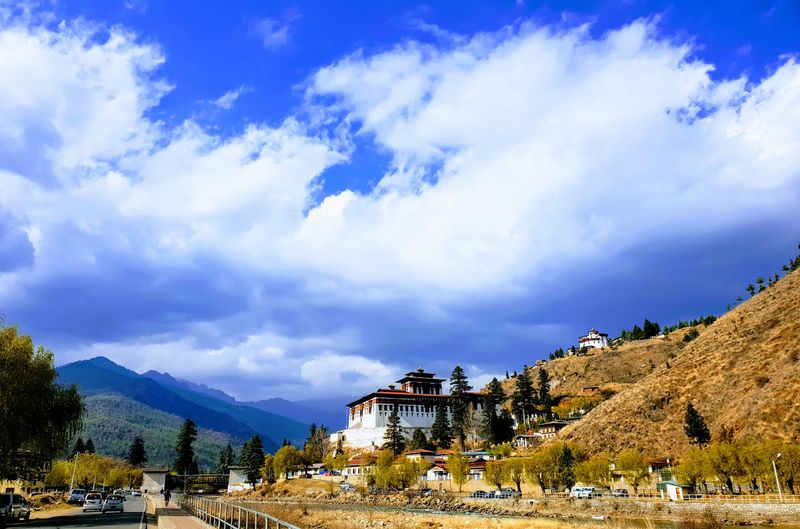
Paro is one of those rare places where you feel immediately calmer the moment you arrive. Nestled in a wide, fertile valley in western Bhutan, this small town is surrounded by forested hills, ancient monasteries, and traditional farmhouses painted with vivid murals.
Bhutan carefully controls tourism to protect its culture and environment, which means Paro remains wonderfully free of the overcrowding that plagues many Asian destinations.
The most iconic sight near Paro is the Tiger’s Nest Monastery, or Paro Taktsang, which clings dramatically to a sheer cliff face 900 meters above the valley floor. The hike to reach it takes a few hours and passes through pine forests filled with prayer flags fluttering in the mountain breeze.
Paro also houses Bhutan’s only international airport, making it the first glimpse most visitors get of this Himalayan kingdom. The town’s weekly farmer’s market, traditional archery competitions, and festivals like Paro Tsechu make it one of the most culturally rich small towns in all of Asia.
11. Al Hamra, Oman
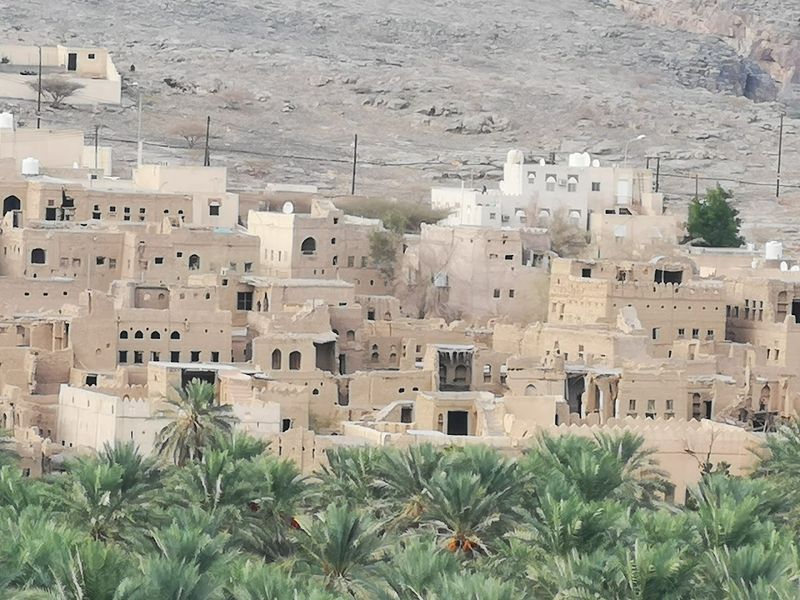
Al Hamra stands as one of the best-preserved ancient mud-brick villages in the entire Arabian Peninsula. Located in the Al Dakhiliyah region of Oman, at the foot of the towering Al Hajar Mountains, this remarkable settlement dates back over 400 years.
Unlike many old villages in the region that have been abandoned or rebuilt, Al Hamra still has residents living alongside its extraordinary historic architecture.
The traditional multi-story houses here were built from mud, straw, and stone without a single nail or modern tool. Walking through the old quarter feels like exploring a living relic of Omani history.
Intricate wooden carvings decorate doorways, and narrow shaded alleyways keep things cool even in the intense Arabian heat.
Just a short walk away, the ghost village of Misfat Al Abriyeen clings to a cliff edge surrounded by ancient falaj irrigation channels and terraced gardens. Together, these two villages offer one of the most authentic and visually striking cultural experiences in the Middle East.
12. Kaza, India
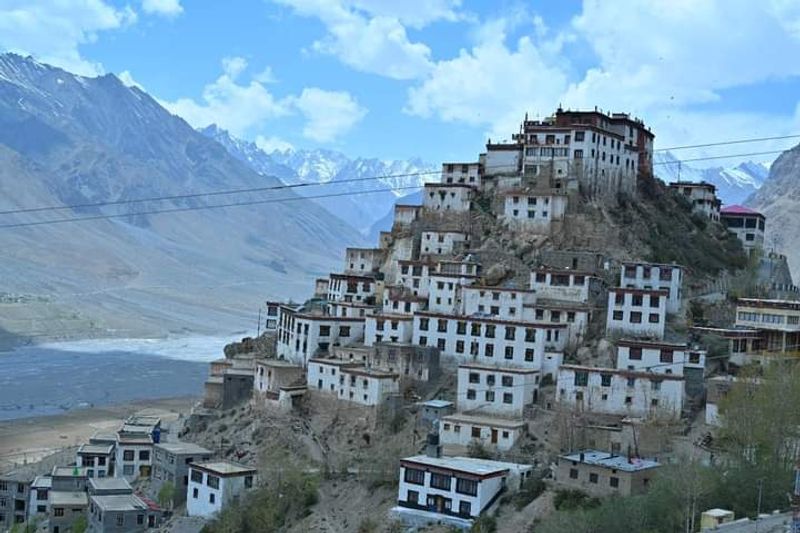
Kaza sits at a staggering 3,800 meters above sea level in the Spiti Valley of Himachal Pradesh, India, making it one of the highest permanently inhabited towns in the world. The landscape here is unlike anything else in Asia: vast, brown, and almost lunar, with jagged Himalayan peaks cutting across a brilliant blue sky.
It is remote, rugged, and absolutely unforgettable.
Spiti means “the middle land,” and Kaza has long served as the administrative and trading hub of this isolated valley. Despite its harsh climate, with temperatures dropping well below freezing in winter, the local Spitian people maintain a vibrant Buddhist culture with colorful festivals, ancient monasteries, and warm community traditions.
Key Monastery, perched on a hilltop just outside town, is one of the oldest and largest Buddhist monasteries in the Himalayas. Fossil hunting near the village of Langza, spotting snow leopards in winter, and cycling the famous Manali-Leh highway are just a few reasons adventurous travelers make the long journey to Kaza.
13. Banaue, Philippines
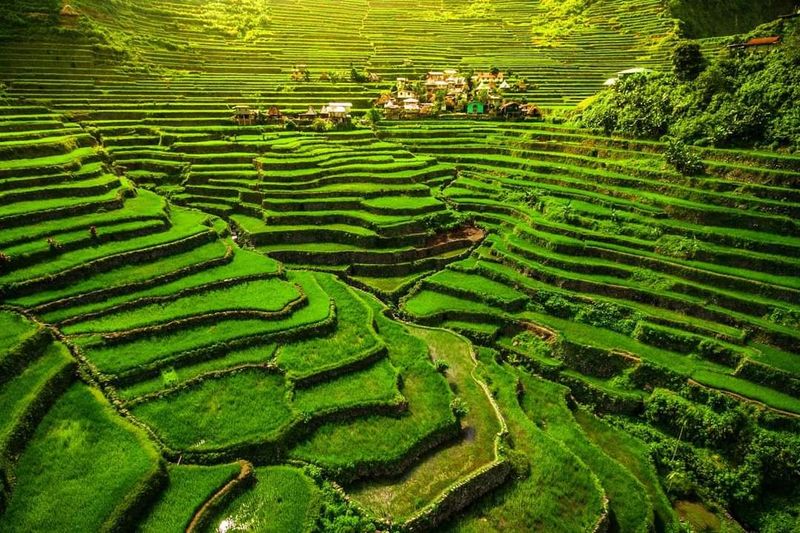
Long before modern engineering existed, the Ifugao people of the northern Philippines built something remarkable. The Banaue Rice Terraces, carved into the mountainsides of Ifugao Province over 2,000 years ago, stretch across roughly 10,360 square kilometers of steep terrain and are often described as the stairway to heaven.
The engineering precision required to build and maintain these terraces without any modern tools is truly astonishing.
Banaue town sits at around 1,200 meters elevation and serves as the main gateway to exploring the surrounding terraces and indigenous villages. The viewpoint just above town offers a sweeping panorama that has appeared on the Philippine 1,000-peso bill, giving a sense of just how iconic this landscape really is.
Beyond the scenery, Banaue is a living cultural landscape where Ifugao traditions remain very much alive. Locals still wear traditional woven clothing during festivals, practice ancient rituals, and work the terraces by hand.
Visiting here means supporting a culture that deserves to be both seen and protected.
14. Ubud, Indonesia
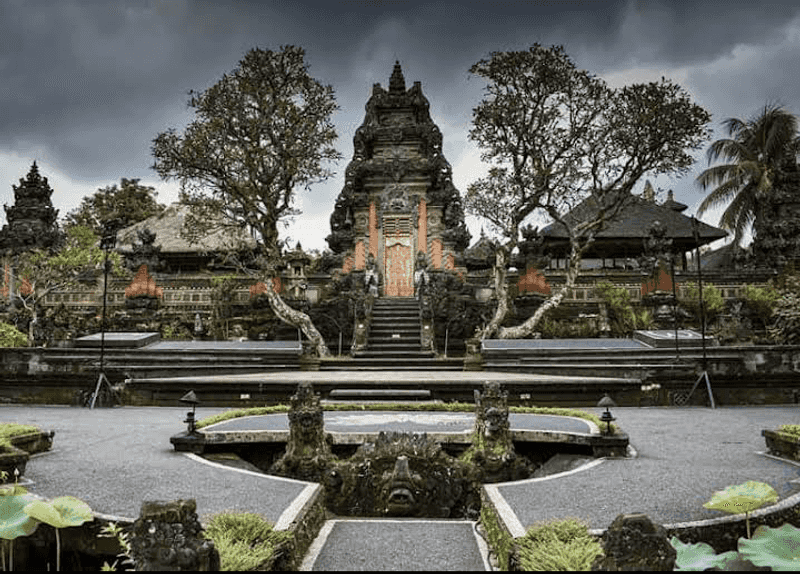
Ubud has long been Bali’s creative and spiritual soul, a place where artists, healers, and nature lovers have gathered for decades. Set among terraced rice fields and dense jungle in the island’s highlands, Ubud feels like a world apart from Bali’s beach resorts.
The town is surrounded by ancient Hindu temples, sacred monkey forests, and art galleries showcasing some of Indonesia’s finest traditional and contemporary work.
The famous Tegallalang Rice Terraces just north of town offer some of the most photographed agricultural scenery in Southeast Asia, with their intricate subak irrigation system recognized by UNESCO. Early morning walks through the paddies, when mist still hangs over the fields, are genuinely peaceful and grounding.
Ubud is also a hub for Balinese dance, traditional music, and holistic wellness retreats. Watching a Kecak fire dance performance at sunset near Tanah Lot temple is an experience that stays with you long after you leave.
Ubud rewards those who slow down and truly pay attention.
15. Sapa, Vietnam
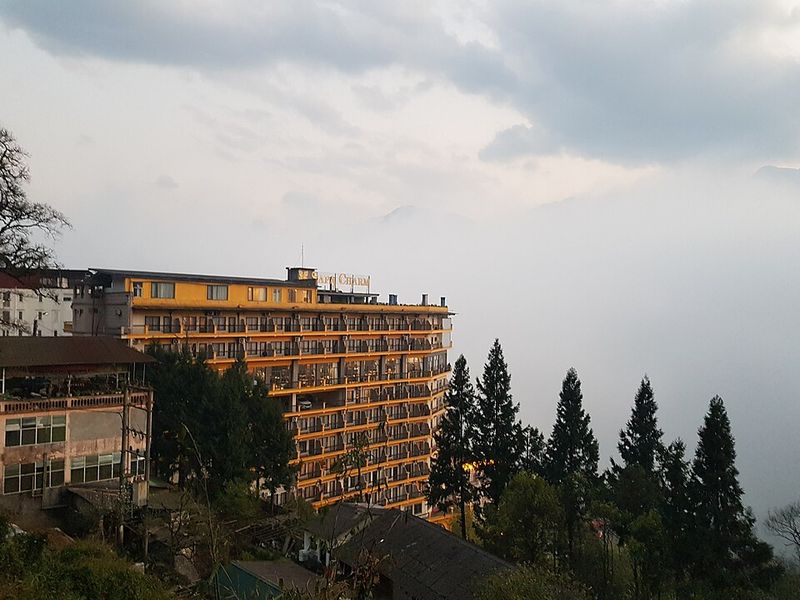
Sapa is where Vietnam’s mountains, rice terraces, and ethnic minority cultures all come together in one spectacular setting. Located in Lao Cai Province in the far northwest of the country, this highland town sits at around 1,600 meters and is surrounded by some of the most dramatic rice terrace landscapes in all of Asia.
The Muong Hoa Valley below town is a patchwork of vivid green and gold paddies that changes with every season.
The region is home to several ethnic minority groups, including the Hmong, Dao, and Tay peoples, each with their own distinct languages, clothing, and traditions. Many local women still hand-embroider their traditional clothing with incredibly detailed geometric patterns, and seeing this craft up close is humbling.
Fansipan, Vietnam’s highest peak at 3,147 meters, rises just west of town and can be reached by cable car or on foot. Trekking through villages like Cat Cat, Ta Van, and Lao Chai offers an authentic glimpse into mountain life that few other destinations in Southeast Asia can match.
Share this story