Some cities exist in places so harsh, so remote, or so dangerous that it seems almost impossible anyone would choose to build there at all. Yet millions of people around the world call these extreme environments home, from frozen tundras to scorching deserts and sinking lakebeds.
What drives people to settle in such unforgiving places? The answers involve history, resources, culture, and sheer human determination.
Read on to discover 15 remarkable cities built where nature never intended people to stay.
1. Yakutsk, Russia
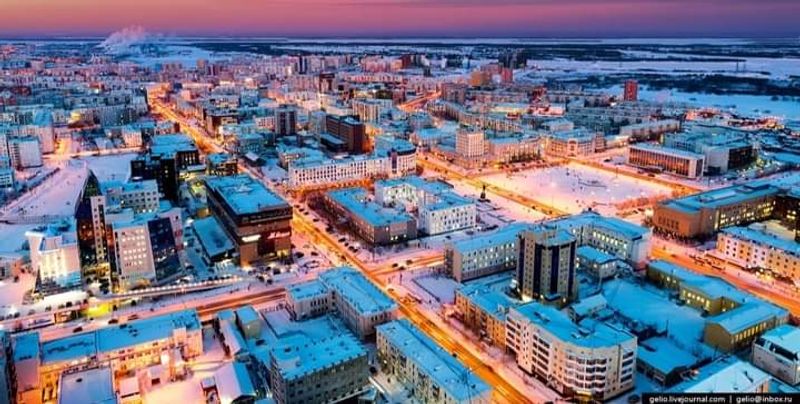
At minus 40 degrees Celsius on an average winter day, Yakutsk holds the title of coldest major city on Earth. Located in Siberia, Russia, this city of nearly 300,000 people sits on permanently frozen ground called permafrost.
Buildings here must be constructed on stilts so that heat from the structures does not melt the ground beneath them and cause collapse.
Residents layer up in thick fur clothing just to walk outside for a few minutes. Cars are often left running all night because engines can freeze solid if turned off.
Despite these brutal conditions, Yakutsk has a thriving culture, local markets, and even a university. People here have adapted over centuries, largely descended from the Yakut people who developed remarkable survival skills.
The city proves that human ingenuity can make almost any environment livable, no matter how extreme the cold gets.
2. La Rinconada, Peru
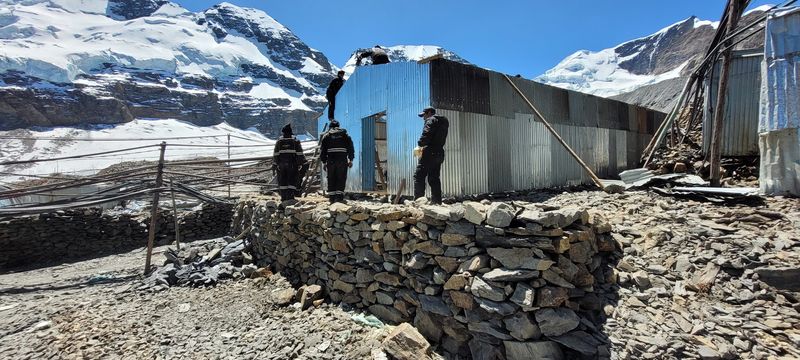
Sitting at roughly 5,100 meters above sea level, La Rinconada in Peru is the highest permanent human settlement on the planet. The air up there is so thin that newcomers often suffer from altitude sickness, struggling to breathe, feeling dizzy, and experiencing severe headaches just from basic activity.
Newcomers can take weeks to adjust, if they adjust at all.
People came here chasing gold. A nearby glacier holds significant gold deposits, and miners risk their health daily to extract it.
Most workers operate under a system called cachorreo, where they receive no wages for weeks and are only allowed to keep whatever ore they can carry out on the last day of the month. Sanitation infrastructure is almost nonexistent, and waste flows openly through the streets.
Yet tens of thousands of people call this frozen, oxygen-starved mountaintop home, driven entirely by the promise of wealth.
3. Dubai, UAE
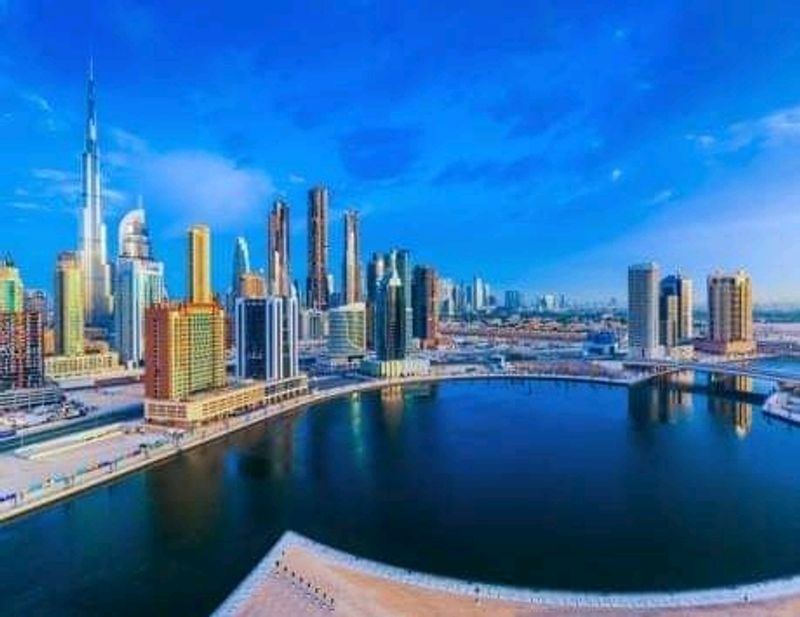
Just a few decades ago, Dubai was little more than a modest fishing village surrounded by endless, scorching desert. Today it is one of the most recognizable skylines on Earth, home to over three million people and the tallest building in the world, the Burj Khalifa.
Summer temperatures regularly exceed 45 degrees Celsius, making outdoor activity genuinely dangerous for hours at a time.
The city would be completely uninhabitable without massive air conditioning systems running constantly throughout buildings, malls, and even outdoor spaces. Freshwater is scarce, so Dubai relies heavily on desalination plants that convert seawater into drinking water at enormous energy cost.
The entire city essentially runs on engineered survival. Despite its glamorous reputation, Dubai faces real long-term questions about sustainability, water security, and rising global temperatures.
What started as an unlikely desert outpost is now a global hub that spends billions just to keep its residents comfortable and alive.
4. Mexico City, Mexico
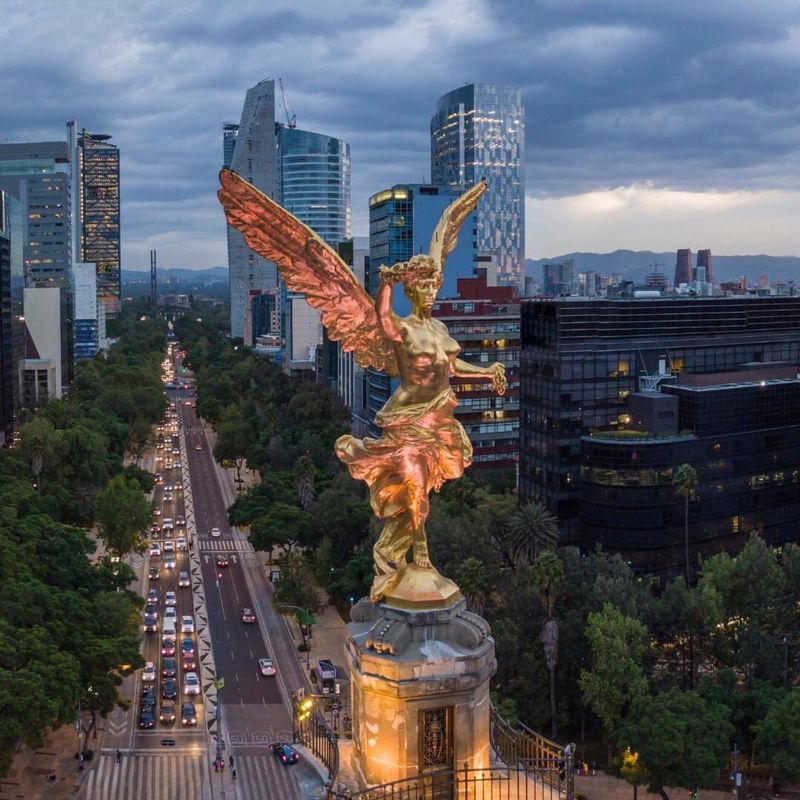
Mexico City was built on the bed of Lake Texcoco, a massive lake that the Aztecs drained centuries ago to expand their capital, Tenochtitlan. The problem is that the soft, waterlogged clay beneath the city is still slowly compressing under the weight of millions of buildings and people.
Some parts of the city have sunk more than nine meters over the past century, and the sinking continues today.
Buildings tilt at odd angles, roads crack and buckle, and underground pipes burst regularly. The city also faces a serious water crisis despite sitting on what was once a lake.
Groundwater is being pumped out faster than it can be naturally replaced, which actually speeds up the sinking. With a population of over 21 million people, Mexico City is one of the largest urban areas on Earth, making its geological instability one of the most consequential urban engineering challenges anywhere in the world.
5. New Orleans, USA
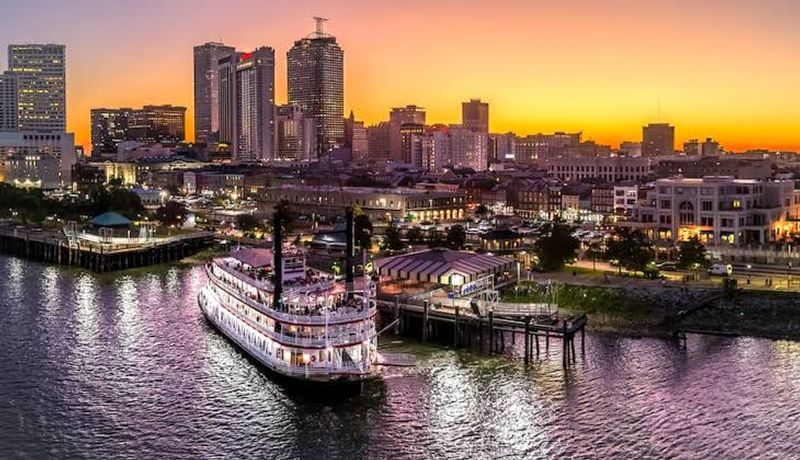
New Orleans sits in a bowl. Much of the city lies below sea level, surrounded by the Mississippi River, Lake Pontchartrain, and the Gulf of Mexico.
The city depends entirely on an elaborate system of levees and pumps to keep water out. When Hurricane Katrina struck in 2005, those systems failed catastrophically, flooding about 80 percent of the city and killing over 1,800 people.
The city has been rebuilding and reinforcing its flood defenses ever since, but the underlying geography has not changed. New Orleans continues to sink at a rate of up to two centimeters per year in some areas, meaning the situation gets more precarious over time.
Despite all of this, New Orleans remains a vibrant, culturally rich city famous for jazz music, Creole cuisine, and Mardi Gras celebrations. Residents here have a deep, stubborn love for their city that no flood or forecast can seem to shake loose.
6. Norilsk, Russia
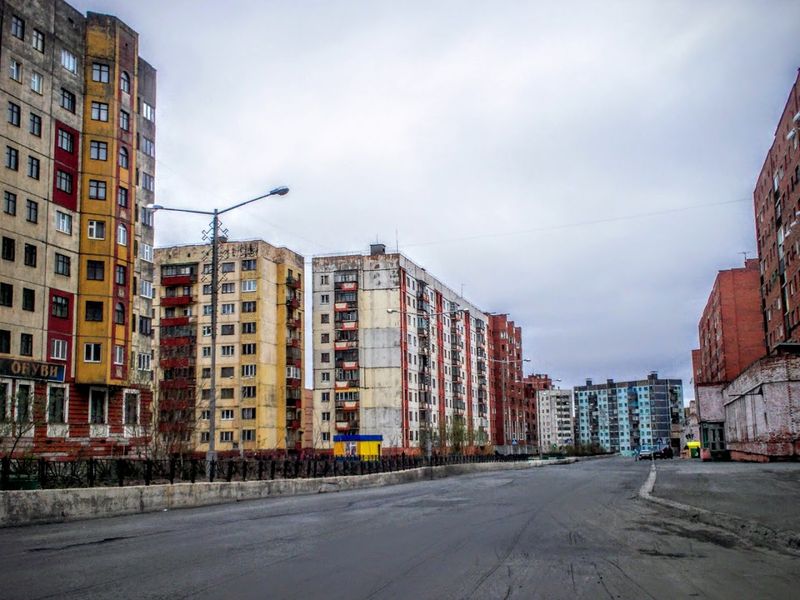
Norilsk, Russia, is one of the most polluted cities on the planet, and also one of the coldest. Built in the Soviet era largely by forced labor, this Arctic industrial city sits above one of the world’s largest nickel deposits.
The smelting operations that extract nickel and other metals release enormous amounts of sulfur dioxide into the air, so much that acid rain regularly falls on the city and the surrounding landscape is virtually dead for miles around.
Snow in Norilsk sometimes turns black or orange from industrial fallout. Trees cannot grow near the city.
Life expectancy for residents is noticeably lower than the Russian national average. Foreigners are not allowed to visit without special permission, which keeps outside scrutiny limited.
Yet around 175,000 people live here, drawn by higher wages offered to workers willing to endure the conditions. Norilsk is a city that exists purely because of what lies beneath it.
7. Longyearbyen, Norway
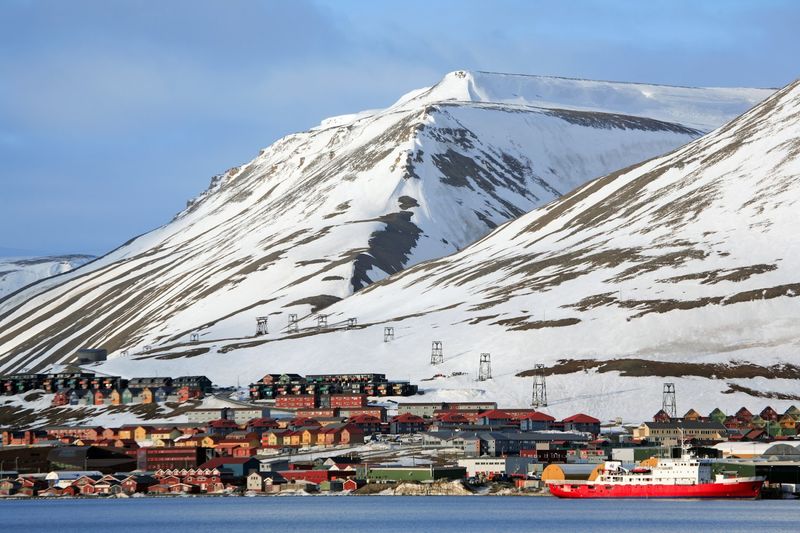
Longyearbyen, located on the Norwegian archipelago of Svalbard, is the northernmost town in the world with a permanent civilian population. It sits deep inside the Arctic Circle, where winters bring months of complete darkness and temperatures that can plunge well below minus 20 degrees Celsius.
For several weeks each year, the sun does not rise at all.
Polar bears outnumber people on Svalbard, and residents are legally required to carry a rifle when leaving the town limits. It is actually illegal to die in Longyearbyen, not as a quirky rule but because the permafrost prevents proper burial and bodies do not decompose.
Anyone who is terminally ill must be flown to mainland Norway. Despite all this, about 2,400 people live here, working in research, tourism, and former coal mining industries.
The town has a surprisingly cozy atmosphere, with colorful wooden houses and a strong sense of community among its adventurous residents.
8. Coober Pedy, Australia
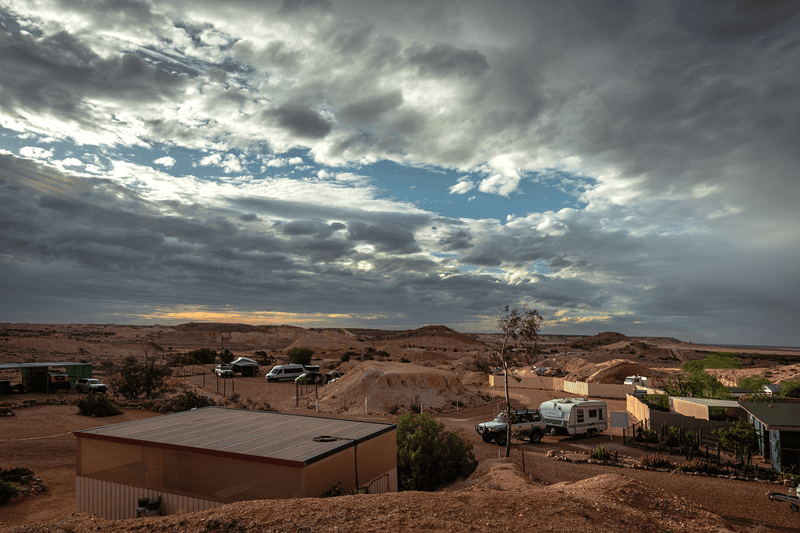
Coober Pedy, located in the South Australian outback, regularly bakes at temperatures above 50 degrees Celsius in summer. The heat is so relentless and unbearable that about half the town’s residents have solved the problem in a genuinely creative way: they live underground.
Homes, hotels, churches, and even a bookstore have been carved directly into the sandstone hills, where the temperature stays a comfortable 23 degrees year-round.
The town is known as the opal mining capital of the world, producing more than 70 percent of the global supply. Miners first discovered in the 1960s that the old mine shafts made surprisingly livable homes, and the underground lifestyle caught on fast.
Above ground, the landscape looks almost like the surface of Mars, which is why several science fiction films have been shot here. Coober Pedy is proof that sometimes the best way to survive an extreme environment is simply to go below it.
9. Timbuktu, Mali
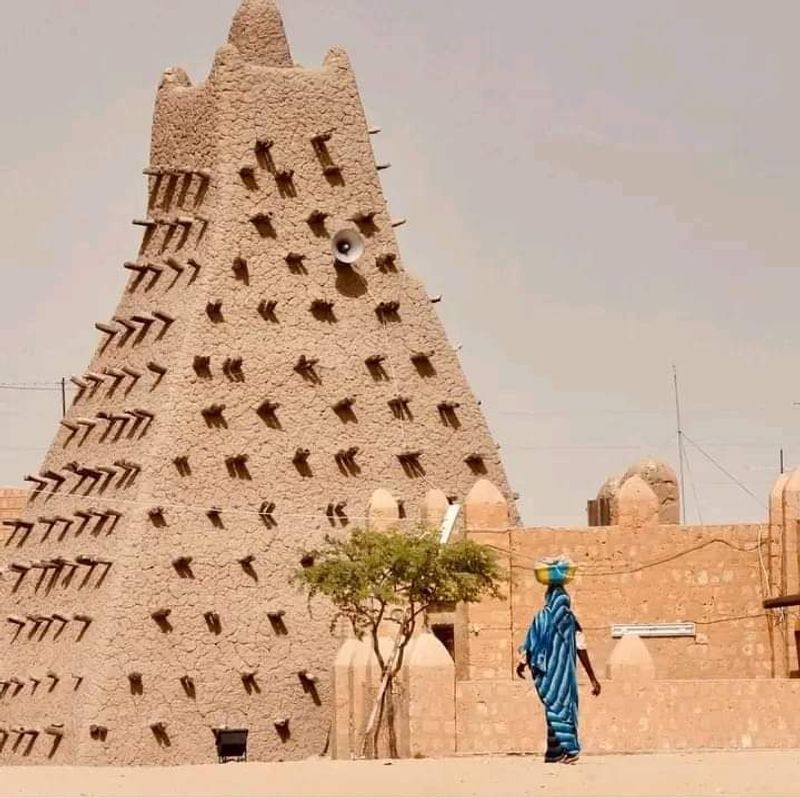
Timbuktu was once one of the wealthiest and most important cities in the world, a major center of Islamic scholarship and trans-Saharan trade during the 14th and 15th centuries. Today, the city faces an existential threat as the Sahara Desert slowly swallows it.
Sand dunes creep closer every year, burying roads, filling courtyards, and threatening ancient mud-brick mosques and libraries that hold irreplaceable manuscripts.
Residents spend considerable time and effort shoveling sand just to keep their streets passable. Droughts are becoming more frequent and severe, and access to clean water is a persistent struggle.
The population has dropped significantly as people flee to more hospitable areas. What was once a thriving hub of learning now battles desertification, poverty, and occasional conflict.
Despite everything, a dedicated community remains, working with UNESCO and international partners to preserve Timbuktu’s remarkable cultural heritage before the desert claims it entirely.
10. Venice, Italy
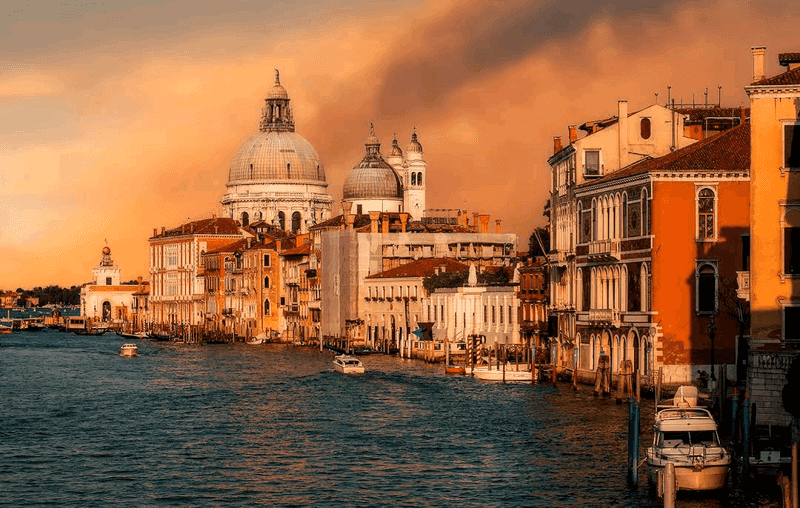
Venice was built on a muddy lagoon over 1,500 years ago, constructed on wooden piles driven into the soft seabed. For centuries, it was an engineering marvel and one of Europe’s most powerful trading empires.
Today, it is sinking at a rate of about two millimeters per year while sea levels around it rise, a combination that threatens to make the city permanently uninhabitable within decades.
Flooding events called acqua alta, meaning high water, are becoming more frequent and more severe. St. Mark’s Square, the lowest point in the city, floods dozens of times per year.
Italy spent billions constructing a massive flood barrier system called MOSE, which was finally activated in 2020. It helps, but it cannot fully reverse the long-term trend.
Venice attracts over 20 million tourists annually, yet its permanent population has dropped below 50,000 as residents grow weary of living in a city constantly at war with the sea.
11. Iquique, Chile
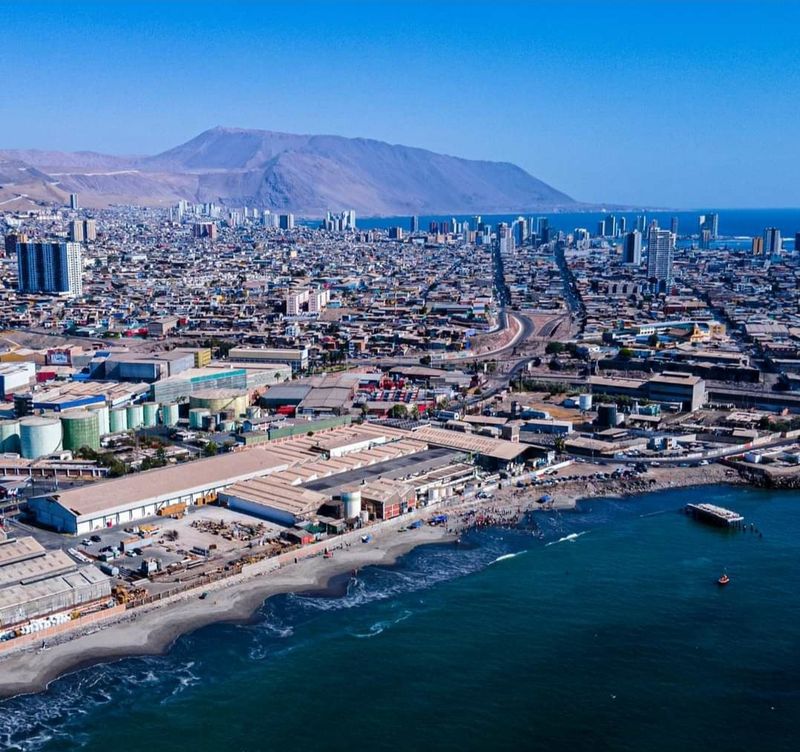
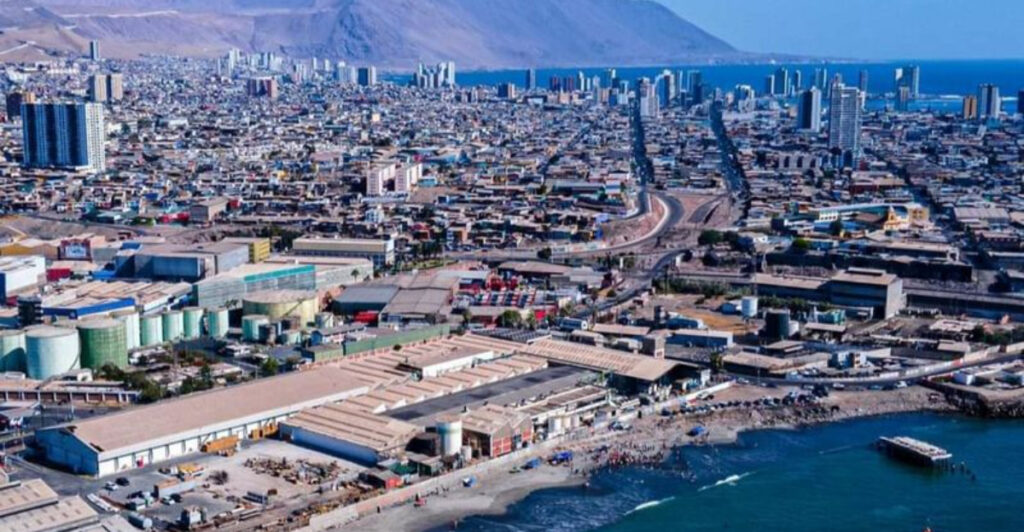
Iquique sits in one of the most geographically unusual positions of any city on Earth. On one side is the Pacific Ocean, and on the other is the Atacama Desert, widely considered the driest non-polar desert in the world.
Some weather stations in the Atacama have never recorded rainfall in recorded history. The city itself receives almost no rain, making every drop of freshwater a precious resource.
Water must be piped in from distant mountain sources or produced through desalination, both expensive and energy-intensive processes. Iquique also sits in one of the most seismically active zones on the planet, regularly experiencing earthquakes and the threat of tsunamis rolling in from the Pacific.
Despite these challenges, the city has a population of around 200,000 and a lively beach culture, a free trade zone that drives commerce, and a proud history tied to the 19th-century nitrate mining boom that once made this region extraordinarily wealthy.
12. Petra, Jordan
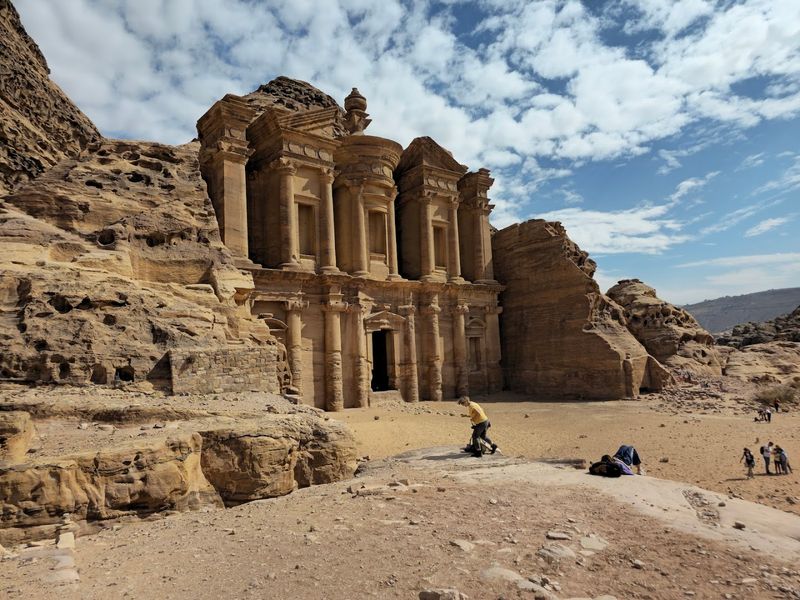
Carved directly into rose-red sandstone cliffs over 2,000 years ago, Petra was the capital of the Nabataean kingdom and one of the ancient world’s most extraordinary cities. The Nabataeans were master engineers who built an intricate system of channels, cisterns, and pipes to collect and store every drop of rainwater in this arid desert environment.
Without that system, the city simply could not have existed.
Today Petra is a UNESCO World Heritage Site and Jordan’s most famous tourist attraction, drawing over a million visitors annually. But the challenges that faced ancient inhabitants have not entirely disappeared.
The surrounding region remains severely water-scarce, and flash floods, though rare, can rush through the narrow sandstone canyons with deadly force. The Bedouin communities who lived within Petra for generations were relocated in the 1980s to nearby villages.
Petra stands as a testament to ancient ingenuity in the face of an environment that offered beauty and danger in equal measure.
13. Jericho, Palestine
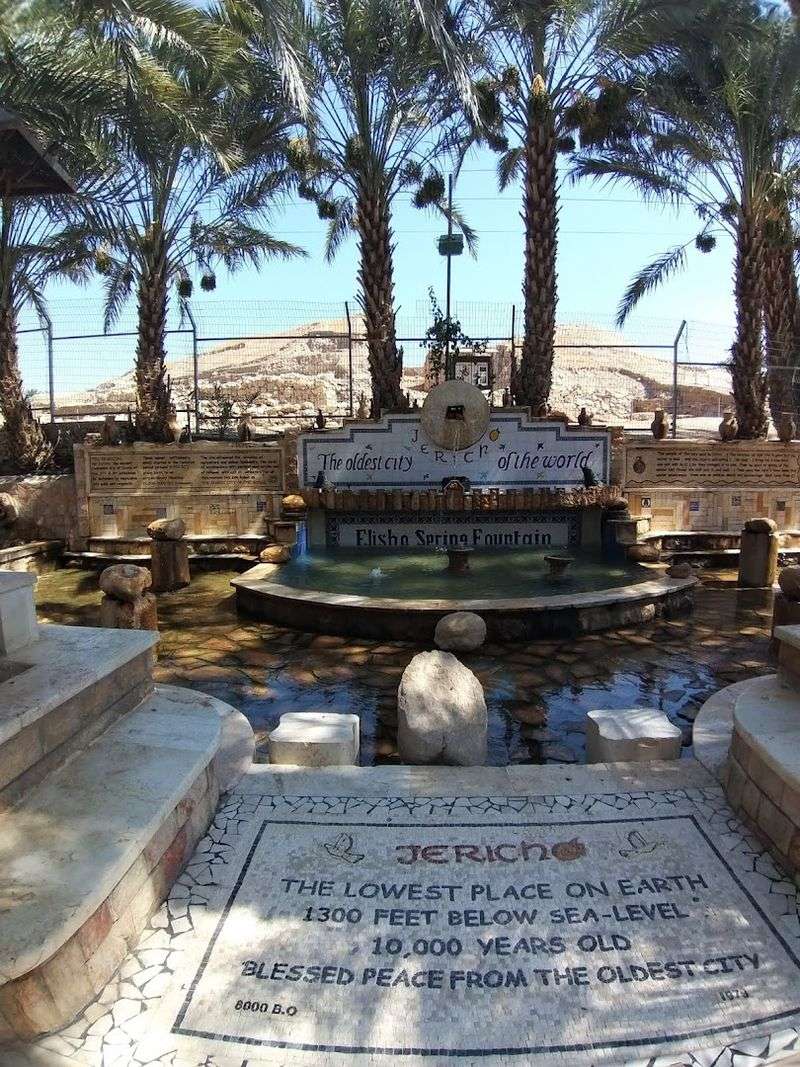
Jericho is widely recognized as one of the oldest continuously inhabited cities on Earth, with evidence of human settlement stretching back at least 11,000 years. It also sits about 258 meters below sea level in the Jordan Valley, making it one of the lowest cities on the planet.
Summer temperatures regularly climb above 40 degrees Celsius, and the surrounding landscape is dry, rocky desert.
What kept people here for thousands of years was a reliable natural spring called Ein es-Sultan, which provided freshwater in an otherwise parched region. That spring still flows today, supporting agriculture in an area that would otherwise be too harsh for farming.
Jericho is mentioned repeatedly in religious texts, giving it enormous cultural and historical significance to Judaism, Christianity, and Islam alike. Despite political tensions in the broader region, Jericho maintains a relatively calm atmosphere, and its warm winters attract visitors who come to experience this ancient, sun-drenched city at the bottom of the world.
14. Elista, Russia
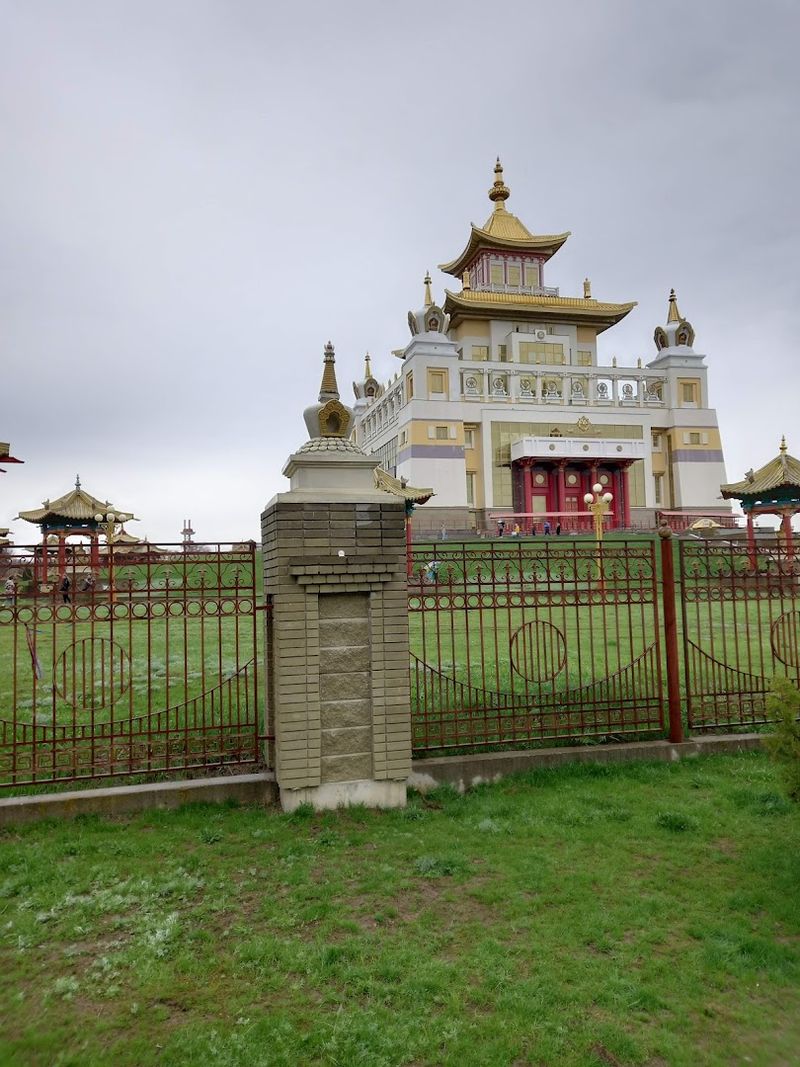
Elista is the capital of the Republic of Kalmykia in southern Russia and holds a rather unusual distinction: it is the only Buddhist city in Europe. Located on the harsh Caspian steppe, the region experiences blistering summers, bitterly cold winters, and strong, relentless winds that sweep across the flat, treeless landscape with little to stop them.
Rainfall is sparse, and the soil is prone to desertification.
The area was once fertile grassland, but decades of overgrazing and poor land management turned large portions of it into Europe’s only true desert. Elista is isolated, with limited economic opportunities, and the population has been slowly declining as younger residents leave for larger Russian cities.
Yet the city retains a strong cultural identity rooted in Kalmyk Buddhist traditions, colorful festivals, and striking architecture, including the Golden Abode of Buddha Shakyamuni, the largest Buddhist temple in Europe. Elista is a city that survives on cultural pride as much as anything else.
15. McMurdo Station, Antarctica
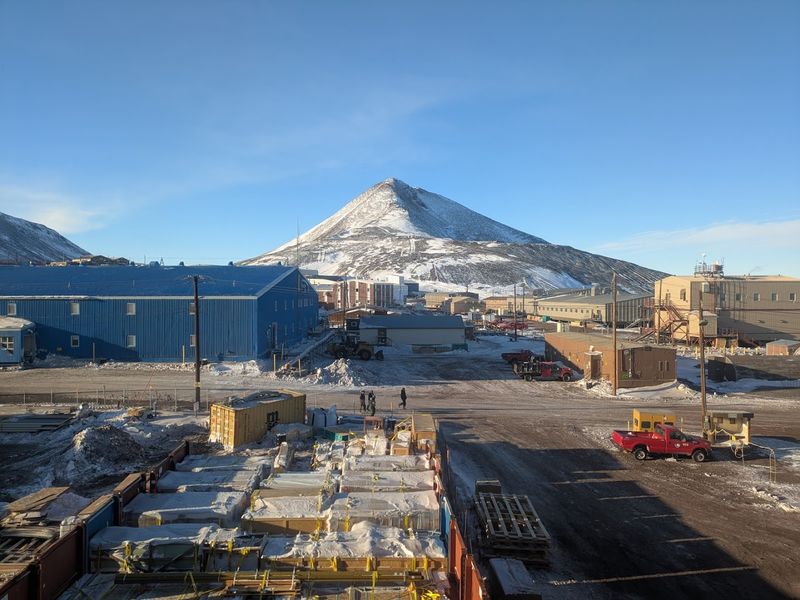
McMurdo Station is the largest research station in Antarctica and the closest thing the frozen continent has to a proper town. Run by the United States, it can house over 1,000 people during the busy summer research season, dropping to around 150 in the brutal winter months.
Temperatures can fall below minus 50 degrees Celsius, and winter storms bring wind speeds capable of knocking a person off their feet.
There are no native permanent residents here. Everyone at McMurdo is either a scientist, a support worker, or a contractor, and everyone knows they will eventually leave.
The station has a store, a gym, a bar, and even a small bowling alley to help residents cope with the isolation. All food, fuel, and supplies must be shipped or flown in at great expense.
McMurdo represents the absolute outer edge of human habitation, a place where people live not because it is comfortable, but because the science being done there matters deeply to understanding our planet.
Share this story