Just a short drive from the beaches and busy restaurants of Naples, Florida, there is a place that feels like a completely different world. Ancient cypress trees tower overhead, their roots rising from dark, still water, while birds you have never seen before glide silently through the air.
A two-mile boardwalk winds through one of the most well-preserved wetland ecosystems in the entire southeastern United States. I had heard about this sanctuary from a friend who called it the most peaceful two hours she had ever spent outdoors, and after my own visit, I completely understood what she meant.
This is Audubon Corkscrew Swamp Sanctuary, and it is the kind of place that stays with you long after you have driven home and kicked off your muddy shoes.
Finding the Sanctuary: Address, Location, and Getting There
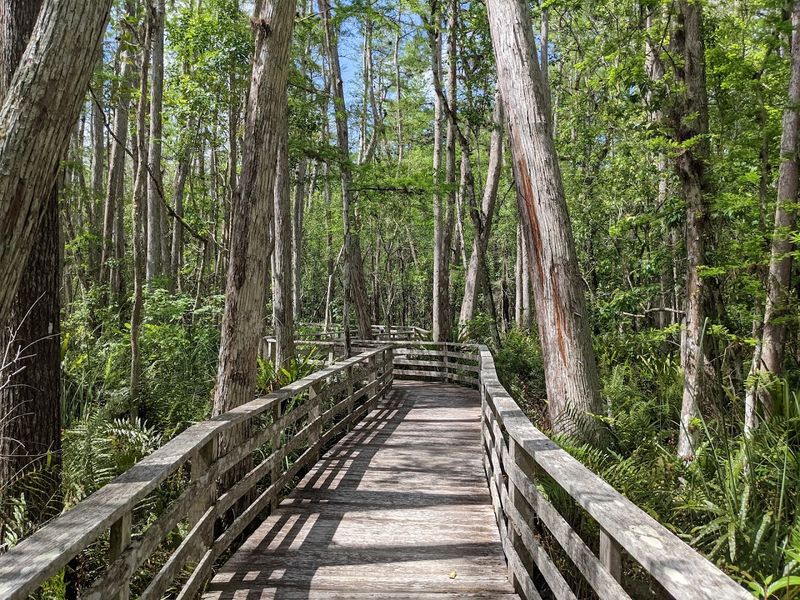
Not every remarkable place is easy to find, and part of the charm of Corkscrew Swamp Sanctuary is that getting there feels like a small adventure in itself. The sanctuary sits at 375 Sanctuary Rd W, Naples, tucked away from the main tourist corridors of Southwest Florida.
From downtown Naples, the drive takes roughly 35 to 40 minutes heading northeast on Immokalee Road. The road narrows as you get closer, flanked by open fields and scrubland that hint at the wild landscape ahead.
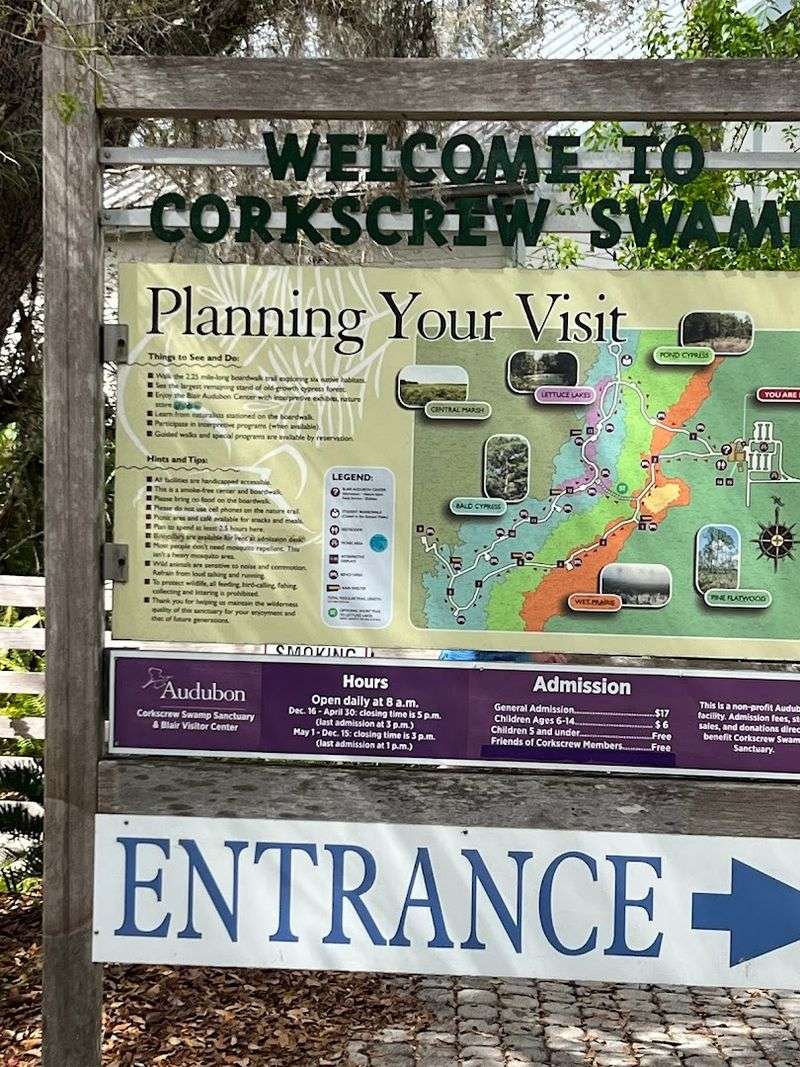
Parking is free and plentiful, which is a genuinely pleasant surprise for a popular nature destination. The sanctuary opens at 8 AM every day of the week and closes at 1 PM, so an early arrival is your best strategy.
The Ancient Cypress Forest That Stops You in Your Tracks
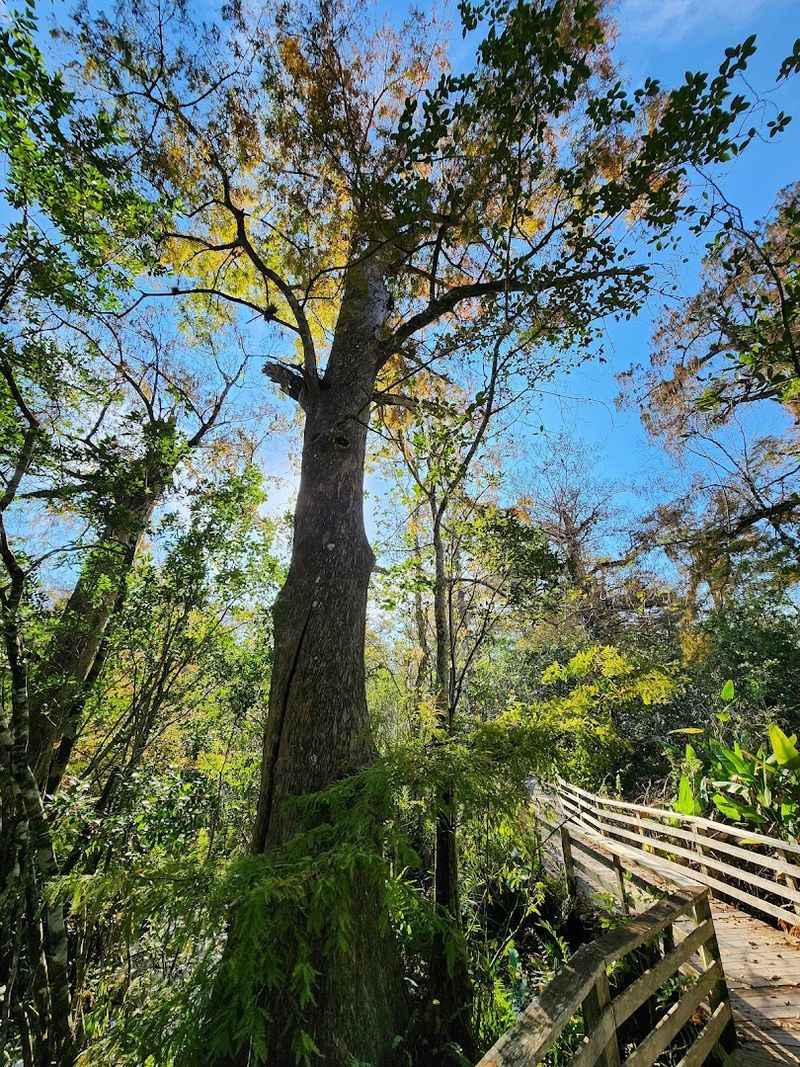
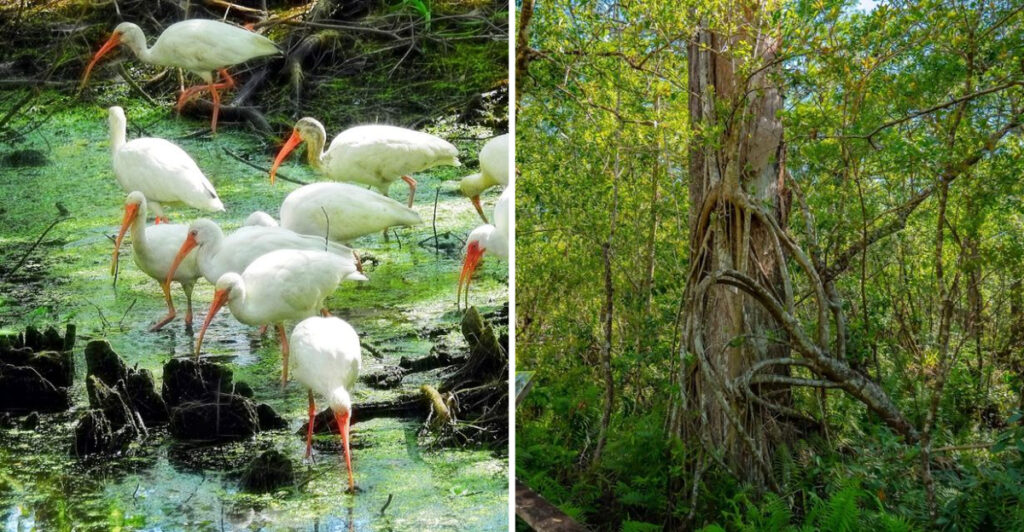
Nothing quite prepares you for the moment you step under the canopy of the old-growth bald cypress forest at Corkscrew. Some of these trees are over 500 years old, their massive trunks flaring out at the base where they meet the water.
This is one of the last remaining stands of old-growth bald cypress in North America, which makes it genuinely rare and worth the drive from anywhere in Florida. The trees reach heights of up to 130 feet, and their canopy creates a cathedral-like atmosphere that is both humbling and quietly thrilling.
Spanish moss drapes from the branches, and the filtered light that reaches the boardwalk below gives everything a soft, almost dreamlike quality. Photographers tend to linger here longer than anywhere else on the trail, and honestly, you will not blame them once you see it for yourself.
The Boardwalk Trail: Two Miles of Pure Discovery
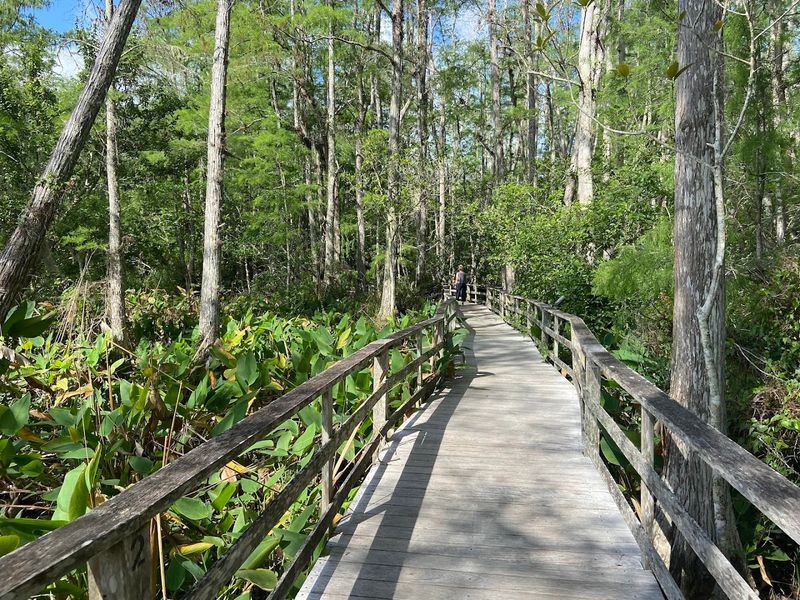
The boardwalk at Corkscrew Swamp Sanctuary is the backbone of the entire experience, and it is impressively well-maintained. Stretching approximately 2.25 miles in total, the trail loops through several distinct ecosystems, from pine flatwoods to wet prairie to the deep cypress forest.
The surface is smooth and sturdy, making it fully accessible for strollers and wheelchairs. I watched a family push two relatives in wheelchairs through the full route without any trouble, which says a lot about how thoughtfully the sanctuary has been designed for all kinds of visitors.
Informative signs are posted throughout the trail, explaining the ecology of each zone you pass through. The signage is clear enough that you do not need a guided tour to understand what you are seeing.
Plan for about two to three hours if you want to read everything, observe wildlife patiently, and truly soak in the atmosphere.
Bird Life That Will Make You Wish You Had Brought Binoculars
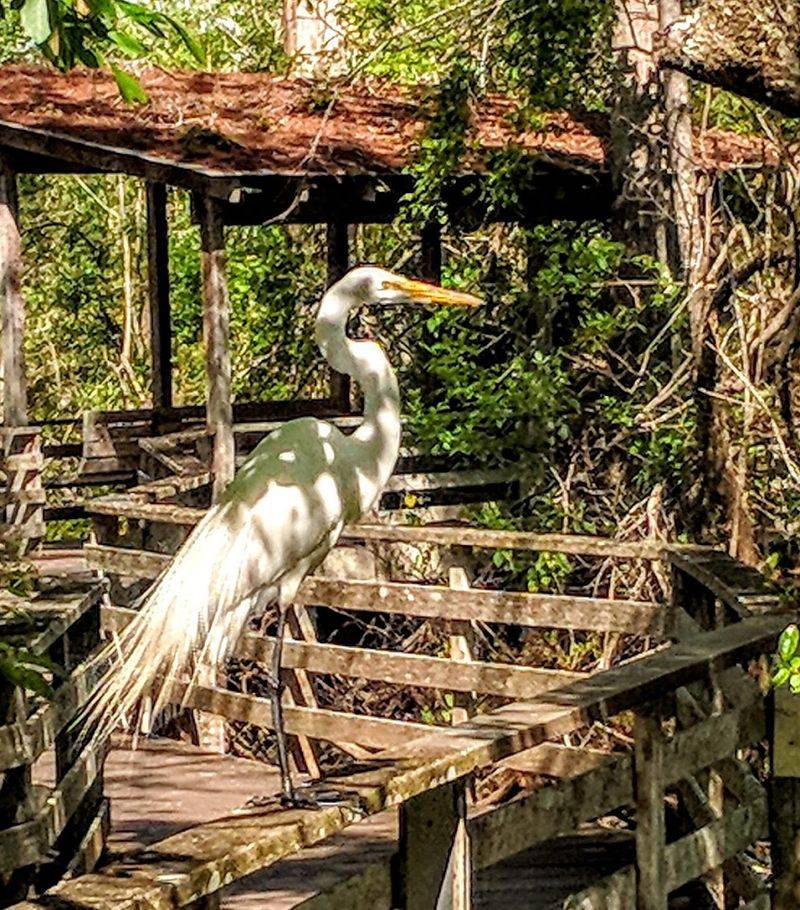
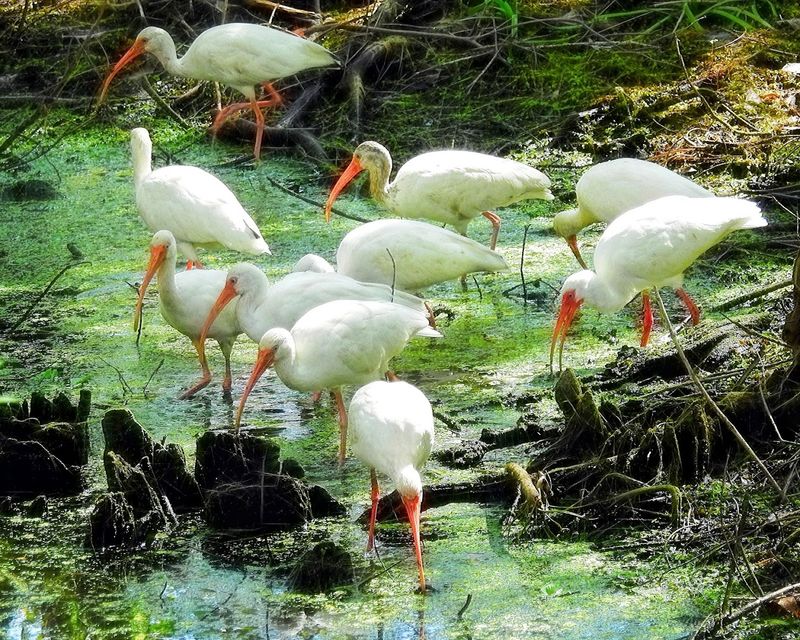
Birders have been coming to Corkscrew Swamp Sanctuary for decades, and the sanctuary has a well-earned reputation as one of the top birding destinations in all of Florida. The species list is long and genuinely impressive.
On my visit, I spotted great egrets, anhingas, and a pair of wood storks wading through the shallow water near the boardwalk. The sanctuary is home to the largest nesting colony of wood storks in the United States, and during the winter months, the nesting activity is spectacular.
A chalkboard near the entrance is updated regularly by staff and volunteers to show which species have been spotted that day, which is a clever and practical touch that gets you excited before you even set foot on the trail. Bring binoculars if you have them, and do not forget to look up into the cypress canopy, because the birds are everywhere.
Alligators, Raccoons, and Other Wildlife Encounters
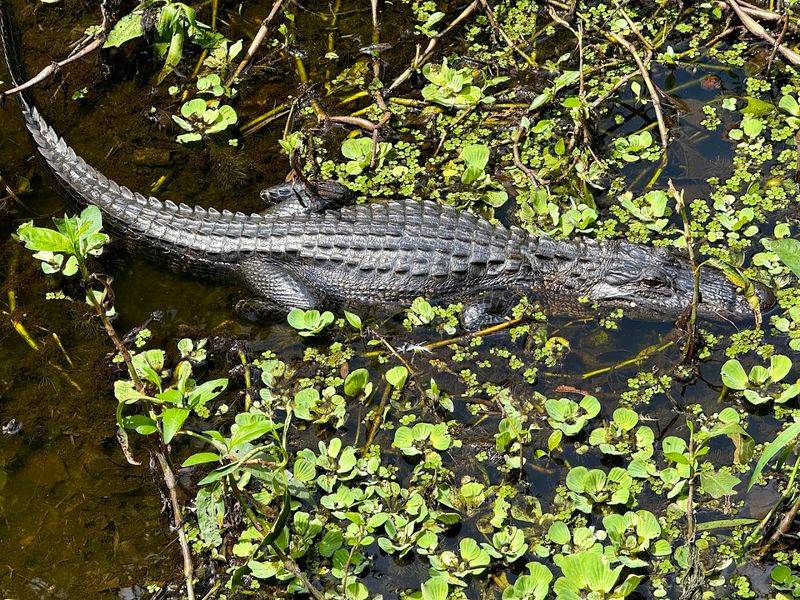
One of the honest thrills of walking the Corkscrew boardwalk is that you never quite know what you are about to see around the next bend. Alligators are a regular presence, and spotting one up close from the safety of the elevated boardwalk is an experience that genuinely gets your heart rate up.
Raccoons are another frequent sighting, and they tend to move through the understory with a casual confidence that suggests they know this is their territory. Snakes occasionally appear on or near the boardwalk, and the variety of turtles sunning themselves on logs adds a relaxed, easy-to-spot layer of wildlife viewing for younger visitors.
The sanctuary protects a living ecosystem, so wildlife sightings are never guaranteed, but the chances are consistently good. Early morning visits tend to produce the most activity, as animals are more mobile before the Florida heat settles in for the day.
The Different Ecosystems You Walk Through on One Trail
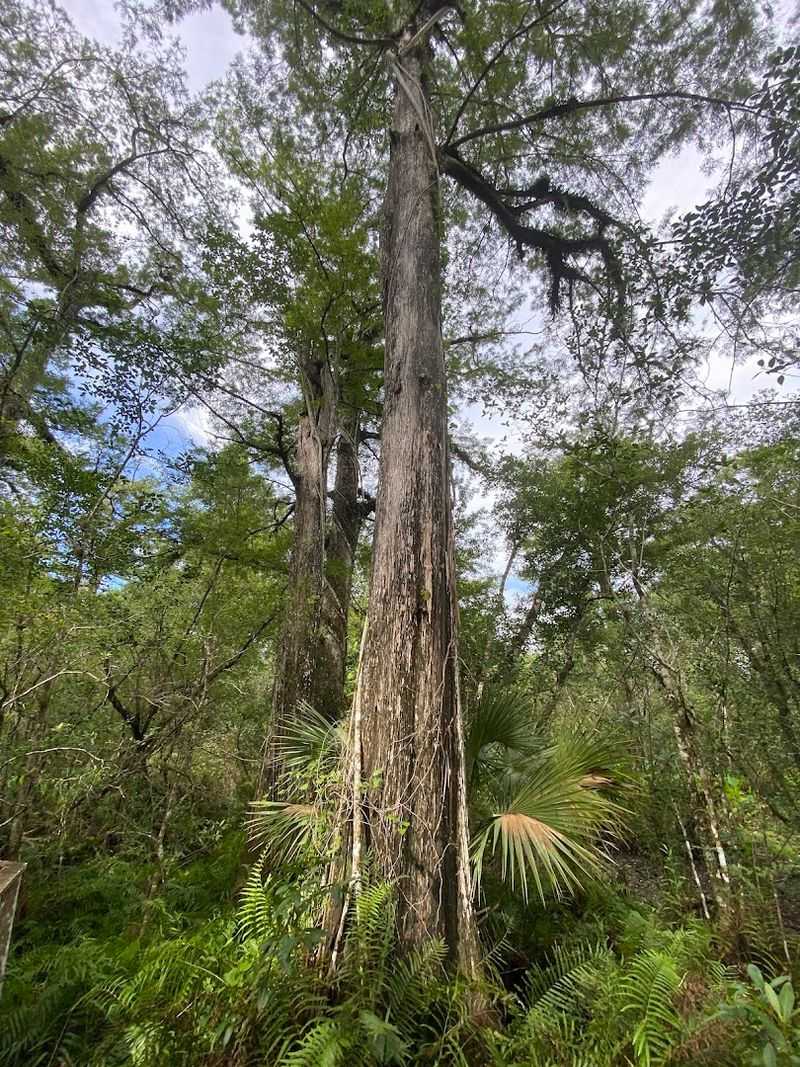
What makes Corkscrew genuinely unique among Florida nature trails is the variety of ecosystems packed into a single 2.25-mile loop. The trail takes you through pine flatwoods, wet prairie, pond cypress forest, and then into the towering old-growth bald cypress dome at the heart of the sanctuary.
Each zone looks and feels noticeably different. The open wet prairie sections offer wide sky views and a chance to spot wading birds from a distance, while the dense cypress forest sections create an enclosed, almost enclosed atmosphere that is completely different in character.
The transition between habitats happens gradually, and the interpretive signs help you understand why each zone supports different species. Visiting all of these ecosystems in a single morning walk is the kind of ecological education that textbooks struggle to match.
The sanctuary essentially offers a compressed tour of the natural diversity of Southwest Florida.
The History of the Sanctuary and Why It Matters
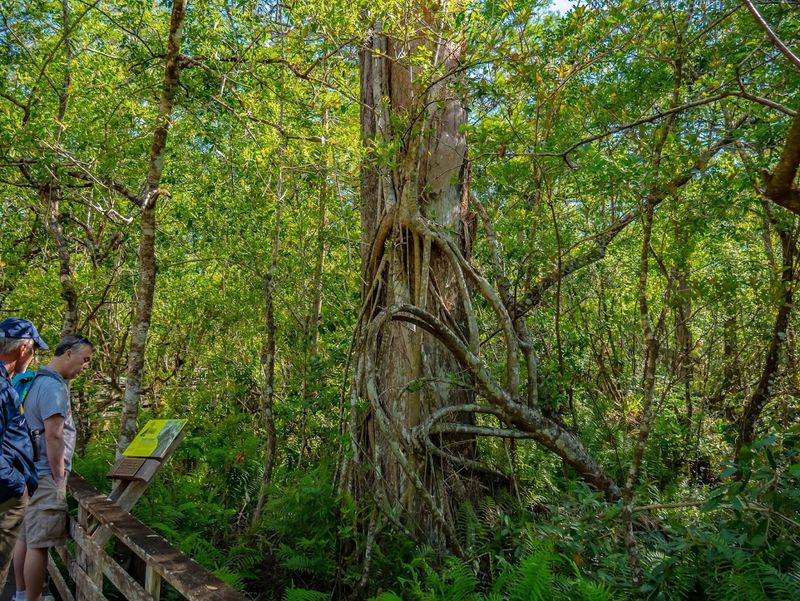
The National Audubon Society established Corkscrew Swamp Sanctuary in 1954, primarily to protect the wood stork nesting colony that had been threatened by logging operations in the region. The old-growth cypress forest had survived centuries of natural change, but the arrival of commercial logging in the early 20th century put it at serious risk.
Conservation advocates fought to protect the area, and the sanctuary was created to ensure that the forest and its wildlife would remain intact for future generations. Today it stands as one of the most important wetland conservation sites in the southeastern United States.
The Audubon Society continues to manage the sanctuary with a focus on habitat preservation and environmental education. Understanding this history adds real weight to your walk through the cypress forest, because every tree you admire is there in part because a group of determined people decided it was worth protecting.
The Blair Audubon Center: Your Gateway to the Swamp
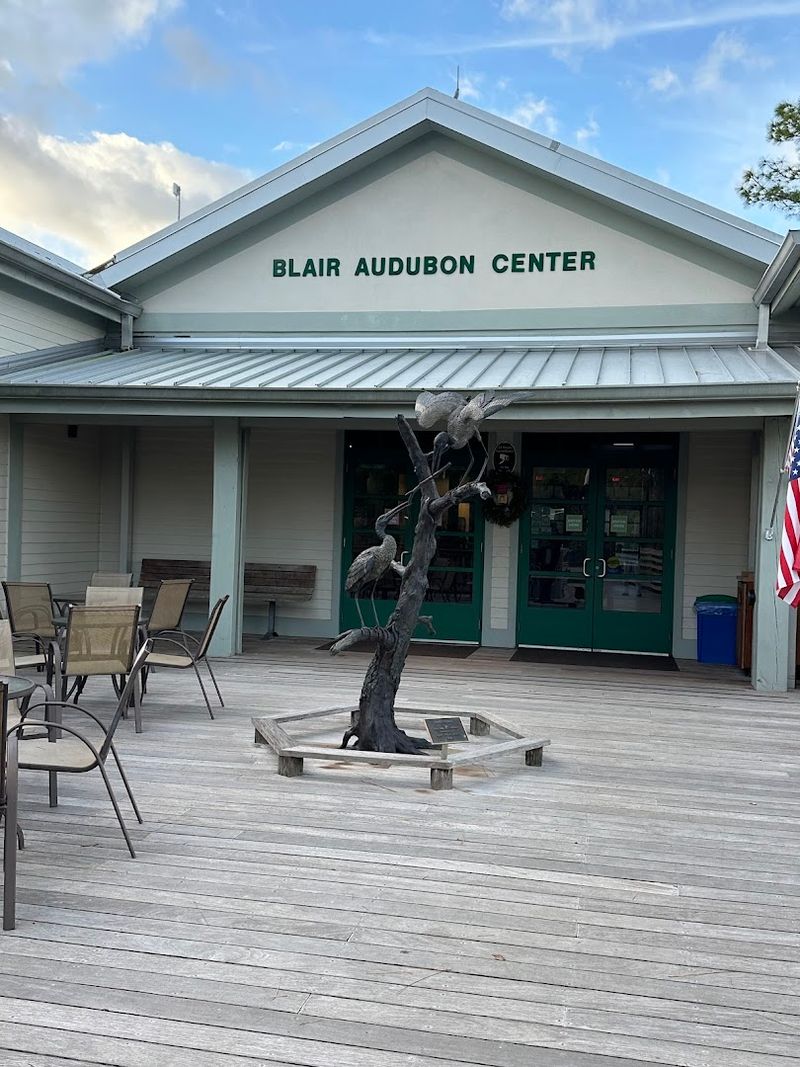
Before you hit the boardwalk, the Blair Audubon Center at the sanctuary entrance is well worth a few minutes of your time. The welcome center is thoughtfully designed, with exhibits that introduce the ecology of the swamp and the history of the Audubon Society’s conservation work in Florida.
Staff and volunteers at the center are genuinely knowledgeable and approachable, and they are happy to point out which areas of the trail are most active that morning. The center also sells trail maps and has clean, well-maintained restrooms, which you will appreciate after a couple of miles in the Florida heat.
Admission is purchased here, currently priced at $17 per adult, which is a fair exchange for access to one of the most ecologically significant landscapes in the state. Annual memberships are available for frequent visitors, and the value adds up quickly if you plan to return more than once.
The Observation Tower and Scenic Lookout Points
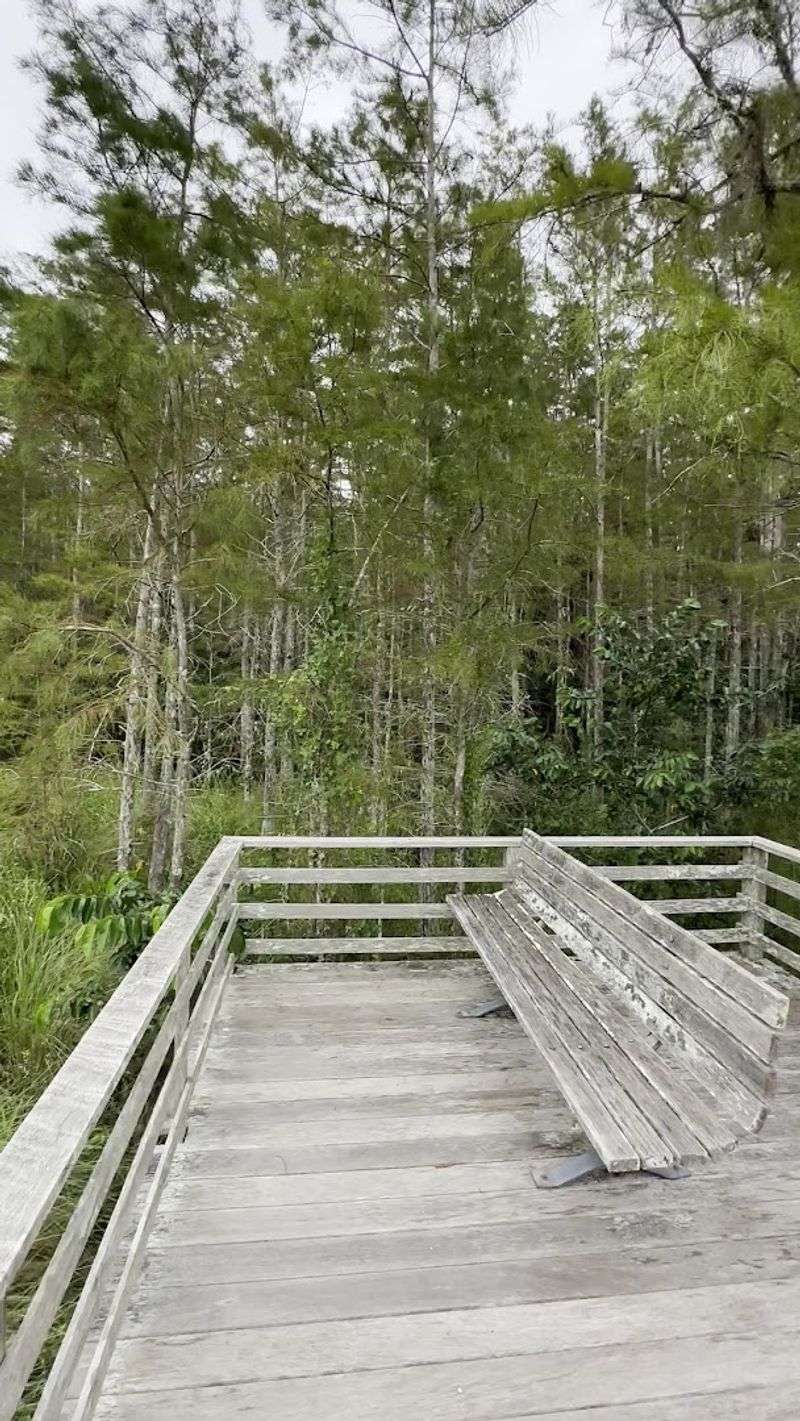
Scattered along the boardwalk trail are several designated observation areas, each positioned to give you the best possible view of a particular habitat or wildlife zone. These spots are fitted with benches and informational panels, making them natural rest stops that also double as serious wildlife-watching platforms.
The observation tower offers an elevated view over the open wet prairie section of the sanctuary, and on a clear morning, the panorama stretches far enough to remind you just how vast and undeveloped this landscape still is. It is one of those views that makes you genuinely glad a place like this was preserved.
I spent about 15 minutes at one of the mid-trail lookout points, watching a pair of anhingas dry their wings on a cypress knee while a great blue heron stood motionless in the shallows below. Some moments on this trail feel almost theatrical in how perfectly composed they are.
Best Time of Year to Visit and What to Expect Each Season
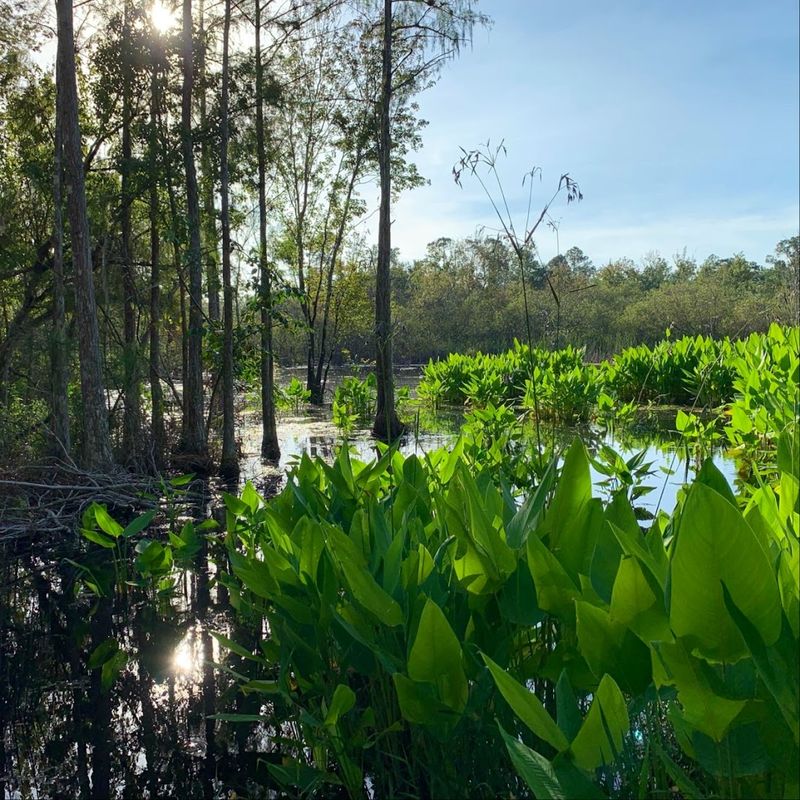
The sanctuary is open year-round, but the experience changes significantly depending on when you visit. Winter, roughly November through March, is widely considered the best time to come, as the cooler temperatures keep insects manageable and water levels drop in ways that concentrate wildlife in visible, accessible areas.
During the dry winter months, hundreds of birds and alligators can sometimes be seen gathered in the same shallow pools, creating wildlife viewing opportunities that are genuinely hard to find anywhere else in Florida. The wood stork nesting season peaks in winter as well, adding another layer of activity to the cypress forest.
Summer visits are perfectly possible, but the heat and humidity are intense, and the insect activity increases considerably. Going early in the morning during summer months is the smart move, as the sanctuary opens at 8 AM and conditions are most comfortable in the first hour or two after opening.
Practical Tips for First-Time Visitors
A few practical details can make the difference between a good visit and a great one at Corkscrew. Wearing closed-toe shoes is a smart choice even though the trail is entirely on boardwalk, because the wood can get slippery in humid conditions and bugs near the edge of the boards can be persistent.
Insect repellent is a genuine necessity during the warmer months, and sunscreen matters even under the cypress canopy because the open prairie sections offer very little shade. A refillable water bottle is worth bringing, as the Florida heat can catch you off guard even on what seems like a mild morning.
The sanctuary is stroller and wheelchair accessible throughout the boardwalk, which is a significant accessibility feature that not every Florida nature trail can claim. Mornings on weekdays are typically quieter than weekends, so if you prefer fewer crowds and a more solitary experience, a Tuesday or Wednesday visit is your best bet.
Family-Friendly Features and Activities for Kids
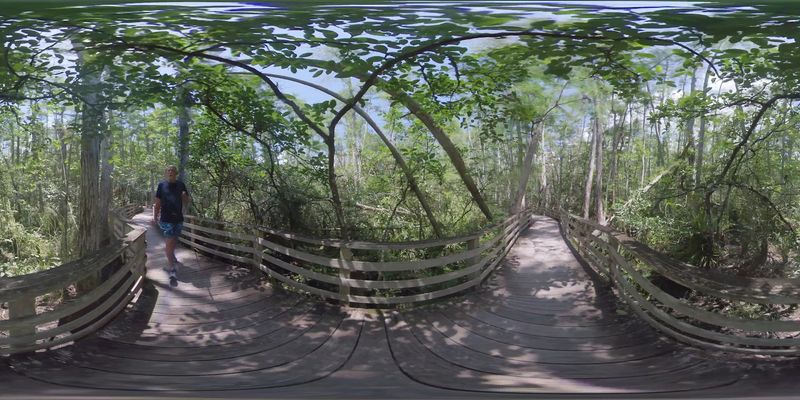
Bringing children to Corkscrew Swamp Sanctuary turns out to be a genuinely rewarding experience, largely because the boardwalk format keeps the walk manageable and the wildlife sightings come frequently enough to hold young attention spans. Spotting an alligator from the safety of the elevated boardwalk is the kind of moment kids talk about for weeks.
The interpretive signs along the trail are written in a way that older children can engage with independently, while younger kids tend to be captivated by the sheer sensory experience of the swamp: the sounds, the smells, the movement of birds and turtles in the water below.
The sanctuary also offers educational programs and guided walks on select dates, which are particularly well-suited for school groups and families with curious young naturalists. Checking the events calendar on the sanctuary’s website before your visit gives you a chance to plan around any special programming that might enhance the trip.
Photography Opportunities That Are Hard to Find Anywhere Else
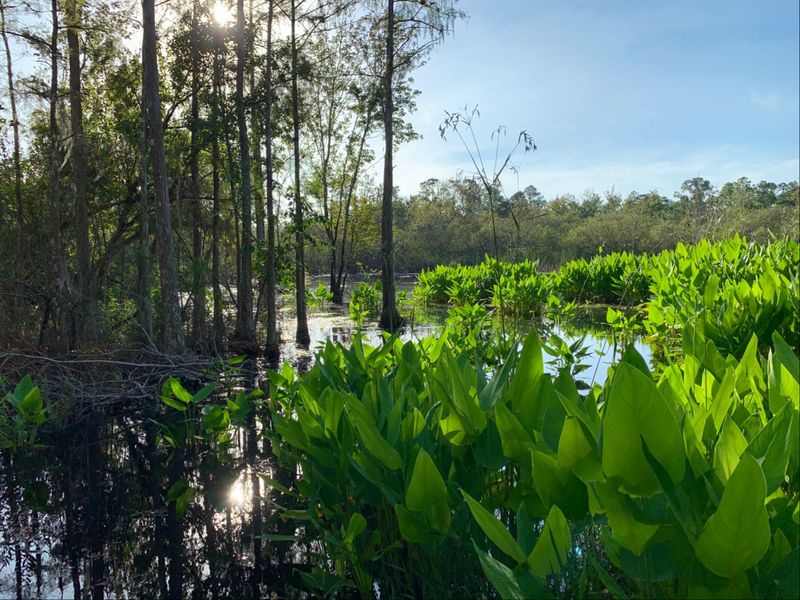
Photographers who visit Corkscrew Swamp Sanctuary for the first time tend to leave with memory cards full of images they did not expect to capture. The combination of dramatic cypress architecture, dark reflective water, and abundant wildlife creates conditions that produce compelling photographs almost effortlessly.
Early morning light filtering through the cypress canopy is particularly striking, and the golden hour after opening produces a soft, warm quality of light that flatters both landscapes and wildlife subjects. The boardwalk’s elevated perspective puts you at eye level with many birds, which results in portrait-style wildlife shots that feel intimate rather than distant.
The wet prairie sections offer wide-angle opportunities with big skies and open water, while the dense cypress dome rewards macro photographers who want to focus on textures, roots, and the intricate details of swamp vegetation. Carrying a telephoto lens alongside a wider option gives you the flexibility to capture both scales of this remarkable landscape.
Why This Place Deserves a Spot on Every Florida Itinerary
Florida has no shortage of beautiful natural spaces, but Corkscrew Swamp Sanctuary occupies a category of its own. The combination of ancient trees, diverse wildlife, accessible trail design, and genuine conservation significance makes it a destination that rewards visitors of all ages and interest levels.
Most people who visit once find themselves planning a return trip before they have even left the parking lot. The sanctuary changes with the seasons, the water levels, and the time of day, meaning that no two visits are quite the same.
That quality of natural unpredictability is increasingly rare and genuinely valuable.
At $17 per person, the entrance fee is reasonable for what you receive: access to a living, breathing ecosystem that has been carefully protected for over 70 years. If your Florida itinerary currently consists only of beaches and theme parks, Corkscrew Swamp Sanctuary is the addition that will make the whole trip feel more complete.
Share this story