The United States is home to some of the world’s most amazing wildlife, but not all of it is thriving. Some animals are so rare that only a handful remain on Earth, clinging to survival in small pockets of wild land or water.
Habitat loss, climate change, and human activity have pushed many species to the edge of extinction. Learning about these creatures is the first step toward protecting them.
1. Devils Hole Pupfish
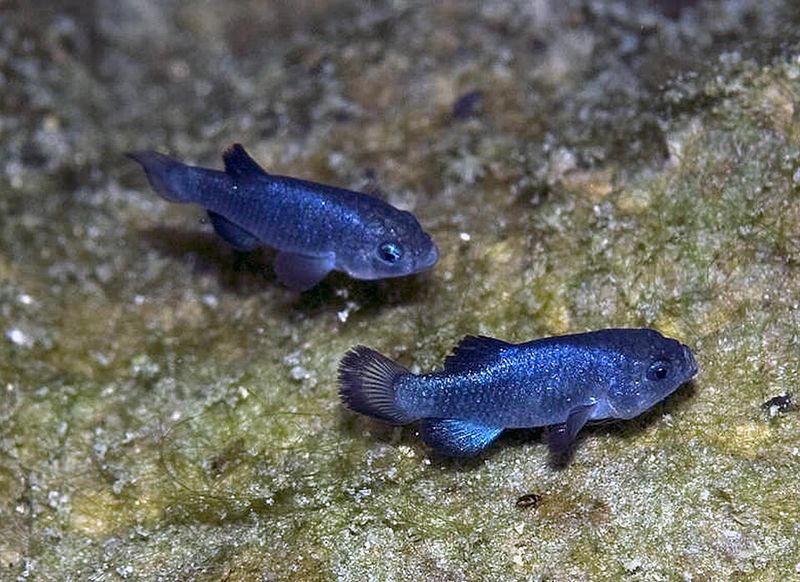
Imagine a fish that lives in a single cave pool no bigger than a parking space. That is exactly where the Devils Hole Pupfish calls home, deep inside a geothermal pool in Nevada’s Mojave Desert.
Scientists have studied this fish for decades, marveling at how it survives in such an extreme environment with very little oxygen and almost no food.
Fewer than 300 pupfish are typically alive at any given time, making them one of the rarest vertebrates on the planet. The water temperature stays around 93 degrees Fahrenheit year-round, conditions that would be deadly for most other fish.
Earthquakes from across the globe can actually create waves in Devils Hole that destroy the fish’s spawning shelf.
The U.S. government has gone to great lengths to protect this tiny species, including building a backup habitat facility nearby. Every individual fish truly matters here.
2. Rice’s Whale
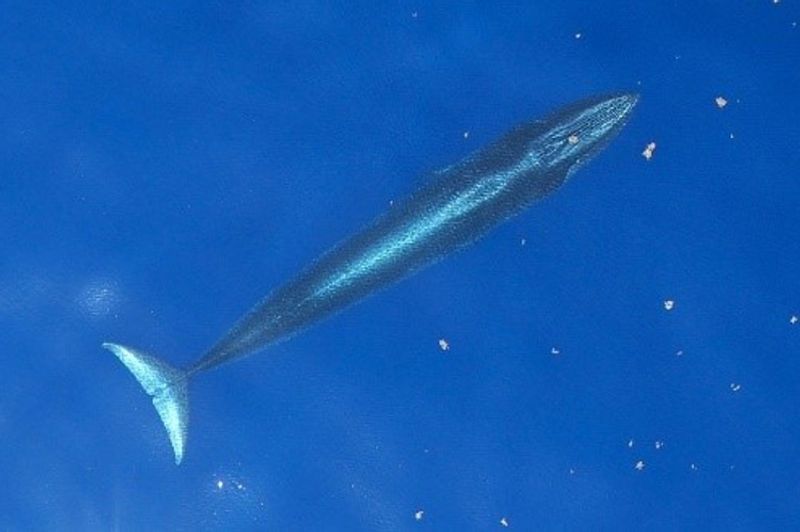
Only discovered as its own distinct species in 2021, Rice’s Whale already holds a heartbreaking title: one of the most endangered whales on Earth. Fewer than 100 individuals are believed to exist, all living in the northeastern Gulf of Mexico.
Named after marine biologist Dale Rice, this whale was long confused with Bryde’s Whale before genetic testing revealed it was something entirely unique.
Oil spills, ship strikes, and fishing gear entanglement are the biggest threats this whale faces every single day. The aftermath of the 2010 Deepwater Horizon disaster hit this species especially hard, contaminating the very waters where it feeds and breeds.
Recovery has been painfully slow because the whales reproduce at a very low rate.
Conservation teams now monitor the population closely using acoustic technology and aerial surveys. Every sighting is treated as critically important data for saving the species.
3. Red Wolf
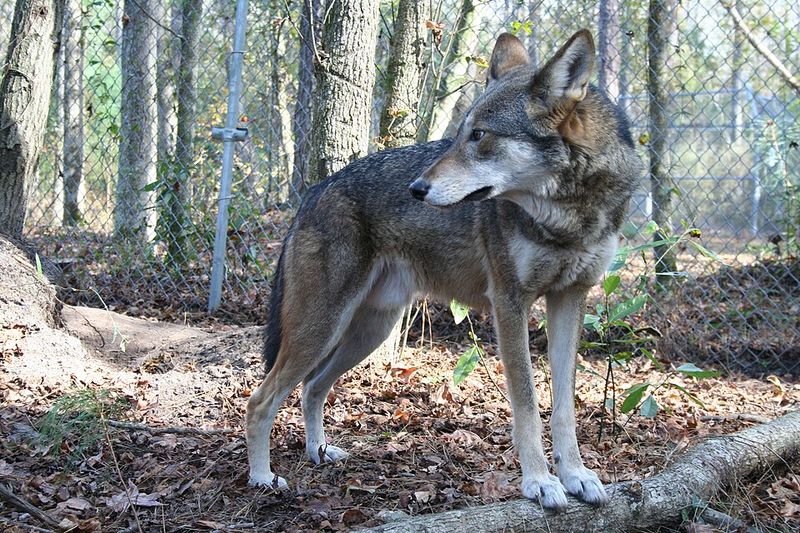
Once roaming across the entire southeastern United States, the Red Wolf has been reduced to fewer than 20 individuals surviving in the wild today. That makes it one of the rarest wild canines anywhere on Earth.
These wolves are smaller than gray wolves but larger than coyotes, with a distinctive reddish-brown coat that gives them their name.
The species was actually declared extinct in the wild in 1980, but a captive breeding program brought it back from the brink. A small reintroduced population now lives in eastern North Carolina, carefully monitored by wildlife officials.
Hybridization with coyotes remains a serious ongoing challenge, as the two species can interbreed and dilute the red wolf gene pool.
Hunting, vehicle collisions, and habitat fragmentation continue to threaten recovery efforts. Conservation organizations are working hard to expand the recovery zone and protect existing individuals from preventable deaths.
4. Hawaiian Crow (Alala)
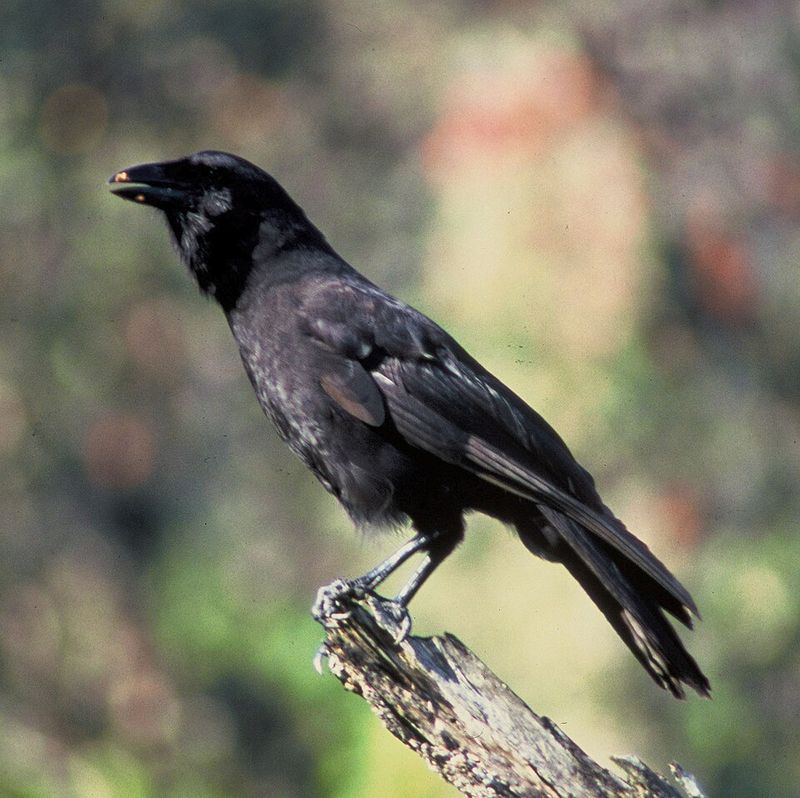
Known in Hawaiian culture as the Alala, the Hawaiian Crow holds a sacred place in island tradition, considered a family guardian spirit by native Hawaiians. By 2002, the species had completely vanished from the wild, making it functionally extinct outside of captivity.
Habitat destruction, introduced predators like rats and mongooses, and disease all played roles in wiping out wild populations.
Reintroduction programs led by the San Diego Zoo Wildlife Alliance have been releasing captive-raised birds back into carefully selected Hawaiian forest sites since 2016. Results have been mixed but encouraging, with some birds successfully surviving and adapting to wild conditions.
These crows are remarkably intelligent, known to use sticks as tools to extract insects from tree bark.
Protecting the native Hawaiian forest ecosystem is essential for any long-term recovery. Without enough safe habitat free from introduced predators, even the best reintroduction efforts face serious obstacles.
5. Black-Footed Ferret
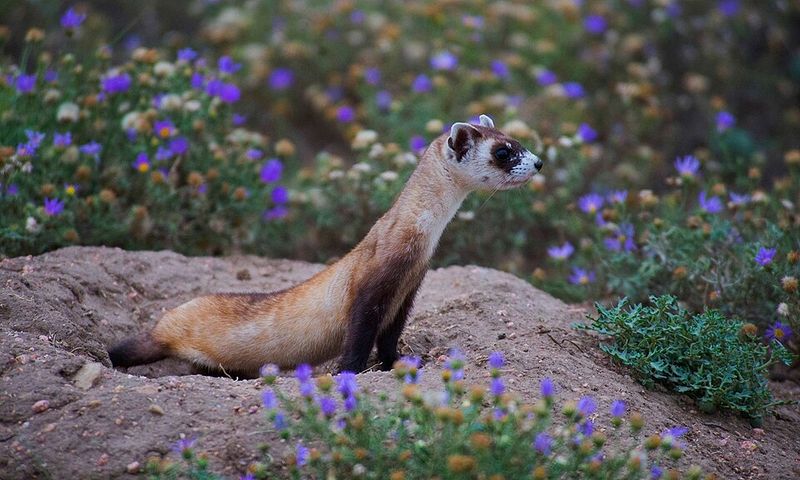
Declared extinct in 1979, the Black-Footed Ferret made one of the most dramatic wildlife comebacks in American history when a small colony was accidentally discovered on a Wyoming ranch in 1981. A dog named Shep brought a dead one home, alerting ranchers to the population’s existence.
That chance discovery launched an intensive captive breeding program that saved the entire species.
Black-Footed Ferrets depend almost entirely on prairie dogs for both food and shelter, using their burrows as homes and hunting them as their primary prey. Prairie dog population declines, driven by poisoning and disease, remain the biggest threat to ferret recovery today.
Sylvatic plague, a disease that devastates prairie dog colonies, can wipe out a ferret food source overnight.
Today, several hundred Black-Footed Ferrets exist thanks to breeding programs, with animals reintroduced across multiple states. Scientists are even experimenting with plague vaccines to protect prairie dog colonies and, in turn, help the ferrets thrive.
6. California Condor
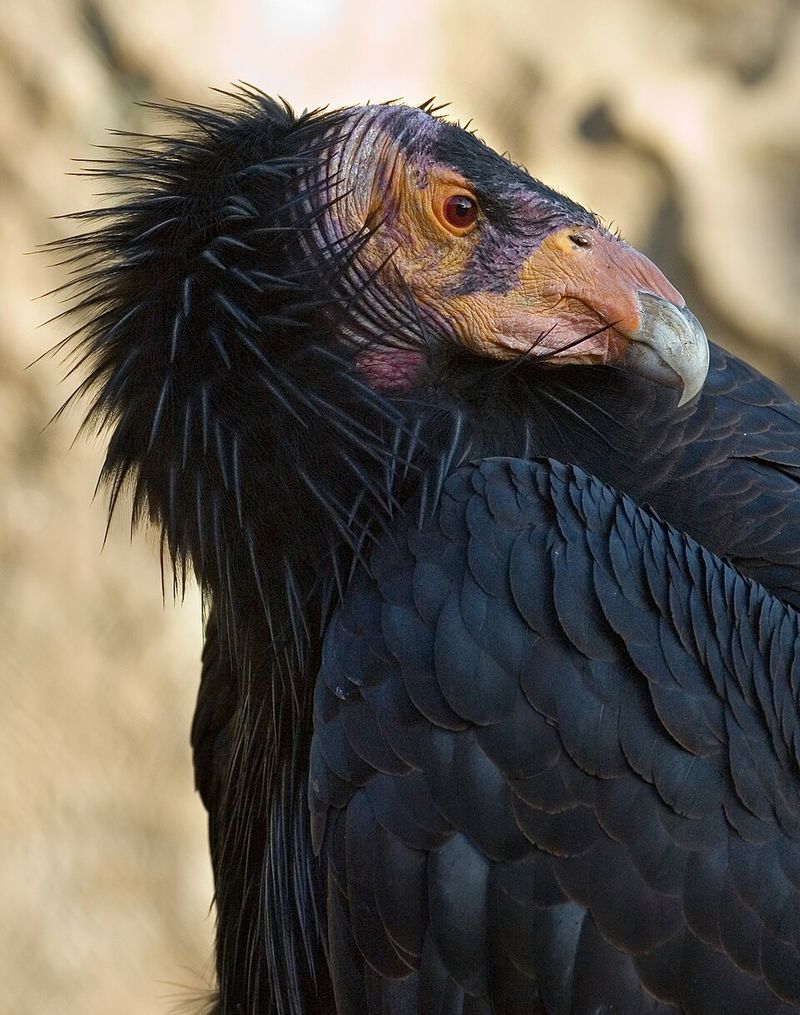
With a wingspan stretching nearly ten feet, the California Condor is the largest flying bird in all of North America. By 1987, the situation had become so desperate that wildlife officials captured every last wild condor, just 27 birds, to save the species through captive breeding.
That bold, controversial decision turned out to be one of the most successful conservation moves in U.S. history.
Lead poisoning from ammunition in hunter-killed carcasses remains the number one killer of condors today, even after decades of recovery work. These birds are natural scavengers, soaring hundreds of miles daily in search of dead animals to eat.
When they consume carcasses contaminated with lead fragments, the results are often fatal.
More than 500 condors now exist, with over 300 living in the wild across California, Arizona, Utah, and Baja California. Continued monitoring, lead-free ammunition advocacy, and public education keep this recovery moving forward steadily.
7. Florida Panther
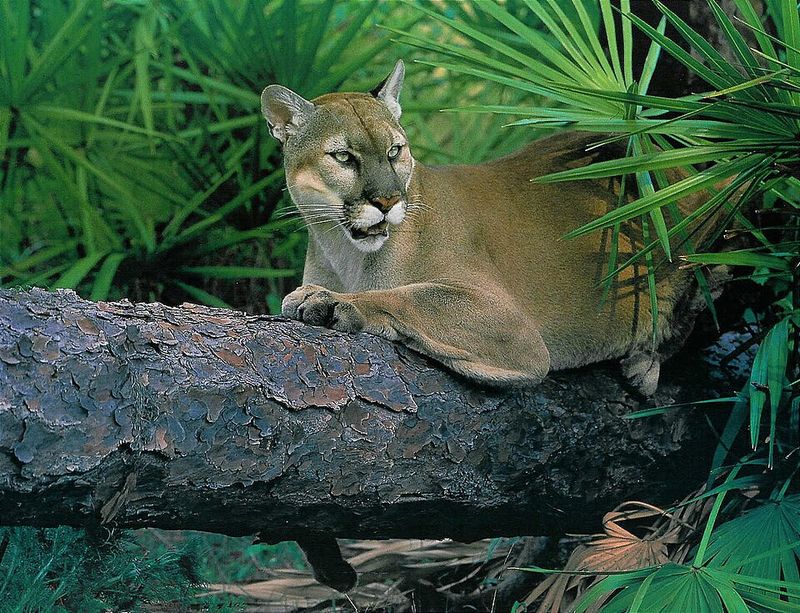
Slipping silently through the cypress swamps and saw grass prairies of South Florida, the Florida Panther is one of the most endangered mammals in the entire country. By the 1990s, fewer than 30 remained, and inbreeding had caused serious genetic problems including heart defects and poor reproductive rates.
Wildlife managers made the bold decision to introduce Texas Pumas to restore genetic diversity, and it worked remarkably well.
Today, an estimated 120 to 230 Florida Panthers survive, a significant improvement but still far from secure. Vehicle collisions on roads cutting through panther territory remain one of the leading causes of death.
Habitat loss driven by real estate development continues to shrink the landscape these big cats need to roam and hunt.
Florida Panther National Wildlife Refuge and other protected lands provide critical safe zones. Wildlife crossing underpasses beneath busy highways have proven effective at reducing deadly road collisions for this iconic species.
8. Mississippi Gopher Frog
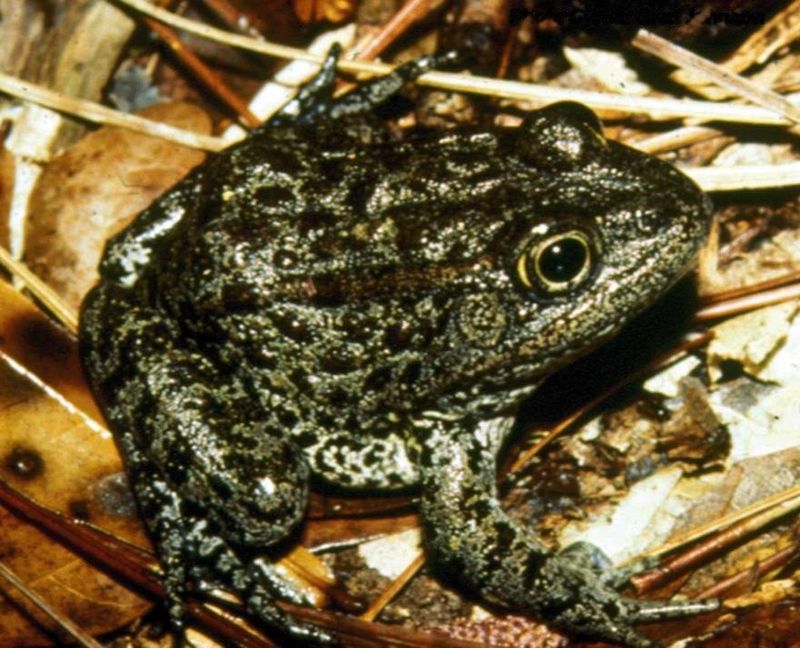
Grumpy-looking and covered in dark spots, the Mississippi Gopher Frog might not win any beauty contests, but it is one of the most remarkable amphibians in America. Fewer than 200 adult frogs were documented in the wild at the species’ lowest point, all crowded into just a handful of ponds in southern Mississippi.
Their survival depends on a very specific combination of habitat: longleaf pine forests with seasonal ponds that dry out in summer.
The drying of these ponds is actually important because it prevents fish from establishing populations that would eat frog eggs and tadpoles. Gopher frogs also use tortoise burrows for shelter on land, creating an interesting dependency on another threatened species.
Restoring and protecting longleaf pine ecosystems is therefore essential for the frog’s long-term survival.
A Supreme Court case in 2018 drew national attention to this frog’s plight, debating whether critical habitat can be designated in areas where the species does not currently live.
9. Hawaiian Monk Seal
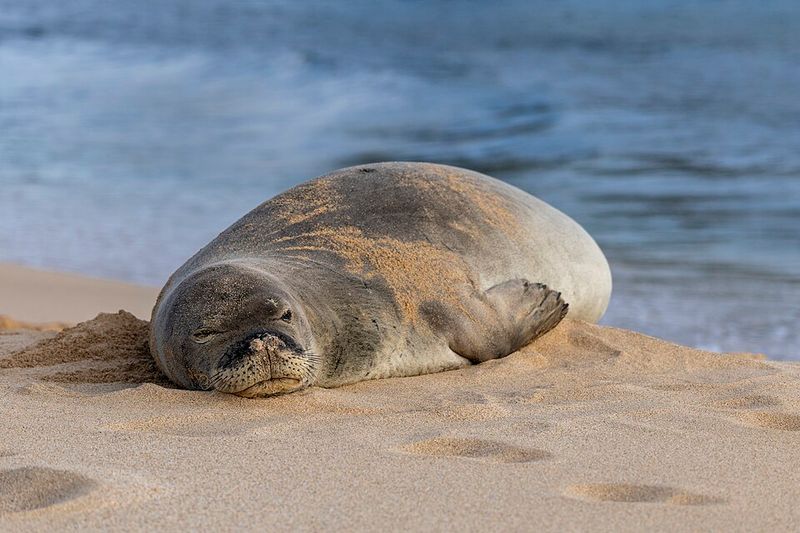
Rolling lazily on remote Hawaiian beaches, the Hawaiian Monk Seal looks like it has not a care in the world. But this ancient species, whose lineage stretches back around 15 million years, is fighting a quiet battle for survival.
Fewer than 1,400 remain alive today, making it one of the most endangered marine mammals in the world.
Hawaiian Monk Seals face threats from entanglement in fishing gear, shark predation, food shortages caused by overfishing, and the effects of climate change on their coral reef feeding grounds. Males sometimes fatally injure females during mating, a behavior researchers call mobbing, which has required human intervention to prevent population decline.
Toxoplasmosis, a disease spread by feral cat feces washing into the ocean, has also killed seals in recent years.
NOAA runs active recovery programs including rescuing injured seals, vaccinating pups, and relocating seals away from dangerous situations. Public awareness campaigns encourage beachgoers to keep a respectful distance.
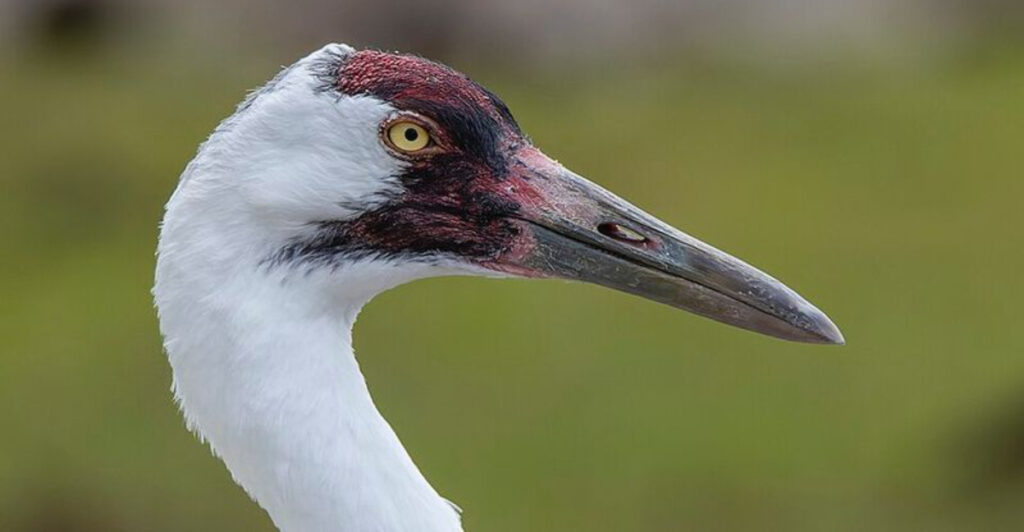
10. Whooping Crane
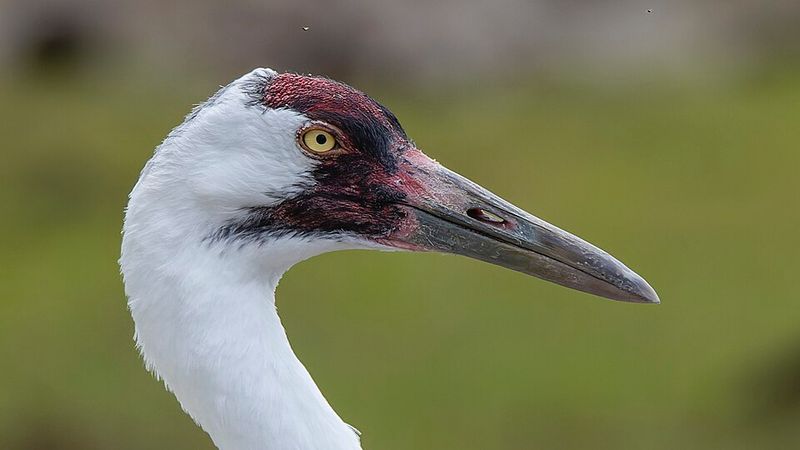
Standing nearly five feet tall with a striking white plumage and a bold red crown, the Whooping Crane is impossible to miss. Yet by 1941, only 21 of these magnificent birds were left on Earth, pushed to the edge by hunting and the destruction of wetland habitats.
That tiny population represented the last wild flock of an entire species.
Decades of protection, captive breeding, and an extraordinary effort to teach captive-raised cranes a new migration route using ultralight aircraft helped bring the population back. Today, around 800 Whooping Cranes exist between wild and captive populations, a hard-won recovery that took generations of dedicated work.
They migrate between their Canadian breeding grounds in Wood Buffalo National Park and their Texas wintering grounds at Aransas National Wildlife Refuge.
Power line collisions and drought affecting wetland stopover sites remain ongoing concerns. Every breeding season is closely watched by conservationists hoping to see the population continue to grow.
11. Key Deer
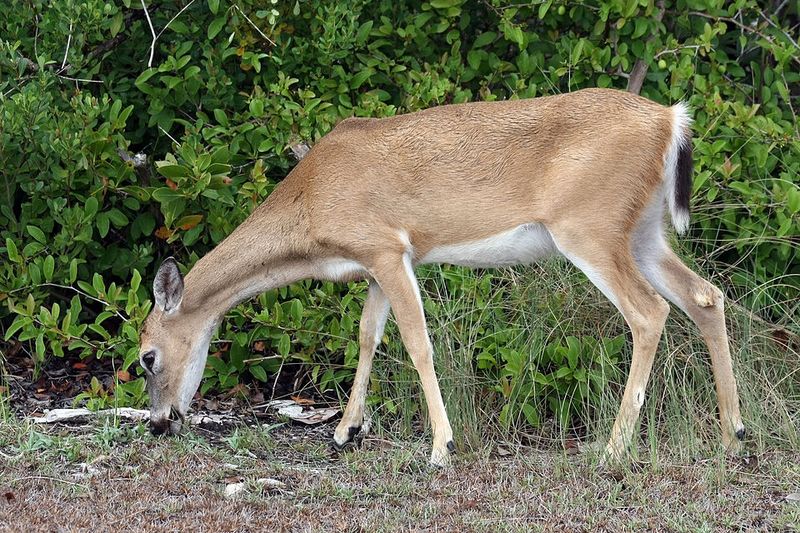
About the size of a large dog, the Key Deer is the smallest subspecies of white-tailed deer in North America, found only on a handful of islands in the Florida Keys. At their lowest point in the 1950s, fewer than 50 remained after decades of hunting and habitat loss.
Federal protection and the creation of the National Key Deer Refuge helped the population slowly rebuild to around 700 to 800 animals today.
Vehicle strikes are now the leading cause of death for Key Deer, as the islands they inhabit are crisscrossed with roads and increasingly developed for tourism and housing. Hurricane Irma in 2017 killed more than 20 percent of the entire population in a single storm event, a devastating reminder of how vulnerable small island populations can be.
Fresh water availability is also a growing challenge as sea levels rise.
Reduced speed limits in key areas and wildlife crossing signage have helped lower road mortality somewhat. Continued habitat protection remains the foundation of their survival.
12. Mount Graham Red Squirrel
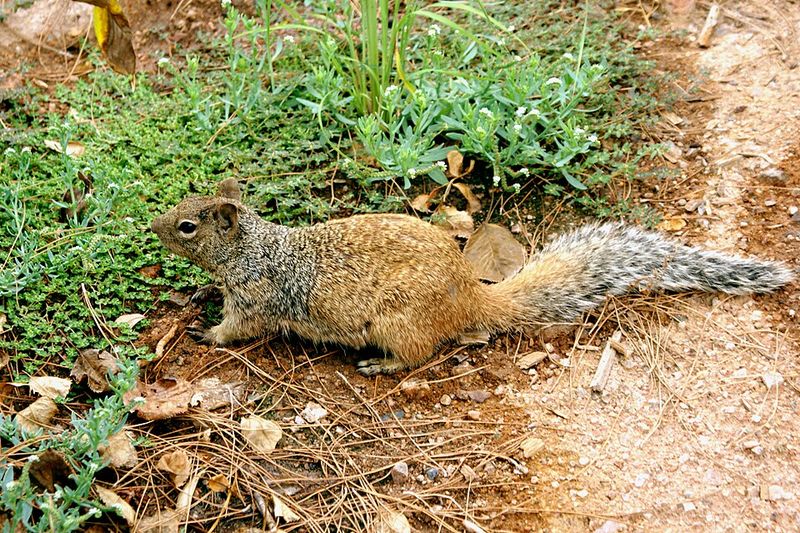
Perched high in the cool spruce-fir forests of Arizona’s Pinaleno Mountains, the Mount Graham Red Squirrel exists nowhere else on Earth. Its entire world is a single mountain range, and its entire habitat covers just a few square miles at the highest elevations.
Population surveys have recorded as few as 35 individuals during particularly bad years, making every surviving squirrel critically important.
Wildfire poses the most immediate threat to this species, as high-severity fires can destroy the old-growth forest the squirrel depends on for food caches and nesting sites. A series of fires in the early 2000s burned through significant portions of its habitat, sending populations into freefall.
Disease, drought, and competition with introduced Abert’s Squirrels add further pressure.
Recovery plans focus on habitat restoration, monitoring population numbers, and managing forest conditions to reduce catastrophic fire risk. The squirrel became a flashpoint in conservation debates during the construction of a telescope observatory on Mount Graham in the 1990s.
13. San Joaquin Kit Fox
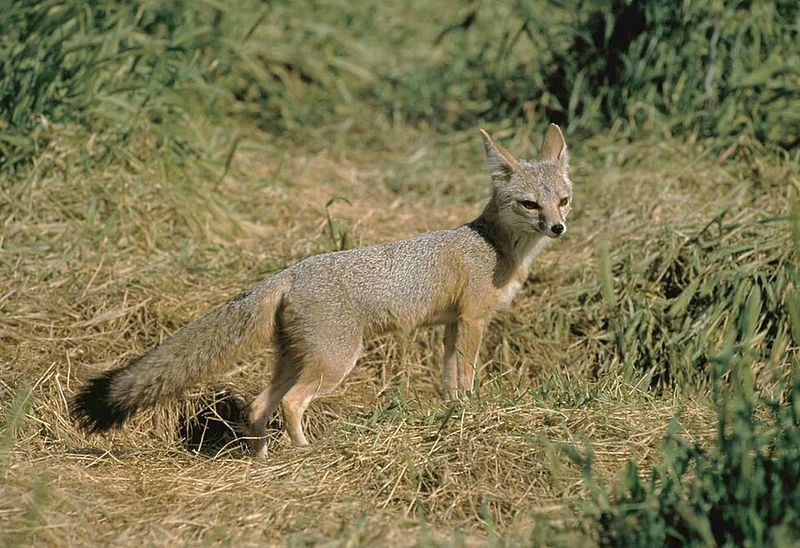
With ears nearly as tall as its head and a light sandy coat perfect for blending into dry California grasslands, the San Joaquin Kit Fox is one of the most charming and least-known endangered animals in the American West. Once widespread across California’s Central Valley, this small fox has lost more than 90 percent of its original habitat to agriculture, oil development, and urban sprawl.
Fewer than 7,000 are believed to survive today.
Kit foxes are nocturnal hunters, chasing kangaroo rats, rabbits, and insects across open ground under the cover of darkness. They dig complex burrow systems that also provide shelter for other species, making them an important part of the desert ecosystem.
Rodenticides used on farms and ranches poison kit foxes that eat contaminated prey animals.
Interestingly, some urban kit fox populations have adapted to living in cities like Bakersfield, using storm drains and parks as substitute habitat. These city foxes offer researchers valuable insight into how wildlife adapts to human environments.
14. Salt Creek Tiger Beetle
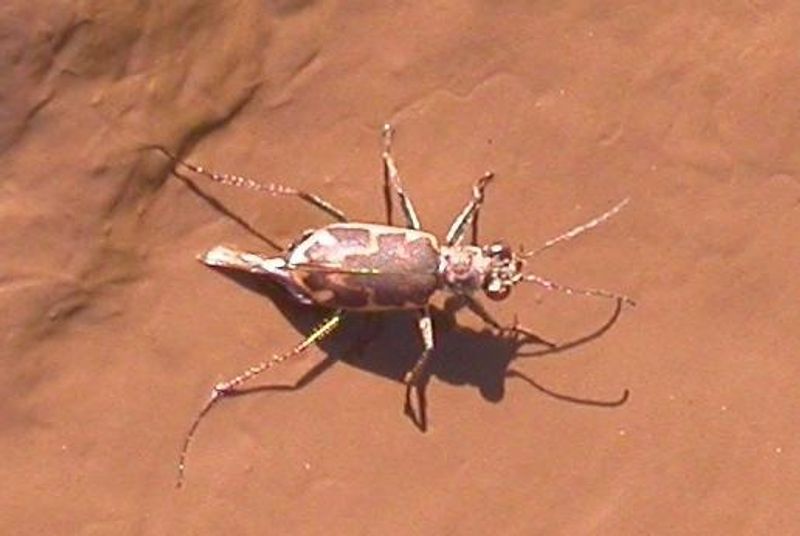
Measuring barely half an inch long, the Salt Creek Tiger Beetle might be the smallest animal on this list, but its rarity is enormous. Found only in the saline wetlands around Salt Creek in Lancaster County, Nebraska, this beetle has one of the most restricted ranges of any insect in the United States.
Surveys have counted as few as 200 adults during some years, placing it among the rarest beetles anywhere on Earth.
The beetle depends entirely on the unique chemistry of Nebraska’s salt marshes, a habitat type that has been reduced by more than 90 percent due to agriculture and urban development around Lincoln. Its larvae live in moist soil near the water’s edge, making them extremely vulnerable to any changes in water levels or soil conditions.
Even slight habitat alterations can wipe out an entire local population.
Conservation efforts focus on protecting and restoring the remaining saline wetland patches. Landowner cooperation and public awareness have become essential tools in keeping this tiny beetle from disappearing forever.
15. Island Fox
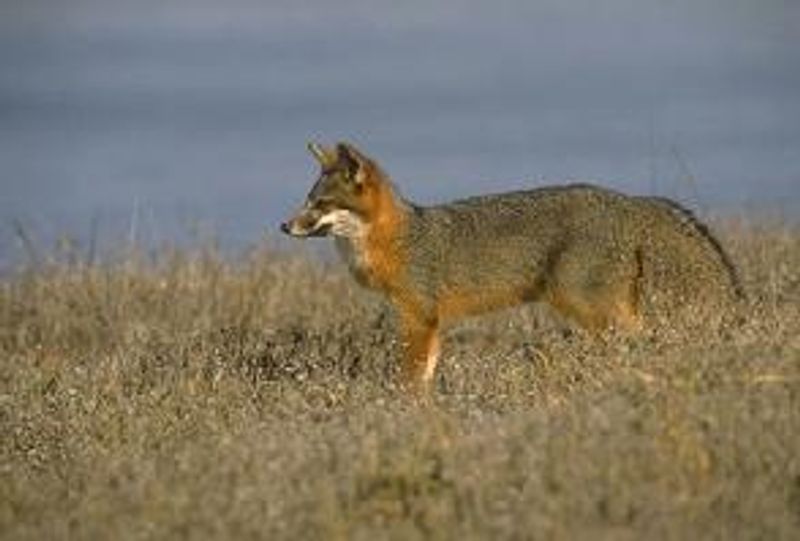
Smaller than a house cat and found only on six of California’s Channel Islands, the Island Fox is a living example of what biologists call island dwarfism, where animals evolve to be smaller over generations in isolated environments. By the late 1990s, populations on several islands had crashed to fewer than 100 individuals, driven to the brink by golden eagles that had moved in after DDT poisoning decimated bald eagle populations.
The recovery story that followed is genuinely one of conservation’s greatest success stories. Golden eagles were relocated, bald eagles were reintroduced to reclaim their territory, and captive breeding programs rapidly rebuilt fox numbers.
Within just a few years, populations rebounded so dramatically that the fox was removed from the endangered species list in 2016, one of the fastest recoveries ever recorded.
Island Foxes are naturally fearless around humans due to their isolated evolution, which makes them both endearing and vulnerable. Continued monitoring ensures the recovered populations stay healthy and stable.
Share this story