There is a place in Jacksonville where the past does not stay buried. The wind moves through old tabby ruins, oak trees cast long shadows over weathered walls, and the stories of real people who lived here centuries ago feel closer than you would expect.
This historic site sits on Fort George Island and holds some of the most significant history in all of Florida. Whether you are a history enthusiast, a curious traveler, or someone who simply wants to understand more about the roots of this region, a visit here will stay with you long after you leave.
Keep reading to find out what makes this landmark so powerful, so unique, and so worth the drive.
Where the Past Meets the Present: The Location and Setting
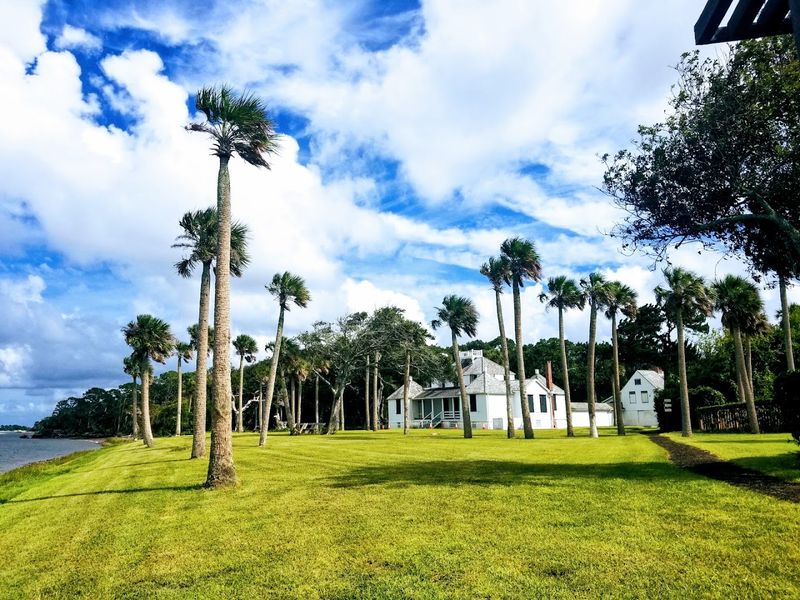
The address is 11676 Palmetto Ave, Jacksonville, and getting there is part of the adventure. Kingsley Plantation sits on Fort George Island, tucked inside the Timucuan Ecological and Historical Preserve, not far from the Georgia border and near Little Talbot Island State Park.
The final stretch of road turns to packed dirt, and while that might sound rough, it is actually smooth and easy to navigate. The island setting gives the whole place a removed, quiet feeling, as if you have genuinely crossed into a different era.
Tall palms and sprawling oaks line the paths, and the St. Johns River glimmers in the background. The natural surroundings are not just pretty scenery; they are part of what makes this place feel so atmospheric and authentic.
Arriving here feels less like pulling into a parking lot and more like crossing a threshold into living history.
A Story That Surprises Most Visitors: The History of the Plantation
Most people expect a straightforward plantation story, but Kingsley Plantation delivers something far more layered. Zephaniah Kingsley established the plantation in the early 1800s, and the site reflects the complex, often contradictory realities of life in Spanish Colonial Florida.
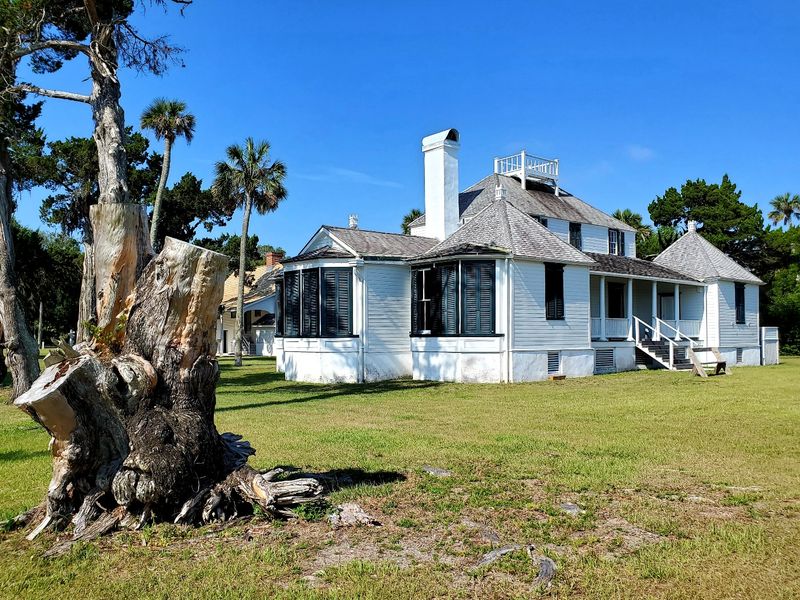
The main house is recognized as the oldest surviving plantation house still standing in Florida, with roots tracing back to 1798. That alone makes it a remarkable piece of American history.
What truly catches visitors off guard is the story of Anna Madgigine Jai Kingsley. Once enslaved, she was later freed and became a landowner and manager of the plantation in her own right.
Her story is woven throughout the site and gives the entire experience a depth that few historic places can match. Knowing who she was before you arrive makes every corner of the grounds feel more meaningful and more human.
The Main House: Florida’s Oldest Surviving Plantation Home
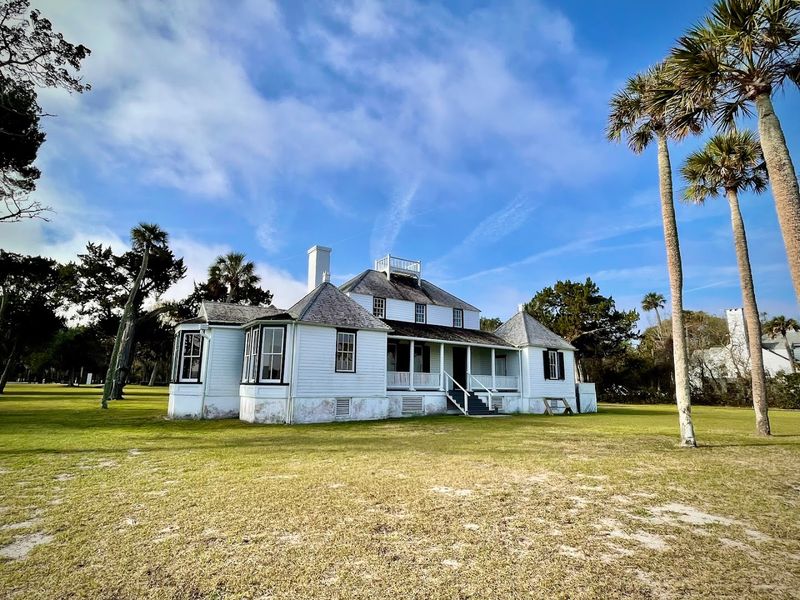
The main house at Kingsley Plantation holds a distinction that few buildings in the entire state can claim. Built around 1798, it is the oldest plantation house still standing in Florida, and it looks the part in the best possible way.
The structure is modest by some standards, with a simple wooden frame and a wide porch that overlooks the grounds and the water beyond. There is nothing flashy about it, but that restraint is exactly what makes it so striking.
It has survived hurricanes, changing governments, and more than two centuries of Florida weather.
Tours of the interior are available on weekends, and the rangers who lead them bring real knowledge and warmth to the experience. The house is not just preserved; it is interpreted thoughtfully, with context that helps visitors understand what daily life here actually looked like for everyone who lived within these walls.
The Tabby Ruins: A Haunting and Humbling Sight
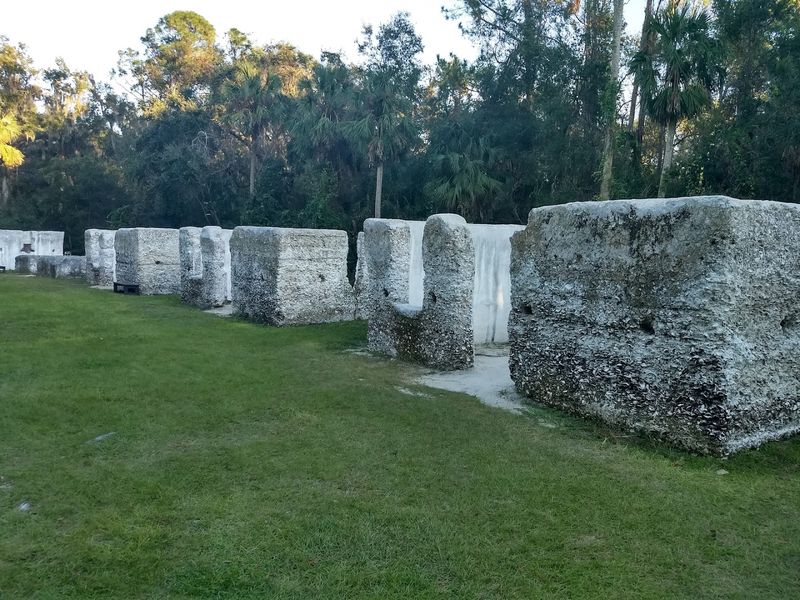
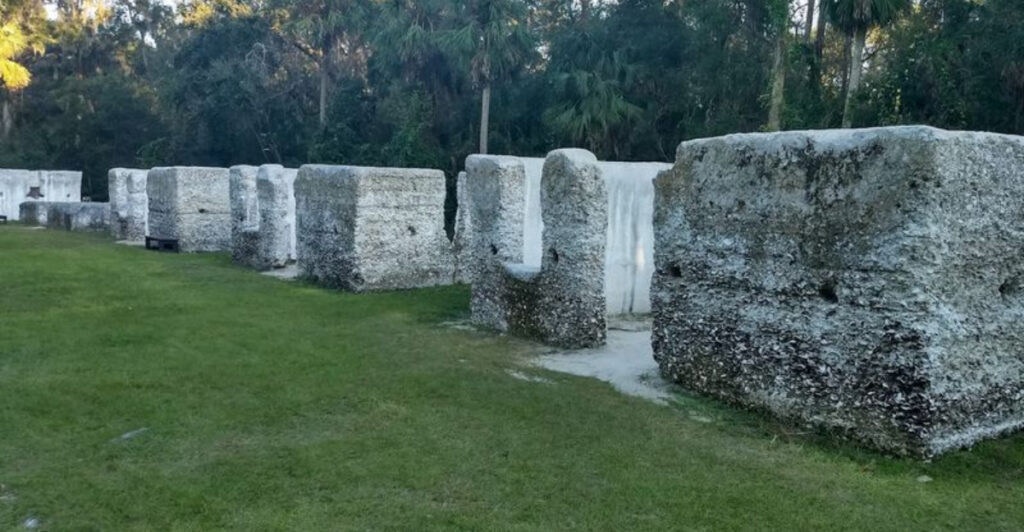
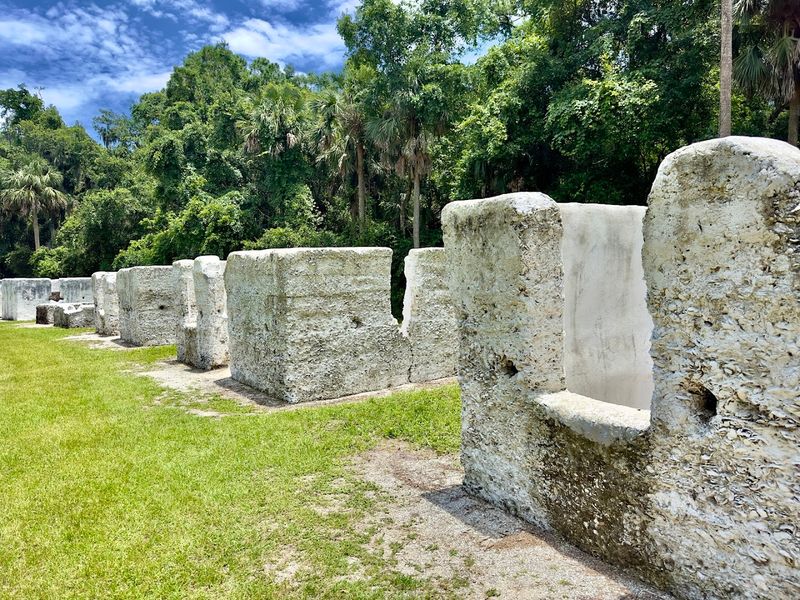
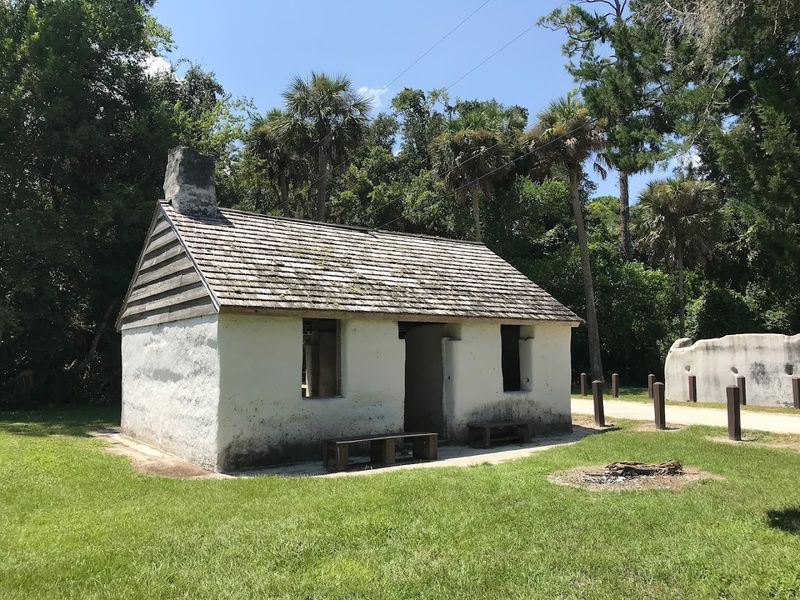
Nothing at Kingsley Plantation stops you in your tracks quite like the tabby ruins of the former slave quarters. Built from a mixture of oyster shells, sand, lime, and water, these structures form a curved arc of about 25 cabins, some still partially standing, others reduced to low walls and foundations.
Tabby was a common building material in coastal Florida and Georgia, and the fact that these structures have survived at all is remarkable. They are considered one of the best-preserved collections of slave cabin ruins in the entire United States.
The cabins are set apart from the main house, and walking among them carries a quiet weight that no placard can fully prepare you for. The educational signs placed throughout the area are thoughtful and informative, giving names and context to the people who lived here.
This part of the grounds tends to be the part visitors remember most vividly.
Part of a Larger Preserve: The Timucuan Ecological and Historical Preserve
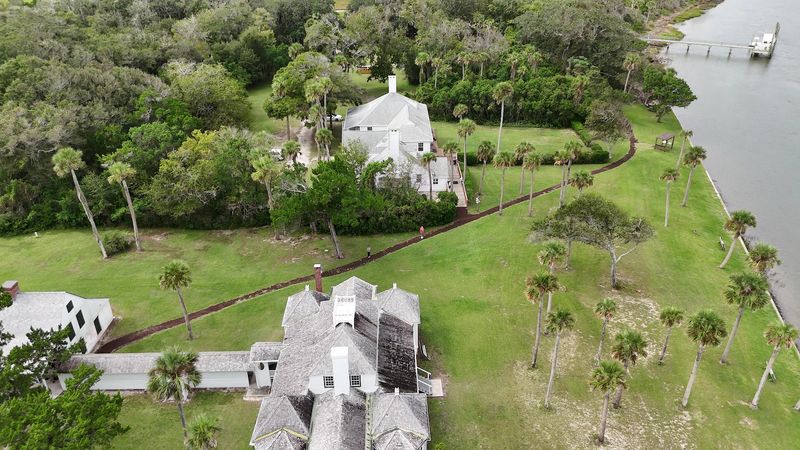
Kingsley Plantation does not stand alone. It is part of the Timucuan Ecological and Historical Preserve, a vast protected area that covers more than 46,000 acres of coastal wetlands, marshes, and historic sites in the Jacksonville area.
The preserve takes its name from the Timucua people, the Indigenous inhabitants who lived in this region long before European contact. Their presence adds yet another layer to the already rich history of Fort George Island and the surrounding landscape.
Being inside the preserve means the natural environment around Kingsley Plantation is largely undisturbed. You will see herons wading in shallow water, osprey circling overhead, and tidal marshes stretching out in every direction.
The combination of ecological beauty and historical significance makes the Timucuan Preserve one of the most interesting and undervisited national park units in the southeastern United States. A trip to the plantation is also a reason to explore more of this extraordinary place.
Free to Visit: A Rare Gift for History Lovers
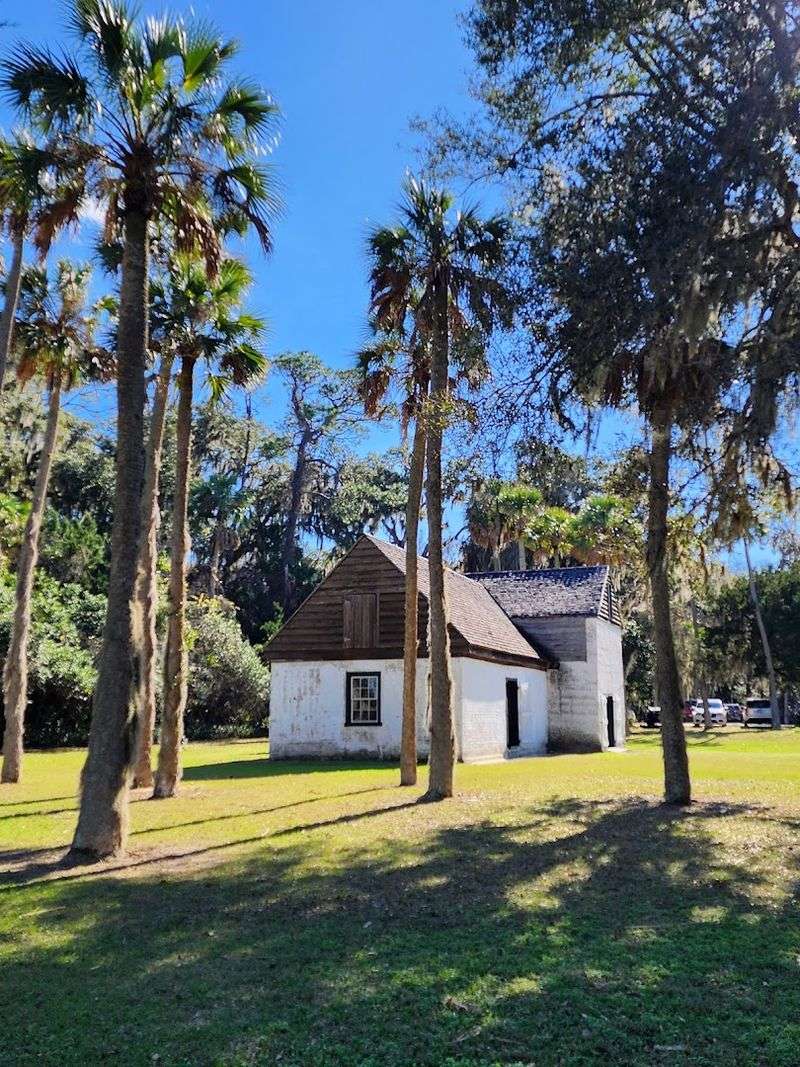
In an era when many attractions come with a steep price tag, Kingsley Plantation is completely free to visit. There is no entry fee, no parking charge, and no cost for the self-guided walking tour.
That accessibility makes it one of the most generous historic experiences available anywhere in Florida.
The site is managed by the National Park Service, which means it is maintained to a high standard. Clean restrooms, a well-stocked visitor center, a gift shop, and a dock are all available on-site without costing you anything beyond the gas to get there.
For families, students, or anyone who wants a meaningful day out without spending a lot of money, this place is a genuine find. The free entry also removes any pressure to rush through, so you can take your time, sit on a bench by the water, and absorb the history at whatever pace feels right to you.
Operating Hours and Best Days to Visit
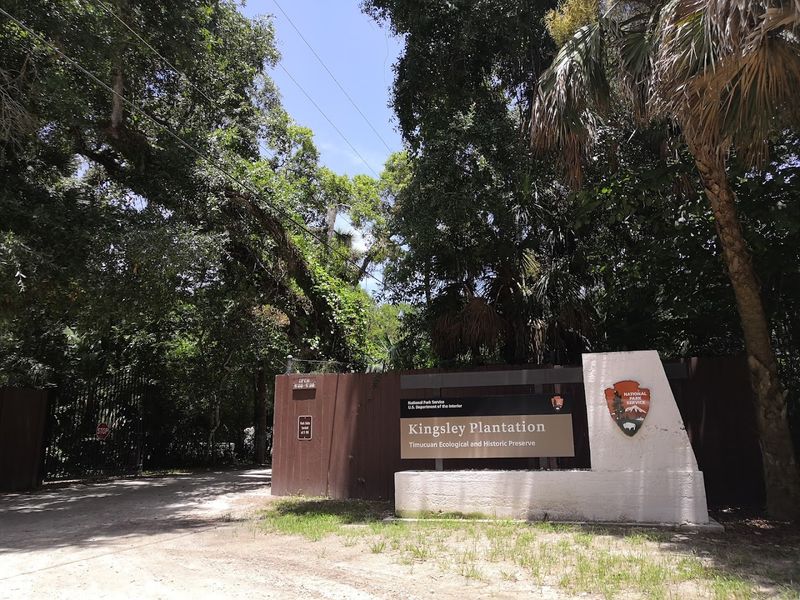
Planning your visit requires a bit of attention to the schedule. Kingsley Plantation is open Wednesday through Sunday from 9 AM to 5 PM, and it is closed on Mondays and Tuesdays.
That is worth double-checking before you make the drive out to Fort George Island.
Weekends offer the added benefit of guided tours of the main house, led by knowledgeable park rangers who can answer questions and share details that go beyond the signage. If you want that extra layer of interpretation, a Saturday or Sunday visit is the way to go.
Weekday visits tend to be quieter, which some people prefer. The grounds feel more peaceful with fewer visitors around, and you can take your time at each stop without feeling rushed.
One practical tip: the site is largely open-air, so choosing a mild weather day makes the experience considerably more comfortable, especially during Florida’s hotter months.
The Visitor Center and Gift Shop: More Than Just a Stopover
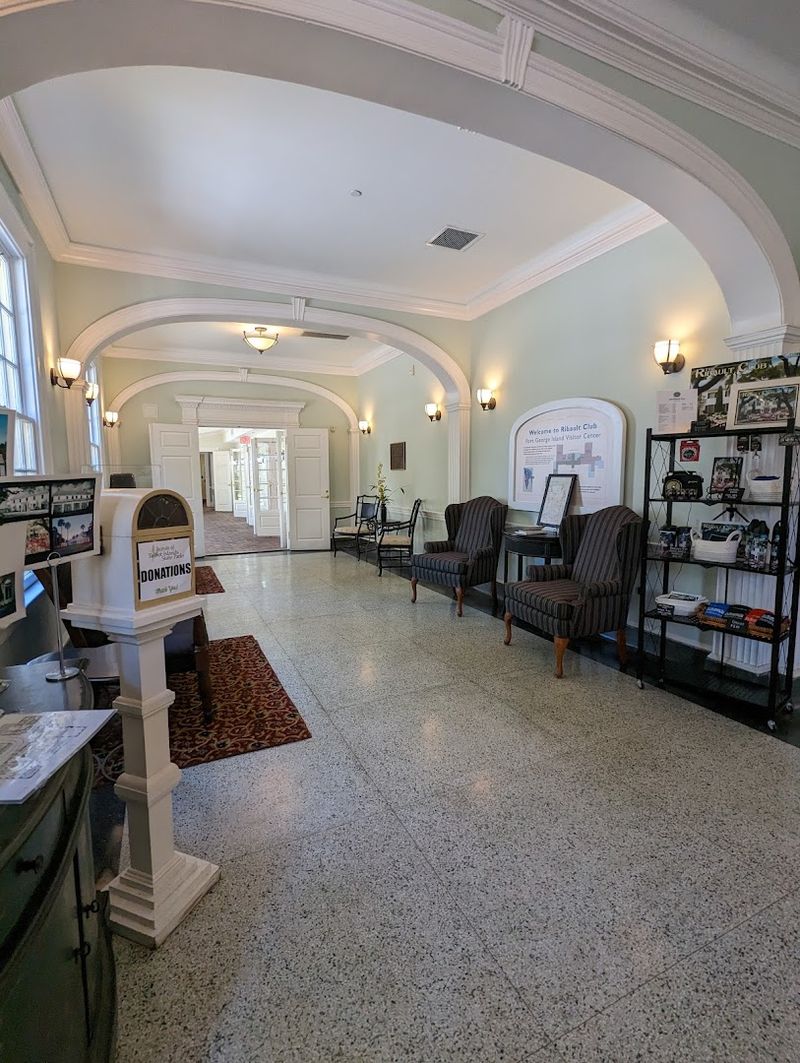
The visitor center at Kingsley Plantation is worth spending some real time in before heading out to the grounds. The exhibits inside provide context that makes the rest of the visit more meaningful, covering the history of the Kingsley family, the enslaved community, and the broader story of Florida under Spanish and then American governance.
The staff in the visitor center are notably knowledgeable and genuinely enthusiastic about the site. One staff member in particular has become something of a local legend among repeat visitors for her depth of knowledge.
Ask her anything, and you will likely walk away knowing far more than you expected.
The gift shop carries a thoughtful selection of books focused on African American history, Florida history, and the specific stories connected to this site. It is the kind of bookstore where you go in for one title and come out with three.
The proceeds support the site, which makes every purchase feel worthwhile.
The Dock and Waterfront Views: A Quiet Reward
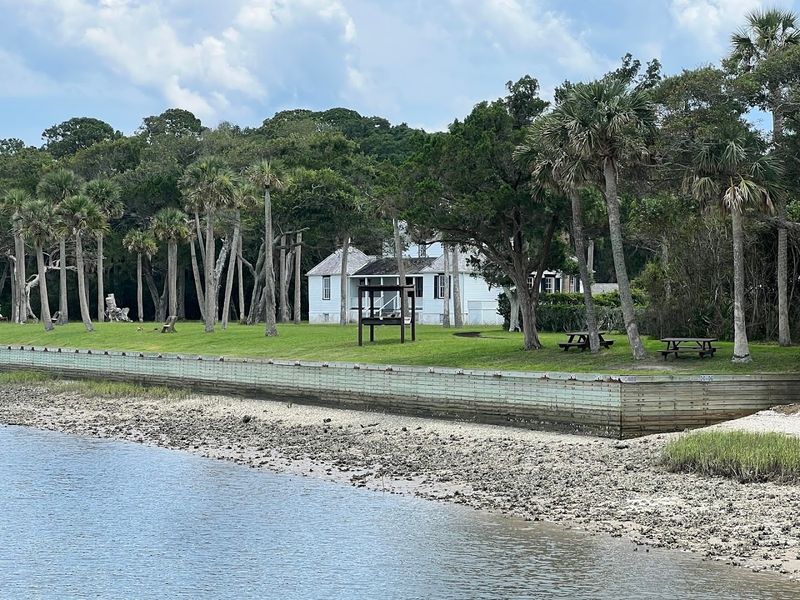
After spending time among the ruins and the historic structures, the dock at Kingsley Plantation offers a genuinely restorative pause. The waterfront view stretches out over the tidal estuary, and on a clear day, the combination of blue sky, green marsh, and still water is the kind of scene that makes you want to sit and do absolutely nothing for a while.
The dock is open to visitors and requires no special access. It sits at the edge of the property and gives you a sense of how central the waterway was to the plantation’s operation.
Everything from supplies to people arrived by water, and standing at the dock makes that geography feel real in a way that reading about it never quite does.
Picnic tables are nearby, making this a natural spot to take a break, eat a packed lunch, and watch the birds work the shallows. The water and sky combination here is genuinely hard to beat.
Trails, Nature, and the Surrounding Landscape
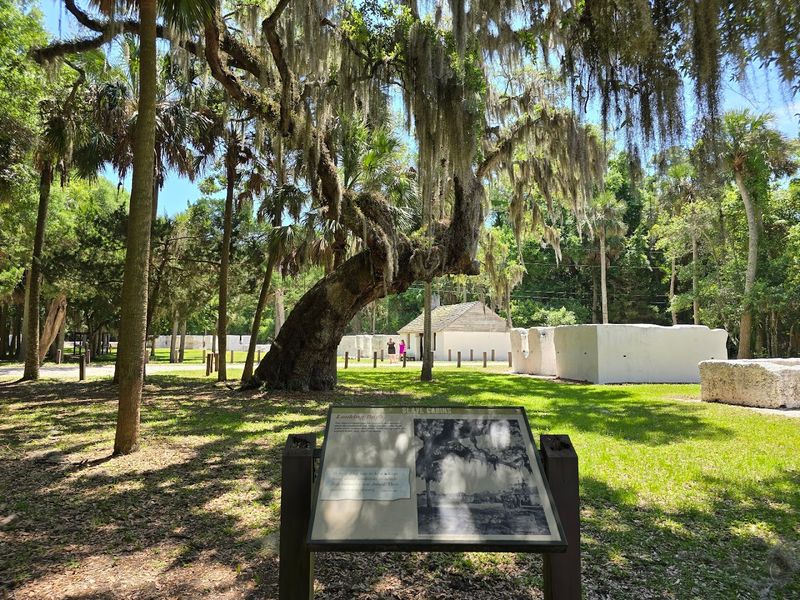
The grounds around Kingsley Plantation extend well beyond the historic structures, and the natural environment is worth exploring in its own right. Trails wind through the property and the surrounding Fort George Island Cultural State Park, passing through live oak canopy, palmetto scrub, and open marsh edges.
The paths are clearly marked and well-maintained, with rubberized mulch in some areas that makes walking comfortable. Full sun is a factor in several spots, so bringing water and wearing sunscreen is genuinely practical advice rather than just a formality.
Wildlife sightings are common on the trails. Gopher tortoises, armadillos, various wading birds, and the occasional deer have all been spotted by visitors exploring the quieter corners of the island.
The natural setting is a reminder that Fort George Island has its own ecological story running parallel to its human history, and both are worth your attention during a full morning or afternoon visit.
Tips for Making the Most of Your Visit
A few practical notes can make your visit to Kingsley Plantation significantly better. The site is open Wednesday through Sunday from 9 AM to 5 PM, so plan accordingly.
Arriving earlier in the day gives you cooler temperatures and more time to explore before the midday heat sets in.
Wear comfortable shoes, as the grounds involve a fair amount of walking on uneven surfaces and packed paths. The slave quarters area is set at some distance from the main house, so budget time for both sections rather than rushing through one to see the other.
Bring water, especially in summer. The site is largely outdoors and exposed to the Florida sun, and there are limited shade structures along the route between buildings.
A hat is also a smart call. The visitor center has restrooms and is a good first stop before heading out.
Cell service is decent enough to use the NPS audio tour without issue on most days.
Why This Place Deserves a Spot on Every Florida Itinerary
Some historic sites feel like obligatory checkboxes on a travel list. Kingsley Plantation is not one of them.
The combination of architectural history, personal stories, natural beauty, and honest, unflinching interpretation makes it one of the most genuinely affecting places you can visit in the entire state of Florida.
The fact that it is free, well-maintained, and staffed by knowledgeable rangers removes every possible barrier. There is no reason not to go, and plenty of reasons to make it a priority rather than an afterthought.
Jacksonville often gets overlooked as a travel destination in favor of more heavily marketed Florida cities, but sites like this one make a strong case for giving the city a closer look. The history here is American history, not just regional history, and it is told with a care and completeness that stays with you.
Once you visit, it is the kind of place you find yourself recommending to everyone you know.
Share this story