A trail system northeast of Grand Rapids has earned a loyal following among Michigan mountain bikers for its fast singletrack, wooded terrain, and mix of technical and beginner-friendly riding. Once riders leave the trailhead, the route quickly winds through dense forest, creek crossings, and flowing sections that keep the experience feeling varied from start to finish.
What makes the trail stand out is how well it works for different skill levels without feeling overly simplified. Newer riders can ease into the terrain, while experienced cyclists still find plenty of speed and challenge throughout the loop.
The combination of natural scenery, well-maintained trails, and seasonal riding traditions has helped turn the area into one of West Michigan’s favorite repeat-visit riding spots.
Where to Find Egypt Valley Trail and How to Get There
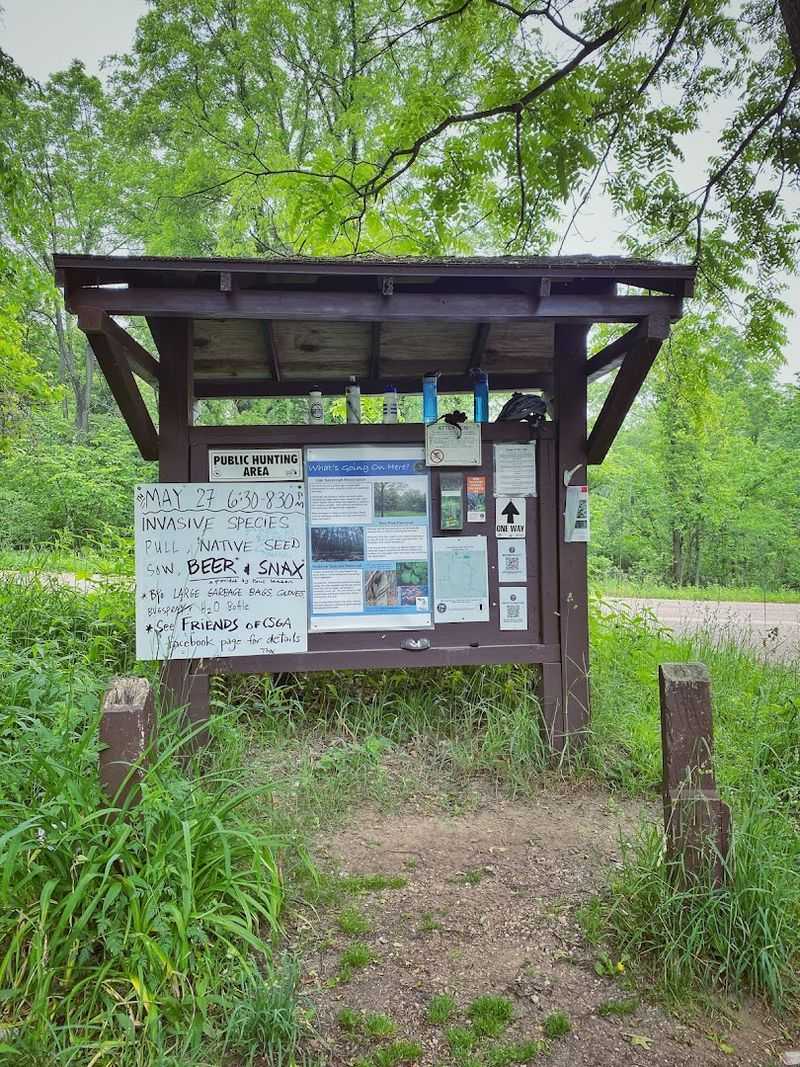
The trailhead for Egypt Valley Trail sits at 6800-6820 4 Mile Rd NE, Ada, MI 49301, tucked into the Cannonsburg State Game Area northeast of Grand Rapids. Ada is a township in Kent County, Michigan, and the trail is one of the most accessible natural riding destinations in the entire region.
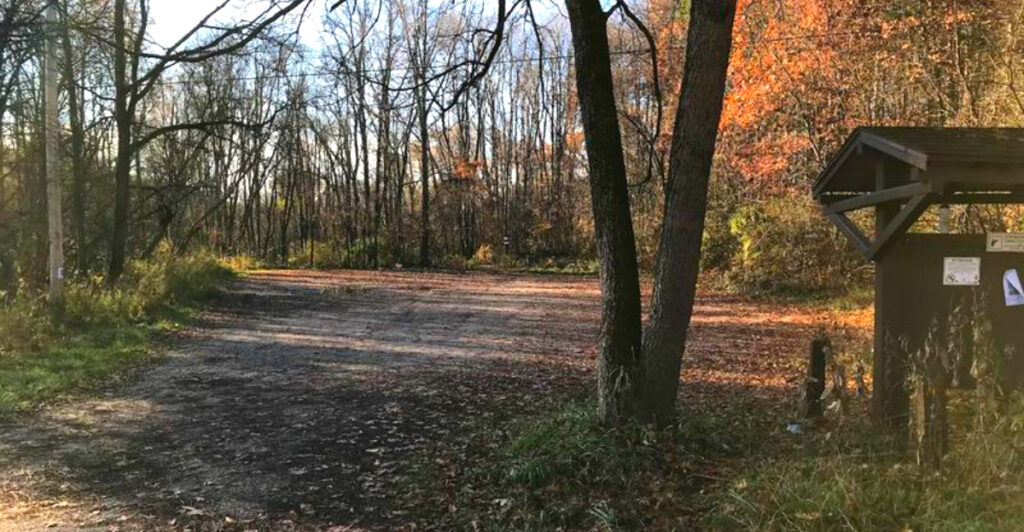
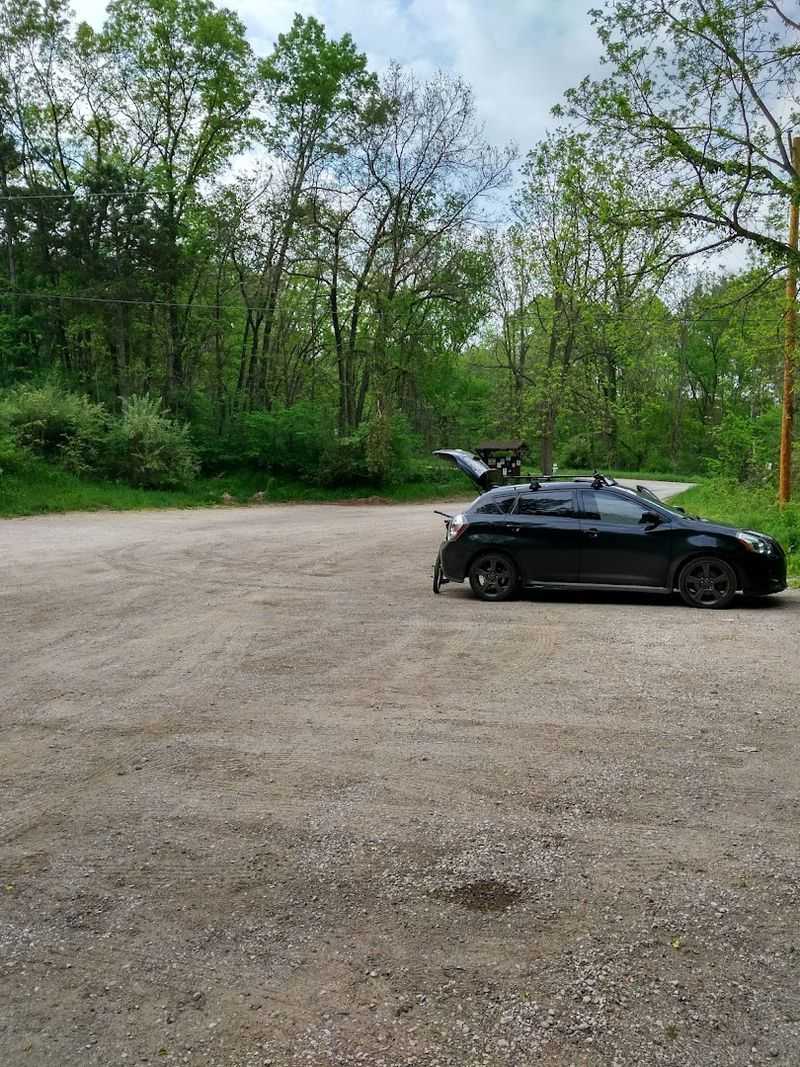
Parking is available right off 4 Mile Road near Dursum Avenue, and the lot fills up quickly on warm weekends, so arriving early is always a smart move. One small detail that trips up first-timers: the actual trail entrance starts across the street from the parking lot, not directly adjacent to it.
The area is open 24 hours a day, seven days a week during permitted seasons, which makes early morning rides before the summer heat builds up a genuinely appealing option. Getting there from downtown Grand Rapids takes roughly 20 to 25 minutes by car, making it an easy half-day escape.
The Layout of the Trail and What Those Four Sections Actually Mean
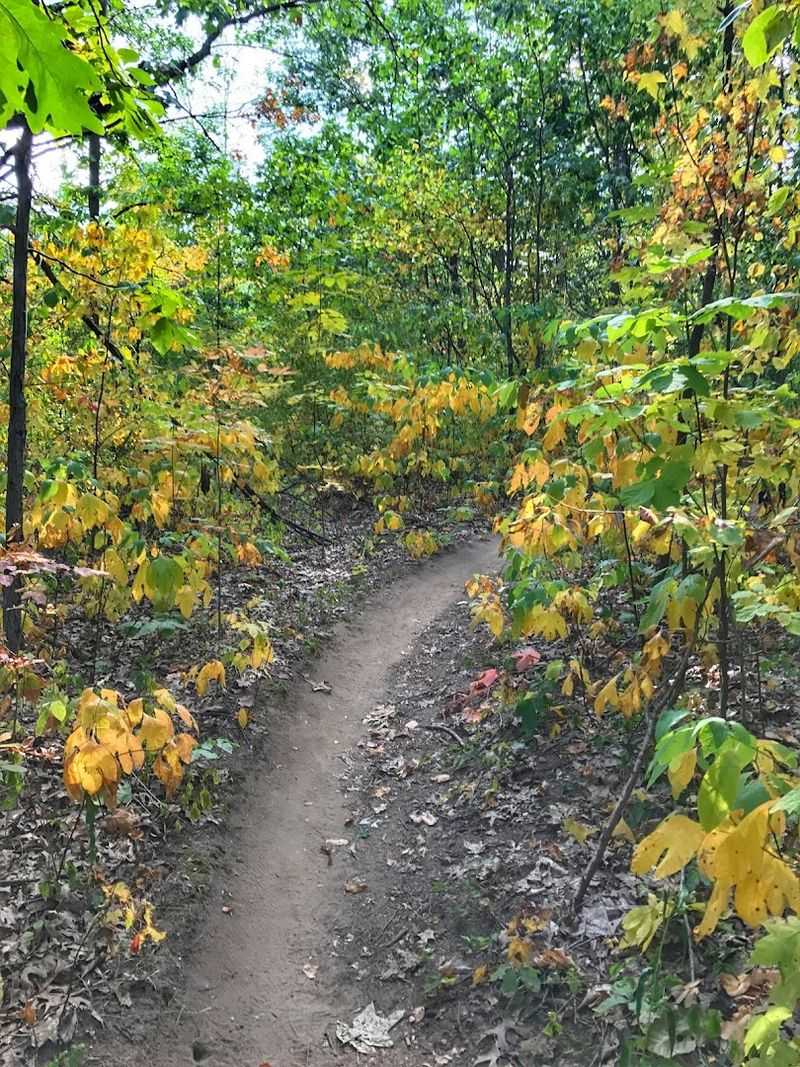
The main loop at Egypt Valley runs approximately 7.0 to 7.5 miles in total, which is longer than most casual riders expect when they first pull up to this modest-looking trailhead. The loop is divided into four numbered sections, each marked with identifiable trail signs that help you track your progress through the woods.
Section 1 is the longest at roughly 2.1 to 2.2 miles, while Section 3 clocks in at about 1.3 miles. Section 4 is the shortest individual stretch at around 1.1 to 1.2 miles.
Between sections, the trail briefly touches gravel roads, which can momentarily make you wonder if you have lost the route entirely.
Keep your eyes open at those road crossings because the next trail entrance is always nearby, even if vegetation occasionally hides the signage. Riders who have combined these sections with the nearby Cannonsburg ski hill trails have logged upwards of 30 miles in a single outing, which is a very different kind of afternoon.
Fast and Flowing Singletrack That Keeps You Grinning
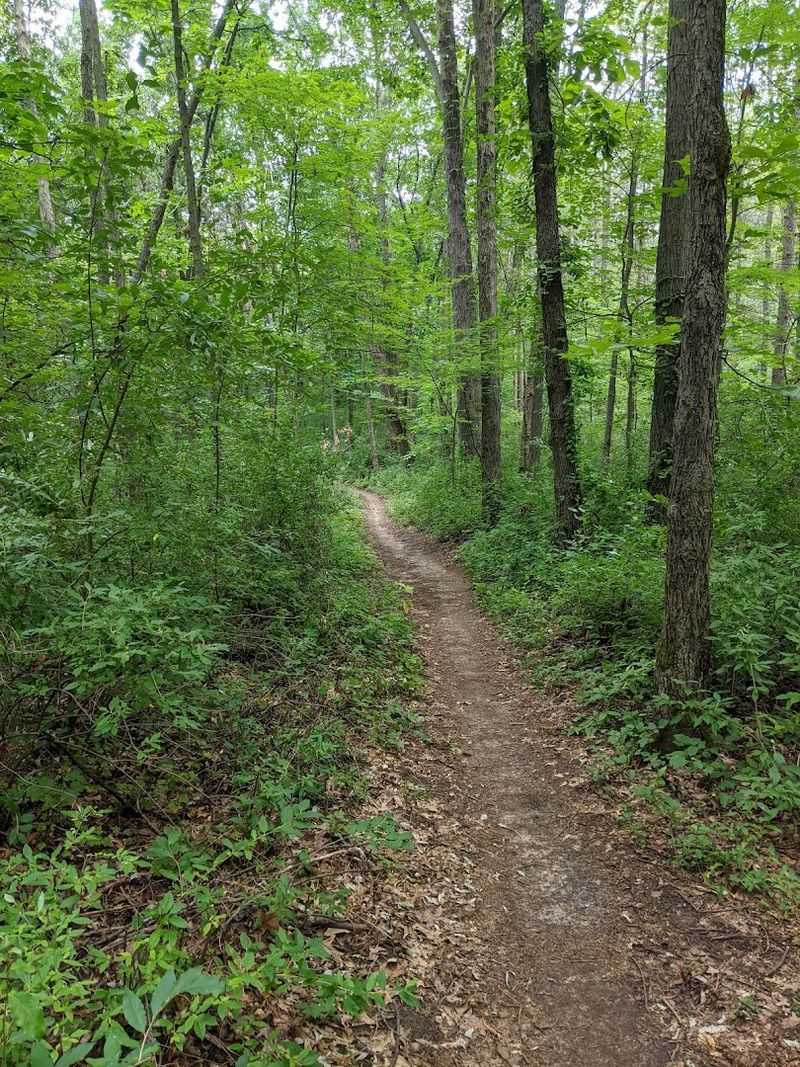
Speed is the personality of this trail. The singletrack flows with a rhythm that rewards riders who trust their momentum, and the well-packed dirt surface carries you through corners in a way that feels almost effortless when everything clicks together.
Rollers and natural terrain features create a constant sense of movement, so there is rarely a dull, flat stretch where your mind starts to wander. The trail winds and twists through the forest with enough variety to keep experienced riders fully engaged from start to finish.
Novice riders will want to use their brakes generously and keep their body weight back on the trickier descents.
The sandy composition of the trail base is one of its most practical advantages, because it drains and dries out remarkably fast after rain compared to clay-heavy trails in the region. That quick drying time means more rideable days throughout the season, which serious riders appreciate more than almost any other trail feature.
The Wooded Scenery That Makes Every Ride Feel Like an Escape
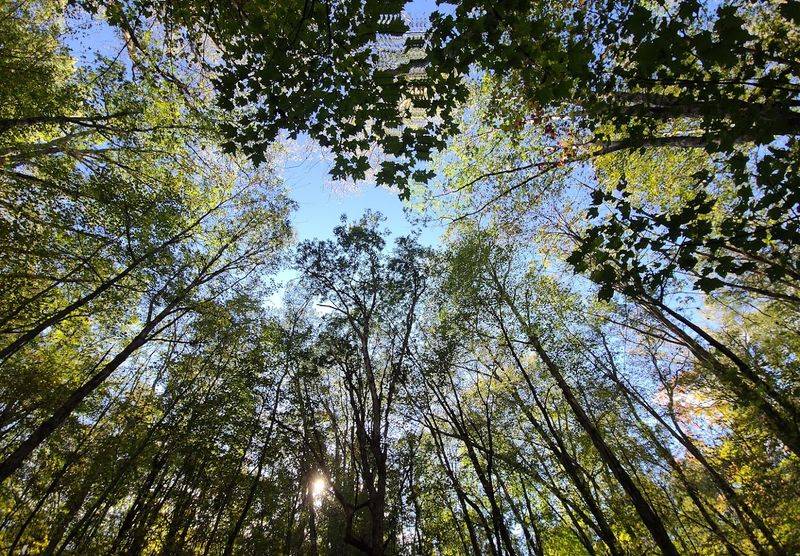
Few trails near Grand Rapids deliver the kind of deep-woods atmosphere that Egypt Valley does on a consistent basis. The forest here is a mix of mature pine stands, natural hardwoods, and thick vegetation that closes in around the trail and creates a genuine sense of being far removed from suburban life.
Wildflowers appear along the edges of the trail in spring, adding unexpected color to the green corridors of pine and oak. In autumn, the leaf canopy transforms the whole experience, with crunching foliage underfoot and warm orange light filtering through the trees.
Even a light snowfall turns the trail into something that feels almost cinematic.
The wooded terrain is varied enough that no two sections feel identical, moving from open pine stands to dense natural undergrowth and back again within the same ride. That constant shift in scenery is a big part of why so many riders return to this trail repeatedly rather than treating it as a one-time check on their list.
Climbs, Descents, and the Terrain Mix That Defines This Trail
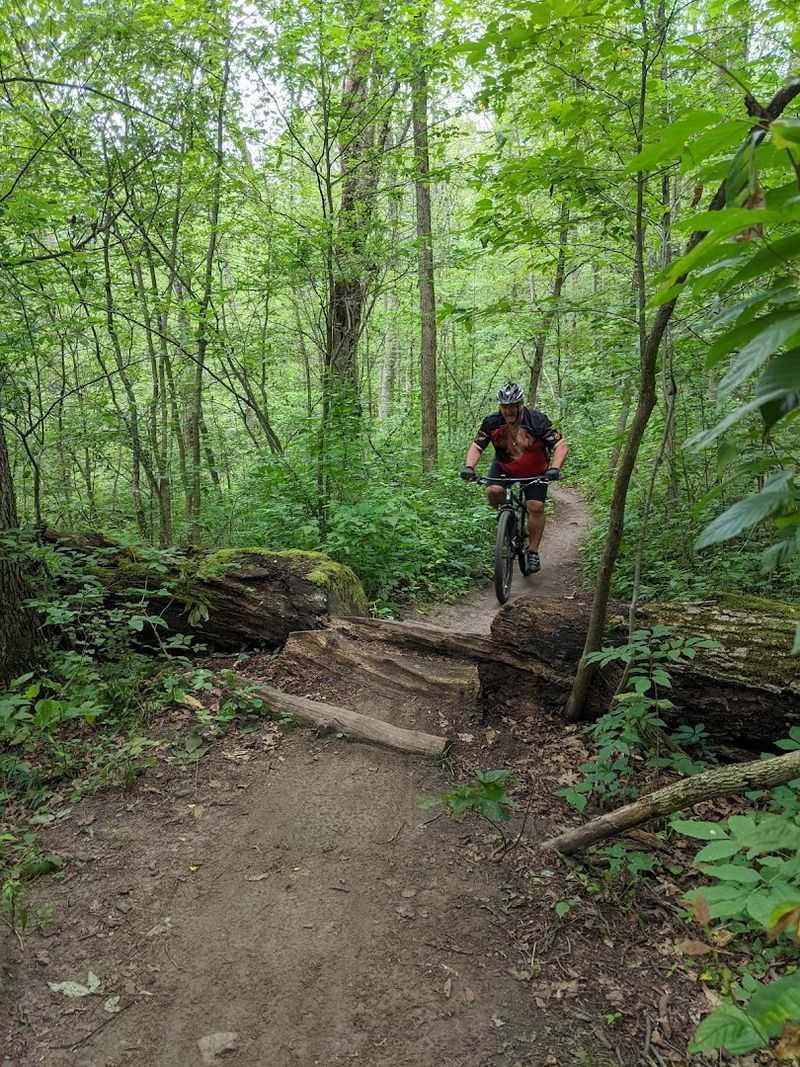
Egypt Valley is not a flat cruise through the park. The trail delivers a genuine workout through a mix of climbs, descents, and rolling terrain that keeps your legs and your attention fully engaged throughout the loop.
Some of the descents are laced with rocks and roots that add a technical layer to what might otherwise be straightforward downhill sections. Those features separate this trail from purely smooth flow trails and give it a character that appeals to riders who enjoy a bit of challenge mixed into their speed.
The uphills are manageable for most intermediate riders, though they will certainly remind you that Michigan has more topographic variety than its reputation suggests.
The overall elevation change is not extreme, but the cumulative effort across 7-plus miles adds up in a satisfying way. Riders who have been on the trail for years describe it as a good mix of flat, climbs, and downhills that never feels repetitive, which is honestly the best thing a trail can be.
Creek Crossings and Bridge Hops That Add Pure Fun to the Ride
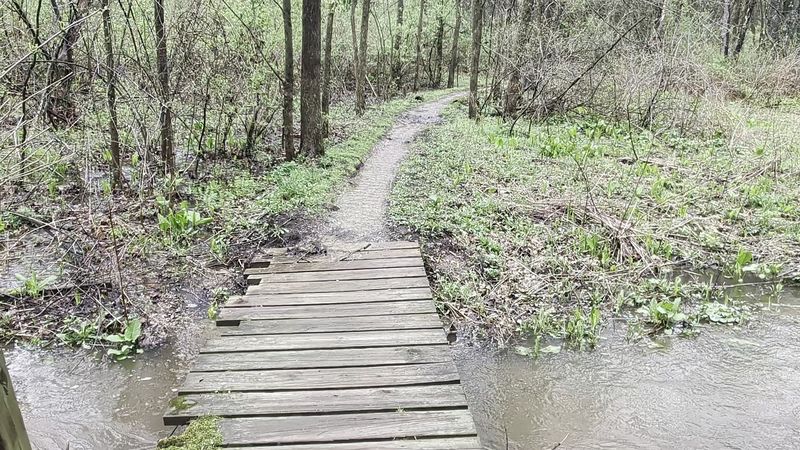
One of the most talked-about features of Egypt Valley is its collection of creek and bridge crossings scattered throughout the loop. These crossings break up the rhythm of the singletrack in the best possible way, adding a playful, slightly unpredictable element that riders of all skill levels tend to remember long after the ride is done.
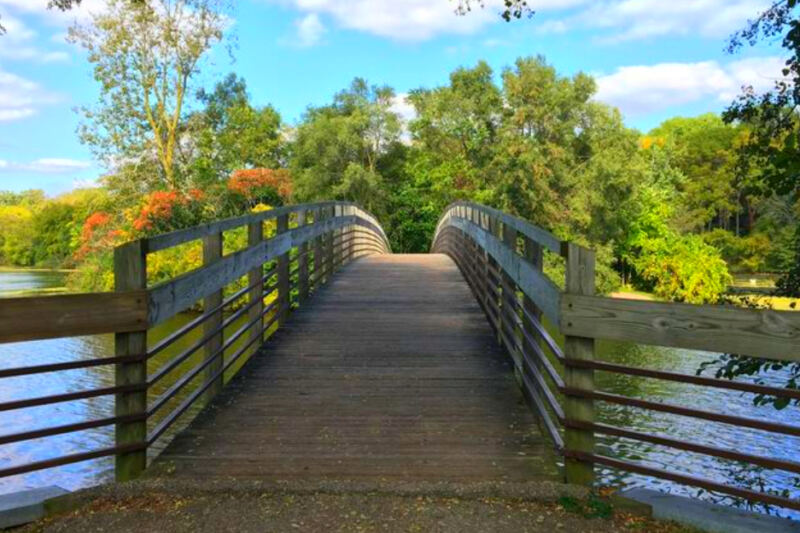
The creeks are generally shallow, but after heavy rain they can carry enough water to make things interesting, especially if you are committed to keeping your feet dry. A handful of wooden bridge crossings provide drier options on some sections, though the bridges can be slick when wet, so a controlled approach is always the smarter choice.
These water features are a genuine highlight rather than a nuisance, and they contribute to the trail’s reputation as one of the more adventurous natural riding experiences in the Grand Rapids area. The moment your tires hit water and send a spray into the air, the grin on your face becomes completely involuntary.
The Difficulty Rating and Who This Trail Is Really Built For
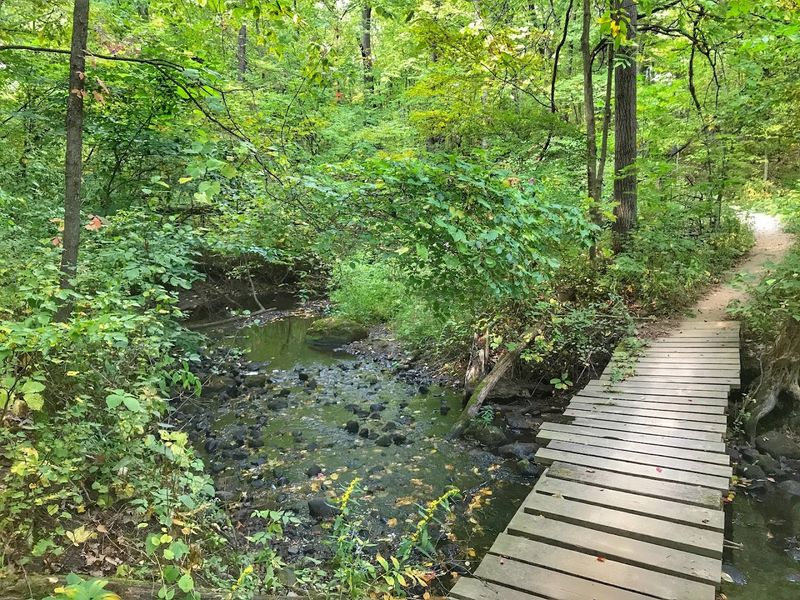
Egypt Valley carries an official Blue difficulty rating, which places it in the intermediate category on standard trail difficulty scales. That rating is accurate for most of the loop, though several sections push into more advanced territory with technical roots, rocks, and faster descents that demand real bike handling skills.
Beginners are not completely out of place here, but they should come prepared with functional brakes, some experience on natural terrain, and a willingness to walk sections that feel beyond their current comfort level. Children on bikes may find portions of the trail genuinely challenging rather than beginner-friendly, so parental guidance on trail selection matters here.
The trail genuinely works for a wide range of riders because the difficulty varies organically across the four sections rather than being uniformly intense from start to finish. One convenient design feature is that you can exit after each section by taking the road back to the trailhead, which gives riders flexibility to cut the ride short if energy or daylight runs low.
Hiking and Trail Running at Egypt Valley: Not Just a Bike Trail
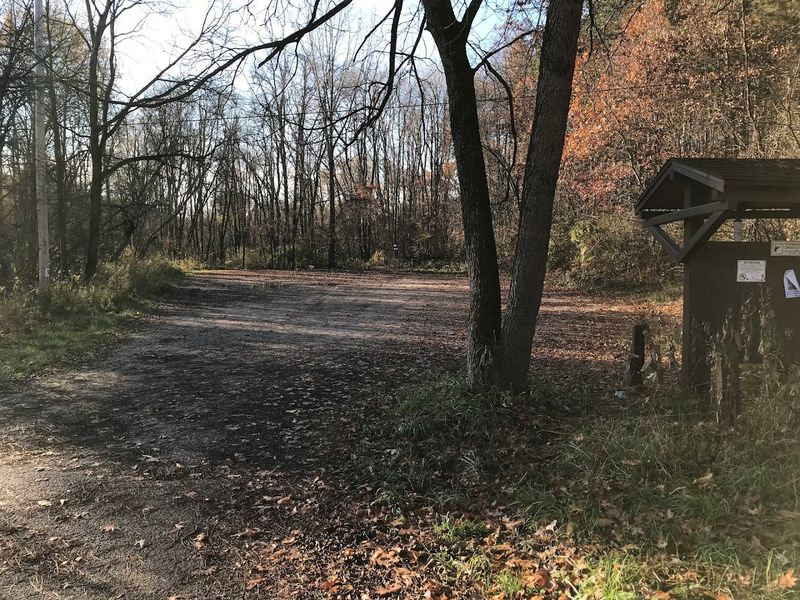
Mountain bikers dominate Egypt Valley, but hikers and trail runners have a legitimate presence on the loop as well. The 7-plus miles of natural forest terrain make for a longer hike than most comparable spots around Grand Rapids, and the wooded atmosphere rewards the slower pace with details that riders tend to zip right past.
Hikers should walk against the direction of bike traffic, which runs clockwise around the loop. Making noise when you hear a bike approaching gives riders enough warning to adjust their speed, and most cyclists on this trail are friendly and communicative.
A few fast sections do require hikers to step aside quickly, so staying alert rather than zoning out with headphones is genuinely practical advice.
Trail runners find the terrain engaging because the mix of roots, soft dirt, and rolling hills creates a natural obstacle course that keeps the legs working in varied ways. The trail also connects to additional routes, meaning ambitious runners can extend their mileage well beyond the main 7.5-mile loop.
The Seasonal Hunting Closure That Every Visitor Needs to Know About
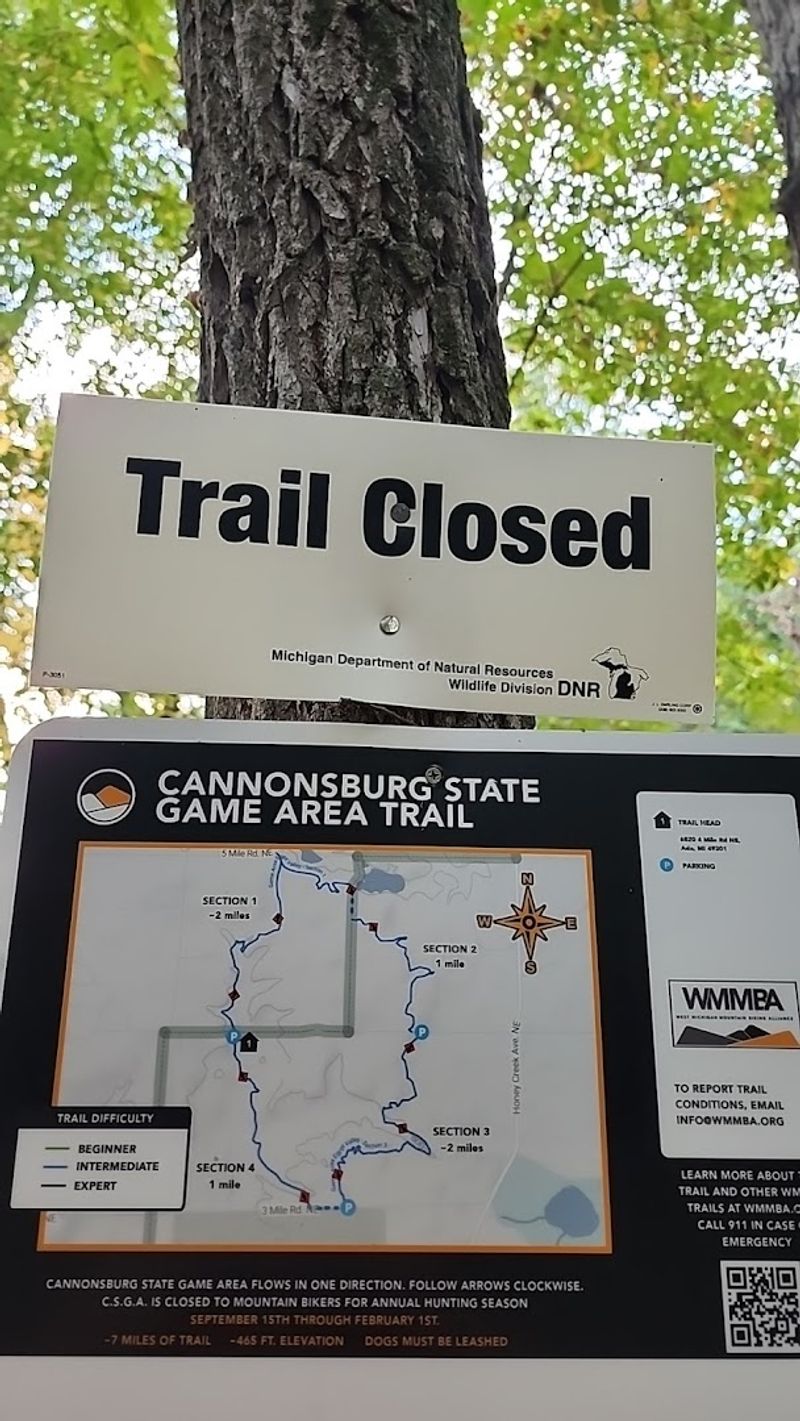
Here is the detail that catches more than a few visitors off guard: Egypt Valley Trail sits within the Cannonsburg State Game Area, which closes annually for small game hunting season from September 15th through February 1st. Riding or hiking during this closure period is not advised, and for very good reason.
That window covers a significant chunk of the fall and early winter calendar, which means planning your visits around the closure is essential rather than optional. The trail reopens in February, which aligns nicely with late winter rides when the sandy soil has drained from snowmelt and conditions start to firm back up.
Spring and summer are the peak seasons for Egypt Valley, with the trail seeing its heaviest traffic from late April through early September. Summer visitors should prepare for mosquitoes, which can be aggressive in the wetter, shadier sections of the loop, so packing insect repellent is not a suggestion you want to skip.
How the Sandy Soil Keeps This Trail Rideable After Rain
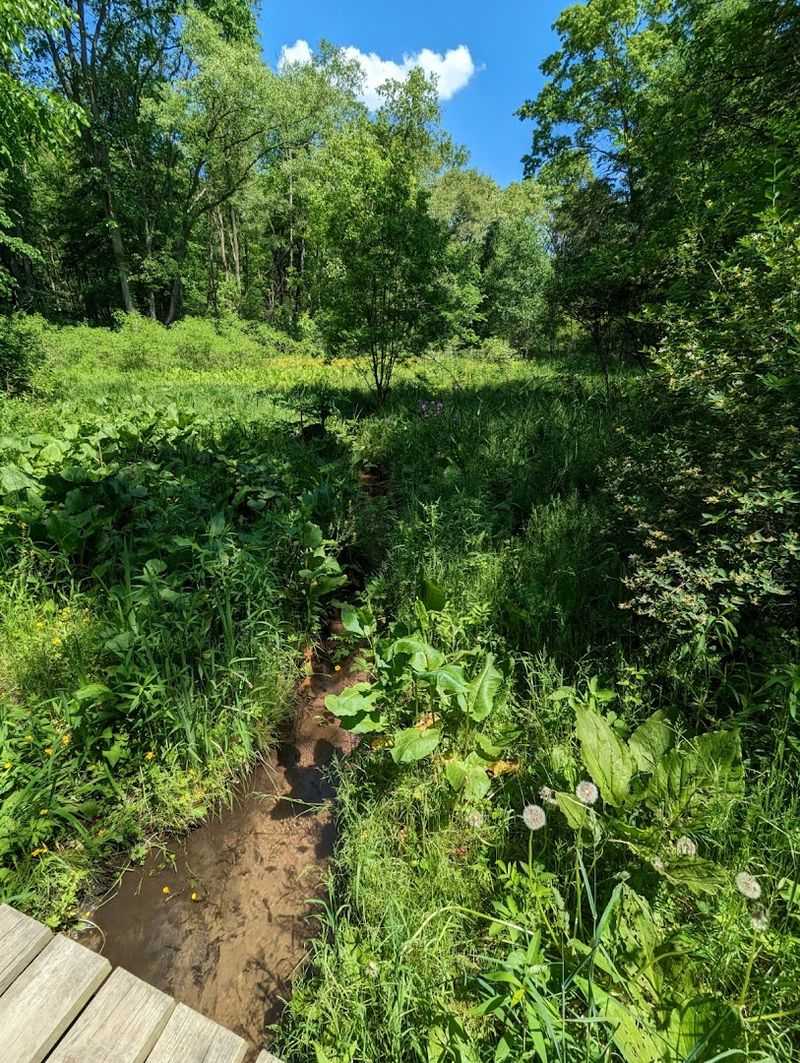
One of the practical advantages that sets Egypt Valley apart from many other trails in the region is its sandy soil composition. Sandy trails drain water much faster than clay or loam-heavy surfaces, which means the trail can become rideable again within hours of a rain event rather than days.
That quick turnaround is a significant quality-of-life improvement for riders who check trail conditions obsessively before heading out. Many Michigan trails become rutted, muddy disasters after moderate rainfall and stay that way for days, but Egypt Valley tends to bounce back with impressive speed.
Riding on wet sandy trails also causes far less lasting damage to the surface than riding churned-up clay, which helps the trail maintain its quality over time.
The flip side of sandy soil is that it can become loose and slightly sketchy in very dry conditions, particularly on corners and rooted sections where traction is already a factor. Adjusting your speed and line choice on those dry days keeps the experience enjoyable rather than sketchy.
Dogs, Parking, and the Practical Details That Make a Visit Smooth
Egypt Valley Trail is dog-friendly, which makes it a popular destination for riders and hikers who want to bring their four-legged companions along for the adventure. Dogs should be kept under control given the trail traffic, especially on sections where bikes come through at speed with little warning.
Parking is available at the trailhead off 4 Mile Road near Dursum Avenue, but the lot is not large, and popular weather days fill it up fast. Arriving before 9 a.m. on weekends during peak season gives you the best chance of securing a spot without circling the road looking for alternatives.
There are no utilities at the trailhead, so bringing your own water, snacks, and a basic first aid kit is standard preparation rather than over-packing.
The trail is technically a one-way loop for cyclists, running clockwise, and that directional convention helps manage traffic flow and reduces head-on surprises between riders. Knowing that detail before you start saves a lot of confusion at the first junction.
Share this story