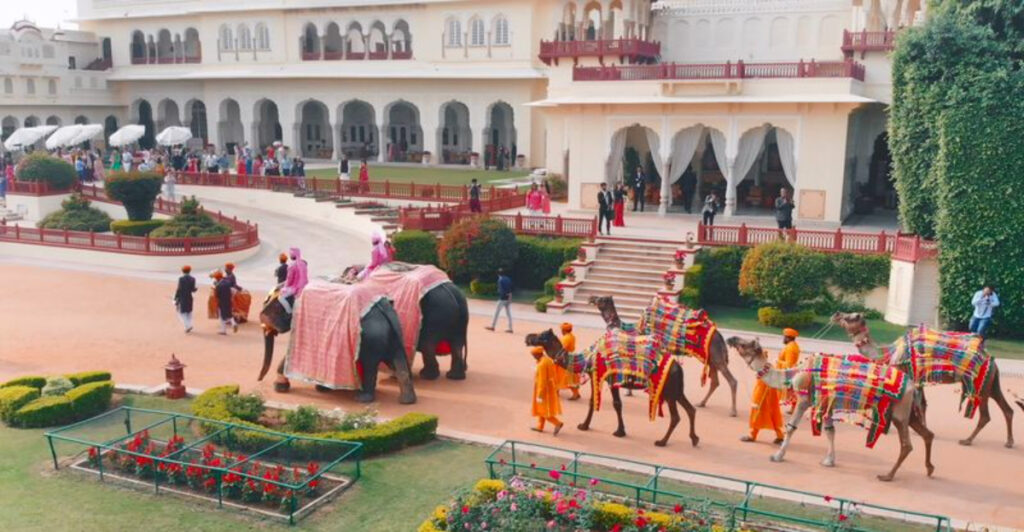
India offers a level of diversity few countries can match. Snow-covered Himalayan valleys, ancient temples, chaotic megacities, tropical beaches, deserts, jungles, and sacred rivers all exist within one country.
Whether you are chasing adventure, spirituality, history, or just really good food, India has something that will stop you in your tracks. These 20 destinations showcase the history, landscapes, and cultural richness that make India one of the world’s most extraordinary travel experiences.
Taj Mahal – Agra
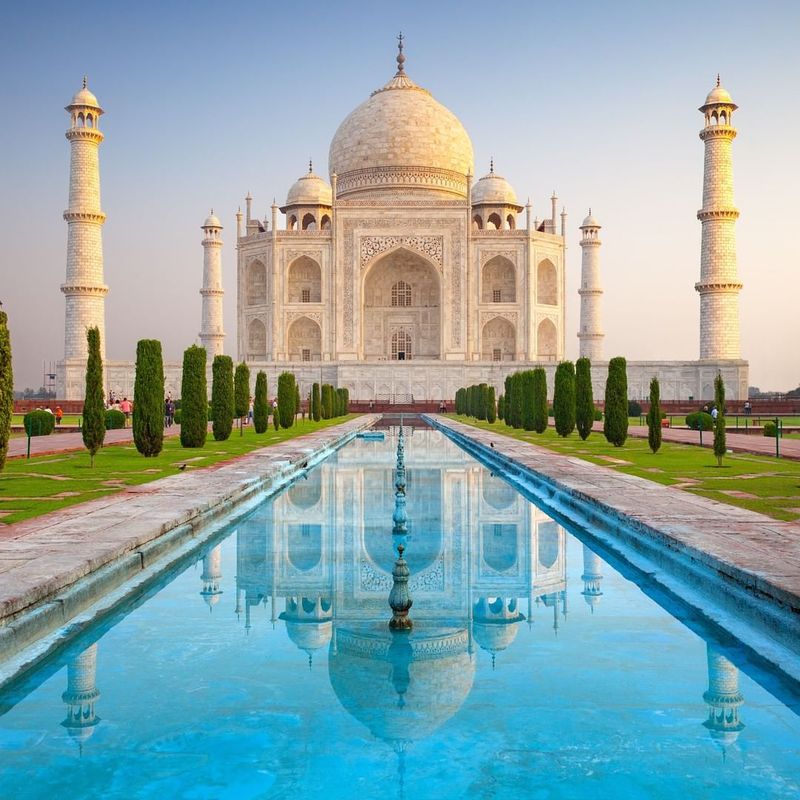
Every photograph of the Taj Mahal fails to prepare you for the moment you actually see it in person. Built by Mughal emperor Shah Jahan between 1632 and 1653 in memory of his beloved wife Mumtaz Mahal, this white marble marvel is a love story carved in stone.
The structure changes color throughout the day, glowing pink at dawn, brilliant white at noon, and golden during sunset.
The symmetry is almost unsettling in its perfection. Every arch, minaret, and inlaid floral pattern was crafted by over 20,000 skilled artisans from across Asia and beyond.
The calligraphy lining the gateway walls is an artistic achievement all on its own.
Arrive early to beat the crowds and catch the soft morning light reflecting off the central pool. Fridays are closed to non-worshippers, so plan accordingly.
The surrounding Agra city also holds the impressive Agra Fort, making the trip even more worthwhile. The Taj is not just a monument; it is proof that human beings can create something truly timeless when inspired by love.
Jaipur – Rajasthan
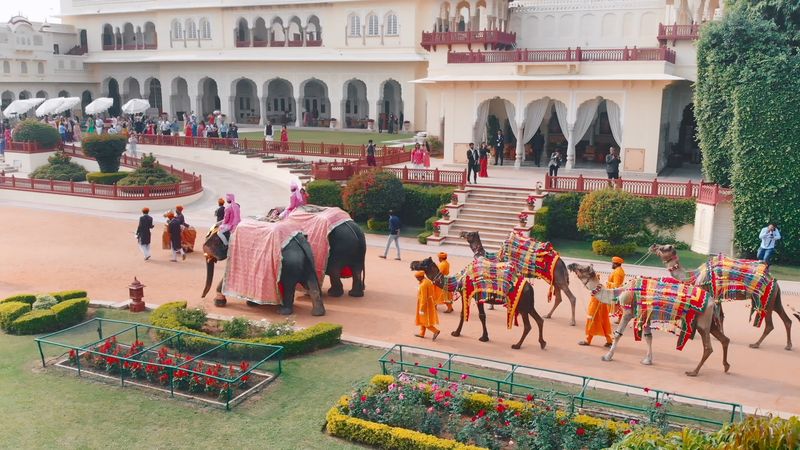
Walking through Jaipur feels like stepping onto the set of a royal Bollywood film, except everything around you is completely real. Founded in 1727 by Maharaja Jai Singh II, Jaipur was one of India’s first planned cities and earned its famous nickname from the pink sandstone buildings painted to welcome the Prince of Wales in 1876.
The color stuck, and so did the charm.
Amber Fort sits dramatically on a hillside outside the city and rewards visitors with sweeping views and ornate mirrored chambers inside. Hawa Mahal, the Palace of Winds, is essentially a five-story screen of 953 small windows designed so royal women could watch street life without being seen.
It is one of the most photographed facades in all of Rajasthan.
The bazaars here are legendary. Johari Bazaar sells glittering jewelry, while Bapu Bazaar overflows with colorful textiles, leather goods, and handcrafted souvenirs.
Street food stalls serve dal baati churma and pyaaz kachori that locals swear by. Jaipur is loud, colorful, and completely overwhelming in the best possible way.
Come hungry for both food and history.
Varanasi – Uttar Pradesh
Some cities have history. Varanasi is history.
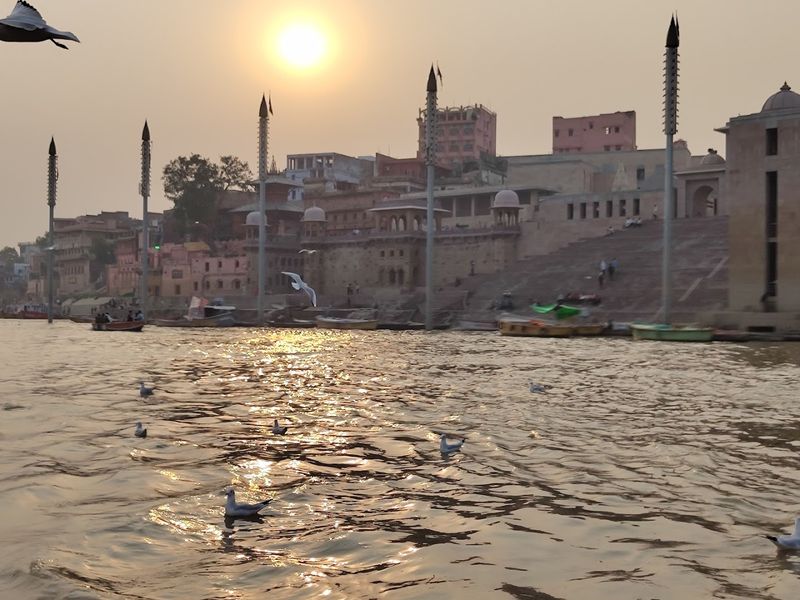
Believed to be over 3,000 years old, this sacred city on the banks of the Ganges River is considered one of the oldest continuously inhabited places on Earth. Hindus believe that dying here grants moksha, or liberation from the cycle of rebirth, which explains why pilgrims travel from across the country to reach its ghats.
Each morning, thousands of worshippers descend stone steps toward the river to bathe, pray, and perform rituals as the sun rises over the water. The scene is both deeply spiritual and profoundly human.
Every evening, the Ganga Aarti ceremony draws enormous crowds to watch priests perform elaborate fire rituals that fill the air with chanting, incense, and flickering light.
Wandering the narrow alleyways behind the ghats reveals a world of flower sellers, chai stalls, silk weavers, and ancient temples tucked into every corner. Varanasi silk sarees are world-famous and make for one of India’s finest souvenirs.
The city is not always easy on the senses, but it is unforgettable. Varanasi does not ask you to understand it; it simply asks you to feel it.
Leh-Ladakh – Ladakh
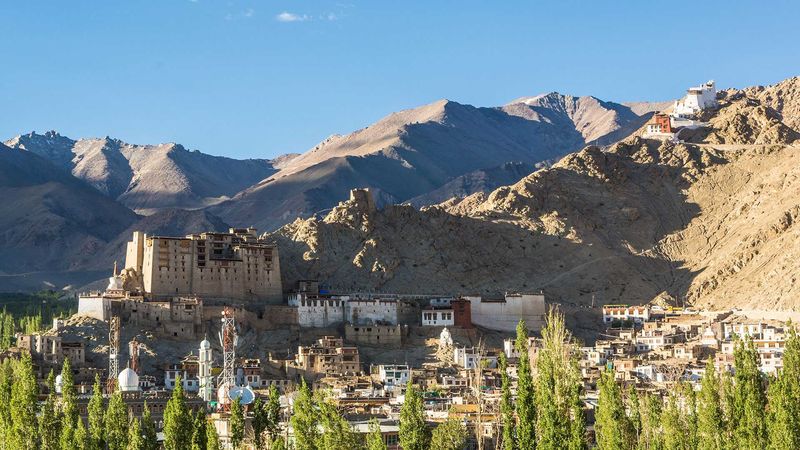
Nowhere else in India looks quite like Ladakh. Perched at altitudes above 3,500 meters, this remote Himalayan region feels more like the surface of Mars than anything you might expect from South Asia.
Barren brown mountains, turquoise glacial lakes, and ancient Buddhist monasteries create a landscape so dramatic it almost feels fictional.
Pangong Lake is one of the region’s crown jewels. Stretching across the India-China border, its waters shift between shades of blue, green, and violet depending on the light.
Nubra Valley offers sand dunes and double-humped Bactrian camels against a backdrop of snow-capped peaks, which is a combination that makes absolutely no logical sense and yet somehow exists.
Motorcycle riders come from around the world to tackle the legendary Manali-Leh Highway, one of the highest motorable roads on the planet. Monasteries like Thiksey and Diskit are centuries old and still actively used by Buddhist monks.
The annual Hemis Festival brings colorful masked dances and traditional music to the high-altitude desert. Altitude sickness is real here, so take the first day slow and drink plenty of water.
The scenery more than rewards the adjustment.
Kerala Backwaters – Kerala
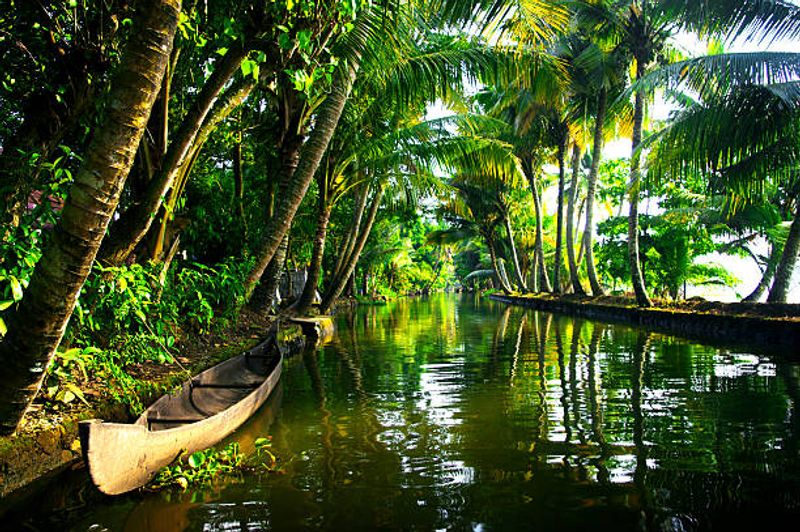
Forget the rush. Kerala’s backwaters operate on their own unhurried schedule, and once you board a traditional kettuvallam houseboat, you will quickly adopt that pace too.
This network of interconnected rivers, canals, lakes, and lagoons stretches along Kerala’s coastline for nearly 900 kilometers, creating one of India’s most serene and photogenic regions.
Alleppey, also called Alappuzha, is the best base for backwater exploration. Overnight houseboat rentals let you drift through narrow canals lined with coconut palms while local fishermen cast nets beside village homes built right at the water’s edge.
Fresh Kerala meals served on board typically include rice, fish curry, and coconut-based dishes that are as good as anything you will find in a restaurant.
The annual Nehru Trophy Boat Race draws massive crowds to watch long snake boats rowed by teams of over 100 men competing on Punnamada Lake. Even outside festival season, the backwaters remain magical.
Bird watchers will spot kingfishers, herons, and darters along the quieter stretches of canal. Kerala also offers world-class Ayurvedic wellness retreats nearby if you want to extend the relaxation further.
This is India at its most peaceful.
Hampi – Karnataka
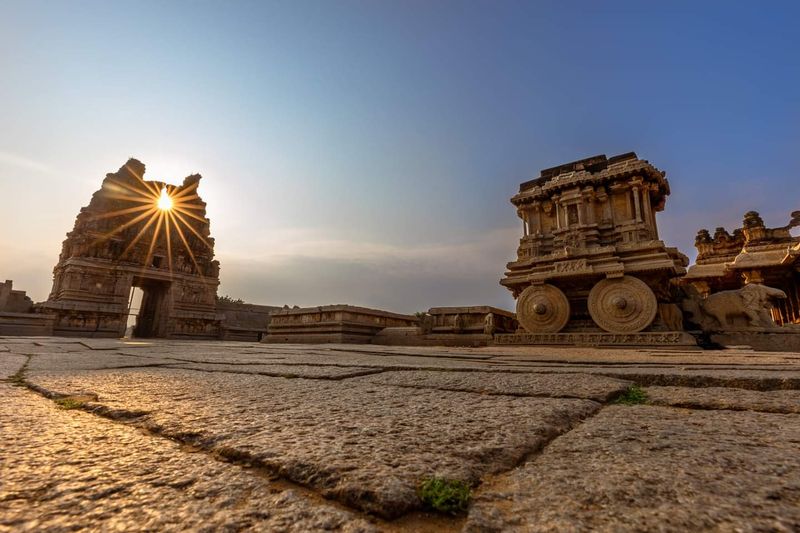
Giant boulders balance on top of each other like nature forgot to follow the rules of physics, and in the middle of it all stand the ruins of one of the greatest empires in Indian history. Hampi was once the capital of the Vijayanagara Empire, a city of over half a million people and one of the richest in the medieval world.
Today it is a UNESCO World Heritage Site that rewards curious travelers willing to explore on foot or bicycle.
The Virupaksha Temple at the heart of Hampi is still an active place of worship and has been standing since the 7th century. The Vittala Temple complex contains the famous Stone Chariot and musical pillars that produce different notes when struck.
Walking between ruins scattered across the rocky plateau feels genuinely like archaeological discovery.
Hampi attracts a mix of history lovers, backpackers, rock climbers, and photographers, and the vibe is relaxed and welcoming. The Tungabhadra River winds through the landscape and offers a peaceful spot for sunset watching from the hilltops.
Guesthouses on the Hippie Island side of the river are cheap and cheerful. Budget a minimum of two full days here because there is far more to see than most visitors expect.
Kashmir – Jammu & Kashmir
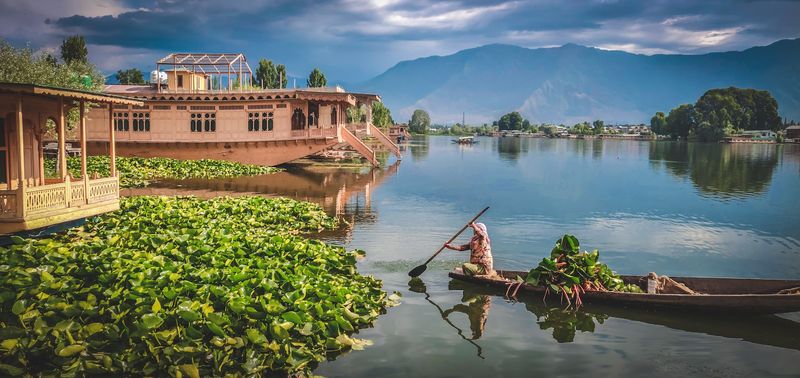
The nickname Paradise on Earth gets thrown around a lot, but Kashmir genuinely earns it. Nestled between towering Himalayan ranges, this northern valley is a landscape of extraordinary beauty that has inspired poets, painters, and travelers for centuries.
Mughal emperors built elaborate gardens here specifically because they considered it the most beautiful place in their empire.
Dal Lake in Srinagar is the heart of the Kashmir experience. Floating markets arrive by shikara boat each morning selling vegetables, flowers, and fresh bread directly to the houseboats anchored nearby.
Staying on a traditional houseboat with carved wooden interiors and panoramic lake views is one of the most memorable accommodation experiences in all of India.
Gulmarg transforms into a ski resort during winter and a meadow of wildflowers during summer. Pahalgam offers trekking routes through pine forests toward glacier valleys.
The Shalimar Bagh and Nishat Bagh Mughal gardens bloom brilliantly during spring when tulips carpet the hillsides. Kashmiri cuisine is rich and deeply satisfying, featuring slow-cooked lamb dishes from the Wazwan feast tradition.
Pashmina shawls and hand-knotted carpets make for genuinely luxurious souvenirs. Kashmir is the kind of place that lingers in your memory long after you leave.
Goa – Goa
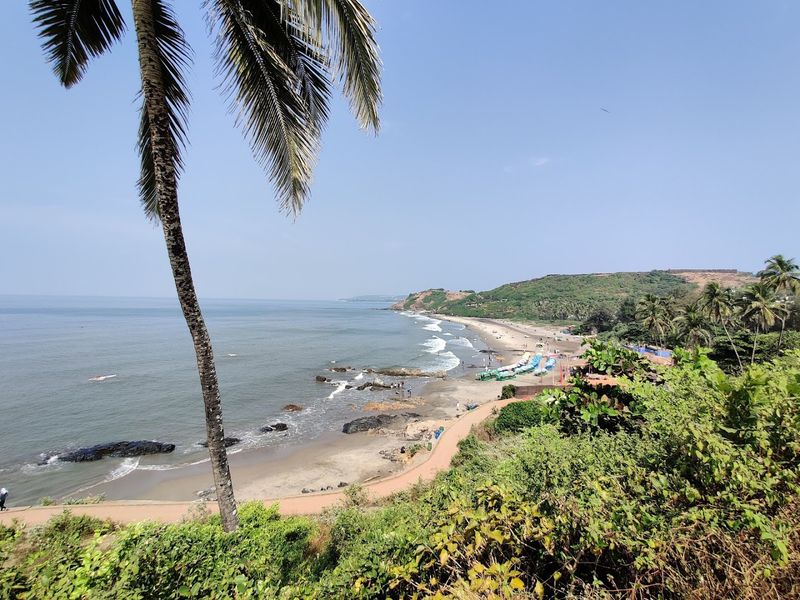
Goa has a reputation as India’s party capital, and while that is not entirely wrong, it is also wildly incomplete. This tiny coastal state packs beaches, history, spice farms, wildlife sanctuaries, and one of India’s most distinctive culinary traditions into a space smaller than many Indian cities.
The Portuguese ruled here for over 450 years, and that influence shows up in the architecture, the food, and the general attitude toward life.
North Goa buzzes with beach shacks, live music, and vibrant nightlife centered around Baga and Calangute beaches. South Goa offers quieter stretches of sand at Palolem and Agonda where hammocks and sunsets replace the DJ sets.
The difference between the two halves of the state is genuinely striking.
The UNESCO-listed churches of Old Goa, including the Basilica of Bom Jesus which holds the remains of Saint Francis Xavier, are architectural treasures that most beach-focused tourists overlook entirely. Inland spice plantations offer guided tours with fresh coconut drinks and enormous lunches.
Goan fish curry, pork vindaloo, and bebinca dessert are regional specialties worth seeking out. Renting a scooter to explore the backroads between villages is the best way to experience the real Goa beyond the tourist strips.
Golden Temple – Amritsar
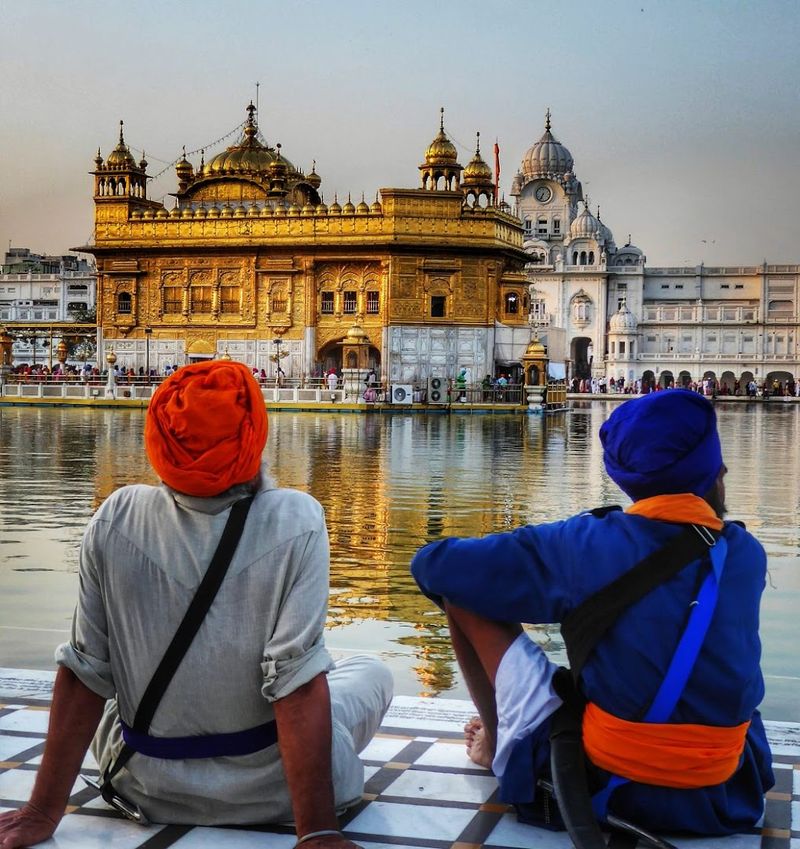
Covered in 750 kilograms of pure gold, the Harmandir Sahib, better known as the Golden Temple, is one of the most breathtaking sights in all of Asia. Located in the city of Amritsar in Punjab, this sacred Sikh shrine welcomes visitors of every faith, religion, and background without charge or condition.
The only requirements are removing shoes, covering your head, and washing your feet before entering.
The temple sits in the center of a sacred pool called Amrit Sarovar, meaning Pool of Nectar, from which the city of Amritsar takes its name. Pilgrims and visitors walk the marble causeway surrounding the pool at all hours of the day and night.
The reflection of the golden structure in the water during evening light is one of India’s most photographed and emotionally affecting scenes.
The Langar, or community kitchen, operates 24 hours a day and serves free vegetarian meals to roughly 100,000 people daily regardless of their background. Volunteers wash dishes, roll chapati dough, and stir enormous pots of dal.
Participating in the service is open to all visitors and offers one of the most meaningful travel experiences available anywhere in India. The Wagah Border ceremony nearby, where Indian and Pakistani soldiers perform an elaborate flag-lowering ritual each evening, is another must-see.
Rann of Kutch – Gujarat
Picture the flattest, whitest, most otherworldly landscape imaginable, and then add a full moon rising over it. That is the Rann of Kutch during peak season, and it is unlike anything else in India.
This enormous salt marsh in the western state of Gujarat covers over 7,500 square kilometers and transforms into a surreal white expanse during the dry winter months when the seasonal floodwaters evaporate.
The annual Rann Utsav festival, held from November through February, turns the desert into a cultural celebration. Traditional musicians, folk dancers, camel rides, and handicraft markets fill a specially constructed tent city at the edge of the salt flats.
The handmade textiles and embroidery produced by local Kutchi artisans are among the finest in India and make extraordinary keepsakes.
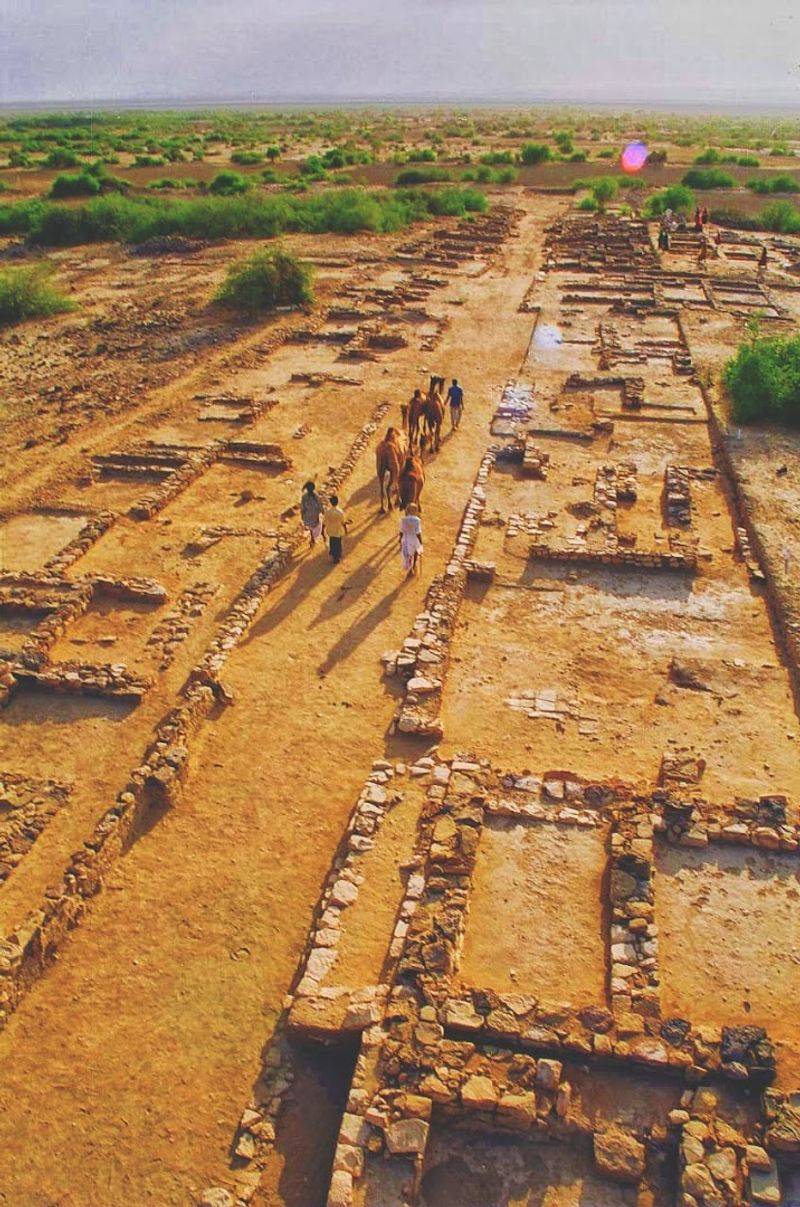
The nearby village of Hodka and the ancient ruined city of Dholavira, a UNESCO World Heritage Site from the Indus Valley Civilization, add significant historical depth to the region. Flamingos gather in enormous flocks near the Little Rann during certain seasons.
The Kutchi cuisine, featuring dishes like dabeli and khichdi with ghee, is hearty and flavorful. Visiting during a full moon night, when the white salt glows silver under the sky, is an experience that travelers consistently describe as magical and genuinely unforgettable.
Darjeeling – West Bengal
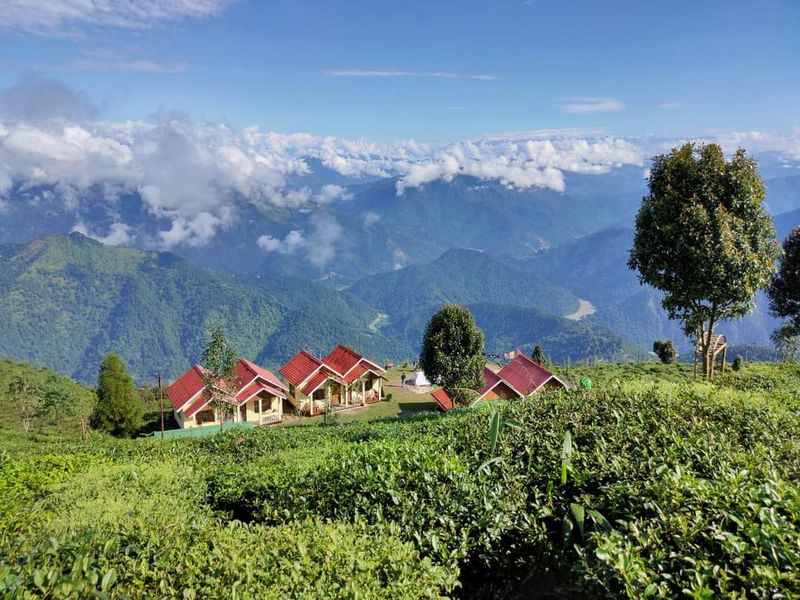
The first sip of a proper Darjeeling first flush tea, brewed fresh in the hills where it was grown, is a genuinely life-changing moment for anyone who takes tea seriously. Sitting at around 2,000 meters in the foothills of the Himalayas, this charming hill station in West Bengal offers cool mountain air, spectacular scenery, and a colonial-era atmosphere that somehow feels timeless rather than dated.
On a clear morning, Tiger Hill viewpoint delivers one of India’s most breathtaking panoramas: the snow-capped summit of Kanchenjunga, the world’s third-highest mountain, glowing orange as the sun rises over it. Travelers set alarms for 4am just to catch this view, and almost none of them regret it.
The Darjeeling Himalayan Railway, affectionately called the Toy Train, is a UNESCO World Heritage Site that chugs along narrow gauge tracks through misty tea gardens at a wonderfully unhurried pace.
The town itself has a pleasantly layered character. Tibetan Buddhist monasteries, colonial churches, and vibrant local markets coexist within walking distance.
Chowrasta, the central promenade, is perfect for evening strolls and people-watching over cups of fresh-brewed tea. Momos, thukpa noodle soup, and local Tibetan-influenced food make Darjeeling’s dining scene far more interesting than its size suggests.
Mysore – Karnataka
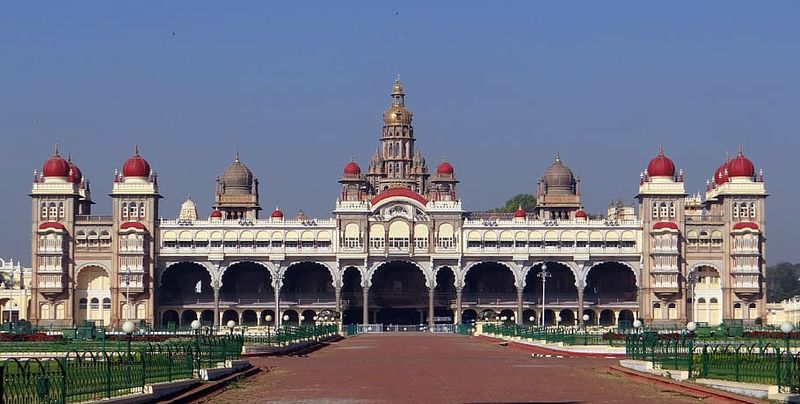
When 97,000 light bulbs switch on simultaneously to illuminate the Mysore Palace every Sunday evening and during the Dasara festival, the effect is genuinely jaw-dropping. The palace is the official residence of the Wadiyar royal family and one of the most visited monuments in India, drawing more annual tourists than the Taj Mahal according to some counts.
Built in Indo-Saracenic style in 1912, it blends Hindu, Muslim, Rajput, and Gothic architectural elements into something spectacular.
Inside the palace, rooms filled with stained glass ceilings, painted walls, and ivory-inlaid doors reveal the extraordinary craftsmanship of a bygone royal era. The golden throne displayed during Dasara celebrations is an absolute highlight.
The ten-day Dasara festival transforms Mysore into a city of processions, cultural performances, and illuminated streets that attract visitors from across the world.
Beyond the palace, Mysore rewards exploration. Chamundi Hill offers a hilltop temple and panoramic city views reached by a staircase of 1,000 steps.
The Devaraja Market is a wonderfully chaotic bazaar selling jasmine garlands, sandalwood products, and spices. Mysore is also considered the yoga capital of India, with numerous authentic schools teaching traditional Ashtanga yoga.
The city moves at a calmer pace than most Indian urban centers, making it a genuinely pleasant place to spend several days.
Spiti Valley – Himachal Pradesh
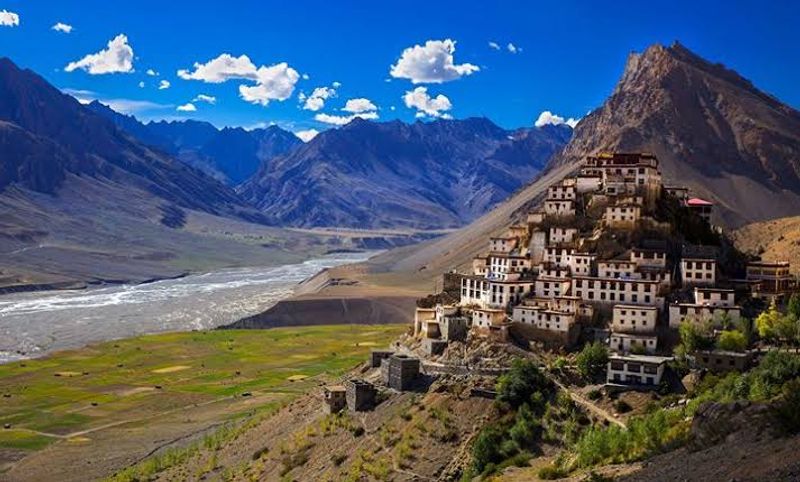
Getting to Spiti Valley requires effort, and that is precisely the point. Accessible only through narrow mountain roads that close entirely during winter, this high-altitude cold desert in Himachal Pradesh sits at over 3,800 meters and rewards the determined traveler with landscapes of staggering, almost brutal beauty.
Brown mountains, turquoise rivers, and ancient monasteries create a visual experience that feels genuinely remote from the rest of the world.
Key Monastery, perched dramatically on a rocky hilltop above the Spiti River, is the largest monastery in the region and over a thousand years old. Monks in crimson robes go about their daily routines while visitors explore frescoed prayer halls and rooftop terraces with panoramic valley views.
The nearby village of Kibber sits at 4,270 meters and was once considered the highest motorable village in the world.
The fossil-rich landscapes around Langza village contain marine fossils from when this entire region was underwater millions of years ago. A giant Buddha statue overlooks the valley there with an expression of total serenity that feels appropriate given the surroundings.
Stargazing in Spiti is extraordinary because light pollution is essentially nonexistent. The Milky Way stretches fully across the sky on clear nights.
Travel here between June and September for passable roads and the best weather conditions.
Udaipur – Rajasthan
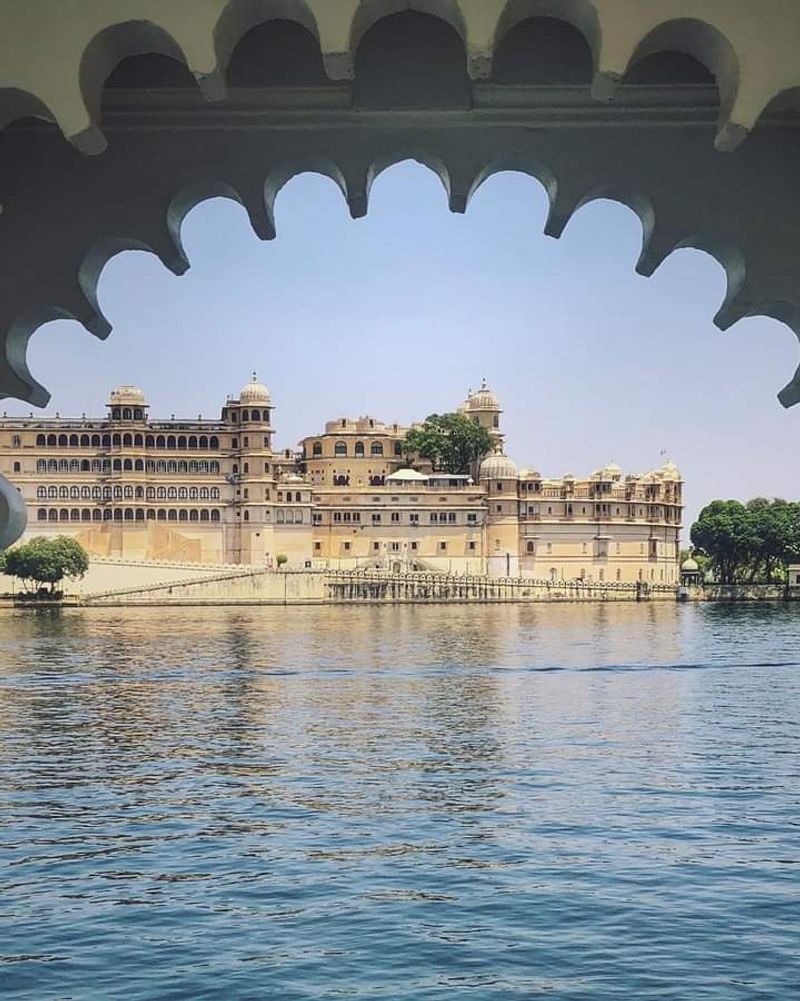
Udaipur is the kind of city that makes people reconsider their travel plans and stay an extra week. Nicknamed the City of Lakes, this Rajasthani gem is built around a series of interconnected lakes surrounded by palaces, temples, and the ancient Aravalli Hills.
It consistently ranks among the most romantic cities in Asia, and a single sunset boat ride on Lake Pichola makes that reputation completely understandable.
The City Palace complex is the largest palace complex in Rajasthan, an enormous layered structure built by successive Mewar rulers over nearly four centuries. Inside, mirrored rooms, painted corridors, and rooftop terraces with lake views reveal the extraordinary wealth and artistic sensibility of the Mewar dynasty.
The Lake Palace, now a luxury hotel floating in the middle of Lake Pichola, is arguably the most photographed building in Rajasthan after the Taj Mahal.
Bagore Ki Haveli hosts a nightly cultural show featuring Rajasthani folk dance, puppet performances, and traditional music that is accessible and genuinely entertaining for all ages. The old city lanes are perfect for wandering, filled with miniature painting studios, silver jewelry shops, and rooftop cafes with unbeatable views.
Udaipur food is reliably excellent, with dal baati churma and gatte ki sabzi being local specialties worth trying at every opportunity.
Sundarbans – West Bengal
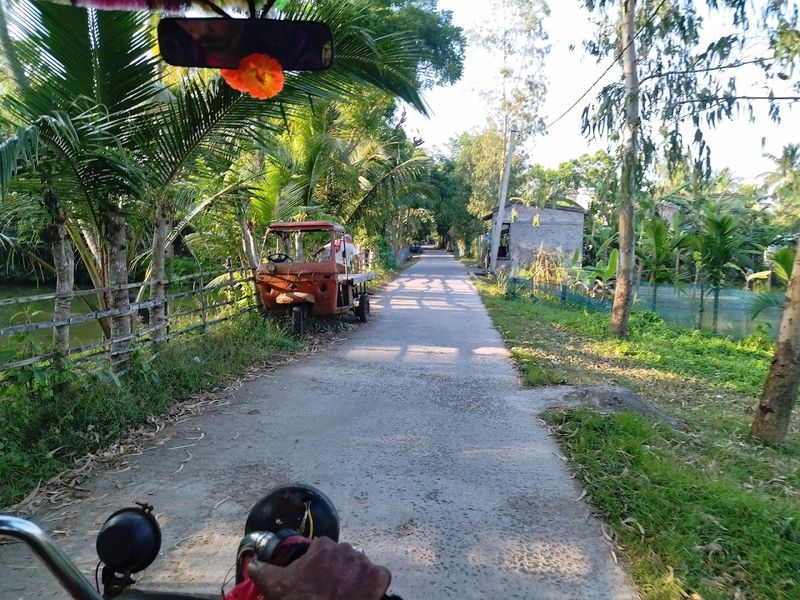
Somewhere in the tangled roots and murky waterways of the Sundarbans, a Bengal tiger is almost certainly watching you before you ever see it. That unnerving thought is part of what makes this place so thrillingly different from any other wildlife destination in India.
The Sundarbans contain the world’s largest mangrove forest, spreading across the delta where the Ganges, Brahmaputra, and Meghna rivers meet the Bay of Bengal across India and Bangladesh.
Tiger sightings here are never guaranteed, which paradoxically makes them more exciting when they happen. These tigers are uniquely adapted to swimming between islands and are considered more elusive and potentially more dangerous than their counterparts in other Indian reserves.
Saltwater crocodiles, Irrawaddy dolphins, fishing cats, and hundreds of bird species share the ecosystem.
Boat safaris through narrow creeks and wider channels are the only way to explore the forest, as walking through tiger territory is understandably not encouraged. The experience of moving silently through dense mangrove tunnels with nothing but the sound of water and birdsong is genuinely atmospheric.
The nearest base is Gosaba or Canning, and the best time to visit is between October and March. The Sundarbans remind you that nature here plays by its own rules entirely.
Madurai – Tamil Nadu
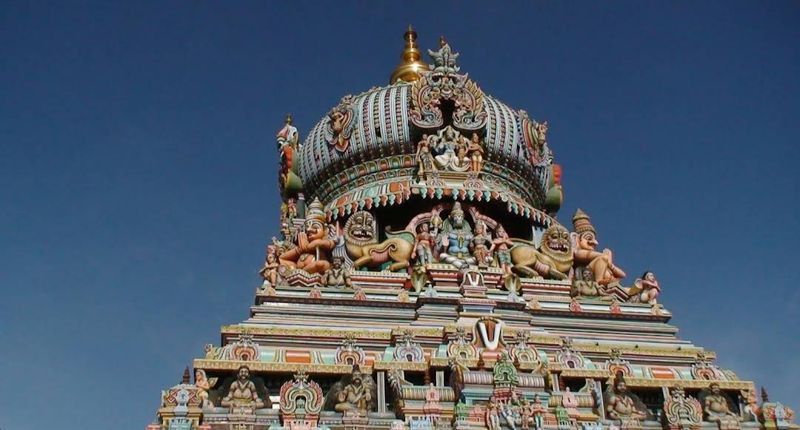
Standing at the base of the Meenakshi Amman Temple and craning your neck upward to take in the sheer density of sculpted figures stacked on its towering gopurams is one of those travel moments that genuinely overwhelms the senses. The temple complex in the heart of Madurai has 14 gateway towers, the tallest reaching 52 meters, and each is covered in thousands of vividly painted mythological figures.
Counting them all is reportedly an impossible task.
Madurai is one of the oldest continuously inhabited cities in the world, with a history stretching back over 2,500 years. The Meenakshi temple has been the religious and cultural center of Tamil life for most of that time.
The inner sanctum houses shrines to the goddess Meenakshi and Lord Sundareswarar, and daily rituals draw enormous crowds of devoted worshippers throughout the year.
The city comes alive during the Chithirai Festival each April, when elaborate processions reenact the divine marriage of Meenakshi and Shiva through the streets. Madurai’s food culture is equally impressive.
Filter coffee, jigarthanda, a local cold milk drink, and Chettinad cuisine featuring bold spices and slow-cooked meat dishes are regional highlights. The old textile market near the temple sells silk sarees and cotton fabrics at prices far better than most Indian cities.
Madurai rewards those who take time to wander beyond the temple gates.
Rishikesh – Uttarakhand
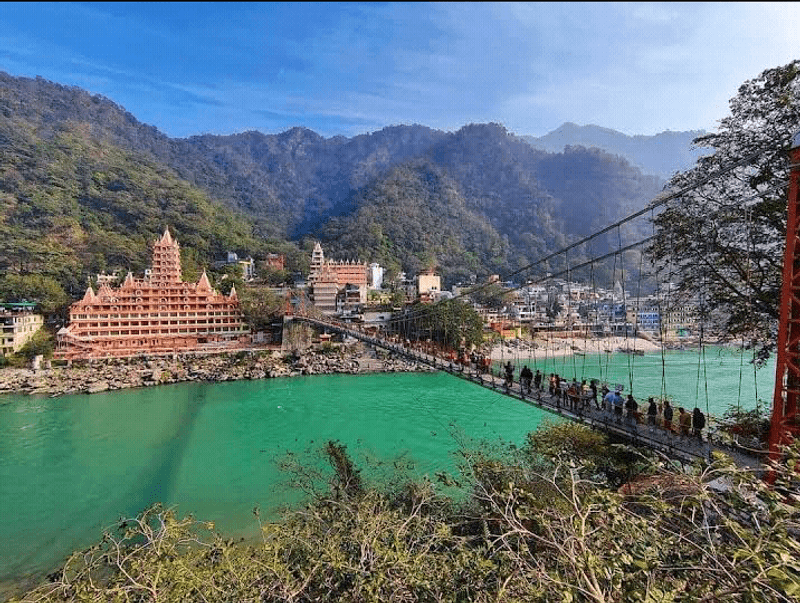
Rishikesh sits where the Ganges River rushes out of the Himalayan foothills and into the plains, and the energy of the place reflects that transition perfectly. Known as the Yoga Capital of the World, this small city in Uttarakhand draws a remarkable mix of Hindu pilgrims, international yoga practitioners, adventure seekers, and spiritual wanderers all sharing the same riverside ghats without any apparent conflict.
The Beatles famously spent time at the Maharishi Mahesh Yogi’s ashram here in 1968, and their visit helped put Rishikesh on the global map. That ashram, now known as Beatles Ashram, is an abandoned and graffiti-covered complex open to visitors and oddly atmospheric.
Dozens of active yoga and meditation centers across the city offer everything from week-long immersive retreats to single drop-in classes.
White-water rafting on the Ganges between Shivpuri and Rishikesh is one of the most popular adventure activities in northern India, with rapids ranging from gentle to genuinely exciting. The Ram Jhula and Laxman Jhula suspension bridges sway above the river while monkeys scramble across the cables overhead.
Evening Ganga Aarti at Triveni Ghat draws large crowds for a ceremony of fire, chanting, and floating oil lamps that feels deeply moving even for secular visitors. Rishikesh balances adventure and serenity in a way few places manage.
Mumbai – Maharashtra
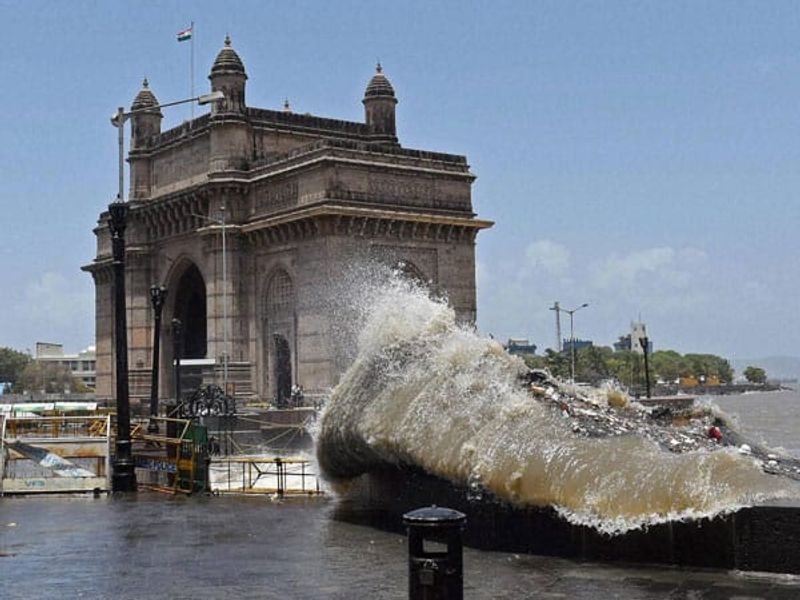
Mumbai never really sleeps, and if it does, it is only for about twenty minutes sometime around 4am. India’s largest city and financial capital operates at a pace that simultaneously exhausts and exhilarates.
From the colonial grandeur of the Gateway of India to the neon-lit chaos of Dharavi, one of Asia’s largest urban settlements, Mumbai contains multitudes that no single visit can fully capture.
Marine Drive, the curved seafront boulevard nicknamed the Queen’s Necklace for the way its streetlights look from above at night, is perfect for evening walks. Colaba Causeway offers shopping, street food, and the legendary Leopold Cafe, a favorite of backpackers since long before it appeared in the novel Shantaram.
The Chhatrapati Shivaji Maharaj Terminus, a UNESCO-listed Victorian Gothic railway station, handles more daily commuters than some entire countries.
Bollywood makes its home here, and studio tours in the Filmcity complex offer a genuinely entertaining peek behind the scenes of the world’s most prolific film industry. Street food is a serious Mumbai art form: vada pav, pav bhaji, bhel puri, and keema pav are essential eating.
The city’s neighborhoods shift dramatically in character from one block to the next, from the quiet lanes of Bandra West to the wholesale chaos of Crawford Market. Mumbai rewards those willing to get lost in it.
Ranthambore National Park – Rajasthan
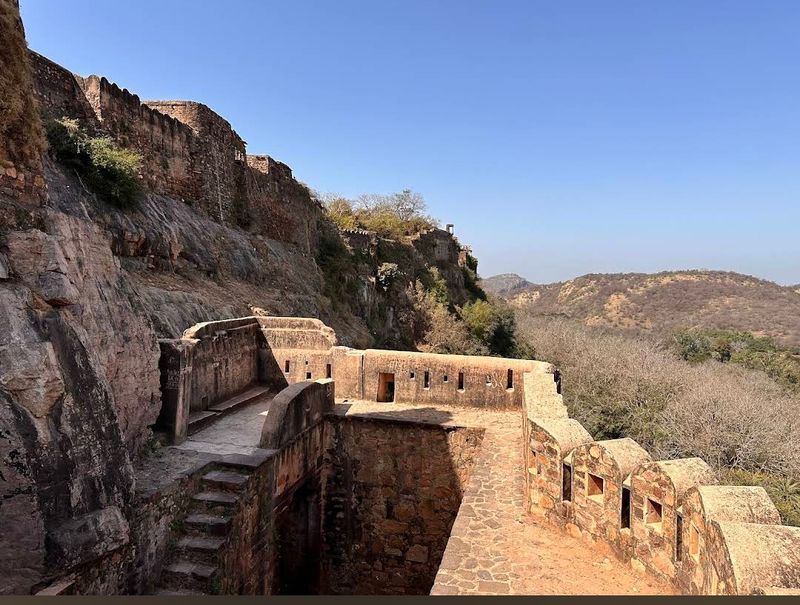
Ranthambore is the place where ancient history and wild nature decided to share the same address, and the result is spectacular. A 10th-century fort rises dramatically from the jungle floor inside the national park, and Bengal tigers have been photographed lounging on its crumbling walls as if they own the place, which in every practical sense they do.
Ranthambore is one of India’s most successful tiger conservation stories.
The park covers over 1,300 square kilometers of dry deciduous forest in eastern Rajasthan and is home to around 70 tigers. Morning and afternoon safari slots fill up quickly, so booking well in advance is essential, especially between October and April when sightings are most frequent.
Open-top jeep safaris carry six passengers and are guided by trained naturalists who read paw prints and alarm calls from deer and monkeys to locate big cats.
Even when tigers stay hidden, Ranthambore delivers. Leopards, sloth bears, marsh crocodiles, nilgai antelope, and an extraordinary variety of birds including painted storks and crested serpent eagles make every game drive worthwhile.
The ancient Ranthambore Fort complex within the park contains temples still visited by local pilgrims who travel through tiger territory to reach them. The combination of wildlife drama and Rajput history makes this one of the most distinctive national parks in Asia.
Delhi – Delhi
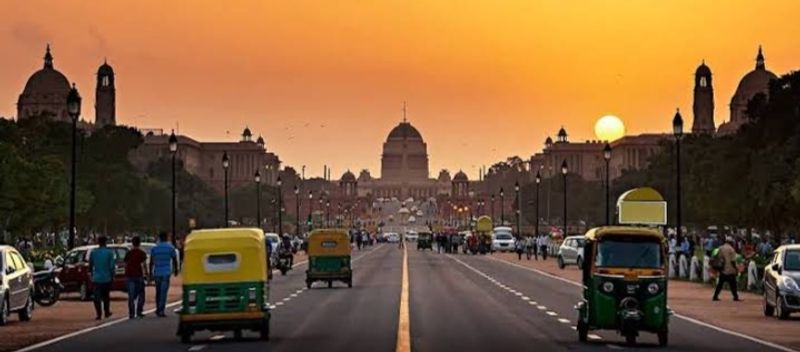
Delhi is not one city. It is at least eight cities stacked on top of each other across 3,000 years of continuous history, and navigating between them is one of the great urban adventures available anywhere in the world.
Mughal monuments, British colonial buildings, medieval mosques, and glass-fronted corporate towers exist within kilometers of each other in a metropolitan sprawl of over 30 million people.
The Red Fort, built by Mughal emperor Shah Jahan in 1648, anchors the old city of Shahjahanabad, whose winding lanes lead directly into Chandni Chowk, one of the oldest and most chaotic markets in Asia. Navigating it by cycle rickshaw while eating paranthas from Paranthe Wali Gali is peak Old Delhi experience.
Humayun’s Tomb, a stunning Mughal garden mausoleum that directly inspired the Taj Mahal, sits in quieter South Delhi and often receives far fewer visitors than it deserves.
Qutub Minar, India Gate, Lodhi Garden, Hauz Khas Village, and the Akshardham Temple complex each represent different chapters of Delhi’s layered story. The metro system makes getting around surprisingly manageable.
Street food here ranges from chhole bhature and dahi bhalle to Tibetan momos and South Indian dosas, reflecting the city’s status as a genuine melting pot. Delhi is overwhelming by design, and that is exactly why it is unforgettable.
Share this story