Around the world, the distance between the wealthiest and the poorest people is growing wider in many countries. Economists use a tool called the Gini coefficient to measure this gap, where a higher score means greater inequality.
Some nations have stunning skylines and booming economies, yet millions of their citizens live without basic necessities. Understanding which countries have the widest wealth gaps helps us see why equal opportunity matters so much.
South Africa
No country on Earth has a wider recorded wealth gap than South Africa, which holds a Gini coefficient hovering around 63. That number is not just a statistic.
It represents real communities where luxury homes sit within eyesight of tin-roofed settlements lacking running water.
The roots of this inequality stretch deep into the apartheid era, a government system that legally separated people by race and denied Black South Africans access to quality education, land, and economic opportunity for decades. Even though apartheid ended in 1994, its financial consequences are still very much alive today.
Land ownership remains heavily concentrated, unemployment rates are among the world’s highest, and the formal job market often excludes those without quality schooling. South Africa has a well-developed banking sector and strong industries, yet these benefits reach only a fraction of the population.
Closing this gap will require bold policy changes and sustained investment in communities that have been left behind for generations.
Namibia
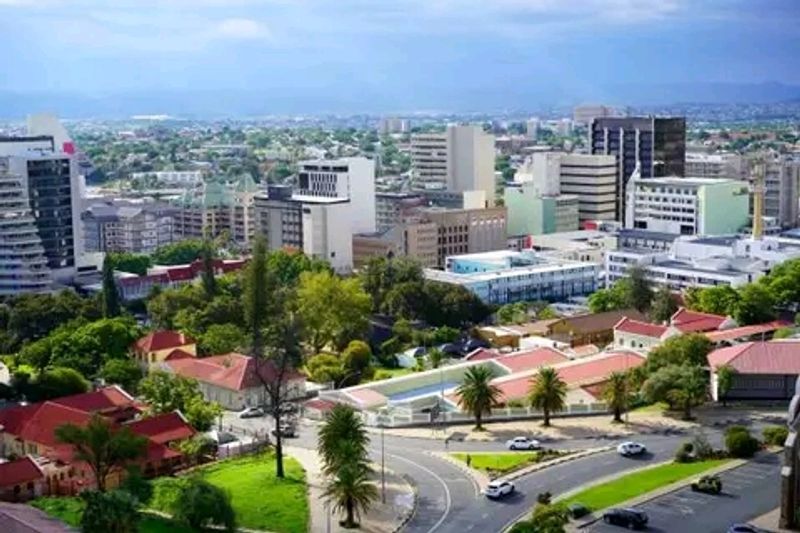
Decades after gaining independence from South Africa in 1990, Namibia still carries one of the world’s most unequal economies. The country is vast, beautiful, and rich in natural resources, yet that wealth has not spread evenly across its people.
Land ownership tells much of the story. Large commercial farms, many historically owned by white minority families, cover enormous portions of the country’s agricultural land.
Meanwhile, the majority of Namibians, particularly in rural areas, have far fewer economic assets and limited access to well-paying jobs.
The government has made real efforts to reduce extreme poverty through social grants and development programs, and those efforts have helped. But closing the gap between the top earners and the rest of the population remains a slow and complicated process.
Urban areas like the capital Windhoek show modern infrastructure and growing businesses, while remote communities still lack reliable electricity and clean water access. Namibia’s challenge is turning its resource wealth into opportunity that reaches every corner of the country, not just the cities.
Colombia
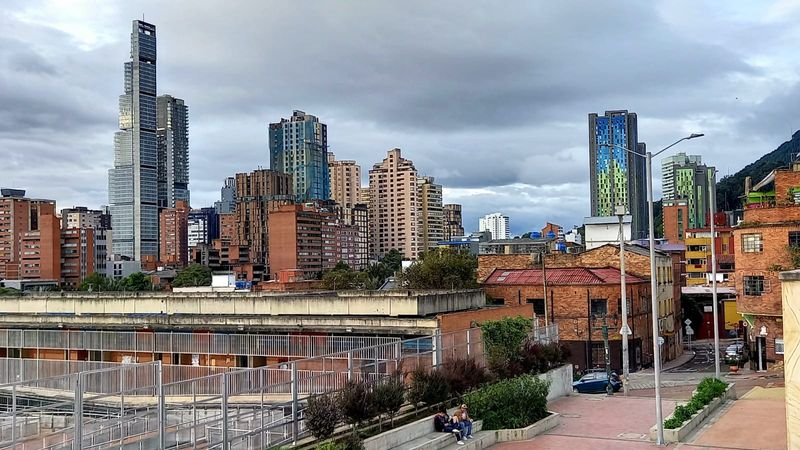
Colombia is a country of dramatic contrasts. Gleaming financial towers rise above Bogota while just a short drive away, hillside neighborhoods called comunas struggle with poverty, limited services, and few economic pathways out.
Much of Colombia’s inequality is tied to land. A small number of wealthy families and agribusinesses control enormous portions of fertile farmland, while millions of rural Colombians work small plots or have no land at all.
Decades of armed conflict also displaced communities and made rural investment nearly impossible in many regions.
Access to quality education is another major dividing line. Private universities and elite schools serve upper-income families well, while public schools in poorer areas often lack basic resources.
Colombia has seen economic growth in recent years, and targeted social programs have helped some families move out of poverty. But the Gini coefficient remains stubbornly high, placing Colombia consistently among the world’s most unequal countries.
Real progress will depend on land reform, stronger public education funding, and economic policies that create opportunity beyond major urban centers.
Eswatini
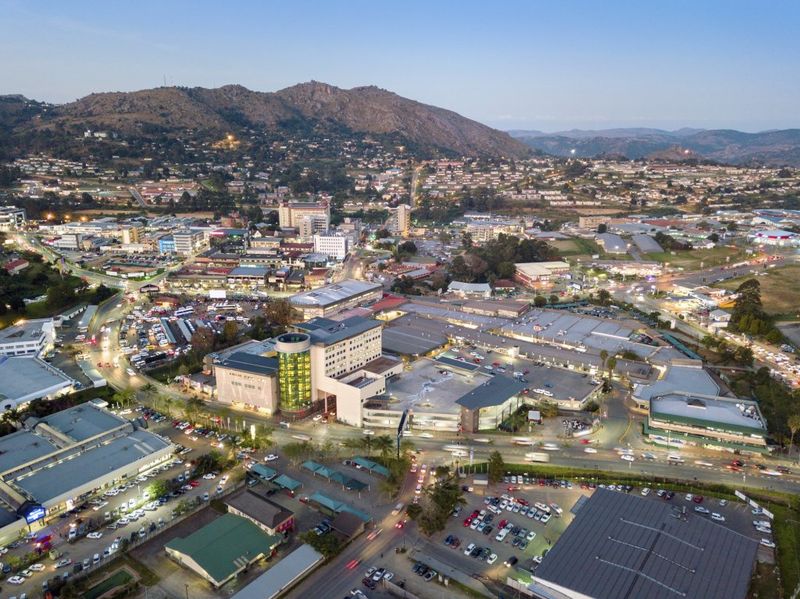
Eswatini, the small landlocked kingdom formerly known as Swaziland, packs a striking economic contradiction into a country roughly the size of New Jersey. A tiny elite controls a disproportionate share of national wealth, while over half the population lives below the poverty line.
The country’s political structure plays a role in this imbalance. Eswatini is one of the world’s last absolute monarchies, and land is technically owned by the king on behalf of the nation.
This arrangement limits private land ownership for ordinary citizens and can restrict economic mobility in rural communities.
High HIV and AIDS rates have also hit the working-age population hard, reducing household incomes and straining public health resources. Unemployment is widespread, and young people face particularly limited job prospects.
Some economic growth has occurred in manufacturing and agriculture, but the benefits tend to flow toward those already in positions of advantage. Eswatini’s inequality is not simply a numbers problem.
It is deeply tied to governance, health, and historical systems that have kept economic power concentrated in very few hands for a very long time.
Botswana
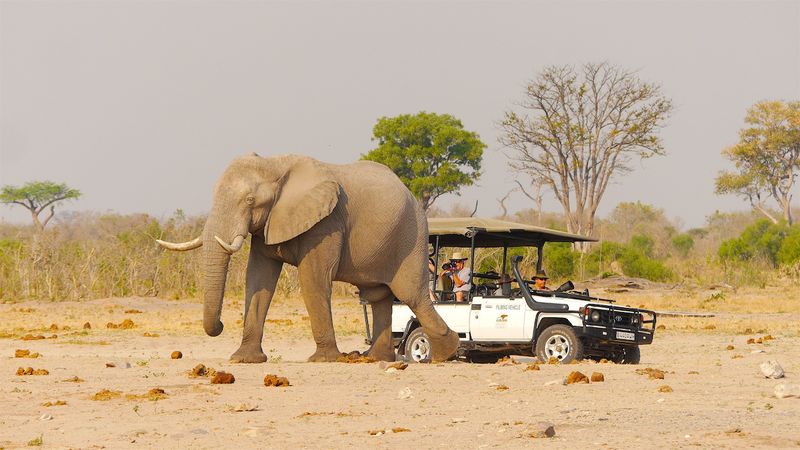
Botswana is often held up as an African success story, and in many ways it is. The country transformed from one of the world’s poorest nations at independence in 1966 into a middle-income economy powered by diamond mining.
But that shine does not extend equally to everyone.
Diamond revenues have funded impressive infrastructure in cities like Gaborone, but rural communities have seen far less of that prosperity. Wealth from mining is largely managed by the government and a small circle of connected businesses, leaving many ordinary Botswanans with limited economic access despite living in a resource-rich country.
Unemployment remains a persistent problem, especially among young people, and inequality between urban and rural populations is significant. The country’s Gini coefficient places it consistently among the world’s highest, a surprising fact given its reputation for stability and good governance.
Botswana has made genuine strides in education and healthcare, but converting national mineral wealth into broadly shared economic opportunity has proven harder than expected. The next chapter for Botswana must focus on economic diversification so that prosperity reaches beyond the diamond sector.
Brazil
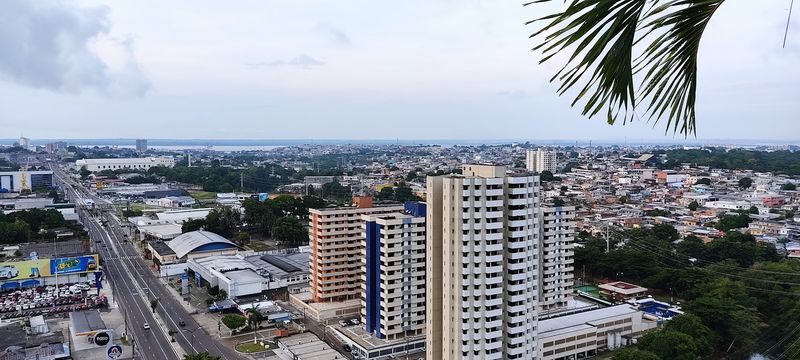
Few images capture economic inequality quite like an aerial shot of Rio de Janeiro, where crowded hillside favelas press right up against neighborhoods full of luxury apartments and beachfront properties. Brazil has worn this contradiction for generations.
During the early 2000s, landmark social programs like Bolsa Familia helped lift tens of millions of Brazilians out of extreme poverty, and those gains were real. But the underlying wealth structure barely shifted.
Brazil’s top earners still hold a dramatically outsized share of total national income, and access to quality education, healthcare, and legal protection remains deeply unequal.
Race also plays a significant role. Afro-Brazilian communities face higher unemployment rates, lower wages, and fewer opportunities for advancement compared to white Brazilians on average.
Urban violence, largely concentrated in poorer neighborhoods, further limits economic mobility for residents trying to build stable lives. Brazil has the economic size of a major world power, ranking among the largest economies globally.
Yet that power has not translated into fairness. Narrowing the gap will require more than social programs.
It demands structural changes to taxation, land ownership, and access to quality public services.
Zambia
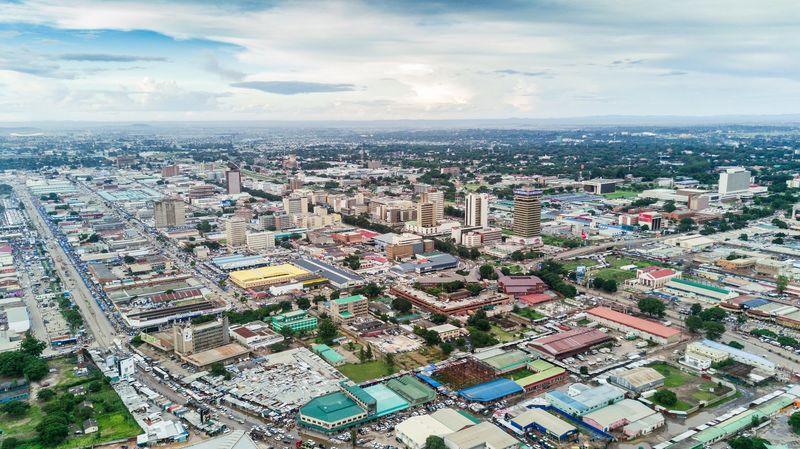
Zambia sits on one of the world’s richest deposits of copper, yet most Zambians have not seen that mineral wealth translate into better daily lives. The country’s economy has long depended on copper exports, but the profits from mining often flow outward to foreign companies and a narrow domestic elite.
Rural communities bear the sharpest end of this inequality. Agriculture employs the majority of Zambia’s population, but smallholder farmers lack access to modern equipment, affordable credit, and reliable markets.
When copper prices drop globally, government revenues shrink and social services are often the first to feel the cut.
Zambia’s capital, Lusaka, has a growing middle class and visible signs of urban development, but that prosperity does not reflect conditions across most of the country. Infrastructure gaps, limited healthcare in rural areas, and underfunded schools keep many communities locked out of economic progress.
Zambia defaulted on its international debt in 2020, adding further pressure to public spending. The country’s long-term challenge is building an economy that does not rise and fall entirely with copper prices, and that shares its gains far more broadly than it currently does.
Angola
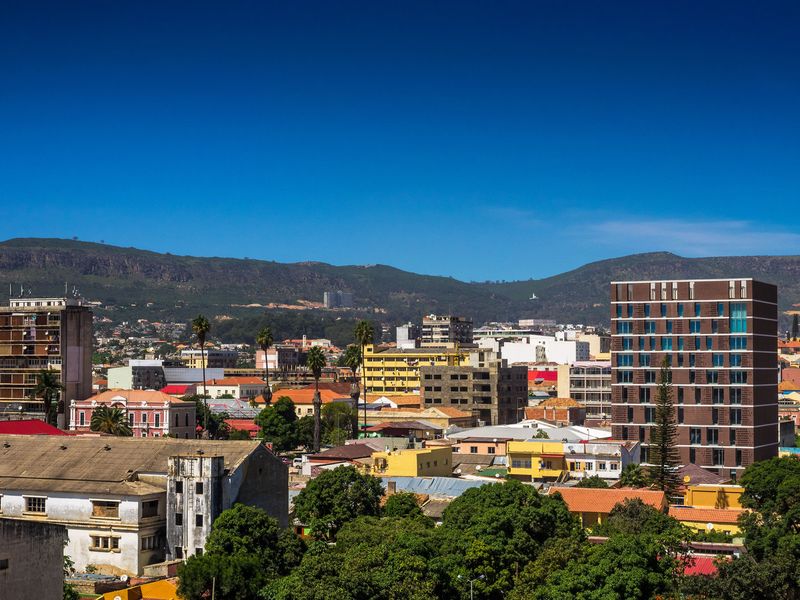
Angola produces enough oil to make it one of sub-Saharan Africa’s largest petroleum exporters, yet Luanda, its capital, once ranked as one of the world’s most expensive cities while the majority of Angolans lived in poverty. That painful contradiction says everything about how oil wealth has been managed.
Decades of civil war, which lasted from 1975 to 2002, destroyed infrastructure and displaced millions of people. When peace finally arrived, oil revenues poured in but were largely captured by political elites and well-connected business interests.
Transparency International has consistently flagged Angola for high levels of corruption, which limits how much public investment reaches ordinary communities.
Outside Luanda, roads are poor, hospitals are understaffed, and clean water access is unreliable for many households. Angola’s government has taken some steps toward reform, but restructuring an economy built around oil profits and elite networks takes time and political will.
The country has enormous agricultural potential and a young population eager for opportunity. Whether Angola can channel its natural wealth into broad-based development is one of the continent’s most important economic questions going forward.
Mozambique
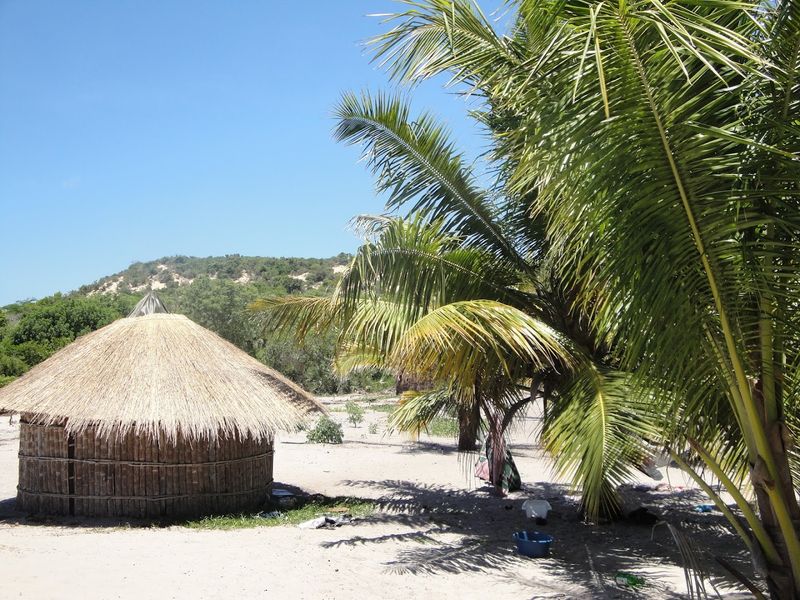
Mozambique has something many countries dream about: massive natural gas reserves discovered offshore that could generate billions in revenue for decades. But the people living in the country’s poorest rural provinces are not holding their breath.
They have seen this story before.
Even before the gas boom, economic growth in Mozambique was largely concentrated in urban centers like Maputo. Foreign investment flowed into infrastructure projects and resource extraction, while subsistence farming communities remained cut off from the benefits.
About two-thirds of Mozambicans depend on agriculture for their livelihoods, yet rural areas receive far fewer government services and investment than cities.
A debt scandal in 2016, involving secret government loans tied to maritime projects, severely damaged Mozambique’s relationship with international donors and triggered a financial crisis. Recovery has been slow and painful, particularly for the poorest households.
Meanwhile, an ongoing insurgency in the northern Cabo Delgado province, near the gas fields, has displaced hundreds of thousands of people and made development even harder. Mozambique’s inequality is not just about money.
It is about who gets to benefit from the country’s resources and who gets left waiting.
Zimbabwe

Zimbabwe’s economy has been on a roller coaster for over two decades, and ordinary citizens have felt every drop. Hyperinflation in the late 2000s was so extreme that the government eventually printed a one hundred trillion dollar banknote, which became worthless almost immediately.
That chapter left deep financial scars.
Land reform policies in the early 2000s, which redistributed white-owned farms to Black Zimbabweans, were politically charged and economically disruptive. Many new landowners lacked the resources and support needed to maintain production, and agricultural output collapsed.
Food insecurity followed, and unemployment skyrocketed.
Today, Zimbabwe still struggles with economic instability, currency problems, and limited foreign investment due to political uncertainty. A small group of politically connected elites continues to control significant wealth, while the majority of the population navigates a difficult informal economy.
Healthcare and education systems that were once among Africa’s strongest have deteriorated sharply. Some sectors like mining and tobacco farming show signs of recovery, but those gains have not translated into broad prosperity.
Zimbabwe has talented, educated people and real natural resources. The missing ingredient has been stable, transparent governance that works for everyone, not just the powerful few.
Panama
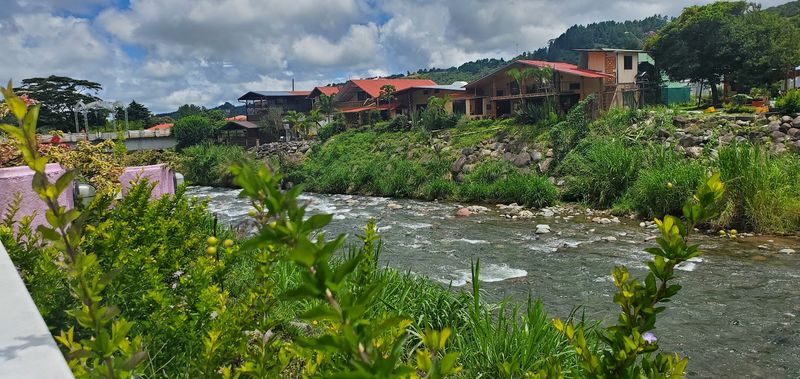
Panama City looks like a wealthy global hub. Its skyline is packed with glass towers, its banks handle international finance from around the world, and the Panama Canal generates enormous revenue every year.
But step outside the financial district and a very different Panama emerges.
Indigenous communities in provinces like Darien and Ngabe-Bugle face some of the highest poverty rates in all of Central America. These groups have historically been excluded from economic growth and political decision-making, living in areas with poor roads, limited schools, and inadequate healthcare facilities.
The Panama Papers leak in 2016 exposed how wealthy individuals from around the world used Panamanian financial structures to hide money from tax authorities. That scandal spotlighted just how deeply Panama’s financial system serves the global rich rather than its own citizens.
Panama’s Gini coefficient remains high despite impressive GDP growth, because that growth concentrates at the top. Rural and indigenous communities continue waiting for the prosperity that gleams so visibly from the capital’s towers.
True development in Panama means building roads and schools in Darien, not just more luxury condominiums in Panama City.
Honduras
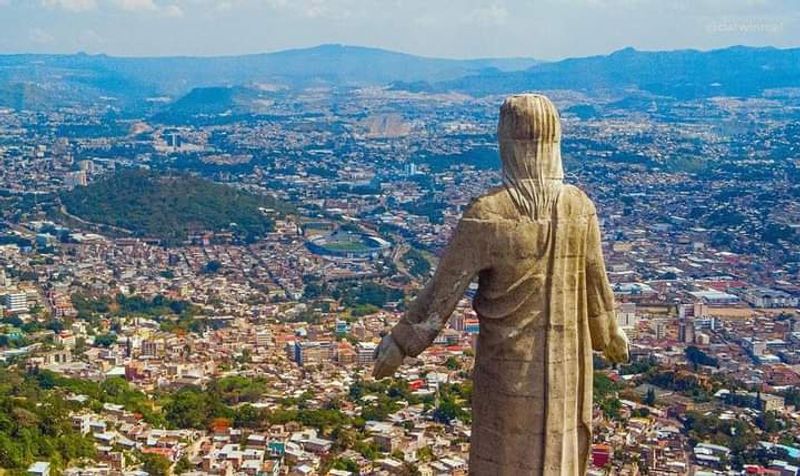
Honduras regularly appears near the top of lists for Central America’s most unequal economies, and the daily reality behind that ranking is difficult. Poverty rates are high, wages for most workers are low, and access to quality healthcare or education depends heavily on where and to whom you were born.
A small number of wealthy families have historically controlled major industries including agriculture, manufacturing, and media. This concentration of economic and political power makes it hard for new competitors or small businesses to gain a foothold.
Corruption within government institutions has also diverted public resources away from the communities that need them most.
Violence linked to organized crime has compounded economic hardship. Businesses in high-crime areas face extortion, talented workers emigrate in search of safety and opportunity, and investment stays away.
The connection between inequality and migration from Honduras to the United States is well documented. Families do not make dangerous journeys north because life is comfortable at home.
Honduras has fertile land, a strategic location, and a young workforce. What it needs are governance reforms, investment in rural communities, and economic policies that break the stranglehold of elite interests on national opportunity.
Guatemala
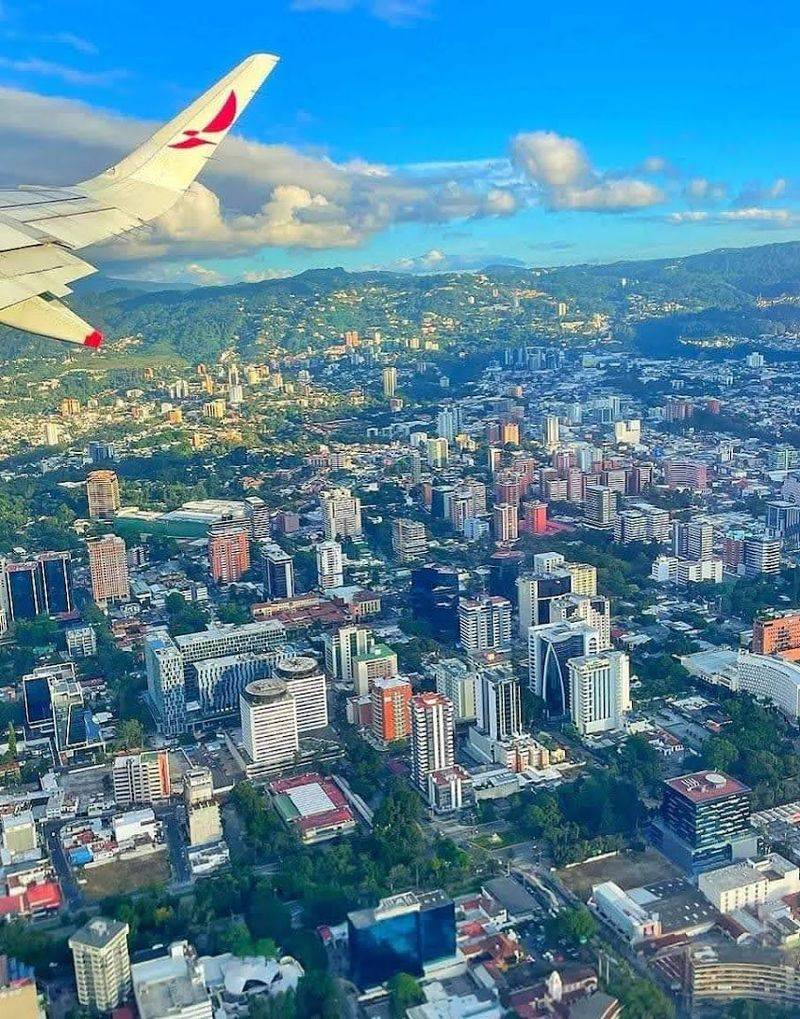
Guatemala has a history stretching back thousands of years through the great Mayan civilization, yet today millions of Mayan and indigenous Guatemalans live in conditions of deep poverty while a small ladino elite controls the majority of the country’s wealth and land. That is a gap centuries in the making.
Land concentration is extreme. A small number of families own vast agricultural estates producing coffee, sugar, and palm oil for export, while rural indigenous communities farm tiny plots with limited access to markets, credit, or modern tools.
The school system in indigenous regions is chronically underfunded and often teaches only in Spanish, a barrier for children whose first language is a Mayan dialect.
Malnutrition rates in Guatemala are among the highest in Latin America, particularly affecting children in rural highlands. This is not a food shortage problem in a country that exports food globally.
It is a distribution and access problem rooted in inequality. Guatemala’s economy is large enough by regional standards to do much better for its people.
But meaningful change requires confronting powerful agricultural and business interests that have shaped national policy for generations. Progress is possible, but it demands political courage and sustained commitment.
Paraguay
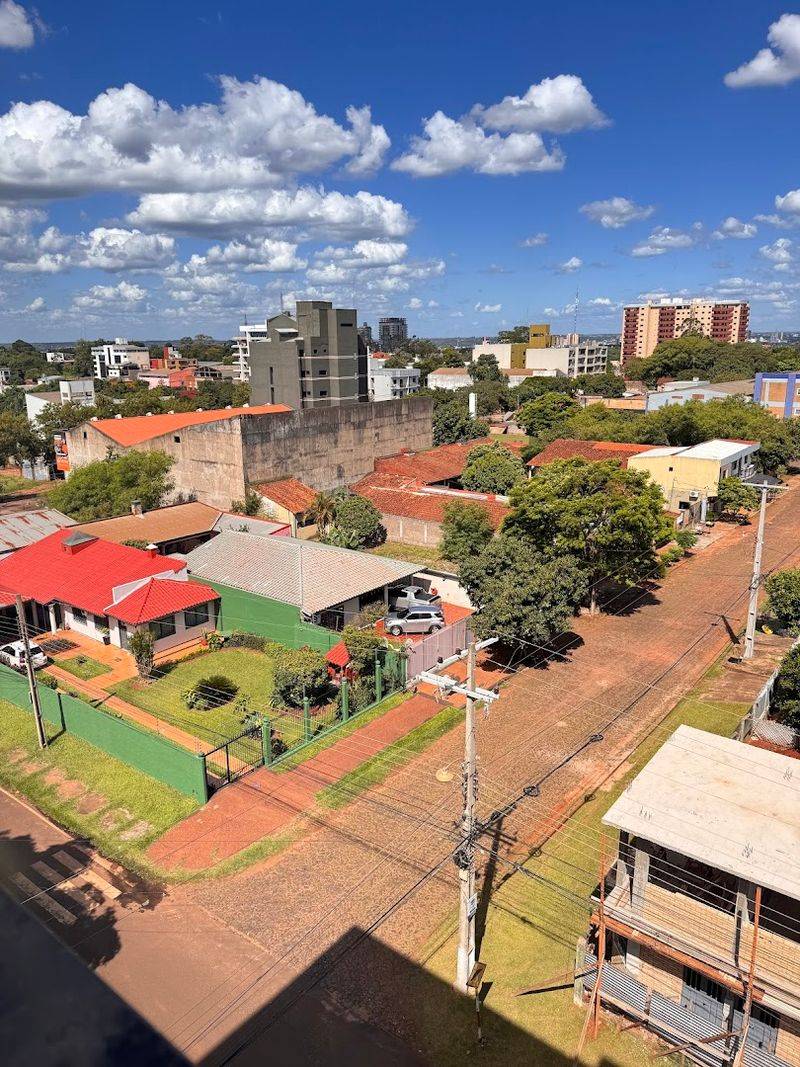
Paraguay is one of the world’s top exporters of soybeans and beef, and its agricultural economy has grown impressively over the past two decades. But walk away from the export terminals and large estancias, and you find a country where rural inequality is staggering.
Land distribution in Paraguay is among the most skewed on the planet. A tiny fraction of landowners controls the vast majority of agricultural land, while landless peasant farmers and indigenous communities struggle to access even small plots.
Violent conflicts over land rights have occurred repeatedly, often pitting poor rural communities against powerful agricultural interests backed by legal and political connections.
Urban areas like Asuncion have seen growing middle-class neighborhoods and modern services, but rural communities in regions like San Pedro or Canindeyu remain among the poorest in South America. Access to clean water, quality schools, and healthcare in these areas lags far behind the capital.
Paraguay also has a significant informal economy, which means many workers lack job security, benefits, or legal protections. The country’s agricultural wealth could theoretically support a much more equal society.
Redirecting even a portion of those gains toward rural development and land reform would make a measurable difference for millions of Paraguayans.
United States
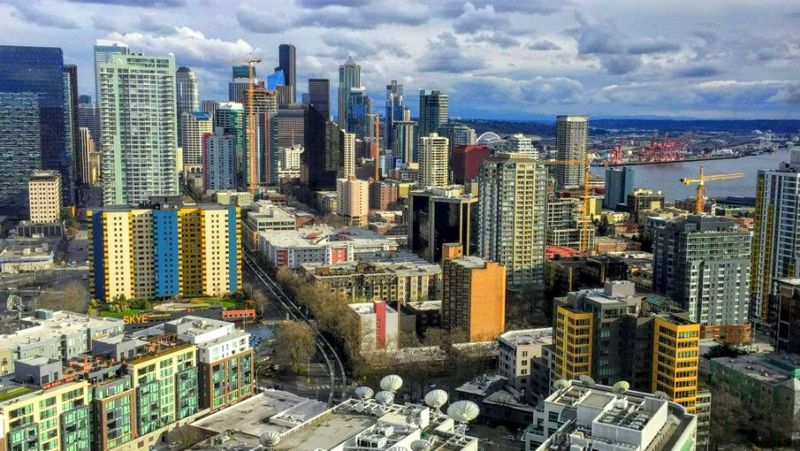
The United States is the wealthiest nation in history by total economic output, yet it also holds the distinction of being the most unequal among all wealthy developed nations. That is a fact worth sitting with for a moment.
Over the past four decades, wages for middle and lower-income workers have grown slowly while the earnings of top executives and investors have skyrocketed. The share of national wealth held by the top one percent has risen dramatically, while many working families carry significant debt from housing, healthcare, and education costs.
The American dream of upward mobility is increasingly difficult to achieve without starting from a position of advantage.
Race compounds the inequality. Black and Hispanic households on average hold significantly less wealth than white households, a gap tied to historical policies like redlining, discriminatory lending, and unequal school funding that limited asset building for minority communities over generations.
The United States has enormous resources, world-class universities, and innovative industries. But when the gains from that innovation flow mainly to the already wealthy, the promise of equal opportunity rings hollow for millions.
Addressing this gap requires honest conversation about tax policy, healthcare access, education funding, and the structural barriers that keep opportunity out of reach for so many.
Share this story