Florida is wild in every sense of the word, and I mean that literally. From the swamps of the Everglades to the backyards of Miami, the Sunshine State is home to an astonishing mix of native and invasive species that are growing faster than anyone expected.
Some of these animals are conservation success stories, while others are ecological headaches that keep wildlife managers up at night. Whether you find them fascinating or a little terrifying, these 15 fastest-growing wildlife populations in Florida are impossible to ignore.
1. Burmese Pythons
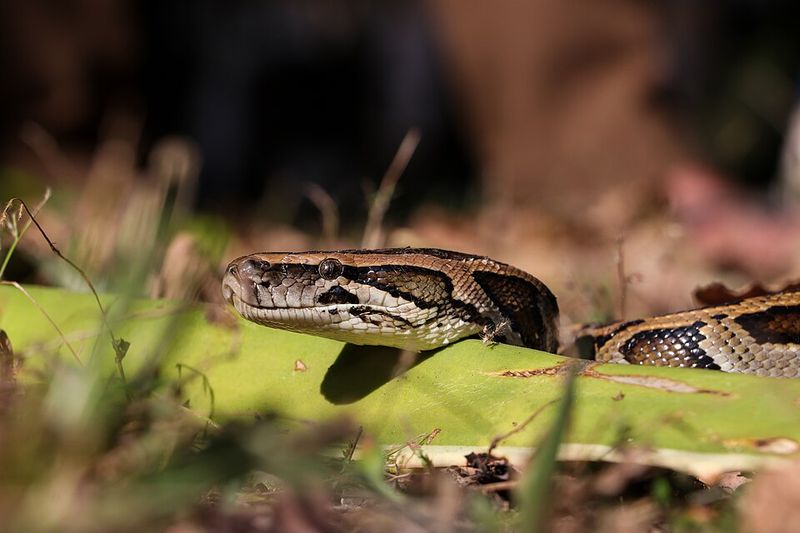
Nobody expected a snake the size of a school bus to become Florida’s most notorious resident, yet here we are. Burmese pythons were first spotted in the Everglades in the 1980s, likely released by overwhelmed pet owners who underestimated just how massive these reptiles get.
Today, estimates suggest hundreds of thousands of these giants roam South Florida’s wetlands.
The ecological damage is staggering. Studies found that populations of raccoons, opossums, and rabbits in Everglades National Park have dropped by over 90% in python-dominated areas.
Birds, deer, and even alligators have turned up as python prey.
Florida now holds annual python removal challenges to encourage hunters to catch as many as possible. It is a wild solution to an even wilder problem, and the snakes keep winning.
These pythons have no natural predators here, which makes their population boom essentially unstoppable without serious human intervention.
2. Green Iguanas
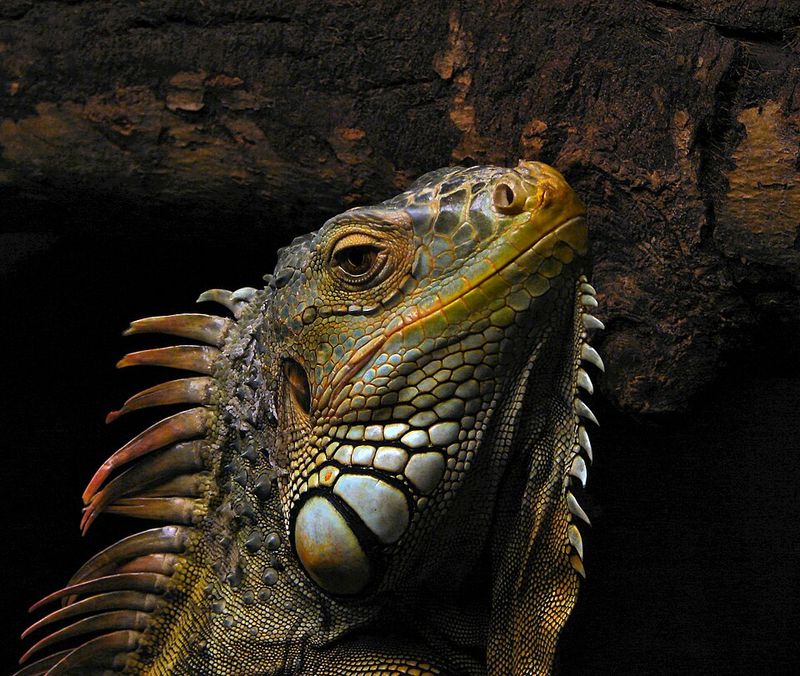
South Florida homeowners have a new uninvited guest, and it eats their garden, naps on their porch, and absolutely does not pay rent. Green iguanas, originally from Central and South America, arrived in Florida through the exotic pet trade and have since turned the state into their personal paradise.
Warm temperatures, zero natural predators, and abundant food sources make South Florida ideal iguana territory. A single female can lay up to 76 eggs per year, which explains why populations exploded so dramatically across Miami-Dade, Broward, and Palm Beach counties.
They damage seawalls by burrowing, devour native plants, and occasionally cause power outages by climbing electrical equipment. Florida Fish and Wildlife actually encourages residents to humanely remove iguanas from their property.
Still, with millions already established, controlling this population feels a bit like trying to empty the ocean with a teaspoon.
3. Coyotes
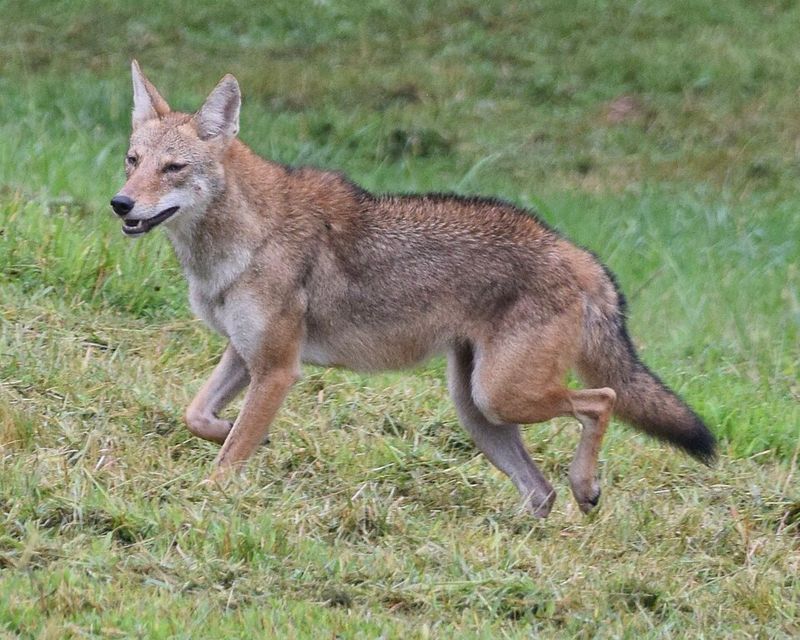
Coyotes pulled off one of nature’s sneakiest road trips, quietly expanding from the western United States all the way to Florida without most people noticing until they were already everywhere. Today, coyotes live in all 67 Florida counties, from rural farmland to busy city neighborhoods.
They are remarkably adaptable animals. Coyotes eat almost anything, including fruit, small pets, rodents, and garbage, which makes suburban Florida a buffet they simply cannot resist.
They are also fast breeders, with litters of up to a dozen pups born each spring.
Most people never see a coyote even when one lives nearby, because they are secretive and mostly active at night. However, encounters near homes are increasing, especially in areas where residents accidentally feed them.
Wildlife experts recommend securing trash cans and never leaving small pets outside unattended after dark. Coyotes are here, and they are staying.
4. Feral Hogs

Few animals cause as much environmental chaos per square foot as the feral hog, and Florida has millions of them. Also called wild boars, these animals were introduced to Florida by Spanish explorers in the 1500s and have been causing trouble ever since.
They now occupy nearly every corner of the state.
Feral hogs reproduce at an almost absurd rate. A single sow can produce two litters per year with up to a dozen piglets each.
Populations can double within just a few months under good conditions, which is why control efforts rarely keep up.
Their rooting behavior tears up native vegetation, destroys crops, and destabilizes stream banks. They also compete aggressively with native wildlife for food.
Florida landowners lose millions of dollars annually to hog damage. Hunting is legal year-round with no bag limit, yet the population keeps climbing.
These pigs are truly unstoppable.
5. Cane Toads
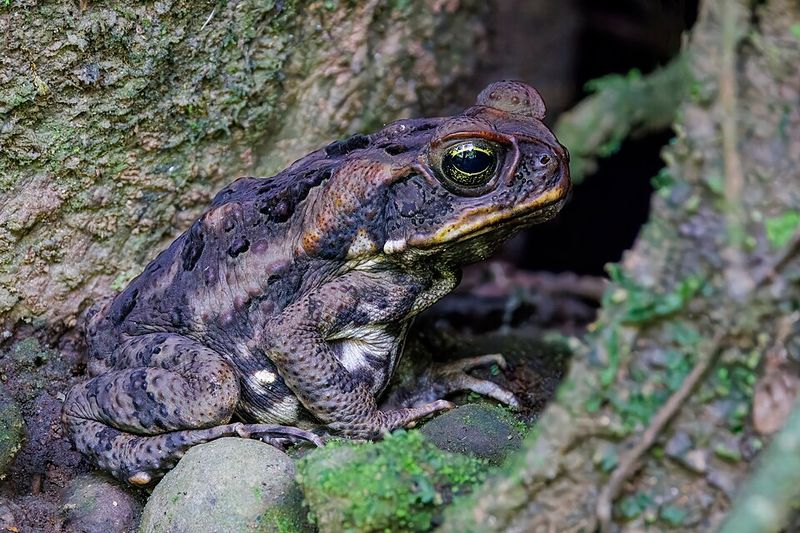
Cane toads were brought to Florida in the 1950s to control sugar cane pests, which sounds like a reasonable plan until you realize these toads ignored the sugar cane entirely and instead became a pest themselves. Brilliant.
Originally from South America, they are now firmly established across South Florida and pushing steadily northward.
What makes cane toads genuinely dangerous is their toxicity. Their skin glands produce a milky poison strong enough to kill dogs and cats within minutes of contact.
Florida pet owners have learned the hard way that curious animals should never mouth a cane toad.
They breed prolifically in almost any shallow water source, including birdbaths and puddles. A single female can produce up to 30,000 eggs per year, which explains the rapid spread.
Wildlife experts recommend removing them from yards humanely. Spotting one hopping across your patio at night is now a common Florida experience.
6. Cuban Tree Frogs
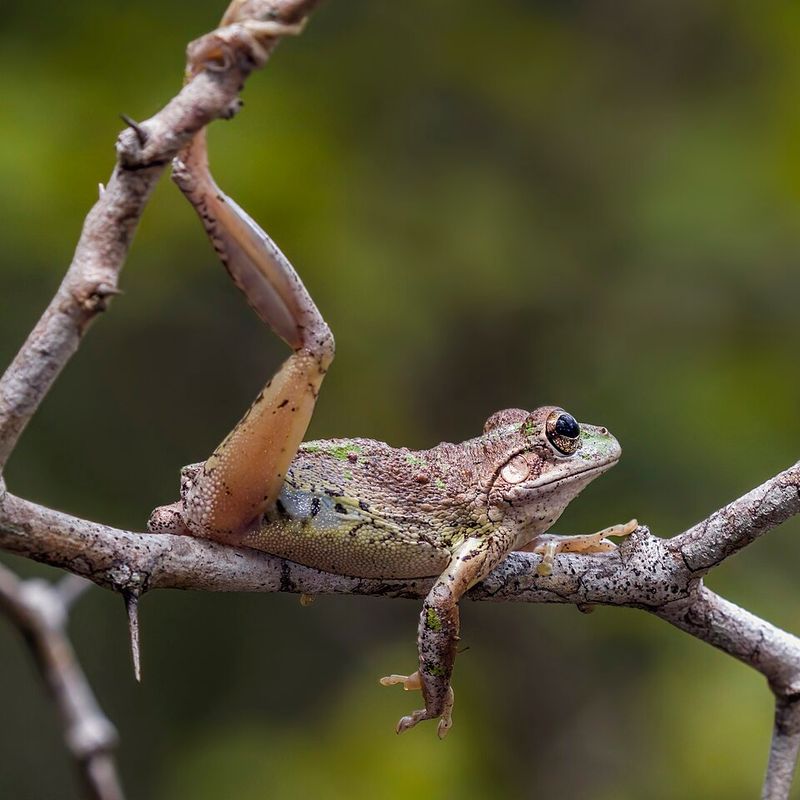
Cuban tree frogs arrived in Florida as stowaways on cargo ships from Cuba and the Caribbean, and they have been aggressively expanding ever since. They are the largest tree frogs in North America, growing up to five inches long, which is impressive until you realize they use that size to eat everything smaller than themselves, including native tree frogs.
Native species like green tree frogs and squirrel tree frogs have declined sharply in areas where Cuban tree frogs dominate. They outcompete natives for food and shelter, and they even eat them directly.
Homeowners often find them clinging to windows, hiding in pipe openings, and jamming themselves into electrical boxes, sometimes causing outages.
Florida wildlife managers encourage residents to humanely euthanize Cuban tree frogs found on their property to help protect native species. Identifying them correctly matters, though, because they look similar to some native frogs at first glance.
7. Nile Monitor Lizards
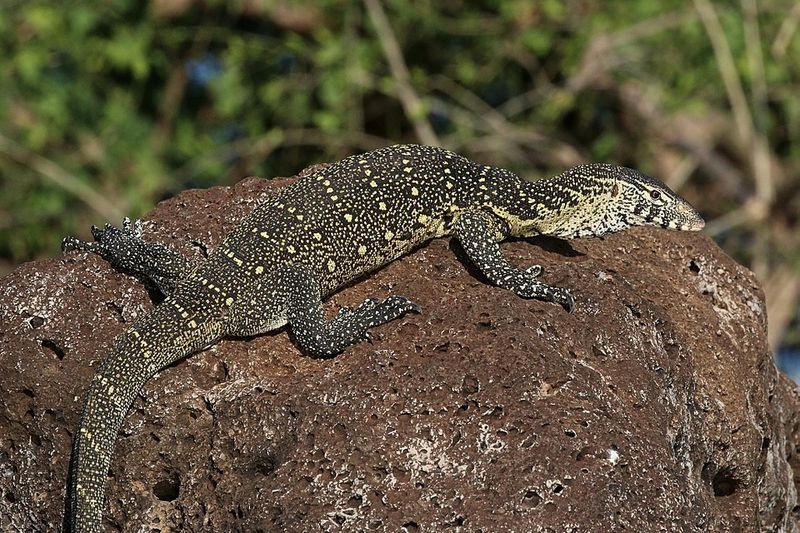
Picture a lizard that can grow over six feet long, swims like a champion, climbs trees effortlessly, and will eat nearly anything it encounters. That is a Nile monitor, and South Florida has an established population of them thriving around canals and wetlands, particularly in Cape Coral and surrounding areas.
Originally from Africa, these lizards likely escaped or were released from the pet trade. They are exceptional predators with strong jaws and sharp claws.
Nile monitors raid bird nests, consume turtle eggs, and prey on small mammals, making them a serious threat to native wildlife in areas they inhabit.
Their population has grown steadily over the past two decades, and eradication is considered nearly impossible at this point. Researchers are focused on monitoring spread and reducing impact where possible.
Seeing one of these massive lizards sunning beside a Florida canal is startling, to say the least.
8. Argentine Black and White Tegus
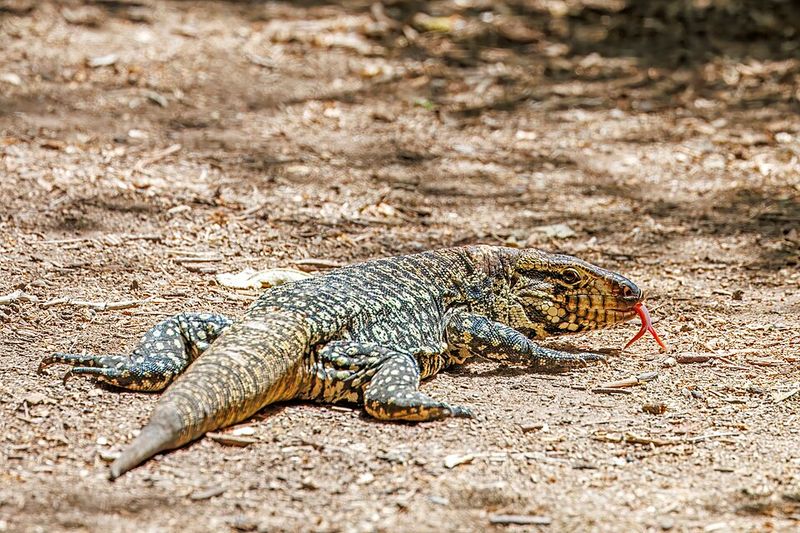
Argentine tegus look like something out of a prehistoric documentary, and their rapid spread across South Florida has wildlife managers genuinely concerned. These large lizards, which can reach four feet in length, were introduced through the pet trade and have established wild populations in Miami-Dade, Hillsborough, and surrounding counties.
What makes tegus especially troublesome is their taste for eggs. They raid nests of ground-nesting birds, sea turtles, and American alligators, threatening species that are already under conservation pressure.
They are also omnivores, meaning vegetables, fruits, and small animals are all fair game.
Unlike many reptiles, tegus can tolerate cooler temperatures, which means their potential range extends well beyond South Florida. The state has launched active trapping programs and encourages residents to report sightings.
I spotted one crossing a trail near Homestead once, and I will admit my jaw dropped at how boldly it walked.
9. Lionfish
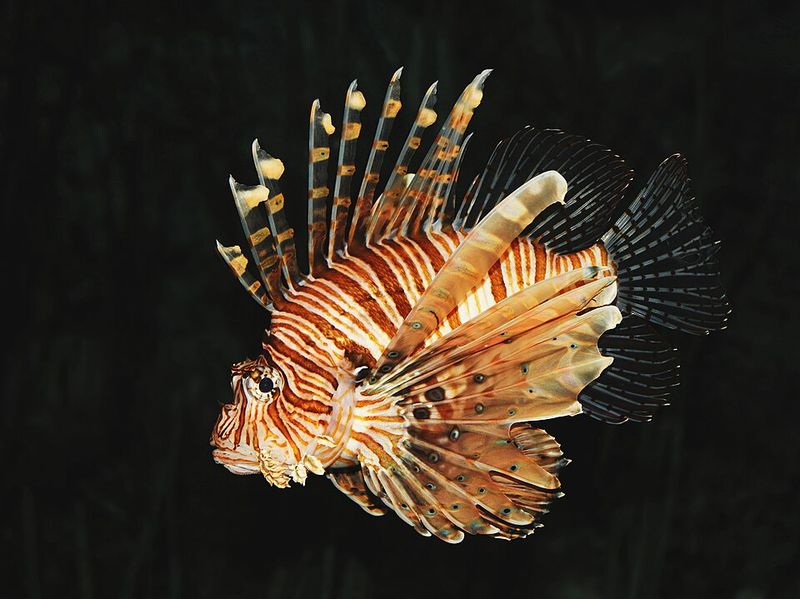
Lionfish are undeniably beautiful, with their flowing fins and bold stripes, but beneath that glamorous exterior hides one of the most destructive invasive species ever to hit Florida’s ocean ecosystems. Native to the Indo-Pacific, they were introduced to Atlantic waters likely through aquarium releases in the 1980s and have since exploded in population.
They are eating machines. Lionfish consume juvenile fish at alarming rates, with some studies showing they reduce young fish populations on reefs by up to 79% within just five weeks of arrival.
Their venomous spines give them protection from almost every predator in Florida waters.
Divers are now the primary population control method, using special spears to hunt them off reefs. Lionfish derbies are held regularly along Florida’s coast, turning removal into a community sport.
Bonus: they taste fantastic, so the solution here is deliciously practical. Eat the invaders, save the reef.
10. Monk Parakeets
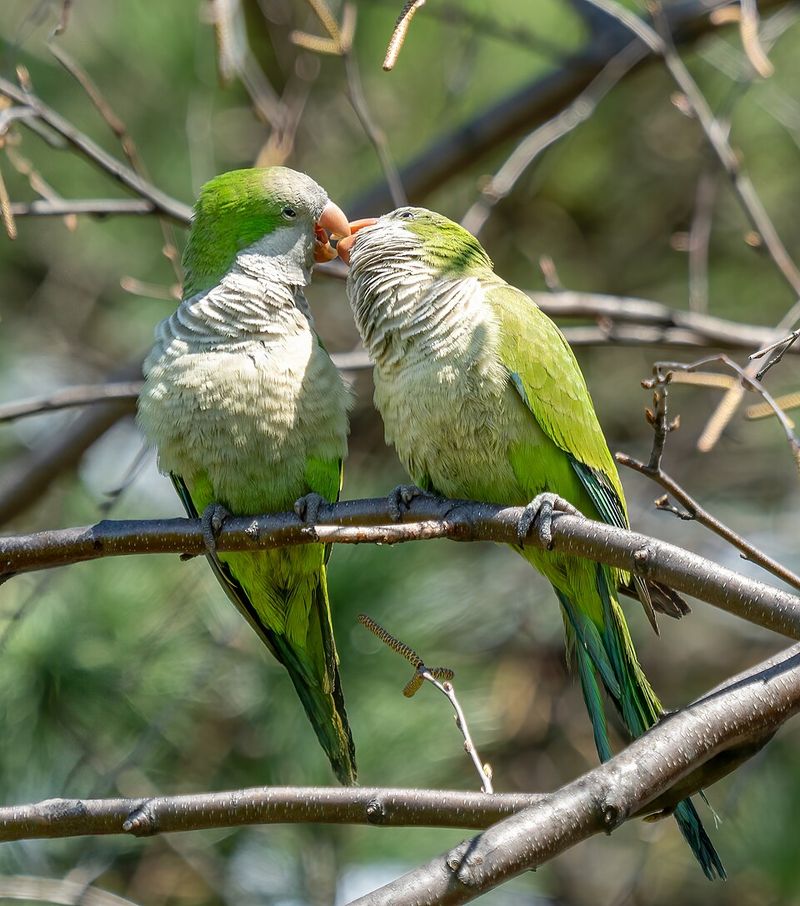
Monk parakeets are the loudest, most chaotic little apartment builders you will ever encounter. These bright green birds, originally from South America, arrived in Florida through the pet trade and escaped or were released starting in the 1960s.
They have been building their empires on utility poles ever since.
Unlike most parrots, monk parakeets build massive communal stick nests that can weigh hundreds of pounds. Multiple pairs share these structures, which grow larger each year.
Power companies regularly remove them because the nests cause outages, yet the birds rebuild with impressive stubbornness.
Their colonies thrive in Miami, Fort Lauderdale, and Tampa, where they screech through neighborhoods with zero concern for noise ordinances. Populations have grown steadily because they are highly intelligent, adaptable, and breed successfully in Florida’s climate.
Honestly, watching a hundred of them argue over a nest site is one of Florida’s most entertaining free shows.
11. Armadillos
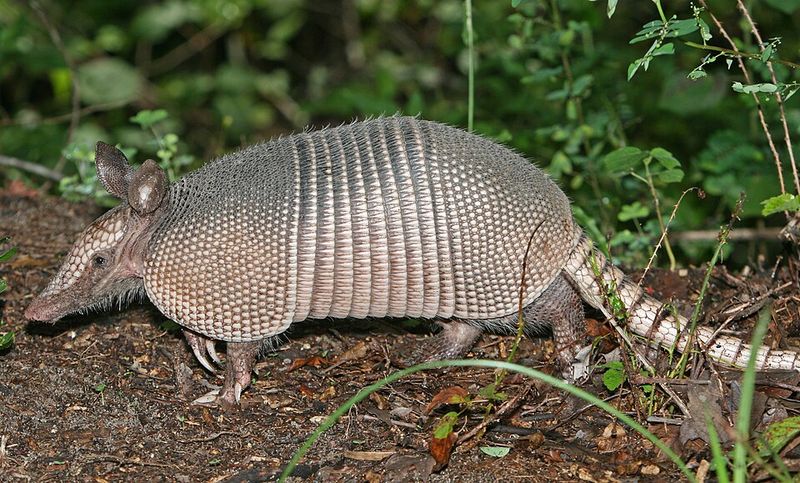
Armadillos look like they were designed by someone who had only heard a vague description of an animal and did their best. Yet these armored oddities have expanded steadily across Florida and now turn up in yards, roadsides, and wooded areas statewide.
They arrived from Texas, slowly marching eastward over several decades.
Their digging habit is what most Florida residents know them for. Armadillos tear up lawns searching for grubs and insects, leaving behind cone-shaped holes that appear overnight like tiny mysteries.
They also dig burrows that can undermine foundations and garden beds.
Interestingly, armadillos are one of the few animals besides humans that can carry leprosy, so wildlife experts recommend never handling them directly. Despite their slow reputation, they can jump three to four feet straight up when startled, which has surprised more than a few unsuspecting gardeners.
Their population keeps growing with little sign of slowing down.
12. Florida Black Bears
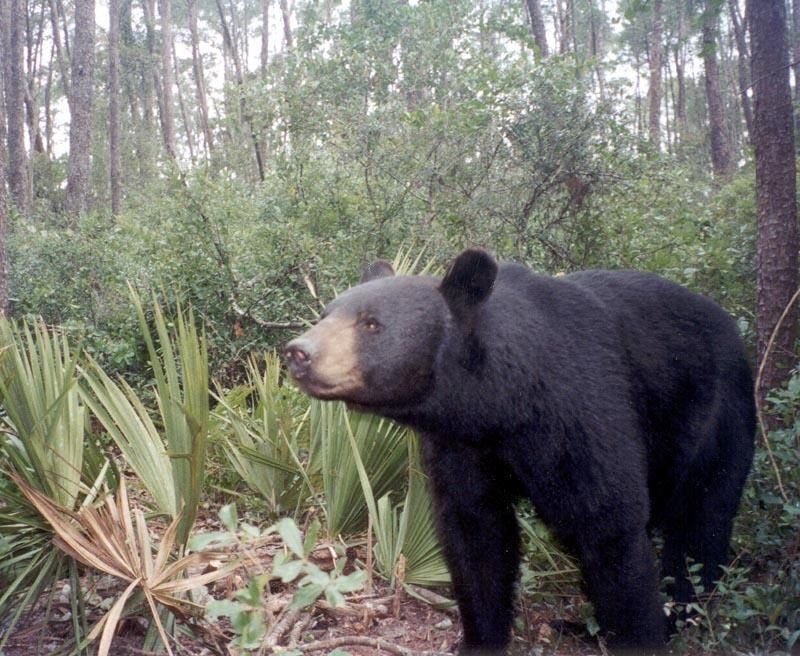
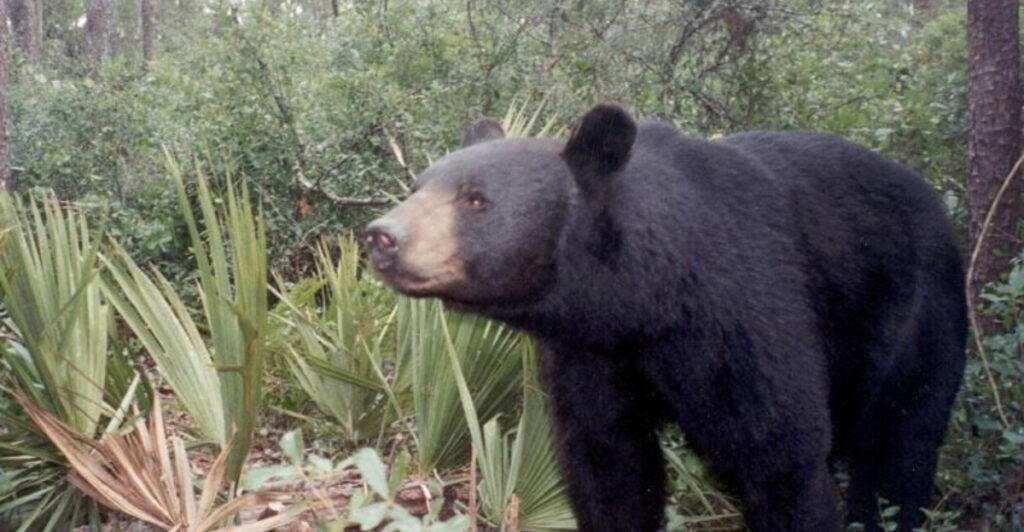
Florida black bears are one of the state’s greatest conservation comeback stories, and they deserve a standing ovation. In the 1970s, the population had crashed to just a few hundred animals due to hunting and habitat loss.
Today, estimates put the population at over 4,000 bears, a remarkable recovery driven by decades of protection and habitat restoration.
Black bears in Florida are smaller than their northern cousins and tend to be shy around people. However, as their numbers grow and suburban sprawl pushes into their habitat, encounters with humans are increasing.
Bears raiding garbage cans and bird feeders have become common complaints in central and north Florida communities.
The Florida Fish and Wildlife Conservation Commission manages the population carefully, using tools like bear-resistant trash cans and public education campaigns. Living near bears requires some adjustments, but sharing space with a recovered native species feels like a privilege worth the effort.
13. American Alligators
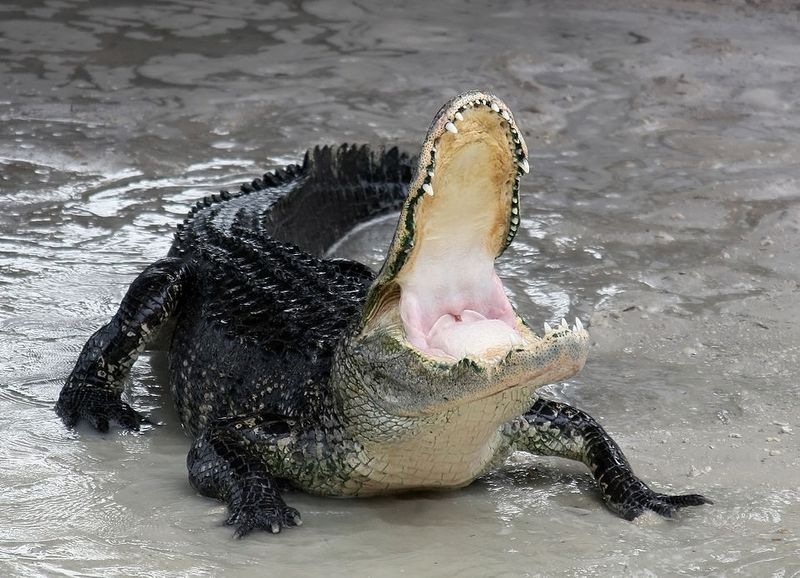
American alligators were once on the brink of extinction, hunted relentlessly for their hides until federal protections arrived in 1967. The recovery that followed is one of conservation biology’s most celebrated success stories.
Florida now hosts an estimated 1.3 million alligators, a population that has bounced back with jaw-dropping success, pun absolutely intended.
Alligators are found in virtually every freshwater body in Florida, from natural lakes and rivers to golf course ponds and neighborhood retention basins. They are remarkably tolerant of humans when not fed, though problems arise quickly when people start offering them food, which teaches gators to associate people with meals.
Florida wildlife officers receive thousands of nuisance alligator calls each year. The state has a licensed trapper program to handle problem animals.
Seeing a large gator glide silently through a Florida lake is thrilling, humbling, and a reminder that nature, given a chance, can recover beautifully.
14. Peacock Bass
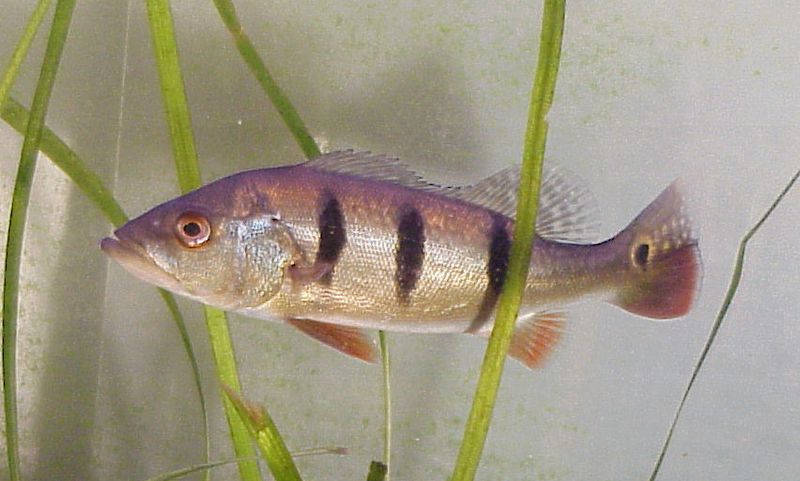
Peacock bass were introduced to Miami-Dade County canals in 1984 by Florida wildlife managers as a deliberate, calculated move to control other invasive fish species. In what may be the most Florida solution ever devised, they fought invasives with more invasives.
The peacock bass thrived spectacularly, perhaps too spectacularly.
Originally from the Amazon basin, peacock bass are aggressive predators that have transformed South Florida’s canal ecosystems. They outcompete native fish and have dramatically reduced populations of smaller native species in the areas they dominate.
Sport fishermen, however, absolutely love them for their hard fighting and striking appearance.
The South Florida peacock bass fishery is now world-famous, drawing anglers from across the globe who want to target these feisty fish in an urban setting. You can literally catch them from canal banks in the middle of Miami, which is either genius or madness, depending on your perspective.
15. Muscovy Ducks
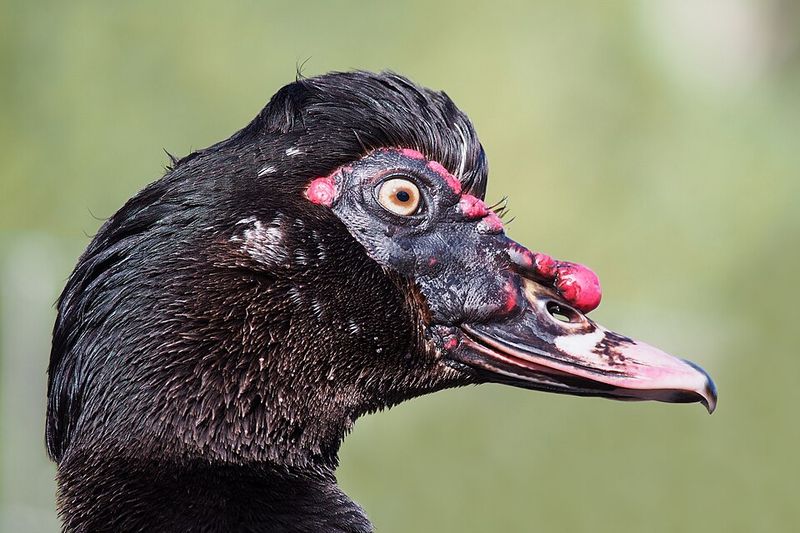
Muscovy ducks have the kind of face only a mother could love, with their distinctive red warty facial caruncles making them unmistakable across Florida’s urban ponds and park lakes. Originally from Mexico and Central America, they were introduced as ornamental birds and have since multiplied into enormous feral flocks throughout the state.
They reproduce rapidly, with females nesting multiple times per year and producing clutches of up to 16 eggs. Florida neighborhoods with ponds often go from a few ducks to dozens within a single season, which delights some residents and frustrates others who deal with droppings everywhere.
Muscovy ducks are federally protected under the Migratory Bird Treaty Act, which limits what residents can legally do about them. Florida Fish and Wildlife permits humane population management under specific circumstances.
Love them or not, these oddly charming birds have secured their place as permanent, if uninvited, Florida residents with absolutely no plans to leave.
Share this story