Street food is often the fastest way to understand a city’s culture, history, and daily life. From smoky night markets to roadside grills and crowded food alleys, these destinations are world-famous for unforgettable flavors that travelers often remember long after the trip ends.
Whether you’re a seasoned foodie or just someone who loves a great snack, this list will make your stomach growl and your passport itch.
Bangkok, Thailand
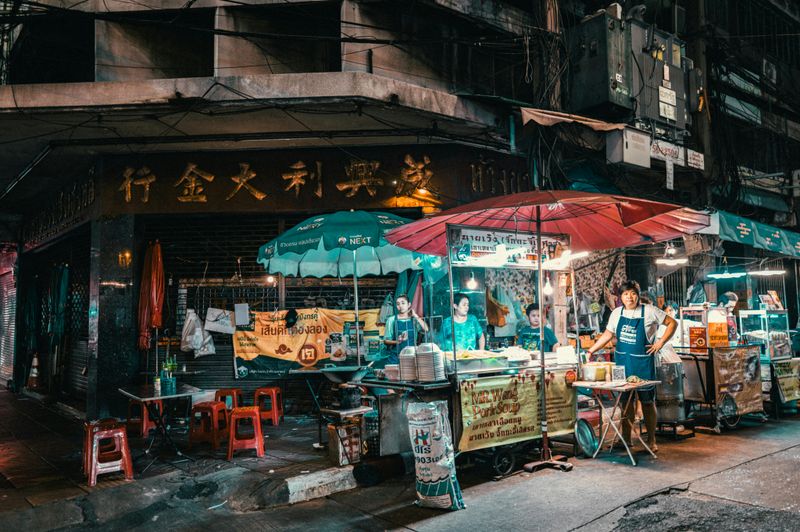
The smell of garlic hitting a blazing hot wok at midnight is basically Bangkok’s love language. This city never sleeps, and neither do its food vendors.
Pad thai, mango sticky rice, grilled satay, and spicy boat noodles are just the beginning of what Bangkok has to offer hungry visitors.
Yaowarat Road in Chinatown is ground zero for the best late-night eating in the city. Vendors line the streets shoulder to shoulder, each one specializing in something different.
Seafood towers, crispy spring rolls, and freshly squeezed sugarcane juice compete for your attention at every turn.
Bangkok rewards adventurous eaters who are willing to follow their nose down unfamiliar alleys. Prices are incredibly low, portions are generous, and the flavors are bold enough to leave a lasting impression.
Many visitors say Bangkok ruined them for street food everywhere else, and honestly, that tracks completely.
Mexico City, Mexico
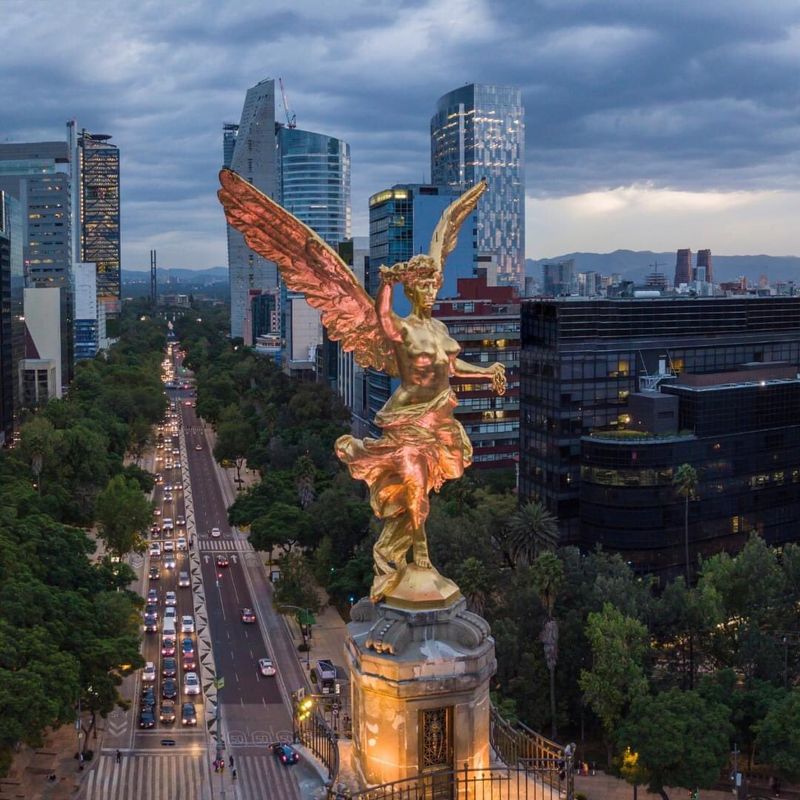
Somewhere between a smoky trompo spinning al pastor meat and a stack of warm handmade tortillas, Mexico City absolutely steals your heart. The street food here is not just food.
It’s a full cultural experience wrapped in corn masa.
Tacos al pastor, tamales, quesadillas, and elote smothered in crema and chili powder are sold at stalls throughout the city at all hours. Neighborhoods like Roma and Centro Historico are especially packed with late-night taco stands that draw both locals and curious travelers equally.
What makes Mexico City special is how seriously everyone takes the craft. Taco vendors who have been running the same stall for decades know exactly what they are doing.
Prices are so low that eating your way through an entire neighborhood barely dents your wallet. Bring a big appetite, a bit of hot sauce tolerance, and zero plans for the evening.
Istanbul, Turkey
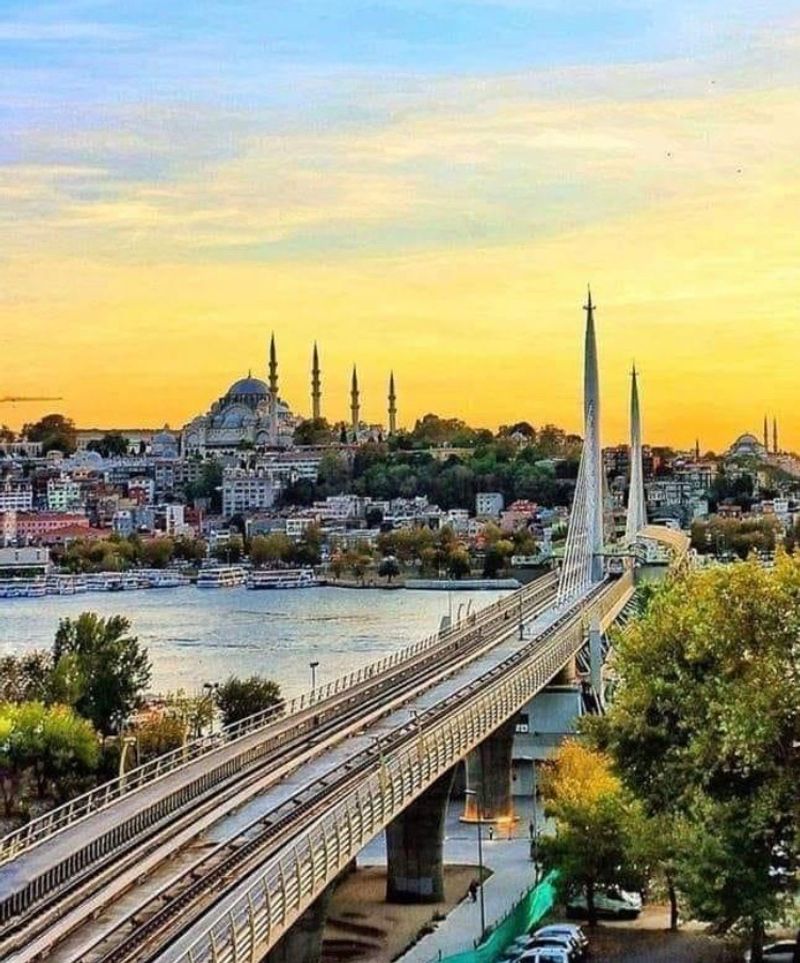
Few cities in the world can claim street food influenced by three continents, but Istanbul pulls it off effortlessly. The city sits where Europe meets Asia, and that geography shows up beautifully on every food cart and corner stall.
Simit bread rings dusted in sesame seeds are sold by roaming vendors throughout the city and make a perfect breakfast on the go. Near the Galata Bridge, fresh fish sandwiches grilled right on rocking boats have become one of Istanbul’s most iconic snacks.
Roasted chestnuts, dürüm wraps, and stuffed mussels round out a menu that feels endlessly varied.
The best part about eating in Istanbul is how natural it all feels. Street food here is not a tourist attraction.
It is simply how the city eats every single day. Locals grab a simit on their morning commute and stop for a dürüm wrap after work without a second thought.
Visitors who eat like locals discover a city far more flavorful than any restaurant guide could ever fully capture.
Hanoi, Vietnam
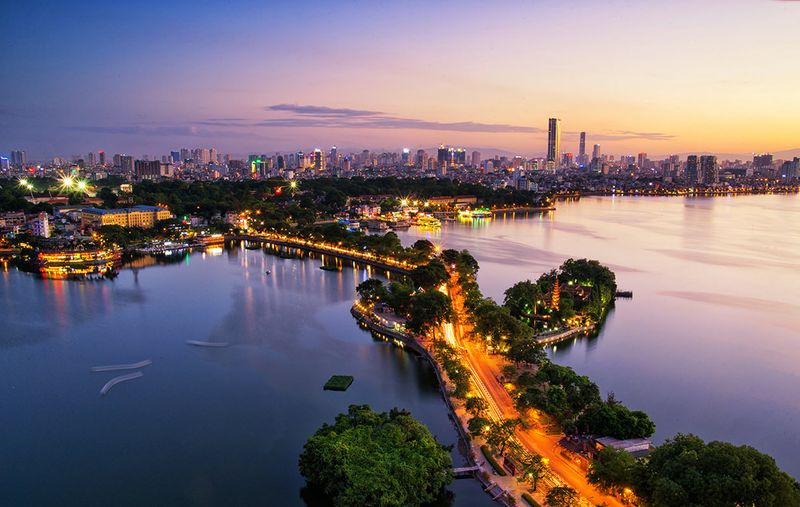
Sitting on a tiny plastic stool two inches off the ground, slurping a bowl of pho while motorbikes zip past is a Hanoi rite of passage that no traveler should skip. The city’s street food culture is built around simplicity, freshness, and flavor combinations that feel both humble and extraordinary at the same time.
Bun cha, a grilled pork noodle dish served with fresh herbs and dipping broth, is practically a religion in Hanoi. Banh mi sandwiches stuffed with pickled vegetables, pate, and grilled meats offer an affordable and delicious snack at any hour.
The Old Quarter is the best starting point for anyone wanting to eat their way through the city’s most legendary dishes.
Vietnamese coffee, served iced with sweetened condensed milk, is the perfect companion to any Hanoi meal. The entire eating experience costs very little money but delivers enormous satisfaction.
Hanoi is proof that the world’s best food does not require white tablecloths or complicated reservations.
Marrakech, Morocco
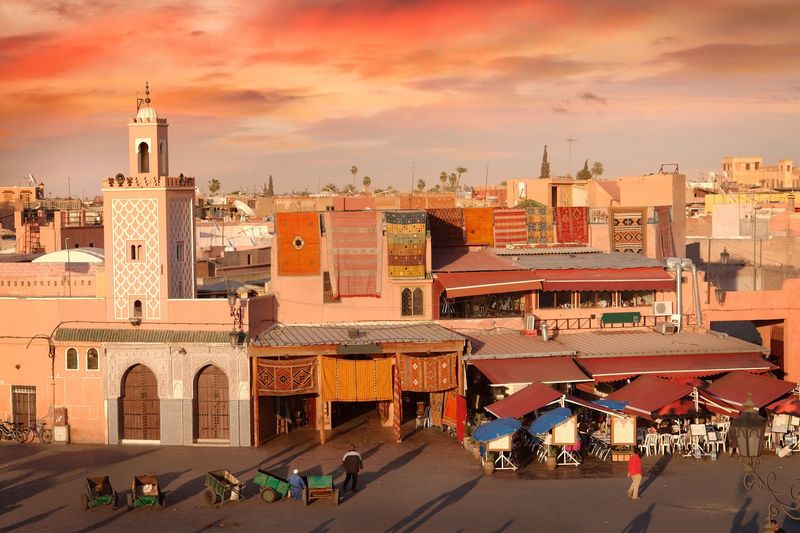
When the sun goes down in Marrakech, Jemaa el-Fnaa square transforms into what might be the most theatrical dining experience on the planet. Smoke from dozens of grills rises into the warm night air while vendors shout out their menus in multiple languages with total enthusiasm.
Grilled meats, snail soup, fresh orange juice, and warm tagines are available everywhere you look. Vendors compete playfully for your attention, sometimes pulling visitors gently by the arm toward their stalls.
The whole square feels like a giant outdoor party where the admission price is simply ordering something delicious.
Marrakech’s street food reflects centuries of Berber, Arab, and Mediterranean culinary traditions layered together into something genuinely unique. Mint tea poured from great heights into small glasses is offered as both a welcome gesture and a dessert.
Travelers who spend an evening eating their way around Jemaa el-Fnaa rarely forget the experience. The combination of flavors, sounds, and pure sensory overload makes Marrakech one of the most unforgettable food destinations anywhere in the world.
Singapore
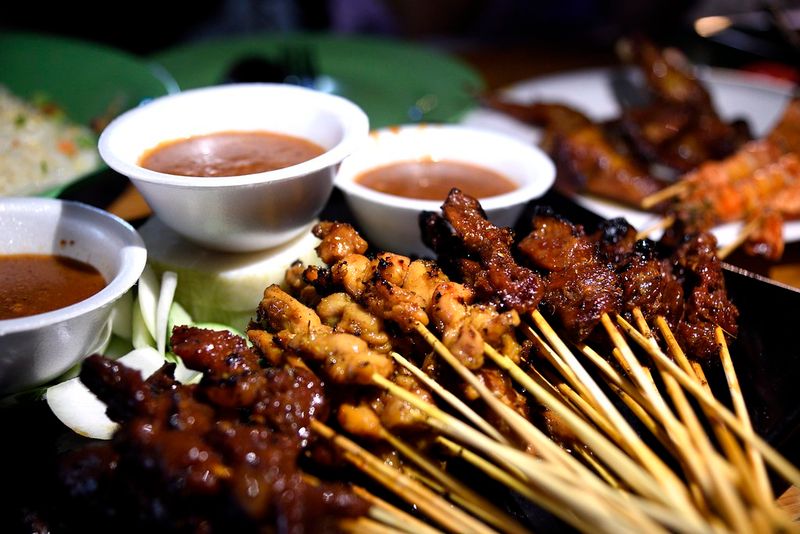
Singapore turned street food into a national institution, and the rest of the world is still trying to catch up. The city-state’s famous hawker centers are government-organized open-air food halls where dozens of vendors serve incredibly refined dishes at prices that seem almost too good to be true.
Maxwell Food Centre and Lau Pa Sat are two of the most celebrated hawker centers, drawing both office workers and curious tourists to the same plastic tables. Chicken rice, laksa, satay, chili crab, and char kway teow are just a handful of the dishes that have earned international recognition.
In 2016, Singapore became the first country to have a hawker stall awarded a Michelin star, which felt like the world finally catching on to what locals already knew.
Eating in Singapore’s hawker centers is a completely democratic experience. Everyone from executives to students lines up at the same counters and shares the same communal tables.
The quality is remarkably consistent, and the variety is staggering. Singapore proves that great street food does not have to be chaotic to be world-class.
Mumbai, India
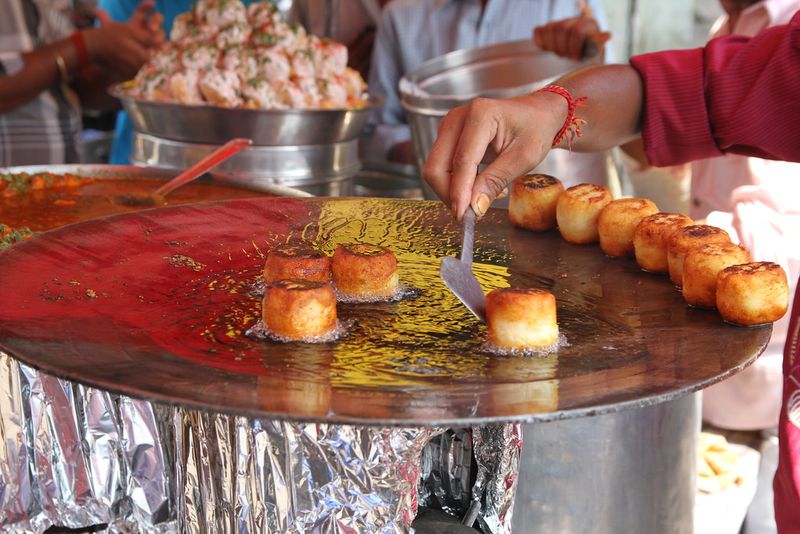
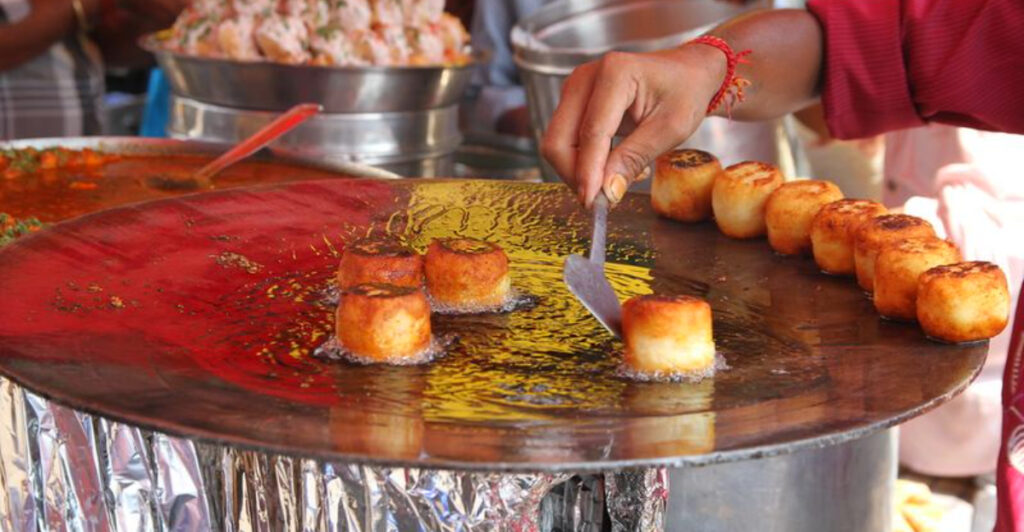
Mumbai moves at a speed that most cities can only dream of, and its street food keeps perfect pace with that energy. Vada pav, a spiced potato fritter stuffed inside a soft bread roll, is considered the city’s unofficial sandwich and has fueled Mumbai’s workforce for generations.
Pani puri, those crispy hollow shells filled with tangy tamarind water and chickpeas, are consumed at a rate that defies all logic. Pav bhaji, a thick vegetable curry served with buttered bread rolls, is another beloved staple that shows up on nearly every street corner.
The spice levels range from pleasantly warm to genuinely challenging, and vendors are usually happy to adjust for nervous newcomers.
Chowpatty Beach is one of the most famous spots for bhel puri, a crunchy puffed rice snack tossed with vegetables and chutneys that is eaten while watching the Arabian Sea. Mumbai’s street food scene is loud, colorful, and completely addictive.
First-time visitors often spend entire days doing nothing but eating their way through the city’s neighborhoods without any regrets.
Osaka, Japan
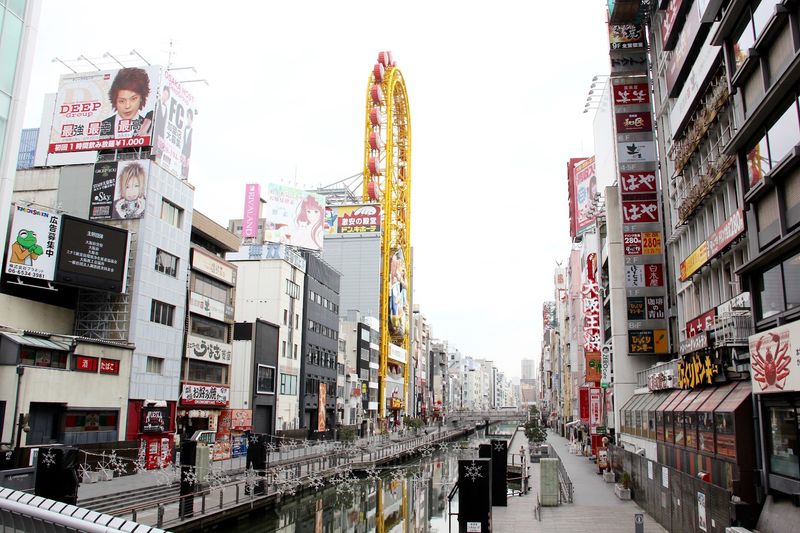
Japan has a word, kuidaore, that roughly means eating yourself into ruin, and Osaka invented it. The city takes food more seriously than almost anywhere else in Japan, which is saying quite a lot given how seriously Japan takes food in general.
Takoyaki, golden octopus-filled balls topped with savory sauce, bonito flakes, and mayo, are Osaka’s most iconic street snack and are sold from dedicated stalls throughout the city. Okonomiyaki, a thick savory pancake loaded with cabbage, meat, and toppings, is another local obsession that visitors quickly adopt.
The Dotonbori district is the epicenter of it all, with giant neon signs, mechanical crabs, and the smell of batter hitting hot iron plates filling the air constantly.
Kushikatsu, deep-fried skewers of meat and vegetables, round out a street food lineup that somehow manages to be both casual and deeply satisfying. Osaka locals are famously proud of their food culture and happy to point visitors toward their personal favorites.
The city’s food personality is playful, generous, and absolutely irresistible.
Palermo, Italy
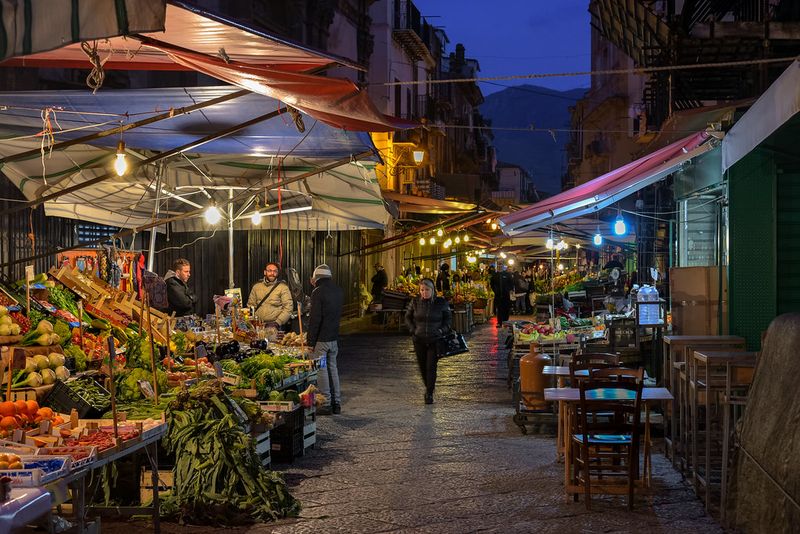
Palermo keeps a street food secret that most of Europe has somehow overlooked, and that is exactly what makes it so exciting to visit. Sicily’s capital city has a street food culture shaped by centuries of Arab, Spanish, and Norman influence, resulting in flavors you simply cannot find anywhere else in Italy.
The Ballarò and Vucciria markets are the beating heart of Palermo’s food scene, operating daily with a chaotic, sensory-overloading energy that feels more like a souk than an Italian market. Arancini, crispy fried rice balls stuffed with ragu or cheese, are sold hot from market stalls and eaten standing up without ceremony.
Panelle, thin chickpea flour fritters tucked into sesame rolls, are the city’s answer to fast food and taste wildly better than anything served through a drive-through window.
The most adventurous item on Palermo’s street food menu is pani ca meusa, a soft roll filled with boiled spleen and lung drizzled with lemon juice. It sounds alarming but has devoted fans worldwide.
Palermo rewards curious eaters with bold flavors and a genuine sense of culinary history at every stall.
Taipei, Taiwan
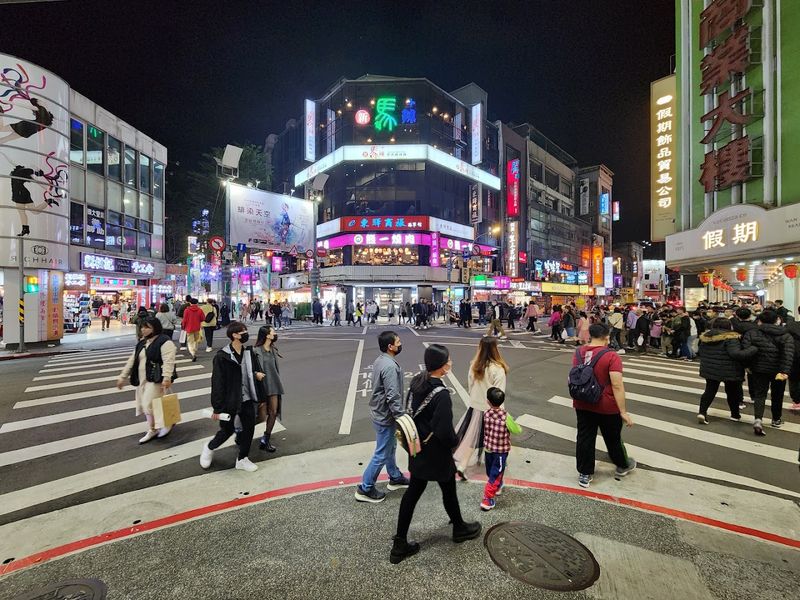
Night markets in Taipei are not just places to eat. They are full-on sensory experiences complete with carnival games, fashion stalls, and enough fried food to make your heart sing and your cardiologist cry.
Shilin Night Market is the largest and most famous, drawing massive crowds every single evening without fail.
Bubble tea, invented in Taiwan, is available in approximately one thousand variations and consumed by basically everyone at all times of day. Popcorn chicken fried with basil leaves, oyster omelets cooked on flat iron griddles, and stinky tofu that smells far worse than it tastes are all essential Taipei experiences.
Raohe Street Night Market offers a slightly calmer atmosphere and some of the best pepper pork buns baked fresh in clay ovens right before your eyes.
What makes Taipei’s night market scene so accessible is how organized and visitor-friendly everything feels. Prices are clearly displayed, vendors are patient with indecisive tourists, and the sheer variety ensures everyone finds something they love.
Taiwan has one of the world’s most passionate food cultures, and Taipei’s night markets are the most delicious proof of that claim.
Penang, Malaysia
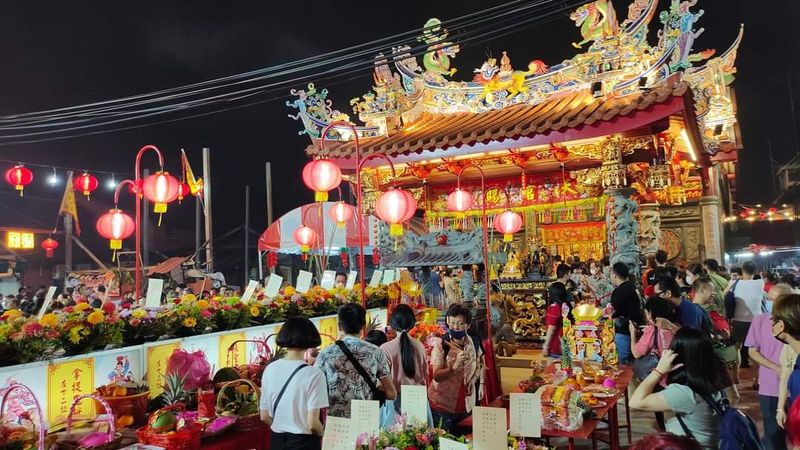
Penang does not just have great street food. It has the kind of street food that sends people booking return flights before they have even finished their first meal.
George Town, the island’s historic capital, is packed with hawker stalls that have been perfecting the same recipes for decades across multiple generations.
Char kway teow, flat rice noodles stir-fried with shrimp, Chinese sausage, and bean sprouts in a blazing hot wok, is Penang’s most celebrated dish and a genuine reason to visit Malaysia on its own. Nasi kandar, a rice dish piled with curries, fried chicken, and rich gravies, reflects the city’s Indian Muslim culinary heritage beautifully.
Cendol, a cold dessert made with pandan jelly noodles, coconut milk, and palm sugar syrup, is the perfect reward after a long afternoon of eating in the tropical heat.
Penang’s multicultural mix of Malay, Chinese, and Indian communities created a food culture that is genuinely unlike anywhere else in Southeast Asia. The city regularly tops lists of Asia’s best food destinations, and every single ranking is completely deserved.
Eating in Penang feels like a privilege.
Seoul, South Korea
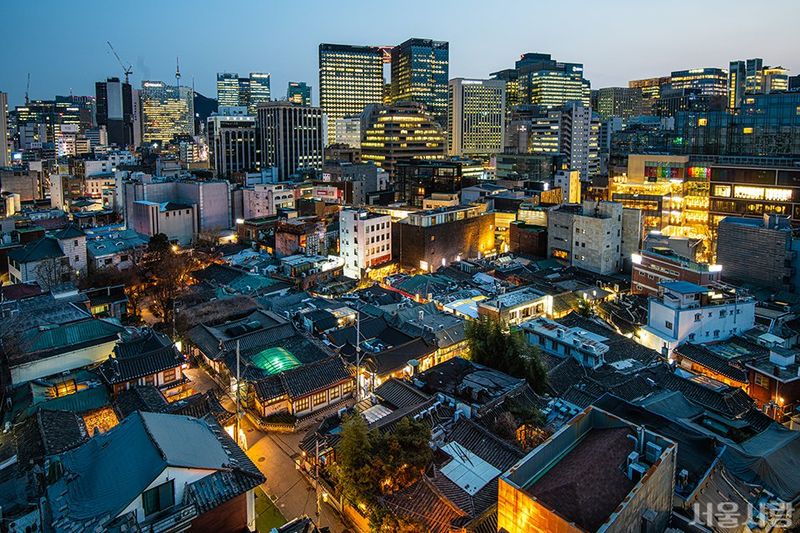
Seoul’s street food scene runs on a combination of bold flavors, addictive textures, and an almost competitive enthusiasm for snacking that locals take seriously at all hours. Markets like Myeongdong and Gwangjang are the city’s most famous food streets, but great street food pops up on nearly every busy corner after dark.
Tteokbokki, chewy rice cakes swimming in a fiery red chili sauce, is one of Korea’s most beloved comfort foods and practically glows with spice. Hotteok, sweet pancakes filled with brown sugar, cinnamon, and nuts, offer a gentler, warmer contrast that makes for a perfect winter snack.
Korean fried chicken, double-fried for maximum crunch and glazed with various sauces, has become globally famous and is absolutely worth the hype in its home city.
Gwangjang Market is particularly special for its bindaetteok mung bean pancakes and colorful rows of kimchi and pickled vegetables sold by grandmothers who have been running their stalls for years. Seoul’s street food culture blends deep culinary tradition with modern food trends in a way that feels both exciting and deeply rooted at the same time.
Lima, Peru
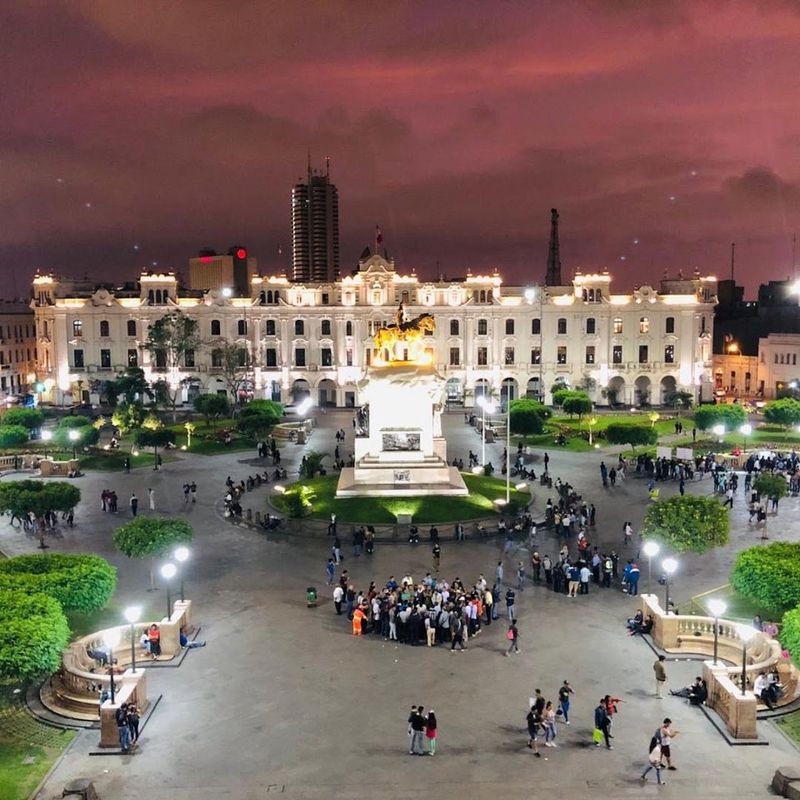
Lima quietly became one of the world’s great food cities over the past two decades, and its street food scene deserves enormous credit for that rise. Long before the fancy restaurants arrived, Lima’s markets and street corners were already serving some of the most creative and flavorful food in South America.
Anticuchos, skewers of marinated beef heart grilled over charcoal and served with roasted corn and spicy sauce, are sold by vendors throughout the city and represent centuries of Peruvian culinary tradition. Ceviche, while often found in restaurants, also appears in market stalls where fresh fish is cured in lime juice and tossed with onions and chili peppers right in front of you.
Picarones, sweet potato and squash donuts drizzled with chancaca syrup, are a beloved dessert that has been satisfying Lima’s sweet tooth since colonial times.
The city’s coastal location means seafood is always fresh and central to the street food menu. Lima rewards travelers who venture beyond the tourist zones into neighborhood markets where the real culinary action happens daily.
Peru’s rich food heritage is most honestly experienced at street level.
Hong Kong
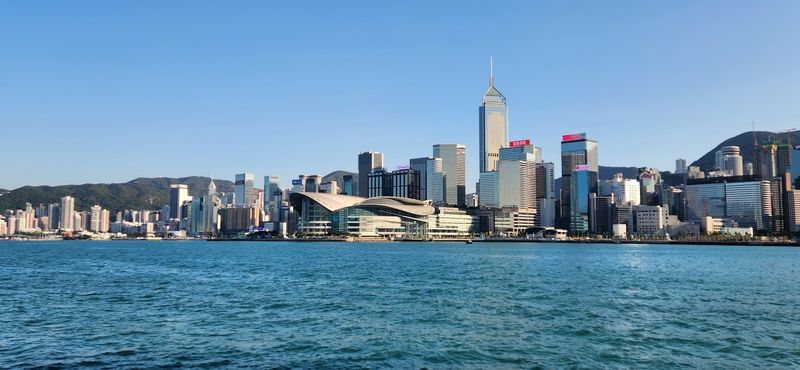
Hong Kong packs more culinary personality per square foot than almost any city on earth, and its street food is a huge part of why. Dense neighborhoods overflow with food stalls, and the options range from classic Cantonese snacks to creative modern hybrids that reflect the city’s restless appetite for reinvention.
Egg waffles, those golden bubble-shaped treats sold fresh off the iron by street vendors, have become internationally famous but taste best eaten warm while walking through Mong Kok. Fish balls on skewers, either curried or plain, are a quintessential Hong Kong snack that locals have eaten since childhood without ever growing tired of them.
Temple Street Night Market offers roast meats, pineapple buns, and dim sum snacks in an atmosphere that feels like old Hong Kong preserved in amber.
Roast pork with crackled skin, served over rice or tucked into sandwiches, is another street food staple that shows just how seriously Cantonese cooks take their craft. Hong Kong’s food culture moves fast, tastes incredible, and never stops surprising visitors who think they have seen it all.
Every alley holds another discovery worth making.
New Orleans, United States
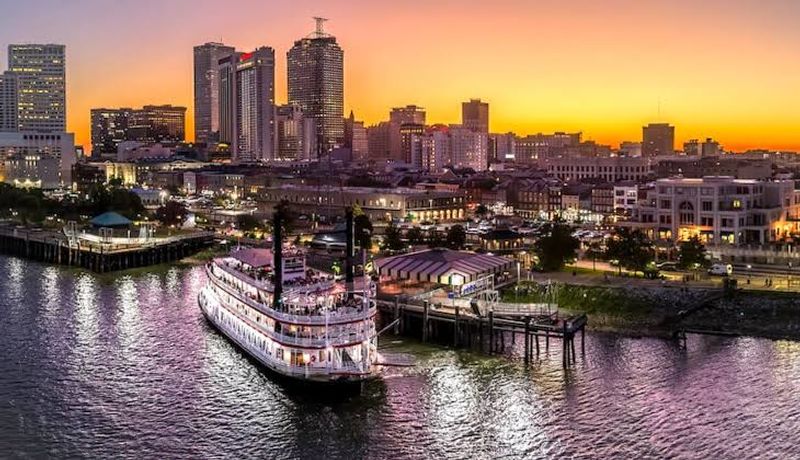
New Orleans plays by its own rules, and nowhere is that more obvious than in the food. The city’s street food scene draws from French, African, Caribbean, and Southern American traditions simultaneously, producing a culinary culture that genuinely exists nowhere else in the United States.
Beignets, hot squares of fried dough buried under mountains of powdered sugar, are served at Cafe Du Monde around the clock and create a cloud of white powder that ends up on every piece of clothing within a three-foot radius. Po’boys, overstuffed submarine sandwiches filled with fried shrimp, oysters, or roast beef and gravy, are a New Orleans institution that locals defend with fierce regional pride.
Crawfish boils, where spiced shellfish are dumped onto newspaper-covered tables and eaten with bare hands, turn eating into a fully communal, joyful event.
Jambalaya sold from festival stalls, pralines from candy shops with their doors open to the street, and warm biscuits from breakfast carts all add to a food landscape that feels celebratory every single day. New Orleans treats food as a form of culture, community, and pure joy.
Visiting without eating everything possible would be an absolute waste.
Share this story