Asbury Park, New Jersey has long been known for its boardwalk, music scene, and eclectic food culture. But tucked away on Memorial Drive, there is a small restaurant quietly doing something remarkable.
Ada’s Gojjo blends Ethiopian and Dominican flavors under one roof, offering a lunch experience that feels both adventurous and deeply comforting at the same time. The vegan-friendly lunch buffet has become a talking point across social media, drawing curious first-timers and devoted regulars from across the state.
What makes this place stand out is not just the food on the plate but the entire experience surrounding it. From the welcoming atmosphere to the owner’s hands-on hospitality, every detail feels intentional.
This article takes a closer look at what Ada’s Gojjo is all about, why people are driving over an hour to get there, and what you can expect when you finally walk through the door.
Where Ada’s Gojjo Calls Home
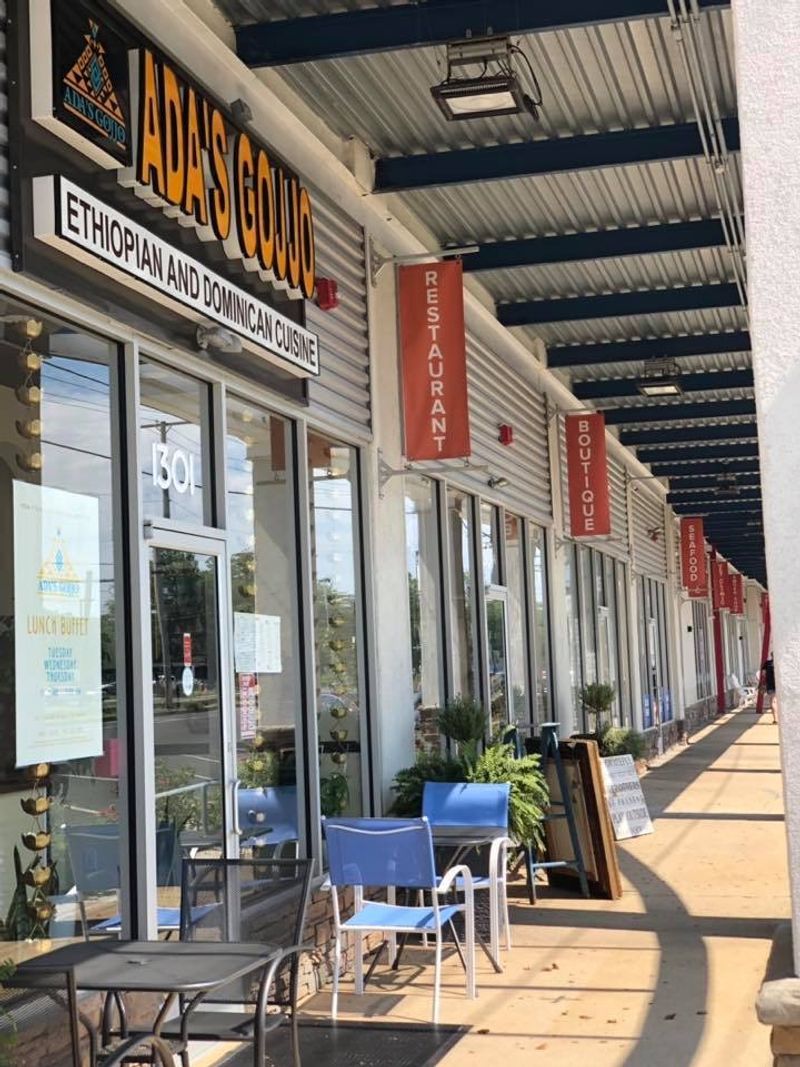
The address is 1301 Memorial Dr, Asbury Park, NJ 07712, and it sits in a neighborhood that reflects the city’s creative and culturally rich character. Asbury Park has always attracted independent businesses with strong personalities, and Ada’s Gojjo fits that profile perfectly.
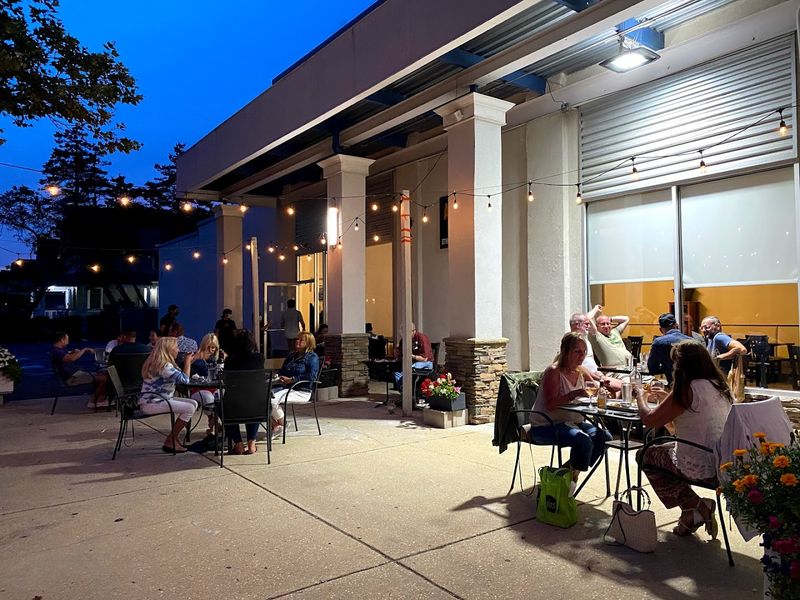
The building features large windows that let in plenty of natural light, giving the interior a bright and open feel. There is also an outdoor seating area that becomes a popular option during warmer months, offering a relaxed setting for a midday meal.
The restaurant is closed on Mondays and opens at noon the rest of the week. Friday and Saturday hours extend to 9 PM, while Sunday through Thursday the kitchen closes between 8 and 8:30 PM.
The mid-range pricing makes it accessible without feeling like a compromise on quality. For anyone planning a trip to the Jersey Shore, this address deserves a spot on the itinerary.
The Story Behind the Name
The word “Gojjo” refers to a traditional Ethiopian hut or dwelling, a place of gathering and nourishment. Naming the restaurant after this concept was a deliberate choice that reflects the owner’s cultural roots and her vision for what the space should feel like.
Ada, the owner, brings a personal history that spans both Ethiopian and Dominican culinary traditions. Before opening Ada’s Gojjo, she operated a Latin-focused food business called Ada’s Latin Flavor in Long Branch, which built a loyal following over the years.
That background gave her the foundation to eventually merge two distinct food cultures into one cohesive restaurant concept.
The name is more than a label. It signals the intention behind every dish, every interaction, and every design choice inside the space.
Understanding where the name comes from adds a layer of meaning to the meal that most chain restaurants simply cannot offer. The story is baked into the walls.
A Menu That Crosses Borders
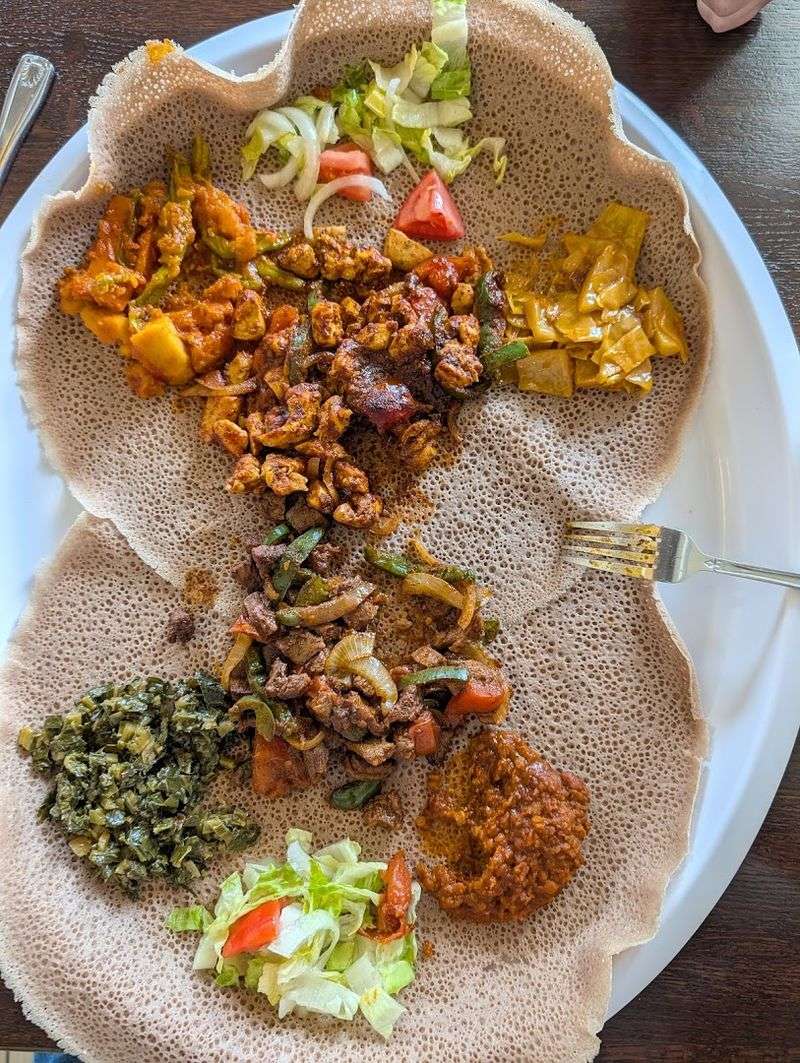
Ada’s Gojjo does not ask you to choose between cultures. The menu presents Ethiopian and Eritrean dishes alongside Dominican favorites, and the combination works in a way that feels natural rather than forced.
On the Ethiopian side, dishes are served with injera, the traditional fermented flatbread used both as a base and as an eating utensil. Vegetable stews, spiced legumes, and slow-cooked proteins make up the core of this section.
On the Dominican side, empanadas, tostones, and mofongo bring familiar Latin comfort to the table.
What makes the menu genuinely exciting is that you can order across both traditions in a single visit. A group can share injera and empanadas at the same table without it feeling like a confused concept.
The kitchen handles both with equal care. For anyone who has only experienced one of these cuisines, the menu offers a low-pressure entry point into the other.
That kind of culinary bridge is rare.
The Vegan Lunch Buffet That Started the Buzz
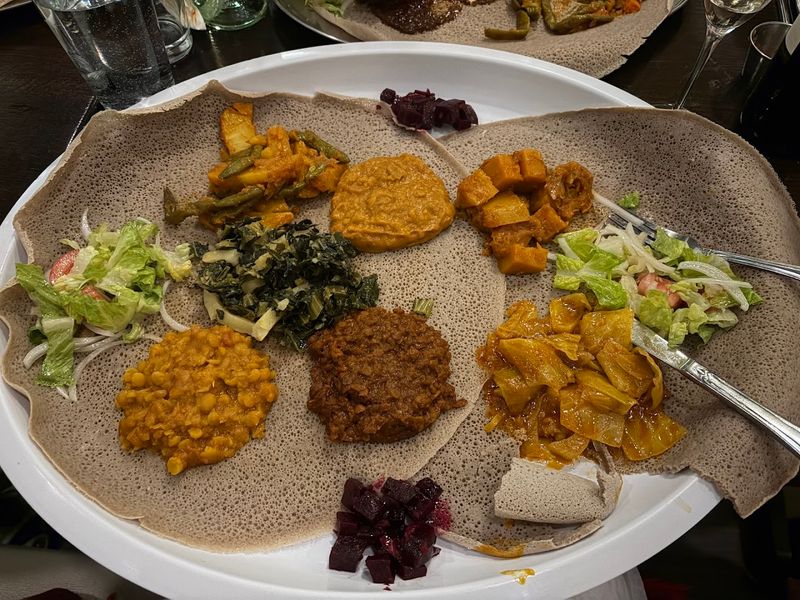
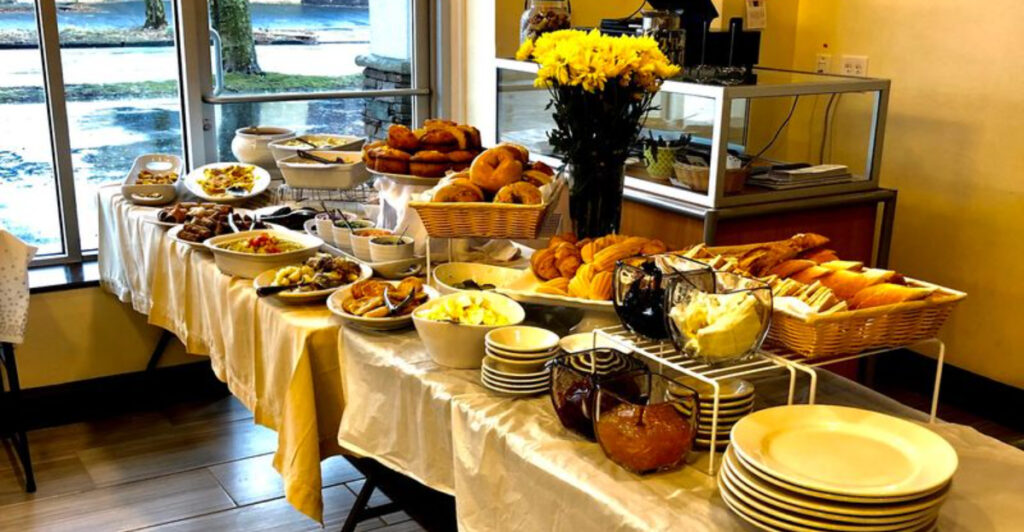
The vegan lunch buffet at Ada’s Gojjo has become the feature that gets shared most often online. Ethiopian cuisine is naturally well-suited to plant-based eating, with a rich tradition of vegetable and legume dishes that are hearty enough to satisfy any appetite.
The buffet rotates based on availability and season, but the consistent thread is that each dish is built on layered preparation rather than simplicity. Lentils, cabbage, chickpeas, and greens appear in forms that carry real depth without relying on meat for substance.
For people who are new to vegan eating or skeptical that plant-based food can feel filling and comforting, this buffet tends to change minds. It does not present itself as a health-food statement.
It presents itself as lunch, and a very good one at that. The comfort food comparison that keeps appearing in conversation around this place is not an exaggeration.
It is an accurate description of what lands on the plate.
Why TikTok Sent People to Asbury Park
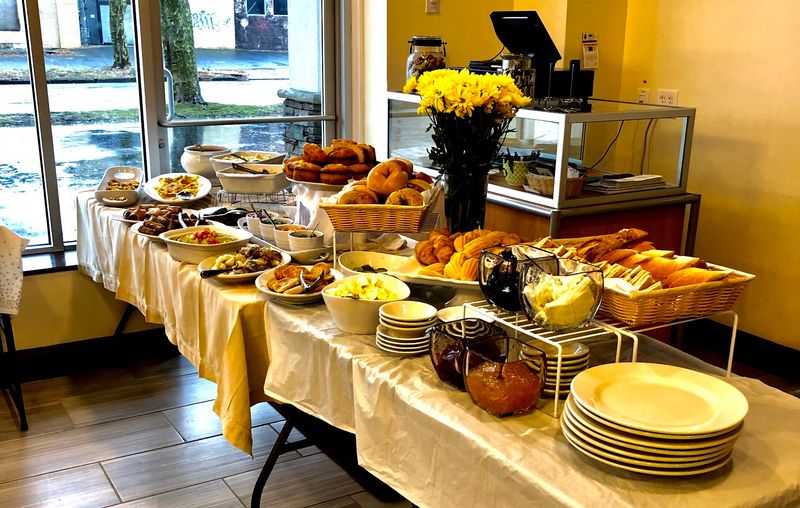
Social media, particularly TikTok, played a significant role in putting Ada’s Gojjo on the map for a wider audience. Videos of the restaurant, often featuring Ada herself and the vibrant food displays, went viral and prompted people from across New Jersey and beyond to seek the place out.
The organic nature of that attention matters. These were not sponsored posts or paid promotions.
They were genuine reactions from people who ate there and wanted to share the experience. That kind of word-of-mouth, amplified by short-form video, has a credibility that advertising cannot replicate.
The effect has been measurable. People have mentioned driving more than an hour from South Jersey specifically because of a TikTok video.
Others discovered it through food vloggers or friends who shared clips online. In a city already known for attracting creative energy, Ada’s Gojjo found its audience through authenticity rather than marketing strategy.
The internet, for once, delivered on its promise.
The Atmosphere Inside the Restaurant
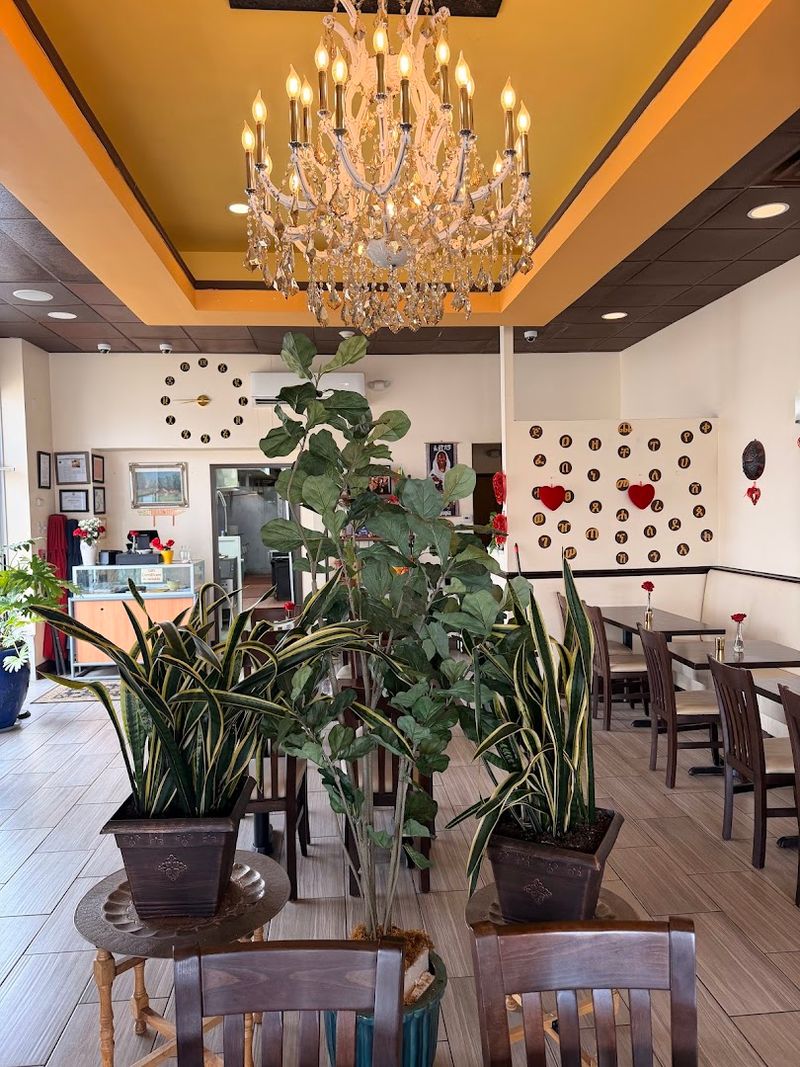
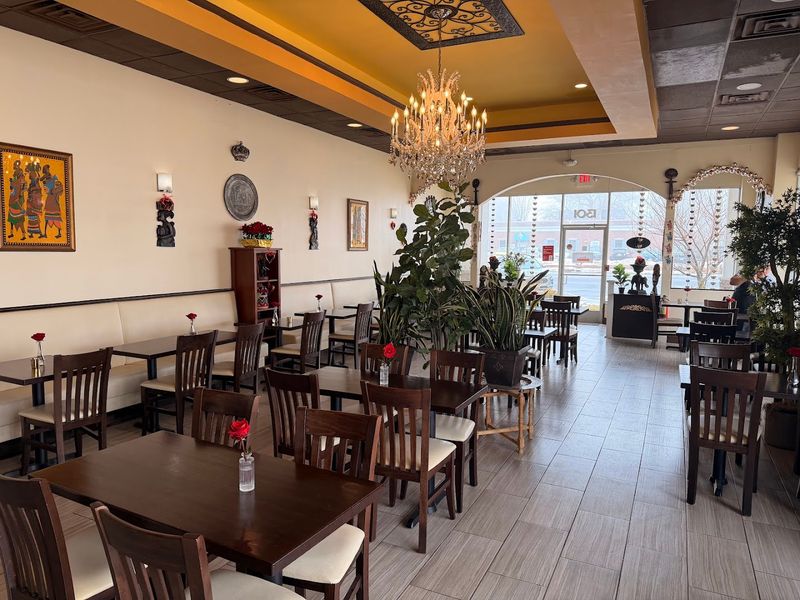
The interior of Ada’s Gojjo reflects the dual cultural identity of the menu. The space is bright, thanks to the large windows, and the decor incorporates elements that reference both Ethiopian and Caribbean aesthetics without overcrowding the room.
The dining area is intimate rather than sprawling. Tables are arranged to allow conversation without feeling cramped, and the overall layout gives the place a neighborhood-restaurant quality that larger establishments rarely achieve.
It does not try to be fancy. It tries to be welcoming, and it succeeds.
There is also an outdoor seating area that gets used during warmer seasons. The surrounding neighborhood in Asbury Park adds to the appeal, with the city’s general creative and artistic character providing a fitting backdrop.
The restaurant has a step-free entrance, and service dogs are welcomed, which reflects the inclusive approach the owner brings to the space. Details like that say something meaningful about how the restaurant sees its community.
Empanadas That Earn Their Own Reputation
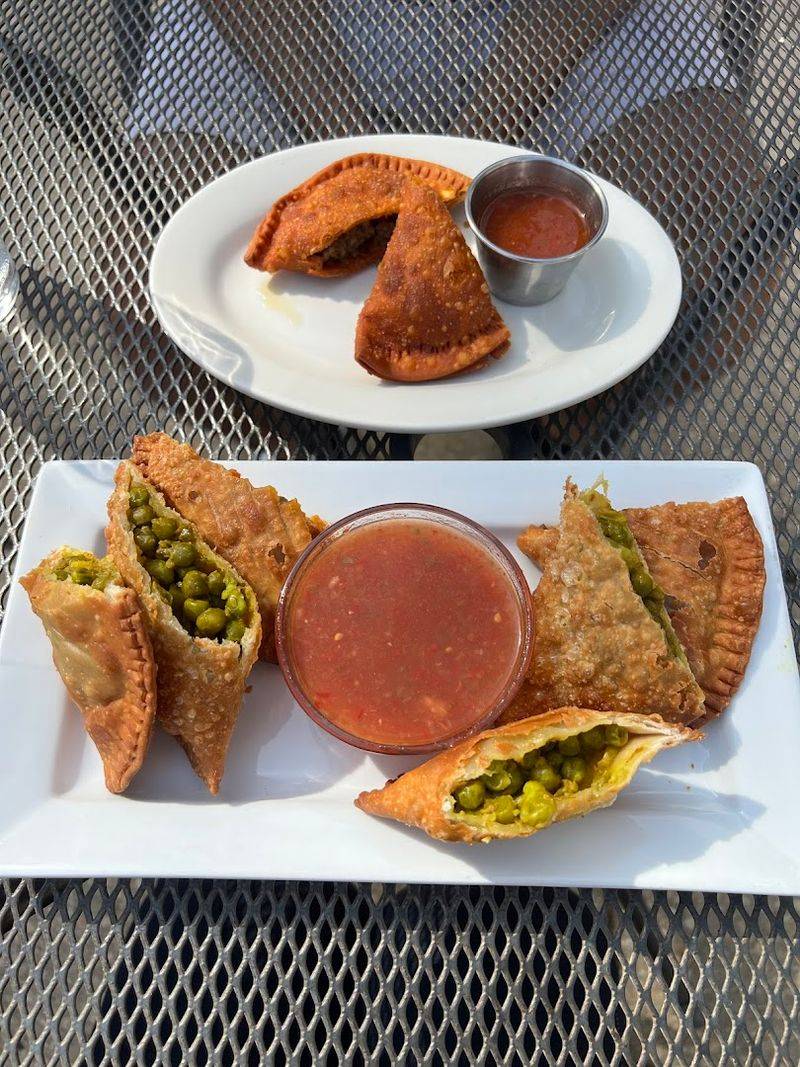
Among the many menu items at Ada’s Gojjo, the empanadas have developed a reputation that stands on their own. Multiple people who visited primarily for the Ethiopian food came away talking about the empanadas as a highlight of the meal.
Dominican empanadas differ from their South American counterparts in dough texture and preparation style, and Ada’s version reflects the care and technique that comes from years of working with this cuisine. They arrive with a crust that holds together properly and a filling that is seasoned with intention.
The empanadas work as a starter or as part of a larger spread, and they pair naturally with the Ethiopian dishes on the table without feeling out of place. For first-time visitors who are still warming up to injera and spiced stews, the empanadas offer a familiar entry point.
They are the kind of item that earns a mention every time someone recommends the restaurant to a friend, which is the best endorsement any dish can get.
Injera: The Edible Foundation of the Meal
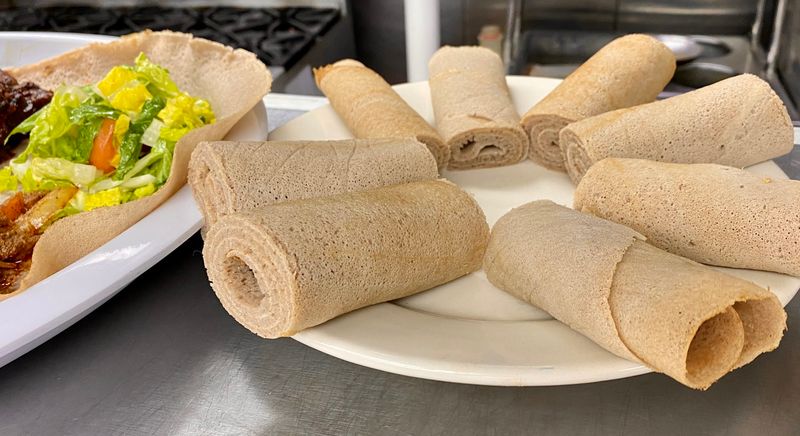
For anyone unfamiliar with Ethiopian dining, injera is the starting point for understanding how the meal works. This spongy, fermented flatbread serves as both the plate and the utensil.
Dishes are placed directly on top of it, and diners tear off pieces to scoop up the various stews and preparations alongside it.
The fermentation process gives injera a mild tang that complements the spiced dishes it supports. At Ada’s Gojjo, the injera is central to the Ethiopian side of the menu, and it arrives as part of the communal eating experience that defines this food tradition.
Sharing a large injera platter with a group naturally encourages conversation and a relaxed pace. There is no rushing through a meal structured this way.
The format slows things down in a good way, and that unhurried quality is part of why the experience at Ada’s Gojjo tends to linger in people’s memories long after the meal is finished.
A Destination Worth the Drive
Asbury Park sits along the Jersey Shore, roughly an hour from Philadelphia and about 90 minutes from New York City. For people coming from South Jersey or the outer suburbs, the drive to Ada’s Gojjo can exceed an hour each way.
And yet, people make it anyway.
That willingness to travel is a meaningful data point. It suggests that the experience at Ada’s Gojjo crosses the threshold from “worth trying” to “worth planning a trip around.” Restaurants that reach that status do so because every element of the visit justifies the effort.
Asbury Park itself adds to the appeal of making the trip. The city has a lively arts scene, an interesting boardwalk, and a concentration of independent businesses that make it worth spending a full afternoon or evening.
Combining a visit to Ada’s Gojjo with a broader exploration of Asbury Park turns a lunch stop into a proper day out. The restaurant becomes the anchor of a larger experience.
Practical Details for Planning Your Visit
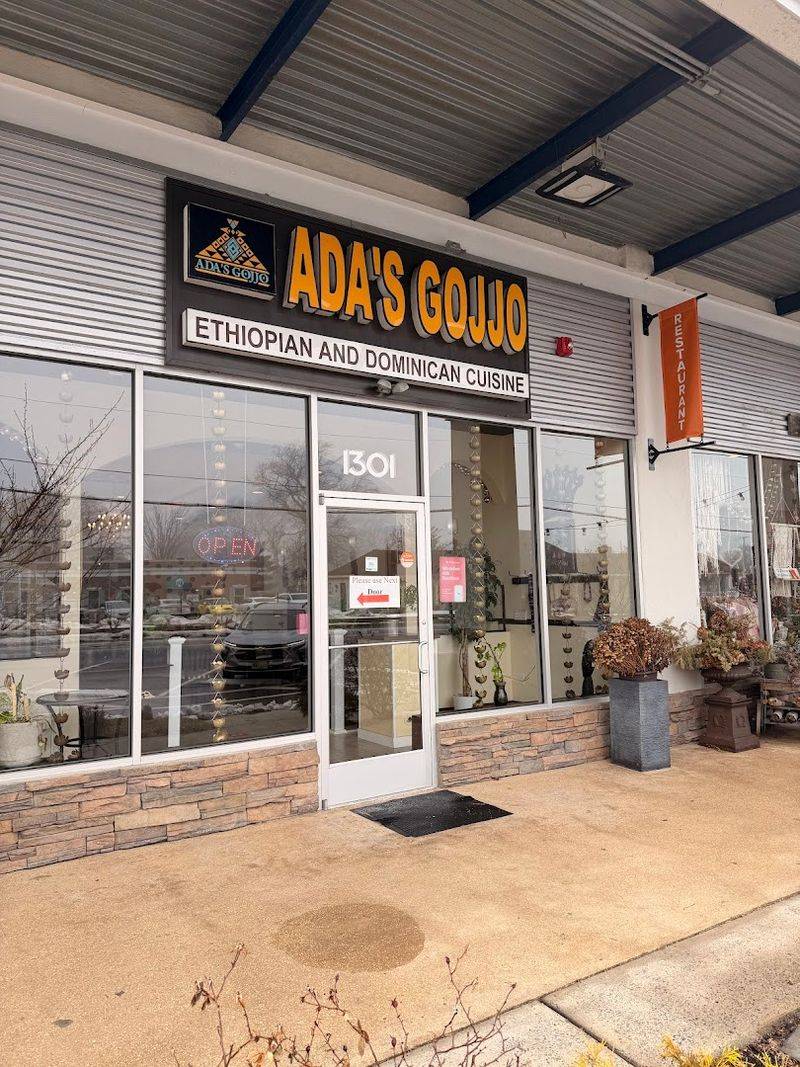
Ada’s Gojjo is open Tuesday through Sunday, with hours beginning at noon each day. The kitchen stays open until 8 PM on Tuesday, Wednesday, and Sunday, until 8:30 PM on Thursday, and until 9 PM on Friday and Saturday.
The restaurant is closed on Mondays.
The pricing falls in the mid-range category, marked as $$ on most platforms, which reflects a balance between quality ingredients and accessibility. The restaurant’s website at adagojjo.com provides current menu information and any updates on special offerings or hours.
The step-free entrance makes the space accessible for those who need it, and the welcoming policy toward service dogs reflects a thoughtful approach to inclusivity. Parking in the Memorial Drive area is generally manageable, though weekend afternoons can get busier as the restaurant’s profile continues to grow.
Arriving close to the noon opening time on weekdays tends to offer a quieter experience for those who prefer a more relaxed pace during the meal.
What Makes This Place Worth Remembering
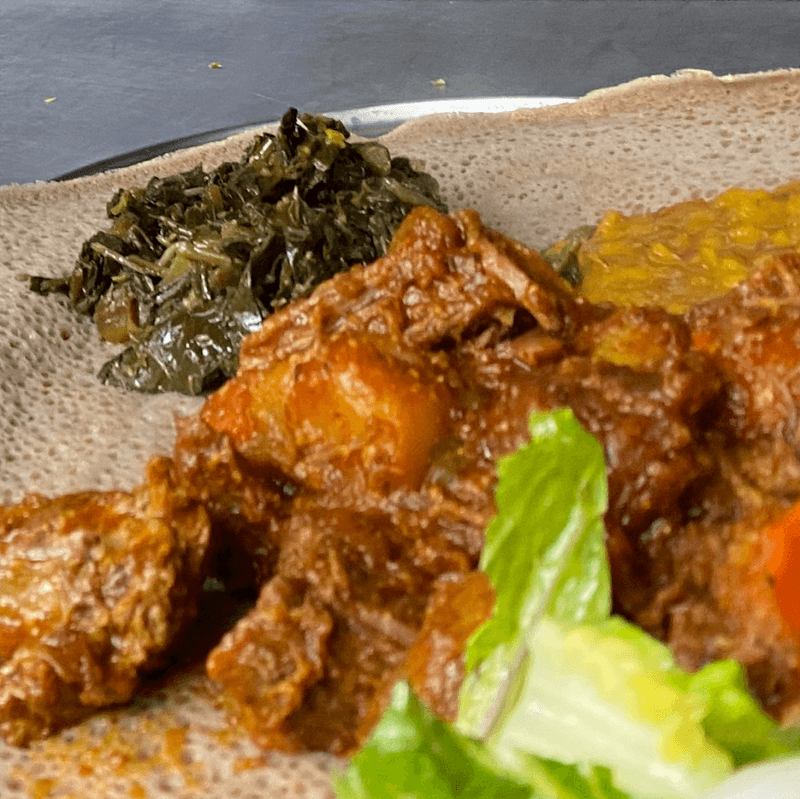
Ada’s Gojjo occupies a specific and valuable position in the Asbury Park food landscape. It is not trying to be everything to everyone.
It is doing a focused, culturally specific thing with genuine skill and personal investment, and that clarity of purpose is what makes it memorable.
The fusion of Ethiopian and Dominican cuisines is not a gimmick. It reflects the owner’s actual background and culinary history, and that authenticity comes through in every dish.
The vegan lunch buffet, the empanadas, the injera platters, and the welcoming presence of Ada herself all point toward the same thing: a restaurant built on care rather than concept.
For anyone who has been curious about Ethiopian food but hesitant to try it, this is a genuinely good starting point. For those already familiar with the cuisine, the added dimension of Dominican cooking makes it worth exploring.
Either way, Ada’s Gojjo at 1301 Memorial Dr in Asbury Park is the kind of place that earns a return visit before the first one is even finished.
Share this story