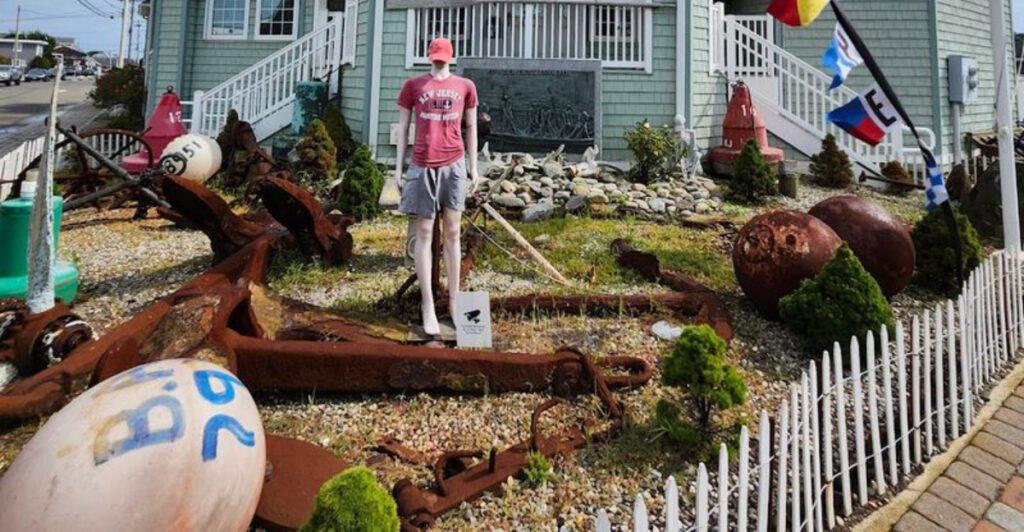
Beach Haven, New Jersey sits on a narrow barrier island called Long Beach Island, and most people who pass through are thinking about the beach, not history. But tucked along the waterfront is a museum that holds more than a century of maritime stories, artifacts, and mysteries that the Atlantic Ocean could not keep hidden forever.
The building looks modest from the outside, almost easy to walk past without a second glance. Get through the front door, though, and three floors of carefully arranged exhibits start telling stories about shipwrecks, navigation, coastal life, and the people who lived and worked on the water long before anyone thought to write it all down.
This is not a dusty, boring museum. It is the kind of place that makes an afternoon disappear without warning.
Where History Has a Home on Dock Road
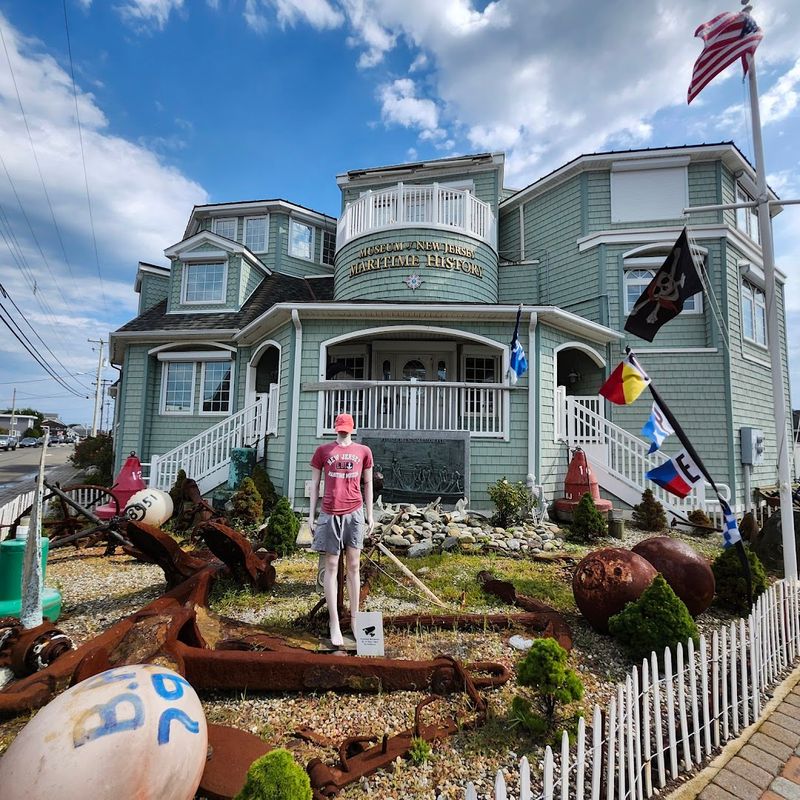
Some buildings announce themselves loudly. This one lets its contents do the talking.
The New Jersey Maritime Museum is located at 528 Dock Rd, Beach Haven, NJ 08008, right on Long Beach Island, a narrow stretch of land along the Jersey Shore that has been shaped by the ocean for centuries.
The museum sits close to the water, which feels appropriate given everything inside it. Beach Haven is a small borough in Ocean County, and the island itself is connected to the mainland by a causeway, making it both accessible and just slightly removed from everyday life.
The museum is open Friday, Saturday, and Sunday from 10 AM to 4 PM, with expanded daily hours during the summer months of June, July, and August. Admission is free, though donations are warmly welcomed and genuinely needed to keep the collection running.
Parking is also free, which makes planning a visit straightforward.
How a Private Collection Became a Public Treasure
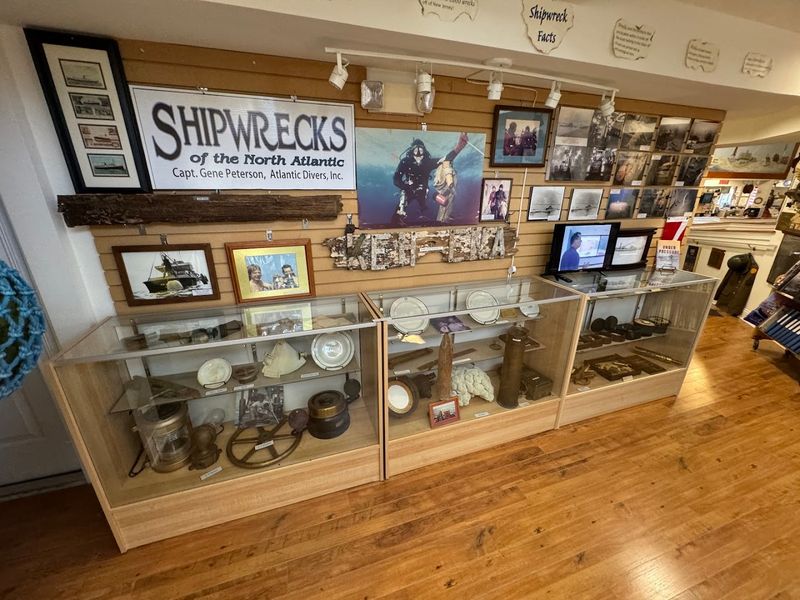
Not every museum starts with a grant or a government plan. This one started with passion.
The New Jersey Maritime Museum grew from a private collection assembled by a couple whose love of local maritime history turned into something far bigger than a hobby.
Deb and Jim, the founders, poured years of effort into building a space where the stories of the Jersey Shore’s seafaring past could be preserved and shared with the public. What began as a personal archive eventually expanded into a three-floor museum packed with artifacts, photographs, navigation equipment, archival documents, and rare out-of-print books.
That origin story matters because it explains the character of the place. Every item feels chosen with intention, not just collected for the sake of filling space.
The care and attention to detail throughout the exhibits reflects the kind of dedication that only comes from people who genuinely believe the history they are preserving is worth protecting.
Three Floors That Keep Surprising You
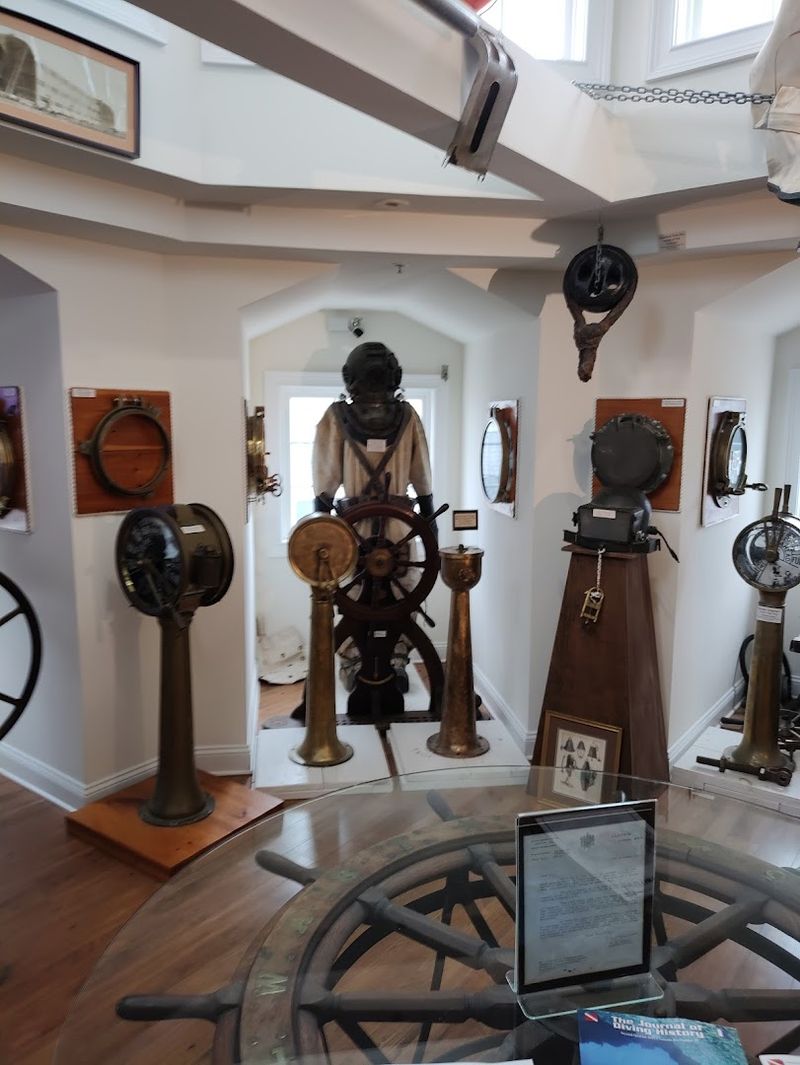
Most people expect a small museum to feel small. That assumption does not hold up here.
The New Jersey Maritime Museum spans three full floors, and each level introduces a new layer of the region’s relationship with the sea.
The layout encourages exploration rather than a straight march from one labeled panel to the next. Rooms branch off in different directions, each one holding something unexpected, whether it is a piece of recovered wreckage, a faded nautical chart, or a piece of equipment that once guided a ship through fog and dark water.
Many who visit report that they did not leave enough time on their first trip to see everything. That is not an accident of poor planning.
The collection is genuinely dense, and new details keep appearing the longer a person looks. A return visit almost always reveals something that was missed the first time around, which makes the museum worth coming back to more than once.
The Morro Castle: A Story the Shore Could Not Forget
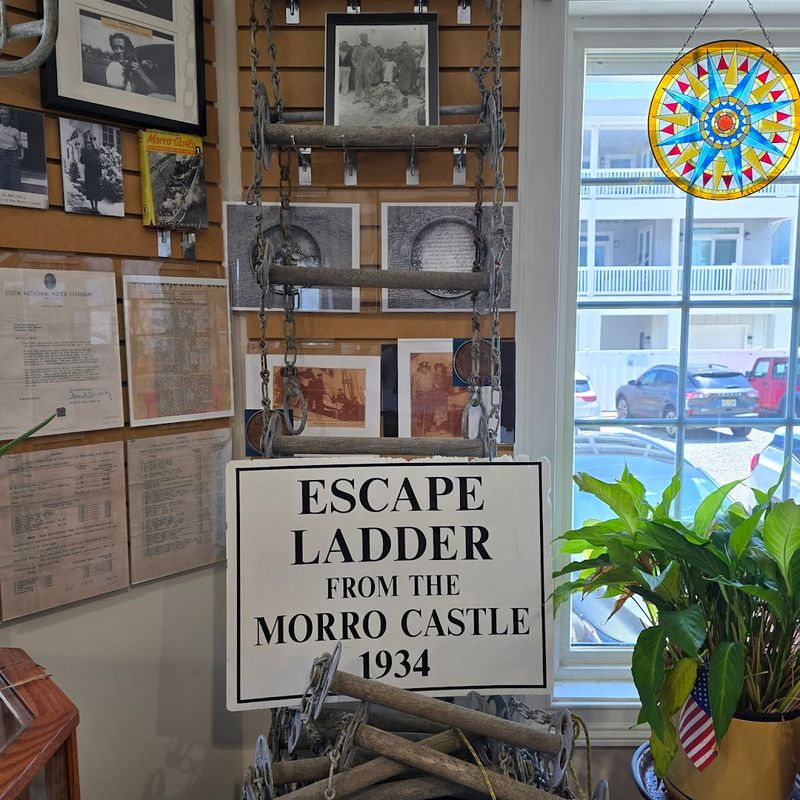
Few events in New Jersey coastal history left a mark as lasting as the Morro Castle disaster of 1934. The SS Morro Castle was a luxury passenger ship that caught fire off the coast of New Jersey while on a voyage from Havana, Cuba, to New York.
The ship eventually ran aground near Asbury Park, and the wreck became one of the most photographed and talked-about events of its era. The New Jersey Maritime Museum dedicates significant exhibit space to the Morro Castle, and the collection is considered one of the strongest presentations of this chapter in maritime history.
Photographs, artifacts, and detailed accounts piece together what happened on that ship and along the New Jersey coast in the days that followed. For anyone who has heard the name Morro Castle without knowing the full story, the exhibit fills in the gaps in a way that is clear, thorough, and genuinely hard to walk away from quickly.
Navigation Equipment That Once Guided Real Ships
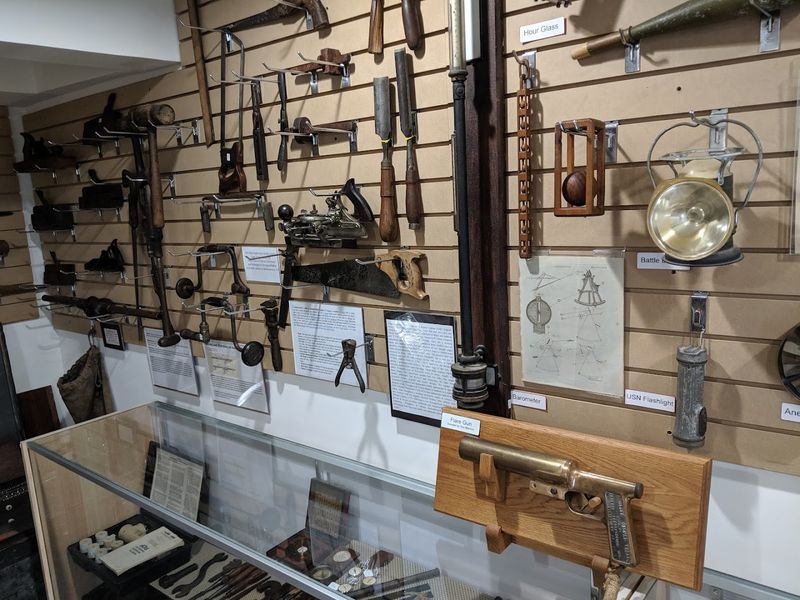
Before GPS and satellite systems, navigating the ocean required skill, calculation, and a collection of tools that now look almost like artwork. The museum holds a notable collection of navigation equipment, and each piece carries the weight of real use at sea.
Compasses, sextants, charts, and other instruments fill sections of the exhibits, giving visitors a concrete understanding of what it took to move a vessel safely across open water or through the shallow, tricky passages along the Jersey Shore. These were not decorative objects.
They were the difference between arriving safely and not arriving at all.
Seeing them up close, many of them worn and weathered from actual use, changes the way a person thinks about ocean travel in earlier centuries. The museum does not just display the tools.
It provides enough context to explain how they worked and why they mattered, which turns a collection of old instruments into a genuinely educational experience worth spending real time with.
Shipwreck Finds That Came Up From the Deep
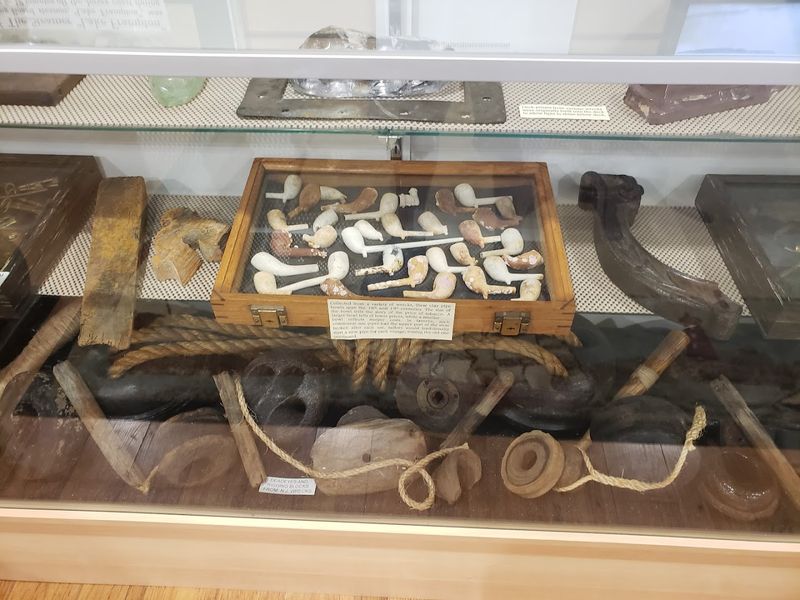
The New Jersey coastline has swallowed more ships than most people realize. The waters off Long Beach Island and the surrounding area have been the site of numerous wrecks over the centuries, and the museum has gathered physical evidence of many of them.
Recovered items from shipwrecks form a significant part of the collection. These are objects that were pulled from the ocean floor or found along the shore after storms and tides shifted the sand.
Seeing them in person carries a different weight than reading about a wreck in a book.
Each artifact is a physical connection to an event that happened in real water, to real people, often under dramatic circumstances. The museum presents these finds with enough historical context to make them meaningful rather than just mysterious.
For those with an interest in underwater history or coastal archaeology, this part of the collection alone is worth the trip to Beach Haven. The ocean gives things up slowly, and this museum holds what it has released.
Photographs That Freeze a Century of Coastal Life
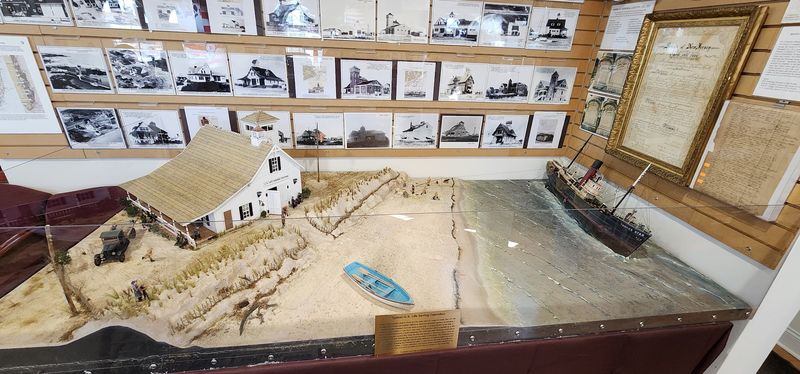
Photographs can do something that written records sometimes cannot. They show what a place actually looked like, what people wore, how ships were built, and what the coastline looked like before development changed it.
The museum’s photograph collection covers more than a hundred years of maritime and coastal history along the New Jersey shore.
Images of ships, harbors, storms, rescues, and everyday life on the water line the walls and fill display cases throughout the building. Some of the photographs are rare, and several document events that would otherwise exist only in written accounts.
Taken together, the photographic collection creates a visual timeline of how the region’s relationship with the ocean has changed over generations. Fishing methods, vessel designs, coastal communities, and the people who built their lives around the water all appear in these images.
Spending time with them is one of the quieter pleasures of the museum, the kind of thing that rewards patience and a slow walk through each room.
A Library and Archive Worth Knowing About
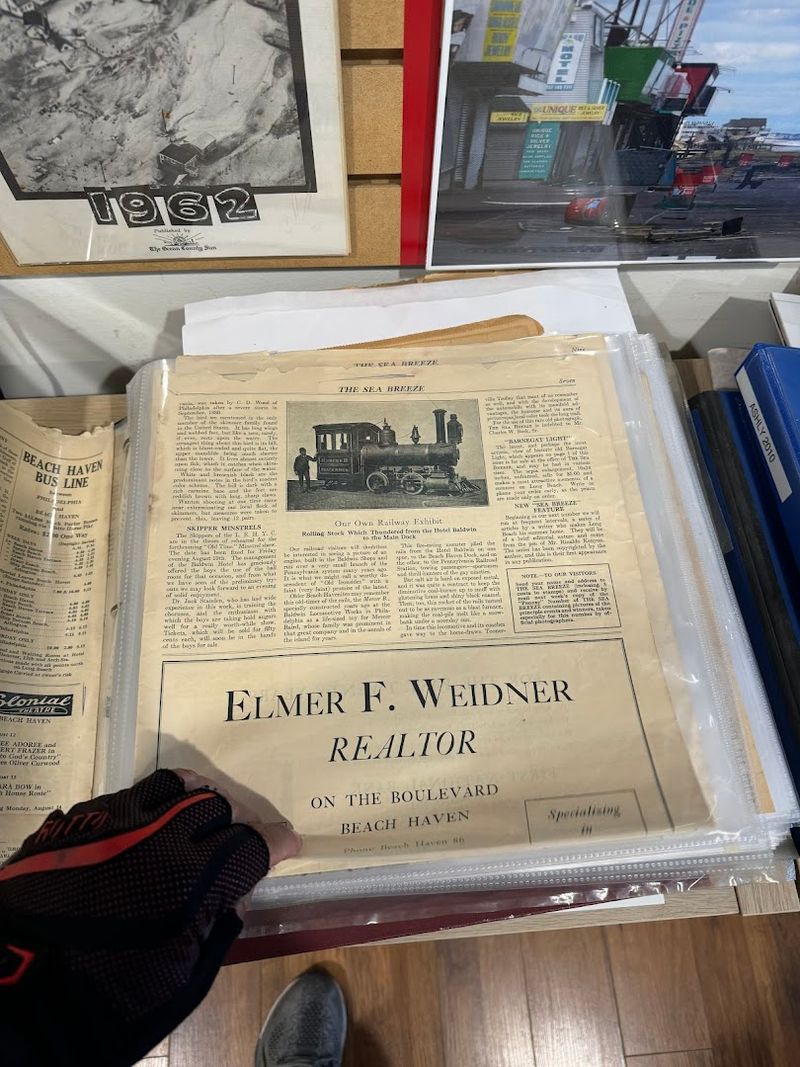
Beyond the artifacts and photographs, the museum holds a library that researchers and history enthusiasts tend to find unexpectedly valuable. The collection includes rare books, out-of-print publications, and archival documents related to New Jersey maritime history and the broader history of the East Coast.
Some of these materials are genuinely difficult to find elsewhere. Out-of-print titles on specific shipwrecks, coastal geography, and seafaring life in earlier centuries are available for access, and the museum has made a point of preserving materials that might otherwise disappear entirely.
Documentary DVDs about East Coast maritime history are also part of the collection, and in a generous move that surprises many first-time visitors, copies of certain DVDs are available free of charge. For anyone doing research on New Jersey’s coastal past, or simply curious about a specific wreck or historical event, the library portion of the museum adds a depth that goes well beyond what a typical exhibit room can offer.
It is a working archive as much as a display space.
A Surprisingly Good Stop for Kids
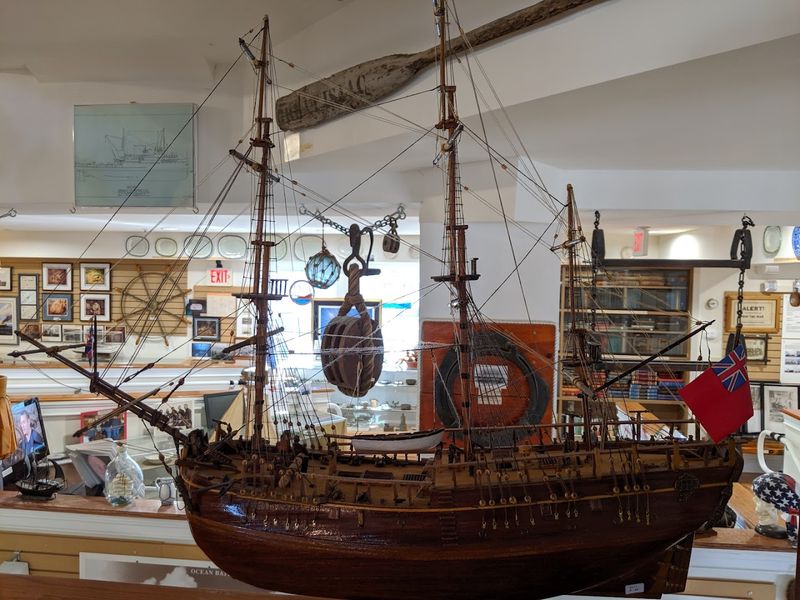
Maritime history might not sound like obvious territory for young children, but the museum handles younger visitors with real thought. Staff members have been known to hand out scavenger hunt sheets that send kids through the exhibits on a structured search, keeping them engaged in a way that feels like a game rather than a lesson.
The collection includes items that children can interact with more directly than a typical museum allows, and the staff are attentive to making the experience work for families. Even toddlers have been known to stay entertained for a full hour, which is a meaningful endorsement for any non-dedicated children’s attraction.
The free admission also removes the pressure that can make a family museum visit feel like a gamble. If a child is captivated for forty minutes and ready to leave, nothing is lost.
If the whole family ends up staying for two hours, that is a bonus. The museum manages to work for multiple age groups without feeling like it is designed for none of them.
Free Admission and the Donation Model That Works
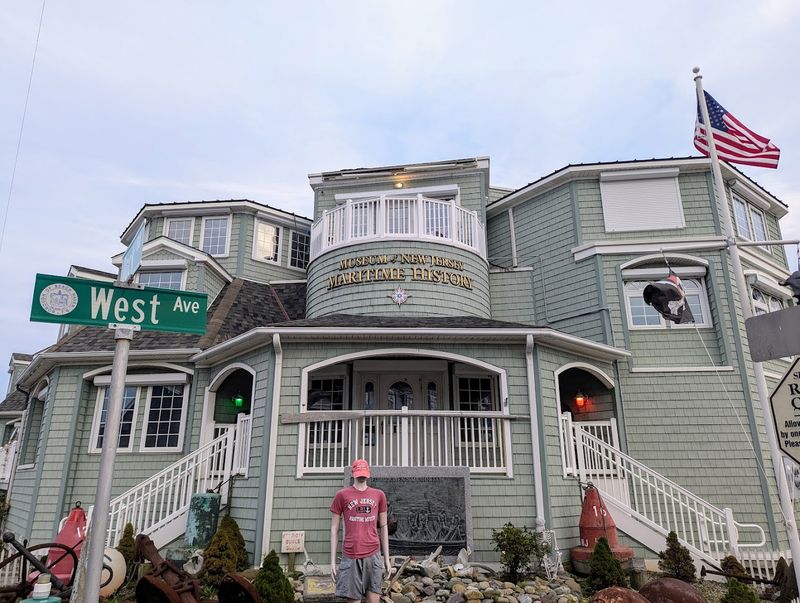
There are not many places where a full museum experience costs nothing at the door. The New Jersey Maritime Museum operates on a donation basis, meaning entry is free and visitors are simply asked to contribute what they can.
No ticket counter, no tiered pricing, no membership upsell at the exit.
That approach reflects the founders’ commitment to keeping the museum accessible to everyone, regardless of budget. It also creates a different kind of relationship between the institution and the people who walk through the door.
Most who visit end up donating because the experience genuinely earns it, not because they were pressured.
The gift shop offers another way to support the museum while taking something home. Some items in the shop are offered free of charge, which adds to the overall generosity of the place.
For a small, independently run museum on a barrier island, the donation model has clearly worked. The collection keeps growing, and the doors keep opening on Friday, Saturday, and Sunday.
Why One Visit Is Never Really Enough
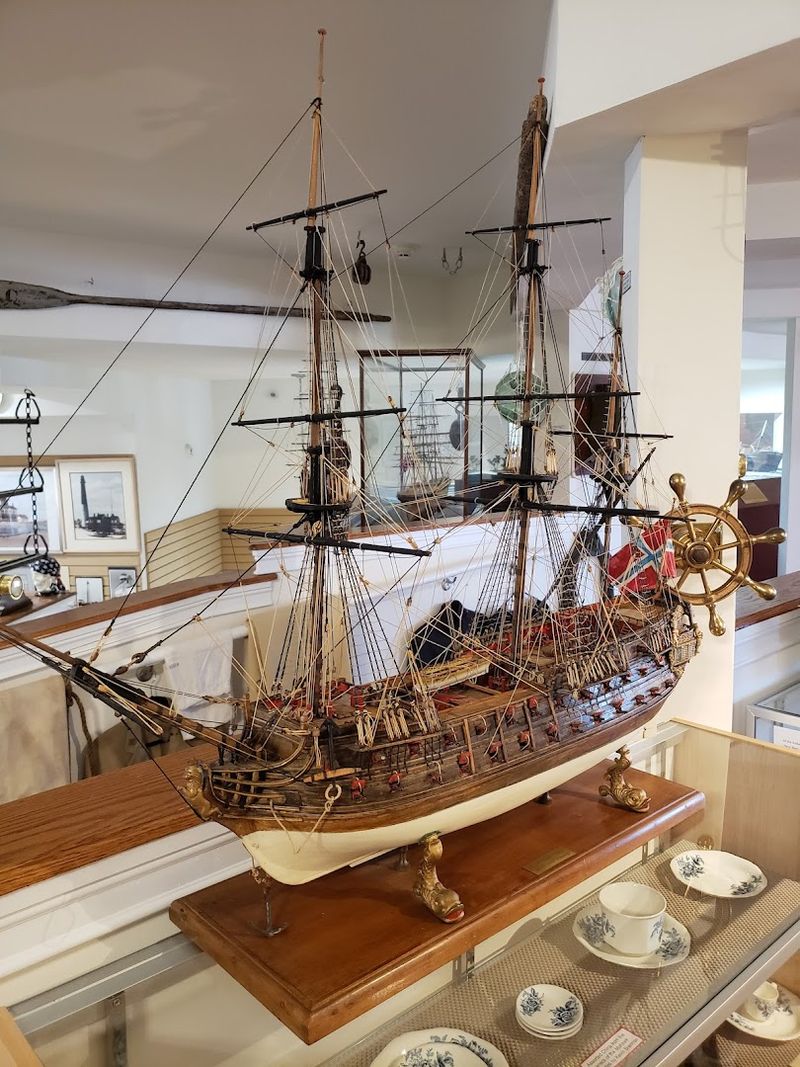
Repeat visits to the same museum are not always a sign of obsession. Sometimes a collection is simply too large to absorb in a single afternoon, and that is exactly the situation at the New Jersey Maritime Museum.
Three floors of exhibits, a working library, documentary video stations, and a gift shop all compete for attention during a visit that has a natural time limit.
Many people who plan a quick stop end up staying far longer than expected, and still leave knowing they missed things. Rooms branch off in ways that are easy to overlook, and individual artifacts reward closer inspection than a first pass allows.
The museum changes slightly over time as new donations arrive and exhibits are updated or expanded. That means a second or third visit genuinely offers something different from the first.
For anyone spending time on Long Beach Island, returning to the museum on a subsequent trip is less a matter of nostalgia and more a matter of finishing what the first visit started.
Share this story