The summer of 1980 felt like a turning point for rock music. The freewheeling sound of the 1970s was beginning to evolve into something bigger, louder, and more polished for the new decade.
Arena rock ruled FM radio, guitar solos stretched endlessly across car speakers, and every road trip seemed to have the same soundtrack blasting from somebody’s Camaro or pickup truck.
It was also a strange moment in music history. Disco’s dominance was fading after years at the top, punk had shaken up the industry, and a younger generation of rock bands was starting to rise.
Yet classic rock still owned the summer. Bands like Queen, AC/DC, Pink Floyd, Journey, and The Rolling Stones were producing songs that felt gigantic enough to fill stadiums.
Many of these tracks became permanent fixtures on classic rock radio. Others evolved into sports anthems, karaoke staples, and road-trip essentials that still get crowds singing decades later.
These are the 14 classic rock anthems that dominated the summer of 1980.
1. Another One Bites the Dust (Queen)
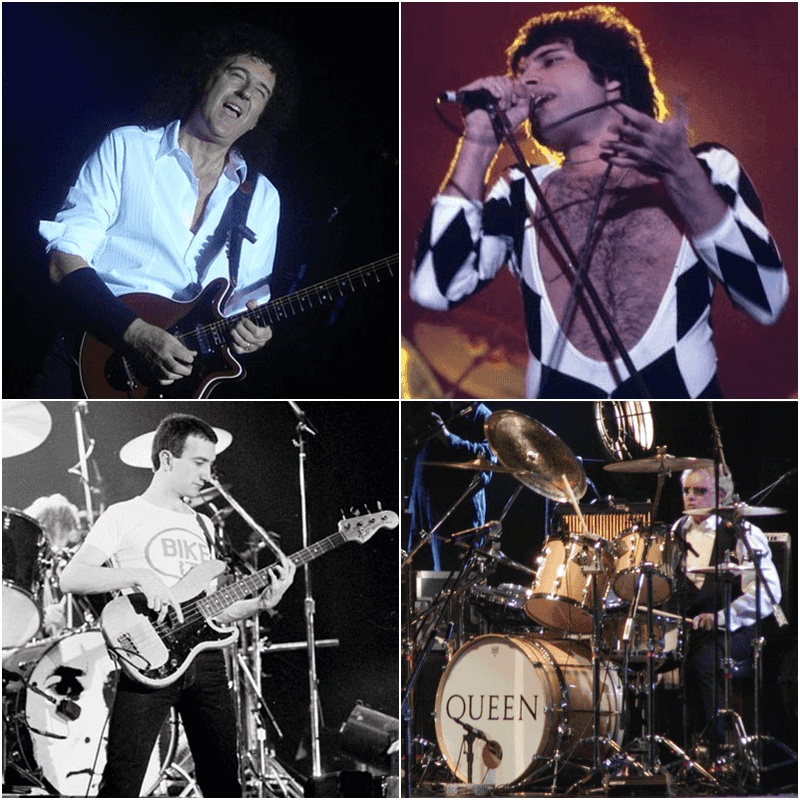
By 1980, Queen had already established themselves as one of the biggest rock bands in the world, but “Another One Bites the Dust” proved they could still surprise audiences. Instead of leaning into grand theatrical rock, the band embraced a stripped-down groove built around John Deacon’s now-legendary bassline.
The track sounded sleek, confident, and incredibly modern for its time. Influenced by funk and dance music, it crossed over far beyond traditional rock audiences and became one of Queen’s biggest commercial successes.
Freddie Mercury’s swaggering vocal delivery only made the song more addictive. Every line sounded effortlessly cool, while the minimalist groove gave the track a hypnotic quality that made it impossible to ignore.
During the summer of 1980, the song was absolutely everywhere. It blasted from roller rinks, dance clubs, car radios, and sporting events.
Even today, the opening bassline remains instantly recognizable within seconds.
Very few songs have ever sounded this effortlessly stylish.
2. Back in Black (AC/DC)
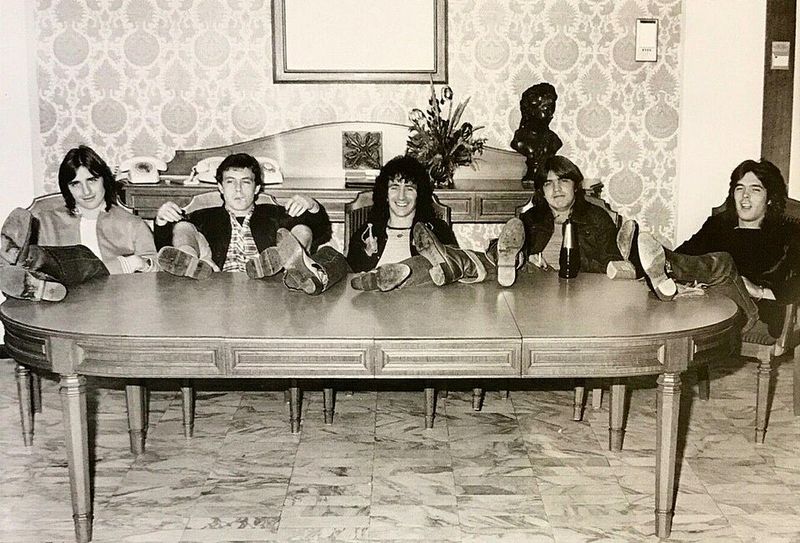
When AC/DC singer Bon Scott died in early 1980, many fans assumed the band was finished. Scott had been such a huge part of the group’s identity that continuing without him seemed almost impossible.
Instead, AC/DC responded with one of the greatest comeback albums in rock history.
“Back in Black” arrived like a thunderstorm. The guitars were huge, Brian Johnson’s vocals sounded explosive, and the entire song carried an energy that felt both rebellious and triumphant.
Rather than creating a somber tribute, the band made something loud, aggressive, and full of life.
The title itself even carried symbolic weight, reflecting both mourning and resilience.
By summer 1980, the song had become a hard-rock phenomenon. Teenagers blasted it through bedroom speakers, bars cranked it at full volume, and rock stations played it relentlessly.
Decades later, “Back in Black” still feels dangerous in the best possible way.
3. Crazy Little Thing Called Love (Queen)
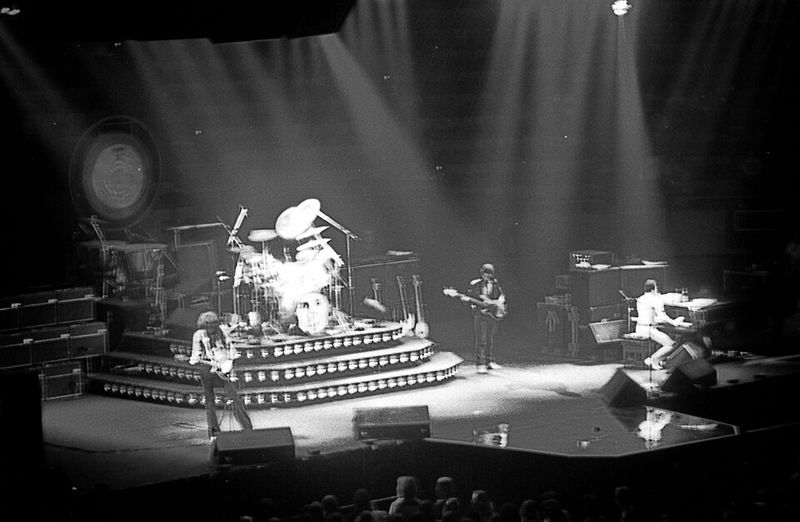
As if dominating rock radio with “Another One Bites the Dust” wasn’t enough, Queen also managed to release a completely different kind of hit at almost the same time.
“Crazy Little Thing Called Love” leaned heavily into 1950s rockabilly influences inspired by Elvis Presley, proving once again that Queen refused to stay trapped inside one musical style.
Freddie Mercury reportedly wrote the song in just a short burst of inspiration while sitting in a bathtub, yet it became one of the band’s most beloved hits. Its simplicity worked perfectly.
The stripped-down guitars, catchy rhythm, and playful vocals gave the song an irresistible charm.
The track also helped introduce Queen to even broader mainstream audiences who may have found some of the band’s more elaborate songs intimidating.
By the summer of 1980, it felt like Queen completely owned the radio landscape.
4. Misunderstanding (Genesis)
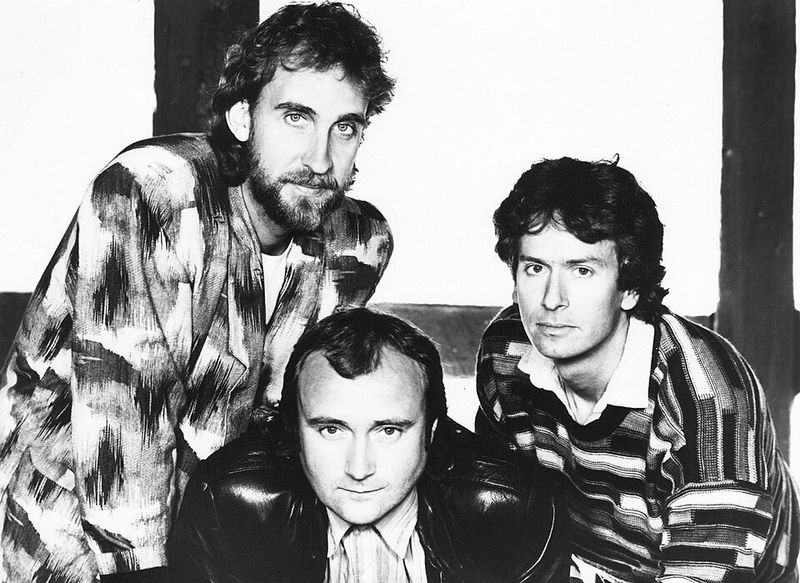
Before Genesis fully transformed into one of the defining pop-rock bands of the 1980s, songs like “Misunderstanding” showed the group beginning to shift away from long progressive-rock epics toward tighter, radio-friendly songwriting.
Phil Collins’ warm, emotionally grounded vocals made the song feel deeply relatable, while the polished production gave it mainstream appeal. The track still carried traces of Genesis’ musical sophistication, but now the hooks were front and center.
What made “Misunderstanding” stand out was how natural the transition felt. Unlike some progressive bands that struggled to adapt to changing musical tastes, Genesis evolved smoothly into a more accessible sound without losing their identity.
The song became a major radio hit during the summer of 1980 and helped pave the way for the band’s massive success later in the decade.
It was the sound of Genesis reinventing themselves in real time.
5. Emotional Rescue (The Rolling Stones)
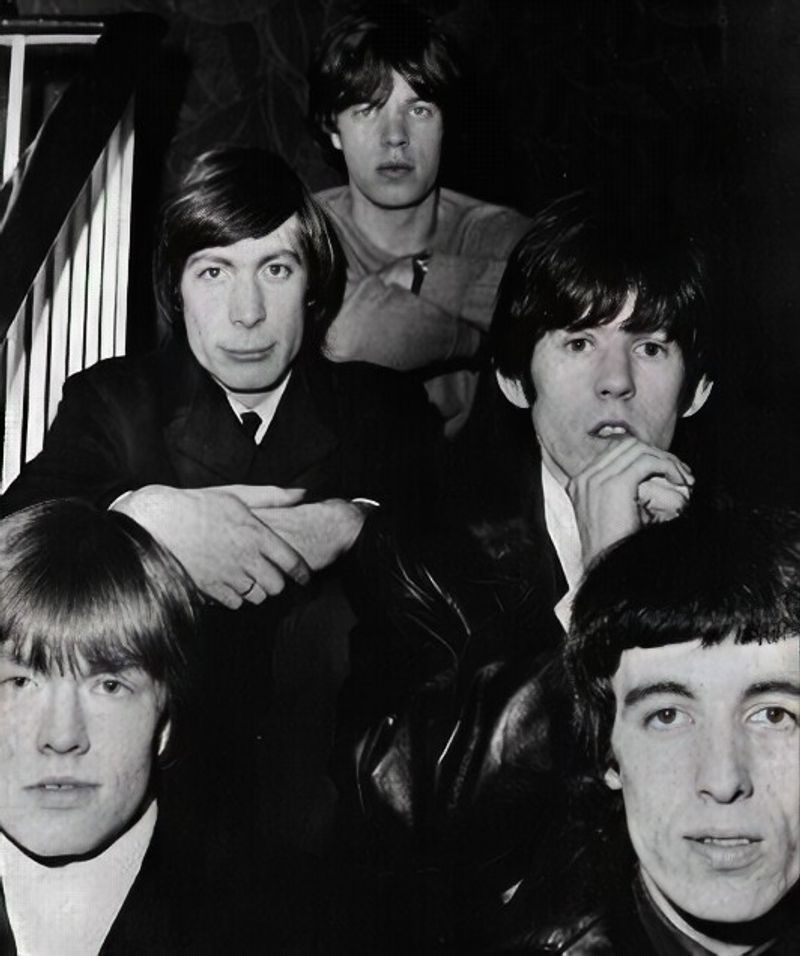
By 1980, many bands from the 1960s were beginning to fade commercially or rely heavily on nostalgia. The Rolling Stones, however, still sounded completely alive.
“Emotional Rescue” blended rock, disco rhythms, funk influences, and Mick Jagger’s unusual falsetto vocals into something strangely hypnotic. The song felt sleek and stylish while still carrying the effortless swagger that defined the Stones at their peak.
Some older rock fans were initially surprised by the disco-influenced groove, but the band’s confidence made it work. Rather than resisting changing musical trends, the Stones absorbed them and reshaped them into something distinctly their own.
The track dominated radio during the summer and proved the band could still evolve without losing their identity.
More importantly, it showed the Stones entering a new decade without sounding outdated.
6. Rock with You (Michael Jackson)
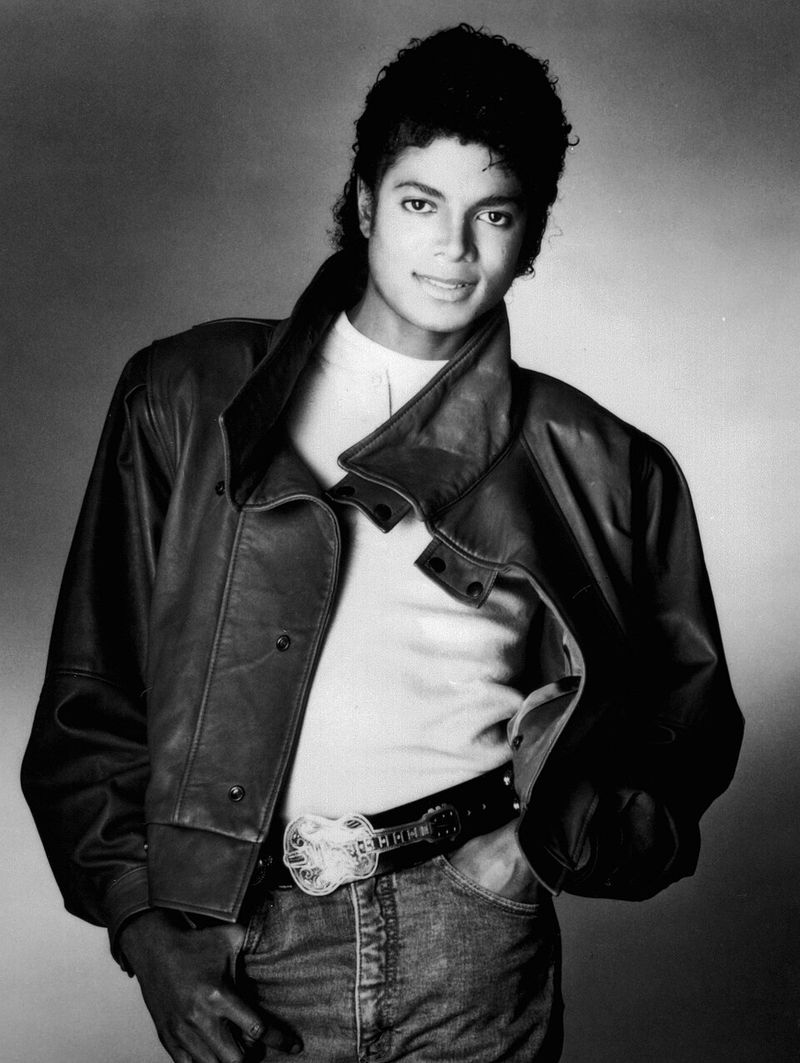
Although Michael Jackson would soon become the defining pop superstar of the decade, “Rock with You” occupied a fascinating middle ground between disco, soul, pop, and soft rock.
The song felt smooth, polished, and effortlessly cool. Quincy Jones’ production shimmered with warmth, while Jackson’s vocals sounded relaxed yet emotionally engaging.
At a time when disco backlash was growing, “Rock with You” managed to preserve the best elements of dance music while pointing toward a more polished 1980s sound. It appealed to rock listeners, R&B fans, and pop audiences simultaneously.
The track became one of the biggest songs of the summer because it felt universally accessible. Whether heard at parties, beaches, roller rinks, or through car speakers late at night, it perfectly captured the smooth atmosphere of early-1980s radio.
Even today, the song sounds almost impossibly clean and timeless.
7. Refugee (Tom Petty and the Heartbreakers)
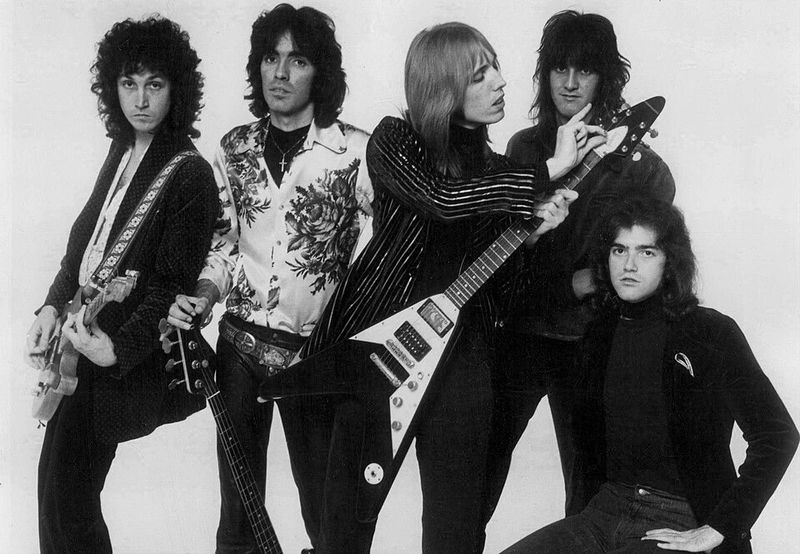
Tom Petty never needed flashy production or complicated arrangements to create great rock songs. “Refugee” succeeded because it sounded honest, frustrated, and emotionally real.
Driven by Mike Campbell’s sharp guitar work and Petty’s weary vocals, the song balanced vulnerability with defiance in a way that connected deeply with listeners. The lyrics reflected emotional exhaustion, but the music itself pushed forward with stubborn determination.
Unlike many heavily polished arena-rock tracks of the era, “Refugee” felt grounded and authentic. It sounded like something built for highways, bars, and long summer nights rather than giant theatrical productions.
That authenticity helped turn the song into one of Petty’s most enduring classics and a permanent staple of classic rock radio.
8. The Rose (Bette Midler)

In a summer dominated by guitars, arena rock, and high-energy anthems, “The Rose” slowed everything down.
Written for the film of the same name, the song showcased Bette Midler’s extraordinary vocal power and emotional control. Rather than relying on flashy production, the ballad built its strength gradually through piano, orchestration, and heartfelt lyrics about love, loss, and vulnerability.
The simplicity made it unforgettable.
Listeners connected deeply with the song because it felt sincere during an era often associated with excess and spectacle. Midler’s performance sounded raw and emotional without becoming overly dramatic, which helped the track stand out on crowded radio playlists.
By the summer of 1980, “The Rose” had become one of the year’s defining emotional ballads. Decades later, it still carries enormous nostalgic weight for many listeners.
Few songs from the era feel this emotionally direct.
9. Against the Wind (Bob Seger)
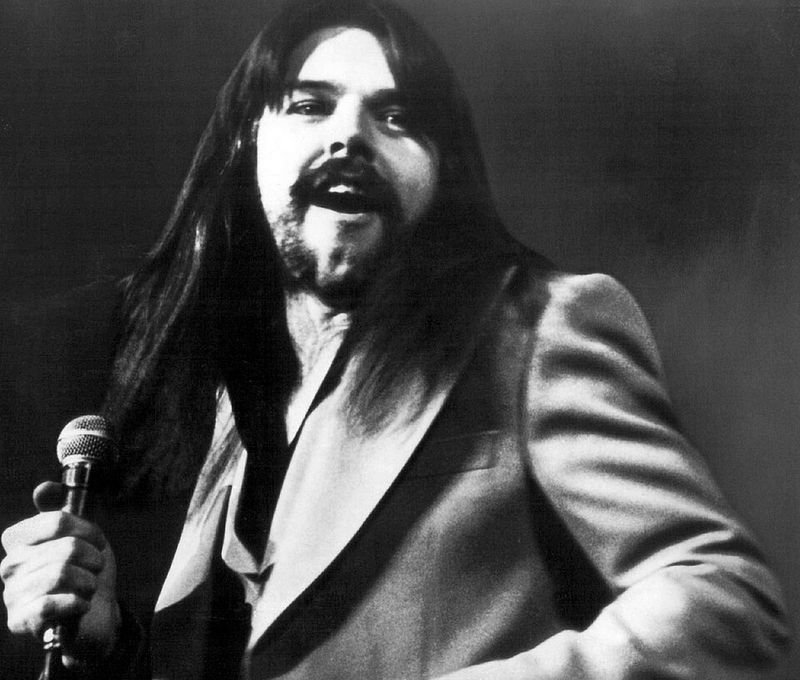
Bob Seger had always excelled at songs about ordinary life, fading youth, and emotional reflection, but “Against the Wind” elevated those themes into something timeless.
The song reflected on aging, lost dreams, changing priorities, and the uncomfortable realization that life moves faster than expected. Seger’s rough, weathered voice made every lyric sound lived-in and believable.
What made the track especially powerful was its honesty. Instead of pretending youth lasts forever, Seger openly acknowledged exhaustion, regret, and emotional weariness in a way many listeners deeply related to.
The soft instrumentation and reflective pacing gave the song a wide-open feeling perfectly suited for long summer drives and late-night radio listening.
Even today, “Against the Wind” remains one of classic rock’s most emotionally resonant songs about getting older.
10. You Shook Me All Night Long (AC/DC)
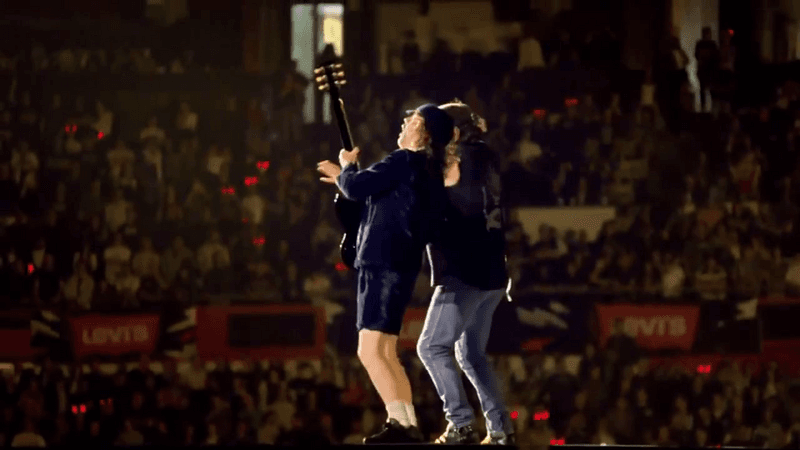
If “Back in Black” sounded fierce and aggressive, “You Shook Me All Night Long” leaned fully into pure rock-and-roll fun.
The song exploded with sharp guitar riffs, huge hooks, and Brian Johnson’s wild vocal energy. Unlike darker heavy-rock songs of the period, this track embraced celebration, excitement, and pure adrenaline.
Everything about it felt designed to energize crowds.
The chorus became instantly memorable, making the song perfect for parties, bars, sporting events, and live concerts. By the summer of 1980, it had become one of the biggest hard-rock tracks on radio.
What makes the song endure is how uncomplicated its energy feels. It doesn’t try to be philosophical or emotionally deep – it simply aims to be loud, fun, and unforgettable.
And it succeeds perfectly.
11. Coming Up (Paul McCartney)
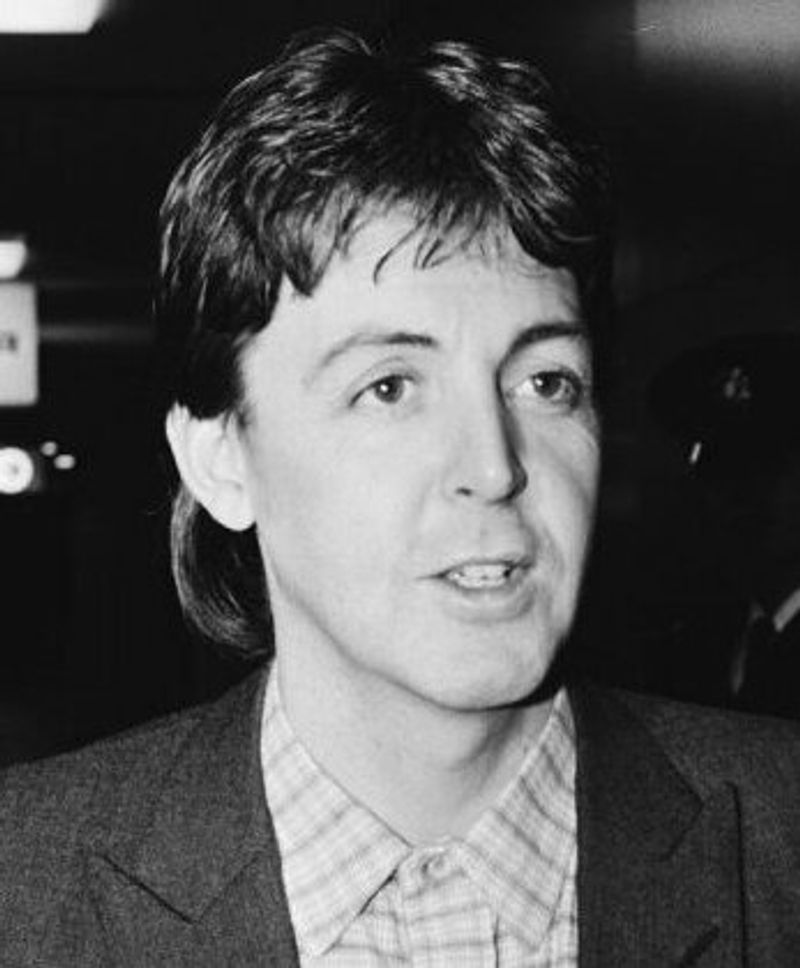
After conquering the 1960s with The Beatles and dominating much of the 1970s with Wings, Paul McCartney entered the new decade sounding surprisingly modern.
“Coming Up” mixed playful synth-pop textures with quirky production and catchy melodies that hinted at where pop-rock music was heading in the 1980s. The song sounded lighter and more experimental than much of McCartney’s earlier work, yet his melodic instincts remained completely intact.
The live version became especially popular in America and helped the song become one of the biggest hits of summer 1980.
What stood out most was McCartney’s willingness to evolve rather than rely entirely on nostalgia. While many artists from the 1960s struggled to adapt to changing musical trends, McCartney embraced them with curiosity and humor.
The result felt fresh instead of forced.
12. Comfortably Numb (Pink Floyd)

Although released in late 1979 on The Wall, “Comfortably Numb” became truly legendary during the early 1980s as rock audiences fully absorbed its emotional power.
The song blended Roger Waters’ haunting lyrics with David Gilmour’s soaring guitar work to create something deeply atmospheric and emotionally overwhelming. The contrast between the detached verses and explosive chorus gave the track a dreamlike quality unlike almost anything else on radio.
Then came the guitar solos.
Gilmour’s playing became instantly iconic because it sounded less like technical showmanship and more like pure emotional release. Many fans still consider the closing solo one of the greatest ever recorded.
“Comfortably Numb” represented progressive rock at its absolute peak – grand, emotional, cinematic, and deeply immersive.
Even decades later, the song still feels enormous.
13. Don’t Do Me Like That (Tom Petty and the Heartbreakers)

Tom Petty had a rare ability to write songs that sounded casual while being almost perfectly constructed underneath.
“Don’t Do Me Like That” blended catchy hooks, sharp guitar work, and Petty’s laid-back vocals into one of the most radio-friendly rock songs of the era. Unlike heavier arena-rock anthems dominating the time, the track carried a lighter, almost playful energy that made it endlessly replayable.
The song’s hook was practically impossible to forget, which helped it become a huge hit during summer 1980.
Petty’s greatest strength was authenticity. Even his catchiest songs still felt grounded and human rather than overly polished or artificial.
That sincerity helped make “Don’t Do Me Like That” one of the defining radio tracks of the period.
14. Call Me (Blondie)
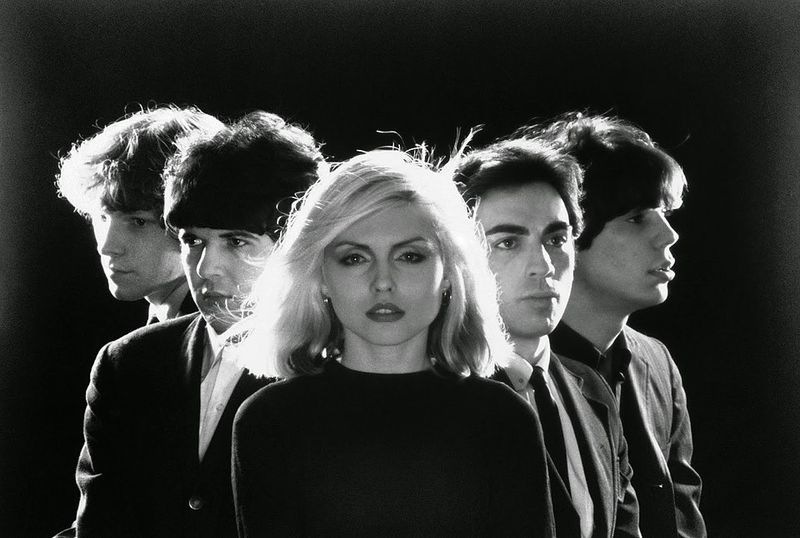
“Call Me” sounded like the future arriving at full speed.
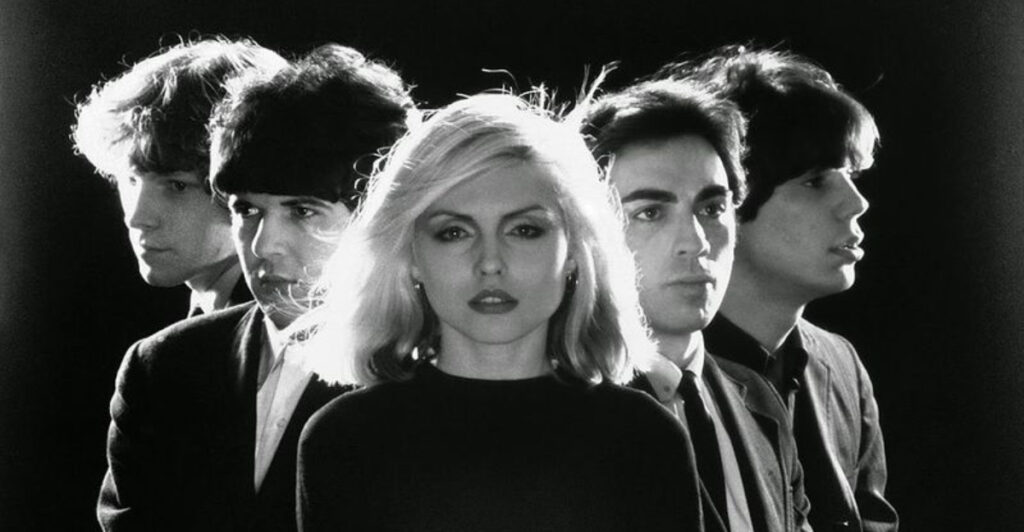
Blondie blended punk attitude, disco rhythms, new wave style, and mainstream pop hooks into something sleek, energetic, and impossible to categorize neatly. Debbie Harry’s cool, confident vocals gave the song enormous personality, while producer Giorgio Moroder added pulsing electronic energy that pushed the track toward the emerging sound of the 1980s.
The song became one of the biggest hits of the year because it appealed to nearly everyone at once. Rock fans loved the attitude, dance audiences loved the rhythm, and pop listeners loved the hooks.
More importantly, “Call Me” showed where mainstream music was heading. The clean production, electronic influence, and genre-blending style pointed directly toward the sound that would dominate the decade ahead.
Even now, the song still feels stylish, fast, and effortlessly cool.
Share this story