Rome is one of those cities that feels almost too good to be real. Around every corner, you will find ancient ruins standing next to buzzing cafes, world-famous fountains, and neighborhoods full of life.
Whether you are a history lover, a foodie, or just someone chasing a great adventure, Rome has something incredible waiting for you. This guide covers the 15 essential experiences that will make your first visit to the Eternal City truly unforgettable.
Visit the Colosseum
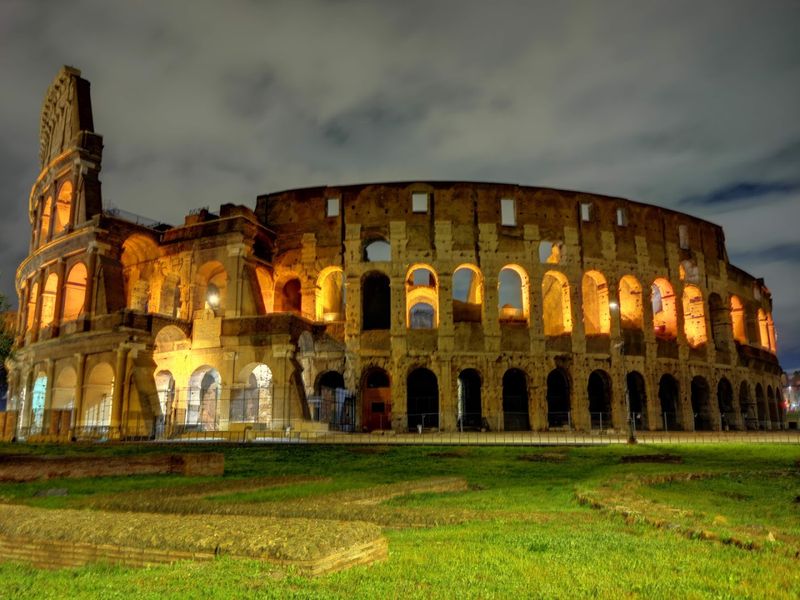
Few buildings on Earth carry the weight of history quite like the Colosseum. Completed in AD 80, this massive amphitheater could hold up to 80,000 spectators who gathered to watch gladiatorial combat, animal hunts, and dramatic public spectacles.
Walking through its arched corridors today, you can almost hear the roar of the crowd echoing off the ancient stone walls.
Book your tickets online well in advance, because the lines at the door can stretch for hours. A combined ticket usually includes access to the Roman Forum and Palatine Hill, which makes the deal even better.
Early morning visits are especially rewarding since the light is softer and the crowds are thinner.
Consider joining a guided tour to fully understand what you are seeing. Many guides bring the history to life with stories about specific gladiators and the engineering genius behind the structure.
The underground hypogeum, where animals and fighters waited before entering the arena, is available as an add-on and is absolutely worth the extra cost.
Walk Through the Roman Forum
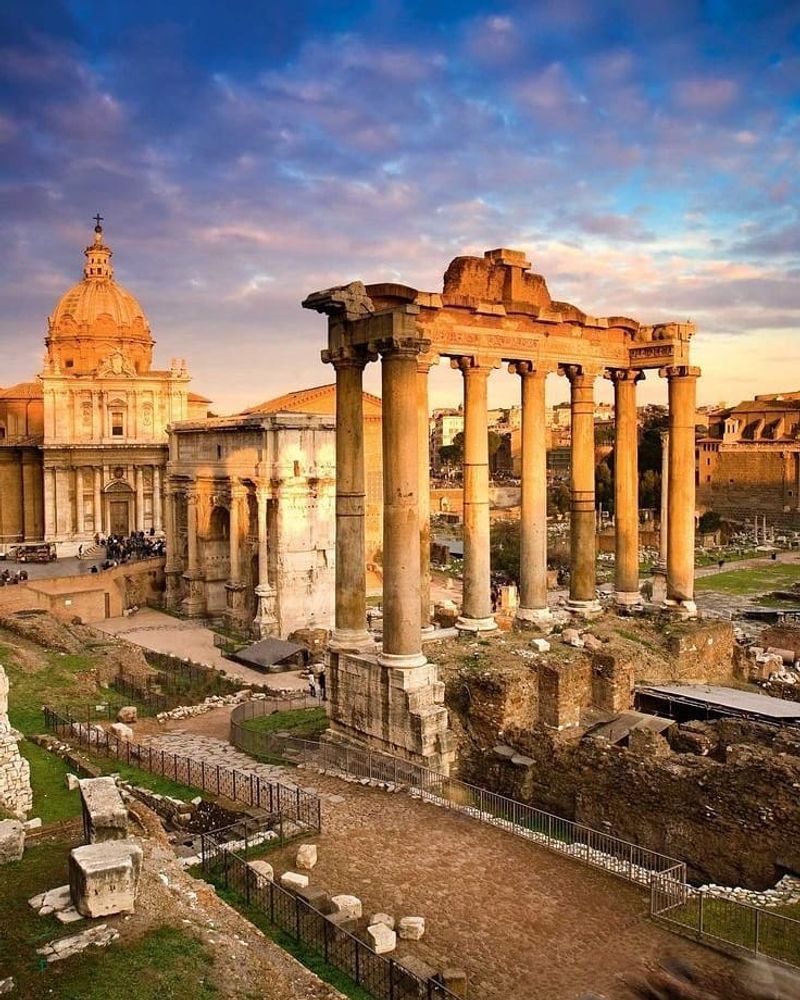
Stepping into the Roman Forum feels like walking onto the set of a history documentary, except everything around you is completely real. This sprawling stretch of ruins was once the beating heart of the Roman Empire, where senators debated laws, merchants sold goods, and citizens gathered to hear important announcements.
The Arch of Titus, the Temple of Saturn, and the House of the Vestal Virgins are just a few of the remarkable structures scattered across the site.
Wear comfortable shoes because the ground is uneven and you will cover a lot of distance. A good map or audio guide helps enormously since many ruins look similar without context.
Standing on the Via Sacra, the ancient road where victorious generals once paraded their troops, is a genuinely goosebump-worthy moment.
Combine your Forum visit with Palatine Hill for the best value and experience. Palatine Hill sits directly above the Forum and offers sweeping views across the ruins below.
The legendary founding of Rome is said to have taken place on Palatine Hill, which adds yet another fascinating layer to an already remarkable afternoon spent among ancient stones.
Explore Vatican City
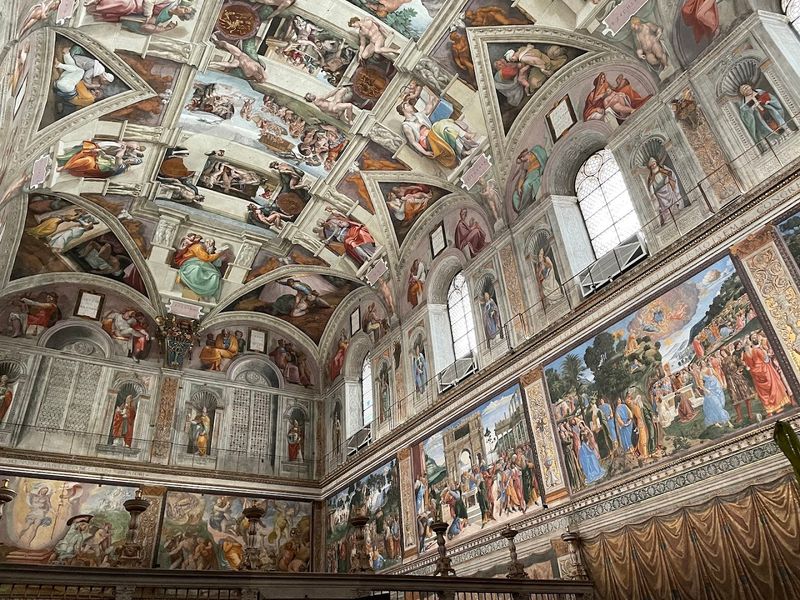
Vatican City is technically its own country, making it the smallest nation on Earth by both size and population. Packed into just 44 hectares, it holds some of the most extraordinary art and architecture humanity has ever produced.
The sheer density of masterpieces here is genuinely staggering, even for seasoned travelers who think they have seen it all.
The Vatican Museums alone could fill an entire day, so be selective if your time is limited. Most visitors prioritize the Sistine Chapel, where Michelangelo’s ceiling fresco remains one of the greatest artistic achievements in history.
Looking up at those painted figures after waiting in a long queue somehow makes the experience feel even more earned.
St. Peter’s Basilica is free to enter and should not be skipped. Climbing to the top of the dome rewards visitors with panoramic views across Rome that stretch all the way to the hills beyond the city.
Arrive early to beat the queues, dress modestly with covered shoulders and knees, and allow at least half a day to explore Vatican City properly without feeling rushed or overwhelmed by the crowds.
Toss a Coin Into the Trevi Fountain
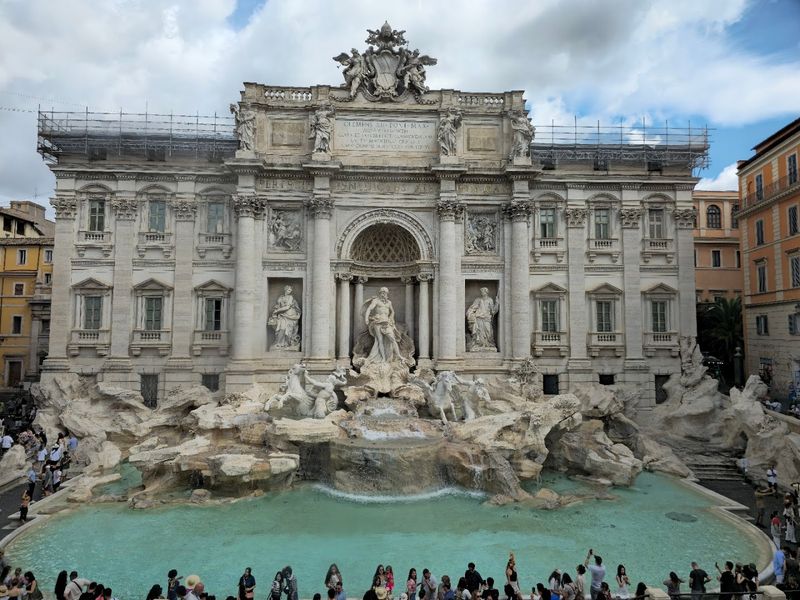
Legend says that tossing one coin into the Trevi Fountain guarantees you will return to Rome one day. Throw two coins and a romance awaits.
Throw three and a wedding is on the horizon. Whether or not you believe the superstition, standing before this enormous Baroque masterpiece and flipping a coin over your shoulder into the sparkling water is one of those small joyful moments that stays with you long after the trip ends.
The fountain was completed in 1762 and draws millions of visitors every year, making it one of the most photographed spots in all of Italy. Visiting in the early morning or late at night gives you the best chance of experiencing it without shoulder-to-shoulder crowds.
The illuminated evening version is breathtaking and feels almost theatrical against the narrow surrounding streets.
The coins tossed by tourists are collected regularly and donated to a Roman charity, so your lucky throw actually does some good in the world. Grab a gelato from a nearby shop, find a spot on the edge of the piazza, and take your time soaking in the atmosphere.
This is one of those Rome moments you simply cannot rush.
Visit the Pantheon
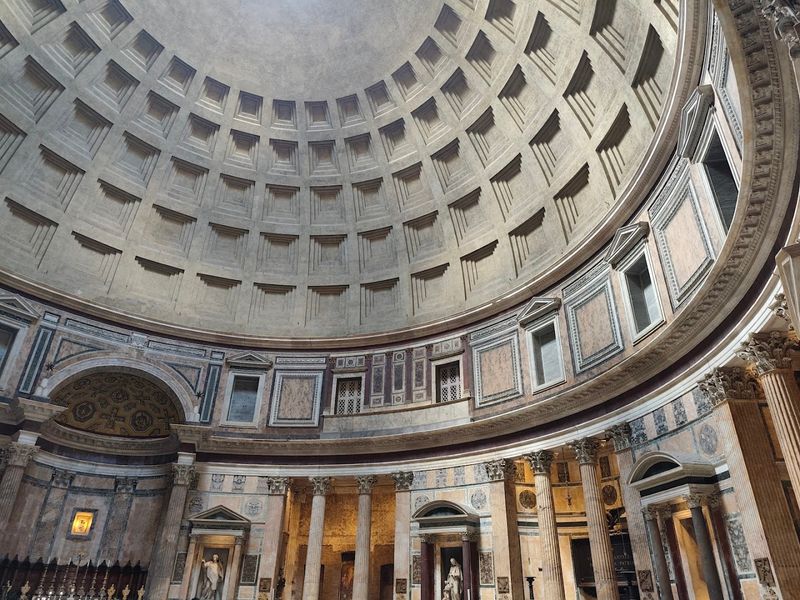
Nearly 2,000 years old and still standing in near-perfect condition, the Pantheon quietly humbles every modern building it has ever been compared to. Originally built as a temple to the gods of ancient Rome, it was later converted into a Catholic church, which is largely why it survived while so many other Roman structures crumbled.
The dome remains the largest unreinforced concrete dome ever constructed, a fact that continues to baffle engineers to this day.
The oculus, the circular opening at the very top of the dome, allows a beam of light to travel slowly across the interior throughout the day. On rainy days, water falls through the opening and drains through small holes in the floor below.
Standing directly beneath it and looking up is one of those rare architectural experiences that genuinely stops people mid-conversation.
Entry now requires a small admission fee, so plan accordingly. The interior holds the tomb of the Renaissance painter Raphael, which adds an unexpected artistic dimension to an already historically rich visit.
Arrive early in the morning before the tour groups arrive, explore the nearby Piazza della Rotonda, and grab a coffee at one of the surrounding cafes to start your day on a perfect note.
Wander Through Trastevere
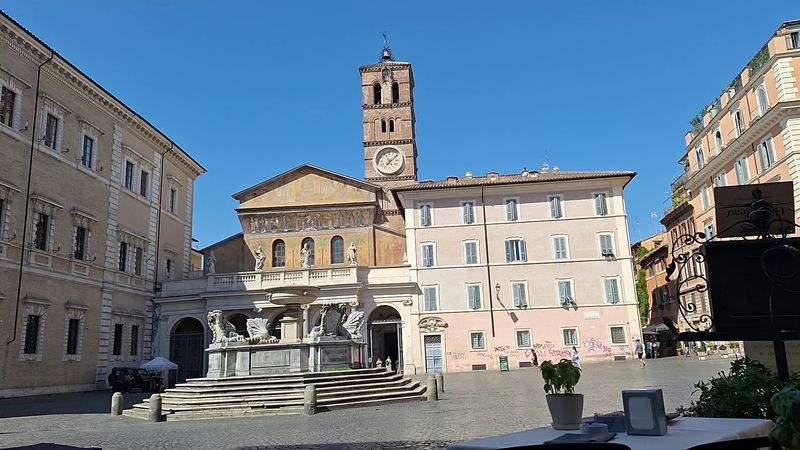
Trastevere has a way of making visitors feel like they have accidentally stumbled into the real Rome, far from the tourist trail. The neighborhood sits across the Tiber River from the historic center and has managed to hold onto its old-school charm despite growing popularity.
Cobblestone alleys wind between buildings draped in climbing vines, and the smell of garlic and olive oil drifts from trattoria kitchens at all hours.
Daytime in Trastevere is relaxed and photogenic, perfect for wandering without any particular destination in mind. The Basilica di Santa Maria in Trastevere, one of Rome’s oldest churches, anchors the central piazza and is worth stepping inside for its stunning golden mosaics.
Street musicians often perform in the square, adding a soundtrack to what already feels like a very cinematic afternoon.
Come evening, Trastevere transforms into one of Rome’s liveliest social hubs. Locals and travelers mix freely at outdoor tables, sharing wine and plates of food that seem to arrive in waves without any hurry.
Budget-friendly restaurants here serve some of the most honest Roman cooking in the city, making Trastevere as much a culinary destination as a sightseeing one. Block out a full evening for it.
Climb the Spanish Steps
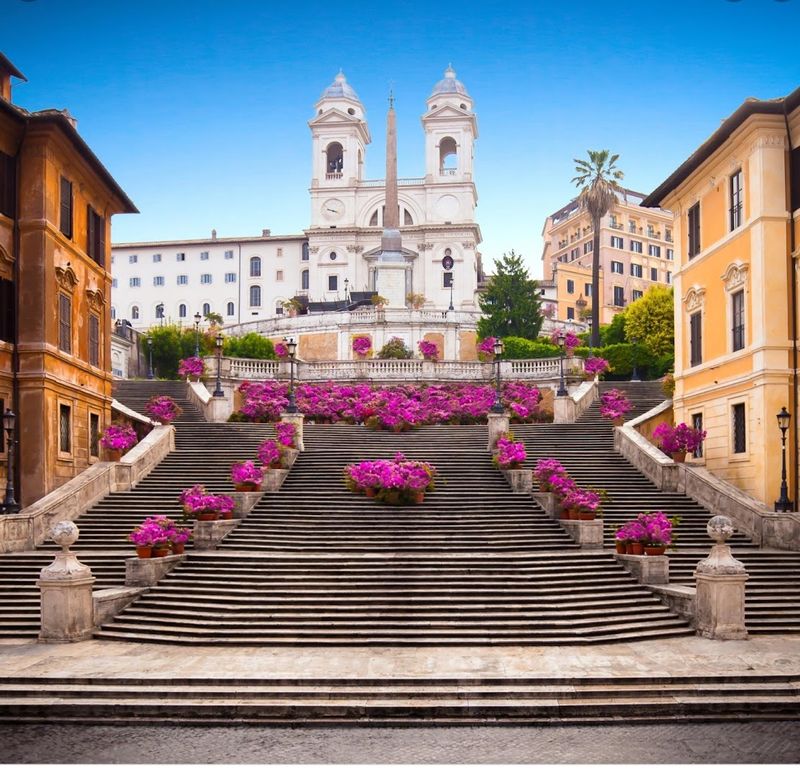
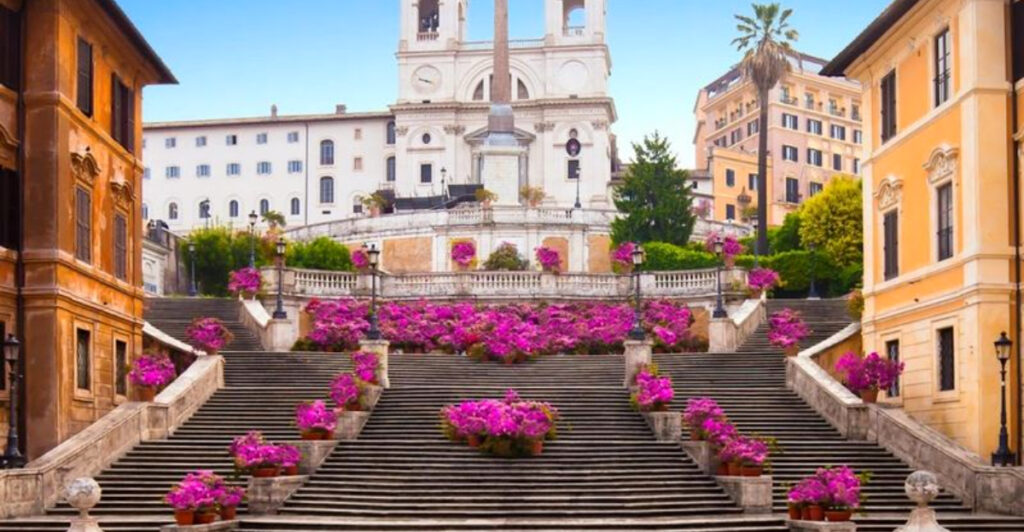
At 135 steps, the Spanish Steps are not exactly a workout, but climbing them still feels like a genuine Roman achievement. Built in the early 18th century, the elegant staircase connects the Piazza di Spagna below to the Trinita dei Monti church above, creating one of the most recognizable and photographed scenes in all of Rome.
The steps curve and widen dramatically, giving the whole structure a theatrical, almost stage-like quality.
At the base of the stairs sits the Fontana della Barcaccia, a charming little fountain shaped like a sinking boat. It was designed by Pietro Bernini, father of the more famous Gian Lorenzo Bernini, and is easy to overlook given all the activity around it.
Look for it before you start climbing because it is genuinely lovely up close.
The view from the top looking back down toward the piazza and the city beyond is worth every step. The surrounding streets are lined with high-end boutiques, gelato shops, and cafes that make for excellent post-climb browsing.
Visiting in spring is particularly special when the steps are decorated with hundreds of blooming azaleas in shades of pink and red that spill beautifully down the stone.
Spend Time in Piazza Navona
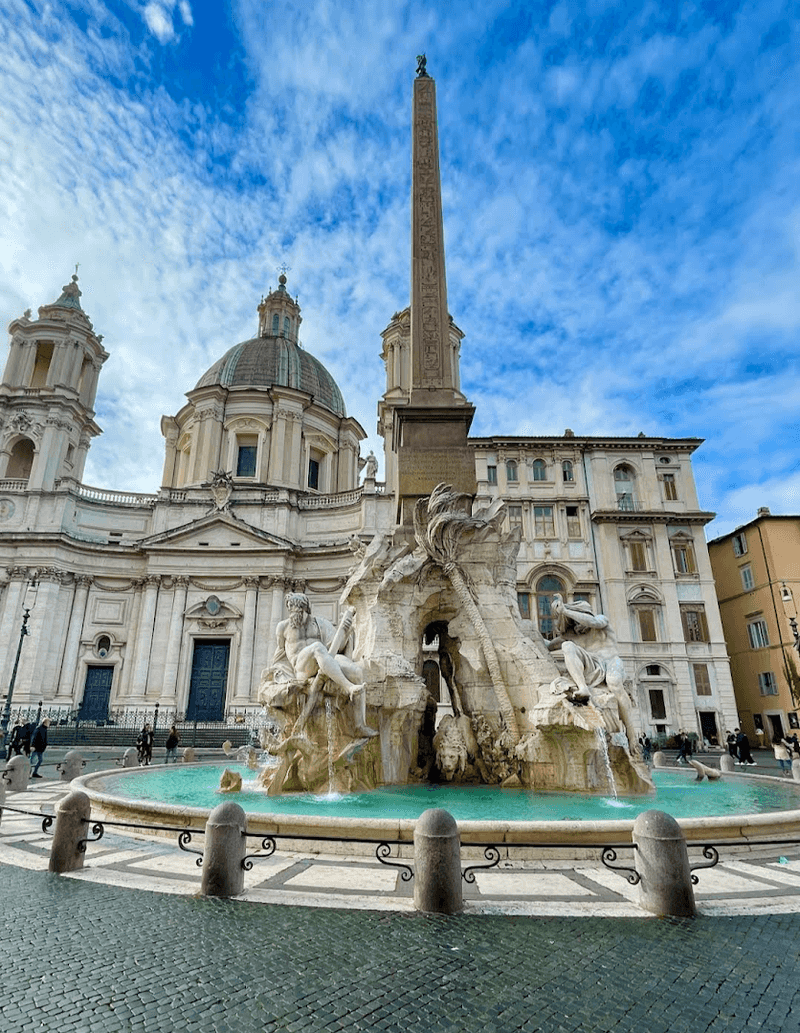
Piazza Navona is the kind of place where you sit down for a quick coffee and somehow end up staying for three hours. The long, oval-shaped square was built on top of an ancient Roman stadium, and its elongated shape still follows the original track outline beneath the ground.
That layered history adds a quiet thrill to what is already one of Rome’s most visually stunning public spaces.
Bernini’s Fountain of the Four Rivers dominates the center of the piazza with dramatic flair. The four figures represent the Nile, Danube, Rio de la Plata, and Ganges rivers, and each is carved with extraordinary detail and energy.
The obelisk rising from the center of the fountain adds height and grandeur that makes the whole composition feel almost impossibly grand for a neighborhood square.
Artists set up their easels around the piazza daily, selling original paintings and sketches of Rome that make for genuinely thoughtful souvenirs. Street performers, musicians, and portrait artists add to the lively atmosphere throughout the day and into the evening.
Outdoor cafes line the perimeter, and while the prices are slightly higher than elsewhere, the setting more than justifies the cost. Piazza Navona at dusk is something special.
Try Authentic Roman Cuisine
Roman food does not need elaborate presentation or imported ingredients to be extraordinary. The city’s culinary identity is built on a handful of simple, deeply satisfying dishes that have been perfected over generations.
Carbonara, made with eggs, guanciale, Pecorino Romano, and black pepper, is one of the most copied pasta dishes in the world, but nothing compares to eating it fresh in the city where it was born.
Cacio e pepe is another Roman classic that looks deceptively simple but requires real skill to execute properly. The combination of Pecorino Romano, black pepper, and pasta water creates a sauce that is creamy without a drop of cream.
Seek out a small, family-run trattoria rather than a restaurant with laminated menus and photos on the walls, and you will almost certainly eat better for less money.
Supplì, fried rice balls filled with tomato sauce and melted mozzarella, are the perfect Roman street snack. Roman-style pizza, baked thin and crispy rather than thick and doughy, is sold by the slice at countless bakeries throughout the city.
Finish any meal with a proper espresso at the bar, standing up the way Romans do, and you will feel like a local in no time at all.
Walk Along the Tiber River
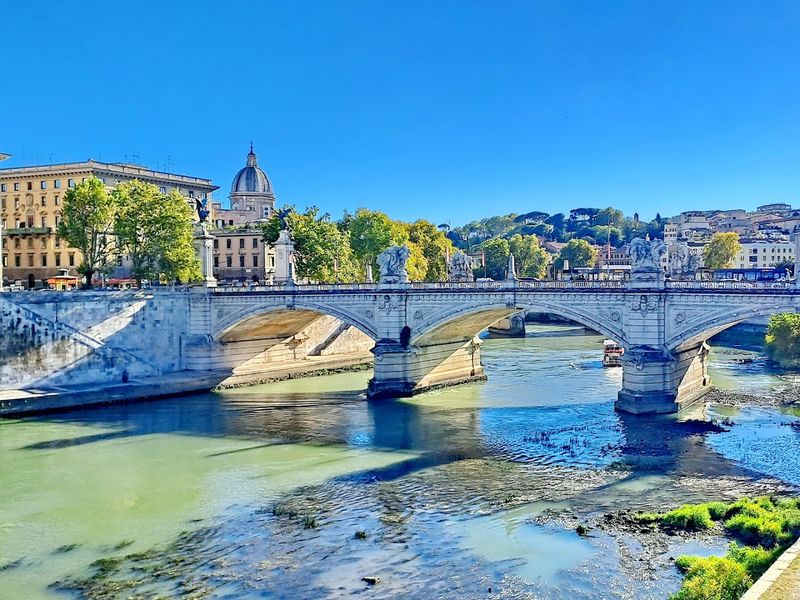
The Tiber River has flowed through Rome for longer than the city itself has existed, and walking along its banks still feels like one of the most peaceful things you can do in a place that is otherwise relentlessly busy. The riverside paths stretch for several kilometers and offer views of bridges, domes, and rooftops that feel completely different from street level.
It is the kind of walk that sneaks up on you and becomes a highlight of the whole trip.
Ponte Sisto and Ponte Sant’Angelo are two of the most beautiful bridges to cross during a riverside stroll. Ponte Sant’Angelo is lined with angel sculptures designed by Bernini, and crossing it while looking toward Castel Sant’Angelo is a genuinely cinematic experience.
Photographers tend to linger here during golden hour for good reason.
During summer months, the Lungo il Tevere festival transforms sections of the riverbank into a lively outdoor market with food stalls, bars, and live music. Even without the festival, evening walks along the Tiber are wonderfully atmospheric.
The pace slows naturally near the water, the city noise fades slightly, and the reflections of lights on the river surface create a version of Rome that feels quieter, softer, and surprisingly intimate.
Visit Castel Sant’Angelo
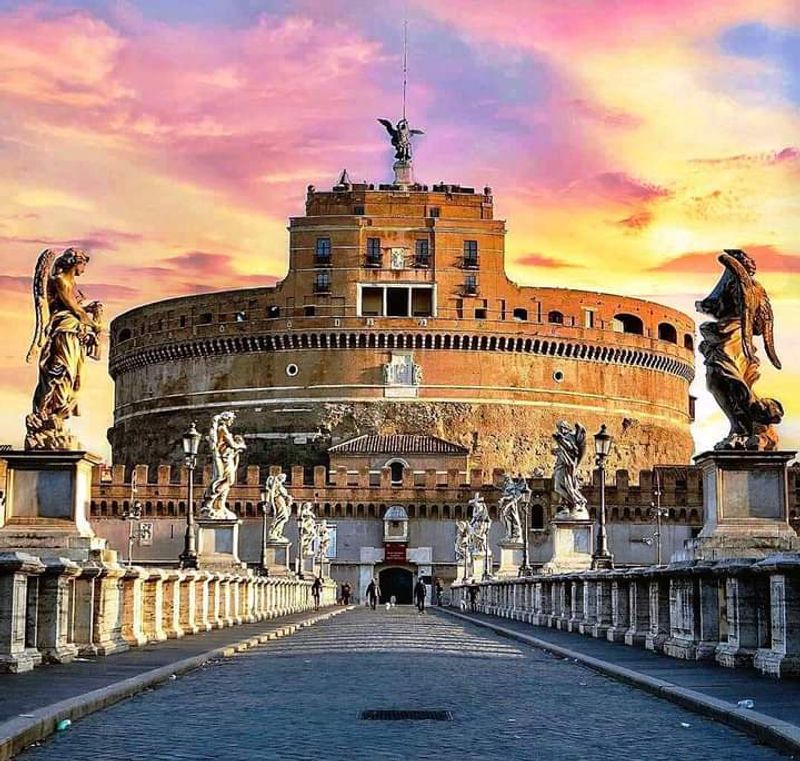
Originally built as a mausoleum for Emperor Hadrian around AD 139, Castel Sant’Angelo has had more career changes than almost any other building in Rome. Over the centuries it served as a military fortress, a papal prison, a refuge for popes escaping danger through a secret corridor connected to the Vatican, and eventually a museum open to the public.
That kind of layered history makes every room inside feel like it belongs to a different era entirely.
The secret passageway, known as the Passetto di Borgo, runs directly from the Vatican walls to the castle and was used by at least one pope to escape during a siege. Knowing that corridor exists while walking the castle grounds adds a genuine sense of intrigue to the visit.
The interior rooms are filled with period furniture, frescoes, weapons collections, and papal apartments that are surprisingly lavish given the building’s fortress exterior.
The rooftop terrace offers some of the finest panoramic views in all of Rome, looking across the Tiber toward St. Peter’s Basilica and across the rooftops of the historic center. Sunset from the top is particularly spectacular.
The bronze angel statue crowning the tower, which gives the castle its name, watches over the city with a quiet authority that feels entirely appropriate for such a remarkable place.
Explore Campo de’ Fiori
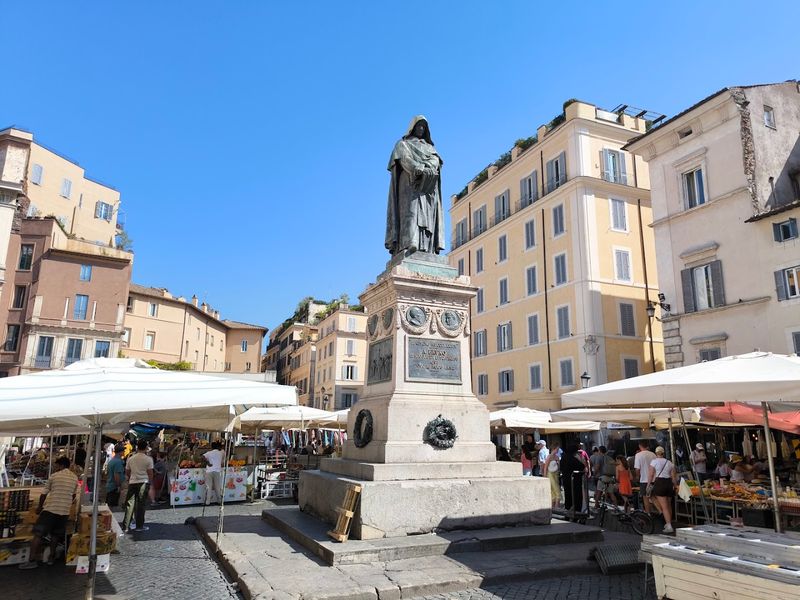
Campo de’ Fiori translates to Field of Flowers, and while the name sounds peaceful, this piazza has one of the darker histories in Rome. It was once a site of public executions, and the hooded bronze statue at the center of the square is actually Giordano Bruno, a philosopher burned at the stake here in 1600 for his controversial ideas.
That grim backstory makes the cheerful morning market surrounding his statue feel like an unexpectedly poetic contrast.
Every morning except Sunday, the square fills with vendors selling fresh produce, flowers, spices, and local specialties. Arriving early means access to the best selection and a more local crowd before the tourist groups arrive.
The smell of fresh herbs and ripe tomatoes in the morning air is one of those simple sensory memories that sticks around long after you have returned home.
By evening, Campo de’ Fiori shifts into one of Rome’s most energetic nightlife hubs, especially popular with younger crowds and international visitors. Bars and restaurants spill out onto the cobblestones, and the atmosphere stays lively well into the night.
It is a very different place after dark compared to its quiet morning market identity, and experiencing both versions in a single day is genuinely worthwhile.
Relax in Villa Borghese Gardens
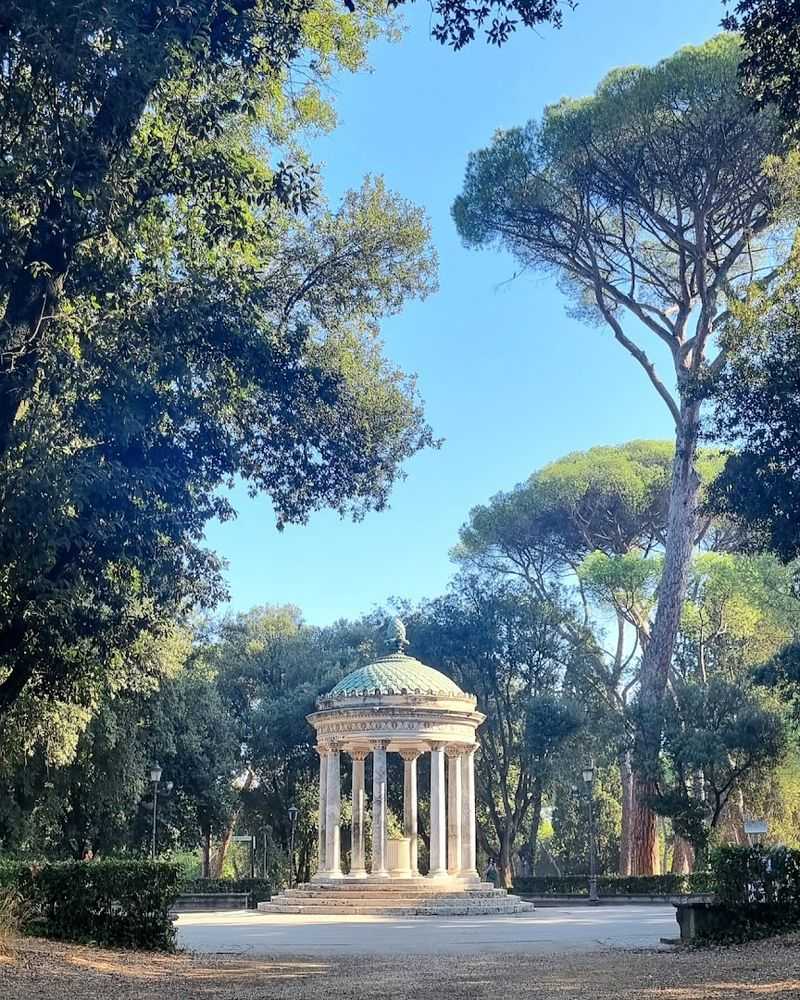
Rome is not a city known for its green spaces, which makes Villa Borghese feel like a genuine gift in the middle of all that stone and marble. Spread across 80 hectares on a gentle hill above the city, the gardens offer tree-lined walking paths, ornamental fountains, a small lake with rowboats for rent, and enough open space to breathe properly after days of navigating crowded ancient sites.
Locals jog here, families picnic here, and tourists often end up spending far more time here than they originally planned.
The Pincian Hill terrace within the gardens provides one of the best free viewpoints in Rome, looking out over Piazza del Popolo and across the city’s rooftops toward St. Peter’s dome in the distance. It is especially popular at sunset when the light turns everything a warm shade of amber.
Street artists and photographers set up here throughout the day, drawn by the same view.
The Borghese Gallery, located within the gardens, houses one of the most extraordinary private art collections in the world. Bernini’s marble sculptures alone justify the visit, particularly his Apollo and Daphne, which captures a moment of transformation with breathtaking precision.
Entry requires advance booking due to strict visitor limits, so reserve tickets before your trip to avoid disappointment.
Enjoy a Roman Aperitivo
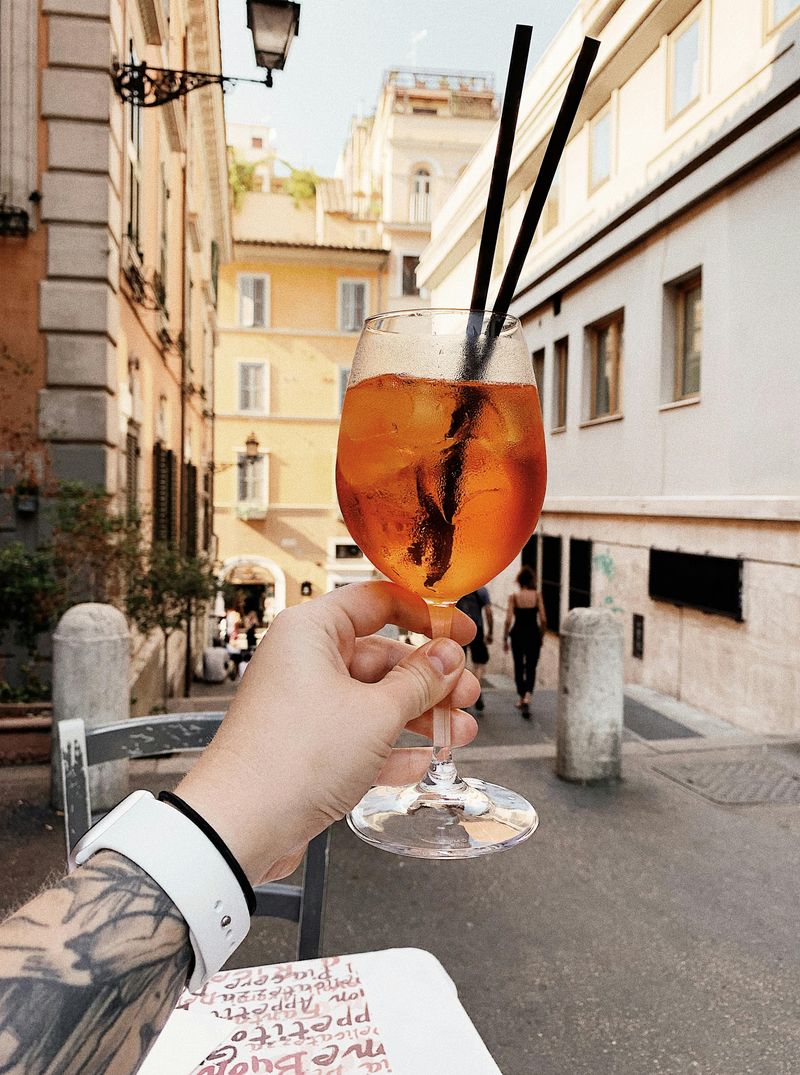
If there is one Italian ritual worth adopting immediately, it is the aperitivo. Somewhere between 6 and 8 in the evening, Romans begin gathering at bars and outdoor terraces for pre-dinner drinks accompanied by small bites of food.
It is not just a drink, it is a full social transition from the workday into the evening, and the whole city seems to exhale collectively when it begins. Watching it happen in real time is one of the most charming things about spending time in Rome.
The Aperol spritz is the most iconic aperitivo drink, bright orange and slightly bitter, served over ice with a slice of orange. Many bars include complimentary snacks like olives, chips, bruschetta, or small sandwiches with the price of a drink.
In some spots, the spread is generous enough to function as a light dinner on its own.
Rooftop bars offer the most dramatic aperitivo settings in Rome, with views across ancient domes and terracotta rooftops that glow beautifully in the late afternoon light. The Pigneto neighborhood and streets around Campo de’ Fiori are particularly good areas for finding authentic local aperitivo spots.
Show up without a reservation, find a spot with a view, order something cold, and let the evening unfold at Rome’s own unhurried pace.
Simply Wander Without a Plan
Some of the best things that happen in Rome appear on no itinerary and show up on no top-ten list. They happen when you take a wrong turn and stumble upon a tiny church with a Caravaggio hanging inside.
They happen when you follow the smell of fresh bread into a bakery that has been in the same family for four generations. Rome rewards curiosity in a way that few cities can match, and the best way to experience that is to put the map away for at least one afternoon.
The historic center is compact enough to walk almost entirely on foot, and even short detours from the main streets reveal fountains, crumbling ruins, flower-filled courtyards, and neighborhood bars that feel completely removed from the tourist circuit. Getting slightly lost here is not stressful, it is actually one of the great pleasures of visiting.
Carry a small bottle of water, wear your most comfortable shoes, and give yourself permission to stop whenever something catches your eye. A cat sleeping on an ancient wall, a doorway with a stunning mosaic above it, a piazza with one perfect cafe and nobody else around.
Rome is endlessly generous with these small unscripted moments, and they are often what people remember most clearly when the trip is long over.
Share this story