There is a museum in Fort Worth, Texas, that most people drive right past without a second glance, and that is honestly their loss. Inside, you will find holographic cowgirls, Annie Oakley’s actual wedding ring, saddles worn by legends, and stories of women who rode, roped, and ranched their way into history.
This place is not just for Western fans or history buffs, it genuinely has something that will surprise almost any visitor. From school kids designing their own cowboy boots on a touchscreen to adults getting completely absorbed in exhibits about Buffalo Bill’s Wild West show, the energy here is infectious and the stories are unforgettable.
The Museum’s Address, Location, and Setting
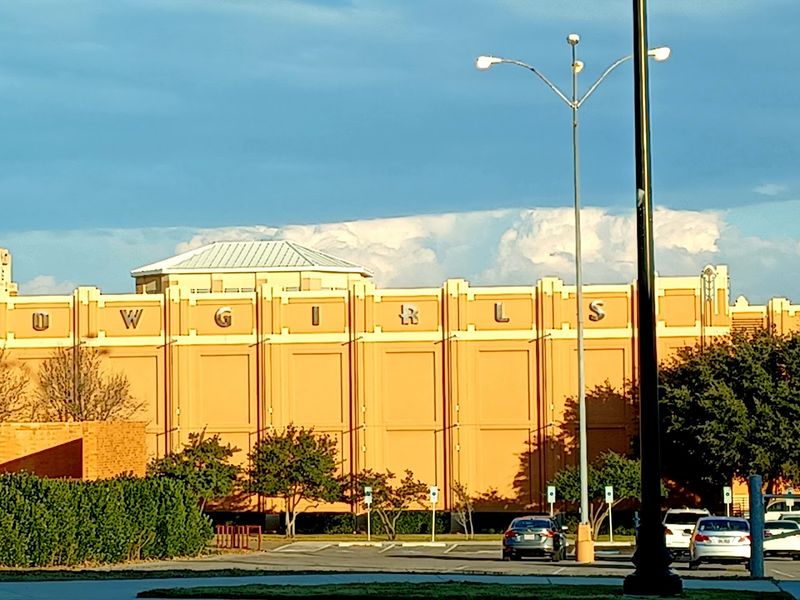
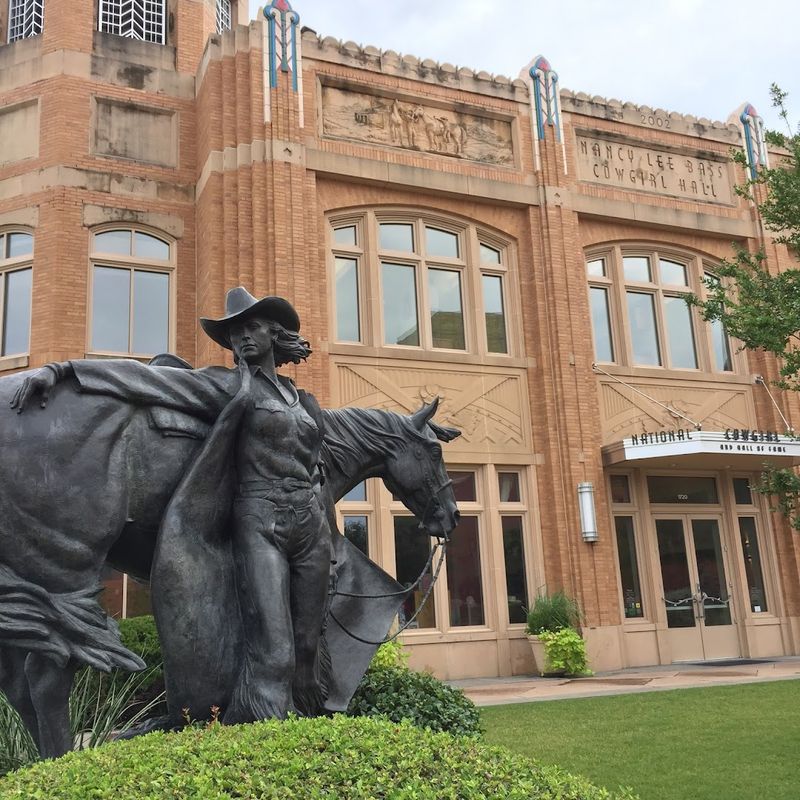
Right in the heart of Fort Worth’s Cultural District, the National Cowgirl Museum and Hall of Fame sits at 1720 Gendy St, Fort Worth, TX 76107, directly across from Dickies Arena and right next door to the Fort Worth Museum of Science and History.
The building itself makes a statement before you even step inside. Its architecture is bold and modern, with design details that nod to the Western heritage celebrated within its walls.
The location is genuinely convenient. You can park once and easily visit multiple nearby attractions, which makes it a smart stop on any Fort Worth day trip.
Fort Worth sits just west of Dallas and has long been a city where cowboy culture is taken seriously, not just as a tourist draw but as a real part of daily identity. Being so close to the Oklahoma border, the region carries a deep connection to ranching traditions shared across both states.
The museum is open Tuesday through Saturday from 10 AM to 5 PM and on Sundays from noon to 5 PM. You can reach them at +1 817-336-4475 or visit cowgirl.net for tickets and event details.
The History Behind the Hall of Fame
The National Cowgirl Museum and Hall of Fame did not start out in Fort Worth. It was actually founded in 1975 in Hereford, Texas, a small town in the Texas Panhandle, by a group of people who believed the women of the American West deserved proper recognition.
For years, the organization worked to document and preserve the stories of women whose contributions to Western life had been largely overlooked by mainstream history books. The Hall of Fame began inducting honorees, and the list grew steadily over the decades.
By the early 2000s, the museum had outgrown its original home and relocated to Fort Worth, where it found a permanent space worthy of its expanding collection and national mission.
The move brought the museum closer to the cultural energy of one of Texas’s most historically rich cities. Fort Worth’s deep ties to the cattle industry made it a natural fit.
Today, the museum’s reach extends well beyond Texas, drawing visitors from across the country, including neighboring states like Oklahoma, who come to learn about women whose names deserve to be far better known.
The Hall of Fame Inductees
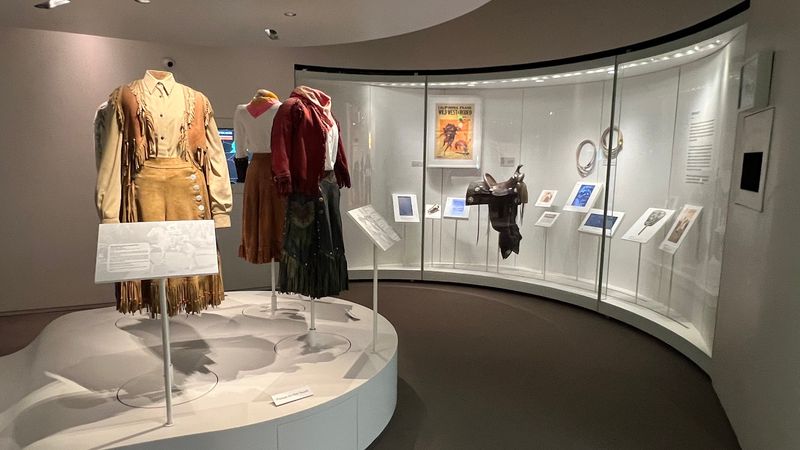
The Hall of Fame portion of this museum is where things get genuinely moving. The women inducted here were not handed their recognition, they earned it through decades of hard work, barrier-breaking, and sheer determination in fields that rarely made room for them.
Inductees span an impressive range of backgrounds and eras. Annie Oakley, the sharp-shooting legend who amazed audiences across America and Europe, holds a place of honor here, and her actual wedding ring is on display, which is a small but deeply personal detail that makes history feel real.
Reba McEntire is also an inductee, which might surprise visitors who think of her primarily as a country music star. Her rodeo roots run deep, and the museum tells that side of her story with care.
Henrietta King, who built the legendary King Ranch brand, is another standout. Learning that the famous HK brand was her initial, not a man’s, is the kind of detail that sticks with you long after you leave.
Each inductee’s story is presented with enough context to make you understand why her life mattered, and that educational depth is what separates this museum from a simple trophy room.
The Interactive Exhibits
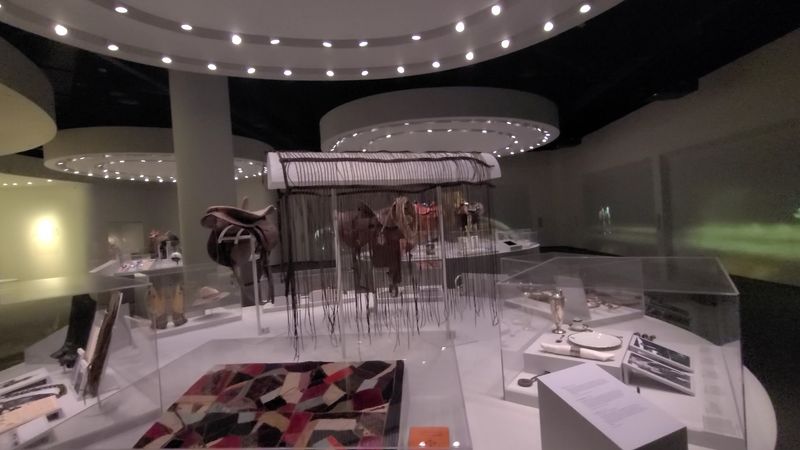
Not every museum trusts its visitors to touch things, but this one practically encourages it. The interactive exhibits here are a genuine highlight, especially for families traveling with kids who have limited patience for standing and reading quietly.
One of the most popular setups is a touchscreen station where visitors can design their own cowboy boots and jackets from scratch. You choose the colors, patterns, and embellishments, and the result is a personalized piece of Western art that you can save and share.
There is also a mechanical bronc horse on the second floor that lets both kids and adults experience a little of what rodeo riders feel. A photo booth captures the moment, and you can have the video sent directly to your phone for free, which is a surprisingly generous touch.
Interactive photo walls throughout the museum let you insert yourself into historical Western scenes and text or email the image to yourself as a souvenir.
These features keep the energy lively and make the museum feel current rather than dusty. Visitors from as far away as Oklahoma have noted that the hands-on elements kept their children engaged from start to finish, which is no small achievement for a history museum.
The Holographic Technology and Films
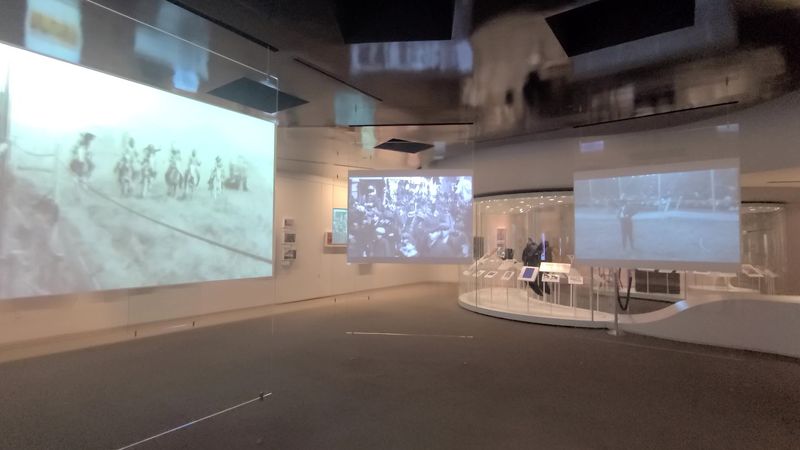
One of the most talked-about features of this museum is its use of holographic-style video technology, and it genuinely earns the buzz. Visitors encounter life-sized projections of cowgirls speaking directly to them about their daily lives, their challenges, and their passions.
The effect is striking. There is something about hearing a woman describe her experience on the range in her own words, even through a cinematic recreation, that no printed placard can fully replicate.
The films and video presentations throughout the museum are well-produced and thoughtfully edited. They do not feel like filler content added to pad out the experience, they feel like essential storytelling tools that carry real emotional weight.
For younger visitors especially, these presentations make history feel alive in a way that connects across generations. A child who might skim past a written exhibit will often stop completely for a holographic narrator.
The technology also reflects the museum’s ongoing commitment to staying modern and relevant. With a major expansion planned for November 2026, it is clear that the team here is not content to rest on what they have already built, which is an exciting prospect for future visits from Texas and Oklahoma alike.
The Amazonas to Soldaderas Exhibition
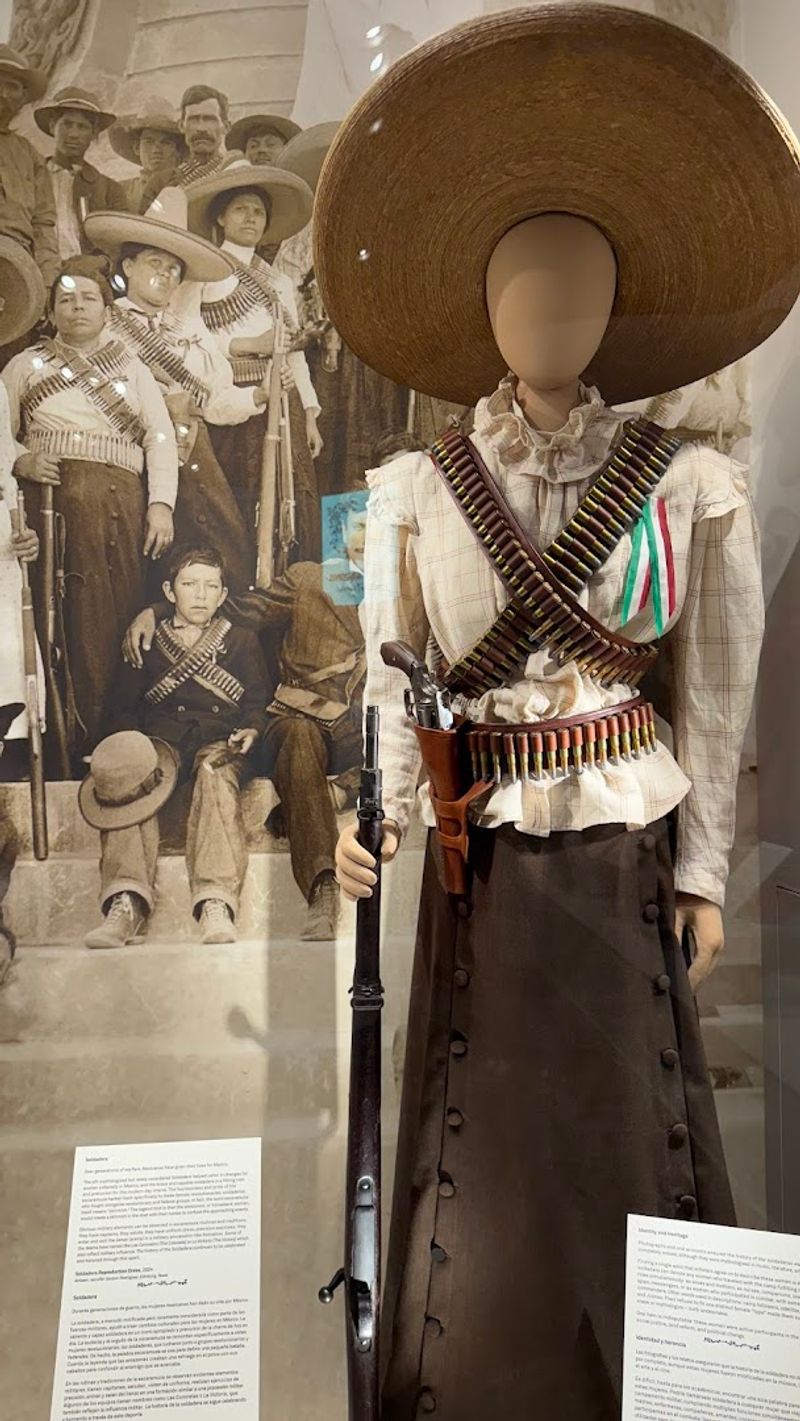
Among the rotating special exhibitions, the Amazonas to Soldaderas display has drawn particular praise from visitors and stands as one of the most culturally rich experiences the museum currently offers.
Soldaderas were women who played active roles in the Mexican Revolution, often riding alongside soldiers and participating directly in the conflict. Their history is complex, courageous, and largely absent from mainstream American education, which makes encountering it here feel genuinely surprising.
The exhibition connects this history to the broader tradition of Hispanic female equestrians, tracing a line of fierce, skilled women across centuries and borders. The visual presentation is striking, with photographs, artifacts, and contextual information that rewards careful attention.
For visitors who come in with little prior knowledge of this subject, the exhibit tends to be a standout moment. Several visitors have mentioned that learning about the Soldaderas was the single most memorable part of their entire visit.
The museum’s willingness to tell multicultural stories is one of its greatest strengths. Western history did not belong only to one group of people, and this exhibition makes that point with clarity and respect, adding a dimension that many visitors from Texas, Oklahoma, and beyond simply did not expect to find here.
The Escaramuzas Charras Display
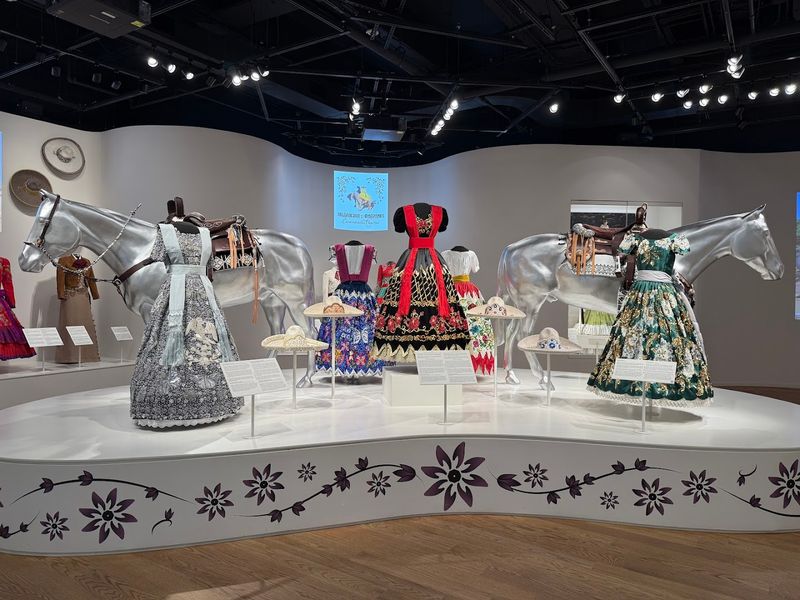
Few visitors walk into this museum expecting to learn about Escaramuzas Charras, but most who encounter the exhibit walk out talking about it. The Escaramuza is a Mexican equestrian discipline in which women perform precise, choreographed routines on horseback while wearing elaborately embroidered dresses and riding sidesaddle.
The skill required is extraordinary. These riders execute complex patterns at full speed, their skirts perfectly arranged, their posture flawless, their timing synchronized with the rest of their team down to the second.
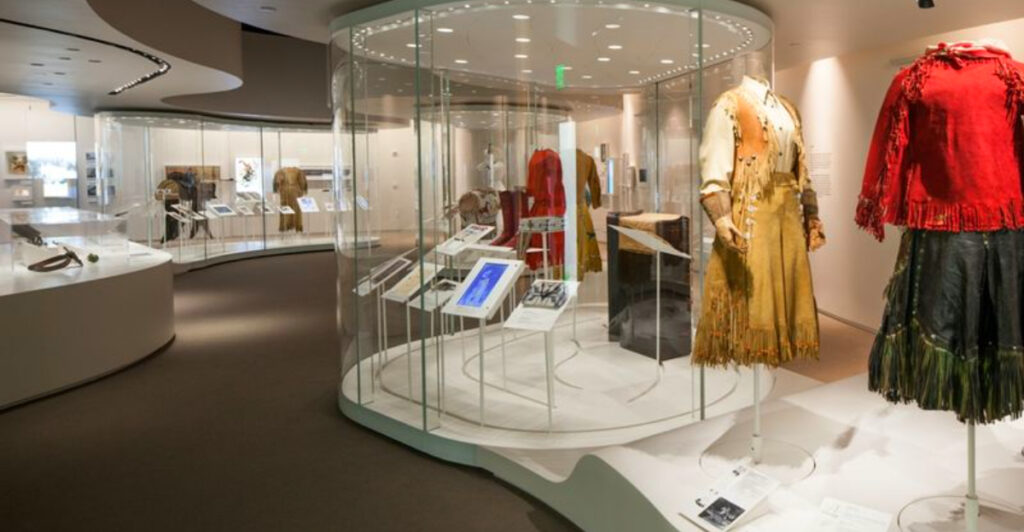
The museum presents this tradition with the reverence it deserves, displaying authentic costumes alongside context about the sport’s history and cultural significance. The dresses alone are worth pausing over, each one a work of art that took serious craftsmanship to create.
For many visitors, this exhibit represents their first real introduction to Charra culture, and the response tends to be one of genuine admiration. The front desk staff have been known to share highlights about this exhibition with incoming visitors, which is a warm personal touch that helps set expectations.
The breadth of cultures represented in this single museum is impressive. From Texas to Oklahoma and far beyond, the women honored here come from remarkably diverse backgrounds, and the Escaramuzas Charras display captures that spirit beautifully.
The Saddles, Costumes, and Artifact Collection
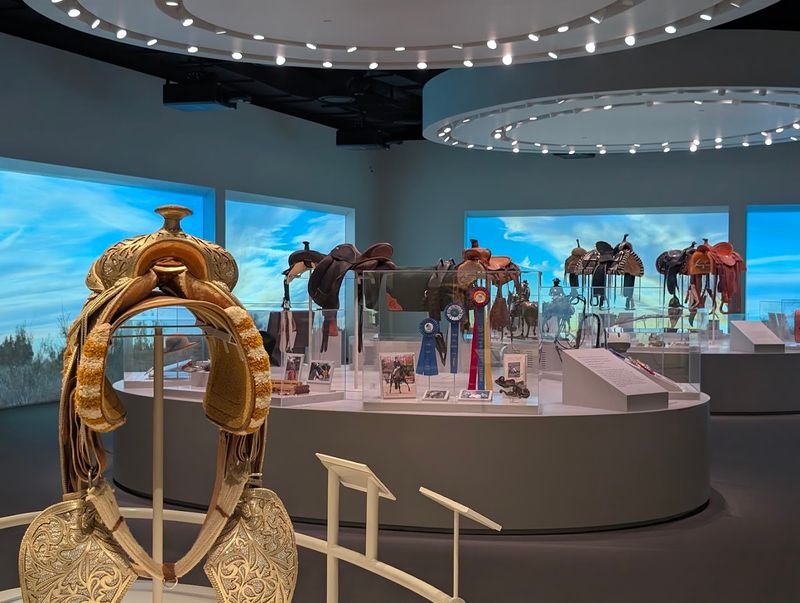
The second floor of this museum is where the physical collection truly shines. Saddles, outfits, medals, and personal belongings belonging to real women who lived and worked in the American West fill the space with a tangible sense of history.
Each saddle on display tells a story. Some are practical working saddles worn smooth by years of daily ranch life.
Others are elaborately tooled show pieces that speak to the artistry and pride that Western women brought to their craft and their performances.
The costume collection is equally impressive. Rodeo queens, trick riders, and working cowgirls each had their own visual language, and seeing those garments up close reveals details that photographs simply cannot convey, the weight of the fabric, the intricacy of the beadwork, the wear marks that prove these were not display pieces but tools of a working life.
Annie Oakley’s wedding ring is kept here as well, and its modest size is a quiet reminder that behind every legend is a real person with a real life beyond the spotlight.
Whether you are a fashion enthusiast, a history lover, or someone who simply appreciates beautiful craftsmanship, this floor delivers something worth your full attention and then some.
The Buffalo Bill’s Wild West Show Connection
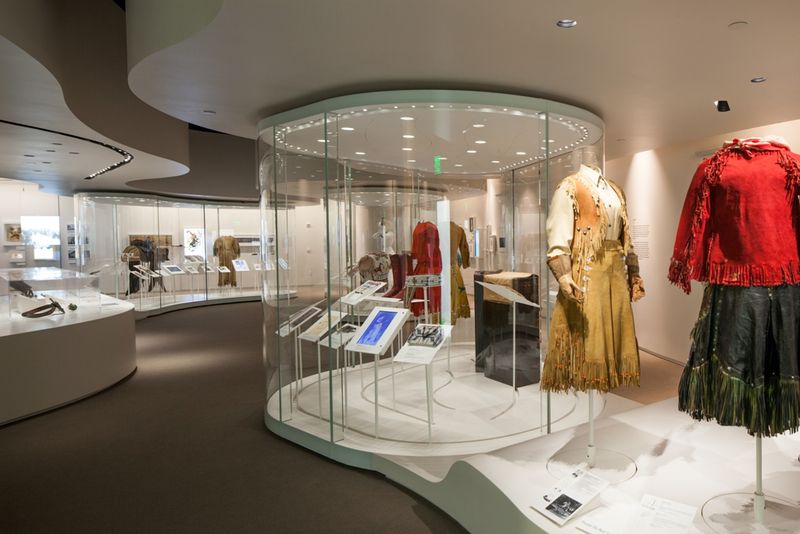
One of the permanent exhibitions that consistently earns high marks covers the women who performed in Buffalo Bill’s Wild West show, and once you start reading about them, it becomes very hard to stop.
These women were athletes, entertainers, and adventurers who traveled across America and Europe performing feats of marksmanship, riding, and showmanship in front of massive crowds. They were celebrities of their era, and yet most of their names have faded from popular memory.
The museum restores that memory with care. Photographs, posters, and personal artifacts bring these performers back to life, and the accompanying text does a fine job of placing their work within the broader context of American entertainment history.
Annie Oakley naturally anchors this section, but she is far from the only remarkable woman featured. The stories of her contemporaries are equally compelling, and the exhibit makes a convincing case that the Wild West show was, in many ways, shaped by the women who performed in it.
Learning about these performers gives visitors a new appreciation for what it meant to be a professional woman in the late 1800s. The obstacles they overcame were considerable, and the careers they built were extraordinary by any measure, then or now.
Practical Tips for Your Visit
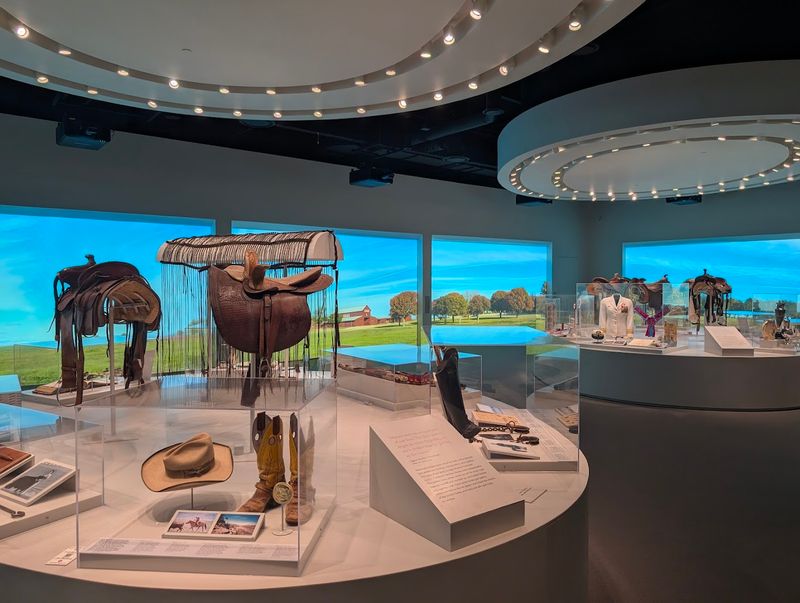
A couple of hours is generally enough time to move through the museum at a comfortable pace, though curious visitors who read every placard and watch every film might easily stretch that to three. The space is well-organized and easy to navigate, so you will not feel rushed or overwhelmed.
The gift shop is worth your time, and that is not something you can say about every museum store. It is compact but packed with thoughtful items, from books about Western women’s history to hand-crafted accessories and Western-themed novelties.
Spending more than twenty dollars there earns you free parking, which is a genuinely useful perk.
The museum is closed on Mondays, so plan accordingly. Tuesday through Saturday hours run from 10 AM to 5 PM, and Sunday hours begin at noon.
Arriving on a weekday generally means fewer crowds and easier parking, especially while the outdoor expansion construction continues ahead of the planned 2026 opening.
The staff here have earned consistent praise for being warm, knowledgeable, and genuinely enthusiastic about the collection. Visitors traveling from Oklahoma and other neighboring states often note that the staff’s personal touch made the experience feel more like a guided conversation than a self-guided tour, which is exactly what a great museum should feel like.
Share this story