New Jersey is packed with science attractions that go way beyond dusty textbooks and boring lectures. From giant planetariums to underground mines and coastal wetlands, the Garden State has something for every curious mind.
Whether you are a space nerd, a rock collector, or someone who just loves cool exhibits, there is a spot here for you. I took my nephew on a science road trip across NJ last summer, and honestly, I learned just as much as he did.
Liberty Science Center, Jersey City, New Jersey
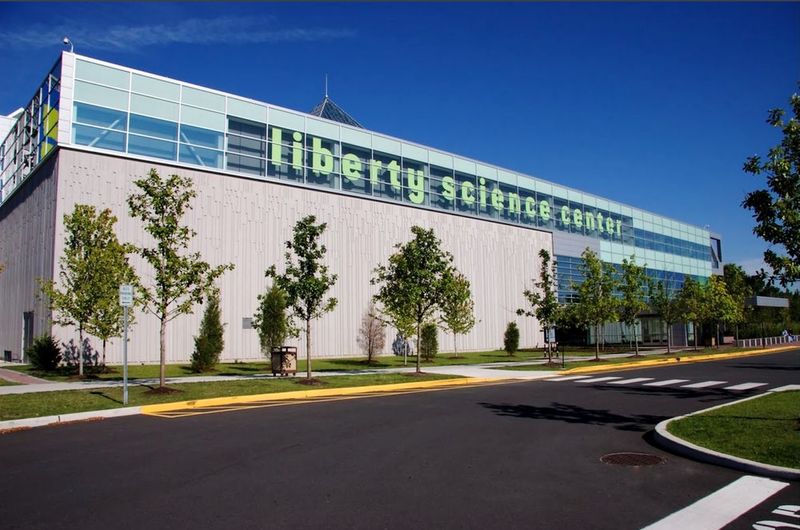
Few places in New Jersey pack as many “whoa” moments into a single building as Liberty Science Center. Sitting inside Liberty State Park with views of the Manhattan skyline, this place is basically a playground for brains of all ages.
The Jennifer Chalsty Planetarium, which LSC proudly calls the biggest planetarium in America, is worth the trip on its own.
Rotating exhibitions mean there is almost always something new to see, even if you have visited before. Live science demonstrations are scheduled throughout the day, so check the calendar before you go.
Kids especially love the hands-on exhibit areas where touching things is not just allowed but encouraged.
Tickets and current hours are listed on their official visit page, so plan ahead. Weekends get busy fast, and parking fills up quickly too.
Arriving early gives you the best shot at catching all the shows without rushing between them.
New Jersey State Museum Planetarium, Trenton, New Jersey
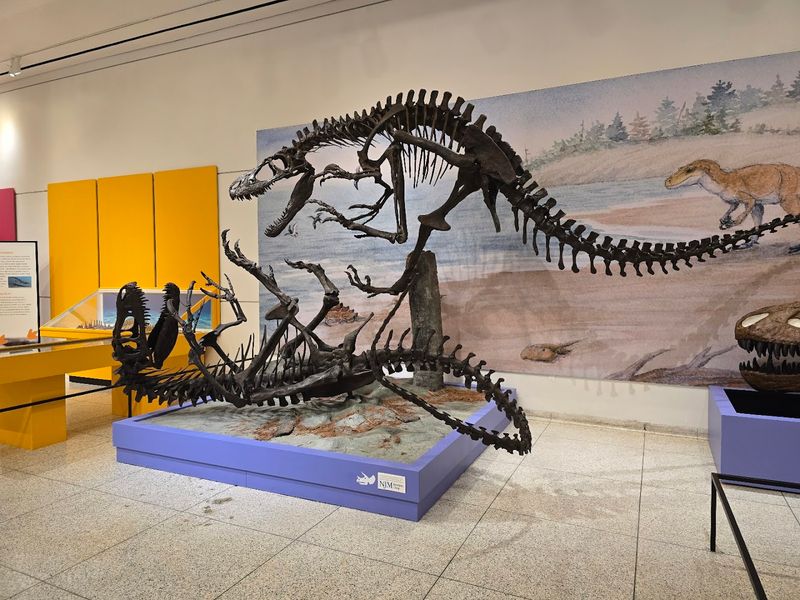
Not every planetarium can say it runs an Ultra-High Resolution 8K projection system, but the New Jersey State Museum Planetarium in Trenton absolutely can. The image quality is stunning, and the live presenters who guide each show make the experience feel personal rather than canned.
You are not just watching stars; you are getting a guided tour of the New Jersey sky and beyond.
The museum itself is worth exploring before or after the planetarium show. Exhibits cover natural history, fine art, and cultural history all under one roof.
That mix makes it a genuinely full-day destination rather than a quick stop.
Public shows run on a regular schedule, so checking the museum website before visiting is a smart move. Admission prices are reasonable, especially considering how much content is packed inside.
For anyone who loves astronomy and wants a smart museum combo, this Trenton stop delivers in a big way.
Alice and Leonard Dreyfuss Planetarium, Newark, New Jersey
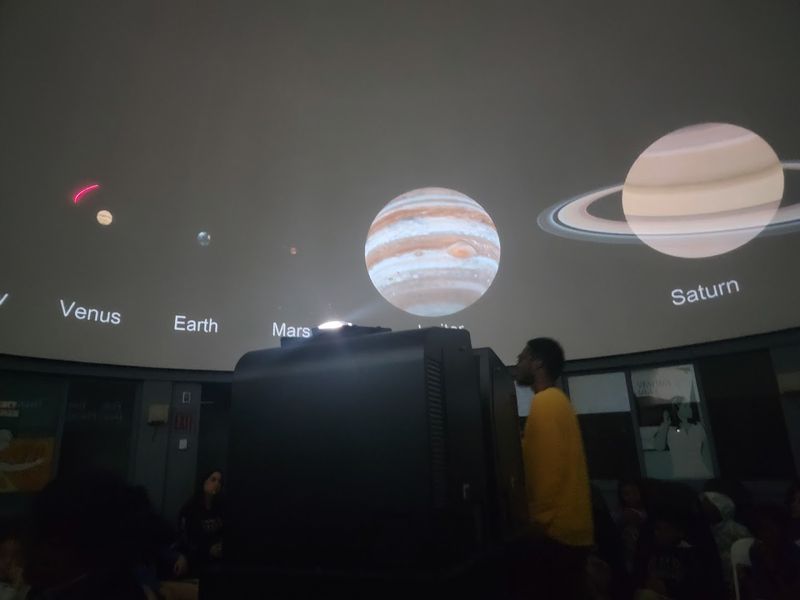
Tucked inside the Newark Museum of Art, the Alice and Leonard Dreyfuss Planetarium proves that good things really do come in compact packages. The dome may be smaller than some of its New Jersey rivals, but the experience is fully immersive and genuinely impressive.
Programs like “Experience the Aurora” are a solid reminder that you do not need to travel to Iceland to witness something spectacular.
Shows run at full capacity on a first-come, first-served basis, so getting there early is a smart strategy. The museum itself surrounds you with art and science exhibits that are worth exploring before your scheduled show time.
That combination of art and astronomy under one roof is honestly a rare and refreshing pairing.
VisitNJ also highlights this planetarium as a standout part of the Newark Museum experience. Admission to the museum typically includes planetarium access, making it excellent value.
Newark is easy to reach by train, which is a bonus for visitors skipping the parking hassle.
Raritan Valley Community College Planetarium, Branchburg, New Jersey
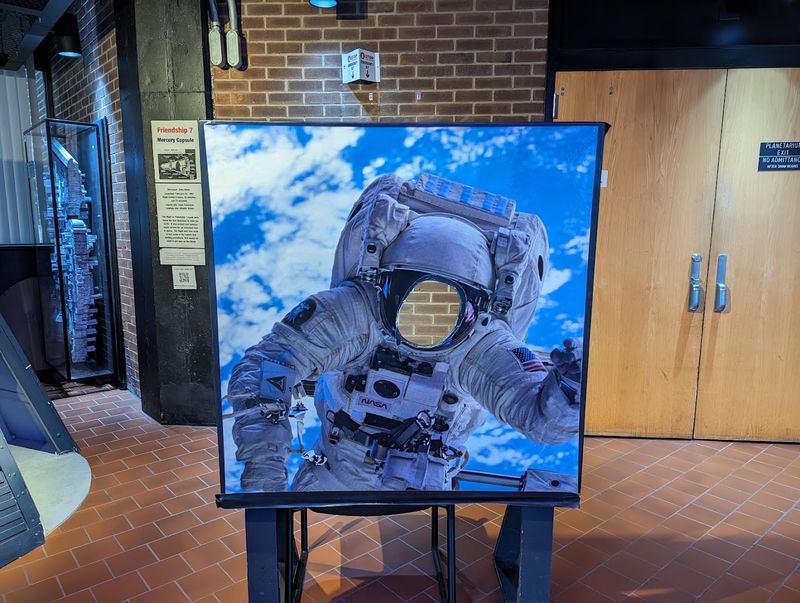
Community college planetariums often fly under the radar, but RVCC’s planetarium in Branchburg is genuinely worth putting on your science bucket list. Public astronomy shows, laser concerts, and sensory-friendly programs make this one of the most inclusive science destinations in the state.
The 3M Observatory opens alongside public shows when the weather cooperates, which adds a real telescope experience to the visit.
Laser concerts are a surprisingly fun option for older kids and adults who want a more relaxed evening out. The sensory-friendly programming is thoughtful and makes this spot accessible for visitors who might find louder or more stimulating environments overwhelming.
That level of care in programming is something worth appreciating.
Casual stargazers and serious astronomy students both find something to love here. The RVCC Planetarium keeps its schedule updated on the official page, so checking before you head out is always a good idea.
This is a reliable, affordable, and underrated gem in Central Jersey.
Ric and Jean Edelman Planetarium, Glassboro, New Jersey
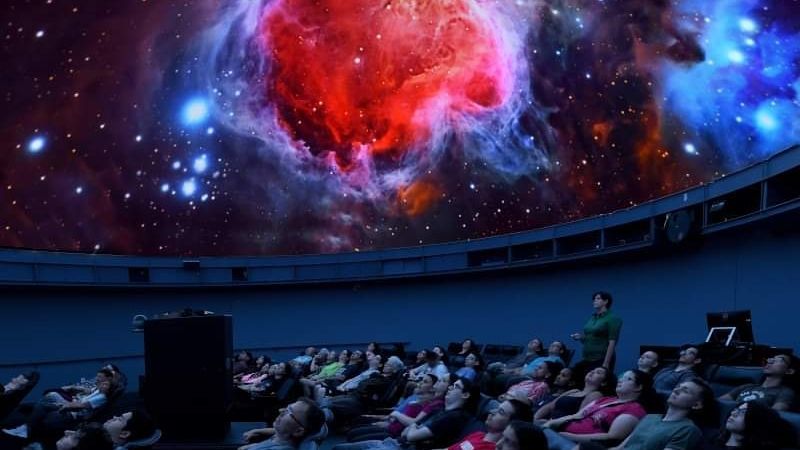
Rowan University’s Edelman Planetarium in Glassboro is one of those places that makes you feel like a college student again, in the best possible way. Public shows run on Fridays and Sundays, and the 360-degree full-dome video experiences are genuinely jaw-dropping.
Live stargazing events round out the programming and give visitors a chance to interact with real astronomy equipment.
The fact that this is a university-based facility means the science behind every show is solid and well-researched. Presenters bring academic depth to the experience without making it feel like a lecture.
That balance between education and entertainment is harder to pull off than it sounds.
All are welcome to attend public shows, and tickets are reasonably priced for what you get. The Glassboro campus itself is lively and worth a short walk around before or after your visit.
South Jersey residents finally have a top-tier planetarium experience close to home, and this is it.
Robert J. Novins Planetarium, Toms River, New Jersey
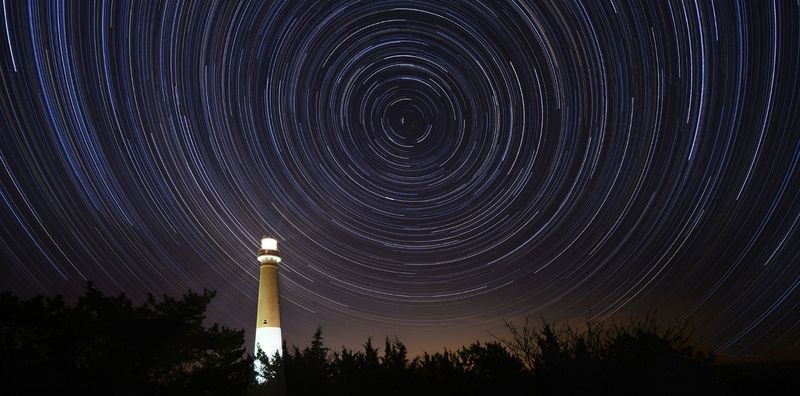
Shore-area residents have a fantastic space science option right in their backyard at Ocean County College. The Robert J.
Novins Planetarium seats 103 people inside a proper dome theater and runs sky shows, laser shows, and full-dome movies throughout the year. It is one of the best-kept secrets in South Jersey science tourism.
I was genuinely surprised when I first visited by how polished the production quality felt for a community college venue. The full-dome movies in particular are visually stunning and cover topics ranging from black holes to ancient civilizations.
Laser shows are a crowd favorite for families with older kids who want something a little more electric.
The official page strongly recommends buying tickets online in advance because walk-up availability is not guaranteed for every show. That tip alone could save you a wasted trip.
If you are planning a day at the shore and want to squeeze in some science, this is the perfect detour.
William D. McDowell Observatory, Lyndhurst, New Jersey
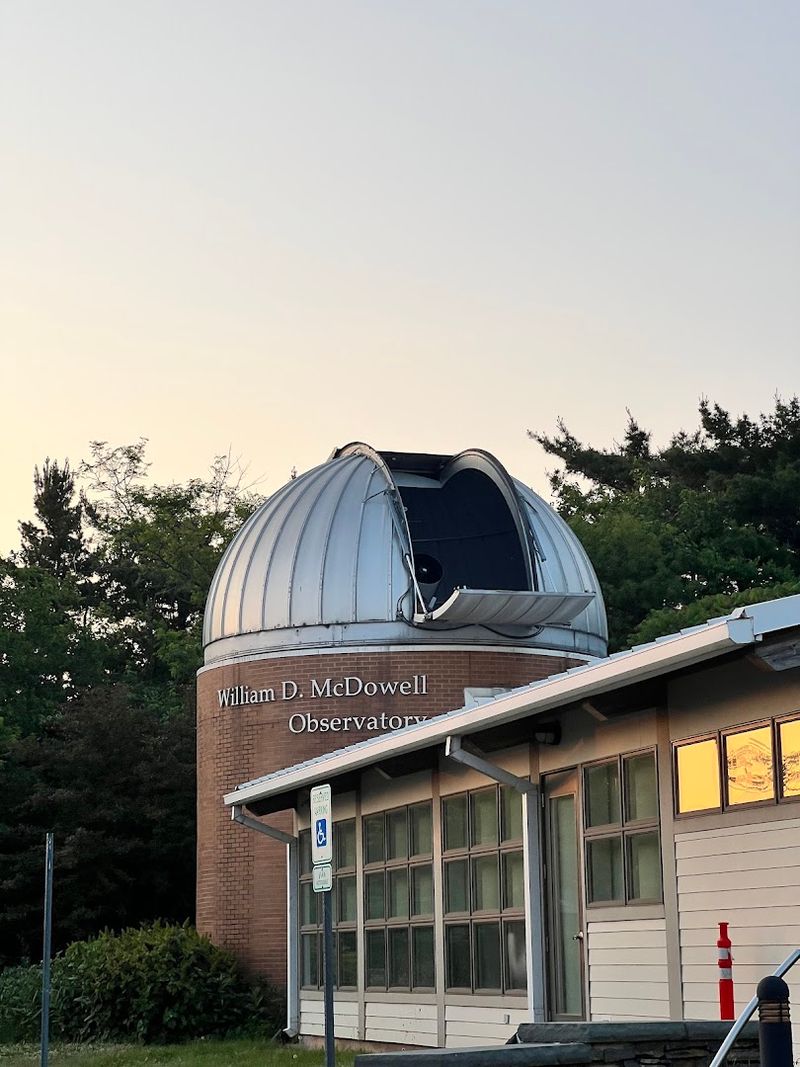
Most science attractions let you look at pictures of space. The William D.
McDowell Observatory at DeKorte Park in Lyndhurst lets you look at actual space through a serious telescope, which is a completely different experience. Opened to the public in 2008, the observatory gives visitors access to views of the moon, planets, nebulae, star clusters, and even galaxies.
The Meadowlands setting adds a surprisingly cool backdrop to a night of stargazing. Surrounding wetlands create low light pollution compared to typical urban spots, which helps with visibility on clear nights.
Free public observation nights run on Monday and Wednesday evenings in May, according to the Meadowlands Nature Blog schedule.
This is the kind of place where you stop scrolling through space photos online and start seeing the real thing through glass. No tickets, no dome, just a telescope pointed at the universe.
For anyone in the North Jersey area, this is an easy and genuinely thrilling science outing.
Sterling Hill Mining Museum, Ogdensburg, New Jersey
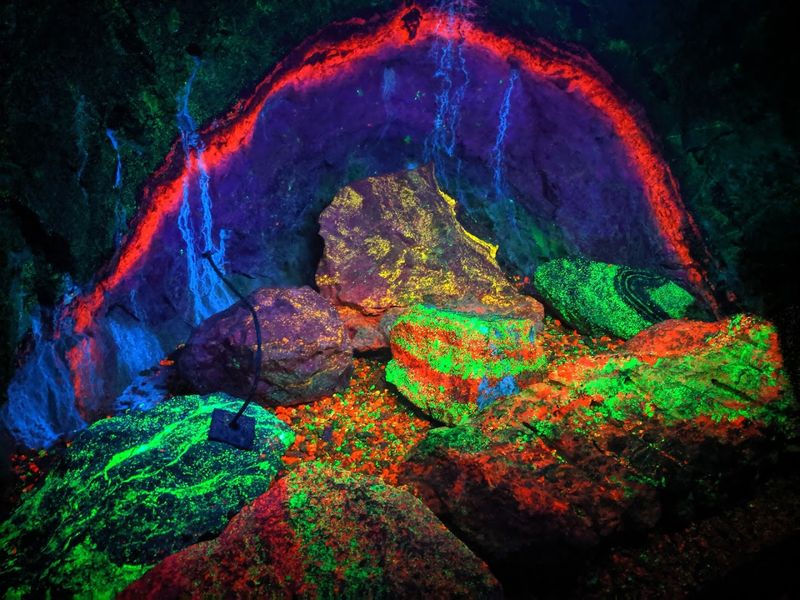
Sterling Hill Mining Museum is where geology gets gloriously weird in the best possible way. The star attraction is the fluorescent mineral collection, where ordinary-looking rocks transform into a riot of electric colors under ultraviolet light.
It is the kind of thing that makes adults gasp and kids immediately ask if they can take one home.
Guided tours take visitors through approximately 1,300 feet of actual mine tunnel, which is as cool as it sounds. The tour includes the mine itself plus two separate museums covering mining history and mineralogy.
Operating hours for 2026 are listed on the official site, so planning ahead is easy.
Ogdensburg, New Jersey, sits in the heart of what geologists call the Franklin Marble mining district, one of the most mineral-rich zones in the world. That context makes every exhibit feel significant rather than random.
Wear comfortable shoes because the underground tour involves walking on uneven surfaces inside a real mine.
Franklin Mineral Museum, Franklin, New Jersey
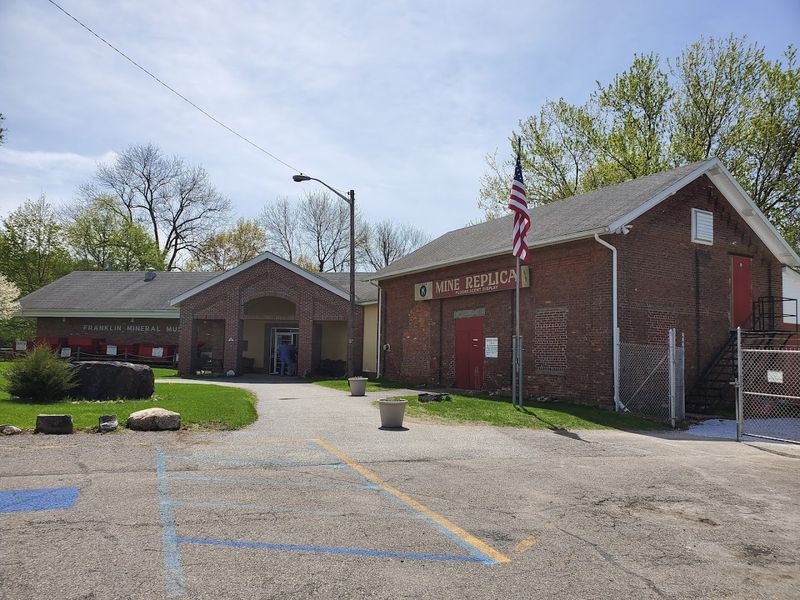
Franklin, New Jersey, holds a genuinely wild geological distinction: it is home to more mineral species than almost anywhere else on Earth. The Franklin Mineral Museum has been sharing that story with visitors since 1965, making it one of the oldest science attractions in the state.
Minerals, fossils, mining artifacts, and rock collecting opportunities are all part of the experience.
The outdoor rock dump is a particular highlight for hands-on visitors who want to collect their own specimens. Families with kids who love digging and discovering will find it hard to pull them away from that section.
There is something deeply satisfying about finding your own piece of New Jersey geology to bring home.
The museum operates April through November, so timing your visit matters. Its nonprofit educational mission means the focus stays on learning rather than flashy gimmicks.
For earth science enthusiasts of any age, Franklin is basically a pilgrimage site disguised as a small Sussex County town.
InfoAge Science and History Museums, Wall, New Jersey
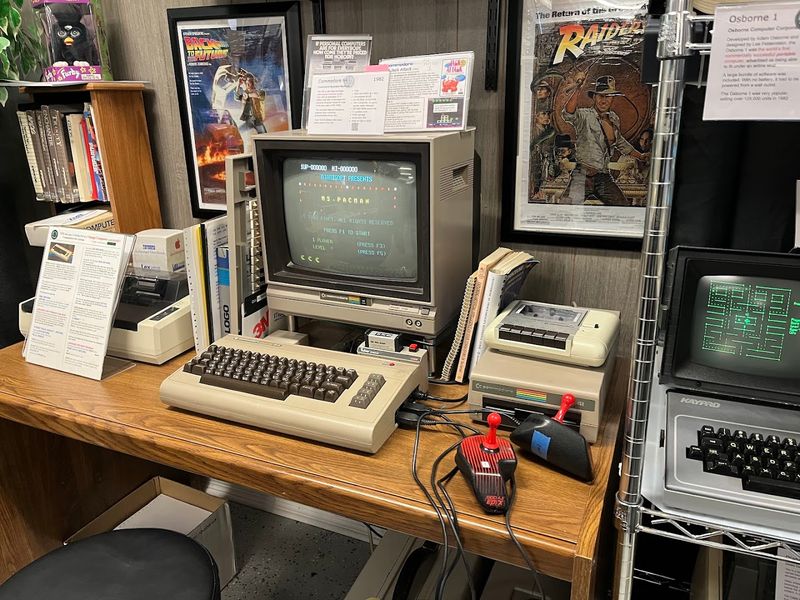
Camp Evans in Wall Township has one of the most fascinating backstories of any science attraction in New Jersey. The site was once a cutting-edge research facility where scientists worked on radar, early computing, and military communications technology.
Today, InfoAge Science and History Museums turns that history into a sprawling multi-building destination with thousands of artifacts spread across more than 20 museums and exhibits.
Radio, computers, military history, space technology, and communications are all represented here. The sheer variety means different visitors will get hooked by completely different things, which keeps group visits lively.
My personal favorite section covers early computing history, where machines the size of refrigerators once performed tasks your phone now handles in milliseconds.
InfoAge is open Wednesdays, Saturdays, and Sundays from noon to 5 p.m., making weekend visits the easiest option. Admission is affordable, and volunteers who staff many exhibits are genuinely passionate and knowledgeable.
This is a hidden gem that serious science and history fans absolutely should not skip.
Morris Museum Spark!Lab, Morristown, New Jersey
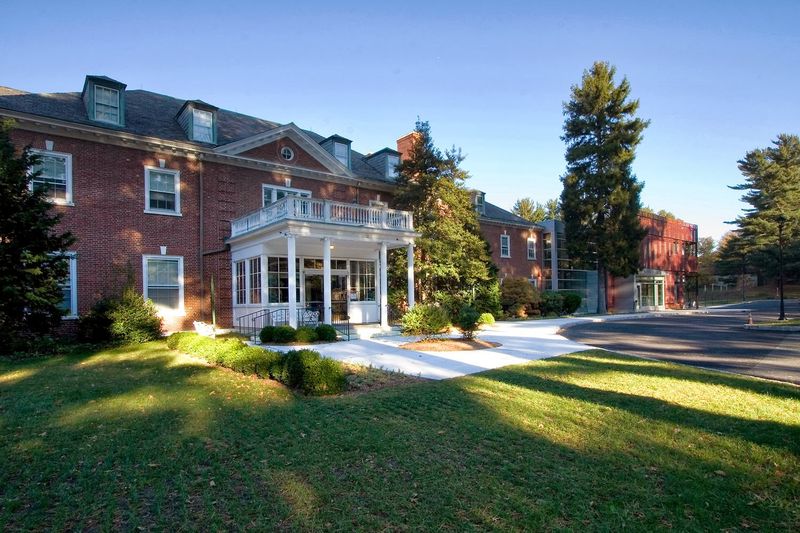
The Smithsonian’s Spark!Lab program has a home in Morristown, and it is one of the most genuinely kid-centered science spaces in New Jersey. Inside the Morris Museum, the Spark!Lab gives children open-ended invention challenges using real tools and materials.
There is no single right answer to anything in here, which is honestly a refreshing change from standard museum exhibits.
The lab is open Wednesday through Sunday from noon to 4 p.m., which fits nicely into an afternoon visit. Parents often end up just as absorbed as their kids, which I can confirm from personal experience.
Watching a seven-year-old engineer a working catapult out of craft sticks is genuinely impressive.
The broader Morris Museum surrounding the Spark!Lab is also worth exploring, with exhibits covering science, technology, and the arts. The combination makes for a well-rounded visit that does not feel rushed or one-dimensional.
For families with curious, hands-on kids, this Morristown stop should be near the top of the list.
Adventure Aquarium, Camden, New Jersey
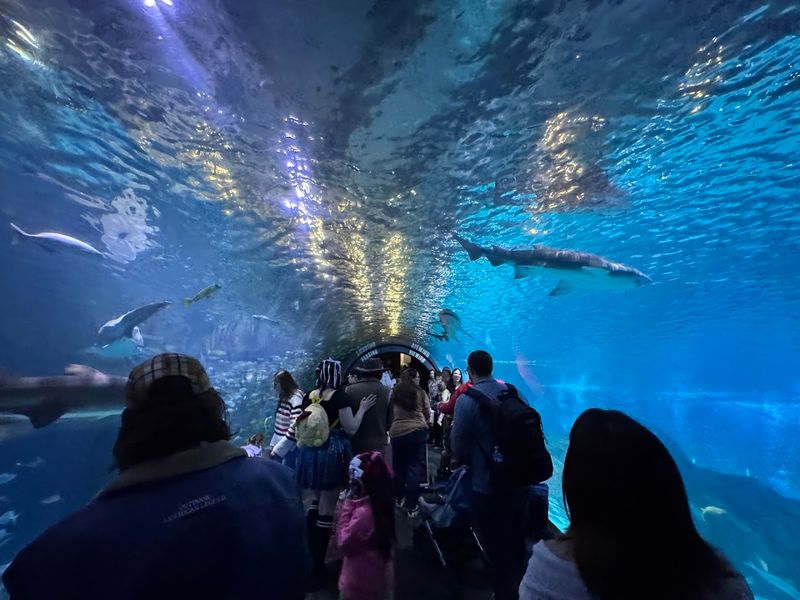
Marine biology becomes a lot more exciting when a shark is swimming three feet above your head inside a glass tunnel. Adventure Aquarium in Camden delivers that exact experience, along with penguins, hippos, aquatic ecosystems, and animal conservation programs.
It is a strong argument that science does not always need to happen in a classroom or a planetarium dome.
The aquarium is open daily according to VisitNJ, and the official calendar page keeps current hours and special events updated. Conservation messaging is woven throughout the exhibits, which gives the visit educational weight beyond just looking at cool animals.
Kids tend to walk out asking surprisingly deep questions about ocean health and wildlife protection.
Camden is easy to reach from Philadelphia by PATCO train, which makes this a great option for visitors coming from multiple directions. The waterfront location adds a nice backdrop for photos before or after your visit.
Adventure Aquarium earns its spot on any New Jersey science list without breaking a sweat.
SEA LIFE New Jersey Aquarium, East Rutherford, New Jersey
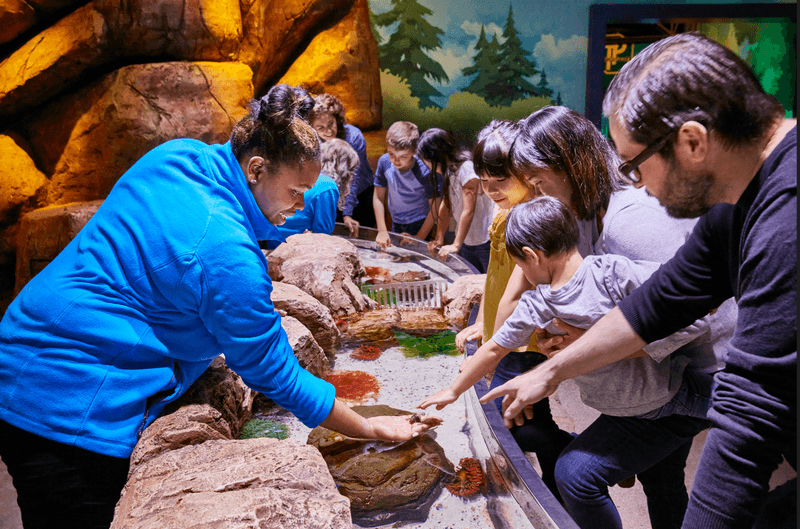
Located inside the American Dream complex in East Rutherford, SEA LIFE New Jersey Aquarium brings serious marine science to one of the most visited entertainment destinations in North Jersey. Ten themed zones cover everything from tropical coral reefs to deep ocean environments, making each section feel like a new chapter in a very wet and exciting book.
The educational content is real and well-presented throughout.
The official SEA LIFE page keeps current events and attraction hours updated, so checking before you visit is worth the thirty seconds it takes. Hudson County’s visitor page also lists it as an immersive educational experience for all ages, which is accurate without being an overstatement.
The exhibits are genuinely engaging for adults as well as children.
North Jersey residents often overlook this aquarium in favor of Adventure Aquarium down south, but the two experiences are distinct enough to justify visiting both. Pairing a SEA LIFE visit with other American Dream attractions makes for a full and memorable day.
The ocean never looked so good from inside a mall.
The Wetlands Institute, Stone Harbor, New Jersey
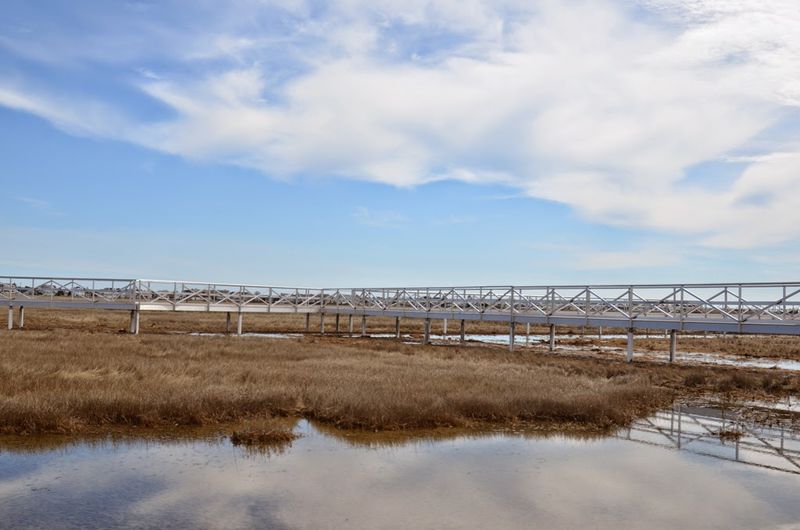
The Wetlands Institute in Stone Harbor is where coastal ecology stops being a textbook subject and becomes something you can walk through, observe, and genuinely connect with. Salt marshes, shorebirds, diamondback terrapins, and aquatic ecosystems are all part of the living classroom here.
The elevated walkway over the marsh alone is worth the trip down the Shore.
The institute opens daily beginning May 18, 2026, according to its official spring page. Self-guided exhibits, an aquarium, a teaching tank, a dock, and an observation tower give visitors multiple ways to engage with the material.
Terrapin Station is a crowd favorite, especially for younger visitors who are fascinated by the resident turtles.
Environmental learning here feels active rather than passive, which is a big part of what makes it special. Programs cover coastal ecology, conservation, and local wildlife in ways that stick long after you leave.
Stone Harbor is already a beloved Shore destination, and the Wetlands Institute makes the science case for why that coastline is worth protecting.
Trailside Nature and Science Center, Mountainside, New Jersey
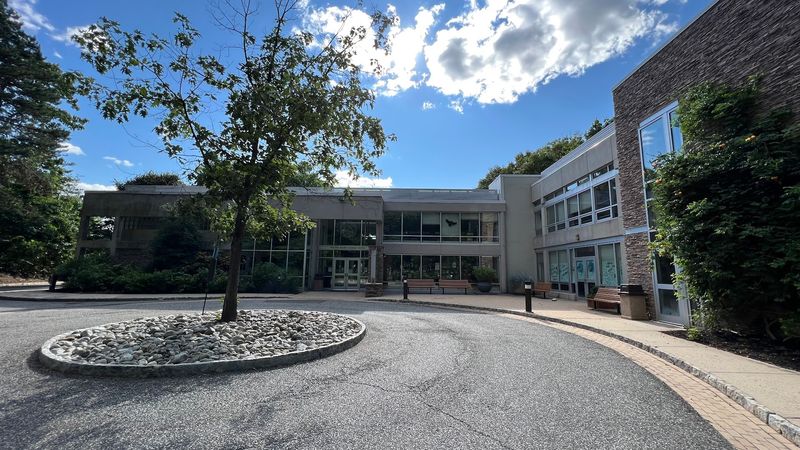
Union County quietly runs one of the best environmental education centers in New Jersey, and not enough people know about it. Trailside Nature and Science Center sits inside Watchung Reservation in Mountainside, surrounded by woodlands, fields, lakes, and streams.
Over 13 miles of trails fan out from the area, making this as much an outdoor science lab as an indoor exhibit space.
The center functions as a classroom for local ecology, covering the plants, animals, geology, and natural history of the Watchung region. Exhibits are designed to connect visitors with their immediate natural environment rather than distant or abstract science topics.
That local focus makes everything feel relevant and accessible.
Families who want a mix of nature exhibits and actual hiking will find this combination hard to beat. The center is free to visit, which makes it one of the most accessible science attractions on this entire list.
Bring good walking shoes, pack some water, and plan to stay longer than you originally intended.
Share this story