Some farms don’t just grow crops. They grow understanding.
Living history farms across the United States let visitors step back in time, meet costumed interpreters, feed real animals, and see how people worked the land long before tractors and grocery stores existed. Whether you’re a history nerd, a curious traveler, or a parent looking for a field trip that actually sticks, these 15 farms are the real deal.
Living History Farms – Urbandale, Iowa
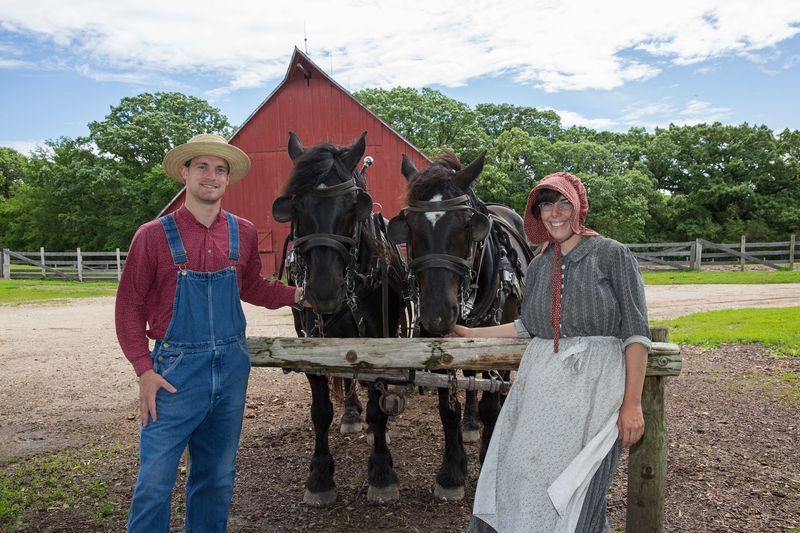
Five hundred acres of Iowa farmland and 300 years of history walk into a bar. That bar is Living History Farms, and it does not disappoint.
This open-air museum in Urbandale tells the full story of Midwestern agriculture, from Indigenous farming traditions to horse-powered pioneer life.
Different farm sites represent different time periods, so you’re basically time-traveling on foot. Costumed interpreters are genuinely doing the work, not just standing around looking old-fashioned.
Watching someone plow a field with a horse hits differently than reading about it in a textbook.
I visited on a windy October afternoon and left with mud on my boots and a new appreciation for pre-tractor farming. The sheer scale of the place is staggering.
General touring is offered seasonally, so check their official site for current hours and admission before you plan your trip.
Howell Living History Farm – Hopewell Township, New Jersey
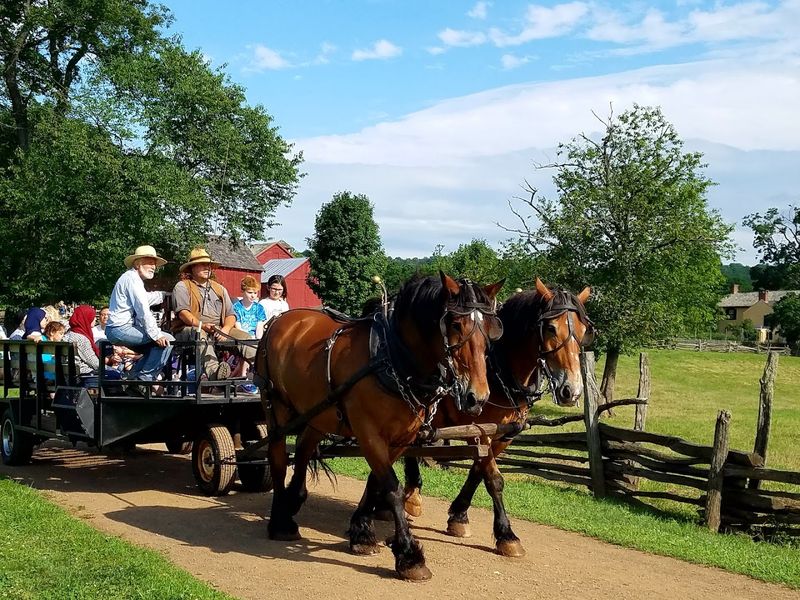
Not every farm museum lets you actually do something. Howell Living History Farm throws that rule out the window entirely.
Focused on rural life around the late 1800s and early 1900s, this New Jersey gem is built for hands-on learning, not passive staring.
Programs here cover seasonal chores, livestock care, planting, beekeeping, and food preservation. Kids especially love it because the activities feel genuinely useful rather than staged.
There’s something deeply satisfying about churning butter or feeding a pig without a single screen involved.
Families keep coming back because each season brings different programming and different farm tasks to try. The farm lists public hours on its official site, so planning ahead is worth the two minutes it takes.
If you want a farm experience that actually smells like a farm and feels like one too, Howell delivers without any tourist-trap gloss attached.
Kline Creek Farm – West Chicago, Illinois
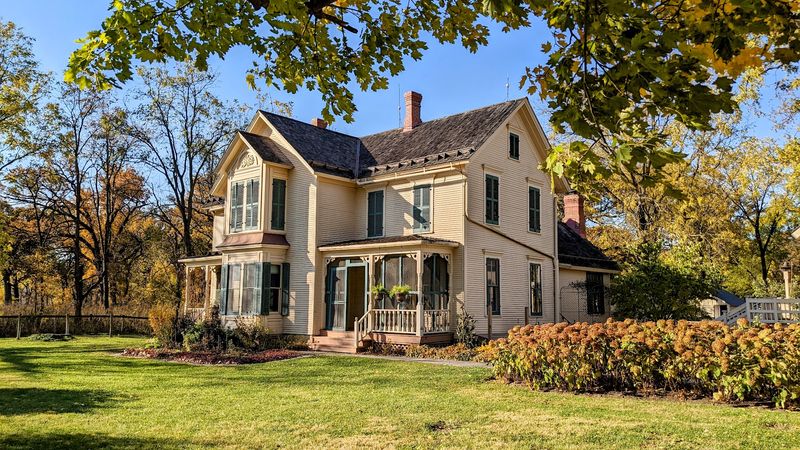
Tucked inside the Forest Preserve District of DuPage County, Kline Creek Farm is one of those places that sneaks up on you. You’re driving through suburban Illinois, and then suddenly there’s a fully functioning 1890s farmstead with chickens, costumed staff, and the smell of wood smoke.
The farm features restored buildings, heritage livestock, and seasonal demonstrations covering everything from food preservation to animal care. Interpreters stay in character, which adds a layer of fun that even skeptical teenagers tend to enjoy.
The 19th-century rhythms of daily life feel surprisingly relatable once you’re standing inside them.
Admission is handled through the Forest Preserve District, and regional visitor information confirms the living-history programming is active and regularly updated. Spring and fall are particularly good times to visit because seasonal farm tasks are in full swing.
It’s one of those rare free-ish attractions that punches well above its price tag.
Slate Run Living Historical Farm – Canal Winchester, Ohio
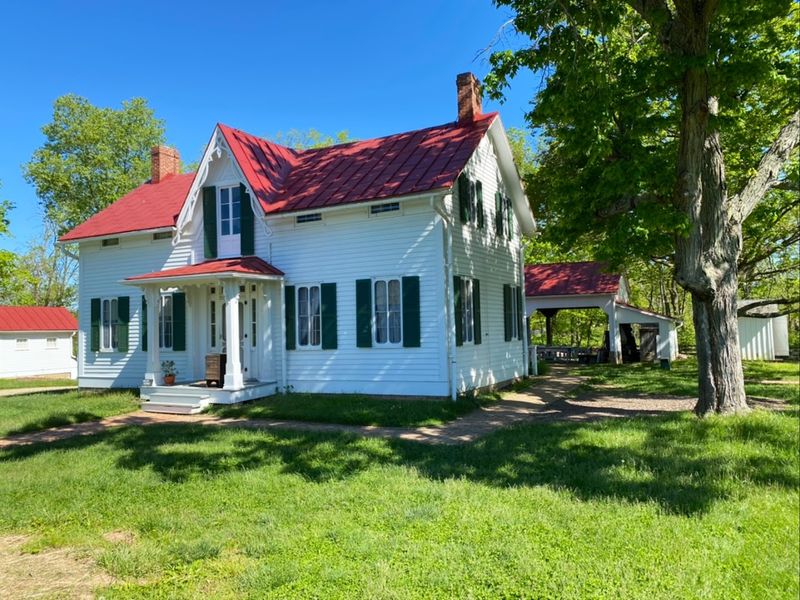
Free admission at a living history farm sounds too good to be true, but Slate Run Living Historical Farm in Canal Winchester, Ohio, makes it happen every season. The farm turns the clock back to the 1880s with costumed staff, heritage animals, working gardens, and a farmhouse that looks ready for a Sunday dinner.
Heritage animals here include pigs, geese, turkeys, and horses, giving the place a genuinely lived-in energy that polished museums often lack. Volunteers and staff carry out real daily chores, so your visit will look different depending on what time of year you show up.
That unpredictability is actually a feature, not a bug.
Official park information confirms that farm programs resume seasonally in April, so early spring visitors should plan accordingly. The barns, gardens, and farmhouse all contribute to an experience that feels authentic rather than curated.
Bring comfortable shoes because the grounds reward slow, curious exploration.
Old World Wisconsin – Eagle, Wisconsin
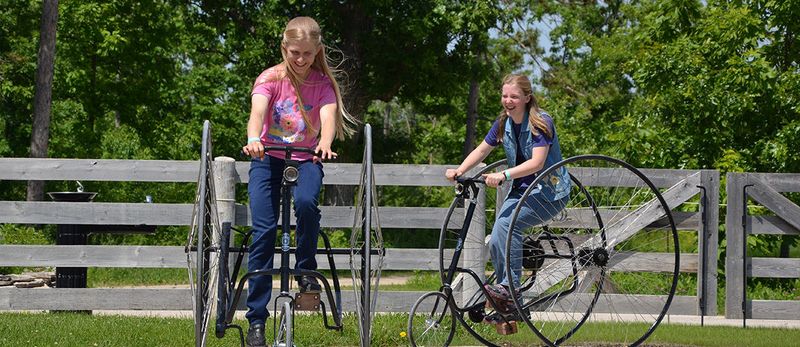
Old World Wisconsin is so large and so detailed that first-time visitors sometimes wonder if they accidentally walked into a parallel universe. This outdoor history museum in Eagle, Wisconsin, centers on immigrant farmsteads, and farm life is not a side attraction here.
It’s the whole point.
Visitors can collect eggs, help with chores, watch traditional trades, and explore the daily routines of early Wisconsin settlers from various European backgrounds. Each farmstead reflects a different immigrant community, which makes the agricultural history feel personal and specific rather than generic.
The animals are real, the gardens are real, and the mud on the paths is definitely real.
The official site notes that 2026 roadwork is happening nearby but that the museum stays open during regular operating hours. That’s a useful heads-up for anyone planning a visit.
Go early in the day because there is genuinely more to see here than most people expect.
Georgia Museum of Agriculture and Historic Village – Tifton, Georgia
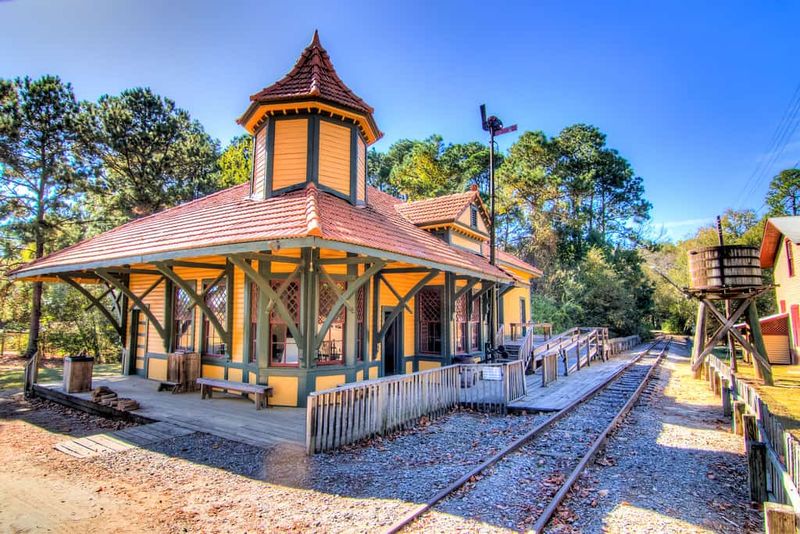
Southern farm history has its own flavor, and the Georgia Museum of Agriculture and Historic Village in Tifton serves it up with real depth. The grounds cover an 1870s farm community, an 1890s progressive farmstead, rural town areas, industrial sites, and agricultural exhibits that connect the dots across generations.
The focus on 19th-century agrarian and cultural traditions of the American South gives this museum a distinct identity you won’t find at farms further north. The layout encourages wandering, and each section of the grounds tells a slightly different chapter of the same story.
History here isn’t sanitized. It’s honest and layered.
One planning note worth knowing: the museum closes during August for a seasonal break and reopens afterward, so don’t assume a summer trip in August will work out. Check current visitor information before booking travel.
The rest of the year, it’s an active and worthwhile stop for anyone curious about Southern agricultural heritage.
Barrington Living History Farm – Washington, Texas
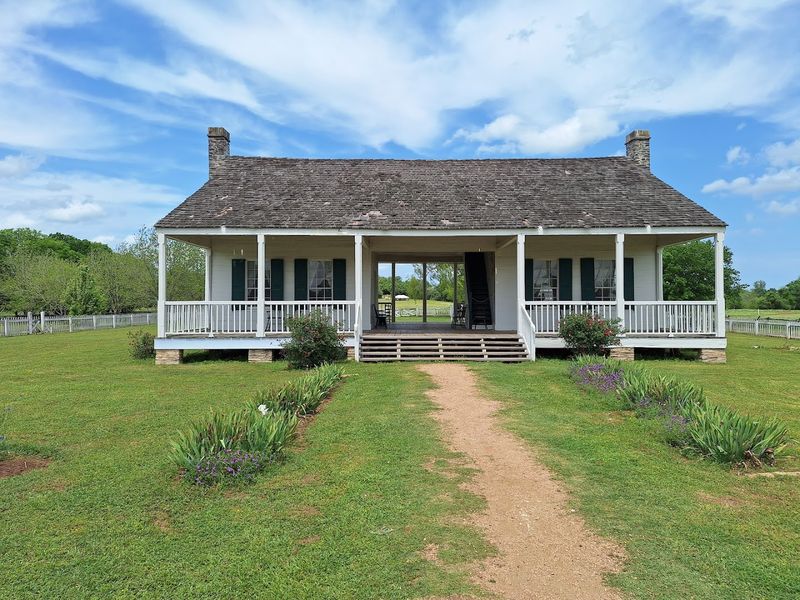
Dr. Anson Jones was the last president of the Republic of Texas, and his cotton farm is now one of the most historically charged living history sites in the state. Barrington Living History Farm sits within the Washington-on-the-Brazos complex, which already carries serious Texas history weight.
Interpreters use period farming methods to demonstrate planting, cultivating, harvesting, and livestock work on the same land where Jones once lived. The combination of political history and agricultural history gives Barrington an unusual depth that keeps adults genuinely engaged.
This is not a place where you rush through in 20 minutes.
The Texas Historical Commission’s visitor information confirms that the complex offers immersive living history experiences Wednesday through Sunday. That schedule is worth double-checking before you make the drive.
If you’re already exploring central Texas history, combining Barrington with the broader Washington-on-the-Brazos site makes for a full and rewarding day out.
Billings Farm & Museum – Woodstock, Vermont
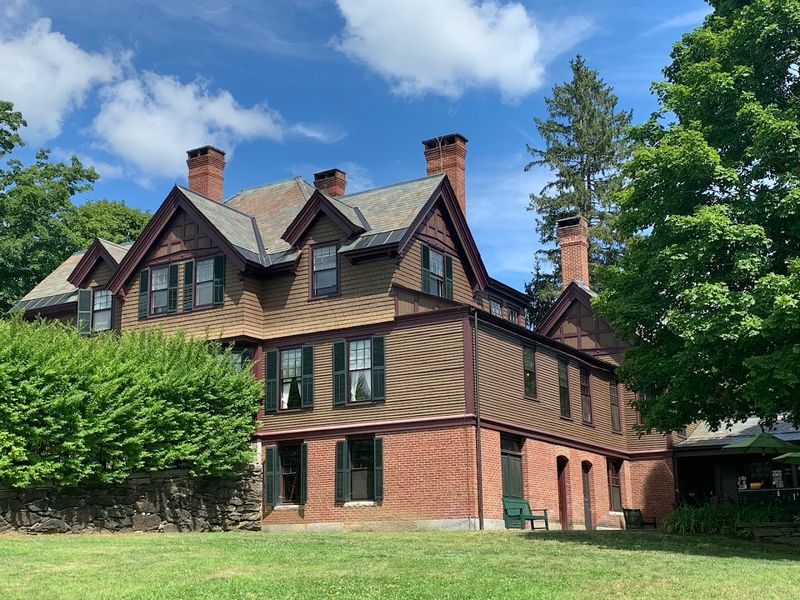
Woodstock, Vermont, already wins most beautiful small town contests without even trying. Add a working dairy farm and a museum, and Billings Farm becomes one of the most genuinely pleasant agricultural history experiences anywhere in New England.
Jersey cows, draft horses, sheep, goats, and chickens all live here, and the farm runs daily programs rather than saving everything for weekend events. The restored 1890 Farm Manager’s House is a highlight, offering a detailed look at what farm management actually looked like before spreadsheets existed.
The exhibits are thoughtful and well-organized without feeling dry.
The official site lists current hours and admission information, and seasonal events run throughout the year. Fall visits are especially popular because Vermont fall foliage plus working farm equals peak life decisions.
If you want beautiful scenery, serious agricultural history, and animals you can actually interact with, Billings Farm checks every single one of those boxes with room to spare.
Queens County Farm Museum – Queens, New York
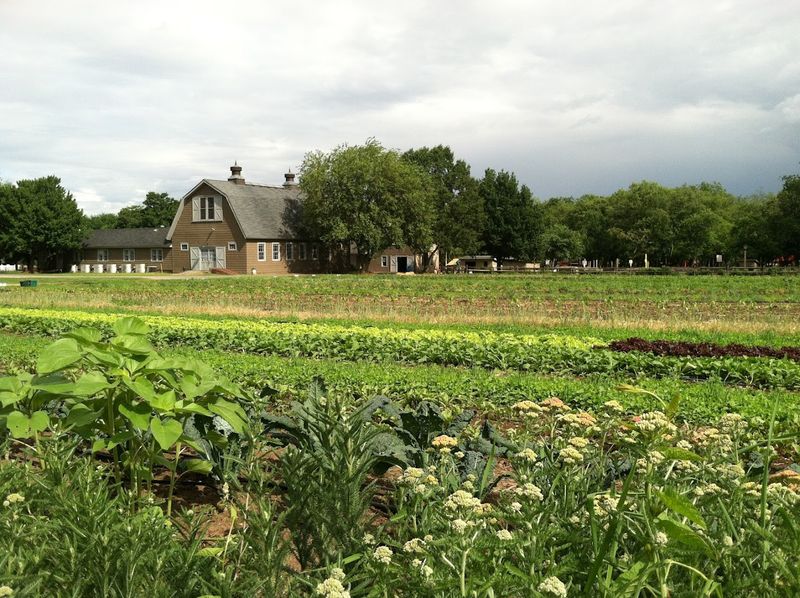
A working farm inside New York City sounds like a punchline, but Queens County Farm Museum is completely serious about it. Sitting on New York City’s largest remaining tract of undisturbed farmland, this place is genuinely surreal in the best possible way.
The grounds are open seven days a week, year-round, with free daily admission on non-event days. Historic farm buildings, animals, gardens, greenhouses, and seasonal programming all coexist within city limits, which still blows my mind a little.
Where else can you feed a goat and then grab a subway home?
Ticketed events happen throughout the year and often sell out, so checking the calendar before showing up is smart planning. For city residents who have never seen a working farm up close, this museum is an eye-opener that doesn’t require a road trip.
For visitors from elsewhere, it’s a genuinely unexpected and memorable New York experience.
Ardenwood Historic Farm – Fremont, California
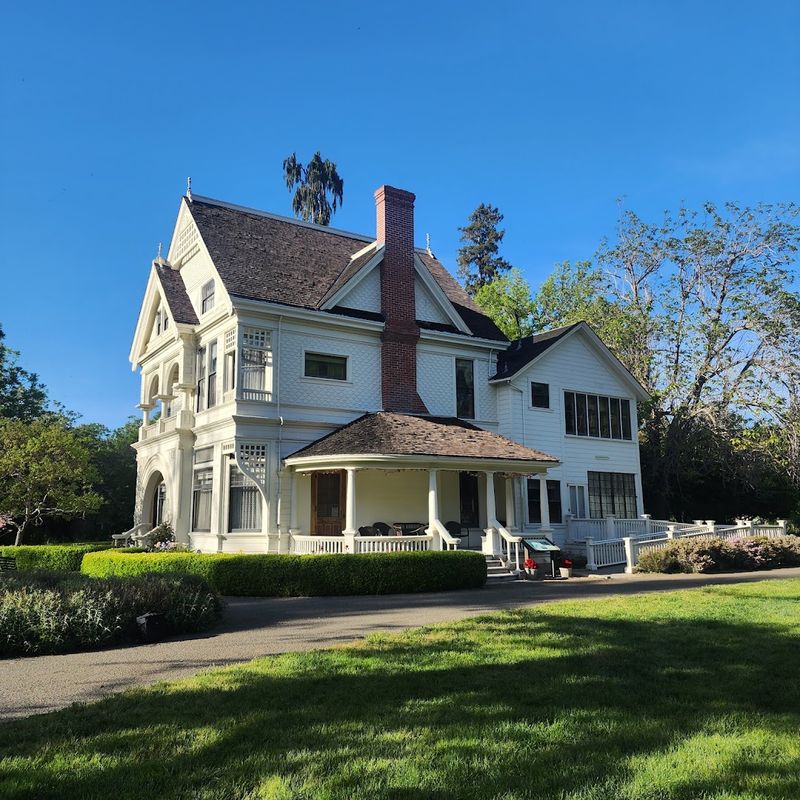
Bay Area residents often overlook what’s sitting right in their backyard, and Ardenwood Historic Farm in Fremont is a prime example of that oversight. This East Bay Regional Park District gem brings turn-of-the-century farm life to life in a region better known for tech campuses than heritage livestock.
Visitors can participate in planting, tending, and harvesting crops alongside farm chore demonstrations and family-friendly hands-on programs. The activities shift with the seasons, so a spring visit looks completely different from a fall one.
That variety keeps repeat visitors coming back without the experience feeling stale.
The visitor center page lists current hours from Tuesday through Sunday, confirming the farm is actively running programs for the public. Fremont is not usually on tourist itineraries, which honestly makes Ardenwood feel like a local secret worth sharing.
Pack a picnic, plan for a few hours, and prepare to leave with a genuine appreciation for 19th-century California agriculture.
Historic Longstreet Farm – Holmdel, New Jersey
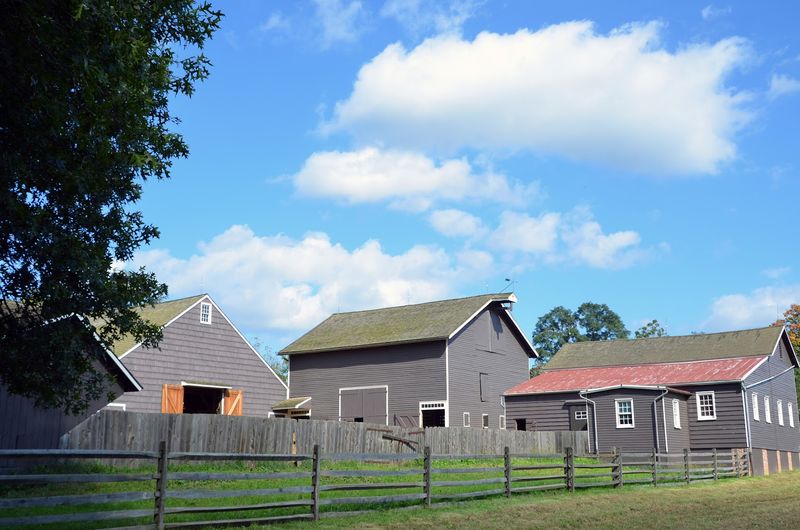
Free, open daily, and packed with 1890s rural charm. Historic Longstreet Farm in Holmdel, New Jersey, is the kind of place that makes you wonder why more people aren’t talking about it.
The Monmouth County Park System runs the site, and they do it well.
Period-dressed interpreters carry out agricultural demonstrations, domestic activities, and livestock care throughout the year. The farm structures are authentic, the animals are real, and the overall atmosphere leans relaxed rather than rushed.
Extended summer hours make it a solid choice for longer warm-weather visits when you want to linger without feeling like you’re on a tight schedule.
The official Monmouth County Park System page confirms free admission and year-round access, which makes this one of the best no-budget living farm options on the entire East Coast. New Jersey doesn’t always get credit for its living history sites, but Longstreet Farm is a genuinely strong argument for paying the Garden State more attention.
Coggeshall Farm Museum – Bristol, Rhode Island
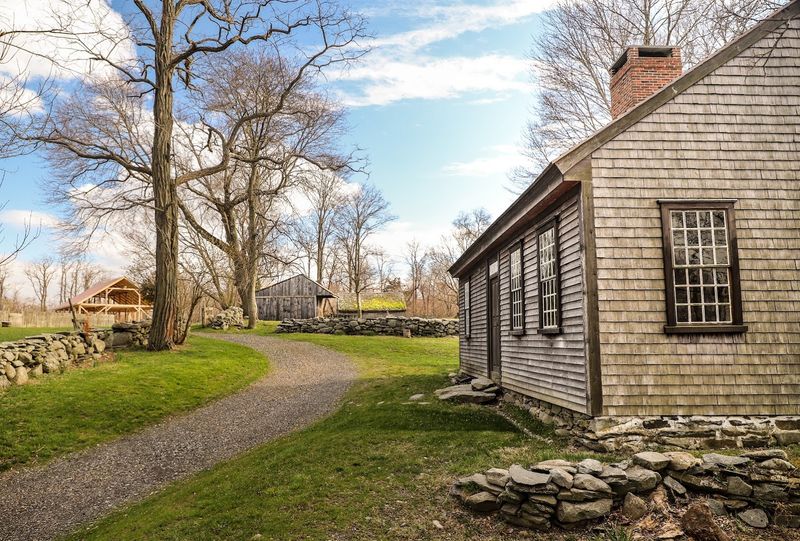
Rhode Island is small, but its agricultural history runs deep, and Coggeshall Farm Museum in Bristol is the place that proves it. The museum focuses on late-18th-century tenant farm life around the 1790s, which is a time period that most living history farms skip entirely.
Historic structures, heirloom plants, heritage animals, and hands-on experiences combine to recreate rural New England life before the Industrial Revolution changed everything. Tenant farming as a specific subject gives Coggeshall a focused identity that feels genuinely educational rather than broadly decorative.
The details matter here, and the staff clearly take those details seriously.
The official site confirms the farm is open for tours and events throughout the year, with hours varying by season. Bristol itself is worth a visit on its own merits, so pairing Coggeshall with a broader Rhode Island itinerary makes strong logistical sense.
For history enthusiasts who like their living farms specific and well-researched, this one is a keeper.
Old Sturbridge Village – Sturbridge, Massachusetts
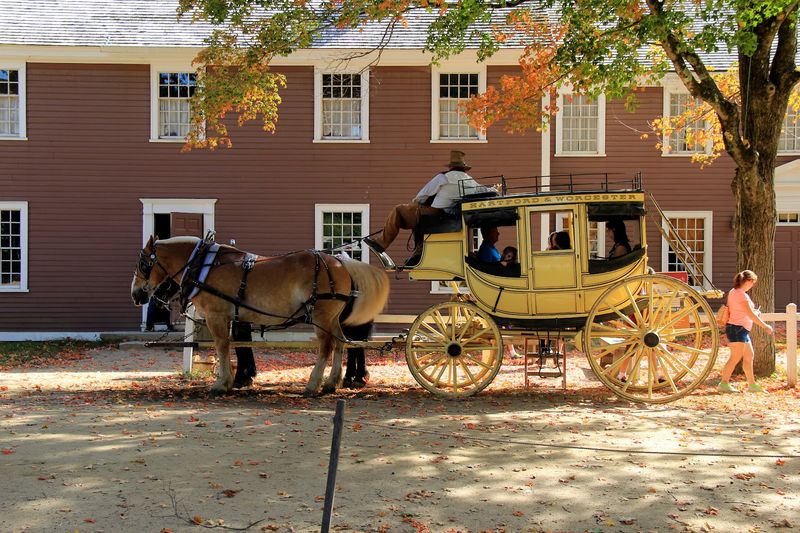
Old Sturbridge Village is technically a village, but farming is so central to the experience that leaving it off a farm list would be borderline criminal. The site depicts early 19th-century rural New England life, and agriculture runs through everything here like a thread you can’t ignore.
Costumed historians, antique buildings, water-powered mills, and a working farm all coexist across a sprawling and well-maintained grounds. Heritage breed animals graze near traditional gardens, and daily work demonstrations show how rural communities functioned before modern conveniences made everything easier and less interesting.
The craft demonstrations alone are worth the admission price.
The official visitor page confirms current hours and admission details for planning purposes. Sturbridge sits at a convenient highway intersection in central Massachusetts, making it accessible from Boston, Providence, and Hartford alike.
First-time visitors consistently underestimate how much time they’ll need, so building in at least half a day is genuinely sound advice.
Conner Prairie – Fishers, Indiana
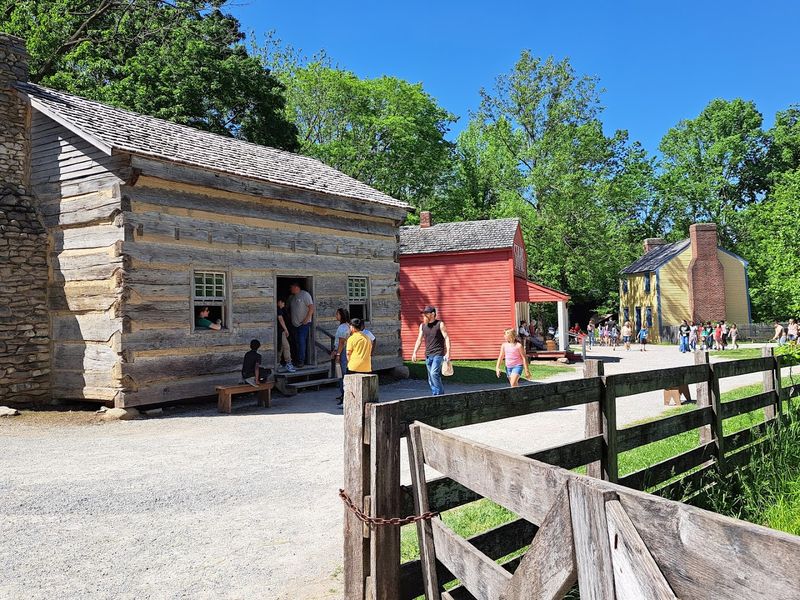
Conner Prairie in Fishers, Indiana, has built a well-earned reputation as one of the Midwest’s best living history destinations, and the farm elements are a big reason why. Agricultural life anchors the 19th-century programming in a way that feels purposeful rather than incidental.
Animal encounters, historic-style farming demonstrations, and nature-focused experiences round out a visit that covers more ground than a single farm site typically would. The Museum Experience Center adds indoor context that makes the outdoor programming hit harder.
Kids who wander through the grounds tend to ask more questions than they planned to, which is always a good sign.
The official site shows the grounds as open with seasonal visitor information covering historic, nature, and agriculture-focused experiences throughout the year. Fishers is just outside Indianapolis, making Conner Prairie an easy day trip from the city.
For families who want a broader living history day with strong farm elements woven throughout, this is a genuinely satisfying option.
Genesee Country Village & Museum – Mumford, New York
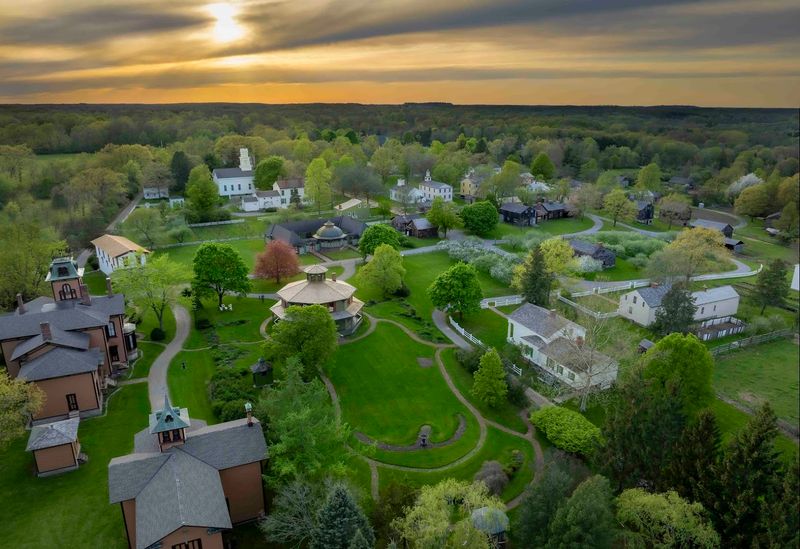
New York State’s largest living history museum sits quietly in Mumford, and most people outside the region have no idea it exists. Genesee Country Village and Museum covers an enormous range of 19th-century life, and farm-centered programming is woven throughout the entire experience.
Costumed interpreters work across historic village buildings, farmhouses, and trade sites, demonstrating rural work with genuine skill and enthusiasm. Animals, gardens, and hands-on activities keep the agricultural history grounded in something tangible rather than purely academic.
The sheer number of buildings and sites means you could visit twice and still find something new.
The official site lists active admission pages and 2026 general admission events, confirming the museum is fully operational and planning ahead. Mumford is a short drive from Rochester, making it an accessible upstate New York adventure.
If you’ve ever wondered what 19th-century rural New York actually looked like on an ordinary Tuesday, this place answers that question in considerable and satisfying detail.
Share this story