America has a long and complicated history with outlaws. From bank robbers on horseback to gunfighters who became legends, the Wild West era produced stories that still echo in towns and historic sites across the country.
Some of those places have been preserved as museums or historic districts. Others are ordinary-looking towns where courthouses, saloons, graveyards, and old street grids still help tell the story.
Whether you are a history fan, a road trip lover, or just someone who enjoys a good outlaw tale, these 12 places offer a vivid look at that era.
1. Deadwood, South Dakota
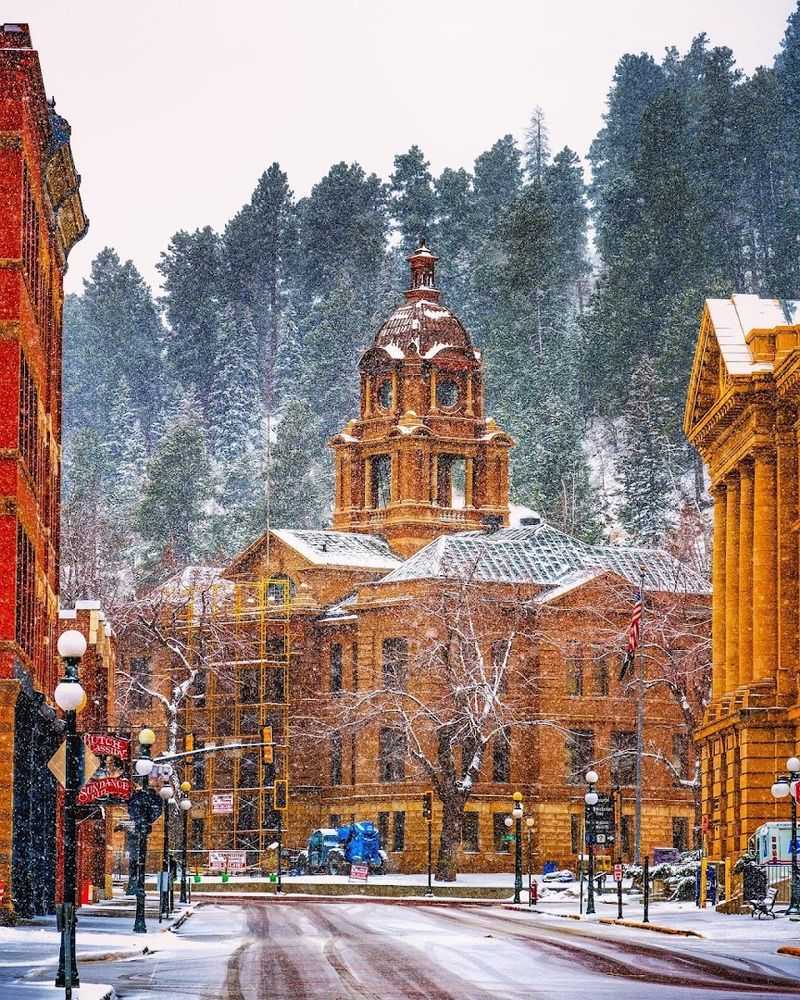
Few towns in America wear their outlaw history as openly as this one. Deadwood earned its reputation during the Black Hills Gold Rush of 1876, when fortune seekers, gamblers, and gunfighters flooded its streets in search of riches and trouble, often finding both at the same time.
Wild Bill Hickok was shot here on August 2, 1876, while holding a poker hand of aces and eights, now forever known as the “Dead Man’s Hand.” Calamity Jane, one of the West’s most colorful characters, roamed these same streets and is buried at Mount Moriah Cemetery alongside Hickok.
Today, Deadwood is a National Historic Landmark, and the entire town functions almost like a living museum. Historic reenactments, original saloon buildings, and guided tours bring the 1870s back to life.
The Adams Museum holds artifacts directly tied to the town’s lawless golden age.
2. Northfield, Minnesota
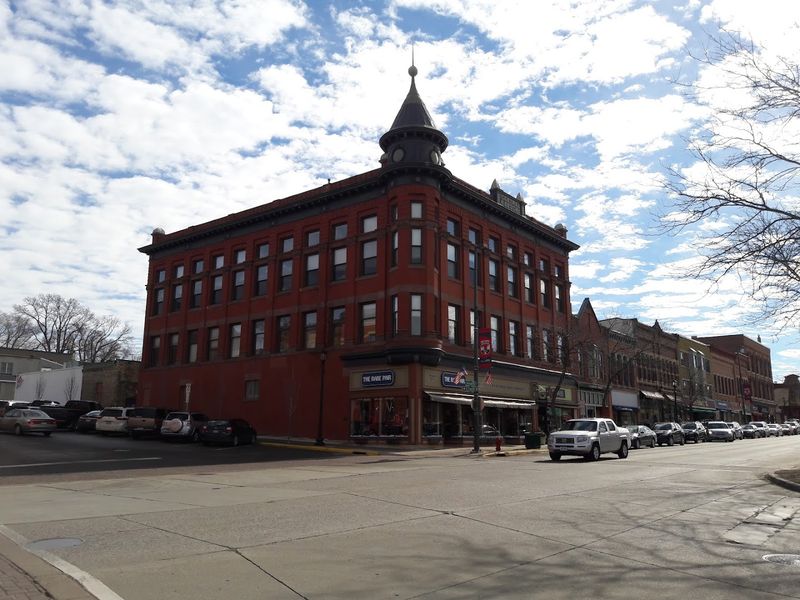
The citizens of Northfield, Minnesota, did not run when the James-Younger Gang rode into town on September 7, 1876. They fought back, and what happened next became one of the most dramatic defeats any outlaw gang ever suffered on American soil.
Jesse James and his crew targeted the First National Bank, confident the robbery would go smoothly. Instead, armed townspeople opened fire from windows and doorways, killing two gang members and wounding several others.
The Younger brothers were captured shortly after, and the gang was effectively broken apart for good.
The original bank building still stands today as the Northfield Bank Museum, with exhibits covering the raid in remarkable detail. Every September, the town hosts the Defeat of Jesse James Days festival, drawing thousands of visitors for reenactments, a parade, and living history demonstrations.
It is a celebration of the moment an entire community refused to back down.
3. Robbers Cave State Park, Oklahoma
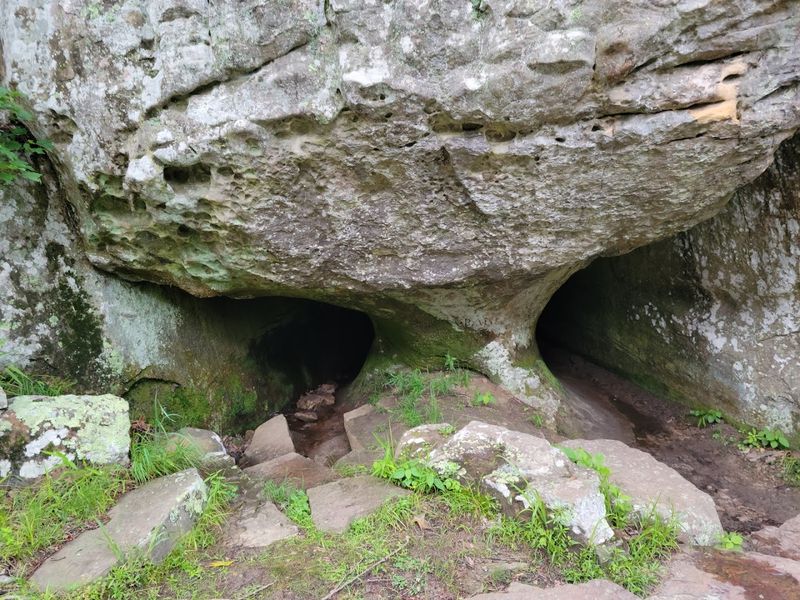
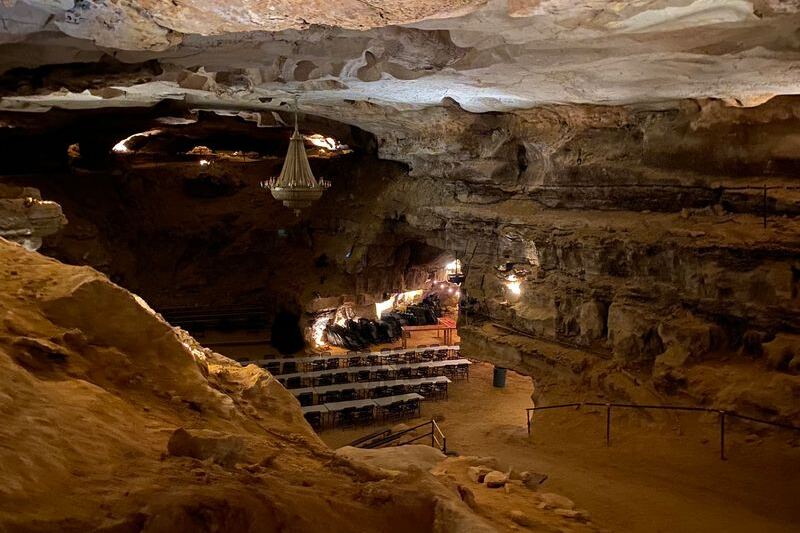
Nature carved out the perfect criminal headquarters long before any outlaw ever thought to use it. The sandstone caves tucked inside this Oklahoma state park served as hiding spots for some of the most wanted men of the 19th century, including Belle Starr, the Younger Gang, and possibly Jesse James himself.
The geography made it ideal for fugitives. Deep ravines, thick forest cover, and narrow canyon passages made pursuit by lawmen nearly impossible.
Legends say outlaws carved their names into the cave walls, and some of those markings are still visible today.
Beyond the history, Robbers Cave State Park is genuinely worth a visit on its own terms. Hiking trails wind through dramatic rock formations, and guided cave tours explain the outlaw connections in satisfying detail.
The park covers over 8,000 acres in the Sans Bois Mountains and offers camping, horseback riding, and a living connection to Oklahoma’s wildest chapter.
4. Fort Smith, Arkansas
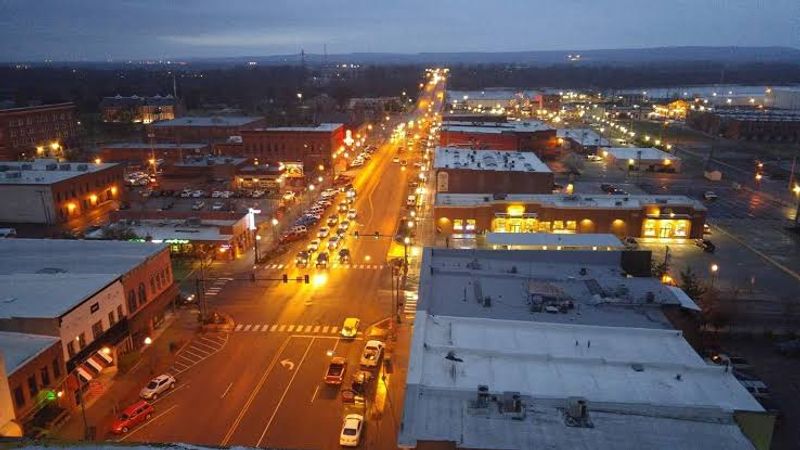
Judge Isaac Parker earned the nickname “The Hanging Judge” for good reason. Between 1875 and 1896, he presided over more than 13,000 cases from his courtroom in Fort Smith, Arkansas, and sentenced 160 people to the gallows in his effort to bring law to the wild Indian Territory next door.
The Fort Smith National Historic Site preserves the original federal courthouse, the basement jail known as “Hell on the Border,” and a reconstructed gallows that once held up to six men at a time. The exhibits inside explain how Parker’s court operated and who the most notorious criminals of the region were.
Fort Smith was essentially the last outpost of civilization before the lawless Indian Territory began, making it a crucial battleground between order and chaos for decades. The Bass Reeves Legacy Initiative also honors the legendary Black deputy marshal who worked under Parker and inspired generations of lawmen after him.
5. Liberty, Missouri
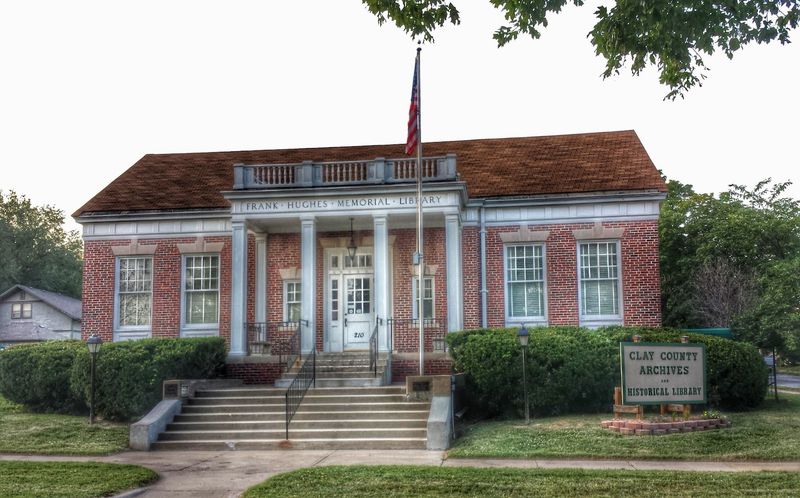
On February 13, 1866, a group of armed men walked into the Clay County Savings Bank in Liberty, Missouri, and walked out with roughly $60,000. It was the first successful daytime bank robbery in United States history, and the Jesse James-Younger Gang is widely credited for pulling it off.
The original bank building still stands and now operates as the Jesse James Bank Museum. Inside, visitors can see the actual vault, period banking equipment, and exhibits that trace the robbery in careful detail.
The building itself is remarkably well-preserved, giving visitors a genuine sense of what that February morning must have looked like.
Liberty sits in Clay County, which was Jesse James territory through and through. His family farm is just a short drive away in nearby Kearney.
The museum does an excellent job of connecting the local geography to the gang’s activities, making Liberty a logical first stop on any Jesse James road trip through Missouri.
6. Tombstone, Arizona
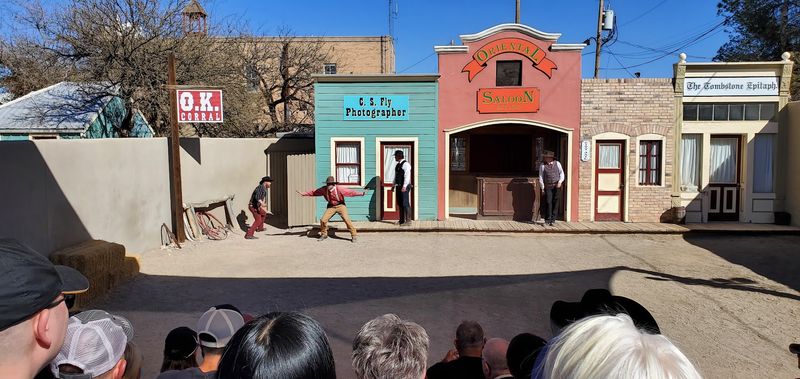
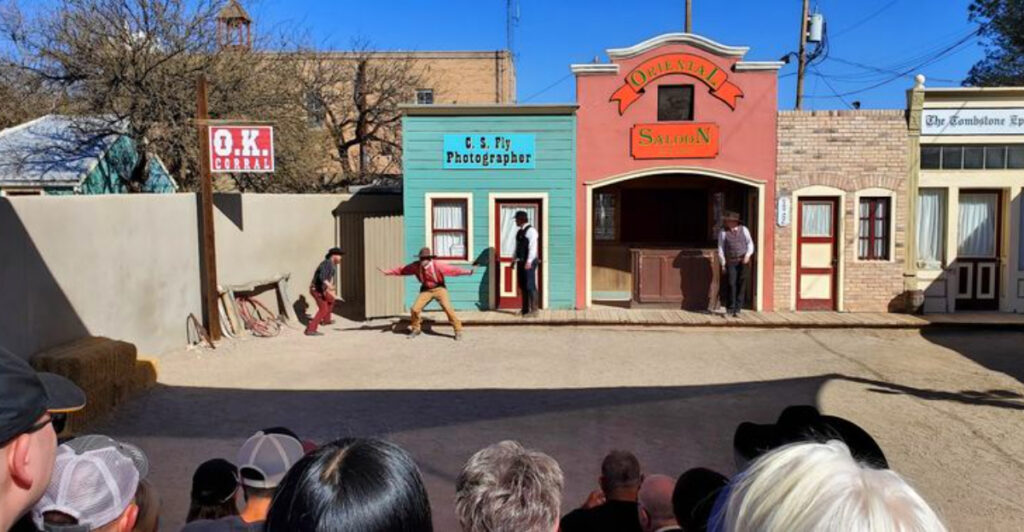
On October 26, 1881, thirty seconds of gunfire near a small corral changed American history forever. The Gunfight at the O.K.
Corral brought Wyatt Earp, his brothers, and Doc Holliday face to face with the Clanton-McLaury gang, producing the most famous shootout the country has ever known.
Tombstone was already a booming silver mining town before that day, but the gunfight turned it into a legend. The Bird Cage Theatre, where performers and outlaws mingled freely, still stands with original bullet holes in its walls.
Boothill Graveyard holds the remains of many men who lost their final arguments in this desert town.
Visitors today can watch daily reenactments at the actual O.K. Corral site, tour the Tombstone Courthouse State Historic Park, and walk the same dusty streets where lawmen and outlaws once squared off.
The town’s motto, “The Town Too Tough to Die,” turns out to be completely accurate.
7. Guthrie, Oklahoma
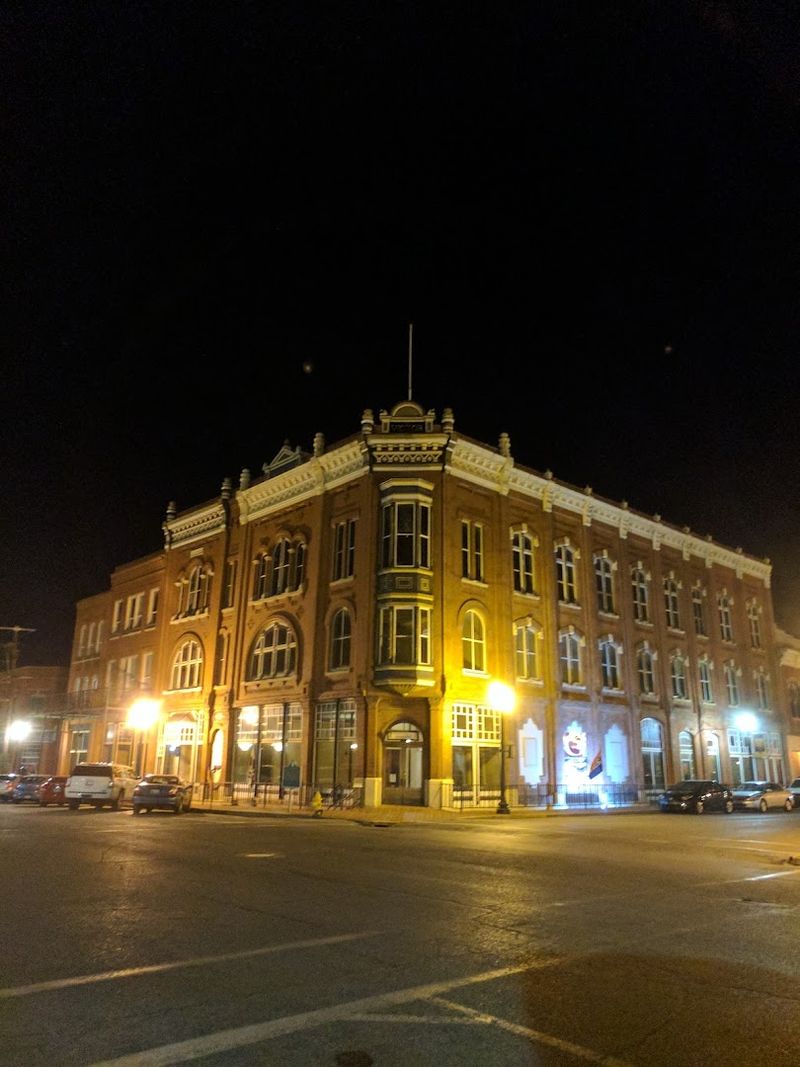
Oklahoma Territory opened for settlement in 1889, and within hours Guthrie had a population of 10,000 people, making it one of the fastest-grown cities in American history. That kind of rapid expansion attracted outlaws just as quickly as it attracted settlers, and Guthrie became a hub of frontier justice and criminal activity throughout the 1890s.
The town served as the first capital of Oklahoma Territory and was home to the territorial court system that prosecuted many of the region’s most wanted criminals. The Oklahoma Territorial Museum in Guthrie holds an impressive collection of artifacts from the outlaw era, including items connected to the Doolin-Dalton Gang, which terrorized the territory during the early 1890s.
Guthrie’s historic district is one of the largest collections of Victorian-era commercial architecture in the country, and walking its streets genuinely feels like moving through a preserved slice of frontier America. The town takes its outlaw history seriously and celebrates it through exhibits, events, and well-marked historic sites.
8. Lincoln County, New Mexico
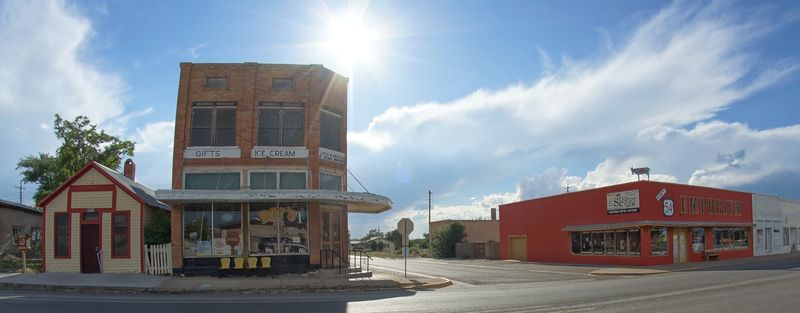
Billy the Kid’s most legendary move had nothing to do with a gun. On April 28, 1881, he escaped from the Lincoln County Courthouse by slipping free of his handcuffs, grabbing a guard’s weapon, and walking out of a building that was supposed to be his last stop before the gallows.
Lincoln County was the center of the Lincoln County War from 1877 to 1878, a brutal conflict between rival business factions that pulled Billy the Kid into its orbit and made him famous. The town of Lincoln itself is now a New Mexico State Monument, preserved almost exactly as it appeared during that violent era.
The Lincoln Historic Site includes the original courthouse from which Billy escaped, the old Tunstall Store, and the tower where he was briefly held. Guided tours walk visitors through the events of the Lincoln County War with impressive historical accuracy.
For anyone curious about how a teenager became the most famous outlaw in New Mexico history, this is the place that explains it all.
9. Dodge City, Kansas
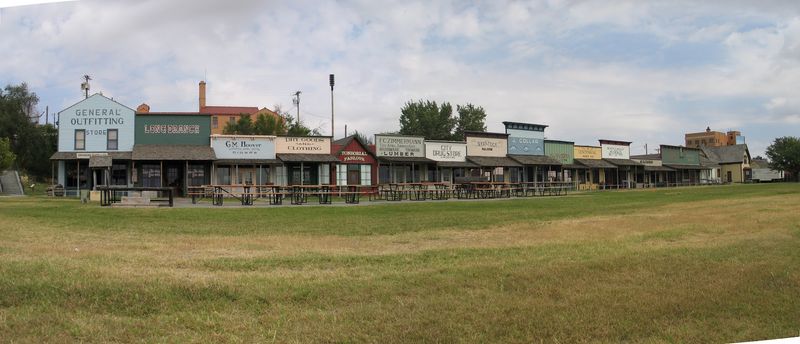
Dodge City had a simple rule in the 1870s: check your weapons at the city limits. The problem was that not everyone followed it, which is exactly why the town needed Wyatt Earp, Bat Masterson, and a string of other lawmen who became famous trying to keep order in one of the wildest cattle towns on the Great Plains.
Between 1872 and 1885, Dodge City was the end point of the Chisholm Trail and the Great Western Cattle Trail, meaning thousands of cowboys arrived each season with money in their pockets and very little patience for rules. Boot Hill Cemetery, where many of those who broke the rules ended up, is one of the most visited historic sites in Kansas.
The Boot Hill Museum reconstructs Front Street as it appeared in the 1870s, complete with a saloon, general store, and jail. Live gunfight shows run throughout the summer, and the museum’s collection of frontier artifacts is genuinely impressive.
Dodge City earned its reputation the hard way, and it has not forgotten a single chapter.
10. Hideout Hollow, Utah
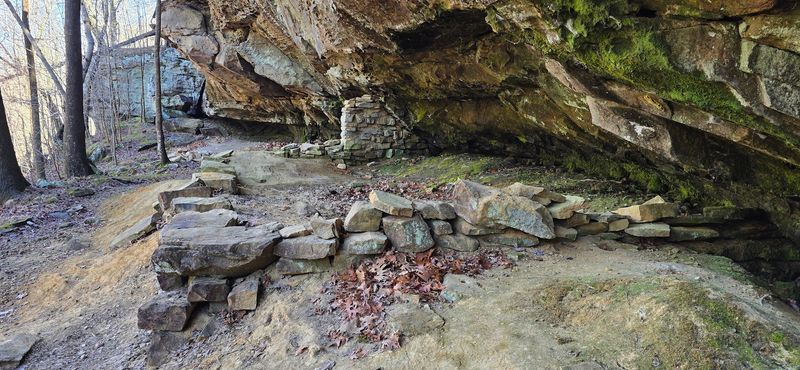
Utah’s remote canyon country gave outlaws something that no amount of fast horses could provide: geography that worked in their favor. Butch Cassidy and the Wild Bunch used the isolated terrain of the Utah backcountry extensively during the 1890s, stashing stolen money and evading pursuing lawmen in areas so rugged that even experienced trackers gave up the chase.
Hideout Hollow and the surrounding canyon regions of central Utah were part of the “Outlaw Trail,” a loose network of hideouts stretching from Montana to Mexico. Cassidy Arch in Capitol Reef National Park is named directly after Butch Cassidy, acknowledging his well-documented presence in the area.
Grafton Ghost Town, near Zion National Park, is another Utah location tied to the Wild Bunch, with original structures from the 1870s still standing. The combination of dramatic scenery and genuine outlaw history makes Utah’s canyon country one of the most rewarding destinations for anyone interested in the mechanics of how the Wild West’s most organized gang actually operated.
11. St. Joseph, Missouri
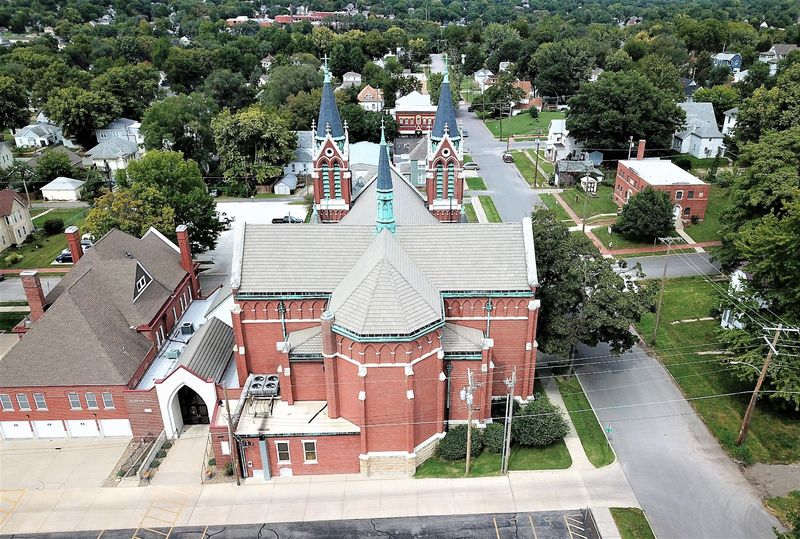
Robert Ford pulled the trigger on April 3, 1882, and ended the career of the most wanted man in America. Jesse James had been living under the alias Thomas Howard in a small rented house at 1318 Lafayette Street in St. Joseph, Missouri, trying to stay out of sight while planning one more job.
Ford, a member of Jesse’s own gang, shot him from behind while Jesse adjusted a picture on the wall. The house is now preserved as the Jesse James House Museum, located near the Patee House, which served as Jesse’s operational base in his final days.
The bullet hole in the wall is still there.
St. Joseph takes its connection to Jesse James seriously without making it feel like a carnival. The museum presents the story with solid historical context, explaining the political atmosphere of post-Civil War Missouri that turned Jesse into a folk hero for some and a dangerous criminal for others.
It is a genuinely thoughtful place to visit.
12. Coffeyville, Kansas
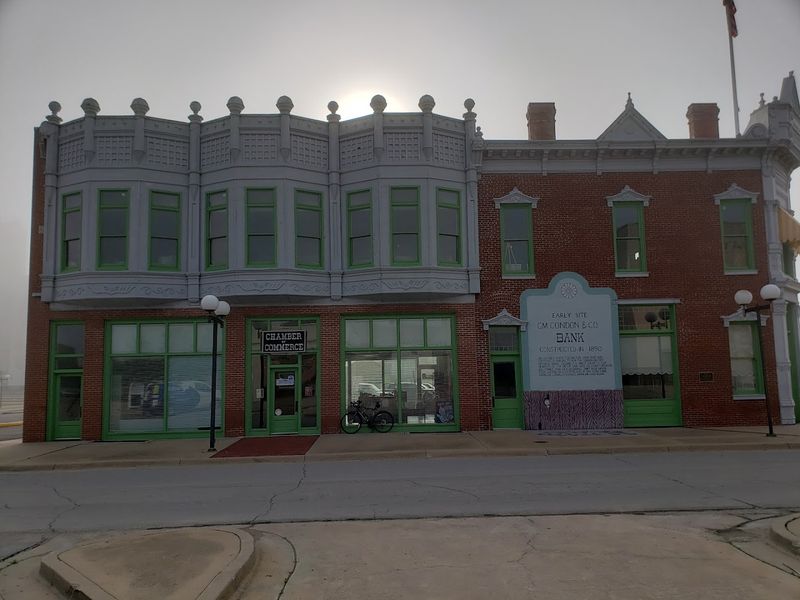
The Dalton Gang made a bold and ultimately disastrous decision on October 5, 1892. They rode into Coffeyville, Kansas, planning to rob two banks simultaneously, which would have been a first in outlaw history.
The town recognized them despite their disguises, and what followed became known as one of the bloodiest days in frontier Kansas.
Armed citizens took up positions around the town square before the gang even finished the job. In the ensuing gunfight, four Coffeyville defenders and four gang members were killed, including brothers Bob and Grat Dalton.
Only Emmett Dalton survived, badly wounded, and he later served 14 years in prison before being pardoned.
The Dalton Defenders Museum in Coffeyville preserves the full story with artifacts, photographs, and a detailed timeline of the raid. Death Alley, the narrow passage where the final confrontation took place, is marked and open to visitors.
Few places in Kansas offer such a direct, unvarnished look at exactly how outlaw careers tend to end.
Share this story