Summer 1965 was one of the most musically packed seasons in American pop history. Radio stations were spinning records that ranged from raw blues-rock to sweet harmonies to folk poetry, and listeners could not get enough.
The Billboard Hot 100 that year was a battlefield of competing sounds, with British Invasion acts, homegrown soul artists, and California surf groups all fighting for the top spot. Whether you were driving with the windows down or gathered around a transistor radio at the beach, these 13 songs defined what it felt like to be alive and tuned in that summer.
Each one left a mark on the charts and on the culture, and understanding why they connected tells you a lot about what America was listening to, and thinking about, in 1965.
1. (I Can’t Get No) Satisfaction – The Rolling Stones
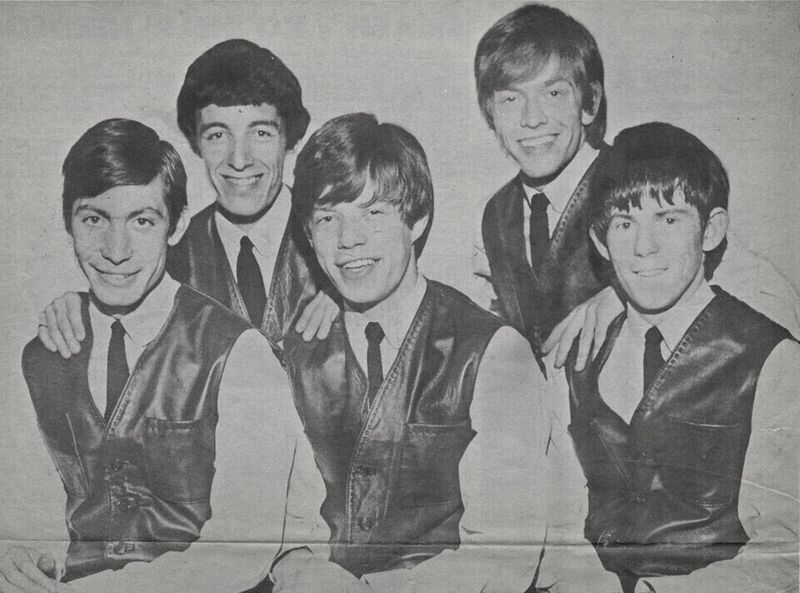
Few songs in rock history arrived with the kind of immediate cultural force that this one did in June 1965. The Rolling Stones released it as a single, and it shot straight to number one on the Billboard Hot 100, where it stayed for four weeks.
Keith Richards reportedly came up with the opening guitar riff in his sleep, recording it on a portable tape machine before dozing off again. That fuzz-toned guitar line became one of the most recognizable in all of popular music.
The lyrics tapped into a growing frustration among young people who felt bombarded by advertising, conformity, and empty promises. Mick Jagger delivered the words with a sneer that felt completely genuine.
The song tied with “Yesterday” for the longest-running number one of 1965, which tells you everything about how dominant it was that summer.
2. Help! – The Beatles
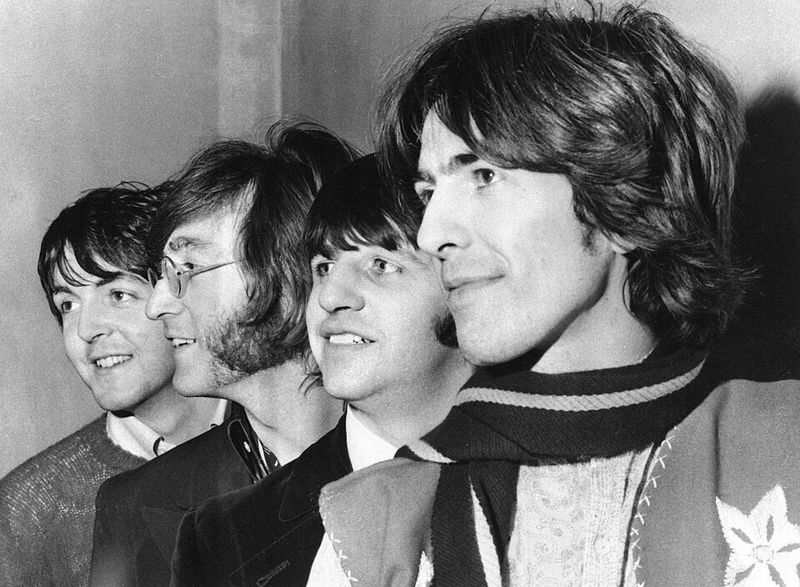
By the time “Help!” hit American radio in July 1965, The Beatles had already conquered the charts multiple times. But this song carried something different beneath its upbeat pop surface.
John Lennon later said the track was a genuine personal expression of feeling overwhelmed, written during a period when Beatlemania had reached an almost unmanageable scale. The disconnect between the cheerful melody and the honest lyrical content made it stand out even among the band’s own catalog.
The song reached number one in the United States and served as the title track for the group’s second feature film. It demonstrated that pop songs could hold real emotional weight without abandoning commercial appeal.
For listeners in the summer of 1965, it was simply an irresistible tune. For music historians, it marks a turning point in how seriously people began taking songwriting as an art form.
3. California Girls – The Beach Boys
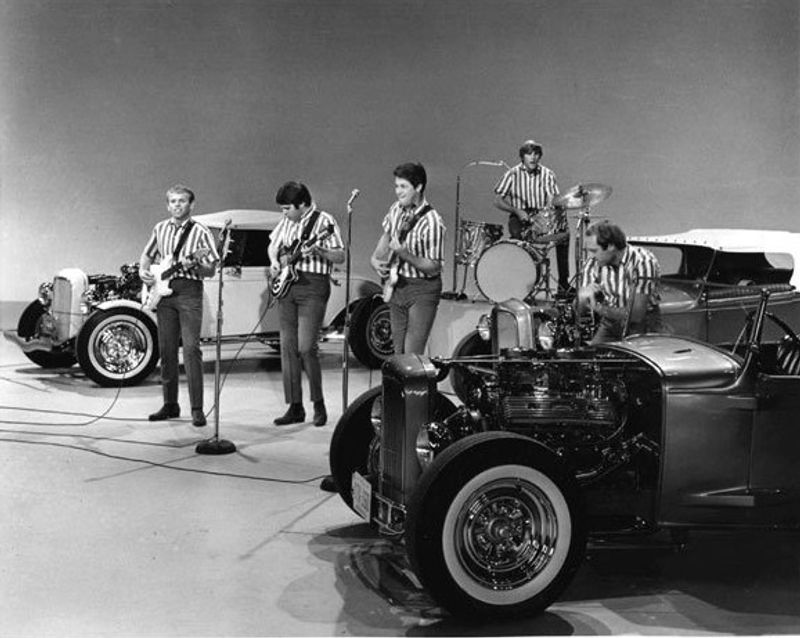
Released in July 1965, this track arrived at the peak of the Beach Boys’ commercial power and represented Brian Wilson’s growing ambition as an arranger and songwriter. The opening orchestral introduction alone set it apart from typical summer pop.
Wilson reportedly said he wanted to write the greatest pop song ever made, and while that claim is debatable, the song did reach number three on the Billboard Hot 100 and became one of the group’s signature recordings. It painted an idealized image of California youth culture that resonated far beyond the state’s borders.
The track featured layered harmonies and a brass-driven arrangement that felt bigger than anything the group had released before. It came out the same year as the band’s album “Summer Days (And Summer Nights)”, cementing their status as the definitive sound of warm-weather America in the mid-1960s.
4. I Got You Babe – Sonny & Cher
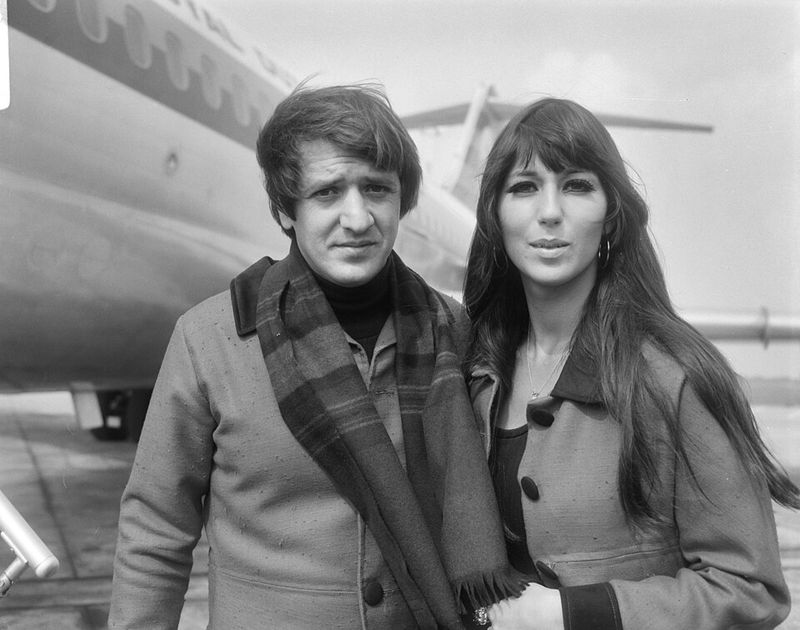
Sonny Bono wrote this song specifically as a counterpoint to Bob Dylan’s skeptical approach to romance, wanting to create something that celebrated love without irony. The strategy worked. “I Got You Babe” hit number one on the Billboard Hot 100 in August 1965 and stayed there for three weeks.
Sonny and Cher were a relatively unknown duo before this release, but the song turned them into household names almost overnight. Their matching fur vests and bell-bottom pants made them a visual phenomenon as well as a musical one.
The track’s simple, call-and-response structure made it immediately singable, and radio programmers loved how cleanly it fit into any playlist. Cher was only 19 years old when it reached the top of the charts.
The song became so tied to the era that it later served as a cultural shorthand for 1960s pop optimism in films and television for decades afterward.
5. Like a Rolling Stone – Bob Dylan
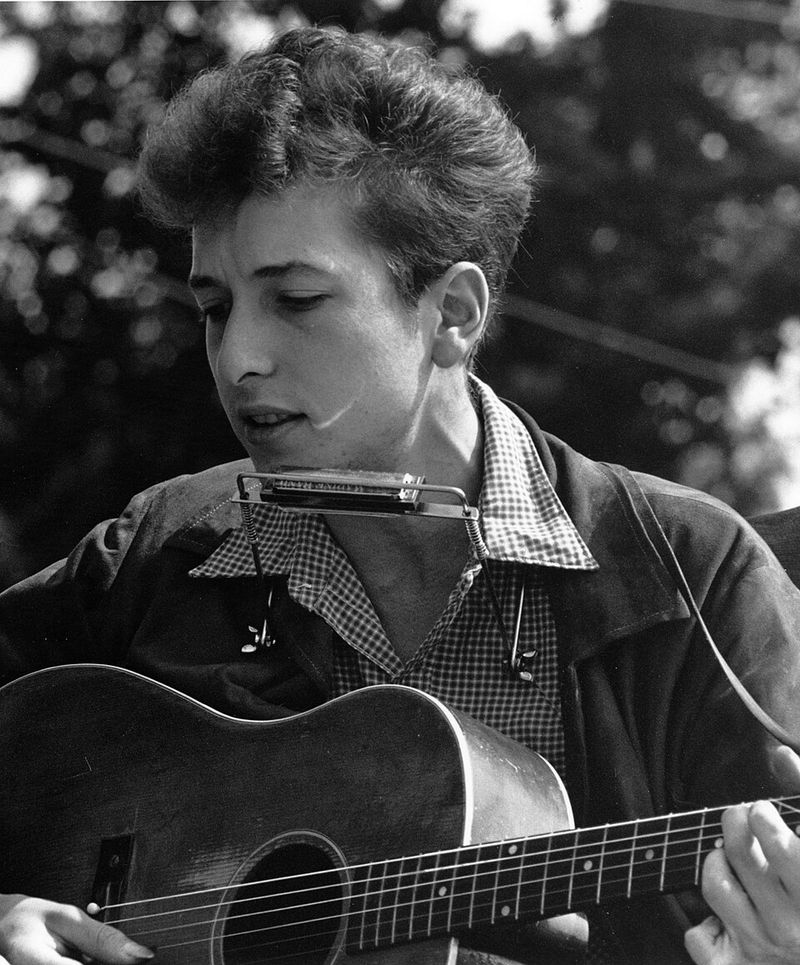
At over six minutes long, this song broke virtually every rule about what a commercial pop single was supposed to be in 1965. Columbia Records had doubts about releasing it, but Dylan insisted, and radio stations started playing it anyway after copies leaked to disc jockeys.
The song peaked at number two on the Billboard Hot 100 in August 1965, which was remarkable given its length and the complexity of its lyrics. Dylan had shifted from acoustic folk protest music to a full electric band, a decision that divided his fanbase sharply.
The piano riff played by Al Kooper, who was not even supposed to be on the session, became one of the most famous accidental contributions in recording history. Rolling Stone magazine later named it the greatest rock song ever made.
In the summer of 1965, it signaled that pop music was entering a fundamentally more serious phase.
6. Mr. Tambourine Man – The Byrds
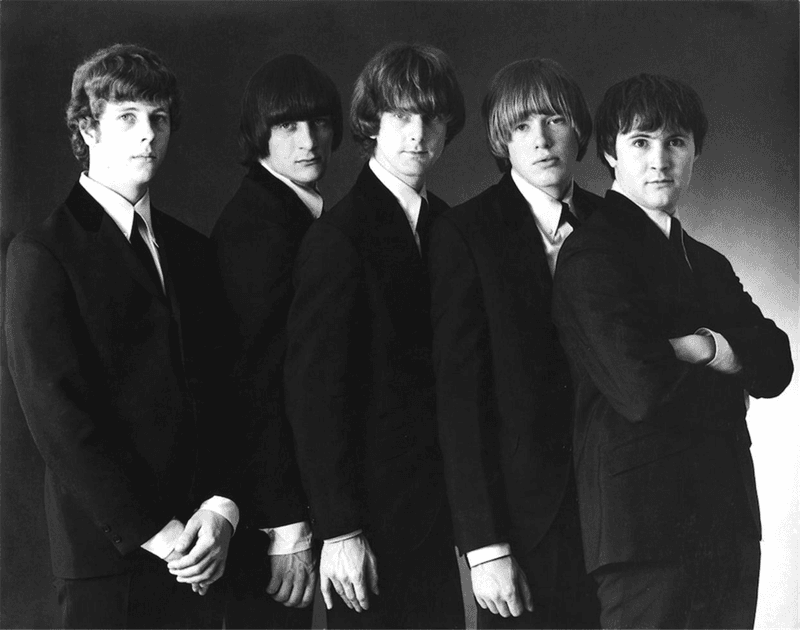
When The Byrds released their version of this Bob Dylan song in April 1965, they essentially invented a new genre. By pairing Dylan’s poetic lyrics with electric 12-string guitar and tight vocal harmonies, they created what would become known as folk-rock.
The song reached number one on the Billboard Hot 100 in June 1965 and held that position as the summer got underway. Roger McGuinn’s Rickenbacker guitar tone became the defining sound of the Byrds and influenced countless bands that followed.
Interestingly, only McGuinn played on the actual recording. Session musicians handled the rest of the instrumentation, which was common practice in Los Angeles studios at the time.
The song introduced Dylan’s writing to a new audience of pop listeners who might never have sought out his folk albums. It remains one of the clearest examples of how a cover version can reshape the original song’s cultural reach.
7. Wooly Bully – Sam the Sham & the Pharaohs
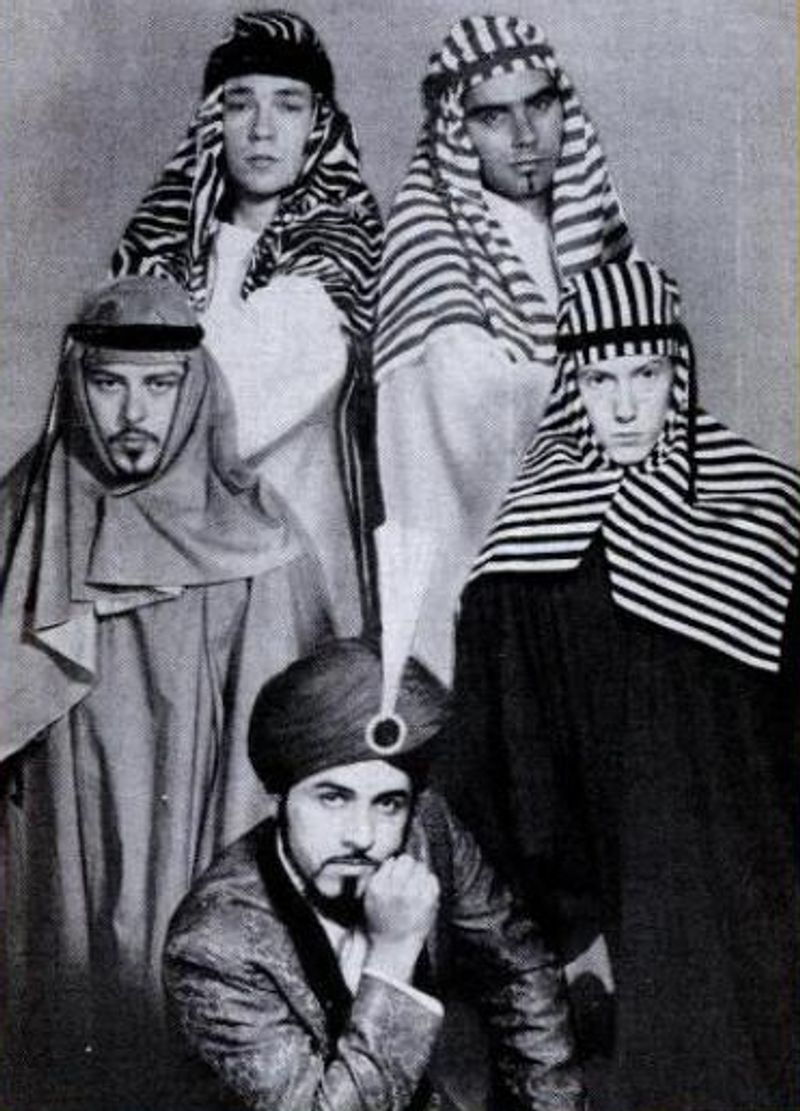
One of the most purely fun chart hits of 1965, this track spent the summer bouncing around the top ten without ever quite reaching number one, yet it became one of the year’s best-selling singles. Sam Samudio and his band performed in turbans and robes, which made them instantly memorable on television appearances.
The song’s lyrics are famously nonsensical, built around a story about a creature named Wooly Bully, and the spoken count-in at the beginning became one of the most recognized openings in 1960s pop. It was recorded in a single session in Dallas, Texas, with a raw, garage-band energy that set it apart from the polished productions coming out of New York and Los Angeles.
Billboard named it the number one song of 1965 based on total chart performance across the full year. That ranking surprised many people, given how many bigger names were competing that summer, but it reflects how consistently the song performed week after week.
8. What’s New Pussycat? – Tom Jones
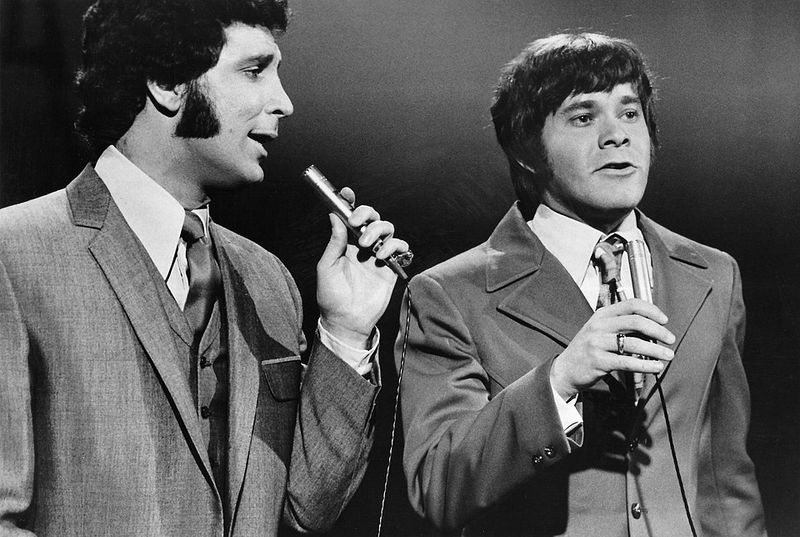
Tom Jones was only 25 years old when this track became a transatlantic hit in the summer of 1965. Written by Burt Bacharach and Hal David for the Woody Allen film of the same name, the song gave Jones his first major American chart success, peaking at number three on the Billboard Hot 100.
Bacharach’s arrangement was characteristically lush and unpredictable, with tempo shifts and an orchestration that felt more cinematic than typical pop radio fare. Jones delivered the vocal with the kind of theatrical commitment that would define his career for the next five decades.
The film itself was a comedy, but the song took on a life well beyond the movie. Radio programmers loved its energy and singability.
Jones became one of the few Welsh artists to break through in the American market during the British Invasion era, a period when competition for chart space was extraordinarily intense.
9. Do You Believe in Magic – The Lovin’ Spoonful
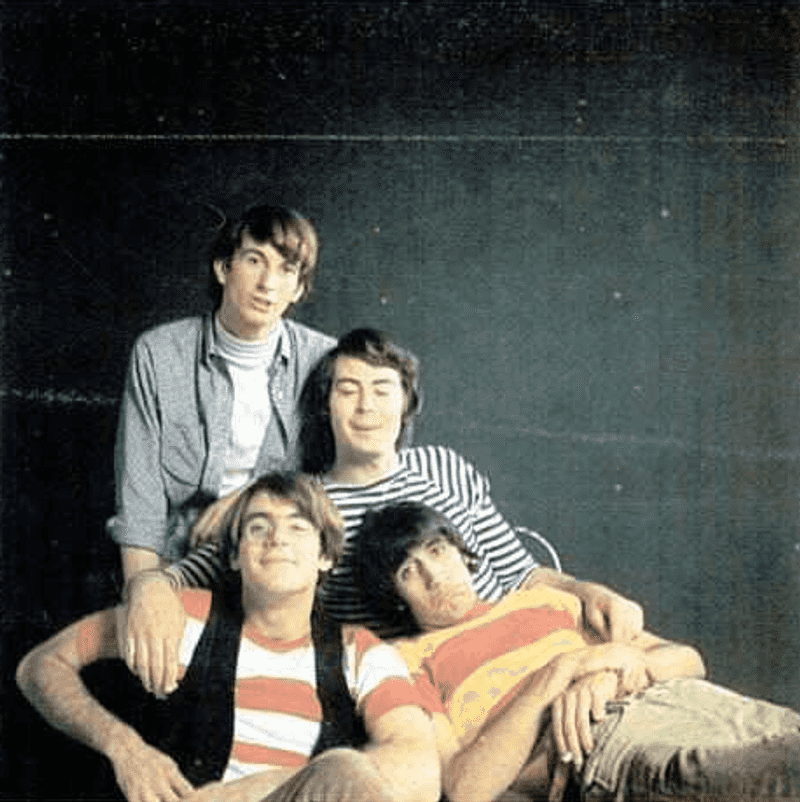
John Sebastian founded The Lovin’ Spoonful with the specific intention of blending jug band music, folk, and rock into something that felt genuinely joyful rather than serious. This debut single, released in the summer of 1965, proved the concept worked.
It reached number nine on the Billboard Hot 100.
The song’s central argument was simple: music itself has a kind of power over people that is hard to explain rationally. That idea resonated with a generation that had just watched rock and roll transform American culture within a single decade.
Sebastian’s vocal delivery was loose and conversational, which was a deliberate contrast to the more formal singing styles of many of his contemporaries. The track also featured an autoharp, an unusual choice for a pop record.
The Lovin’ Spoonful would go on to have several more hits, but this debut captured something fresh and unguarded that made it a standout moment in the summer of 1965.
10. Cara, Mia – Jay and the Americans
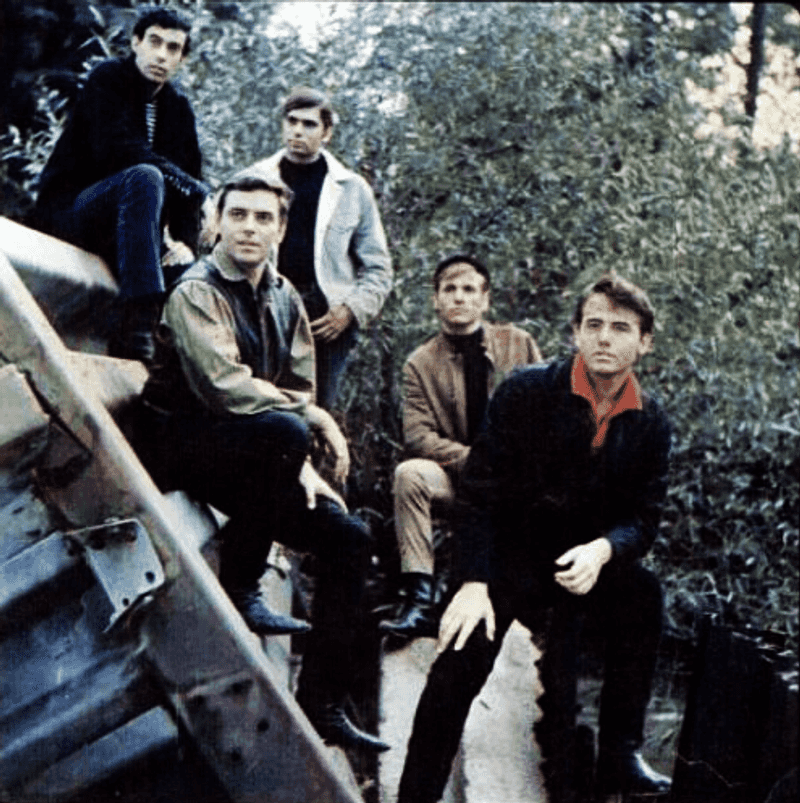
Jay and the Americans had been around since the early 1960s, but “Cara, Mia” gave them one of their biggest commercial moments. The song reached number four on the Billboard Hot 100 in the summer of 1965, outperforming many of their earlier releases.
The track was built around a dramatic, operatic vocal performance from Jay Black, whose powerful tenor voice set the group apart from the more restrained pop acts of the era. The song had roots in a 1954 recording by David Whitfield, but the Jay and the Americans version was more aggressive and emotionally direct.
It arrived during a summer when softer, more romantic pop songs were competing with the harder-edged sounds of Dylan and the Rolling Stones. “Cara, Mia” found an audience among listeners who wanted something sweeping and emotional without the social commentary. The group’s New York roots gave their sound a particular urban polish that translated well to radio.
11. I’m Henry VIII, I Am – Herman’s Hermits
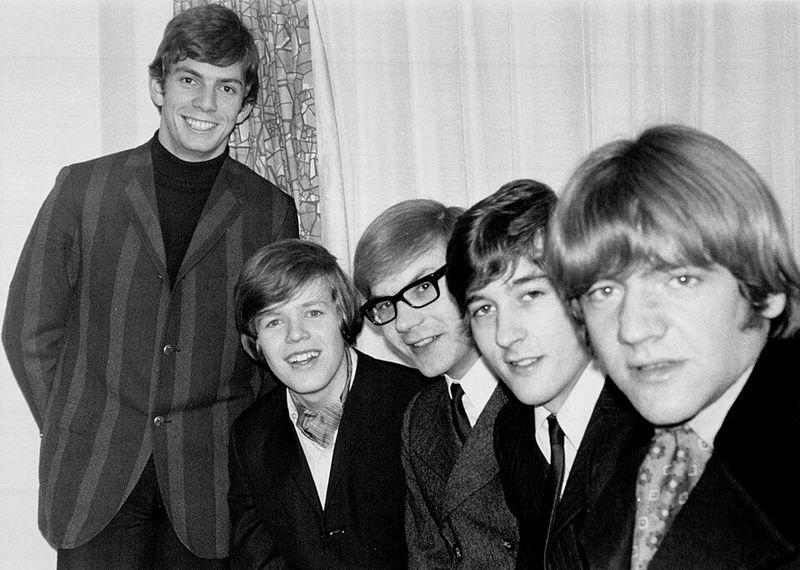
Herman’s Hermits took a music hall song from 1910 and turned it into a number one hit in July 1965, which is one of the stranger success stories of the entire British Invasion. The original song had been a comedy number performed in British theaters, and the Hermits played it with the same cheerful, slightly absurd energy.
Peter Noone was only 17 years old when the song topped the American charts. His boyish looks and enthusiastic delivery made the group a favorite among younger teenage fans, particularly in the United States where the music hall tradition was largely unknown.
The song reportedly set a record at the time for the fastest climb to number one in American chart history, though that claim was disputed. Regardless, it spent two weeks at the top and became one of the most-played songs of that summer.
It demonstrated that novelty and charm could be just as effective as musical sophistication in the 1965 pop market.
12. A World of Our Own – The Seekers
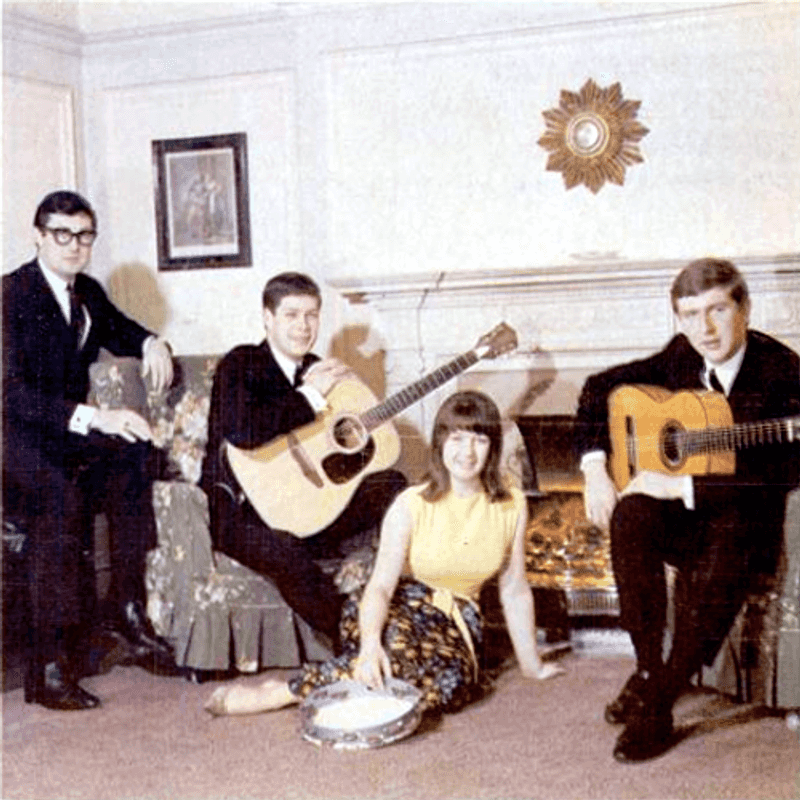
Australia’s contribution to the 1965 pop landscape came partly through The Seekers, a folk-pop group whose clean harmonies and acoustic sound offered a distinct alternative to the electric rock dominating radio. “A World of Our Own” reached number 19 in the United States but performed significantly better in the United Kingdom, where it hit number three.
Judith Durham’s voice was the group’s most identifiable feature, precise and warm in equal measure. The song was written by Tom Springfield, brother of Dusty Springfield, who had an instinctive feel for the kind of melody that stuck with listeners after a single play.
The Seekers occupied an interesting space in 1965 pop culture, appealing to listeners who found the harder British Invasion acts too abrasive but still wanted something contemporary. Their success in the UK market that summer was part of a broader moment when acoustic-leaning pop briefly held its own against the rising tide of electric rock.
13. Papa’s Got a Brand New Bag – James Brown
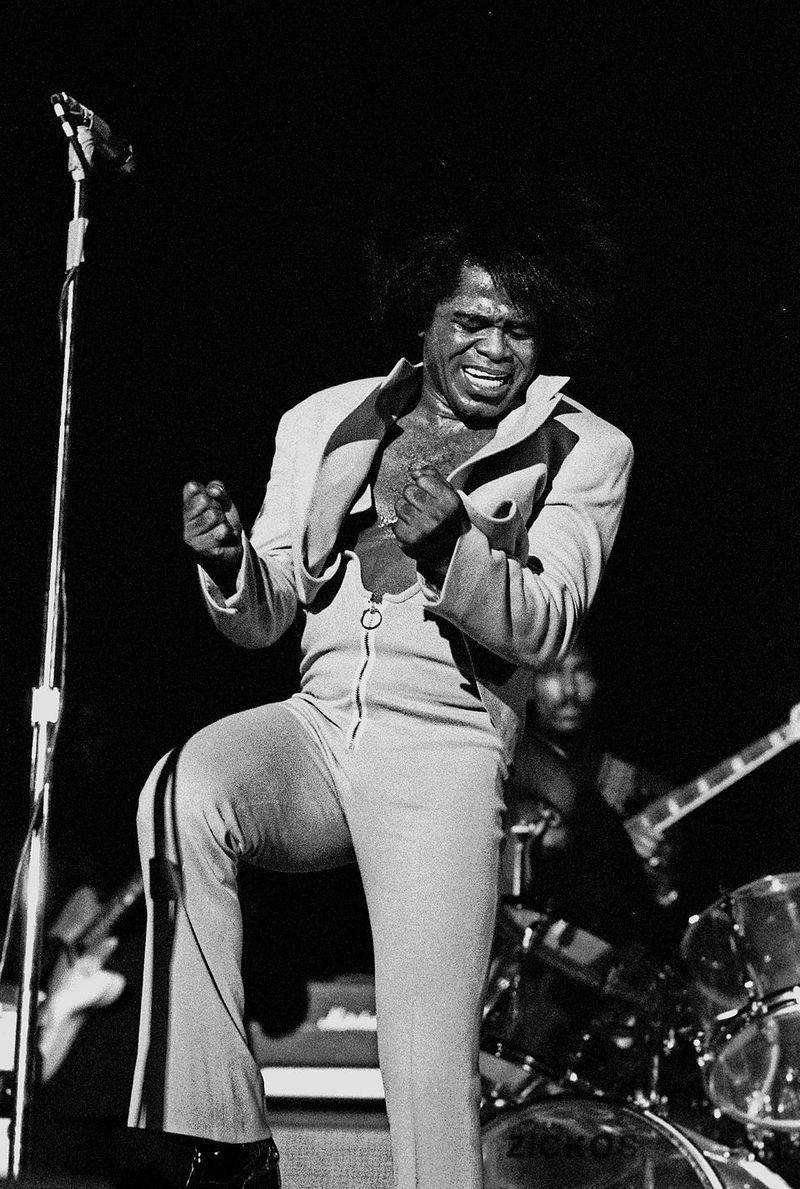
James Brown recorded this track in a single session in February 1965, and by the time summer arrived it was reshaping how rhythm and blues was made. The song reached number eight on the Billboard Hot 100 and hit number one on the R&B chart, where it stayed for eight weeks.
What made it genuinely different from anything else on the radio was its rhythmic structure. Brown shifted the emphasis to the first beat of each measure rather than the second and fourth, which was the standard approach in R&B at the time.
That change, subtle on paper, created a harder, more percussive feel that musicians would spend the next decade trying to understand and replicate.
The song is widely credited as one of the founding documents of funk music. Brown was 32 at the time and had already been recording for nearly a decade, but this track marked a clear turning point in his artistic direction and in the broader trajectory of Black American popular music.
Share this story