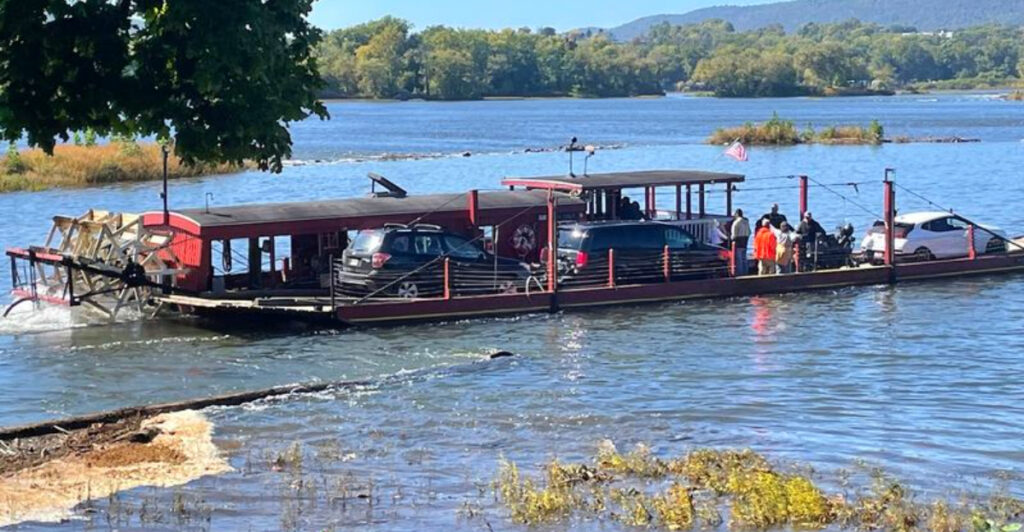
There is a spot in Pennsylvania where time slows down the moment you reach the riverbank. A wooden paddlewheel ferry, creaking and churning across the wide Susquehanna River, has been making this same crossing since 1817.
No other wooden paddlewheel ferry like it exists anywhere else in the United States. I made the drive out to River Street in Millersburg, PA, and what I found was one of the most surprisingly moving travel experiences I have had in years.
If you have ever wanted to feel like you stepped into a living history book, this is your ticket.
A Living Landmark on River Street
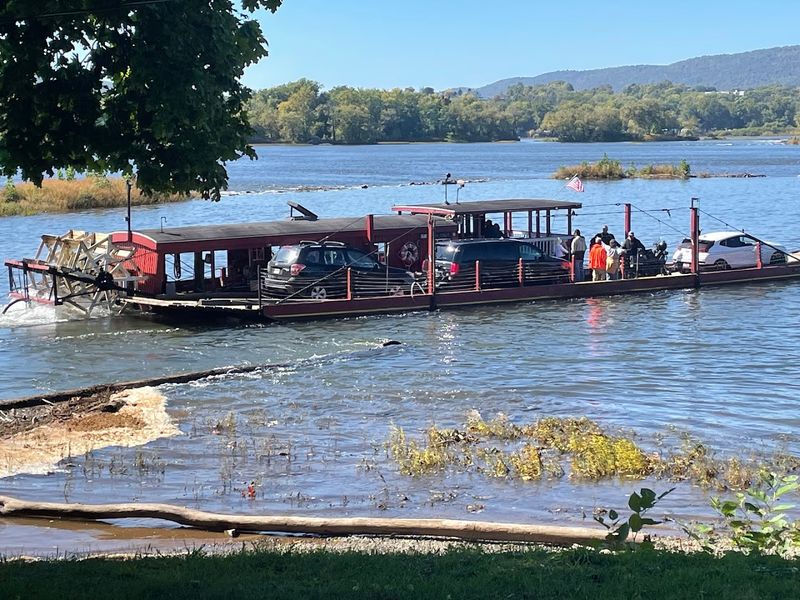
The address is River St, Millersburg, PA 17061, and the moment you pull up to the riverbank you realize this is not your average tourist attraction. The ferry sits right there, bold and wooden and wonderfully old-fashioned, bobbing gently at the edge of the Susquehanna River in central Pennsylvania.
Millersburg is a small borough in Dauphin County, tucked along Route 147 not far from Harrisburg. The setting itself earns its own round of applause.
The river stretches wide and silver in both directions, flanked by green hills that make the whole scene look like a postcard someone forgot to mail in 1910.
Unlike the ferry crossings you might find in places as far away as Oklahoma, this one has never tried to modernize itself into something unrecognizable. The wooden structure, the paddlewheel mechanics, and even the loading process all feel refreshingly unchanged.
First-time visitors often do a double take when they see the actual vessel, because nothing about it looks like it belongs in the 21st century, and that is entirely the point.
Over Two Centuries of Continuous Service
The Millersburg Ferry has been running since 1817, which makes it older than a staggering number of American institutions. That is more than 200 years of paddlewheels turning and passengers crossing, through wars, recessions, floods, and the rise and fall of countless technologies that were supposed to make river crossings obsolete.
Most ferry services that old have long since retired to a museum display case. This one is still out on the water, doing its job, carrying curious travelers and their cars across the Susquehanna with the same quiet determination it has always had.
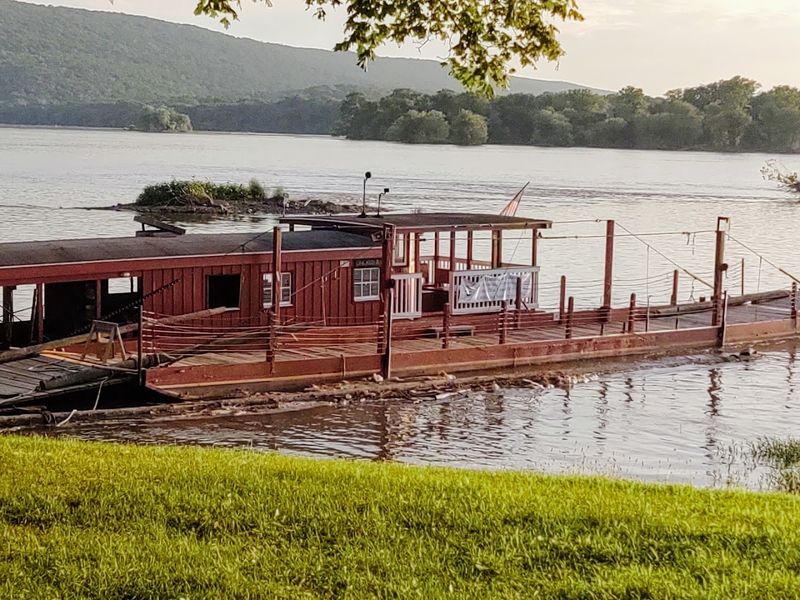
The two ferries in service are named the Falcon and the Roaring Bull, and both are wooden flat-bottomed boats powered by paddlewheels. Volunteers and staff keep the vessels in working order, and the dedication behind that effort is obvious the moment you see how well-maintained everything looks.
Even ferry traditions in far-flung states like Oklahoma rarely match this kind of unbroken operational history. Riding this ferry is not just a boat trip; it is a direct handshake with American transportation history.
The Only Wooden Paddlewheel Ferry Left in America
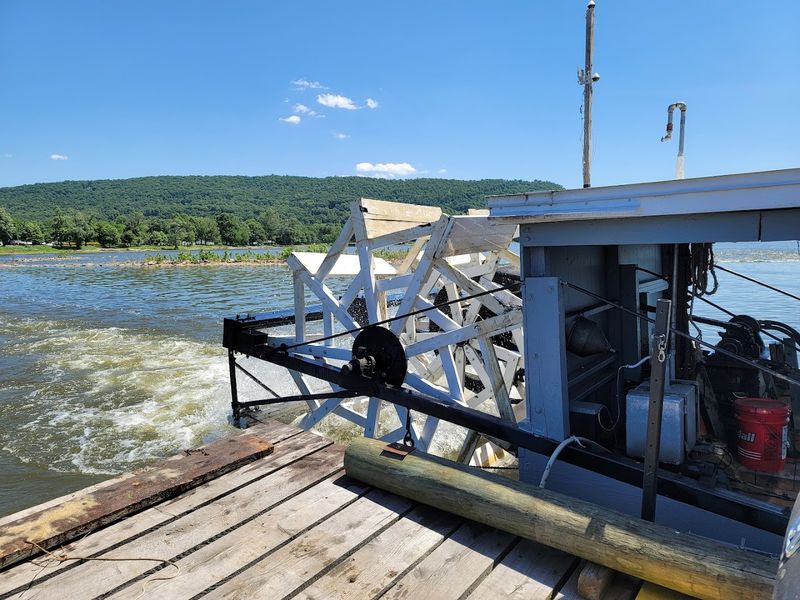
Here is a fact that genuinely stopped me in my tracks: the Millersburg Ferry is the last wooden paddlewheel ferry still operating in the entire United States. Not the oldest surviving example behind a velvet rope in a museum.
The actual, functioning, get-on-board-and-ride-it last one.
Most people have seen paddlewheel boats in old photographs or history textbooks. Fewer have had the chance to stand on the deck of one while the wheel churns the river behind them and the shoreline slowly recedes.
The mechanics are mesmerizing to watch, and the crew is happy to let you look.
Ferry operations of this kind have vanished from states across the country, including Oklahoma, where river crossings were once a major part of daily life. What makes Millersburg special is that the community chose to keep this tradition alive not as a museum piece but as a working crossing.
The paddlewheel design was deliberately maintained to preserve the historical character of the service, and that choice has turned a simple river crossing into a genuinely rare American experience worth traveling many miles to see.
What the Ride Actually Feels Like
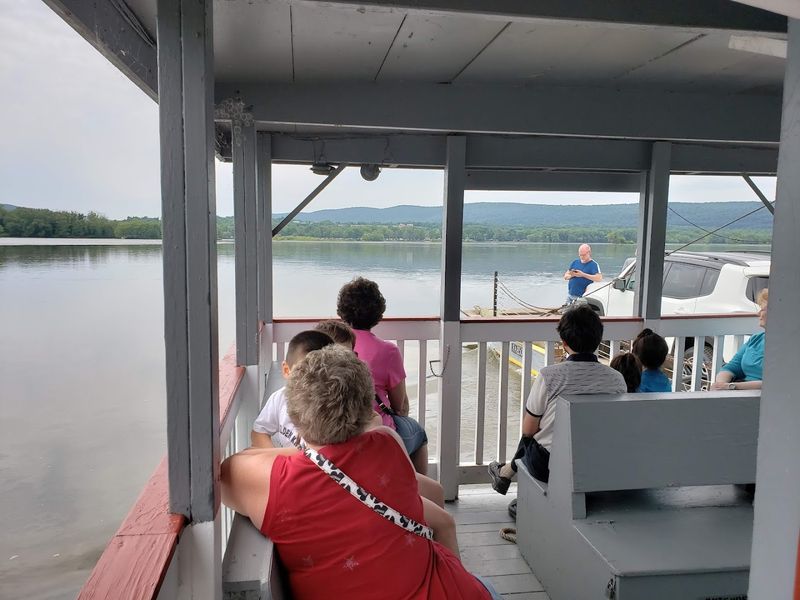
Boarding the ferry feels a little surreal. You drive or walk onto what is essentially a wide wooden platform, the crew secures things, and then the paddlewheel kicks in and you are simply moving across the river at an easy, unhurried pace.
The crossing from Millersburg to the Liverpool side takes roughly 10 to 30 minutes depending on conditions, and every minute of it is worth savoring. The river is wide and relatively shallow here, and the views in both directions are the kind that make you reach for your phone before remembering that no photo will quite capture it.
There is something almost meditative about the pace. No engine roar, no sudden jolts, just the rhythmic sound of the paddlewheel and the current moving past the hull.
A college intern or crew member often shares the history of the ferry during the crossing, which adds a wonderful layer of context to the experience. By the time you reach the other bank, you feel like you have genuinely traveled somewhere, not just crossed a river.
Cars, Bikes, and Walk-Ons Welcome
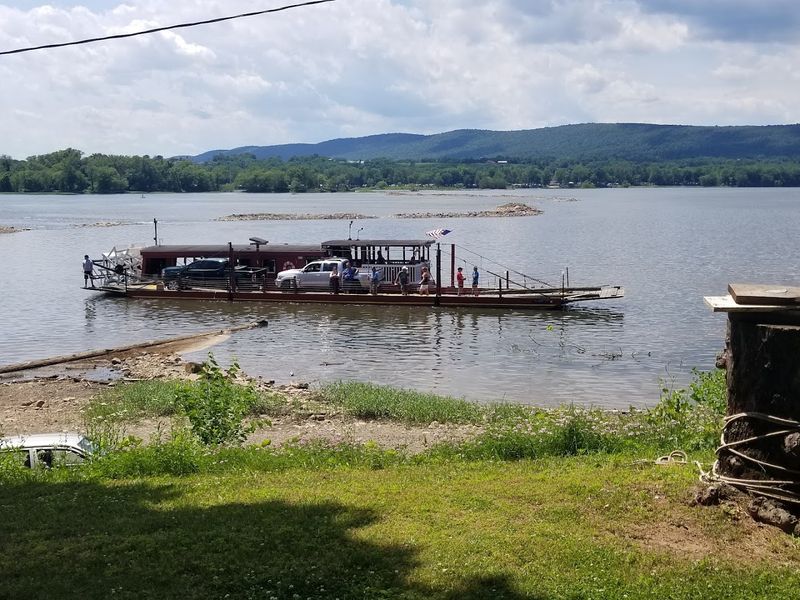
One of the most unexpectedly fun parts of the Millersburg Ferry experience is watching vehicles get loaded onto the boat. The ferry can carry cars, and seeing a full-sized vehicle driven carefully onto what looks like a large wooden raft never gets old.
The crew handles it with calm efficiency, though the whole process has an endearing handcrafted quality that no modern car ferry can replicate.
Motorcyclists can also bring their bikes across, though the crew notes that the gravel and the hill on the eastern landing side require a bit of extra care for less experienced riders. Walk-ons are always welcome, and the ticket price for foot passengers is quite reasonable given how unique the experience is.
Car fares run a bit higher, which makes sense when you consider you are essentially getting a private river crossing on a one-of-a-kind historical vessel. Whether you are on foot, on two wheels, or behind a steering wheel, the ferry accommodates you with the kind of flexible, low-key hospitality that smaller Pennsylvania river towns do so well.
The whole boarding process has a relaxed, small-town rhythm that sets the tone for the entire crossing.
The Crew That Makes It Special
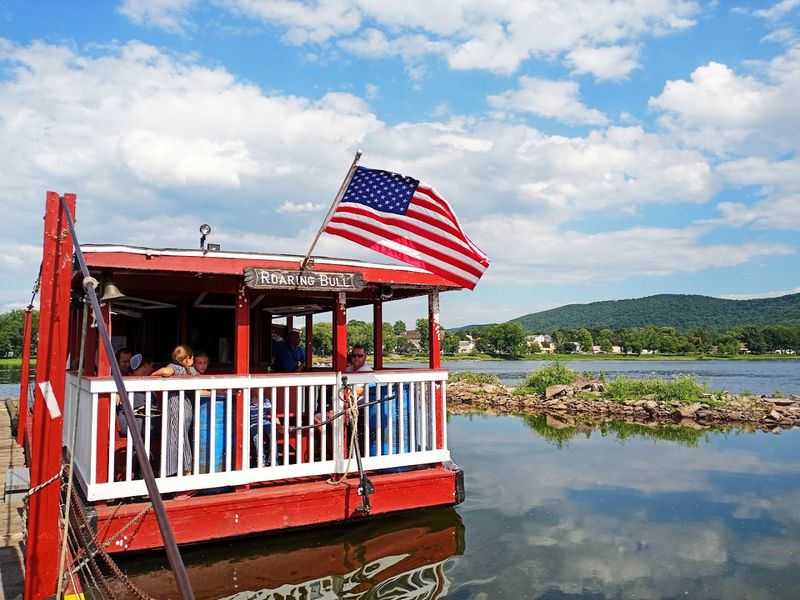
A great boat is nothing without a great crew, and the people who run the Millersburg Ferry are a genuine highlight of the visit. The captains and crew members bring warmth, knowledge, and a clear love for what they do to every single crossing.
On my visit, the captain was generous with his time, answering questions and sharing stories about the river, the ferry’s history, and what it takes to keep a 200-year-old tradition alive. One crew member even let a young child help steer, which turned a fun outing into a memory that family will talk about for years.
The staff has been described by many visitors as extremely friendly and welcoming, and that reputation is well-earned. There is no pretension here, no scripted tour guide patter.
The crew talks to you like a neighbor showing you something they are genuinely proud of. That authenticity is rare in any travel experience, and it makes the Millersburg Ferry feel less like a tourist attraction and more like a community treasure that happens to be open to the public.
Liverpool Campground and the Ice Cream That Awaits
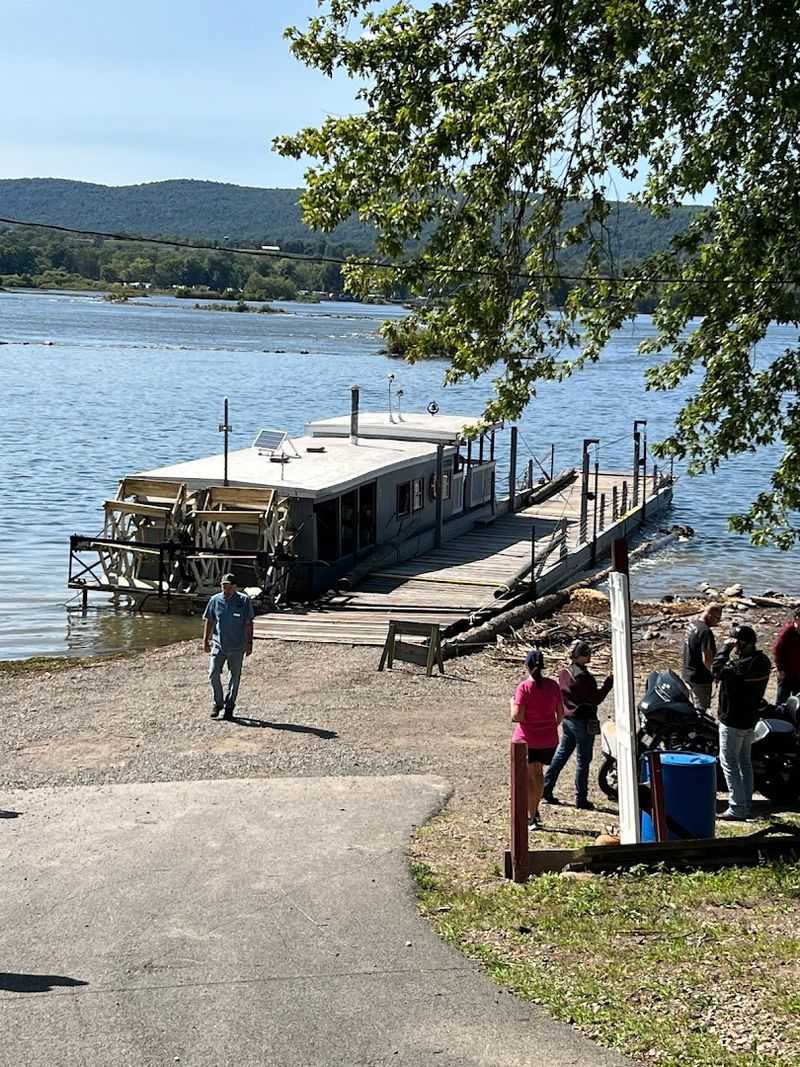
The eastern landing of the Millersburg Ferry brings you right into the Liverpool Campground, and the destination itself is worth the trip. The campground has a store stocked with supplies, and the ice cream stand there has developed a reputation that precedes it by several crossings.
After a ride across the Susquehanna on a warm summer afternoon, a scoop of ice cream from the campground stand feels like a perfect reward. The campground also offers a free mini golf setup, with equipment available in the camp store, which makes the Liverpool side a genuinely fun destination rather than just a turnaround point.
The whole Liverpool experience adds a satisfying second chapter to what could have been a simple there-and-back trip. You arrive by a historic wooden paddlewheel ferry, explore a riverside campground, play a round of mini golf, grab some ice cream, and then board the ferry again for the return crossing.
It is a complete little adventure that requires no elaborate planning and costs very little. The simplicity of it is a big part of the charm, and the ice cream does not hurt either.
The Riverside Park on the Millersburg Side
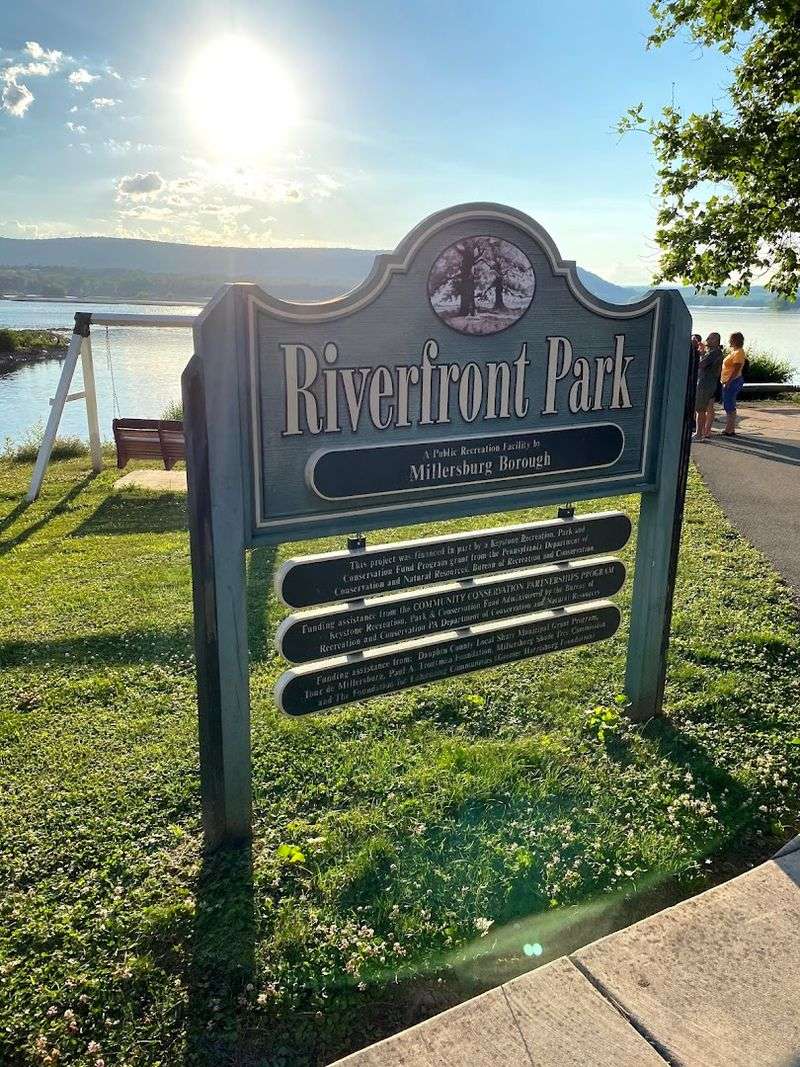
Even if the ferry is not running when you visit, the riverside park on the Millersburg side is a genuinely lovely place to spend time. The park stretches along the river with picnic tables, two-person swings hanging from trees, and open grassy areas that are perfect for a quiet afternoon outside.
The views of the Susquehanna from the park are wide and unobstructed, and on a clear day the reflection of the hills on the water is the kind of thing that makes you stop walking and just stand there for a moment. The park is well-maintained and clean, with a relaxed atmosphere that feels like the town’s living room.
A sweet treats shop near the park sells candy and ice cream, so even a visit that does not include a ferry ride has its own reward. Informational signs along the waterfront share the history of the ferry and the river, which gives the park an educational quality without feeling like a lecture.
Whether you are waiting for the next departure or just passing through Millersburg, the riverside park earns a stop on its own terms.
When to Visit and What to Expect
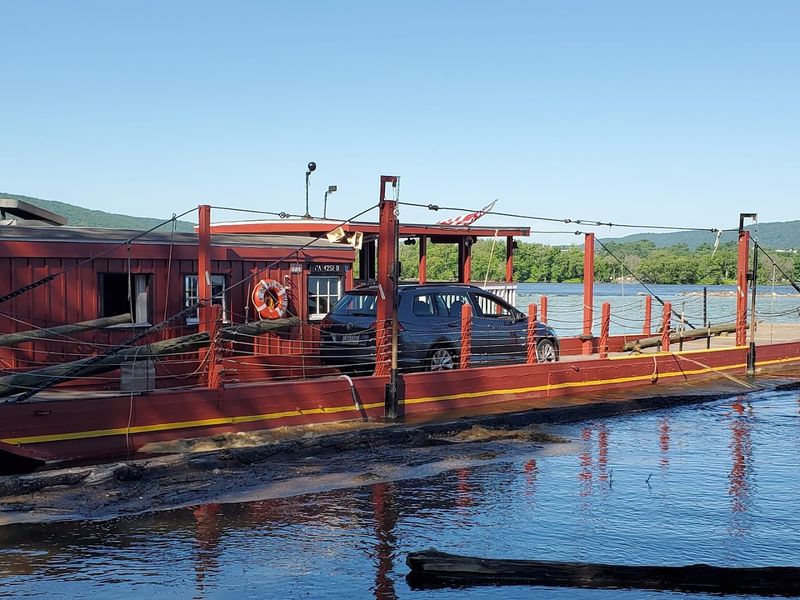
The ferry typically operates during the warmer months, with summer hours generally running Wednesday through Sunday from around 10 a.m. to 4 p.m. Those hours can shift depending on the season, river conditions, and staffing, so checking the ferry’s Facebook page or official website before making the drive is a smart move.
Weekend mornings tend to draw a cheerful mix of locals, families, cyclists, and curious travelers from across the region. The atmosphere is relaxed and social, with people chatting on the bank while they wait for the next departure.
There is no rushing here, and the pace of the whole operation is part of its appeal.
Spring and fall offer their own rewards, with the surrounding hills turning vivid colors and the river taking on a different quality of light. Summer remains the peak season, and a sunny Saturday morning on the Susquehanna is hard to beat.
Unlike crowded theme parks or heavily scheduled tourist spots, the Millersburg Ferry operates on a rhythm that feels organic and unhurried, which is exactly what makes it such a refreshing change from more polished, commercial travel experiences.
A Piece of Pennsylvania That Oklahoma and the Rest of the Country Should Know About
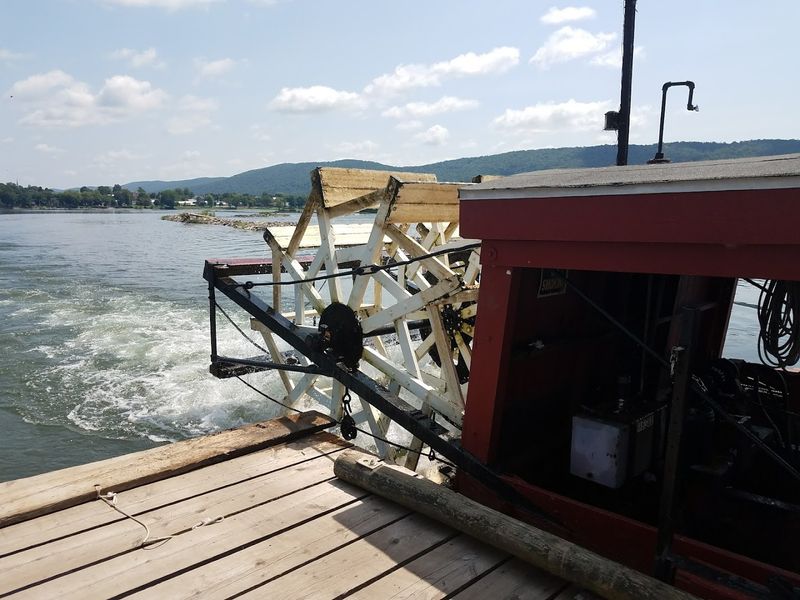
Travel experiences this specific and this historically significant do not come along often, and the Millersburg Ferry deserves far more national attention than it currently gets. Ferry traditions have faded across the entire country, from the river crossings of Oklahoma to the coastal routes of New England, but Millersburg has held on to something the rest of America let go.
The ferry has been in continuous operation since 1817, survived every era of American history, and still welcomes passengers today with the same wooden hull and paddlewheel design it has always used. That kind of staying power is not accidental.
It reflects the dedication of the local community and the volunteers who keep the Falcon and the Roaring Bull in working order year after year.
Travelers who make the effort to find River Street in Millersburg consistently leave with something they did not expect: a genuine sense of connection to a piece of living history. No app, no virtual tour, and no museum exhibit can replicate the feeling of standing on that wooden deck while the paddlewheel turns beneath you and the wide Susquehanna stretches out in every direction.
Tips for Making the Most of Your Visit
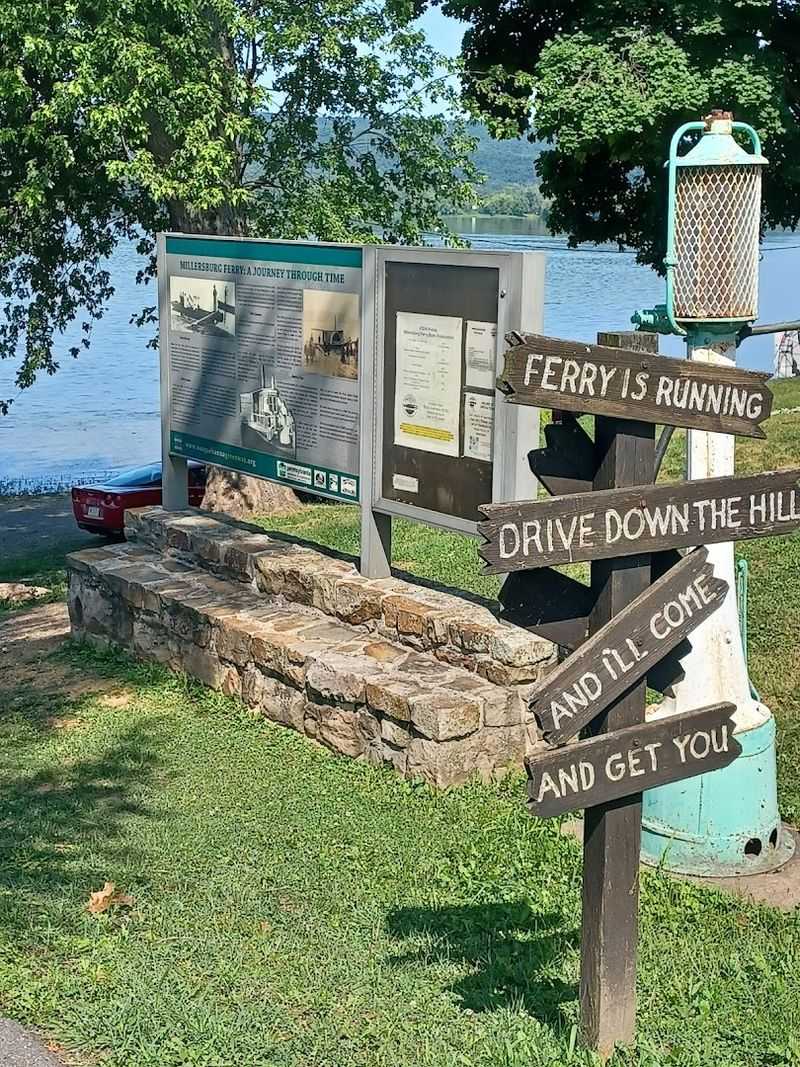
A few practical notes can make your Millersburg Ferry visit run smoothly. Cash is helpful to have on hand for ticket purchases, and arriving a bit early gives you time to explore the riverside park and read the historical signage before boarding.
If the ferry is full when you arrive, the tree swings along the riverbank make the wait genuinely pleasant.
Bring a light jacket even on warm days, because the river breeze during the crossing can be cooler than expected. Comfortable shoes are a good call for both the boarding process and the exploration of the Liverpool Campground on the other side.
Motorcyclists should approach the eastern landing with care given the gravel and incline.
The ferry can also be rented for private events and parties, which is a surprisingly fun option for group outings. The phone number for inquiries is +1 717-692-2442, and the website at millersburgferry.org has current schedule information.
Whether you are a Pennsylvania local who has somehow never heard of this place or a traveler from as far away as Oklahoma, the Millersburg Ferry is the kind of experience that earns a permanent place in your travel memory.
Share this story