Before Moon landings captured the world’s attention, America’s space program was built in testing grounds, launch sites, and research labs scattered across the country. Engineers, scientists, and pilots worked behind the scenes in deserts, coastal facilities, and small towns to turn space travel from science fiction into reality.
Some of these locations are now major museums filled with historic spacecraft, while others remain quiet reminders of where groundbreaking innovation first took shape. These 12 sites offer a fascinating look at the places where the Space Race truly happened.
1. Kennedy Space Center, Florida
Few places on Earth carry the weight of history the way this stretch of Florida coastline does. Kennedy Space Center has been the launch point for some of the most consequential missions ever attempted, from the Apollo Moon landings to the Space Shuttle program.
Established as NASA’s primary human spaceflight launch facility in the early 1960s, it sits on Merritt Island and covers roughly 144,000 acres. The Visitor Complex lets the public get remarkably close to the real hardware, including an actual Saturn V rocket laid horizontally in a dedicated exhibit hall.
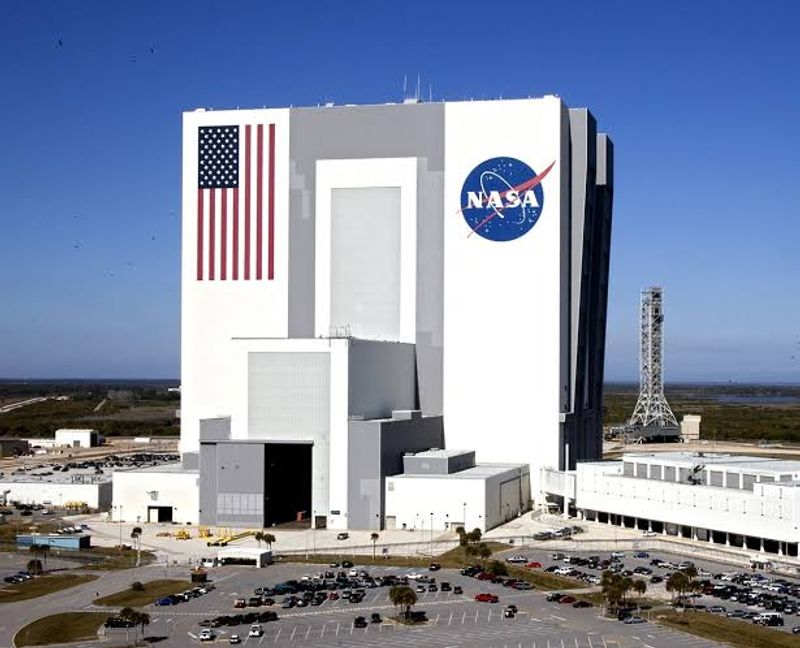
Astronaut encounter programs, IMAX films, and bus tours to active launch areas make this one of the most interactive space history experiences in the country. The Vehicle Assembly Building, one of the largest structures in the world by volume, towers over the landscape as a constant reminder of the ambition that defined this era.
A visit here is genuinely hard to forget.
2. Johnson Space Center, Texas
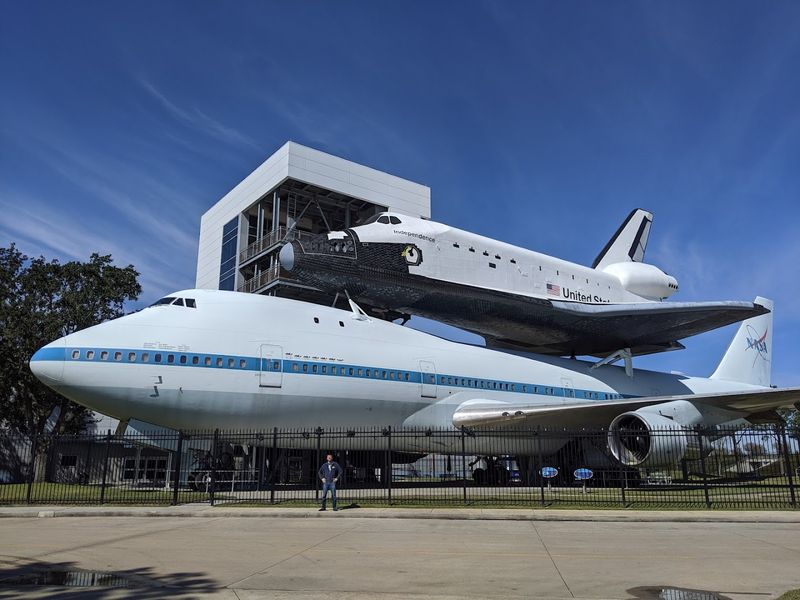
Houston, we have a museum. Johnson Space Center in Houston, Texas, is where NASA’s human spaceflight operations have been managed since the early 1960s, and it remains one of the most historically significant facilities in the entire space program.
Originally called the Manned Spacecraft Center when it opened in 1961, JSC became the nerve center for every crewed NASA mission from Gemini 4 onward. Astronaut training, mission planning, and flight control all happen here.
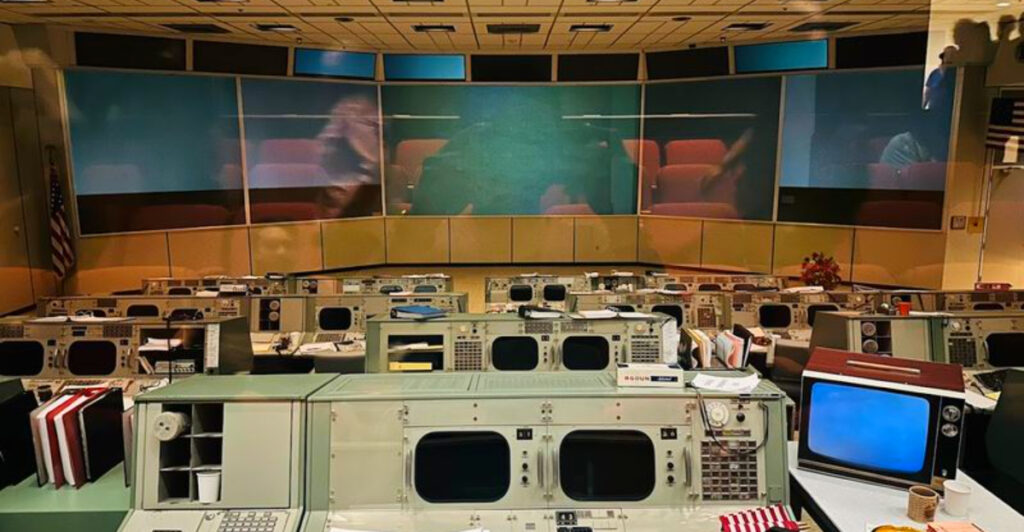
The historic Mission Control room, preserved exactly as it looked during the Apollo era, is one of the most recognized interiors in American history.
Space Center Houston, the public visitor facility attached to JSC, offers tram tours that pass by active NASA buildings, giving visitors a genuine look at a working space agency. The center also houses spacecraft, spacesuits, and lunar samples.
For anyone curious about how astronauts actually prepare for space, this is the place that answers those questions directly.
3. Cape Canaveral Space Force Station, Florida
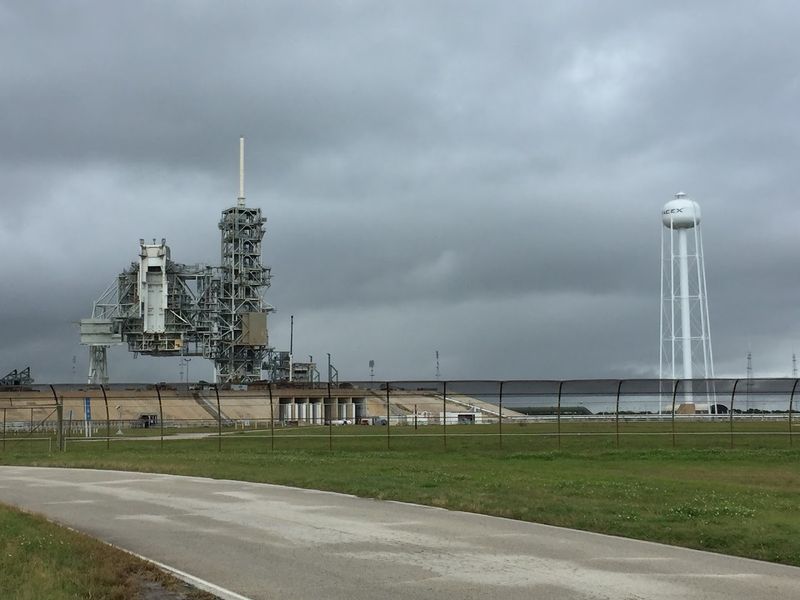
Long before Kennedy Space Center existed next door, Cape Canaveral was already launching rockets into the sky and rewriting the rules of what was possible. This barrier island on Florida’s Atlantic coast became America’s primary launch corridor in the early 1950s, chosen for its location over open ocean and its proximity to the equator.
Launch Complex 26 holds a particularly important place in history as the site where Explorer 1, America’s first successful satellite, lifted off in January 1958. That single launch directly answered the Soviet Union’s Sputnik challenge and officially kicked the Space Race into high gear.
The Air Force Space and Missile Museum, located on the station grounds, preserves dozens of early rockets and missiles at their original launch sites. Because it sits on an active military installation, access requires advance planning, but the experience of standing next to the actual hardware at the actual launchpads is unlike anything a standard museum can replicate.
History is literally underfoot here.
4. U.S. Space & Rocket Center, Alabama
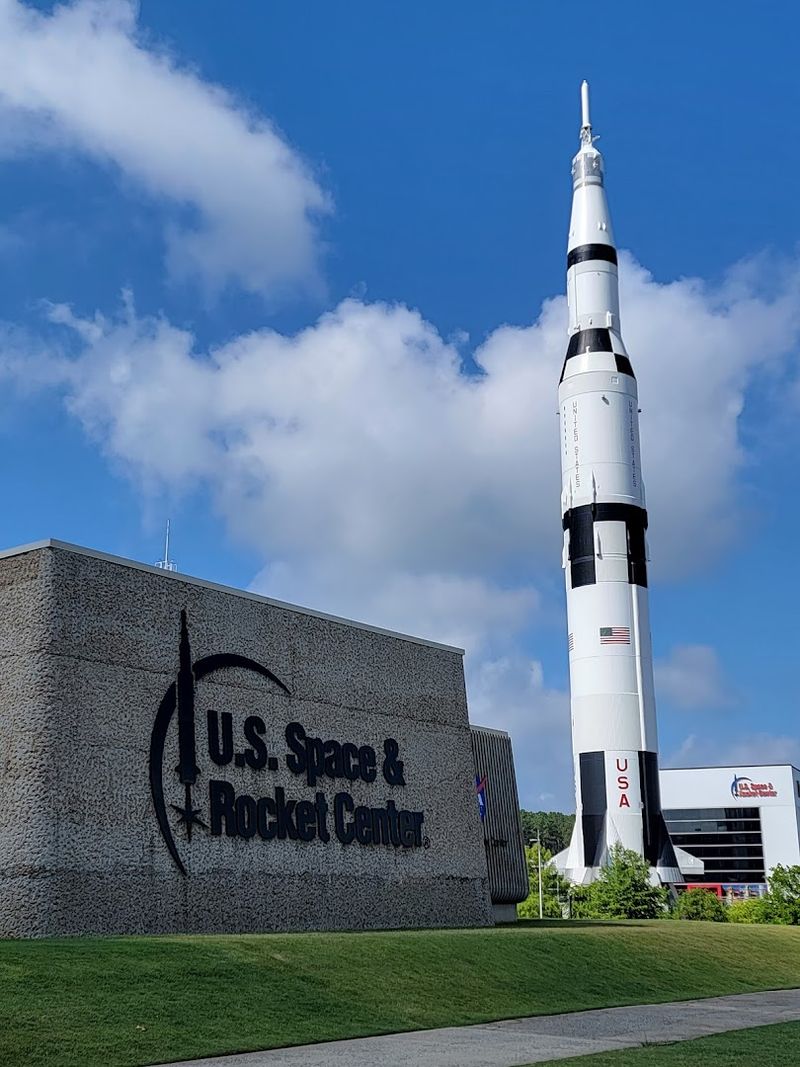
Huntsville, Alabama, might not be the first city that comes to mind when you think of rocket science, but the U.S. Space and Rocket Center makes a very convincing argument that it should be.
Opened in 1970 as the official visitor center for NASA’s Marshall Space Flight Center, this museum holds one of the largest collections of space and rocket hardware anywhere in the world.
The centerpiece is a vertically displayed Saturn V rocket, the same type that carried Apollo crews to the Moon, which stands outside the main building and stops visitors in their tracks the moment they arrive. Inside, the exhibits cover everything from early German rocket research to the development of the Space Shuttle Main Engine.
The center is also home to Space Camp, the legendary program that has inspired generations of young people to pursue careers in science and engineering since 1982. Whether you are eight years old or eighty, the scale of the hardware on display here makes the ambition of the Space Race feel very real and very close.
5. White Sands Missile Range, New Mexico
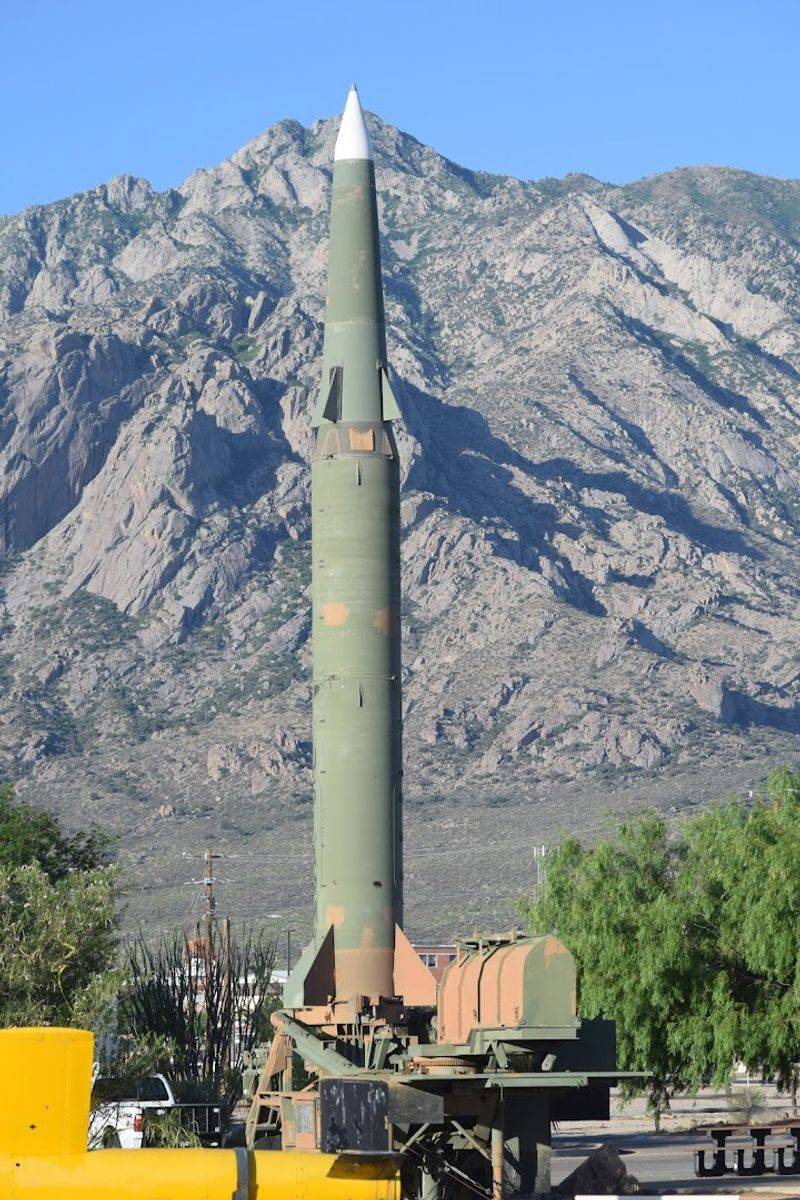
Out in the New Mexico desert, far from the coast and far from the crowds, the story of American rocketry actually begins. White Sands Missile Range was established in 1945, and its remote location made it the ideal testing ground for the captured German V-2 rockets that American scientists were racing to understand after World War II.
Those early tests at White Sands were the foundation on which everything else was built. The research conducted here directly fed into the Redstone rocket program, which in turn powered the first American astronauts into space during Project Mercury.
The range is sometimes called the birthplace of the American space program, and the claim is not an exaggeration.
The White Sands Missile Range Museum, open to the public on weekdays, displays over 50 missiles and rockets in an outdoor missile park. The collection includes a genuine V-2 rocket, making it one of the few places in the country where you can stand next to the hardware that started it all.
Getting there requires some planning, but the history is worth every mile.
6. Cosmosphere Space Museum, Kansas
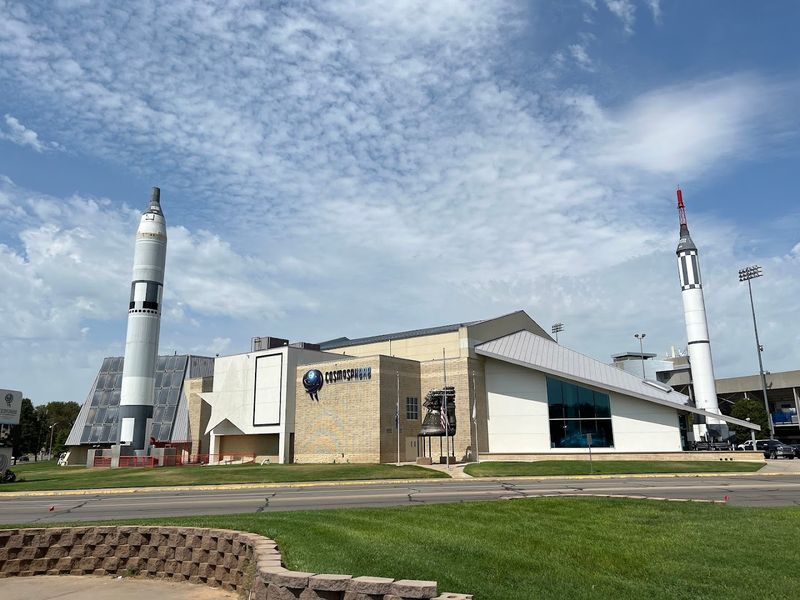
Kansas is landlocked, far from any launch site, and not exactly the first state that comes up in Space Race conversations. That makes the Cosmosphere in Hutchinson one of the most genuinely surprising museums in the entire country.
The collection here is extraordinary by any measure. The Cosmosphere holds the largest collection of U.S. and Soviet space artifacts outside of Washington D.C., including the actual Liberty Bell 7 Mercury capsule that astronaut Gus Grissom flew in 1961 and which sat on the ocean floor for 38 years before being recovered.
That capsule alone would justify a visit.
The museum also operates a conservation lab that has restored spacecraft for the Smithsonian and other major institutions, meaning the staff here genuinely knows this hardware inside and out. Exhibits cover the full arc of the Space Race from both the American and Soviet sides, giving visitors a more complete picture than most space museums provide.
The Cosmosphere punches well above its weight, and space history enthusiasts consistently rate it among the best facilities in the nation.
7. Launch Complex 34, Florida
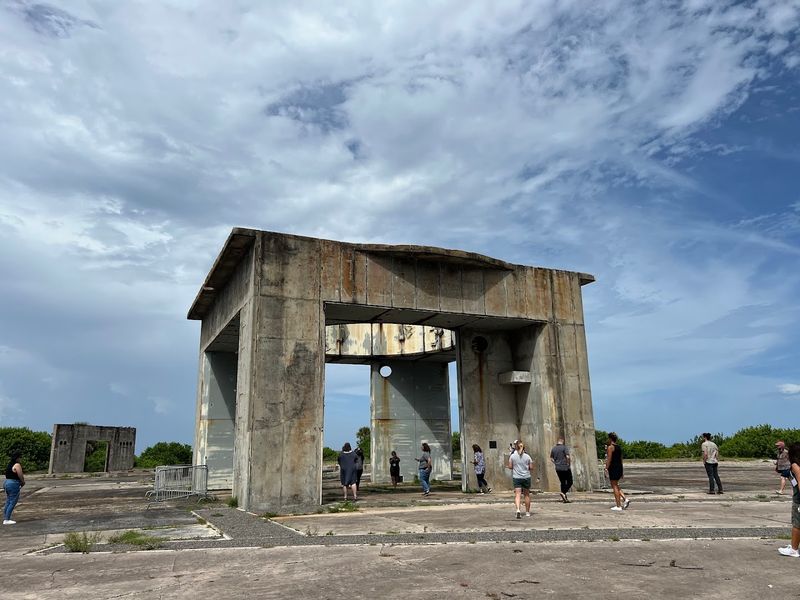
Most historic sites celebrate triumphs. Launch Complex 34 at Cape Canaveral exists to honor a tragedy and to ensure it is never forgotten.
This is the launchpad where the Apollo 1 crew, astronauts Gus Grissom, Ed White, and Roger Chaffee, lost their lives during a launch rehearsal test on January 27, 1967.
The fire that swept through the capsule that evening changed the course of the Apollo program and led to fundamental redesigns of the spacecraft and its safety systems. The improvements made in the aftermath of Apollo 1 are widely credited with making the subsequent Moon landings possible.
Today, the launch pad stands largely in ruins, preserved as a memorial. A plaque at the site carries the names of the three astronauts and a simple phrase that says it all: “They gave their lives in service to their country.” Access to the pad is limited and typically available through special tours.
Standing there is a quiet, sobering experience that puts the cost and courage of the Space Race into sharp perspective.
8. Goddard Space Flight Center Visitor Center, Maryland
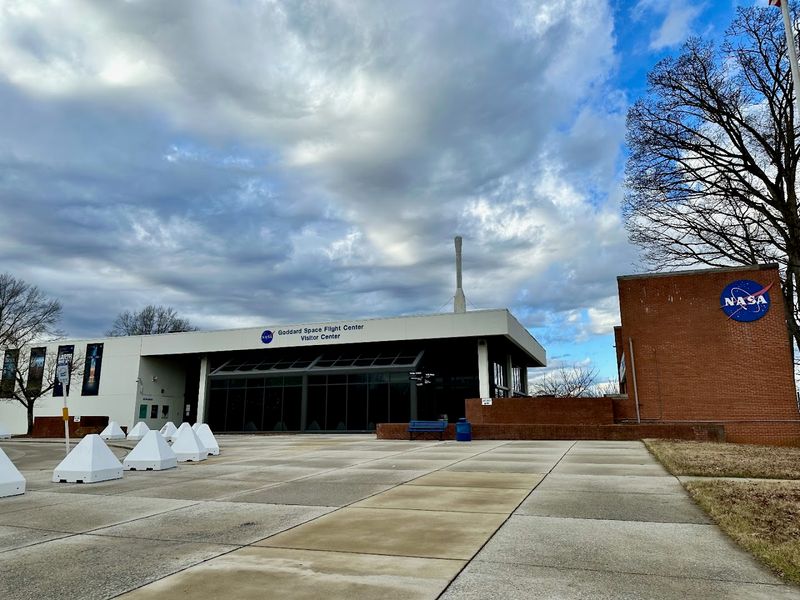
Named after Robert H. Goddard, the American pioneer who launched the world’s first liquid-fueled rocket in 1926, the Goddard Space Flight Center in Greenbelt, Maryland, was NASA’s very first space flight center, established on May 1, 1959.
Goddard has been involved in the design and operation of scientific spacecraft since the earliest days of the agency. The center contributed to Project Mercury, America’s first human spaceflight program, and has since become one of the world’s leading laboratories for uncrewed scientific missions and Earth observation satellites.
The public visitor center, open on select days and free of charge, offers exhibits on current NASA science missions, scale models of spacecraft, and hands-on activities aimed at younger visitors. It is a smaller and quieter experience compared to the major space centers in Florida and Texas, but that is part of its appeal.
The focus here is on the science side of the space program, making it a natural complement to the more launch-focused sites on this list. Parking is free and the staff is genuinely enthusiastic about what they do.
9. Space Center Houston’s Mission Control, Texas
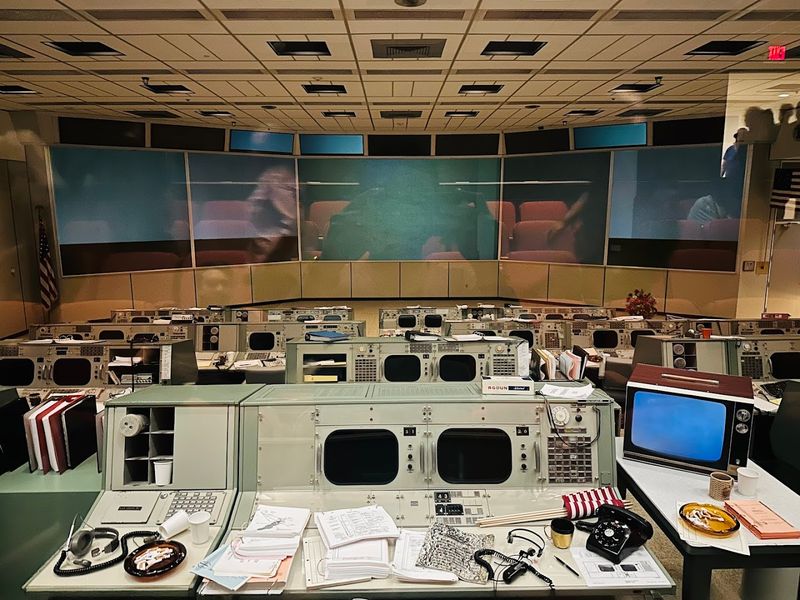
There is one room in American history where the words “Houston, we have a problem” actually meant something, and you can stand in it. The historic Mission Control Center at Space Center Houston, officially designated a National Historic Landmark in 1985, is preserved exactly as it appeared during the Apollo program, right down to the ashtrays on the consoles and the coffee cups on the desks.
Flight controllers sat in this room and guided Apollo 11 to the Moon’s surface in July 1969. They also worked through the crisis of Apollo 13 in 1970, improvising solutions in real time to bring a damaged spacecraft and its crew safely home.
The decisions made in this room changed history.
A full restoration completed in 2019 returned the room to its precise Apollo-era appearance, with working monitors and period-accurate details throughout. Tram tours from the Space Center Houston visitor complex provide access to the room.
Seeing it in person, rather than in photographs, gives the entire Space Race story a concrete, human dimension that no exhibit panel can fully convey.
10. The Saturn V Rocket at Huntsville, Alabama
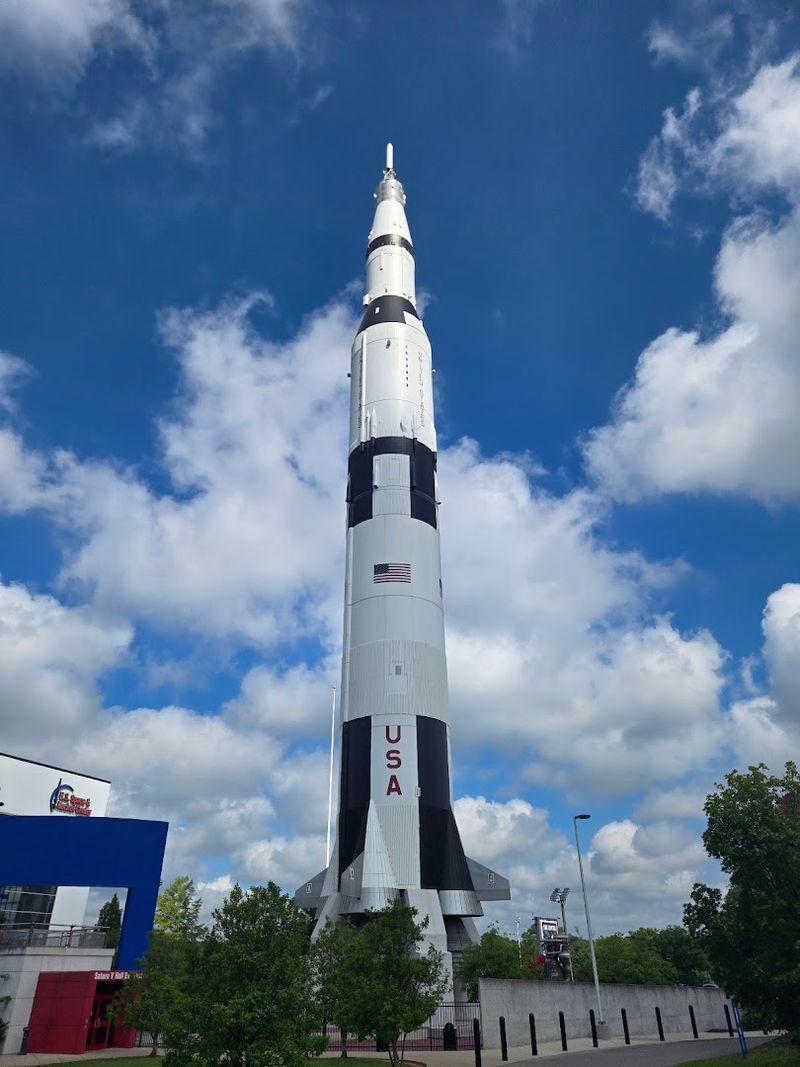
At 363 feet tall and weighing 6.2 million pounds fully fueled, the Saturn V remains the most powerful rocket ever successfully flown. The example on vertical display outside the U.S.
Space and Rocket Center in Huntsville is one of only three complete Saturn V rockets left in the world, and it is the only one displayed upright, the way it actually stood on the launchpad.
This particular rocket, designated SA-500F, was built as a facilities checkout vehicle and never flew to the Moon, but every component is authentic Saturn V hardware. Standing at the base and looking straight up gives a visceral sense of the engineering ambition behind the Apollo program that photographs simply cannot communicate.
The Huntsville Saturn V is especially significant because Marshall Space Flight Center, located nearby, is where the rocket was actually developed under the direction of Wernher von Braun and his team of engineers. The rocket and the city have a deep, intertwined history.
This is not just a display piece. It is a monument to what American engineering accomplished during one of the most competitive decades in history.
11. Mercury Redstone Launch Site, Florida
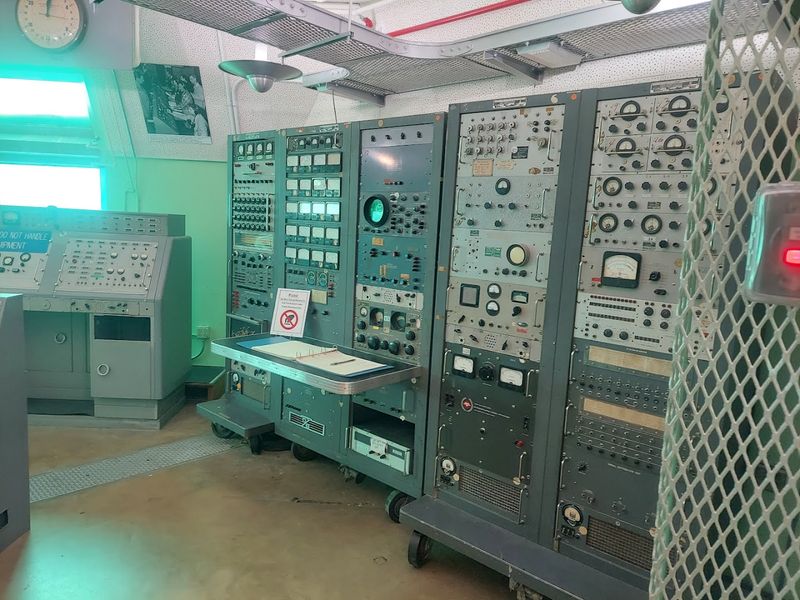
A small but historically enormous patch of Cape Canaveral holds the spot where America’s first human spaceflight program got off the ground, literally. Launch Complex 5 and 6 served as the launch sites for the early Project Mercury missions using Redstone rockets, including the flights that sent Alan Shepard and Gus Grissom on their suborbital trips in 1961.
Alan Shepard’s Freedom 7 mission on May 5, 1961, made him the first American in space, just 23 days after Soviet cosmonaut Yuri Gagarin had completed an orbital flight. The pressure on the American program at that moment was enormous, and Launch Complex 5 is where the answer came from.
The site is part of the Air Force Space and Missile Museum complex at Cape Canaveral Space Force Station. A restored gantry and a Mercury Redstone rocket replica mark the location today.
Because the site sits on an active military installation, advance registration is required for tours, but the experience of standing at the actual launchpad where American human spaceflight began is worth every bit of the effort involved.
12. The Strategic Air Command & Aerospace Museum, Nebraska
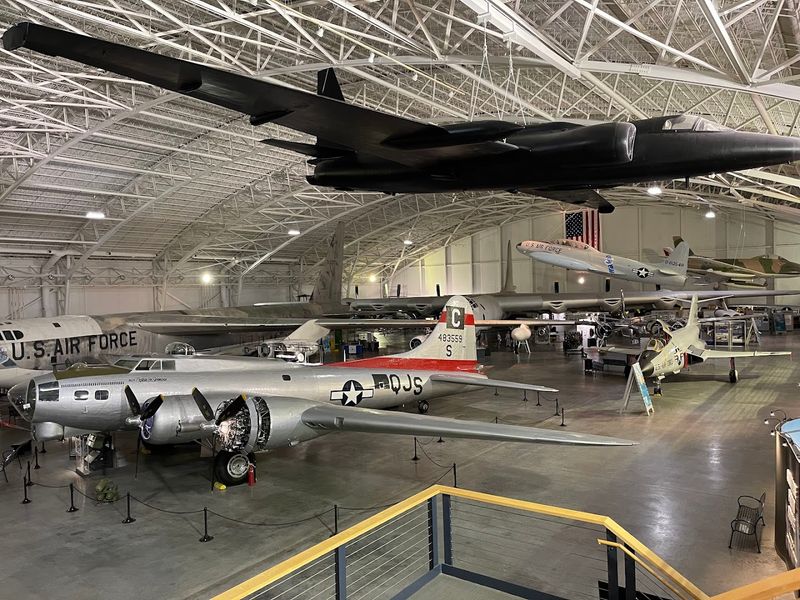
Nebraska is not typically on the Space Race itinerary, but the Strategic Air Command and Aerospace Museum in Ashland makes a genuinely compelling case for itself. The museum tells the story of how America’s military aerospace capabilities developed during the Cold War era, a story that runs directly parallel to the civilian space program and shares much of the same technology.
The SAC museum houses over 30 aircraft and missiles in two massive climate-controlled hangars, including early intercontinental ballistic missiles that were the direct technological cousins of the rockets used in Mercury and Gemini programs. The connection between military missile development and civilian spaceflight is one of the most important and underexplored threads in Space Race history, and this museum addresses it head-on.
Exhibits cover the full Cold War aerospace timeline, from the earliest jet aircraft through the nuclear deterrence era and into the space age. The collection is well-maintained and thoughtfully organized.
For visitors who want a broader context for why the Space Race happened and what was driving American aerospace investment during the 1950s and 1960s, this museum fills in critical parts of the picture that other space sites often overlook.
Share this story