Florida is one of those places that seems to have a magnet hidden somewhere, pulling millions of visitors every single summer. Theme parks, beaches, and springs all get absolutely packed once school lets out.
But here’s the secret the locals already know: visit before summer hits and you’ll feel like you have the whole state to yourself. I did exactly that last spring, and it honestly changed the way I travel forever.
1. Wekiwa Springs State Park, Apopka
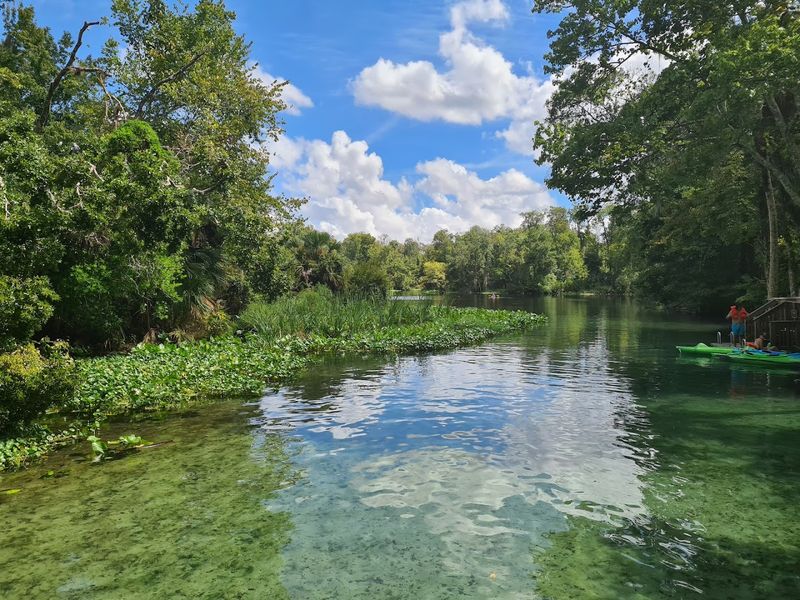
Picture stepping into water so clear you can count the fish swimming three feet below you, without a single stranger splashing nearby. That is Wekiwa Springs on a quiet spring morning, and it feels almost unfairly magical.
During summer, the swimming area fills up faster than a theme park ride. But arrive in March or April and you might share the spring with just a handful of kayakers and a curious turtle or two.
The park sits just outside Orlando, which makes it a surprisingly easy escape from the city chaos. Hiking trails wind through longleaf pine forests where deer graze without a care in the world.
Bring a canoe or rent one on-site to paddle the Wekiva River at your own slow, blissful pace. Honestly, the hardest part is convincing yourself to leave.
2. Ichetucknee Springs State Park, Fort White
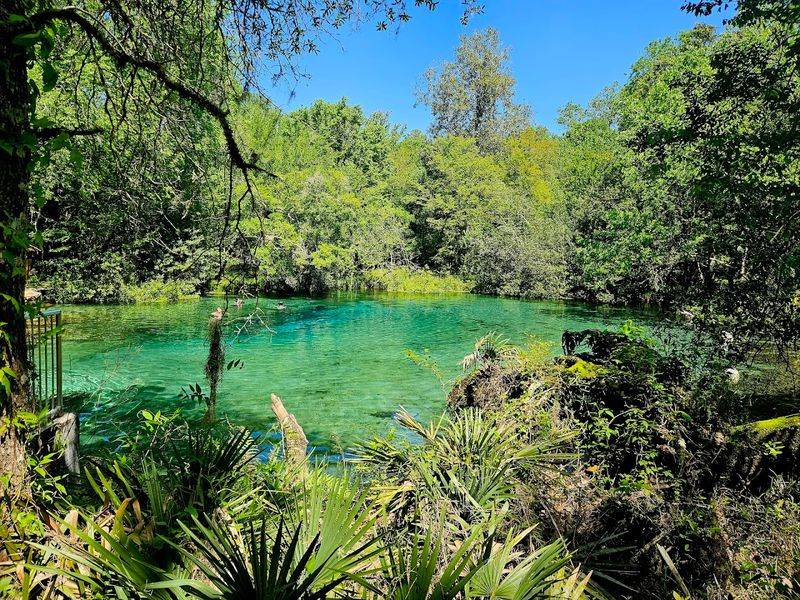
Tubing down the Ichetucknee River in summer means floating shoulder-to-shoulder with hundreds of strangers while someone’s inflatable flamingo bumps into your head every thirty seconds. Not exactly the nature experience you were hoping for.
Go before Memorial Day weekend and the river transforms into something genuinely otherworldly. The water stays a constant 68 degrees year-round, which feels shockingly refreshing on a warm April afternoon.
The park limits daily tuber numbers even in peak season, but earlier visits mean shorter lines, quieter trails, and the very real possibility of spotting a manatee drifting lazily upstream. Nine distinct springs feed this river, and each one looks like it belongs on a postcard.
Pack a waterproof bag, wear sunscreen, and float slowly. There is absolutely no reason to rush when the scenery looks this good.
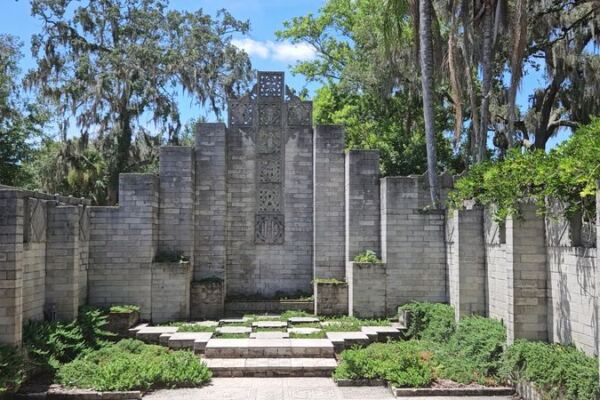
3. Washington Oaks Gardens State Park, Palm Coast
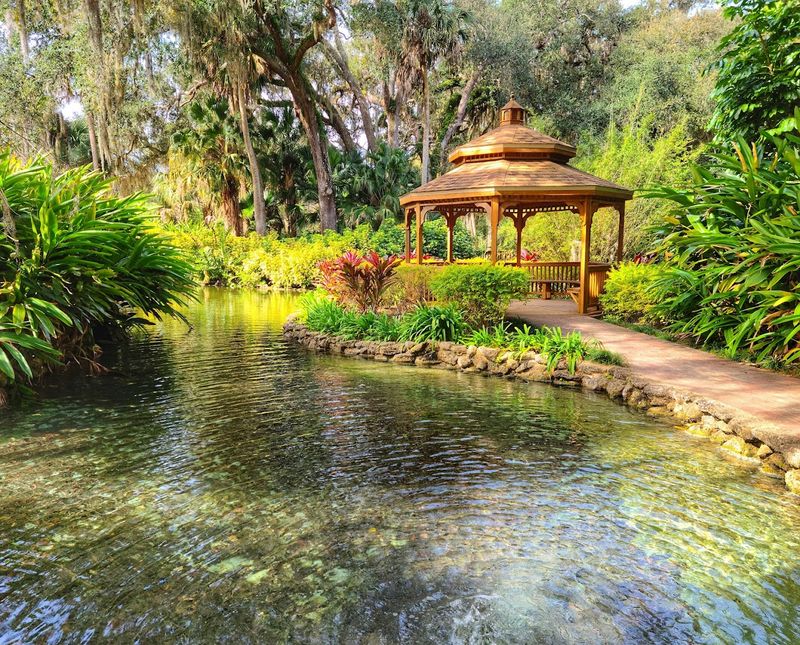
Not many state parks can offer you a formal rose garden AND a craggy, dramatic Atlantic shoreline within the same short walk, but Washington Oaks pulls off this unlikely combination with total confidence.
The coquina rock formations along the beach here are genuinely rare, sculpted by centuries of waves into jagged, photogenic shapes that beg to be photographed. Summer visitors figure this out quickly, and the parking lot fills up accordingly.
Arriving in late winter or early spring means the gardens are blooming beautifully, the beach is practically yours, and the birding along the river hammock trails is absolutely spectacular. Roseate spoonbills, ospreys, and herons move through the area in impressive numbers.
I wandered the garden paths for a full hour without crossing paths with another soul, which felt like a small, wonderful gift. Admission is very affordable too.
4. Rainbow Springs State Park, Dunnellon
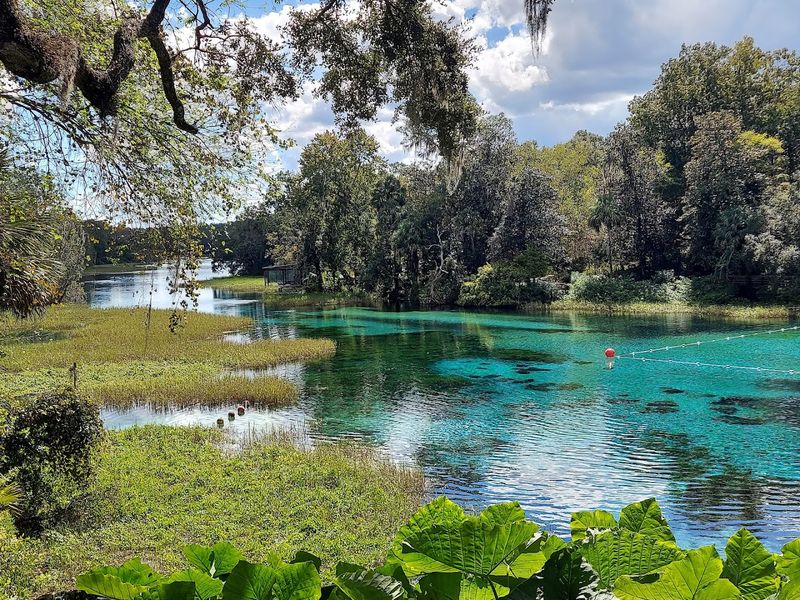
Rainbow Springs produces over 400 million gallons of water every single day, making it one of Florida’s largest first-magnitude springs. That number sounds impossible until you’re standing at the headspring watching water pour endlessly from the earth like the ground itself forgot to stop.
Come summer and the swimming area becomes a full-scale pool party. Visit in spring and you get the whole dreamy, jade-colored river practically to yourself.
The park includes a restored botanical garden with walking paths, koi ponds, and small waterfalls that feel genuinely lush and tropical. Tubing downstream through the Rainbow River is a slow-motion paradise, especially on a weekday in April when the crowd count drops dramatically.
Bring water shoes because the river entry point can be slippery. The fish are so tame and plentiful that snorkeling here feels like swimming through a living aquarium.
5. Anclote Key Preserve State Park, Tarpon Springs
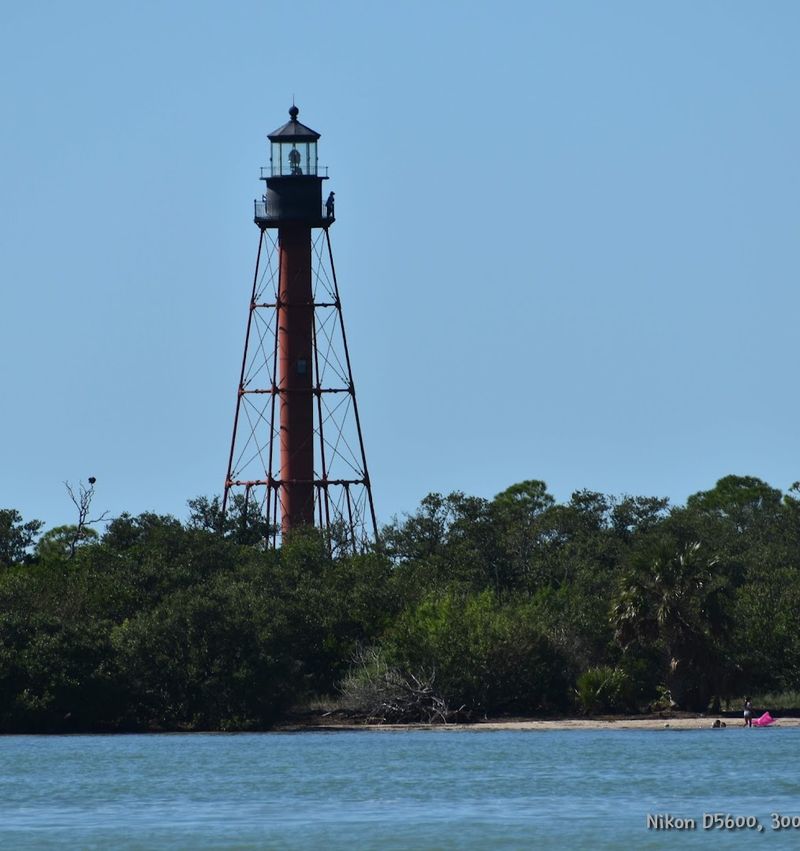
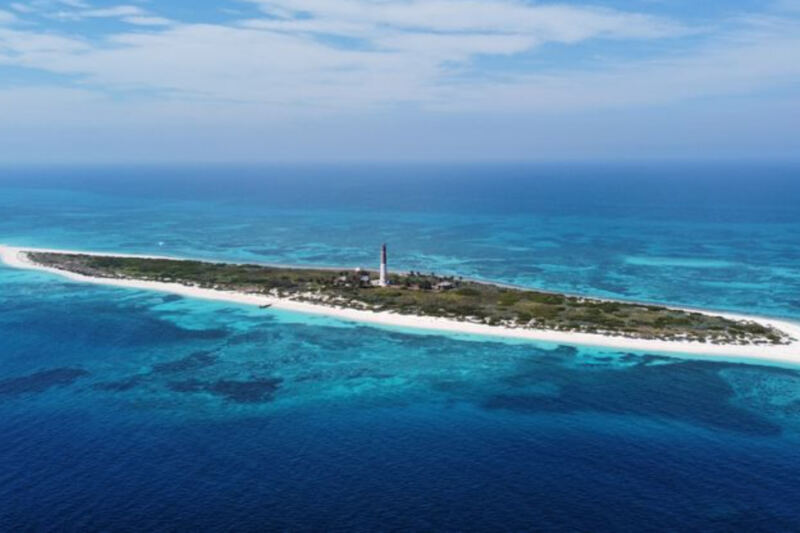
Getting to Anclote Key requires a boat, which automatically filters out the flip-flop-and-folding-chair crowd and leaves behind only the genuinely adventurous. The island has no roads, no concession stands, and no Wi-Fi, which is either terrifying or deeply appealing depending on your personality.
A historic lighthouse from 1887 stands at the southern tip, and the shelling along the Gulf-facing beach is some of the best in Florida. Loggerhead sea turtles nest here from spring through summer, and spotting one is a real possibility if you arrive quietly at dawn.
Charter a boat from Tarpon Springs, pack a full day’s worth of food and water, and plan to do absolutely nothing productive. The water color shifts from pale green near shore to deep turquoise further out, and the sunsets are genuinely show-stopping.
Before summer, the boat traffic around the island stays refreshingly light.
6. Guana Beach, Ponte Vedra Beach
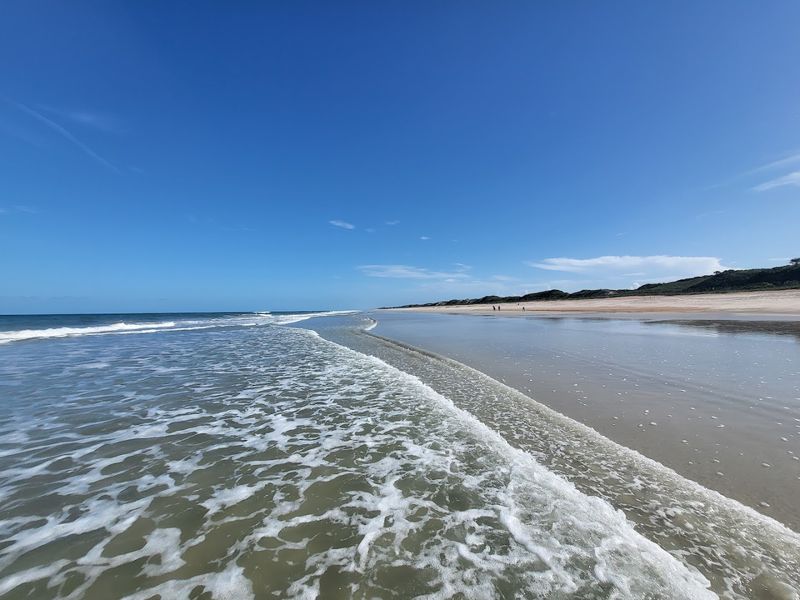
Guana Beach stretches for miles along the northeast Florida coast without a single hotel, souvenir shop, or frozen margarita stand interrupting the view. That kind of unspoiled shoreline is genuinely rare this close to Jacksonville.
The Guana Tolomato Matanzas Reserve protects the land behind the beach, meaning the ecosystem here is remarkably healthy and the wildlife watching is excellent. Shorebirds work the tideline in impressive flocks, and dolphins frequently cruise just beyond the breaking waves.
Summer weekends bring locals out in large numbers, which is completely understandable given how beautiful the beach is. But on a cool March morning, you might walk a half-mile without seeing another footprint in the sand.
Parking is limited intentionally, so arriving early always pays off. The nearby Guana Lake offers kayaking through a gorgeous coastal lagoon system that most visitors completely overlook.
Bring bug spray for the marsh sections.
7. Devil’s Den Prehistoric Spring, Williston
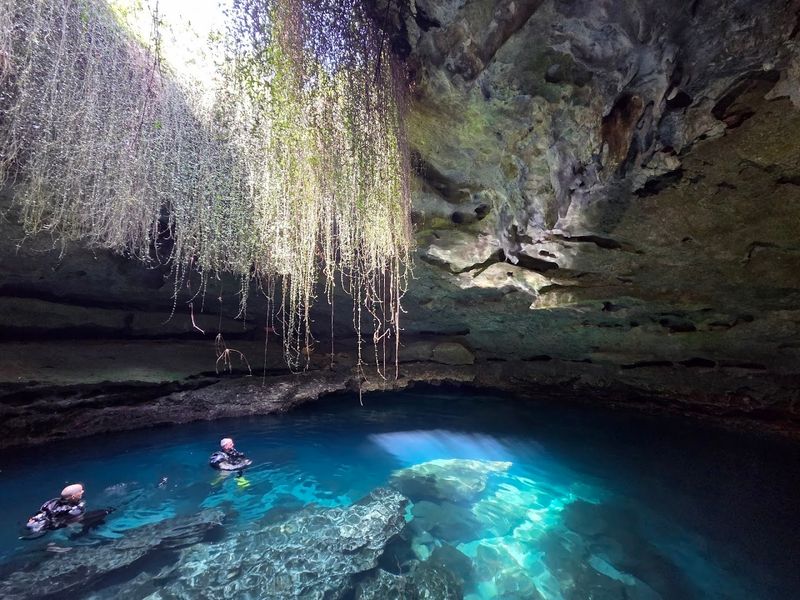
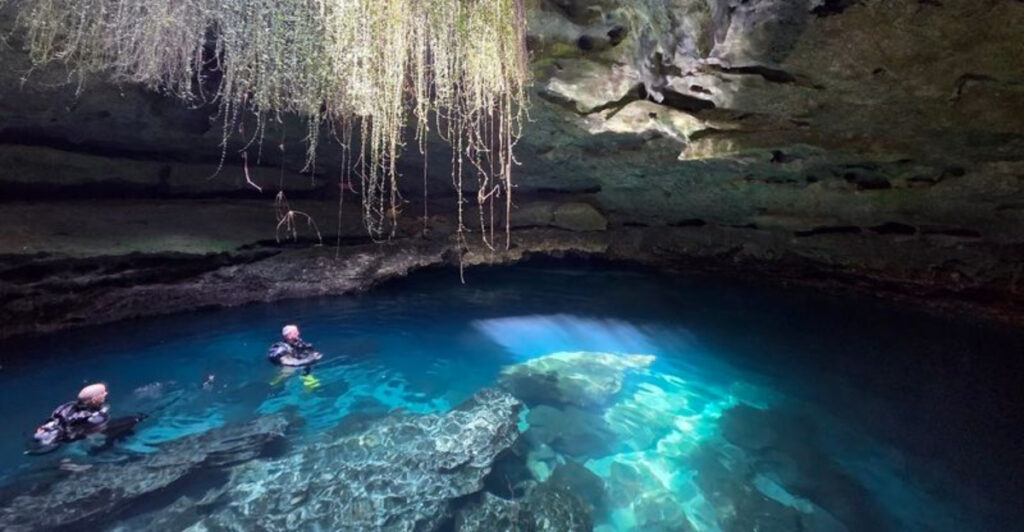
Somewhere beneath a quiet North Florida field, a hole in the earth opens up to reveal a glowing underground spring that looks like it was designed by a fantasy novelist with a very vivid imagination. Devil’s Den is exactly as dramatic as it sounds.
The spring sits inside a dry cave, meaning you climb down wooden stairs into a prehistoric sinkhole to reach the water. Fossils of Ice Age mammals, including mammoths and giant ground sloths, have been found in the sediment here.
That fact alone makes the place feel wonderfully strange.
Summer reservations fill up weeks in advance and the cave gets genuinely warm and steamy with a full crowd inside. Spring visits mean cooler air temperatures, fewer swimmers, and much better visibility for snorkeling among the catfish and turtles.
Scuba diving is permitted too, and the underwater cave system is mesmerizing. Reservations are always required.
8. St. George Island State Park, St. George Island
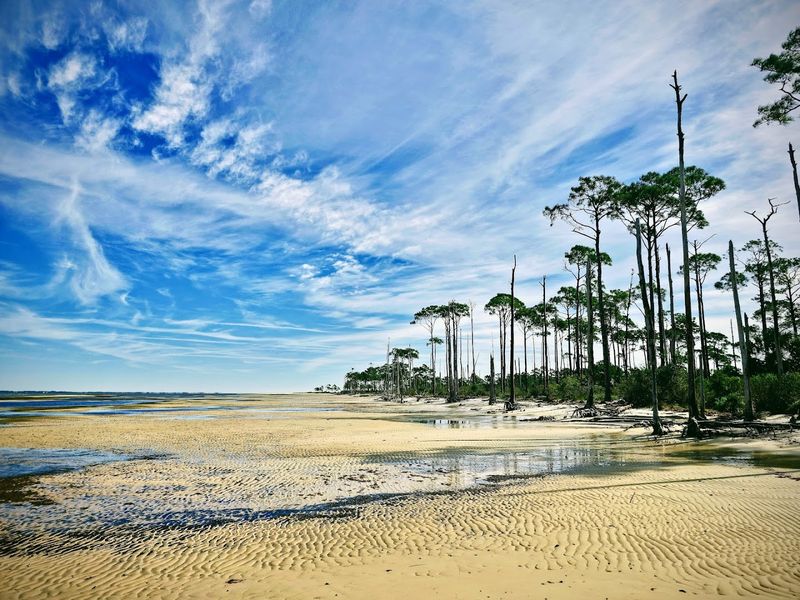
St. George Island State Park occupies the eastern nine miles of a barrier island in the Florida Panhandle, and those nine miles contain some of the most strikingly beautiful undeveloped beach in the entire southeastern United States. No exaggeration required.
The sugar-white sand and emerald Gulf water earn this park constant top-ten rankings, and summer visitors arrive in droves to confirm every good review. Show up in April and the beach feels almost meditative in its quiet.
The park’s backcountry campsites are accessible only by foot or kayak, and staying overnight here during the off-season borders on a religious experience. Shorebird nesting season kicks off in spring, so parts of the beach get roped off to protect nesting areas, which only adds to the wild, untouched atmosphere.
Dolphins are practically guaranteed along the bay side paddling trail. Cell service is minimal, which most visitors quickly realize is a feature, not a bug.
9. Jonathan Dickinson State Park, Hobe Sound
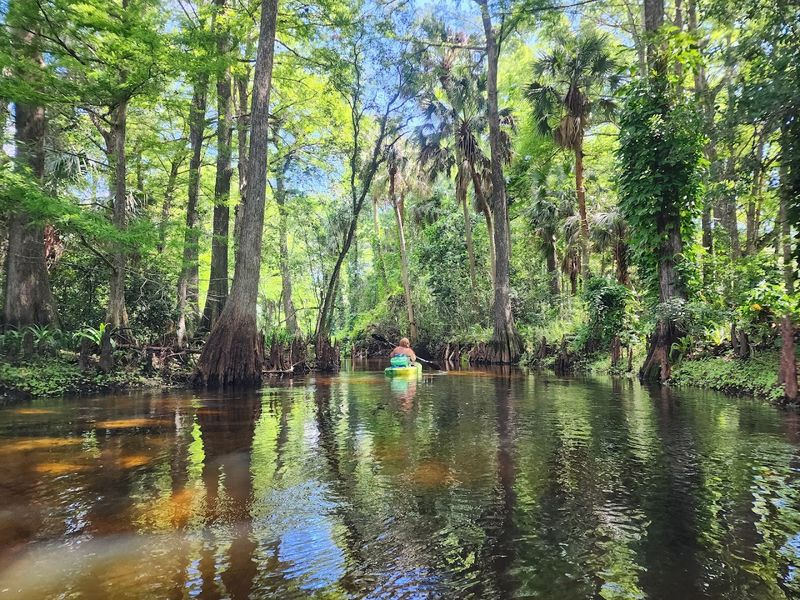
The Loxahatchee River runs dark and tea-colored through Jonathan Dickinson State Park, stained by tannins from surrounding cypress trees in a way that makes the whole place feel prehistoric and slightly mysterious. Manatees wander up this river in cooler months, and spotting one from a kayak is absolutely unforgettable.
This park is one of South Florida’s largest, covering over 11,500 acres of wild scrub, pine flatwoods, and river swamp. Summer heat and humidity in this region can be genuinely punishing, making spring the obvious choice for exploration.
Guided boat tours run year-round and offer a narrated look at the river’s ecology and history, including the story of Trapper Nelson, an eccentric hermit who lived along the river for decades. Camping, horseback riding, and mountain biking are all available on-site.
The park feels like a completely different Florida from the beach-and-resort version most tourists experience.
10. Wakulla Springs State Park, Wakulla Springs
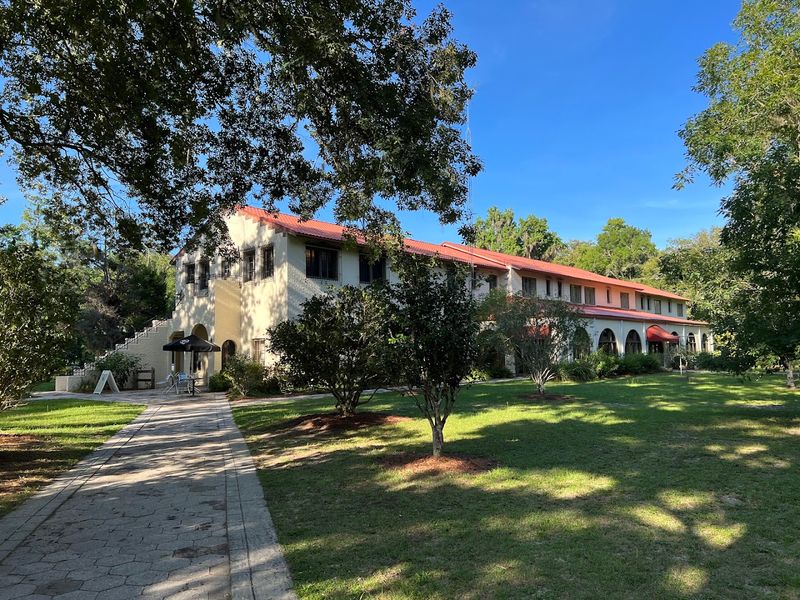
Wakulla Springs holds a legitimate claim to being one of the deepest and most voluminous freshwater springs on the planet, and the water is so clear that the famous glass-bottom boats have been running tours here since the 1930s. Old Hollywood film crews used this spring to shoot Tarzan movies and early Creature from the Black Lagoon scenes, which gives the place a wonderfully cinematic atmosphere.
Manatees shelter in the warm spring water through winter and into early spring, clustering near the headspring in numbers that genuinely surprise first-time visitors. By summer, manatee sightings drop off as the animals spread out into warmer coastal waters.
The jungle boat tour through the river is one of Florida’s most underrated wildlife experiences. Hundreds of birds, alligators, and otters appear along the banks with almost theatrical reliability.
The lodge on-site is a beautiful 1930s-era building worth visiting just for the architecture alone.
11. Cedar Key, Cedar Key
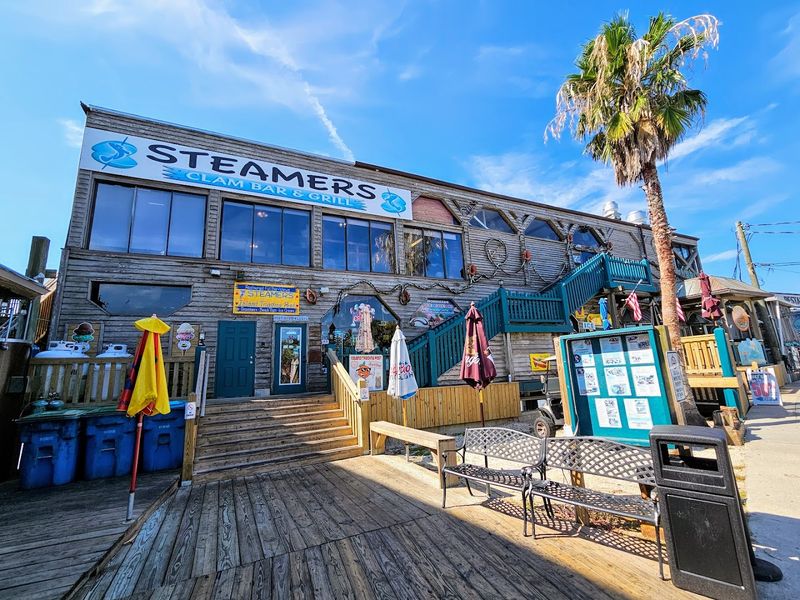
Cedar Key sits at the end of a long causeway on Florida’s forgotten Gulf Coast, a tiny fishing village that genuinely has not changed much since the 1800s when it was one of the state’s busiest ports. The place runs at its own slow, salty, slightly scruffy pace, and that is entirely the point.
Clam farming dominates the local economy, and the seafood at the waterfront restaurants is as fresh as it gets anywhere in the state. Summer brings a noticeable uptick in weekend visitors who discover the laid-back charm.
Arriving in late winter or early spring means cheaper lodging, easier restaurant reservations, and a front-row seat to one of Florida’s great birding spectacles. The offshore islands in the Cedar Keys National Wildlife Refuge host massive nesting colonies of herons, egrets, and roseate spoonbills.
Kayaking out to those islands on a calm spring morning, with birds wheeling overhead and no one else in sight, is hard to top.
Share this story