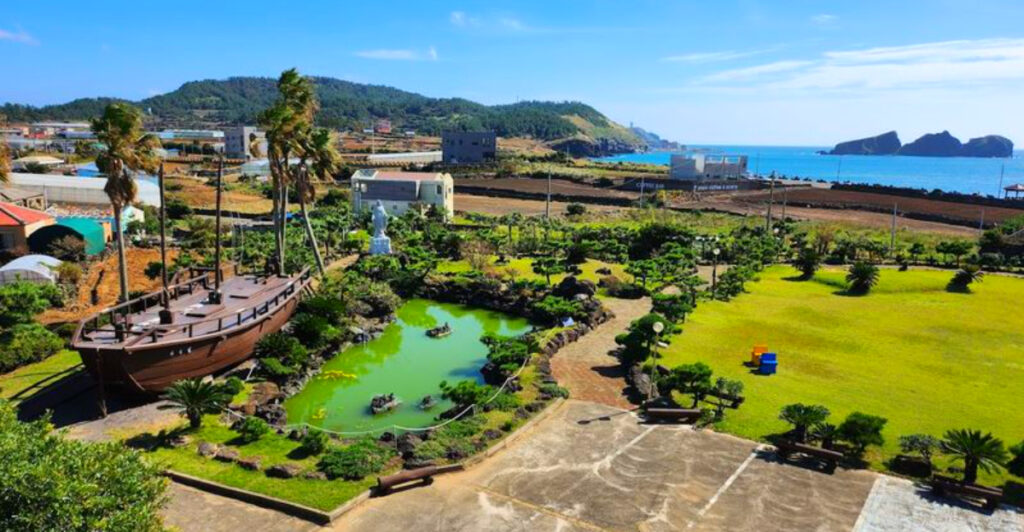
Most travel lists keep pointing you to the same crowded cities, the same overbooked hotels, and the same selfie spots that a million people visited last week. But there is a whole other category of destination out there, one that quietly earns five-star reviews from nearly everyone who visits, without the chaos, the inflated prices, or the two-hour lines.
These are the places where locals still outnumber tourists, where the food is genuinely good rather than tourist-priced, and where visitors keep saying the same thing upon leaving: why did I wait so long to come here? This list covers 14 destinations that consistently deliver outstanding visitor satisfaction despite flying under the radar.
Some are in Europe, some in Asia, some right in North America, and all of them are seriously worth your time. Keep reading, because a few of these might genuinely surprise you.
1. Ljubljana, Slovenia
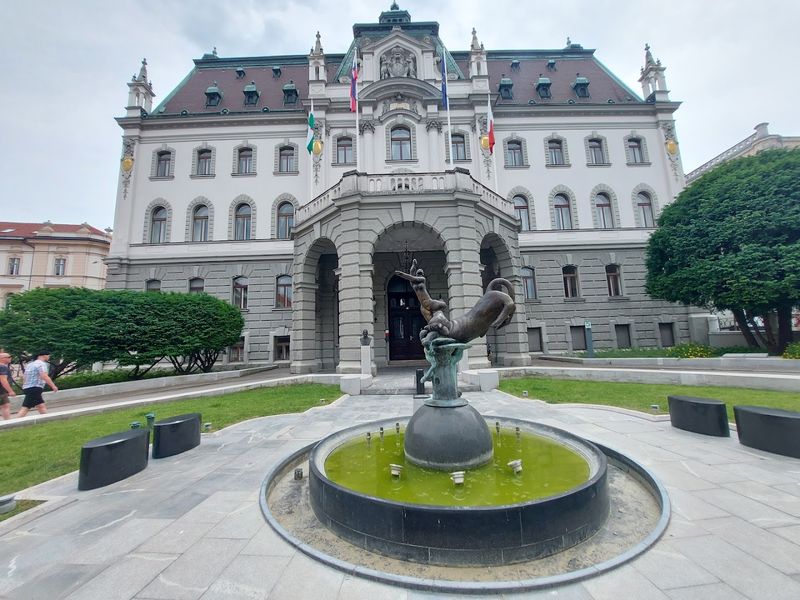
Europe has a habit of hiding its best cities in plain sight, and Ljubljana is the clearest example of that habit in action.
Slovenia’s compact capital is genuinely one of the most walkable cities on the continent. The car-free historic center runs along a river lined with outdoor seating, and the whole city can be covered comfortably on foot in a single day.
Ljubljana Castle sits on a hill above the old town and offers a free funicular ride along with panoramic views of the entire region. The city consistently earns high marks for cleanliness, safety, and friendly locals.
Compared to Vienna or Prague, which sit a few hours away by train, Ljubljana draws a fraction of the visitors but delivers a comparable experience at a noticeably lower cost. First-time visitors almost always leave wishing they had booked more nights.
2. Québec City, Canada
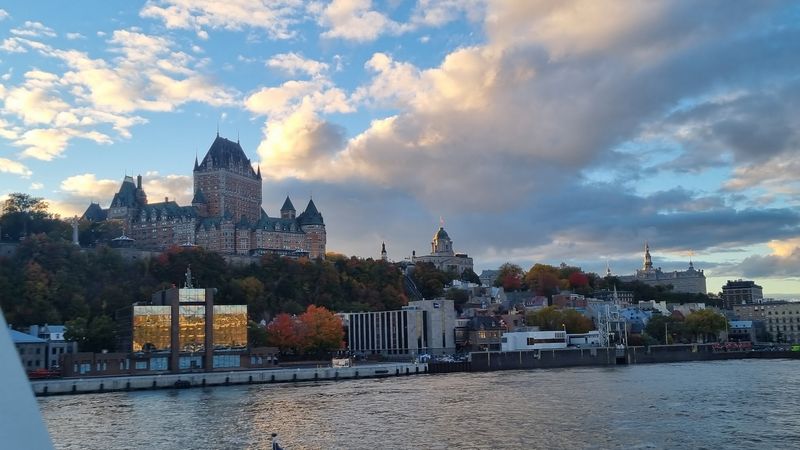
No passport required, yet Québec City genuinely feels like a different country from the rest of North America.
The old walled district, known as Vieux-Québec, is the only fortified city north of Mexico in North America, and it earned UNESCO World Heritage status for good reason. Cobblestone streets wind past centuries-old buildings, and the iconic Chateau Frontenac hotel dominates the skyline like something out of a fairy tale.
French is the primary language here, which adds a distinctly European flavor to every interaction, from ordering food to asking for directions. Visitors consistently praise the city for its safety, its walkability, and the quality of its restaurants.
Winter brings a famous carnival with ice sculptures and outdoor activities, while summer fills the streets with festivals and live performances. Either way, Québec City rarely disappoints anyone who makes the trip.
3. Hoi An, Vietnam
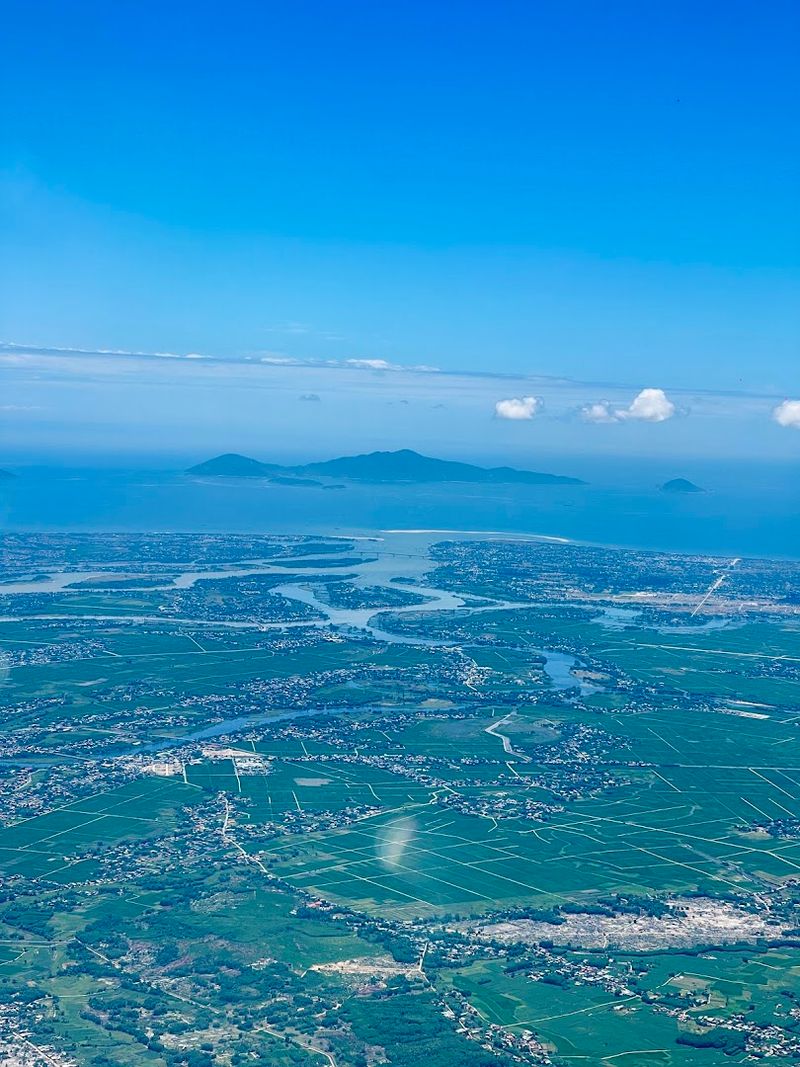
There is a reason so many travelers book a three-day stop in Hoi An and end up staying for two weeks.
This compact ancient town in central Vietnam is one of the best-preserved trading ports in Southeast Asia, and its historic district has been a UNESCO World Heritage Site since 1999. The architecture blends Vietnamese, Chinese, and Japanese influences in a way that is genuinely unlike anywhere else in the region.
The town is famously known for its tailors, who can produce custom-made clothing in 24 to 48 hours at very reasonable prices. Beyond shopping, the surrounding countryside offers rice paddy cycling routes and boat trips on the Thu Bon River.
Visitor satisfaction here is consistently high, largely because the town is manageable in size, rich in history, and surrounded by excellent food options at every price point.
4. San Sebastián, Spain
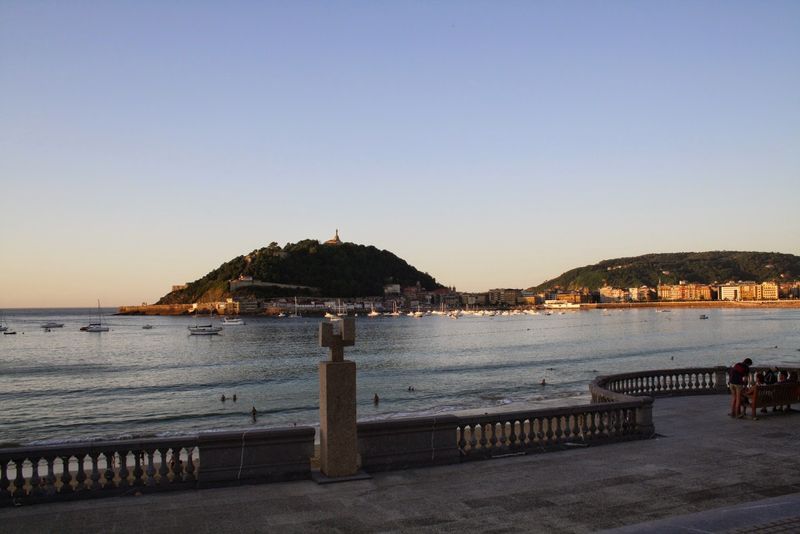
San Sebastian has more Michelin-starred restaurants per square kilometer than almost anywhere else on earth, which is a fact that tends to get people’s attention very quickly.
Located in Spain’s Basque Country, this coastal city sits along a perfectly curved bay called La Concha, which is widely considered one of Europe’s finest urban beaches. The old town, known locally as Parte Vieja, is a dense grid of narrow streets lined with bars serving pintxos, which are small Basque-style snacks that function as both a meal and a social event.
Beyond food, the city offers a well-designed waterfront promenade, a hilltop fortress, and easy access to the surrounding Basque countryside. Visitor satisfaction ratings here are among the highest in all of Europe.
The city is compact enough to explore without a car, and most visitors find it far less overwhelming than Barcelona or Madrid.
5. Luang Prabang, Laos
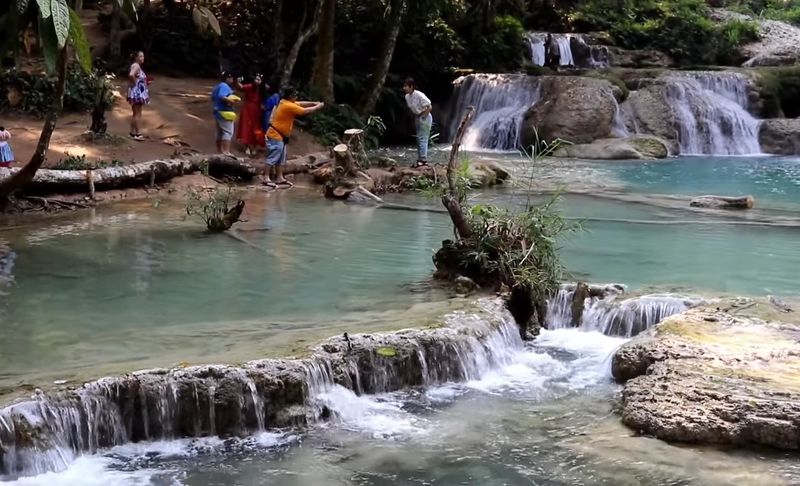
Of all the places in Southeast Asia that consistently earn the highest traveler ratings, Luang Prabang might be the most genuinely peaceful one on the list.
This UNESCO-listed town in northern Laos sits at the confluence of the Mekong and Nam Khan rivers, surrounded by forested mountains. The town’s layout blends French colonial buildings with traditional Lao wooden homes and gilded Buddhist temples, creating a streetscape that feels remarkably well-preserved and cohesive.
Every morning, a centuries-old tradition called Tak Bat takes place along the main street, where monks walk in procession to collect food offerings from local residents. Visitors are welcome to observe respectfully.
The nearby Kuang Si Waterfalls, about 30 kilometers outside town, consistently rank among Southeast Asia’s most visited natural attractions. Luang Prabang rewards slow travelers who are happy to explore without a packed itinerary.
6. Porto, Portugal
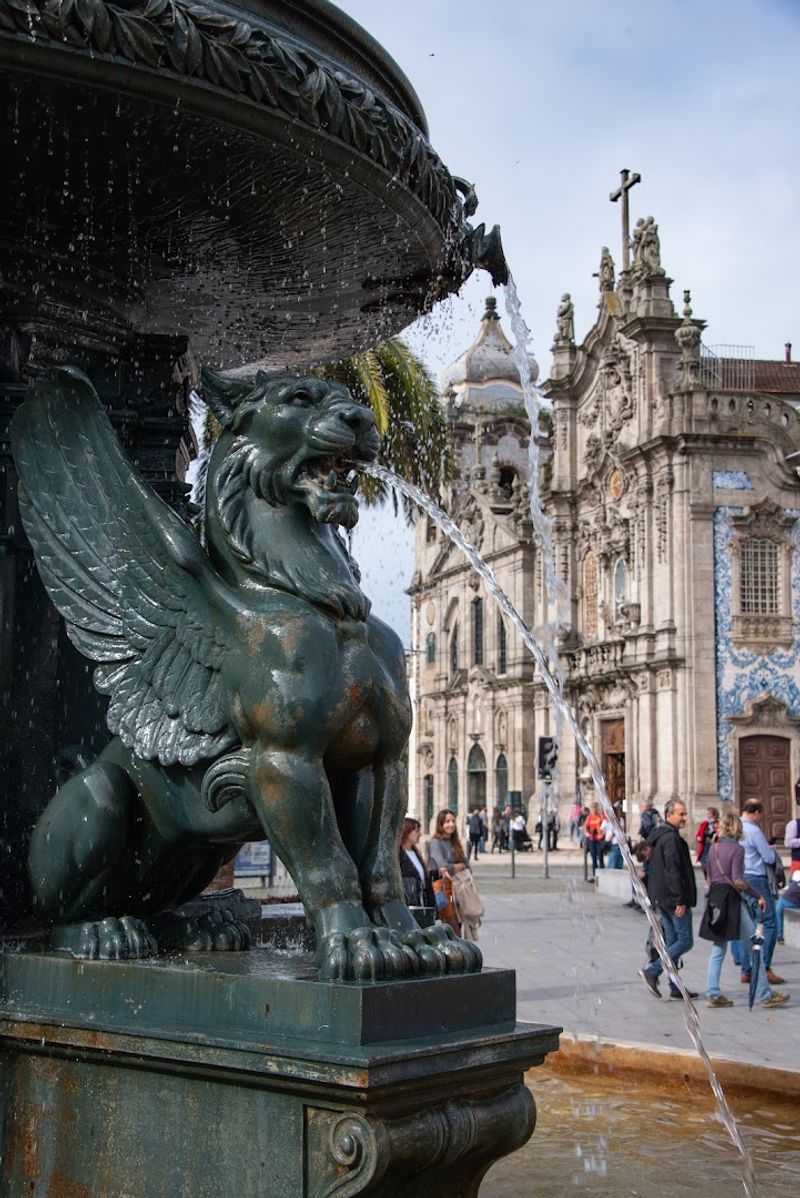
Lisbon gets most of the attention, but Porto is the city that tends to win travelers’ hearts and refuse to give them back.
Portugal’s second-largest city lines the steep banks of the Douro River and is known for its ornate azulejo tile facades, its historic Ribeira waterfront district, and its bookshop, Livraria Lello, which is one of the most visited in the world. The Dom Luis I Bridge connects the city to Vila Nova de Gaia, where historic wine cellars offer tours and tastings.
Porto is consistently ranked as one of Europe’s most affordable major destinations, which significantly boosts visitor satisfaction. The public transportation network is reliable, the city center is walkable, and the food quality is high across all price ranges.
First-time visitors are often surprised by how much Porto packs into a relatively compact area. Two full days here rarely feel like enough.
7. Bend, Oregon
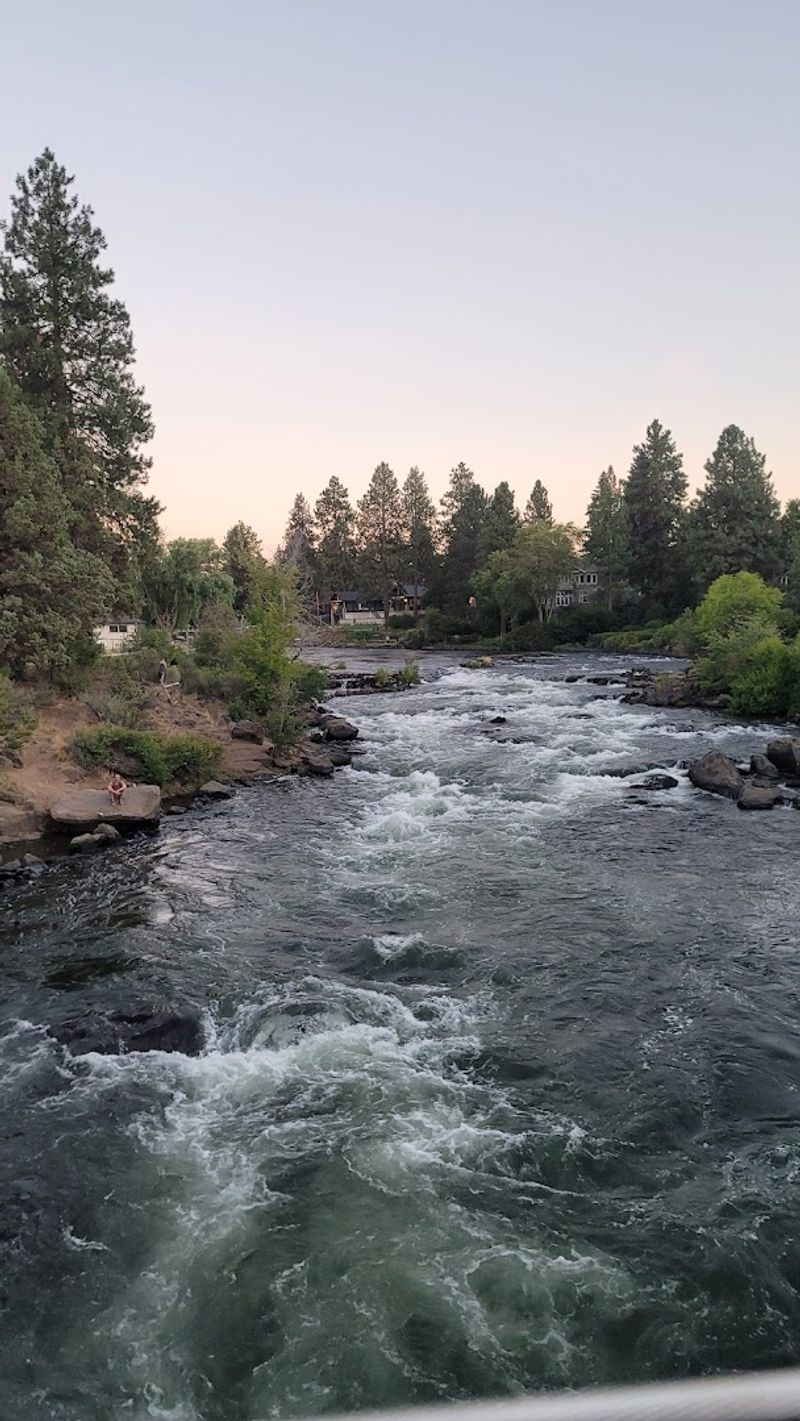
Few American cities can match Bend’s combination of outdoor access, downtown livability, and year-round appeal, which explains why it keeps showing up on best-places-to-visit lists with remarkable consistency.
Bend sits on the eastern side of Oregon’s Cascade Mountains, bordered by the Deschutes River and surrounded by national forest land. The downtown area is compact and walkable, with a strong local business culture and a wide range of restaurants covering everything from casual to upscale.
Smith Rock State Park, located about 30 minutes north, is one of the most photographed landscapes in the Pacific Northwest and offers world-class rock climbing alongside hiking trails. Mount Bachelor, just 22 miles from downtown, provides skiing and snowboarding from late fall through spring.
Visitor satisfaction in Bend is consistently high across all age groups. Families, solo travelers, and outdoor enthusiasts all find something that genuinely fits their interests here.
8. Valletta, Malta
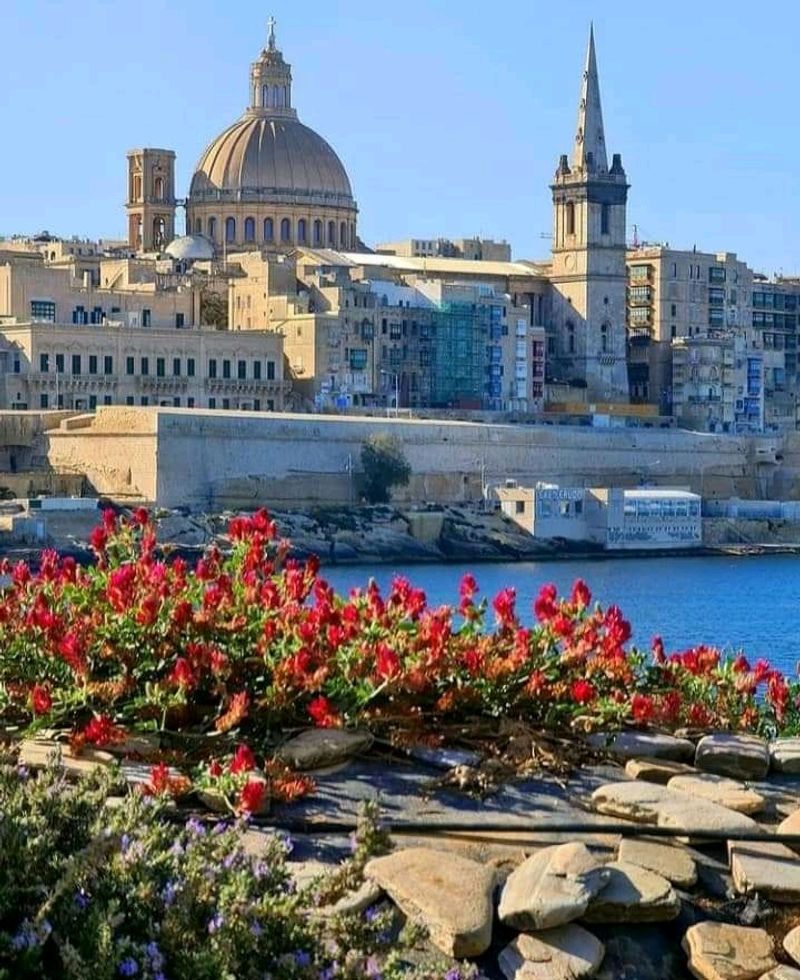
Valletta holds the title of Europe’s smallest national capital, but it manages to pack more history per square meter than cities ten times its size.
Built by the Knights of St. John in the 16th century, this fortified city on a peninsula overlooking the Grand Harbour is entirely UNESCO-listed. Its grid layout of straight streets makes navigation simple, and most major attractions sit within comfortable walking distance of each other.
The Upper Barrakka Gardens offer one of the Mediterranean’s most celebrated harbour views, framed by historic fortifications and traditional fishing boats below. St. John’s Co-Cathedral, located in the city center, houses Caravaggio’s largest known painting inside its ornate interior.
Visitors consistently praise Valletta for being manageable, affordable by European standards, and packed with genuine historical depth. Malta’s year-round warm climate also helps extend its appeal well beyond the summer tourist season.
9. Bar Harbor, Maine
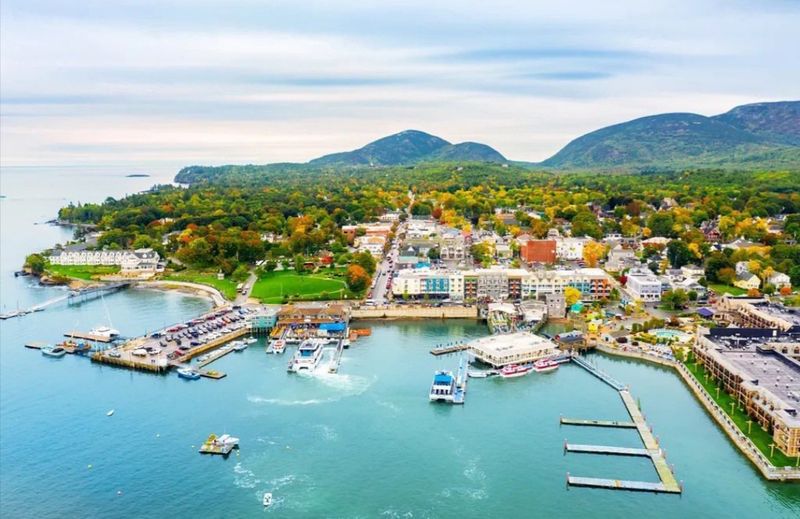
Bar Harbor is the kind of New England town that makes you understand immediately why people drive eight hours to get here and then start planning their return trip before they have even checked out of the hotel.
The town sits on Mount Desert Island and serves as the main gateway to Acadia National Park, which draws around four million visitors annually. The park features 45 miles of historic carriage roads, the summit of Cadillac Mountain, and a rugged coastline that includes Thunder Hole, where waves compress dramatically into a narrow rock channel.
Bar Harbor’s downtown is small but well-stocked with independent restaurants, local shops, and boat tour operators offering whale watching and sea kayaking excursions. The lobster here is genuinely excellent and reasonably priced compared to many coastal Maine towns.
Visitor satisfaction ratings for this area consistently rank among the highest in the entire northeastern United States.
10. Mostar, Bosnia and Herzegovina
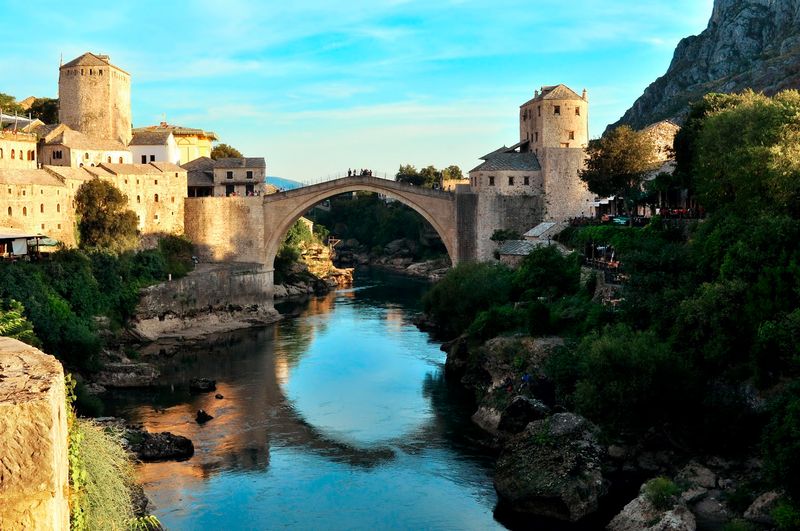
The famous bridge in Mostar is so photogenic that it has essentially become the symbol of an entire country, yet the city itself remains far less visited than it deserves.
Stari Most, which translates to Old Bridge, was originally built in 1566 during the Ottoman period and reconstructed in 2004 after being destroyed during the 1990s conflict. It now carries UNESCO World Heritage status and serves as the architectural centerpiece of the city’s old bazaar district.
The surrounding Bazar Kujundziluk street is lined with traditional craft shops and small restaurants serving Bosnian food, including cevapi, a grilled meat dish that visitors consistently rate as one of the best meals of their trip. The Neretva River below the bridge is strikingly clear and a vivid shade of blue-green.
Mostar is compact, very affordable, and far less crowded than comparable historic towns in Croatia or Slovenia.
11. Jeju Island, South Korea
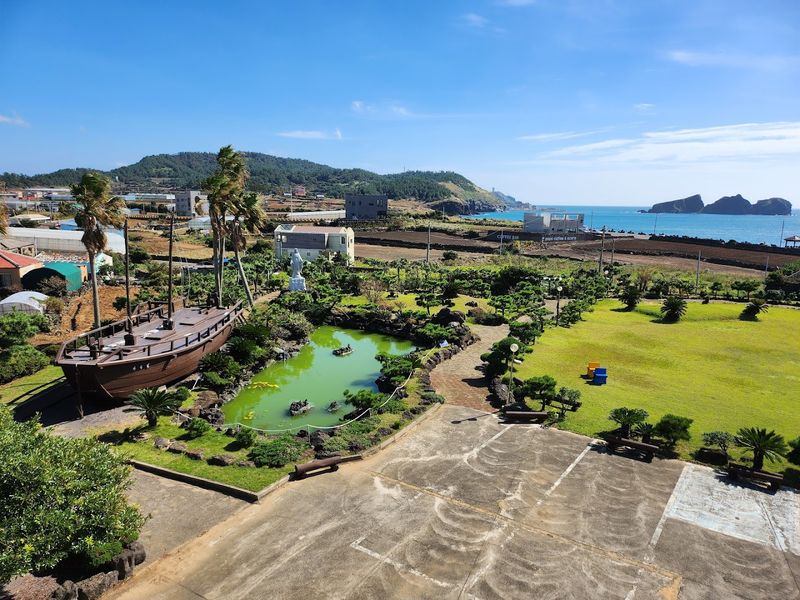
South Korea’s most popular domestic vacation destination is somehow still a well-kept secret for most international travelers, and that gap in awareness is a genuine opportunity.
Jeju Island sits about 90 kilometers south of the Korean mainland and was formed entirely by volcanic activity. The island’s central peak, Hallasan, is South Korea’s highest mountain and sits inside a national park with well-maintained hiking trails leading to a crater lake at the summit.
Beyond hiking, Jeju offers lava tube caves, including Manjanggul Cave, which stretches over 13 kilometers and is one of the longest lava tubes in the world. The coastal Olle Trails, a network of 26 walking routes totaling over 400 kilometers, circle the island and offer consistent ocean views.
Visitor satisfaction among international tourists is exceptionally high, largely because the island is easy to navigate, very safe, and visually diverse across its different regions.
12. Ghent, Belgium
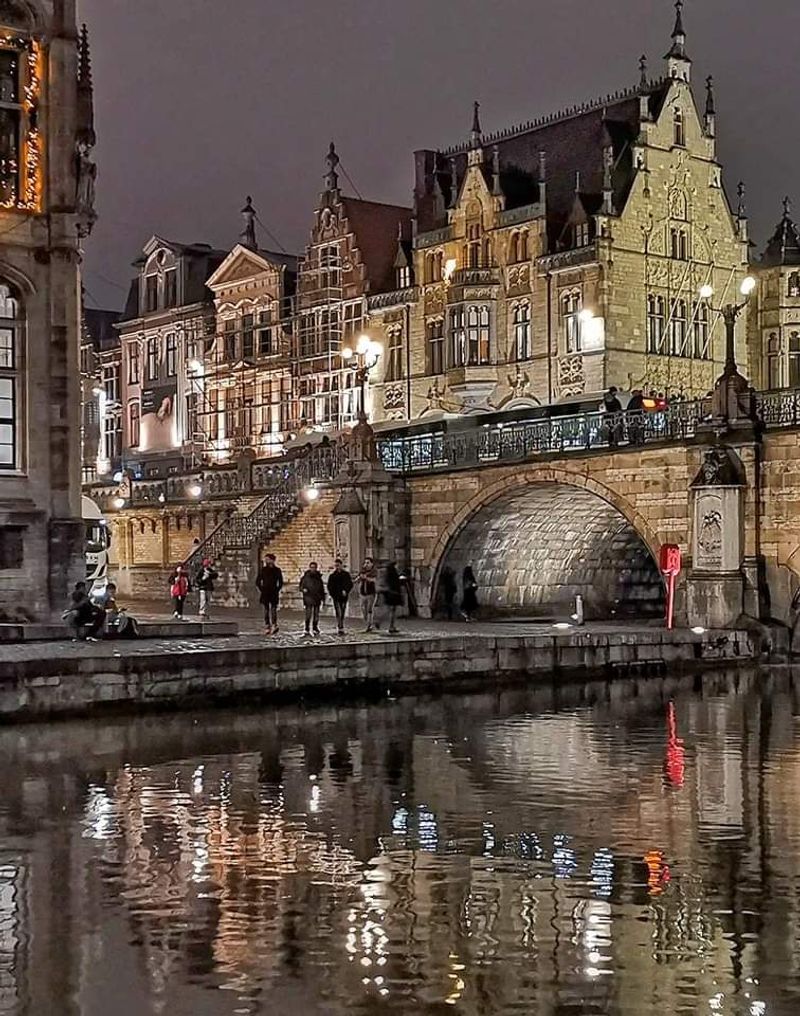
Bruges gets all the postcards, but Ghent quietly earns the better reviews from travelers who actually take the time to visit both.
Located about 30 minutes from Brussels by train, Ghent is Belgium’s third-largest city and one of the most intact medieval urban centers in northern Europe. The Graslei and Korenlei, two rows of historic guild houses flanking a central canal, form one of the most photographed streetscapes in the country.
Gravensteen, a fully preserved 12th-century stone castle sitting in the middle of the city, offers tours that cover its history as both a fortress and a court building. St. Bavo’s Cathedral houses the famous Ghent Altarpiece, a 15th-century painting by Jan van Eyck that is widely considered one of the most important works in Western art.
Ghent has a large university population, which keeps the local culture lively and the restaurant scene genuinely diverse and affordable.
13. Salta, Argentina
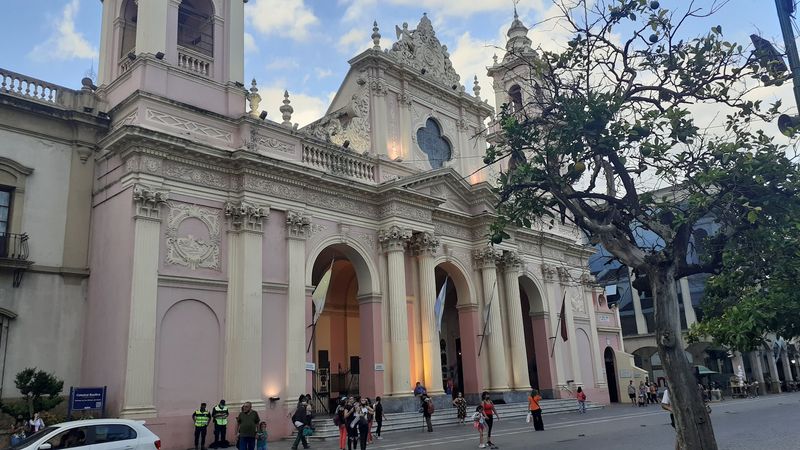
Argentina’s northwest is one of South America’s most visually dramatic regions, and Salta is the perfect base for exploring it without the crowds that gather in Patagonia or Buenos Aires.
The city itself is known as Salta La Linda, meaning Salta the Beautiful, a nickname earned by its well-preserved Spanish colonial architecture centered around Plaza 9 de Julio. The cathedral, the Cabildo, and the surrounding blocks form one of the most cohesive colonial streetscapes in the country.
Day trips from Salta include the Quebrada de Humahuaca, a UNESCO-listed canyon valley with dramatically layered multicolored rock formations, and the Tren a las Nubes, a historic train journey that climbs to over 4,000 meters above sea level. Regional food here, including empanadas and locro stew, earns consistently strong reviews from visiting travelers.
Salta is significantly more affordable than Argentina’s southern destinations and rewards visitors with a more authentic local experience.
14. Taipei, Taiwan
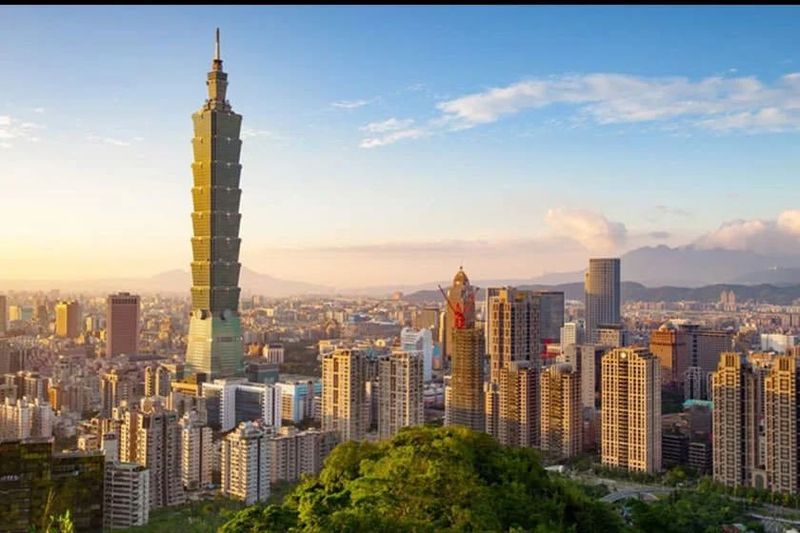
Ask any experienced traveler which Asian capital consistently over-delivers on every metric that matters, and Taipei comes up more often than almost anywhere else.
Taiwan’s capital routinely earns top marks for public transportation efficiency, personal safety, food quality, and overall value for money. The MRT metro system is clean, punctual, and covers the entire city at a very low cost per trip, making it one of the easiest major Asian cities to navigate without a car.
The night market culture here is a genuine institution. Shilin Night Market, the city’s largest, draws both locals and tourists with hundreds of food stalls offering everything from oyster vermicelli to scallion pancakes.
Taipei 101, once the world’s tallest building, remains a landmark worth visiting for its observation deck views.
Day trips to Jiufen, Yangmingshan National Park, and Tamsui are all within 45 minutes of the city center by public transit.
Share this story