Every spring, one of the oldest and most beloved festivals in the Pacific Northwest takes over the streets, waterfront, and hearts of an entire city. Roses are everywhere, parades stretch for miles, and families line the sidewalks with lawn chairs and wide smiles.
The Portland Rose Festival has been running for well over a century, and it still manages to feel fresh, exciting, and genuinely worth the trip. From dazzling fireworks over the Willamette River to a Grand Floral Parade packed with flower-covered floats, this Oregon tradition is the kind of event that turns a regular weekend into a memory you carry for years.
Here is everything you need to know before you go.
The Heart Behind the Festival: Portland Rose Festival Foundation
More than 100 years of roses, parades, and community pride do not organize themselves. The Portland Rose Festival Foundation is the nonprofit organization that makes the entire celebration possible, operating out of its office at 1020 SW Naito Pkwy, Portland, OR 97204, right along the scenic Willamette River waterfront.
Founded in 1907, the foundation has spent well over a century shaping one of the most recognizable community events in the entire country. The staff works year-round, not just during the festival weeks in late May and early June, planning logistics, coordinating volunteers, and lining up the hundreds of participants who bring the event to life.
You can reach the office at +1 503-227-2681, and the team is available Monday through Friday from 8 AM to 5 PM. Their website at rosefestival.org is packed with schedules, ticket options, and useful planning details.
The foundation also maintains a small but charming display of Rose Festival history inside the office, which is worth a quick visit if you are nearby on Grand Floral Parade Day. It is a compact look at a very long legacy.
A Century of Roses: The History That Started It All
Back in 1907, a group of Portland civic leaders decided their city deserved a celebration worthy of its nickname, the City of Roses. What started as a modest floral parade has grown into a multi-week festival that draws hundreds of thousands of visitors every single year.
The early festivals were simple affairs by today’s standards, but they carried real community spirit. Residents decorated their homes with roses, local businesses sponsored floats, and schoolchildren lined the parade route waving flags.
That neighborhood warmth has never fully left, even as the event scaled up dramatically over the decades.
By the mid-20th century, the Rose Festival had added a navy fleet week, a carnival on the waterfront, and a coronation ceremony for the Rose Festival Queen. Each addition reflected what Portland cared about at that moment in time.
Looking at old photographs inside the foundation office, you can trace how the city itself changed through the lens of this one annual tradition. History rarely feels this colorful or this fragrant.
The Grand Floral Parade: A Moving Garden Through Downtown
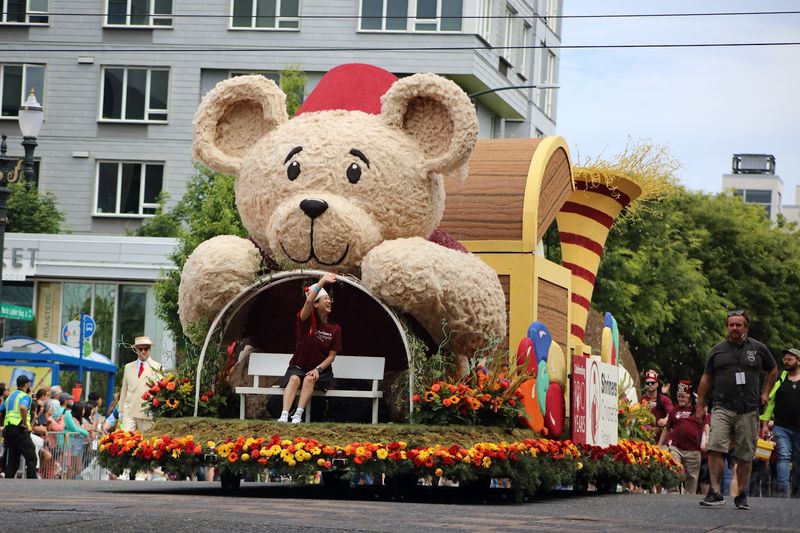
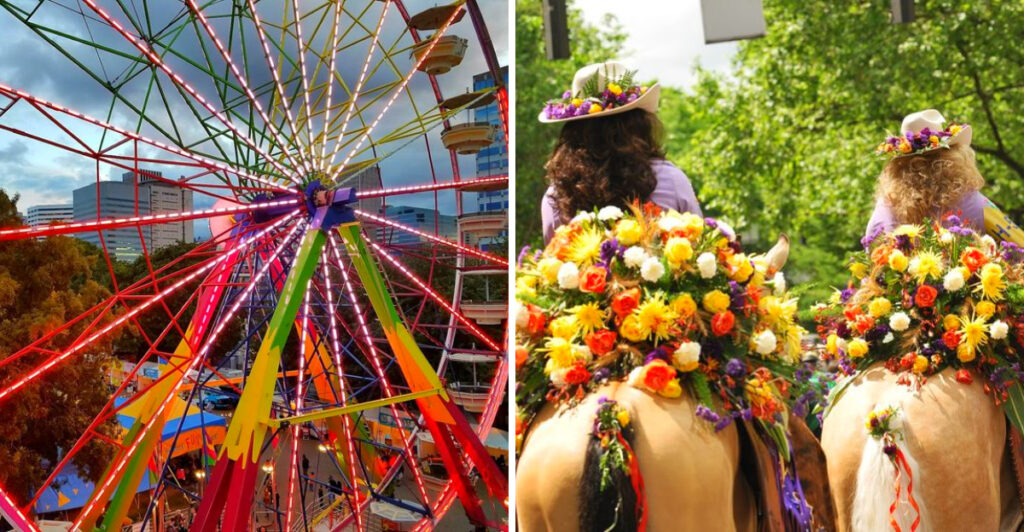
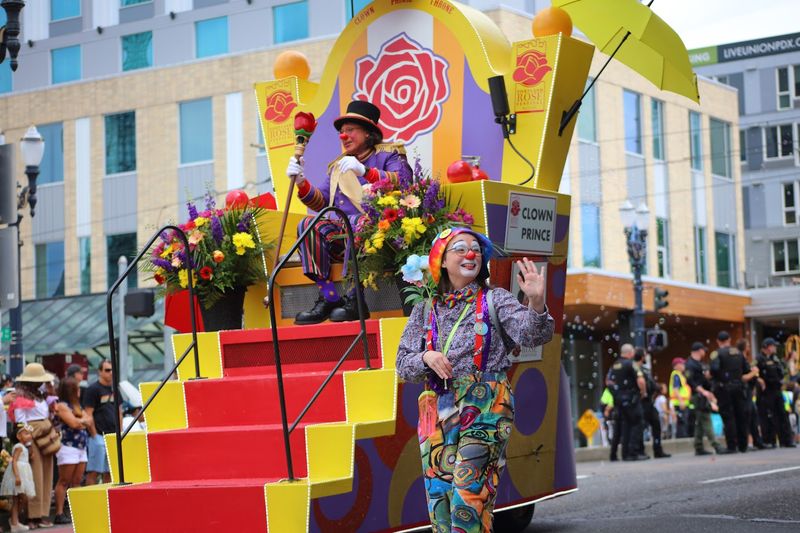
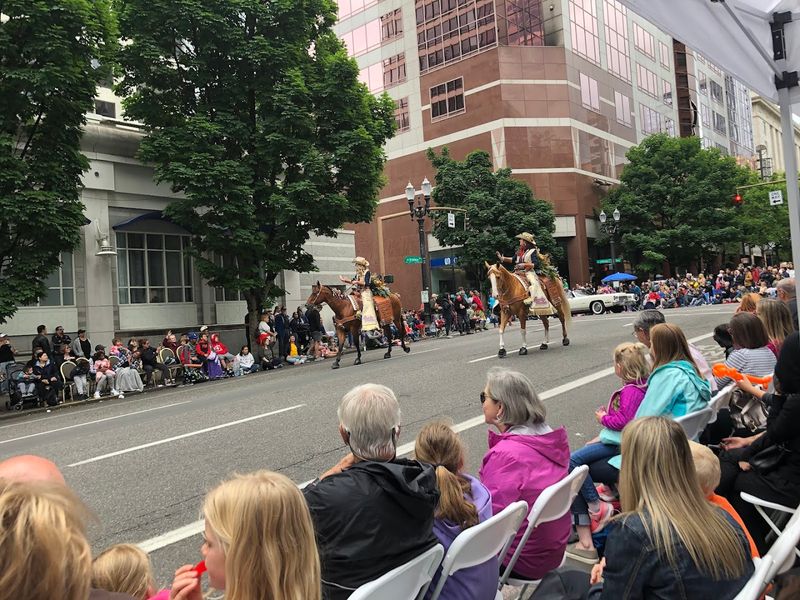
The Grand Floral Parade is the centerpiece of the entire festival, and it earns that title every year. Floats built entirely from fresh flowers, seeds, and plant materials roll through downtown Portland in a display of color and craftsmanship that takes teams of volunteers months to complete.
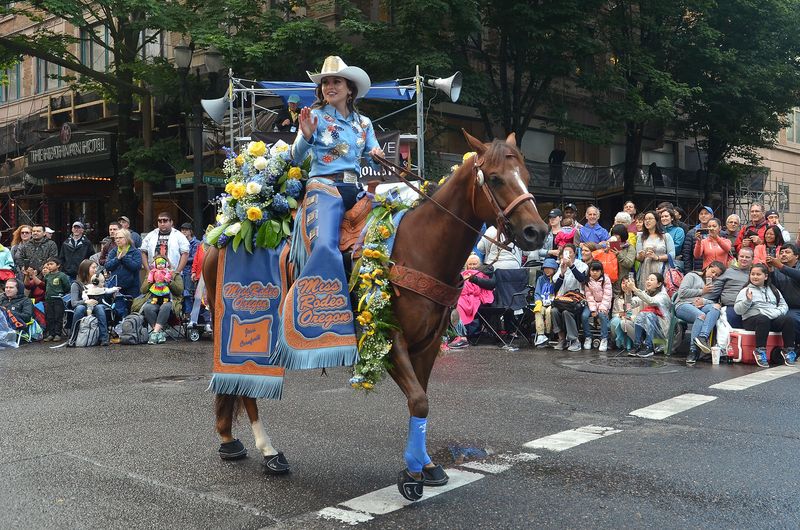
The parade route runs through the heart of the city, and crowds line up hours in advance to claim a good spot on the curb. Marching bands from high schools across Oregon and beyond fill the air with music, while equestrian units, community groups, and sponsored floats add variety to the long procession.
One thing worth knowing before you go is that the three main parades, including the Grand Floral Parade, the Starlight Parade, and the Junior Parade, are free to watch from the street. You do not need a ticket to enjoy the full parade experience, which makes this one of the best free family activities the Pacific Northwest has to offer.
The gaps between entries can stretch a bit long at times, but the floats themselves are genuinely stunning and worth the wait.
Fireworks Over the Willamette: A Sky Full of Color
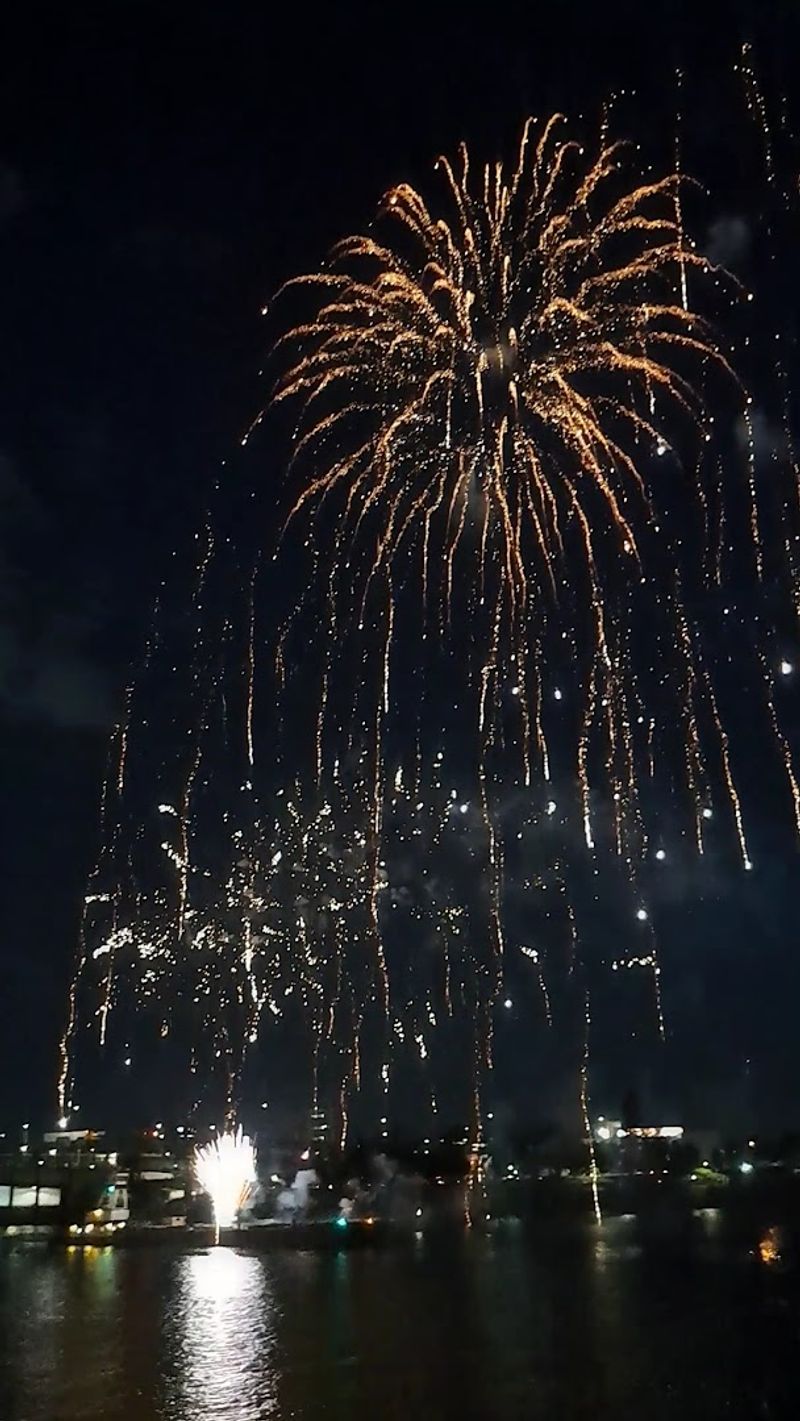
Few things bring a crowd together quite like a fireworks show reflected on a wide river at night. The Portland Rose Festival fireworks display over the Willamette River is one of those events that stops people mid-sentence and just makes them look up.
The show typically takes place on a weekend evening during the festival, and the waterfront fills up early with families spreading out blankets and claiming their favorite viewing spots. The Morrison Bridge and Tom McCall Waterfront Park offer some of the best sightlines, and on a clear Oregon night, the reflections on the river double the spectacle.
What makes this fireworks display feel different from a typical Fourth of July show is the setting. The combination of a lively festival atmosphere, food vendors nearby, and the natural beauty of the river creates an experience that feels genuinely special rather than routine.
Locals who grew up attending the festival often cite the fireworks as their earliest and fondest memory of the event. That kind of multigenerational emotional pull is hard to manufacture and impossible to fake.
The Starlight Parade: When the City Glows After Dark
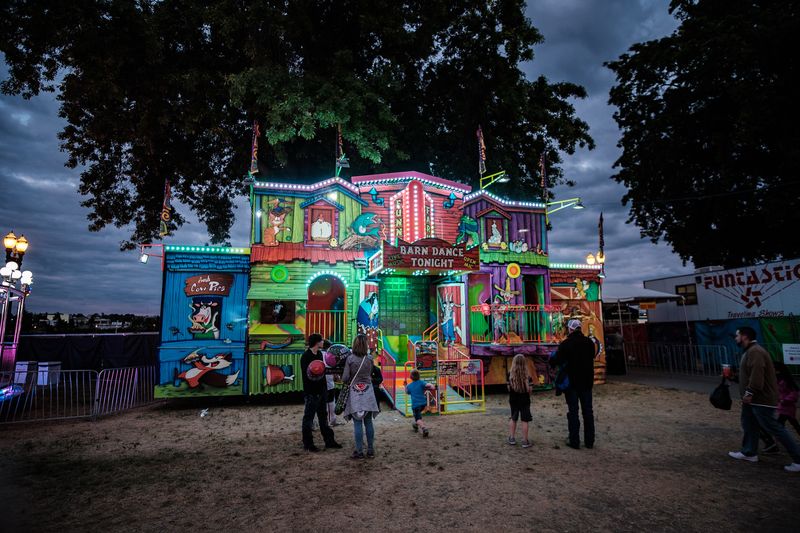
Not every parade ends before dinner. The Starlight Parade is a nighttime spectacle that transforms downtown Portland into a glowing corridor of light, music, and moving art.
Floats are decked out in thousands of LED lights and colorful illuminations, and performers wear costumes that shimmer and glow as they march past the crowds.
The energy of the Starlight Parade feels different from the daytime events. There is something a little more electric about a parade that happens after dark, when the lights hit the pavement and the crowd leans in a little closer.
Kids who might be tired from a full festival day suddenly find a second wind when the glowing floats round the corner.
The parade is free to watch from the street, which makes it an easy add-on to an already full day of festival activities. Bringing a blanket and arriving about an hour early helps you secure a comfortable spot along the route.
For families visiting from out of state, including those making the trip from as far away as Oklahoma, the Starlight Parade alone can justify the journey to Portland in late May.
Waterfront Village: Carnival Rides, Food Trucks, and Festival Fun
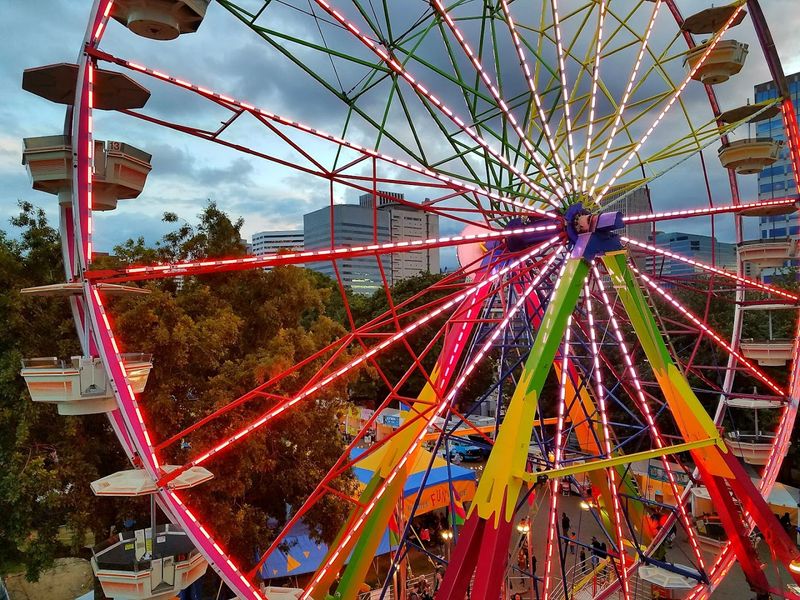
The festival footprint extends well beyond the parade route. Tom McCall Waterfront Park transforms into a full carnival zone during the Rose Festival, with rides, games, food trucks, and live entertainment packed along the riverfront for several weeks.
The carnival section draws big crowds, especially on weekends, and the food options range from classic fair staples like curly fries and cotton candy to more creative bites from local vendors. With over 25 food trucks reported at recent festivals, there is genuinely something for every appetite and budget.
Ride tickets are sold separately from admission, and the pricing has been a hot topic among attendees in recent years. Adults pay around $15 to enter the carnival area, and ride tickets are purchased in bundles.
Buying a wristband in advance before Opening Day can save a meaningful amount compared to buying tickets on-site.
Car shows featuring over 200 vehicles, live music stages, and evening entertainment add layers to the waterfront experience beyond just the rides. The park becomes a self-contained festival city for the duration of the event, and there is always something happening no matter when you arrive.
The Junior Parade: Portland’s Youngest Stars Take Center Stage
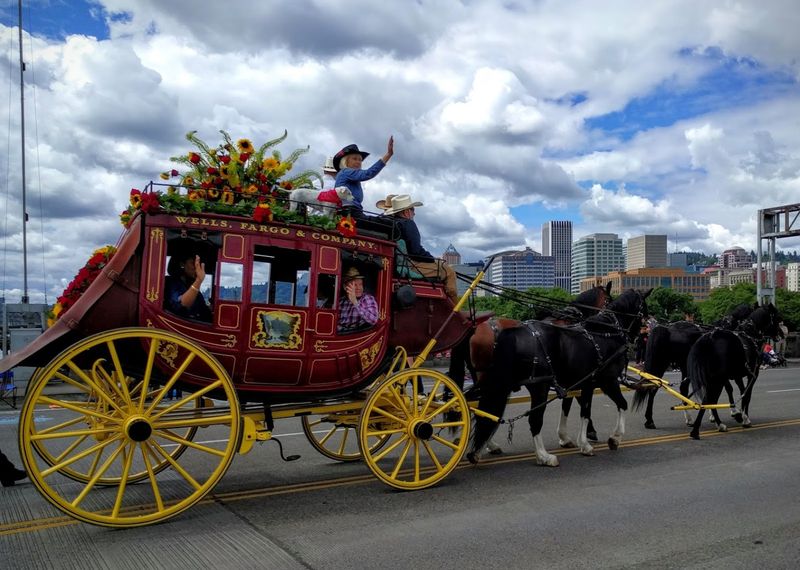
One of the most genuinely heartwarming moments of the entire festival happens during the Junior Parade, when thousands of Portland-area schoolchildren march through downtown in costumes, school colors, and handmade floats. The energy is pure and unfiltered, which is exactly what makes it so easy to love.
The Junior Parade has been a Rose Festival tradition for decades, giving young people a chance to participate in the city’s biggest celebration rather than just watch from the sidelines. Schools from across the region spend weeks preparing their entries, and the pride on the kids’ faces as they march past the crowd is unmistakable.
For families with young children, the Junior Parade often resonates more deeply than the larger, more polished Grand Floral Parade. There is something relatable and touching about watching kids your own child’s age march confidently through the streets of a major city.
The parade is free to attend, and the atmosphere along the route is relaxed and family-friendly. Families traveling from out of state, including those coming all the way from Oklahoma, consistently rank the Junior Parade among their favorite festival memories.
Rose Festival Court: A Long-Standing Portland Tradition
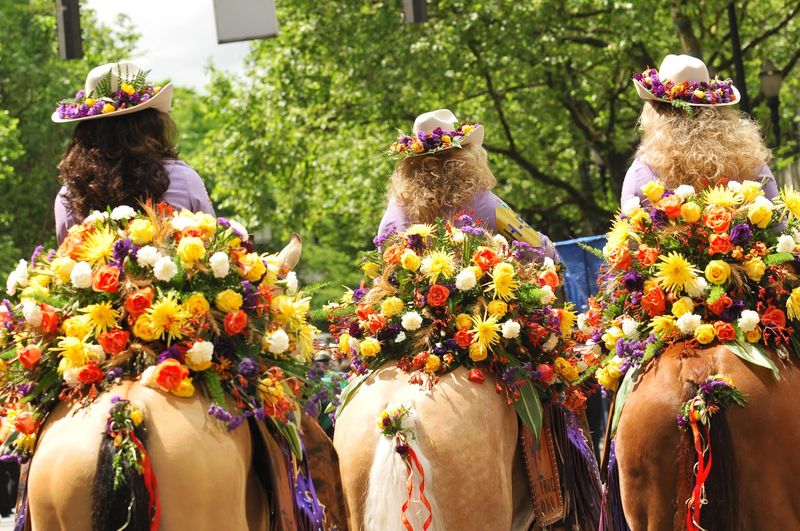
Every year, young women from high schools across the Portland area are selected to represent their schools as part of the Rose Festival Court. The tradition stretches back to the earliest years of the festival, and it remains one of the most recognized and celebrated elements of the entire event.
The court participates in parades, public appearances, and the coronation ceremony, where one member is named the Rose Festival Queen. The program emphasizes community involvement, academic achievement, and public speaking, and many past participants describe it as one of the most formative experiences of their teenage years.
The coronation ceremony itself is a formal and festive occasion that draws a dedicated crowd of supporters, family members, and longtime festival fans. The elegance of the event provides a nice contrast to the more casual carnival atmosphere happening simultaneously on the waterfront.
Critics sometimes question whether traditions like this still feel relevant in a modern city, but the Rose Festival Court continues to attract strong participation and genuine community enthusiasm year after year. Some Portland families have had multiple generations of members participate in the court program over the decades.
Fleet Week: When the Navy Comes to Town
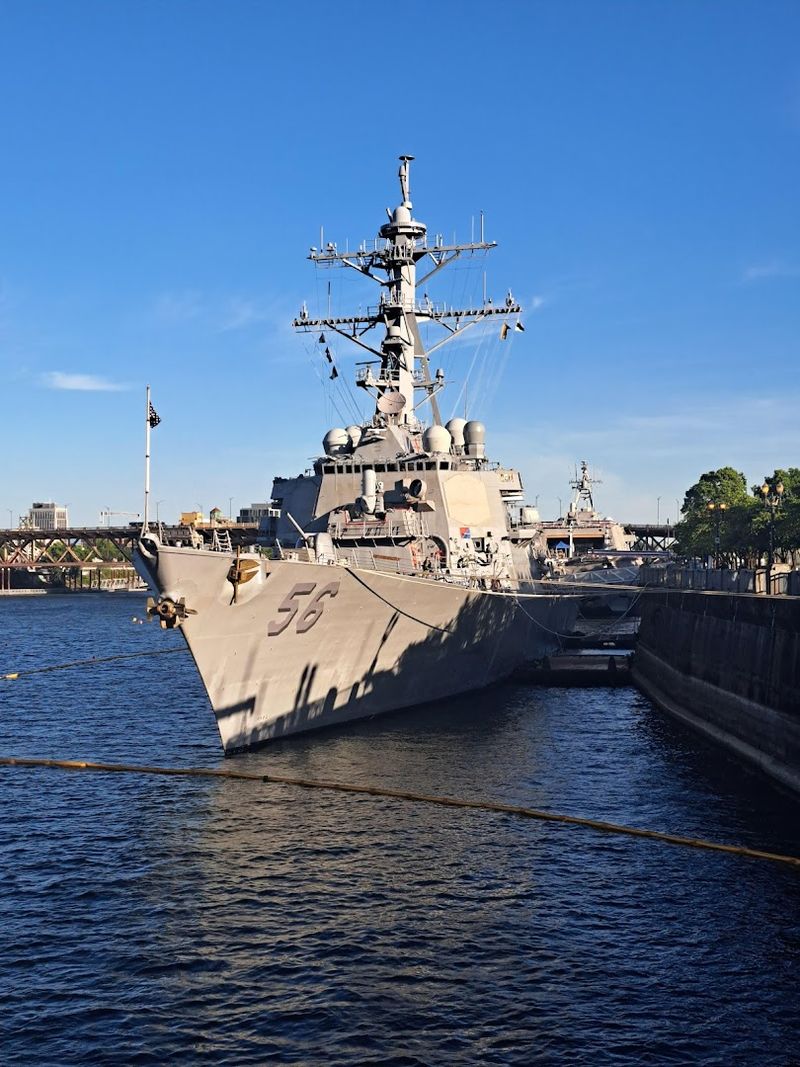
Not many city festivals can claim that the U.S. Navy shows up as a regular guest.
Portland Fleet Week, held in conjunction with the Rose Festival, brings naval vessels up the Willamette River and docks them at the waterfront for public tours. It is one of the few places in the country where you can walk the deck of a working naval ship in the middle of a city park.
Sailors from the visiting ships often participate in festival events and can be seen around downtown Portland during their shore leave. The presence of the fleet adds an unexpected layer of history and national pride to what might otherwise feel like a purely local celebration.
Ship tours are typically free and open to the public during designated hours, though lines can get long on weekend days. Arriving early in the morning on a weekday tends to give you a much more relaxed experience with shorter wait times and friendlier access to the crew.
For kids who have never seen a naval vessel up close, the scale of the ships is genuinely jaw-dropping. Even adults who grew up near military bases find the Portland Fleet Week experience surprisingly moving and memorable.
Planning Your Visit: Tips for Getting the Most Out of Rose Festival
A little planning goes a long way at an event this size. The Rose Festival typically runs from late May into early June, spanning several weekends and packed with overlapping events.
Checking the full schedule at rosefestival.org before you arrive helps you prioritize what matters most to your group.
Parking near the waterfront fills up quickly on parade days and weekend evenings. Using public transit, specifically the MAX light rail, is a genuinely smart move that saves both money and stress.
Several MAX lines stop within easy walking distance of Tom McCall Waterfront Park.
If the carnival is on your list, buying ride wristbands in advance before Opening Day saves a noticeable amount compared to purchasing tickets on-site. Families on tighter budgets can still have a full and memorable day by focusing on the free parades, the Fleet Week ship tours, and the live music stages.
Festival visitors from across the country, including repeat attendees from Oklahoma and beyond, often note that the free events are just as satisfying as the paid ones. The roses, the parades, and the river view cost absolutely nothing, and they are the parts people remember longest.
Share this story