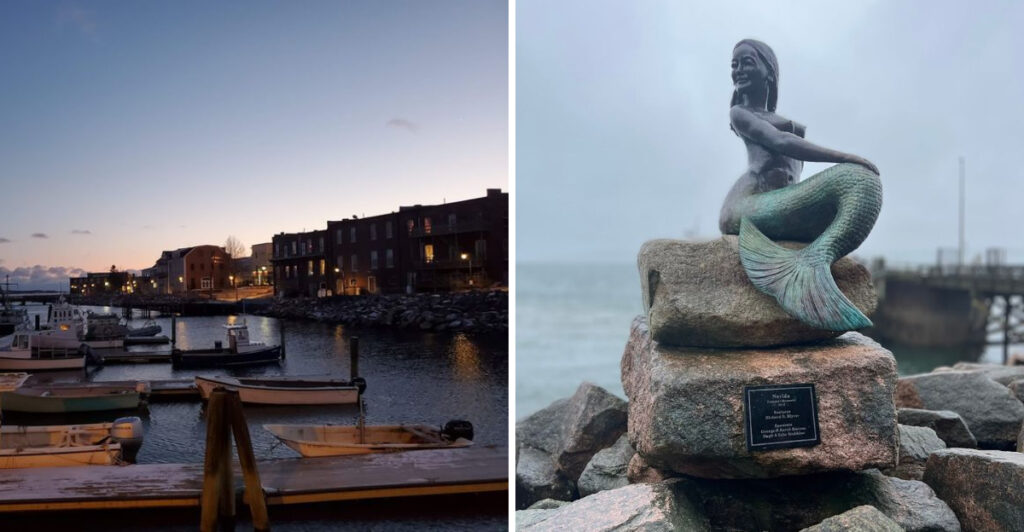
There is a small coastal town tucked into the far northeastern corner of the United States where the fog rolls in so quietly you barely notice it arriving, and the whales surface close enough to make your heart jump. The sunrises here paint the harbor in shades of copper and gray, and the whole place moves at a pace that feels almost forgotten by the modern world.
With fewer than 1,300 residents, this is one of those rare spots where the ocean is not just a backdrop but the whole story. Pack your binoculars, bring a warm jacket, and get ready to fall hard for one of the most quietly spectacular places on the entire East Coast.
Welcome to Eastport: The Easternmost City in the United States
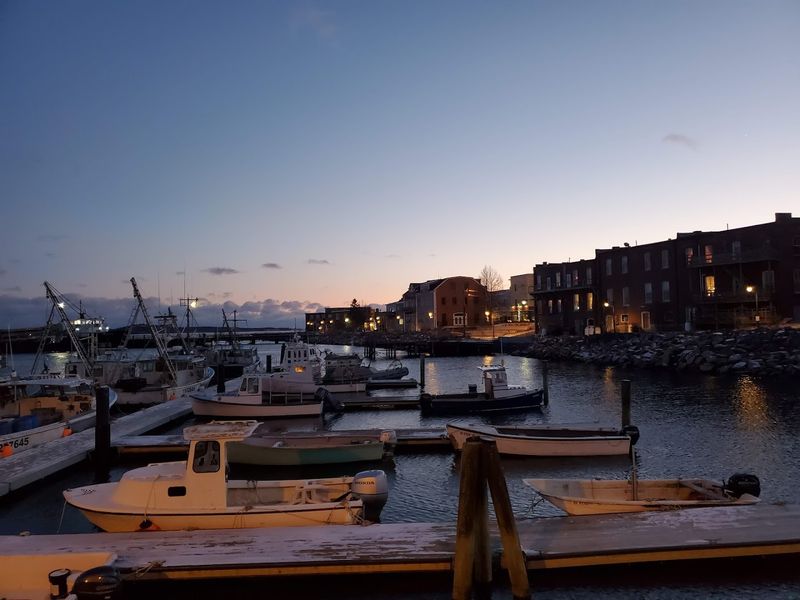
Eastport, Maine sits on Moose Island in Washington County, making it the easternmost city in the entire United States. The full address puts it simply as Eastport, Maine 04631, connected to the mainland by a single causeway that adds to its island personality.
With a population of just 1,288 according to the 2020 census, Eastport holds the title of the least-populous city in Maine, which is part of what makes it so special. There are no traffic jams here, no crowded sidewalks, and no long lines at the local bakery.
The town sits at the edge of Passamaquoddy Bay, where the tidal currents run fast and the water stays a deep, moody blue-green year-round. First-time visitors often describe a feeling of arriving somewhere that has been quietly waiting for them.
The drive across the causeway from the mainland sets the tone immediately. On one side, open bay water stretches toward Canada, and on the other, the rocky shoreline of Moose Island begins to reveal itself with all its weathered charm.
Foggy Sunrises That Stop You in Your Tracks
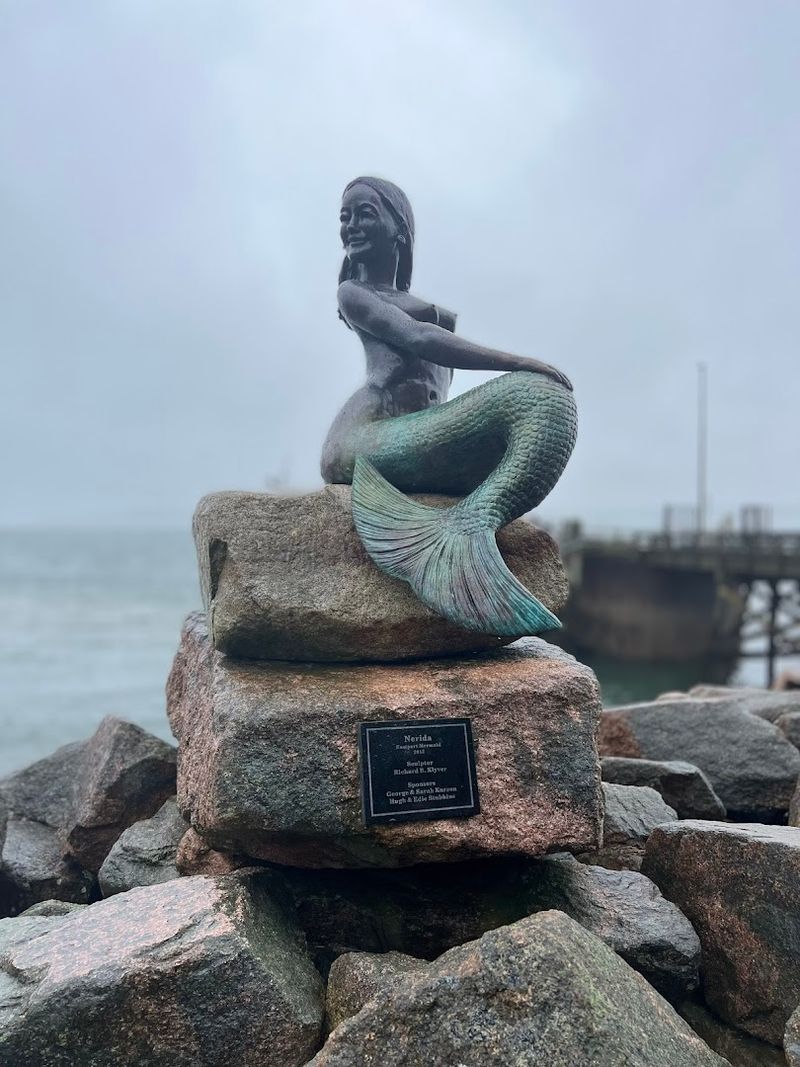
Early mornings in Eastport have a quality that is genuinely hard to put into words. The fog drifts in from Passamaquoddy Bay overnight and by the time the sun begins to rise, the whole harbor is wrapped in a soft, shifting gray that turns copper and rose as the light breaks through.
Because Eastport is the first city in the contiguous United States to see the sunrise each day, those early morning moments carry a certain weight. You are watching the day begin before almost anyone else in the country.
The best spots to catch these foggy sunrises include the waterfront along Water Street and the overlooks near the boat landing, where the view stretches uninterrupted toward Campobello Island in Canada. Bring a thermos of hot coffee and plan to stay for at least thirty minutes.
The fog does not always burn off quickly, and that is actually a good thing. It lingers in layers around the fishing boats and the old wooden piers, creating a scene that feels more like a painting than a real place.
Mornings like these are the reason people come back to Eastport again and again.
Whale Watching on Passamaquoddy Bay
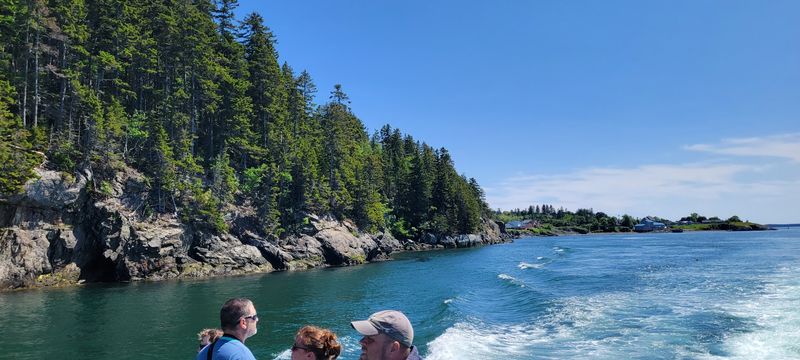
Few things match the experience of watching a humpback whale surface just a few hundred feet from a small boat on Passamaquoddy Bay. The waters around Eastport are rich with marine life, and whale sightings here are not rare events but fairly reliable encounters from late spring through early fall.
Finback whales, minke whales, and harbor porpoises are also regular visitors to these nutrient-rich waters. The strong tidal currents that run through the bay churn up food from the ocean floor, which draws marine mammals in impressive numbers.
Several local outfitters run whale watching tours out of Eastport, typically departing from the downtown waterfront. The trips last a few hours and often include sightings of bald eagles, seals, and seabirds in addition to the whales themselves.
The bay also borders the Head Harbour Passage, a narrow channel with some of the strongest tidal currents in North America. Watching a whale navigate those powerful currents is a reminder of just how extraordinary the natural world around this small town really is.
Bring a waterproof jacket, because the spray on the open water has no manners at all.
The Historic Downtown Waterfront
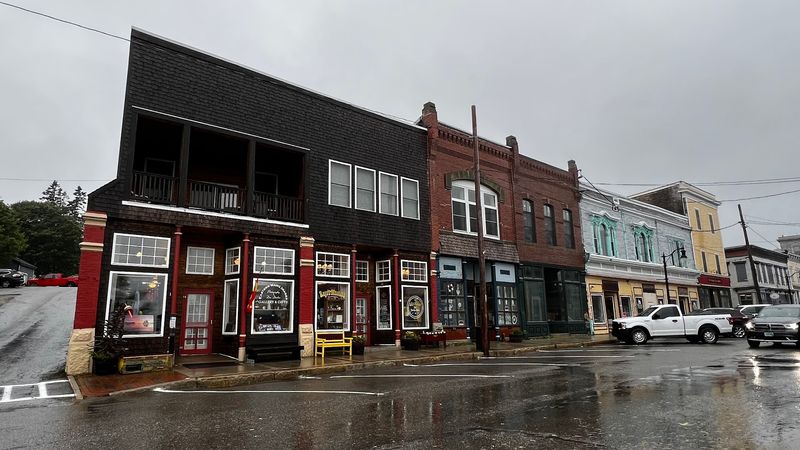
Water Street in downtown Eastport is one of those main streets that feels genuinely rooted in history without trying too hard to show it off. The brick buildings date back to the 19th century, and many of them still house the same kinds of small businesses they were built for: shops, galleries, and places to grab a good meal.
Eastport was once a major commercial hub in the early 1800s, known for its sardine canning industry and its position as a busy port. At its peak, the town was one of the most prosperous cities in all of New England, and traces of that era are still visible in the architecture.
Today, the waterfront has reinvented itself around art, seafood, and quiet tourism. Local galleries display work by Maine artists, and the views from the pier looking out toward Campobello Island are worth the short walk from any point on Water Street.
The whole downtown is compact enough to explore on foot in a couple of hours, which is exactly the right pace for a place like Eastport. There is no rush here, and the town seems to gently encourage you to slow down and actually look at things.
Tidal Wonders: The Largest Whirlpool in the Western Hemisphere
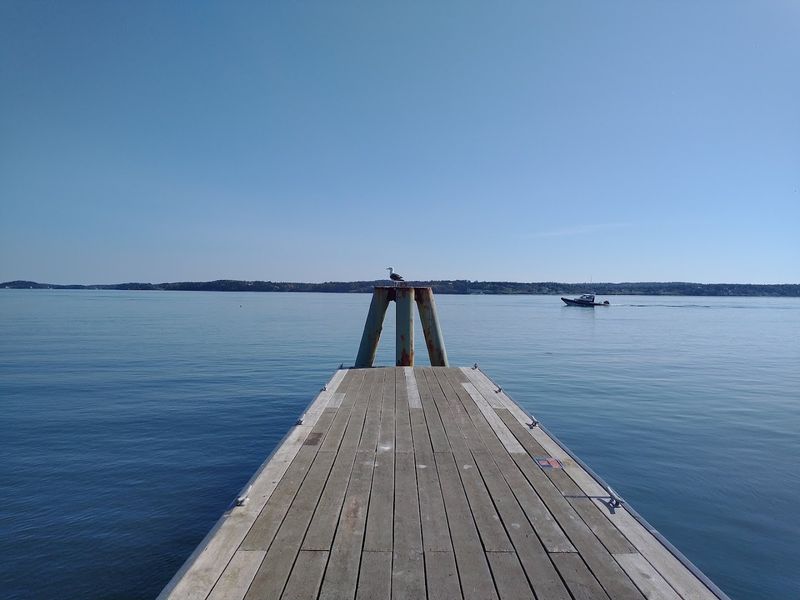
Just offshore from Eastport lies one of the most unusual natural phenomena on the continent. Old Sow is the largest tidal whirlpool in the Western Hemisphere, located in the waters between Moose Island and Deer Island, New Brunswick, Canada.
The whirlpool forms because of the extreme tidal fluctuations in Passamaquoddy Bay, where tides can rise and fall by as much as 18 to 20 feet. When those massive water movements collide with the underwater topography, the result is a churning, spiraling vortex that can stretch up to 250 feet in diameter.
Old Sow is most active around the time of high tide, and local boat tours sometimes venture close enough to give passengers a real sense of its power. Standing on the Eastport waterfront and watching the tidal currents surge through the passage is impressive even from a distance.
The name Old Sow comes from the grunting, gurgling sounds the whirlpool makes as the water spins and bubbles. Smaller satellite whirlpools called piglets form around it during peak tidal activity, which is either charming or slightly unsettling depending on your relationship with open water.
Fresh Seafood Straight from the Bay
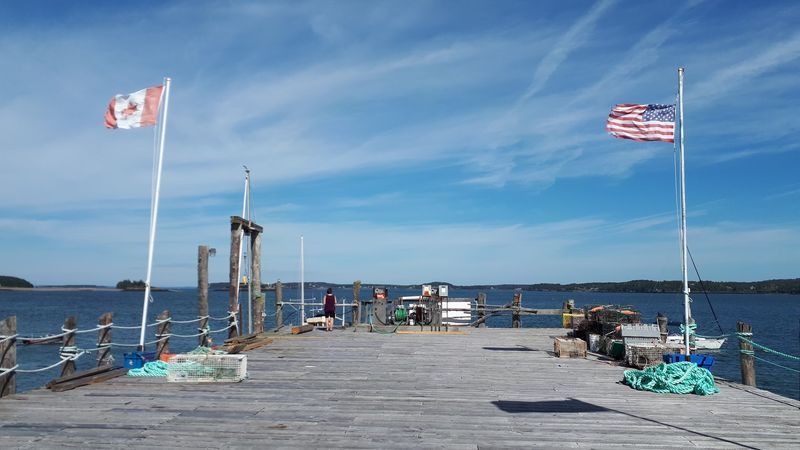
Eating seafood in Eastport is a completely different experience from ordering it at a restaurant three states away. The lobster, clams, and fish served here come out of the same water you can see from your table, sometimes caught the same morning.
The town has a handful of casual spots where the focus is entirely on fresh, local ingredients prepared without a lot of fuss. A bowl of chowder made with local clams and cream is the kind of thing that makes you quietly reconsider every other chowder you have ever had.
Lobster rolls are a staple, and the ones served in Eastport tend to be generous, cold, and dressed simply with a little mayo and seasoning. The local preference leans toward letting the lobster do the talking rather than burying it under unnecessary toppings.
The waterfront setting adds something to every meal here that no amount of interior design can replicate. Seagulls patrol the pier with the confidence of regular diners, the smell of salt air drifts in with every breeze, and the whole experience reminds you that some of the best food in the world is also some of the simplest.
Birding and Wildlife Along the Bold Coast
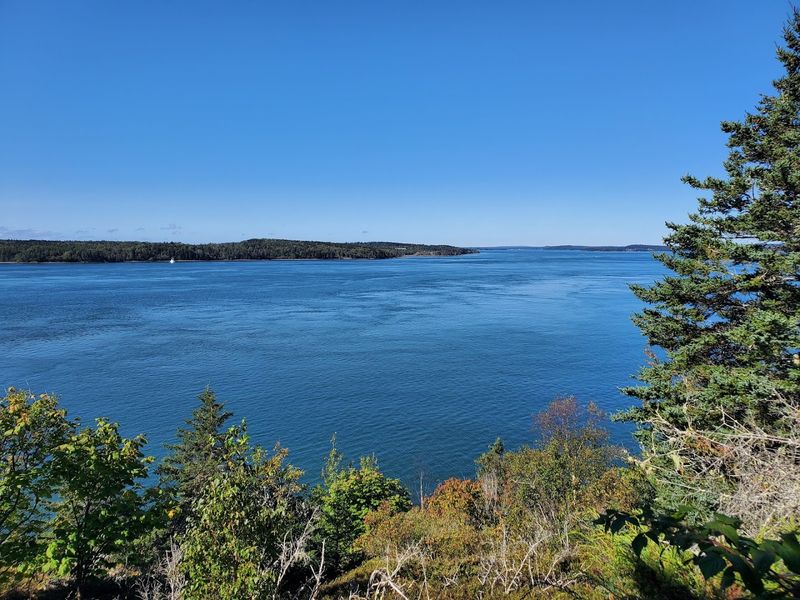
The Bold Coast region surrounding Eastport is one of the best birding destinations in the entire northeastern United States. The combination of rocky shoreline, tidal flats, and dense spruce forests creates habitat that attracts an exceptional variety of bird species throughout the year.
Bald eagles are a common sight here, often perched on the old wooden piers or circling above the bay in search of fish. During migration season, the area draws thousands of shorebirds and waterfowl, and serious birders come from across the country specifically to visit this corner of Maine.
The tidal flats exposed at low tide near Eastport are particularly productive for spotting sandpipers, plovers, and other shorebirds fueling up during their long migratory journeys. Timing a visit to coincide with low tide is a strategy that pays off quickly.
Harbor seals are another reliable presence, hauling out on rocky ledges near the waterfront and watching passing boats with what can only be described as relaxed indifference. The wildlife density around Eastport is a genuine surprise for first-time visitors who arrive expecting scenery and leave having added a dozen new species to their life lists.
The Rich and Layered History of Eastport
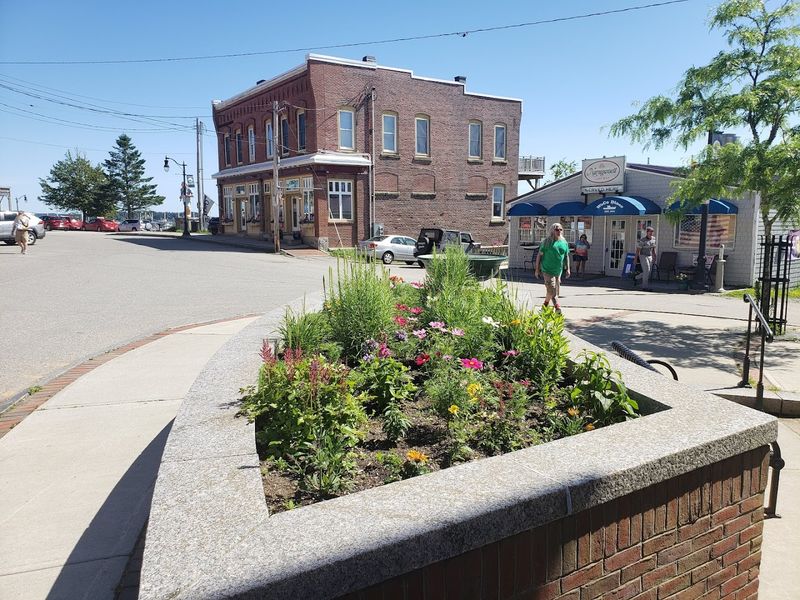
Eastport carries more history per square foot than almost any other small town in Maine. The city was incorporated in 1798, and its position on the border with Canada gave it a complicated and fascinating role in early American history.
During the War of 1812, British forces actually occupied Eastport for several years, making it one of the few American cities to experience a foreign military occupation on its own soil. That chapter of the town’s history is still talked about with a mix of local pride and dry humor.
By the mid-1800s, Eastport had become the sardine canning capital of the United States, with dozens of canneries lining the waterfront and a booming economy that made it one of the wealthiest cities in New England. The industry eventually declined, but the legacy is preserved in local museums and historical markers throughout the downtown area.
The Tides Institute and Museum of Art, located in a restored historic building on Water Street, does an excellent job of connecting visitors to this layered past through art, archives, and rotating exhibitions. History here is not dusty or distant; it feels like something the town is still actively making sense of.
Arts, Culture, and the Creative Community
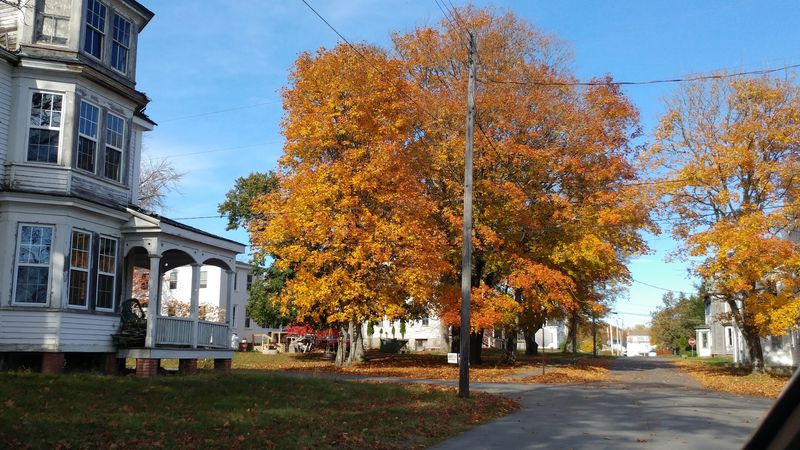
For a city of fewer than 1,300 people, Eastport punches well above its weight when it comes to arts and culture. The town has developed a surprisingly vibrant creative community over the past few decades, drawing artists, writers, and musicians who come for a season and often end up staying for years.
The Tides Institute and Museum of Art is the cultural anchor of the community, offering exhibitions, artist residencies, and public programming that connect local history with contemporary creative work. The building itself, a restored 19th-century bank, is worth a visit on its own architectural merits.
Several independent galleries along Water Street showcase painting, photography, ceramics, and printmaking by local and regional artists. The quality of work on display consistently surprises visitors who are not expecting a serious art scene in such a remote location.
The Eastport Arts Center hosts concerts, theater performances, and community events throughout the year, keeping the cultural calendar active even in the quieter months. There is something genuinely moving about sitting in a small performance space on a foggy evening, listening to live music while the bay churns outside in the dark.
Share this story