Some national parks are beautiful. Others are so bizarre they make you question whether you accidentally stepped into a movie set.
Around the world, there are protected landscapes so strange, so dramatic, and so unlike anything else on Earth that travelers come back home genuinely struggling to describe what they saw. These 15 parks are the ones that keep showing up on bucket lists for one simple reason: they look almost unreal.
Zhangjiajie National Forest Park, China
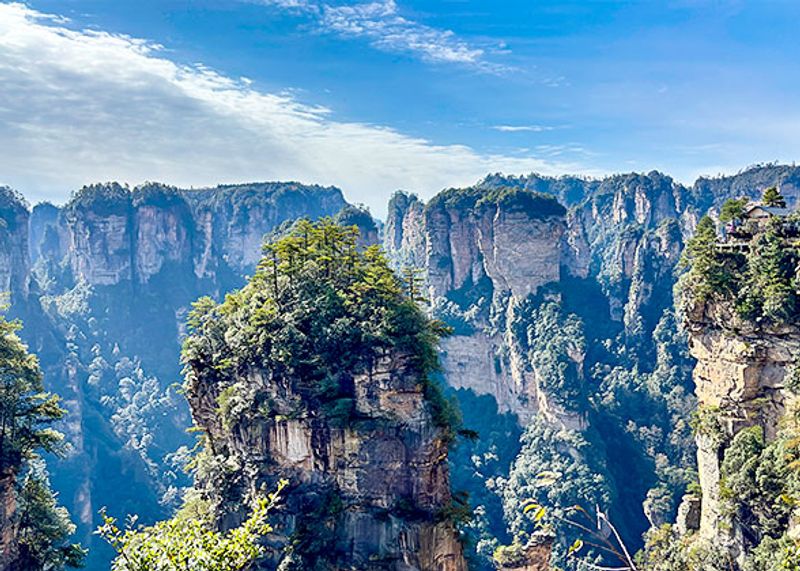
Those towering stone pillars are not CGI. Zhangjiajie National Forest Park in China is home to thousands of sandstone columns rising straight out of a dense green forest, often draped in mist so thick you half expect a dragon to fly through.
The park inspired the floating mountains in Avatar, and once you see the vertical cliffs and narrow peaks, you get why the filmmakers borrowed so heavily from this place.
The scale here is what gets people. It is not one dramatic formation but thousands spread across the Wulingyuan Scenic Area.
Visitors can hike trails, ride cable cars, or take the Bailong Elevator, one of the world’s most famous outdoor glass elevators, which carries you straight up a clifftop. Crowds are real, especially during Chinese holidays, so planning ahead matters.
The park operates with ticketed entry and seasonal hours, so check current schedules before you go.
Lençóis Maranhenses National Park, Brazil
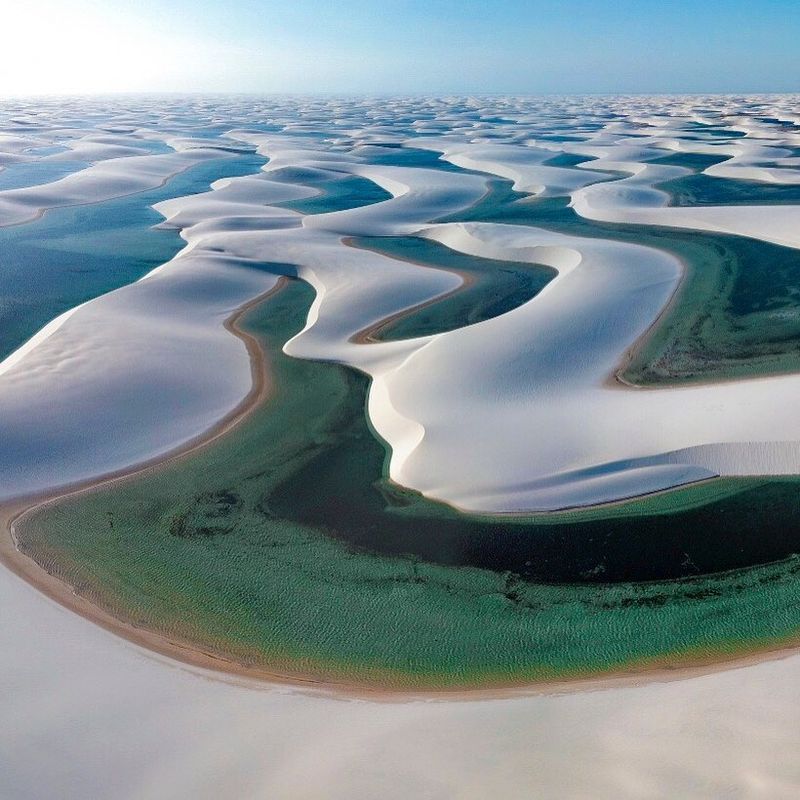
A desert that fills up with swimming pools every year sounds like a trick, but Lençóis Maranhenses is entirely real. Located in northeastern Brazil, this park looks like endless white dunes rolling toward the horizon.
Then the rainy season arrives, and thousands of freshwater lagoons appear between the dunes like nature decided to install a water park.
UNESCO describes it as a coastal dune field with temporary and permanent lagoons, which is the scientific way of saying it is not quite a desert, not quite a beach, and not quite a wetland. It is something weirder and more wonderful than all three combined.
Visitors can hike, swim, canoe, and join guided excursions through the dunes. Brazil’s Chico Mendes Institute updated its park information in May 2026, confirming that activities are ongoing.
The lagoons are most impressive between July and September, so timing your visit makes a real difference.
Tsingy de Bemaraha National Park, Madagascar
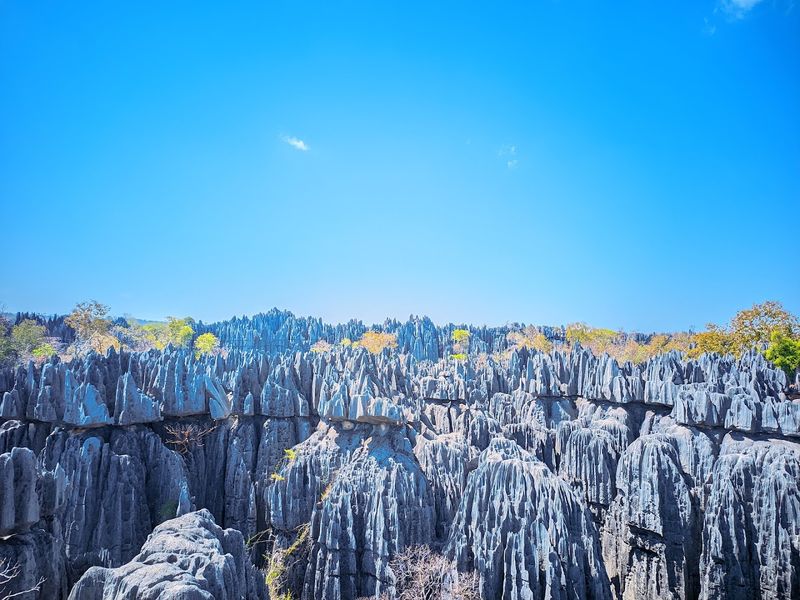
Calling Tsingy de Bemaraha a stone forest is technically accurate but wildly understated. The park in Madagascar is packed with razor-sharp limestone pinnacles, deep canyons, suspension bridges, and cave systems that look like a landscape designed by someone who had a grudge against smooth surfaces.
The word tsingy is commonly explained as meaning to walk on tiptoe, which tells you everything you need to know about what the ground is like.
What makes it genuinely strange is the contrast. The rock formations look like nature carved the ground into knives, yet lemurs, rare birds, reptiles, and plants found nowhere else on Earth thrive in the surrounding forests and canyons.
Madagascar National Parks manages the site, and UNESCO recognizes the wider protected area for outstanding natural value. Getting here takes effort, but travelers who make the trip consistently say it is one of the most visually striking places they have ever visited.
Göreme National Park, Turkey
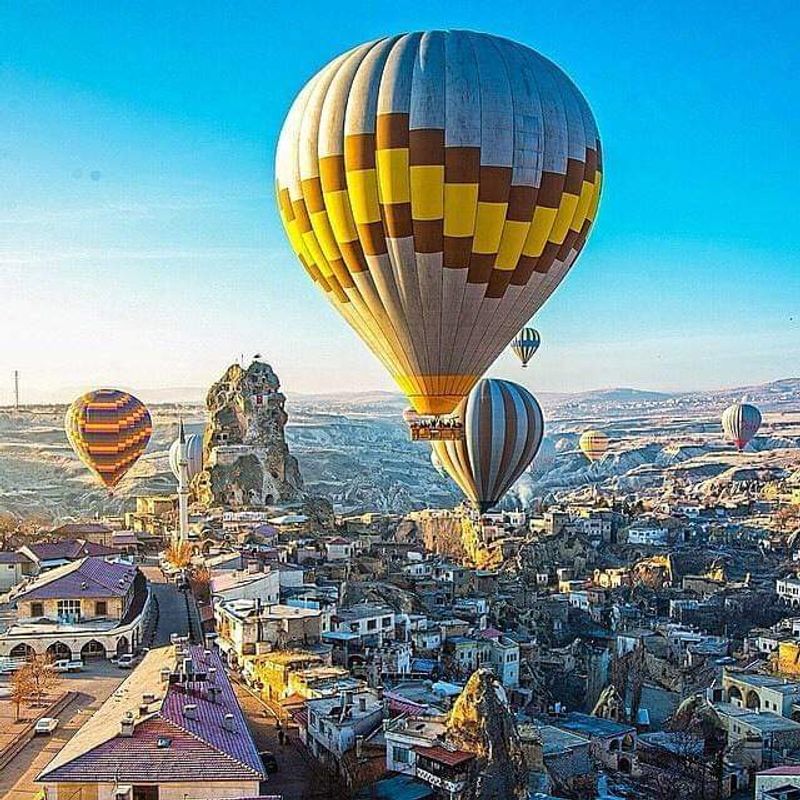
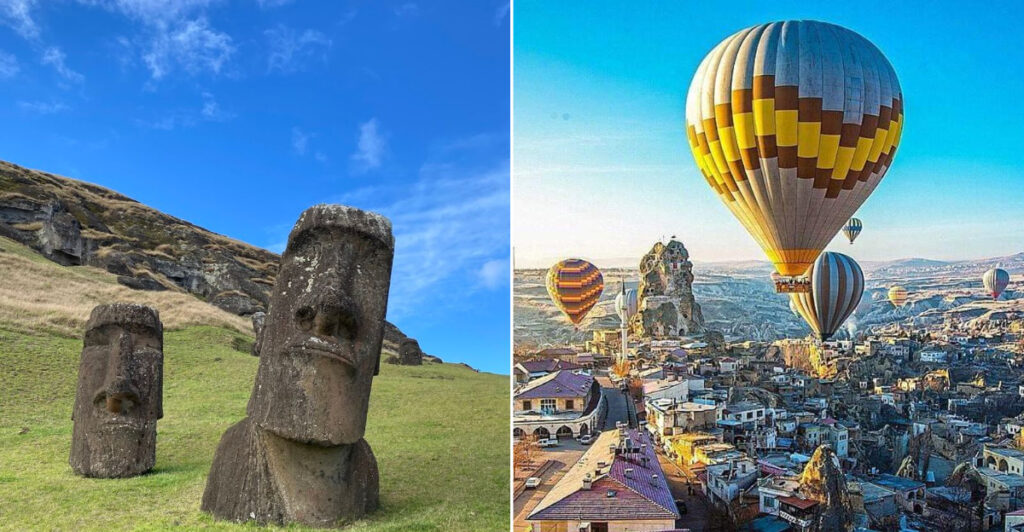
Hot air balloons over a valley full of cone-shaped rocks and ancient cave churches: Göreme National Park in Cappadocia is genuinely one of the most surreal places on Earth. The landscape is shaped by soft volcanic rock that erosion carved into fairy chimneys, cones, and twisted formations over millions of years.
Then humans showed up and carved homes, monasteries, and frescoed churches directly into the rock.
That combination of natural weirdness and human history is what separates Göreme from other unusual parks. You can walk through cave churches decorated with Byzantine frescoes, explore underground cities, and watch the morning balloon flights turn the sky into something out of a fantasy novel.
The Göreme Open Air Museum has welcomed visitors since 1967 and remains a major stop in the national park area. Book balloon rides early, especially in spring and autumn, when demand is highest and availability fills up fast.
Hawaiʻi Volcanoes National Park, United States
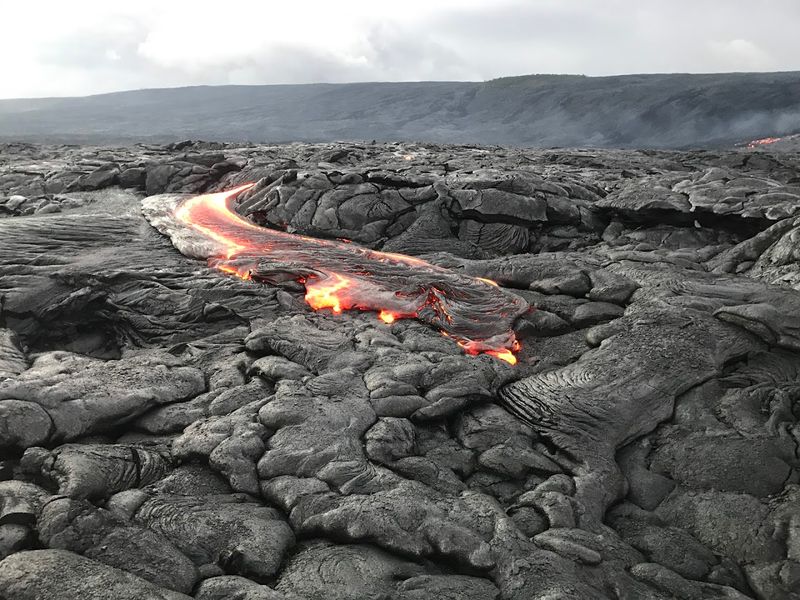
Not many parks can honestly claim that the ground beneath your feet is brand new. Hawaiʻi Volcanoes National Park protects the summits of Kīlauea and Mauna Loa, two of the world’s most active volcanoes, and the land here is literally still being built.
Steam vents hiss, lava tubes run underground, and black fields of hardened lava stretch out like a frozen ocean.
The National Park Service notes the park extends from sea level all the way up to 13,680 feet, protecting geological, biological, and cultural landscapes that exist nowhere else. That range means you can go from tropical forest to volcanic crater in a single day.
Because eruptions and storms can close specific areas without much warning, checking current conditions before your visit is not optional, it is essential. Some sections that closed due to storm and eruption impacts reopened in March 2026, but conditions remain dynamic.
Always verify before you drive.
Plitvice Lakes National Park, Croatia
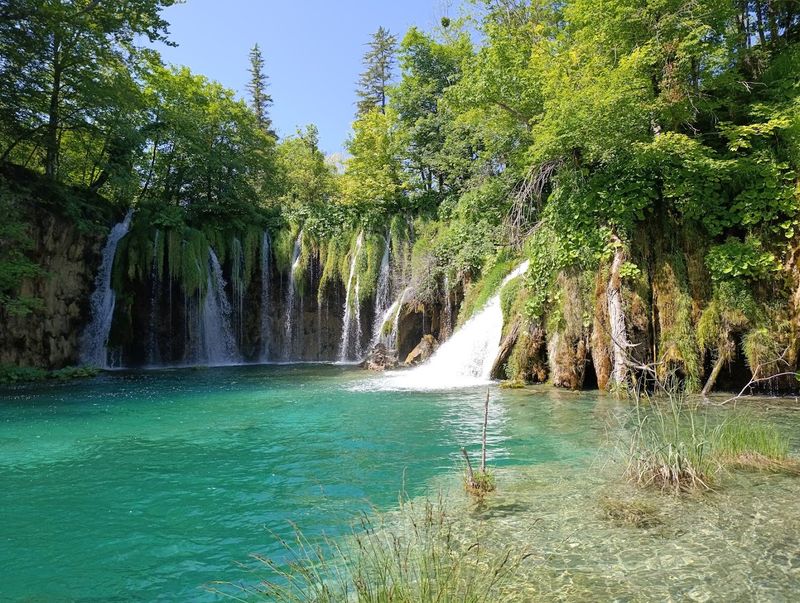
Water that behaves like architecture: that is the best way to describe Plitvice Lakes. Croatia’s oldest national park is a chain of sixteen terraced lakes connected by waterfalls, cascades, and wooden boardwalks that float just above the surface.
The colors shift from deep blue to emerald to turquoise depending on minerals, light, and the time of year, and no two visits look exactly the same.
What makes Plitvice genuinely unusual is that the landscape never stops changing. Mineral deposits from the water continuously build natural limestone dams, which form new lakes and waterfalls over time.
The park is literally reshaping itself while visitors walk through it. Plitvice is a UNESCO World Heritage Site and sells one-day and two-day entrance tickets through its official site.
The park stays open year-round, though hours and trail access shift by season. Summer crowds can be intense, so early morning arrivals or shoulder-season visits are worth considering.
Vatnajökull National Park, Iceland
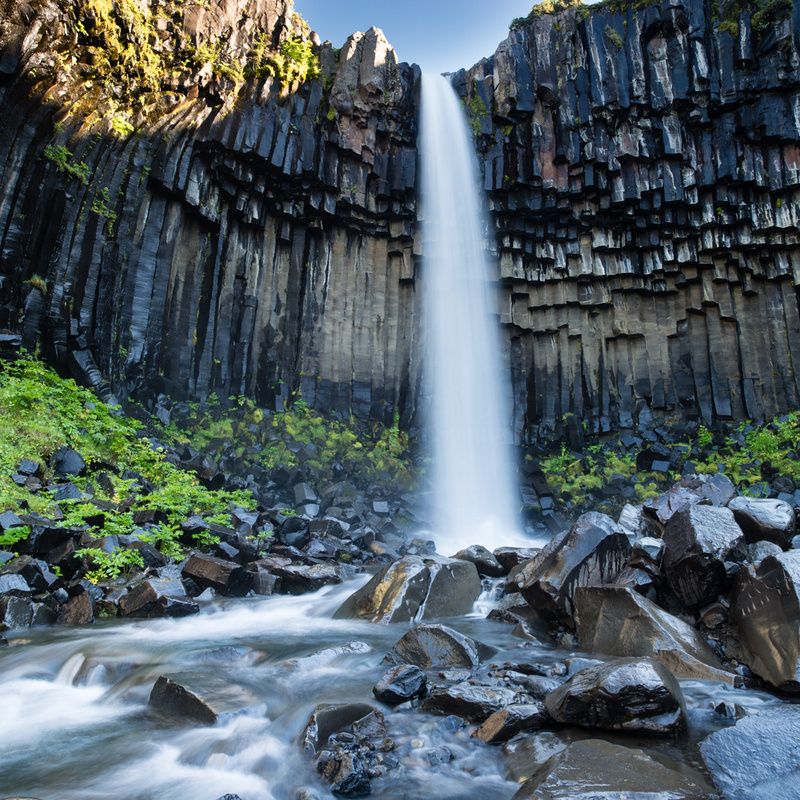
Iceland has a habit of putting things next to each other that have no business being neighbors, and Vatnajökull National Park is the best example of that. Glaciers sit directly on top of volcanoes.
Black sand beaches border glacial lagoons full of floating ice. Waterfalls drop into canyons carved by eruptions that happened under ice sheets thousands of years ago.
This park is one of Europe’s most geologically dramatic protected areas, and it covers a staggering portion of Iceland’s southeastern landscape. Visitors come for Jökulsárlón Glacier Lagoon, Skaftafell, Dettifoss waterfall, ice caves, and guided glacier hikes.
The official park website lists hiking, camping, birdwatching, and visitor centers as available activities. One thing every traveler learns quickly: Icelandic weather changes without consulting anyone’s plans, and road conditions can shift from fine to dangerous in a matter of hours.
Checking current conditions before any drive or hike is genuinely not negotiable here.
Gunung Mulu National Park, Malaysia
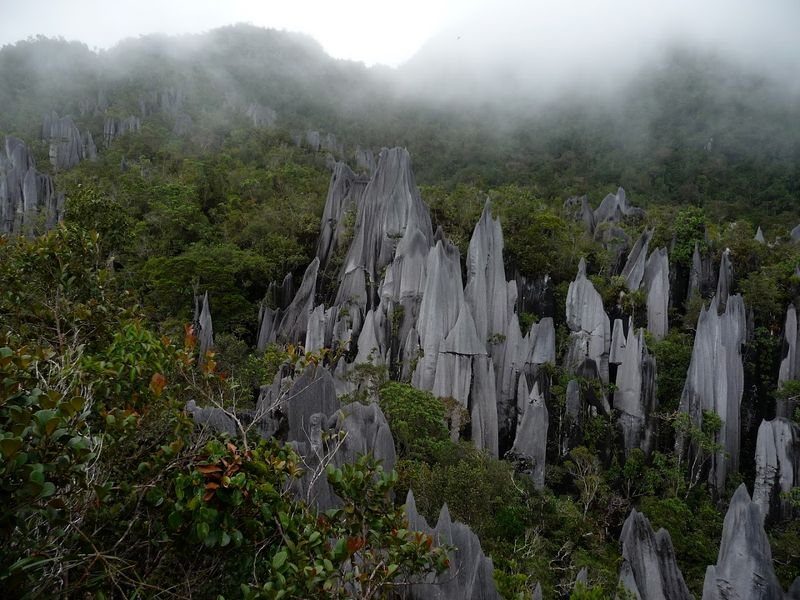
Most national parks show off what is above ground. Gunung Mulu keeps its best material hidden underground.
Located in Malaysian Borneo, this park is home to some of the largest cave chambers on Earth, underground rivers, jaw-dropping karst formations, and the Pinnacles: a set of razor-sharp limestone spikes rising from the forest that look like they belong in a fantasy novel.
The show caves are spectacular, but the highlight for many visitors is the evening bat exodus from Deer Cave, when millions of bats stream out in a continuous ribbon against the fading sky. It is one of those wildlife moments that sounds unbelievable until you witness it yourself.
The official Mulu National Park site confirms tours, caves, treks, accommodation, and activities are available 365 days a year. Adventure caving options range from easy to genuinely intense, so there is something here whether you want a stroll or a full underground expedition.
Death Valley National Park, United States
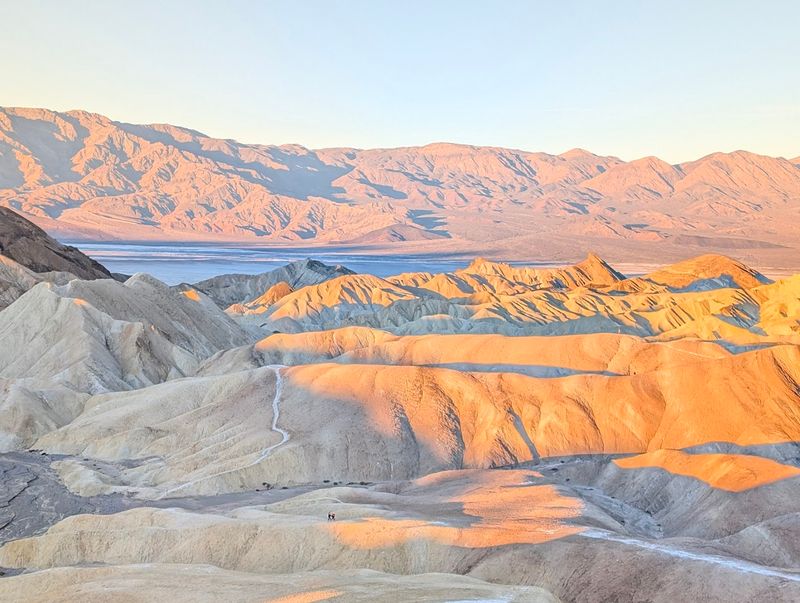
Death Valley holds three unenviable records at once: hottest, driest, and lowest national park in the United States. You might expect that combination to produce one boring landscape, but the opposite is true.
Salt flats, sand dunes, painted badlands, volcanic craters, and mountain ranges all share the same desert park, making it far stranger and more varied than its reputation suggests.
Badwater Basin is the park’s most surreal stop, a vast salt flat sitting 282 feet below sea level, where the ground is covered in geometric salt crystals that crunch underfoot. Artists Palette, Zabriskie Point, and Mesquite Flat Sand Dunes round out a list of landscapes that look like they belong on different planets.
Death Valley’s official conditions page warns that road status can change fast due to weather, flooding, and construction. Summer visits require serious preparation and are not recommended for casual travelers.
Spring and autumn are the sweet spots.
Galápagos National Park, Ecuador
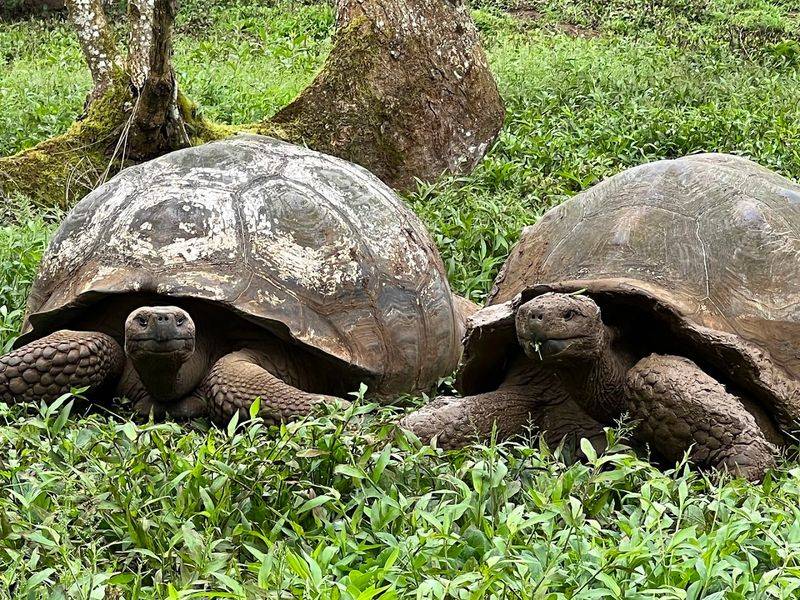
The wildlife in the Galápagos seems to have missed the memo about being afraid of humans. Marine iguanas sprawl across black lava, giant tortoises lumber through misty highlands, blue-footed boobies nest centimeters from hiking trails, and Galápagos penguins live near the equator as if that is perfectly normal.
Charles Darwin famously rethought the origins of species here, and travelers still arrive and immediately understand why this place scrambles your assumptions about the natural world.
Strict regulations are what keep the Galápagos from being loved to death. Visitors must follow park rules, stay on marked trails, and travel with authorized guides in protected zones.
Those rules are not just bureaucracy; they are the reason the wildlife still behaves as if humans are irrelevant. The park is highly regulated but genuinely visitable, and the combination of fearless animals and volcanic island scenery makes it one of the most memorable national park experiences on Earth.
Komodo National Park, Indonesia
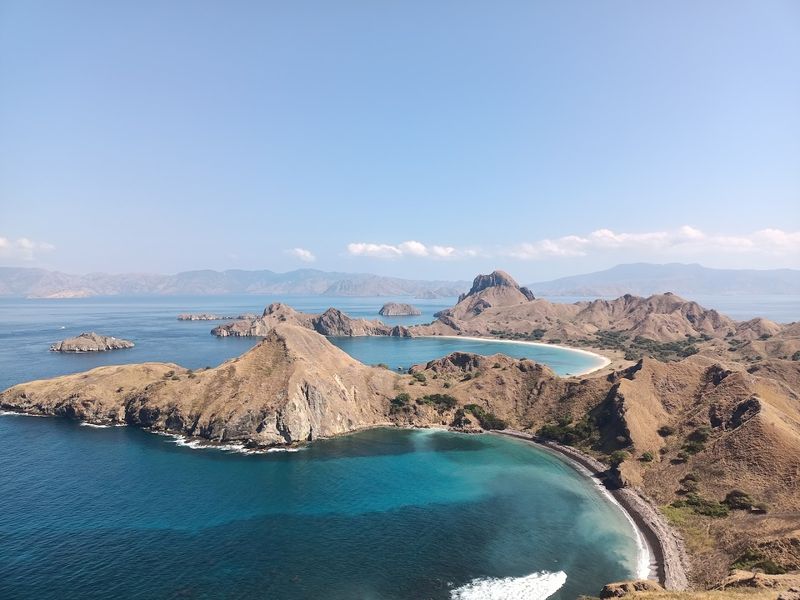
There are not many places left on Earth where you can watch the world’s largest living lizard wander around its natural habitat, but Komodo National Park in Indonesia is one of them. Komodo dragons are genuinely prehistoric-looking creatures, heavy-bodied, slow-moving, and surprisingly fast when motivated, and seeing them on dry, scrubby islands in the Indonesian archipelago is one of the most distinctive wildlife encounters available anywhere.
The park is not a one-trick reptile show, though. Coral reefs, beaches, savanna, and rich marine life make Komodo a diverse destination beyond its famous residents.
UNESCO notes the park was created specifically to protect the Komodo lizard and its habitat, and it is managed by Indonesia’s central government. The official park website remains active with visitor information, but permit rules, guide requirements, and quota systems have changed in recent years.
Checking current entry rules before planning is essential, because regulations here tend to evolve.
Rapa Nui National Park, Chile
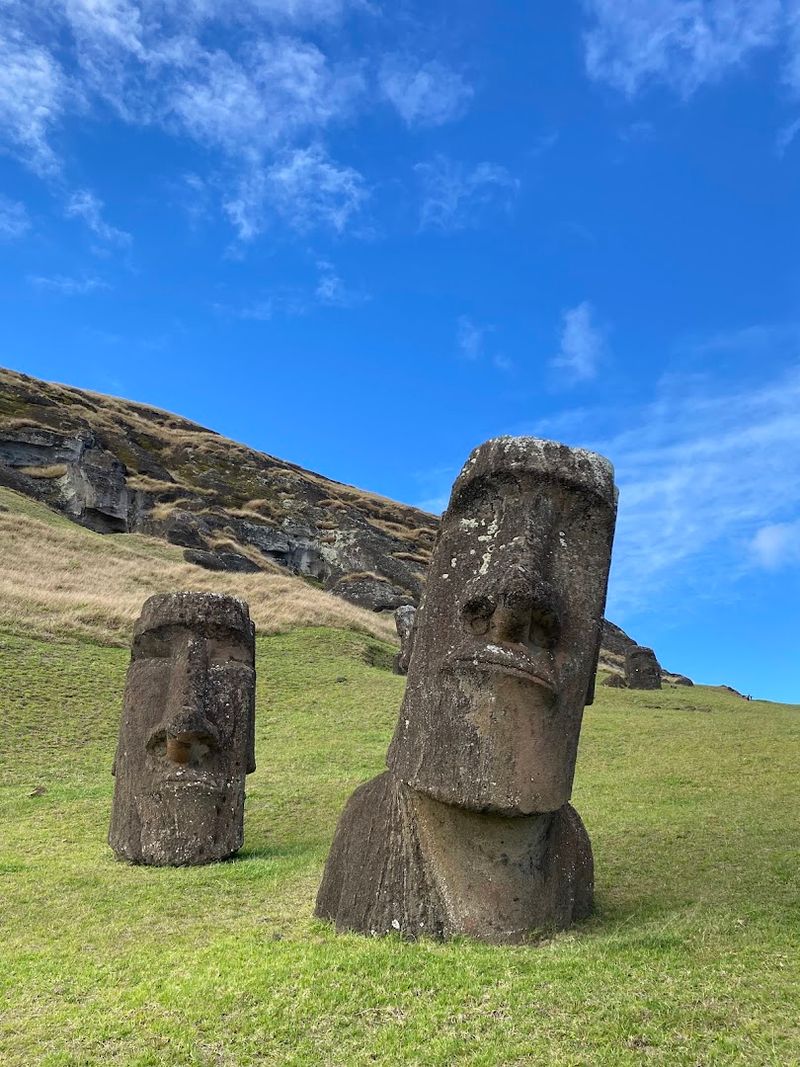
Easter Island sits so far out in the Pacific that getting there already feels like an achievement. Then you step out and see rows of massive stone figures staring inland across open grassland, and the whole experience shifts into something genuinely hard to categorize.
Rapa Nui National Park protects the moai statues, ceremonial platforms, petroglyphs, volcanic craters, and ancient village sites that make this island one of the most archaeologically mysterious places on Earth.
Unlike most national parks, the main draw here is entirely human-made. The moai were carved and erected by the Rapa Nui people centuries ago, and researchers are still debating exactly how and why.
The scale and isolation of the statues create an atmosphere that no photograph fully captures. The official park site requires visitors to enter with a licensed guide and provides ticket and guide information.
Access is regulated, which helps protect the sites from the kind of damage that overtourism causes elsewhere.
Kakadu National Park, Australia
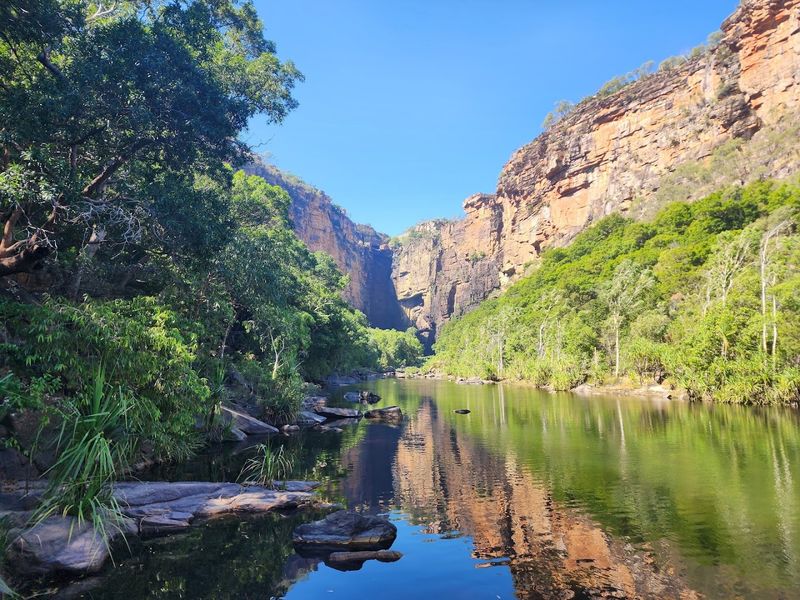
Kakadu is the kind of place that makes every other national park feel slightly incomplete. Located in Australia’s Northern Territory, it covers nearly 20,000 square kilometers of wetlands, rivers, waterfalls, escarpments, and floodplains.
That alone would make it remarkable, but Kakadu also contains some of the world’s most significant Aboriginal rock art, some of it dating back tens of thousands of years.
Parks Australia describes Kakadu as a place to connect with the oldest living culture on Earth, and that framing is not marketing hyperbole. The cultural depth here adds a layer to the experience that purely geological parks cannot match.
Ecologically, the park supports an enormous variety of wildlife, including saltwater crocodiles, which are very real and very present in certain waterways. Access changes significantly with the seasons, particularly during the wet season when roads flood and some areas close entirely.
Checking Kakadu’s daily access report before any visit is strongly recommended.
Corcovado National Park, Costa Rica
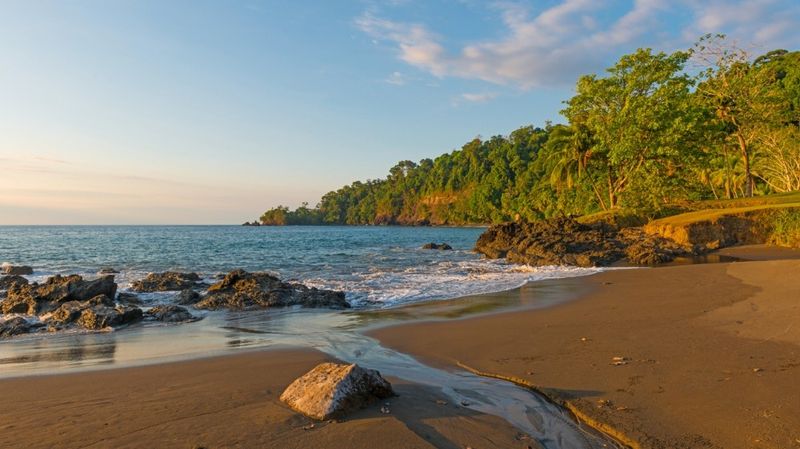
SINAC, Costa Rica’s protected areas authority, claims that Corcovado contains 2.5% of the world’s total biodiversity. For a single national park on a small peninsula, that is a number that takes a moment to sink in.
Scarlet macaws fly overhead, tapirs wade through rivers, four species of monkeys move through the canopy, and if you are very lucky and very quiet, a jaguar might cross your path.
Corcovado sits on the Osa Peninsula, one of the most remote corners of Costa Rica, and it feels it. There are no manicured visitor centers or easy parking lots here.
The park is deliberately wild, and guided access is standard for both safety and conservation reasons. Trails can be muddy, river crossings are common, and the humidity is constant.
All of that is part of the appeal. Travelers who plan carefully and go with experienced guides consistently rate Corcovado as one of the most rewarding wildlife experiences in the Americas.
Yellowstone National Park, United States
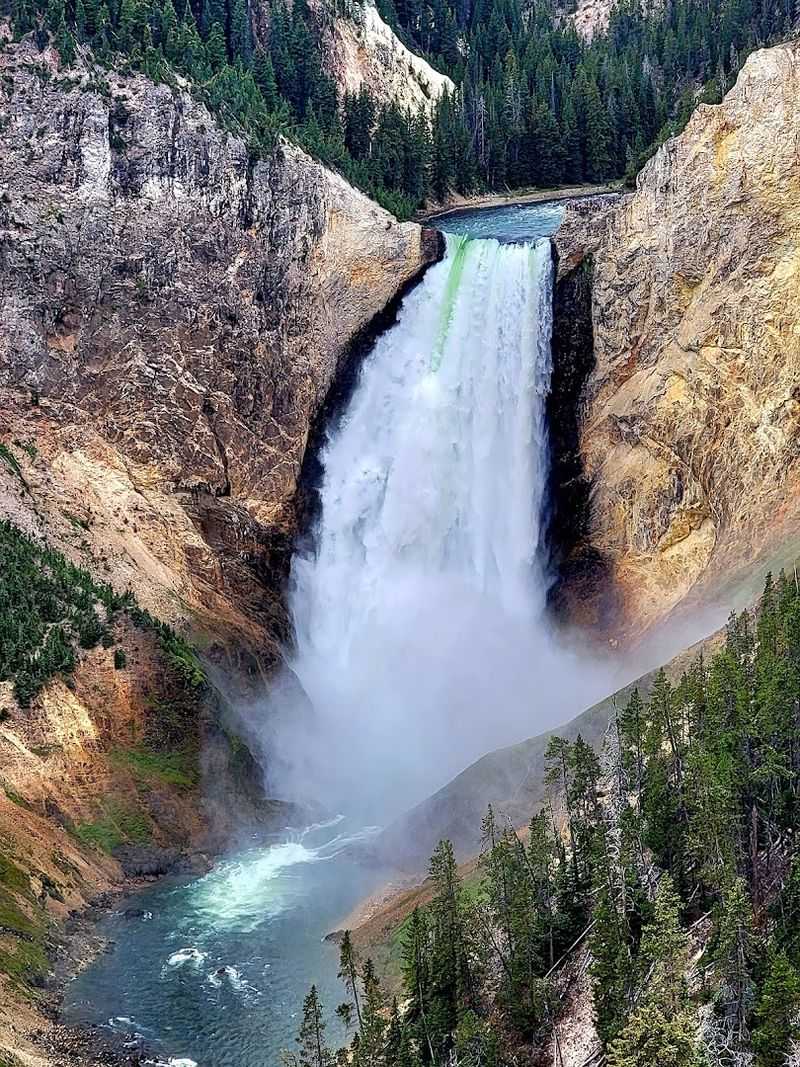
Yellowstone became America’s first national park back in 1872, which means people have been staring at its boiling rainbow pools and erupting geysers for over 150 years and still cannot quite believe they are real. The Grand Prismatic Spring alone looks like someone spilled a giant paint set into the ground.
Mud pots bubble, fumaroles hiss, and geysers launch boiling water into the air on schedules that feel almost theatrical.
The National Park Service notes the park holds more than 10,000 hydrothermal features, which is more than anywhere else on Earth. Old Faithful is the celebrity, but the Norris Geyser Basin, Mammoth Hot Springs, and Lamar Valley each offer their own brand of strangeness.
Roads and entrances operate seasonally, and the NPS announced that select entrances opened for the 2026 summer season beginning April 17, weather permitting. Yellowstone is crowded in summer, but its sheer geological weirdness makes the crowds worth tolerating.
Share this story