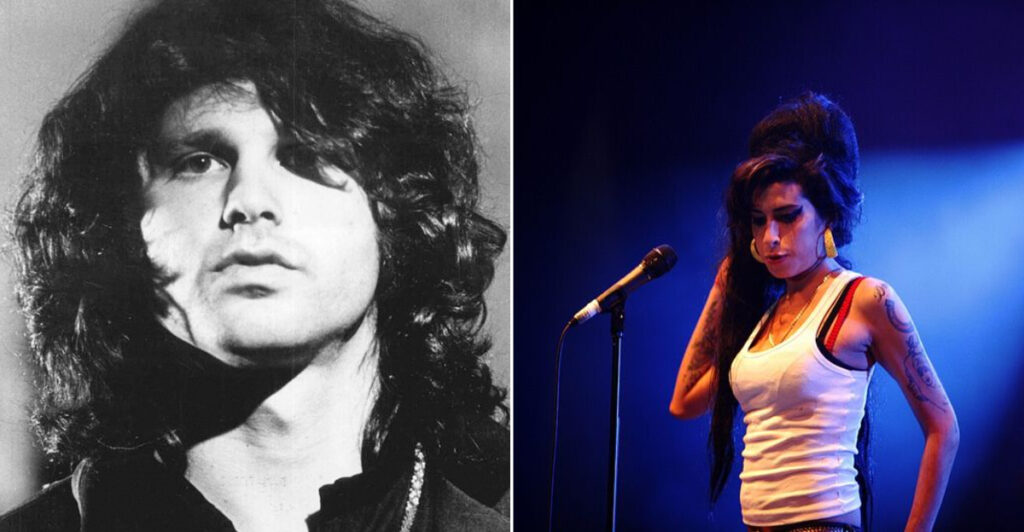
Some numbers carry more weight than others, and 27 is one of them. The 27 Club refers to a group of incredibly talented musicians and artists who all died at the age of 27, often under tragic or mysterious circumstances.
From blues legends to rock icons to modern pop stars, their stories are as fascinating as they are heartbreaking. Their music lives on, but their lives were cut painfully short.
Brian Jones
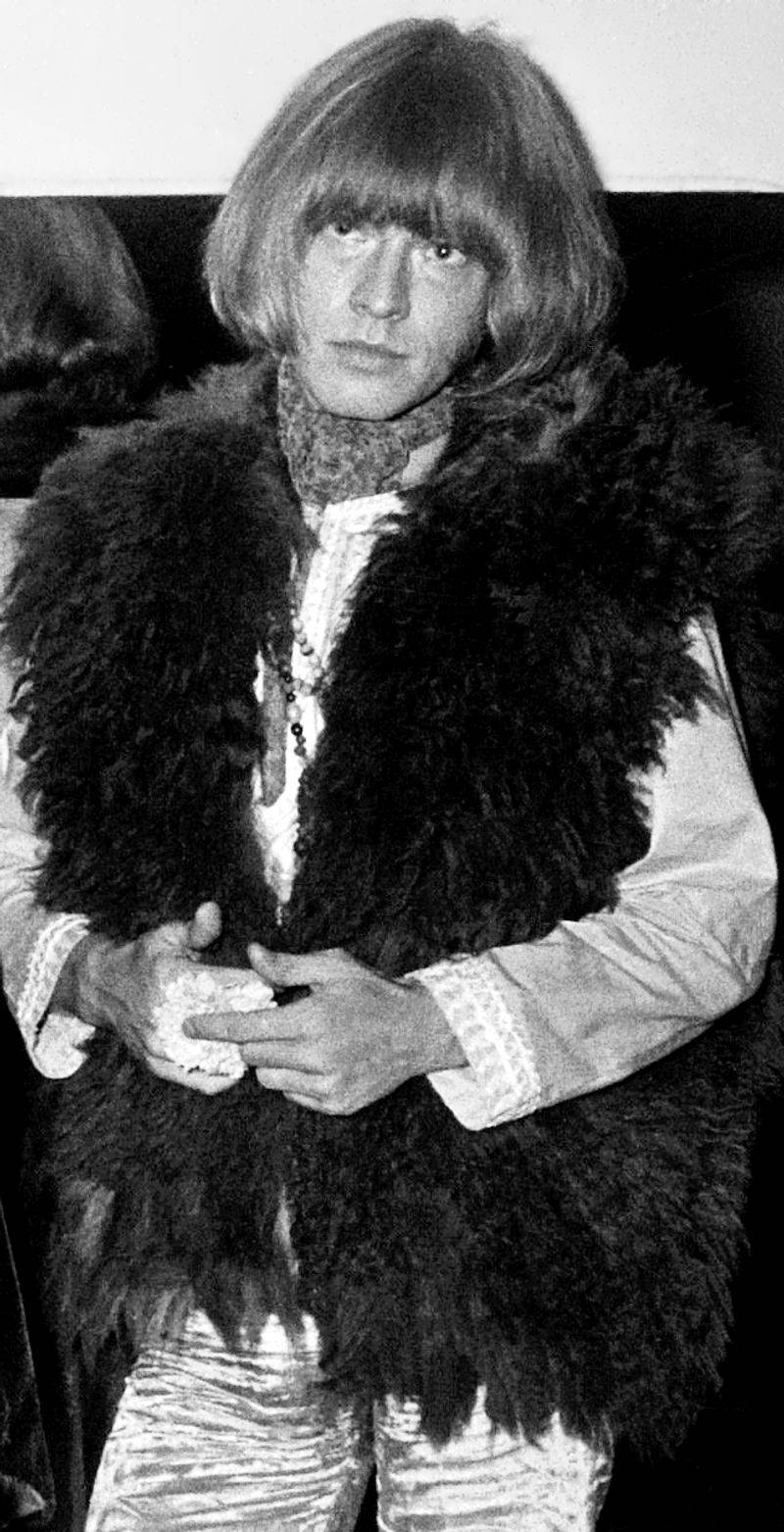
Before Mick Jagger became the face of the Rolling Stones, Brian Jones was the one holding the whole thing together. He founded the band, named it, and recruited its members.
He also played an almost ridiculous number of instruments, from sitar to marimba to flute, giving the Stones their early experimental edge.
By 1969, though, the band had moved on without him. Jones was asked to leave due to his worsening drug use and unreliability.
Just weeks after his departure, he was found dead at the bottom of his swimming pool at his home in East Sussex.
The official ruling was death by misadventure, linked to alcohol and drugs. But rumors and theories about foul play have circulated for decades.
Jones was 27. His contributions to rock music are often overshadowed by the band he built, which is a strange kind of irony that has followed his legacy ever since.
Alan “Blind Owl” Wilson
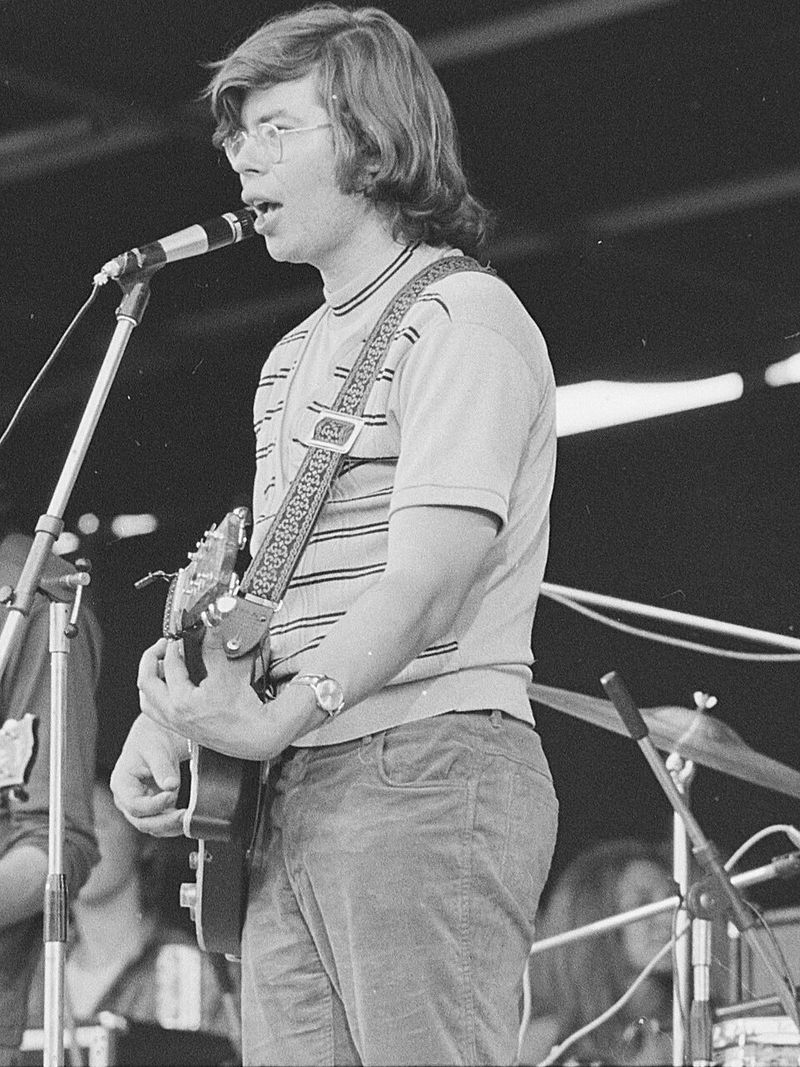
Not everyone in the 27 Club gets top billing, but Alan Wilson absolutely earned his spot. As a co-founder of Canned Heat, he brought serious blues knowledge and a haunting falsetto voice to a band that became a Woodstock favorite. “Going Up the Country” remains one of the most recognizable songs of the late 1960s.
Wilson was known as “Blind Owl” because of his extremely poor eyesight. He was also deeply knowledgeable about traditional blues, even helping Howlin Wolf prepare recordings before Canned Heat took off.
His depth as a musician went well beyond what casual fans realized.
He died in September 1970, just weeks before Jimi Hendrix and Janis Joplin, making that autumn one of the most devastating months in rock history. His cause of death was ruled accidental barbiturate intoxication.
Wilson was 27, and his passing barely registered compared to the losses that followed just days later.
Jimi Hendrix
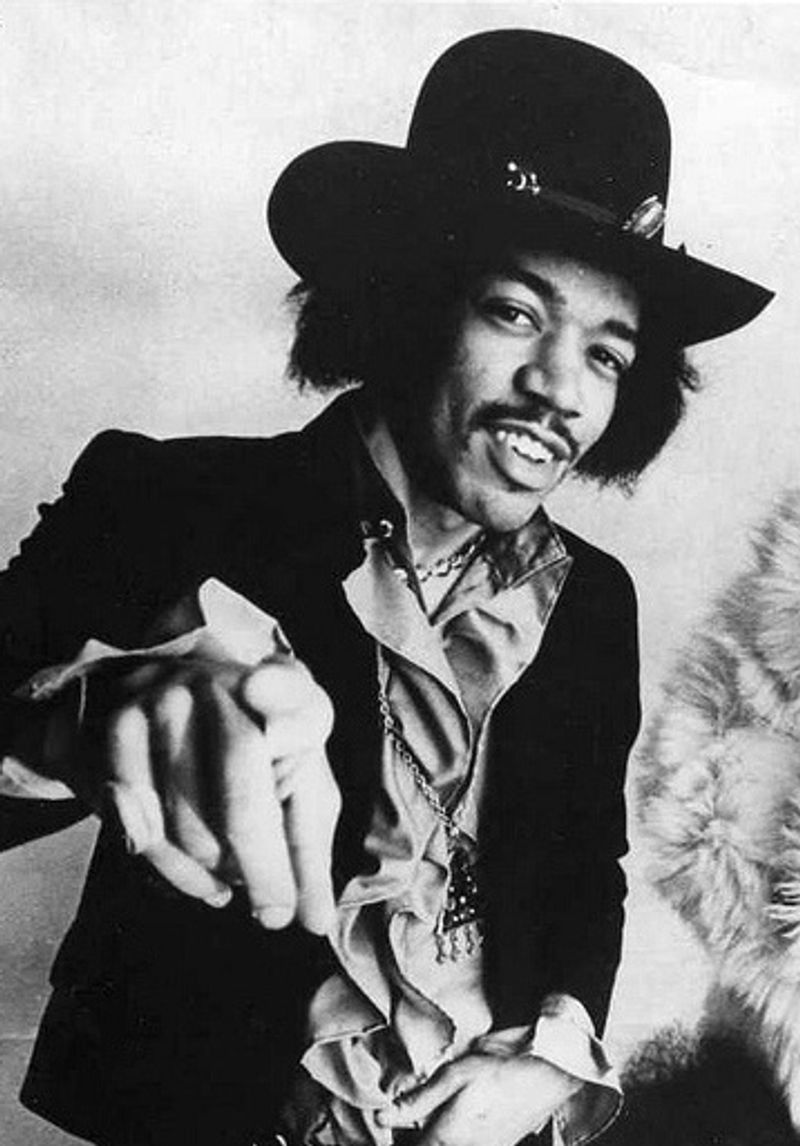
Nobody played guitar like Jimi Hendrix. Full stop.
He bent notes, set instruments on fire, played behind his back, and somehow still sounded more musical than anyone else on stage. Born in Seattle in 1942, he went from playing small clubs in the American South to headlining Woodstock in just a few years.
His catalog is staggering for someone who only had a few active years at the top. “Purple Haze,” “Voodoo Child,” “Little Wing,” and his legendary cover of “All Along the Watchtower” are all permanent fixtures in music history. He changed what the electric guitar was capable of.
Hendrix died in London on September 18, 1970, from asphyxiation related to barbiturate use. He was 27.
Musicians from Eric Clapton to Prince to John Mayer have cited him as a defining influence. His impact on rock, blues, funk, and psychedelia is simply impossible to overstate.
Janis Joplin
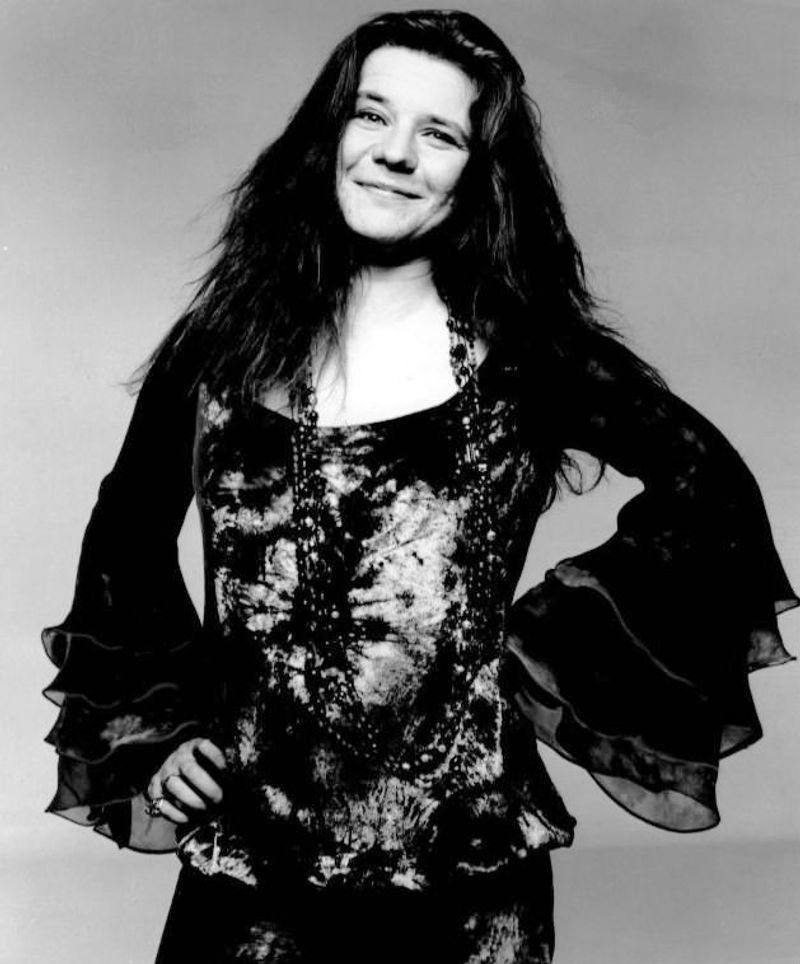
Janis Joplin sang like she had nothing left to lose, and audiences loved her for it. She grew up in Port Arthur, Texas, feeling like an outsider, and channeled all of that into a blues voice that could shake a stadium.
When she took the stage at Monterey Pop in 1967, everything changed overnight.
Her work with Big Brother and the Holding Company introduced her to the world, but her solo career showed how far she could go. “Me and Bobby McGee” and “Cry Baby” still hit hard today. She was finishing her album Pearl when she died in October 1970.
A heroin overdose at age 27 ended one of rock’s most electrifying careers. Pearl was released posthumously and became her best-selling record.
Joplin once said she just wanted to feel everything as deeply as possible. Tragically, that intensity seemed to work in both directions throughout her short life.
Jim Morrison
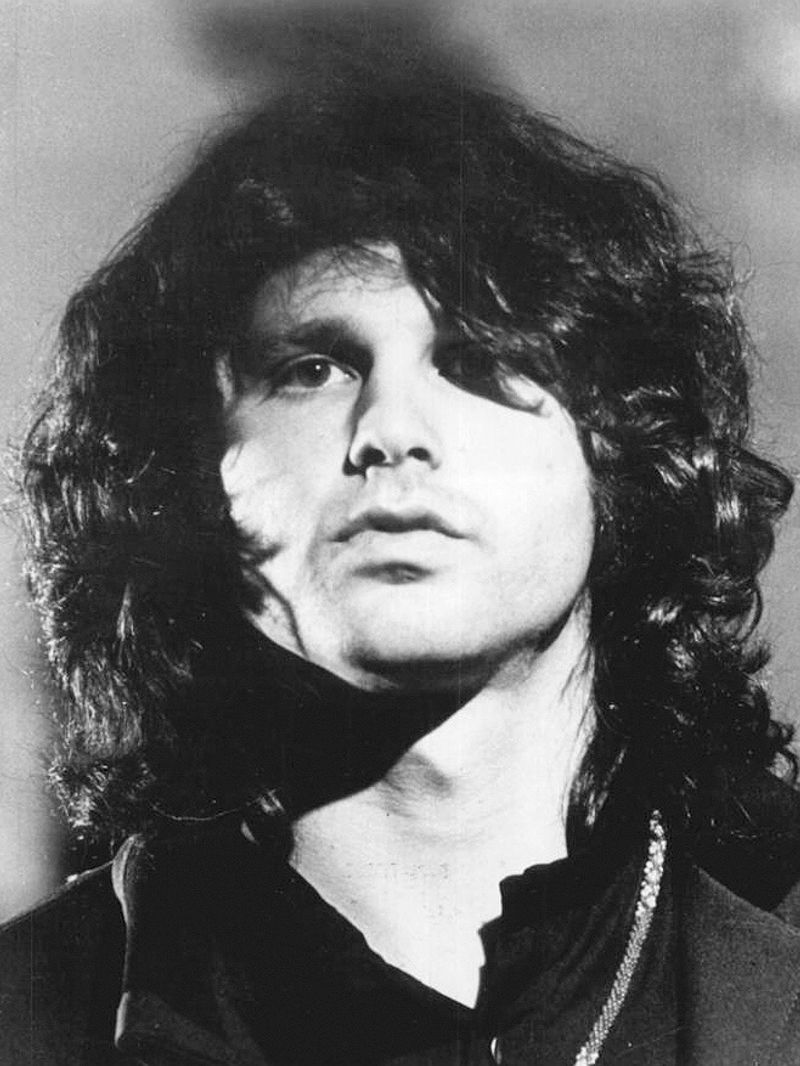
Jim Morrison was equal parts rock star and walking literature class. The Doors front man wrote poetry, directed short films, and delivered lyrics that felt more like prophecy than pop music.
His baritone voice and unpredictable stage behavior made every show feel like it could go anywhere.
The Doors released six studio albums in just four years, including classics like “Light My Fire,” “Riders on the Storm,” and “People Are Strange.” Morrison was also arrested multiple times, most famously in Miami in 1969, for alleged indecent exposure during a concert.
He moved to Paris in 1971, hoping to focus on his poetry and escape the chaos of fame. He died there on July 3, 1971.
No autopsy was performed, and his official cause of death was listed as heart failure. The lack of hard evidence has fueled speculation for over five decades.
He was 27.
Ron “Pigpen” McKernan
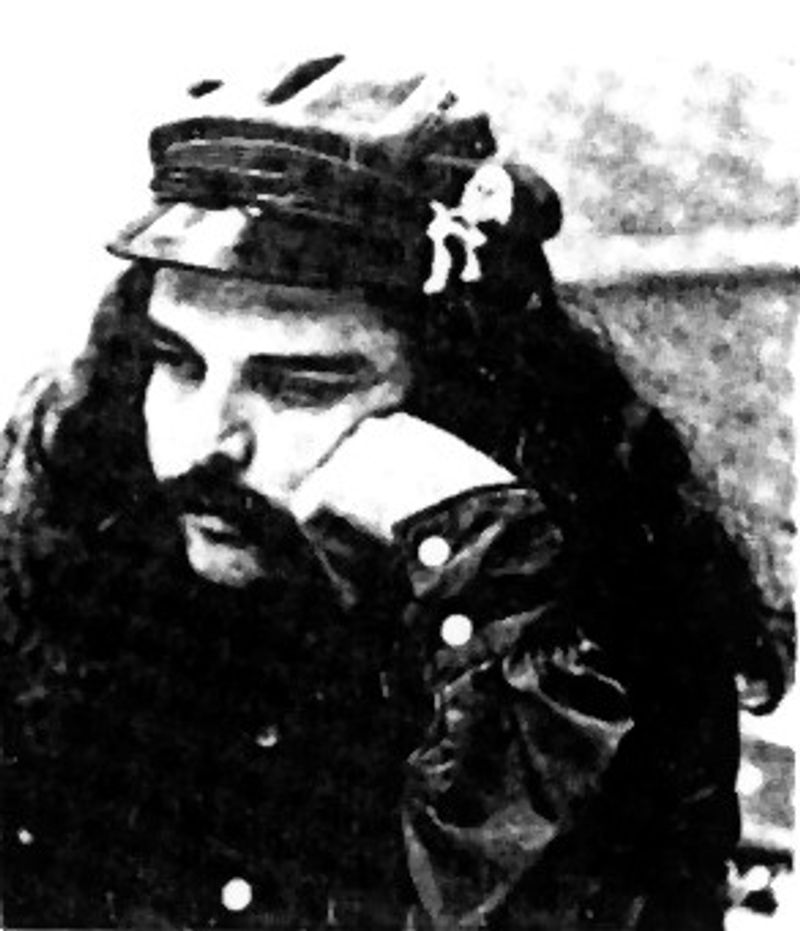
Ron McKernan went by Pigpen, and he wore that nickname like a badge of honor. While the Grateful Dead became synonymous with psychedelic jams and tie-dye, Pigpen was the one who kept things raw and bluesy.
His keyboards and gruff vocals gave the early Dead a gritty edge that set them apart from other San Francisco bands.
He was one of the band’s founding members and a major part of their early identity. Songs like “Turn On Your Lovelight” became extended live showcases largely because of his natural showmanship.
He was the kind of performer who could hold a crowd just by standing still.
Heavy alcohol use damaged his liver severely over the years. By 1972, he was too sick to tour regularly.
He died in March 1973 of gastrointestinal hemorrhage caused by liver disease. McKernan was 27.
His bandmates mourned him deeply, and the Dead never quite sounded the same after losing their blues anchor.
Dave Alexander
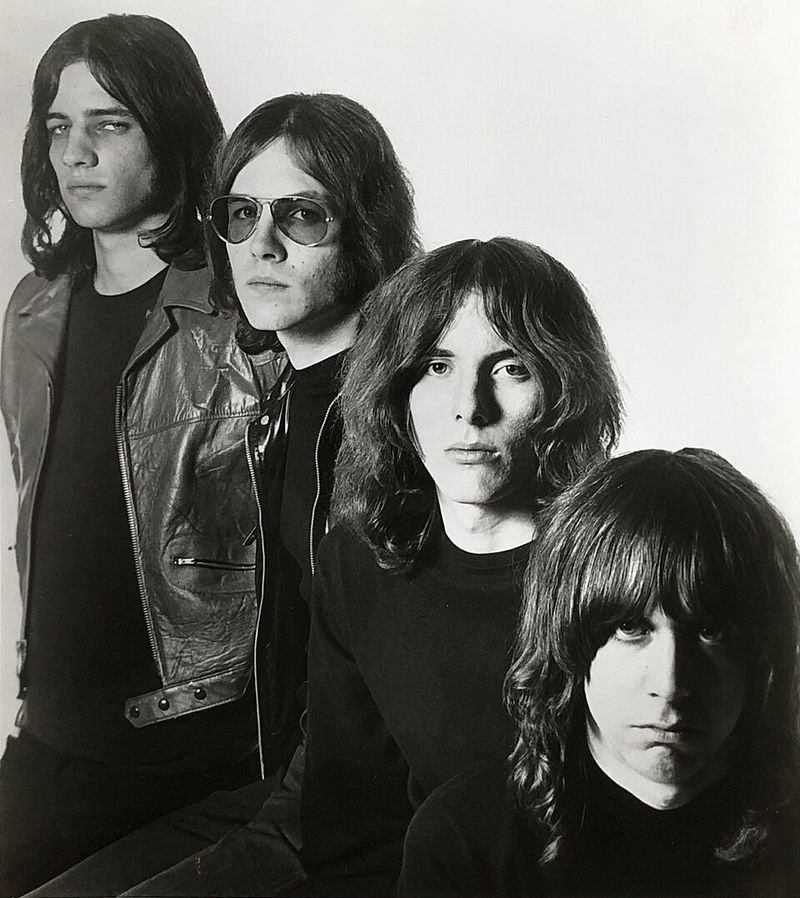
Dave Alexander may not be a household name, but proto-punk fans know exactly who he was. As the original bassist for the Stooges, he played on two of the most influential albums in underground rock history: The Stooges and Fun House.
Those records laid the groundwork for punk, grunge, and alternative music decades later.
His relationship with the band ended badly. He was reportedly fired after missing a gig in 1970, and his health deteriorated quickly after that.
The combination of alcoholism and declining physical health put him in the hospital by 1975.
Alexander died of pancreatitis complications that February at age 27. He never got to see the enormous influence his early work with Iggy Pop would have on music.
Fun House in particular is now considered one of the greatest rock albums ever recorded. His bass lines were a big part of what made it so ferocious and alive.
Pete Ham
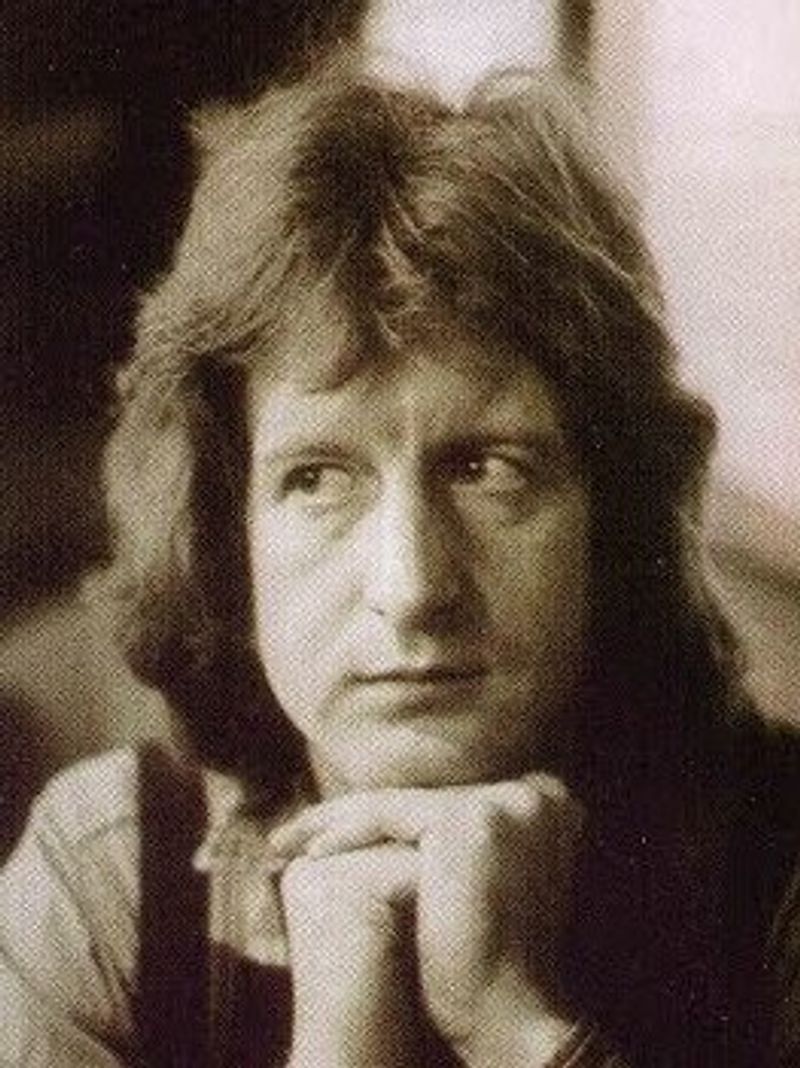
Pete Ham wrote one of the most covered songs in pop music history, and most people have no idea it was him. “Without You,” co-written with Tom Evans of Badfinger, became a global smash for Harry Nilsson in 1972 and was later covered by Mariah Carey among dozens of others. Ham never received the financial rewards that song deserved.
Badfinger was signed to Apple Records and had genuine commercial success in the early 1970s. But a series of disastrous management decisions left the band financially ruined and legally trapped.
Ham bore the weight of those failures personally and deeply.
He died by suicide on April 24, 1975, just three days before his 28th birthday. He left behind a note placing blame on their corrupt manager.
His story is one of the most devastating in rock history, not just because of his death, but because of how badly the music industry failed him while he was alive.
Chris Bell
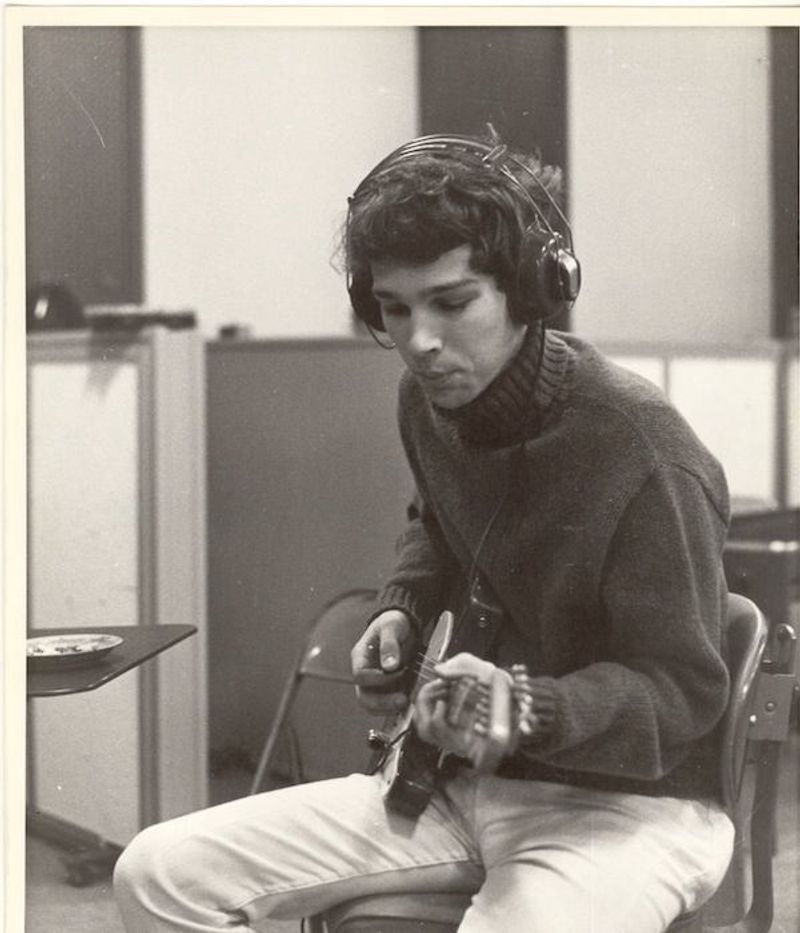
Big Star never sold many records during their original run, but they quietly changed the course of alternative music. Chris Bell co-founded the band in Memphis and co-wrote the debut album #1 Record, which is now considered a power-pop masterpiece.
R.E.M., the Replacements, and Teenage Fanclub all pointed directly to Big Star as a major influence.
Bell left the band after that first album due to tensions with co-founder Alex Chilton and personal struggles including depression and substance use. He spent years trying to launch a solo career with little success, though he did record the haunting single “I Am the Cosmos” during that period.
He died in a car accident in Memphis on December 27, 1978. He was 27 years old.
His solo recordings were released posthumously and earned serious critical respect. Bell was a gifted songwriter who never got to see how much his work would eventually matter to so many musicians.
D. Boon
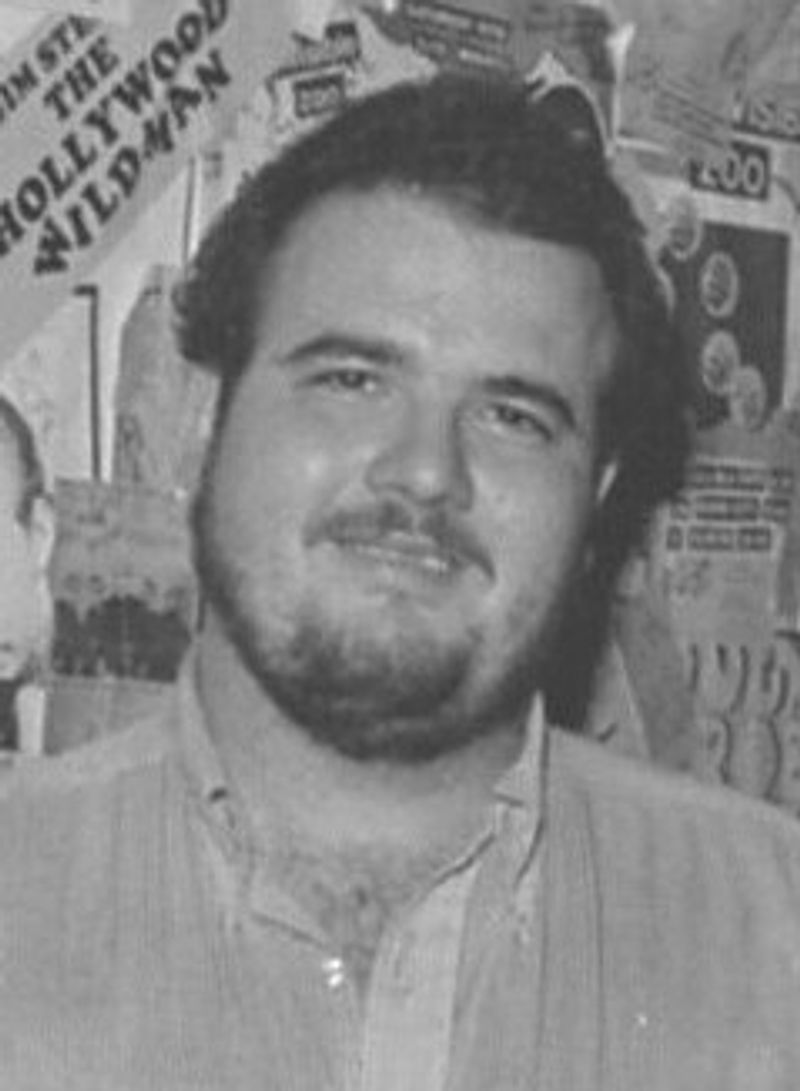
D. Boon played guitar like he was trying to outrun something.
As the co-founder of the Minutemen alongside Mike Watt and George Hurley, he helped create a brand of punk that was smarter, funkier, and more politically charged than almost anything else coming out of the early 1980s hardcore scene.
The Minutemen released a remarkable amount of music in a short time. Their 1984 double album Double Nickels on the Dime is considered one of the greatest punk records ever made.
Boon’s guitar work was choppy, angular, and completely original. His lyrics tackled working-class politics with wit and real conviction.
He died on December 22, 1985, when a van he was sleeping in crashed in Arizona. He was 27.
The Minutemen dissolved immediately after his death, and Watt has described losing Boon as losing a brother. Their music still sounds urgent and alive today, which is a testament to how much Boon put into every note.
Jean-Michel Basquiat
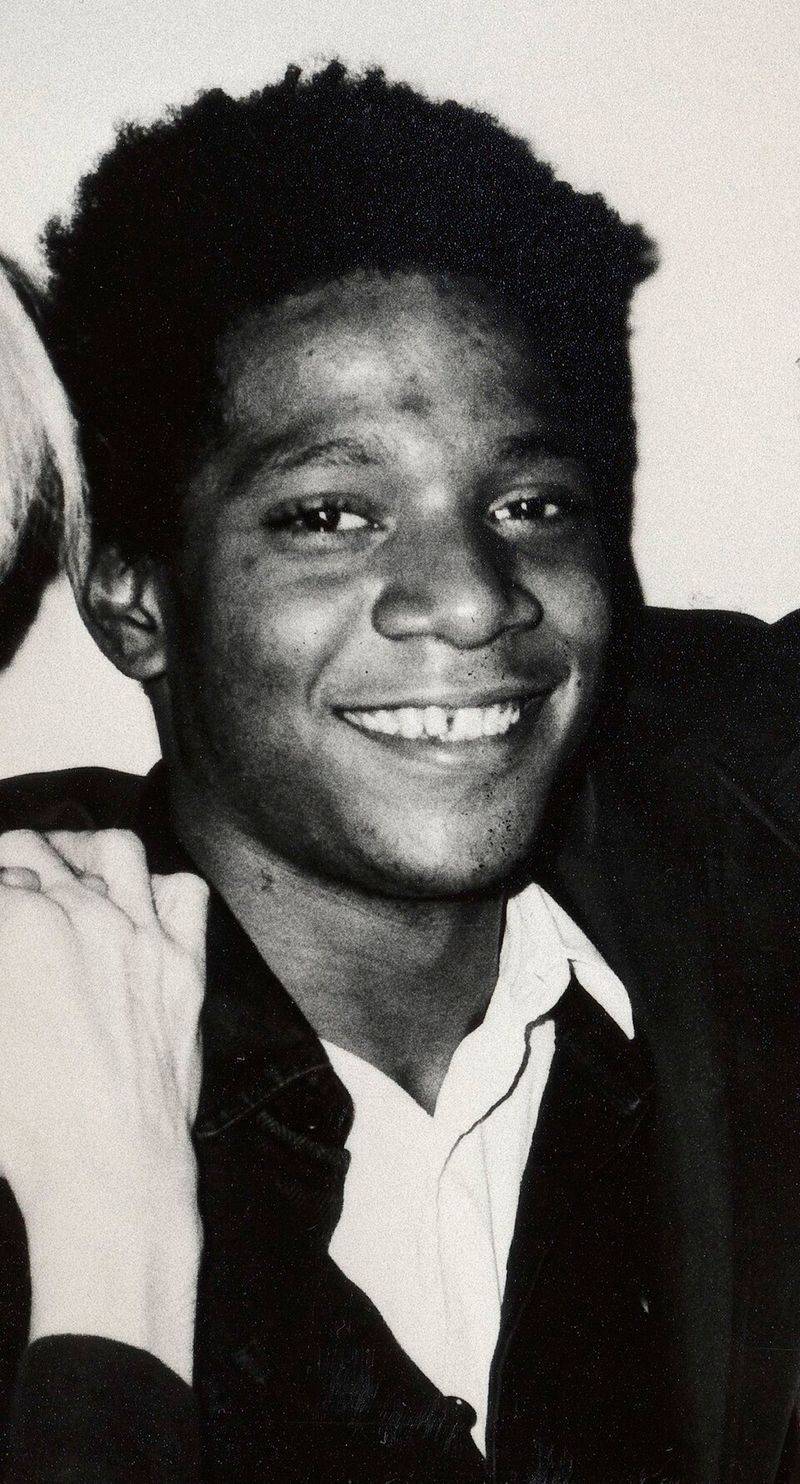
Jean-Michel Basquiat started out writing on walls and ended up on the walls of the world’s most prestigious galleries. He emerged from the New York graffiti scene in the late 1970s under the tag SAMO and quickly became one of the most talked-about artists in the city.
By his mid-20s, he was selling paintings for serious money and collaborating with Andy Warhol.
His work mixed text, symbols, anatomy, and social commentary in a way that felt completely new. He painted about race, identity, capitalism, and history with a raw energy that made critics and collectors pay attention.
His rise was meteoric and genuinely thrilling to watch.
Basquiat died of a heroin overdose on August 12, 1988. He was 27.
His paintings now sell for tens of millions of dollars at auction. He is often included in 27 Club discussions even though he was a visual artist rather than a musician, because his cultural impact was simply too large to leave out.
Kurt Cobain
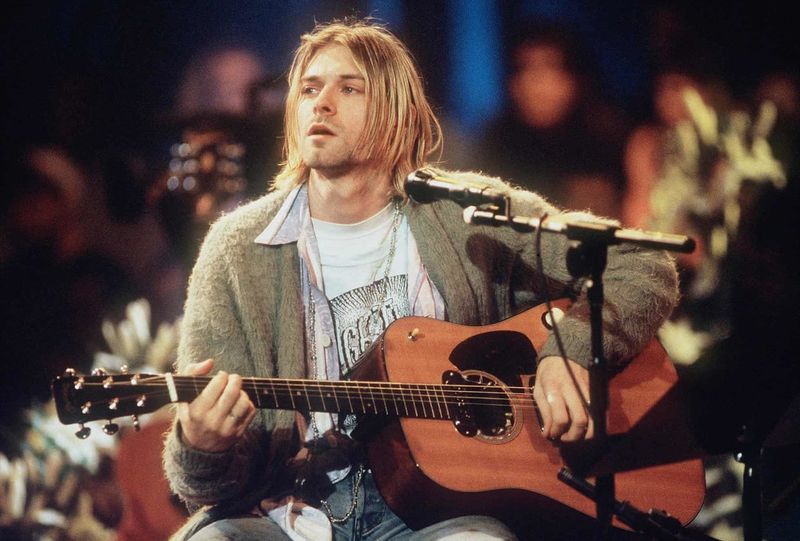
Kurt Cobain did not just front a band. He accidentally became the spokesperson for a generation that had not asked for one and was not sure it wanted one.
Nirvana’s 1991 album Nevermind knocked Michael Jackson off the top of the charts and made grunge a mainstream conversation overnight. That kind of sudden fame would unsettle anyone.
Cobain wrote songs that felt confessional and noisy at the same time. “Smells Like Teen Spirit,” “Come as You Are,” and “Heart-Shaped Box” are still played constantly on rock radio. He was also a talented visual artist and a fiercely protective father.
There was more to him than the tortured rock star image suggested.
He died by suicide on April 5, 1994, in Seattle. He was 27.
His death felt like a door closing on an entire era of music. Dave Grohl and Krist Novoselic have both spoken about how much the loss shaped the rest of their lives and careers.
Amy Winehouse

Amy Winehouse had a voice that made you do a double take the first time you heard it. There was a depth and ache to her singing that felt like it belonged to someone who had lived three lifetimes already.
Back to Black, released in 2006, was one of those rare albums that sounded completely original and completely timeless at the same time.
She drew from jazz, soul, Motown, and classic girl-group pop, blending them into something that felt both retro and entirely fresh. “Rehab,” “Valerie,” and “Back to Black” became anthems. She won five Grammy Awards in a single night in 2008, which remains one of the most celebrated sweeps in the ceremony’s history.
Winehouse died on July 23, 2011, of accidental alcohol poisoning. She was 27.
Her death brought renewed public attention to the 27 Club and to the broader conversation about addiction and mental health in the music industry. Her voice remains one of the most distinctive of the 21st century.
Share this story