Deep in the North Cascades of Washington State, there is a trail that begins with a suspension bridge and ends inside a forest that feels like it belongs to another century. The cedar trees here are not just tall, they are ancient, wide, and draped in moss that has been growing longer than most buildings have been standing.
The trail is short, flat, and open to everyone, yet it delivers the kind of scenery that usually requires a full day of effort. This is the kind of place that stops road-trippers in their tracks and keeps hikers coming back year after year, and once you read what makes it so special, you will understand exactly why.
The Suspension Bridge That Starts It All
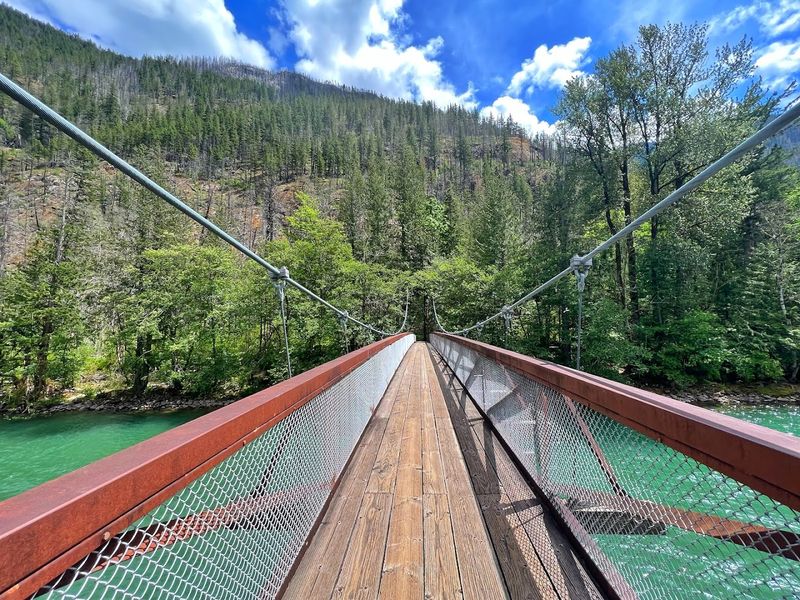
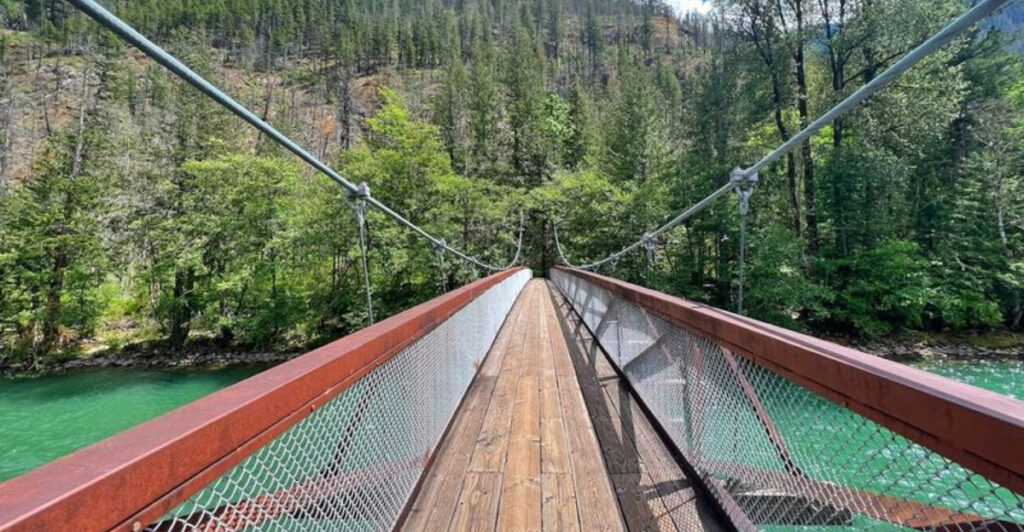
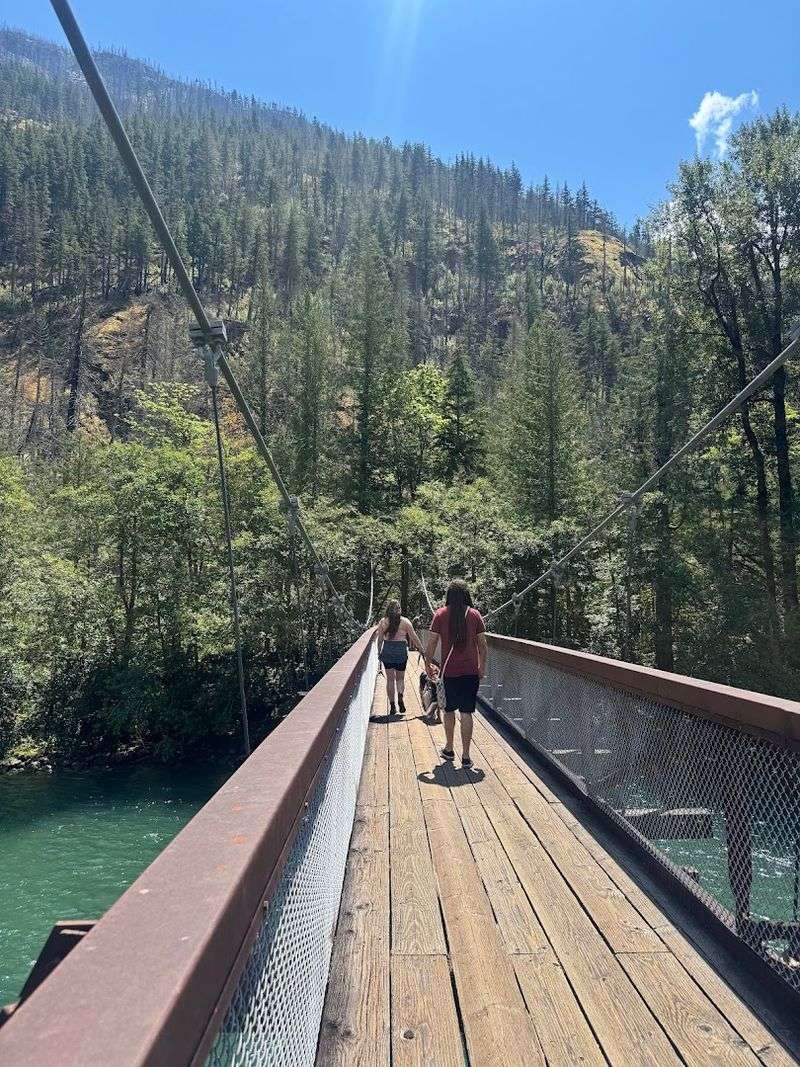
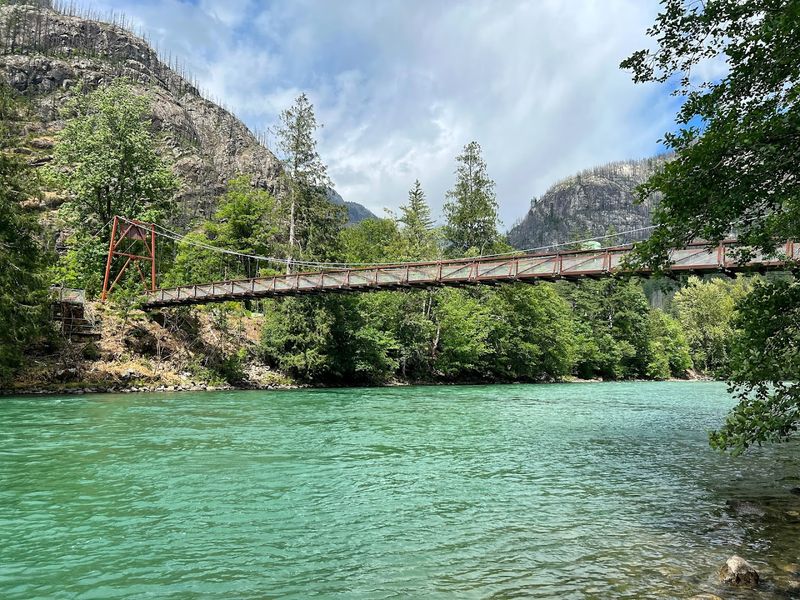
The whole adventure kicks off the moment you set foot on the suspension bridge that crosses the Skagit River. It is wide enough to feel safe and sturdy, but it also has a gentle bounce when more than one person walks across it at the same time, which tends to produce equal parts laughter and excitement from kids and adults alike.
From the bridge deck, the views of the river below are clear and dramatic. The water moves with purpose, framed on both sides by thick forest and distant mountain ridges that stack up toward the horizon in layers of blue and green.
Photographers tend to linger here longer than anywhere else on the trail, and it is easy to see why. The combination of the river, the forest, and the mountain backdrop creates a composition that works at nearly any time of day.
The bridge is not just a way to cross the river, it is a destination in its own right.
Ancient Cedar Trees That Redefine Scale
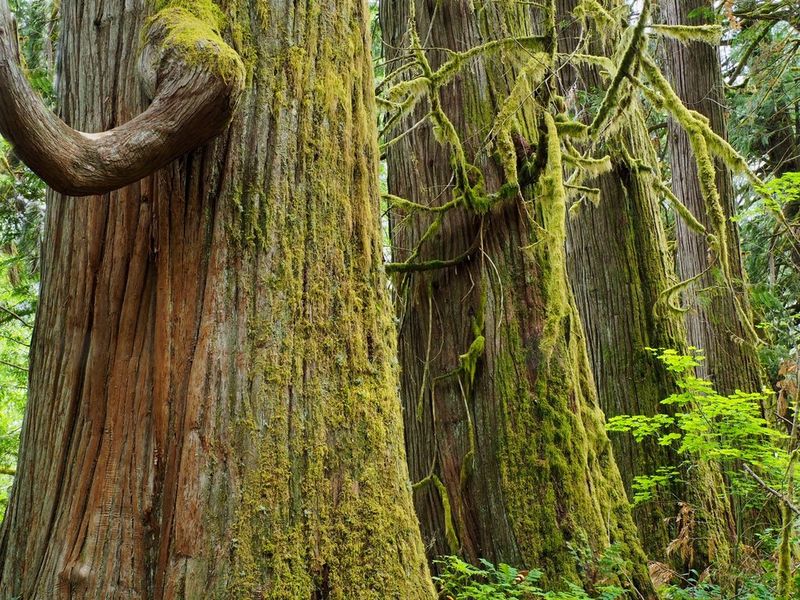
Once across the bridge, the forest takes over completely. The cedar trees along this trail are not the kind you pass without noticing.
Their trunks are wide enough that several people standing arm to arm could not wrap around them, and their bark is deeply furrowed in long vertical lines that make each tree look like it has been carved by time itself.
These are old-growth cedars, meaning they have never been logged and have been growing in place for centuries. That distinction matters because old-growth forests have a different quality to them, a density of life and layering that younger forests simply have not had time to develop yet.
Some of the trees along the trail also have hollow cavities at their base, large enough for a small child to step inside. It is one of those small details that turns a walk into something that sticks in the memory long after the drive home is done.
A Loop Trail That Works for Everyone
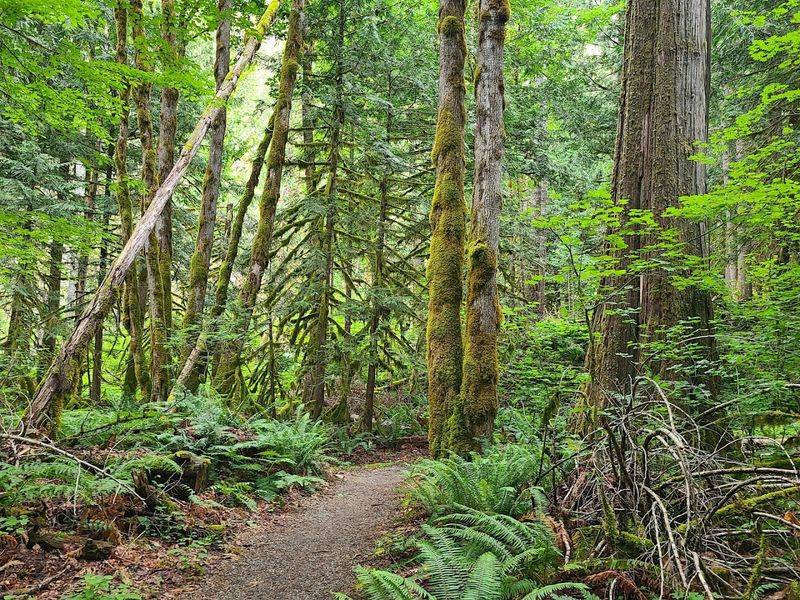
The trail itself is a loop of less than one mile, with almost no elevation gain from start to finish. That makes it genuinely accessible for a wide range of people, including young children, older adults, and anyone who wants a nature experience without a strenuous workout attached to it.
The path is unpaved but well-maintained, with a firm dirt surface that stays relatively level throughout. There are no major obstacles or technical sections, so the focus stays entirely on the trees and the river rather than on where to place your next step.
The loop takes about 20 to 30 minutes to complete at a relaxed pace, though most people end up taking longer because of the photo stops and the interpretive signs posted along the route. It is the kind of trail that rewards a slow approach, and there is genuinely no need to rush through it when the surroundings are this consistently worth pausing for.
Educational Signs That Tell the Forest’s Story
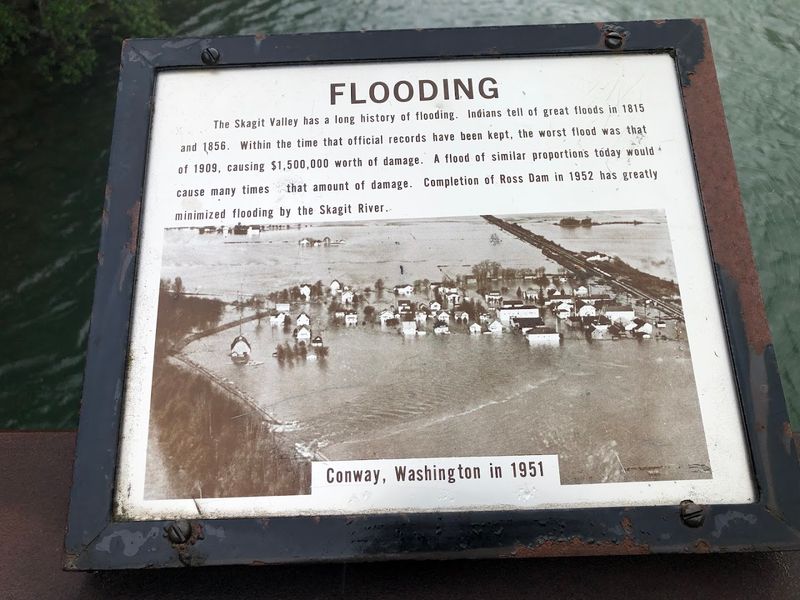
One of the features that sets this trail apart from a basic forest walk is the series of interpretive signs placed at regular intervals along the route. These signs cover topics like tree identification, the role of different species in the ecosystem, and the history of the forest itself, including past fires and how the land has recovered over time.
The information is written clearly enough for kids to follow along, which makes the trail a natural fit for school groups or families who want to turn a hike into a learning experience. Adults who think they already know their Douglas firs from their western red cedars often find themselves stopping to read every single panel.
By the end of the loop, most people come away knowing more about Pacific Northwest forest ecology than they did at the start. That kind of quiet education, delivered without lectures or screens, is one of the more underrated things this trail consistently delivers to everyone who walks it.
Forest Fire History Written in the Trees
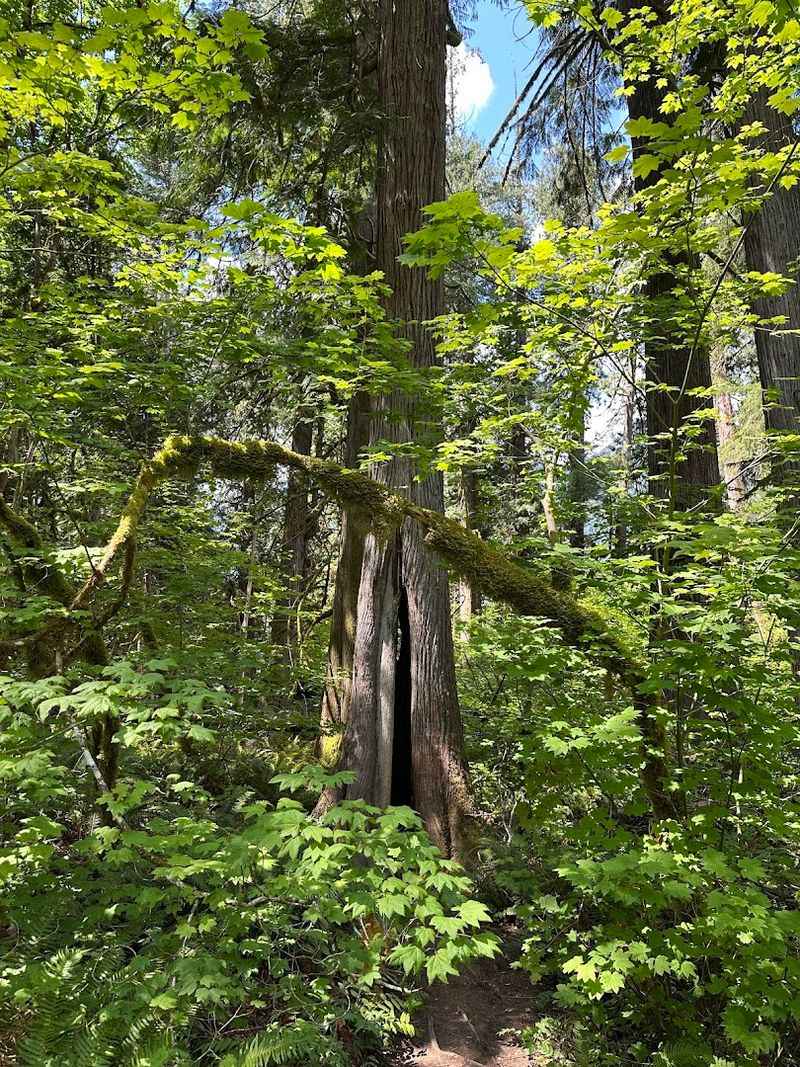
Parts of the forest along the trail carry visible marks from past fires, and the interpretive signs do not shy away from explaining what happened. Fire scars on older trunks and gaps in the canopy where trees once stood tell a story about how forests change and rebuild over time.
What is interesting about these fire-affected sections is that they actually let more sunlight reach the forest floor, which has encouraged a different mix of plants to grow there compared to the densely shaded old-growth sections. Ferns, mosses, and flowering ground cover fill in the lighter areas in ways that feel distinct from the darker, heavier canopy zones nearby.
The contrast between the fire-touched areas and the untouched old-growth sections gives the trail a surprising amount of visual variety for such a short route. Rather than making the trail feel damaged, the fire history adds a layer of ecological complexity that makes the whole walk more interesting to think about as you move through it.
The Skagit River Views Along the Way
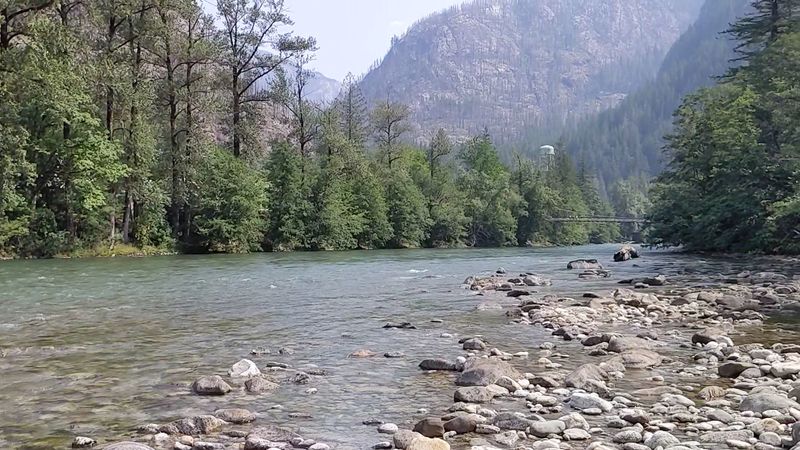
The Skagit River runs alongside much of the trail, and there are several spots where the path dips close enough to the riverbank to offer clear, unobstructed views of the water. At these access points, the riverbed is covered in smooth rocks that make it easy to walk right down to the edge.
Children especially enjoy the rocky riverbank sections, where hopping from stone to stone becomes an activity all on its own. The water level and flow vary by season, but the river is consistently photogenic throughout the year, with mountain reflections and forest backdrops that change depending on the light and time of day.
Picnic tables near the river give groups a reason to linger after finishing the loop, turning a short trail into a longer outdoor outing. The combination of the forest walk and the river access is part of what makes this spot work so well for such a broad range of people who show up with very different expectations and still leave happy.
What Makes This an Old-Growth Forest
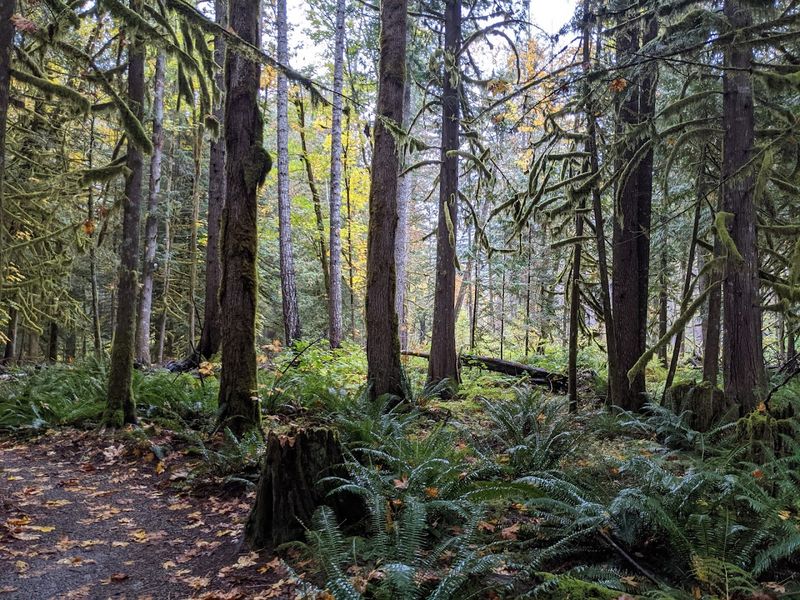
The term old-growth gets used loosely in a lot of places, but the forest at this trail is the real thing. Old-growth forests are defined by the presence of large, ancient trees that have never been harvested, along with standing dead trees, fallen logs in various stages of decay, and a layered canopy that creates distinct zones of light and shade.
All of those elements are present here. The fallen logs along the trail are covered in thick moss and are actively being decomposed by fungi and insects, which feeds nutrients back into the soil and supports the next generation of trees growing up around them.
This kind of ecological complexity takes centuries to develop, and it cannot be recreated by simply planting new trees in a cleared area. Walking through an actual old-growth forest is a fundamentally different experience from walking through a managed woodland, and this trail gives easy, no-barrier access to one of the best examples left in Washington State.
Best Time of Year to Visit
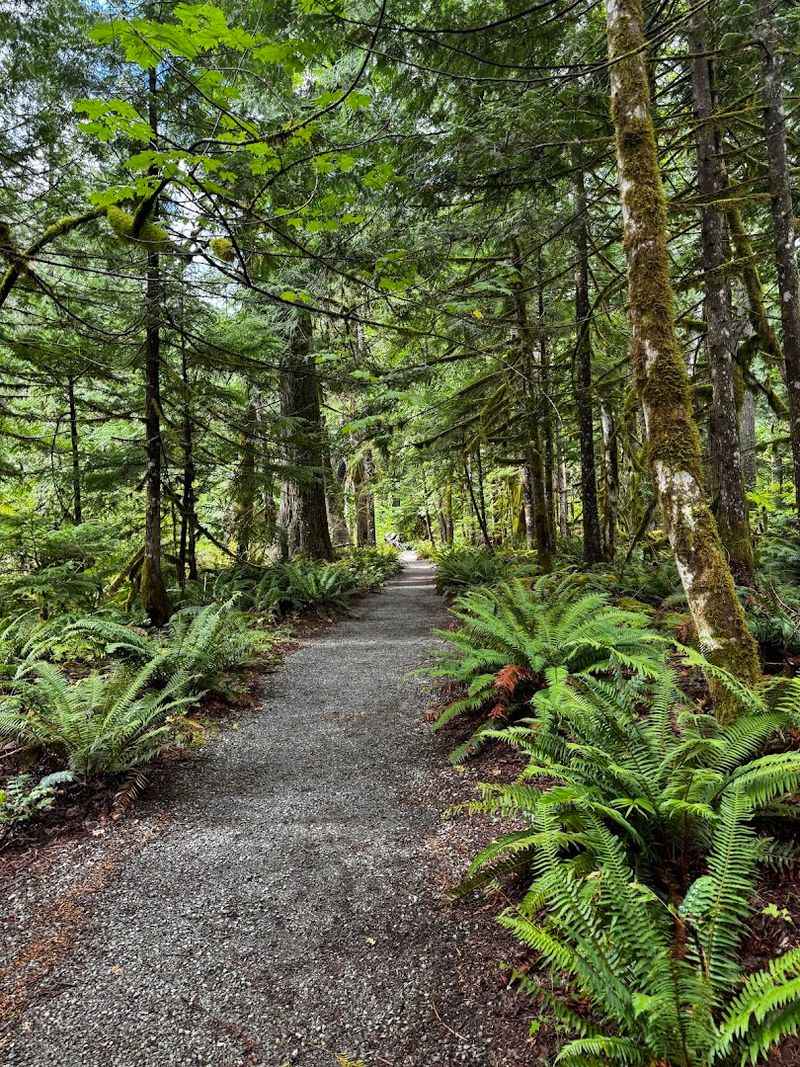
The trail is open year-round and has its own appeal in each season. Summer brings the fullest green canopy and the most comfortable temperatures for walking, while spring delivers particularly lush undergrowth as ferns and mosses hit their peak growth after the wet winter months.
Fall is worth considering for anyone who enjoys the contrast of golden light filtering through gaps in the canopy, though the forest here is dominated by evergreens rather than deciduous trees, so the color change is more subtle than in other parts of Washington. Winter visits are quieter and the crowd levels drop significantly, which appeals to people who prefer the trail without company.
The trail’s flat, low-elevation profile means it stays accessible even when higher mountain trails in the North Cascades are closed by snow. For families planning a visit, late spring through early fall covers the longest window of reliably pleasant conditions without requiring any special gear or preparation beyond comfortable walking shoes.
Facilities and Amenities at the Trailhead
For a trail of this size, the supporting facilities are surprisingly well-rounded. A small general store near the trailhead carries basic supplies, snacks, and souvenirs, which is useful for anyone stopping on a longer road trip through the North Cascades.
The gift shop doubles as an information point for the area.
Clean restrooms are available at the site, which is one of those practical details that matters more than it sounds when you are traveling with kids or spending a full day out on the road. The parking area is large enough to handle a steady flow of visitors without creating the bottleneck that plagues more popular trailheads in the region.
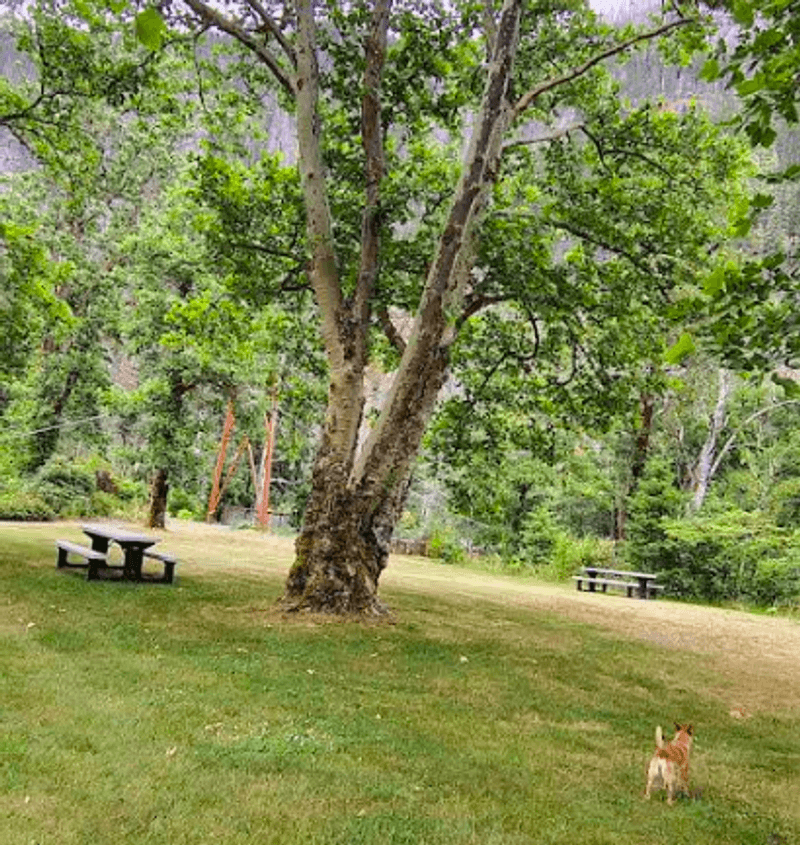
Picnic tables scattered near the river give people a proper place to sit and eat rather than perching on rocks or eating standing up next to a car. The overall setup at the trailhead feels thoughtful and well-maintained, which adds to the ease of the whole visit from the moment you pull in.
Who This Trail Is Perfect For
Short, flat, and loaded with things to look at, this trail hits a sweet spot that very few hiking routes manage to reach. It works for toddlers who are just getting comfortable on uneven ground, for grandparents who want to be outside without the strain of a steep climb, and for everyone in between.
Groups traveling together with mixed fitness levels often struggle to find a trail that satisfies everyone, and this one genuinely does. The interpretive signs keep curious kids occupied, the river access adds an optional adventure element for those who want it, and the old-growth forest provides enough visual payoff that no one feels like they settled for a lesser experience.
Solo travelers and couples also find the trail rewarding, particularly those who are passing through on a longer road trip and want a proper stretch of legs without committing to a half-day hike. The trail is short enough to be spontaneous but substantial enough to feel like a real destination worth planning around.
Why This Stop Deserves a Place on Your Washington Road Trip
State Route 20 through the North Cascades is already one of the most celebrated drives in Washington, and this trail sits right along it, which means the detour required to visit is almost zero for anyone already making that trip. The combination of the suspension bridge, the old-growth forest, and the river access packs a remarkable amount of natural variety into under an hour.
Most road trip stops along scenic highways involve pulling over for a view and then getting back in the car. This one actually gets you into the landscape rather than just in front of it, which is a meaningful difference for people who want to feel like they experienced a place rather than just photographed it from a distance.
The trail consistently earns high marks from people who stopped without much expectation and left genuinely impressed. That kind of pleasant surprise is hard to engineer and easy to appreciate, and it is exactly what makes this short loop one of the most reliably satisfying stops on the entire North Cascades Highway corridor.
Where the Trail Begins: Location and Access
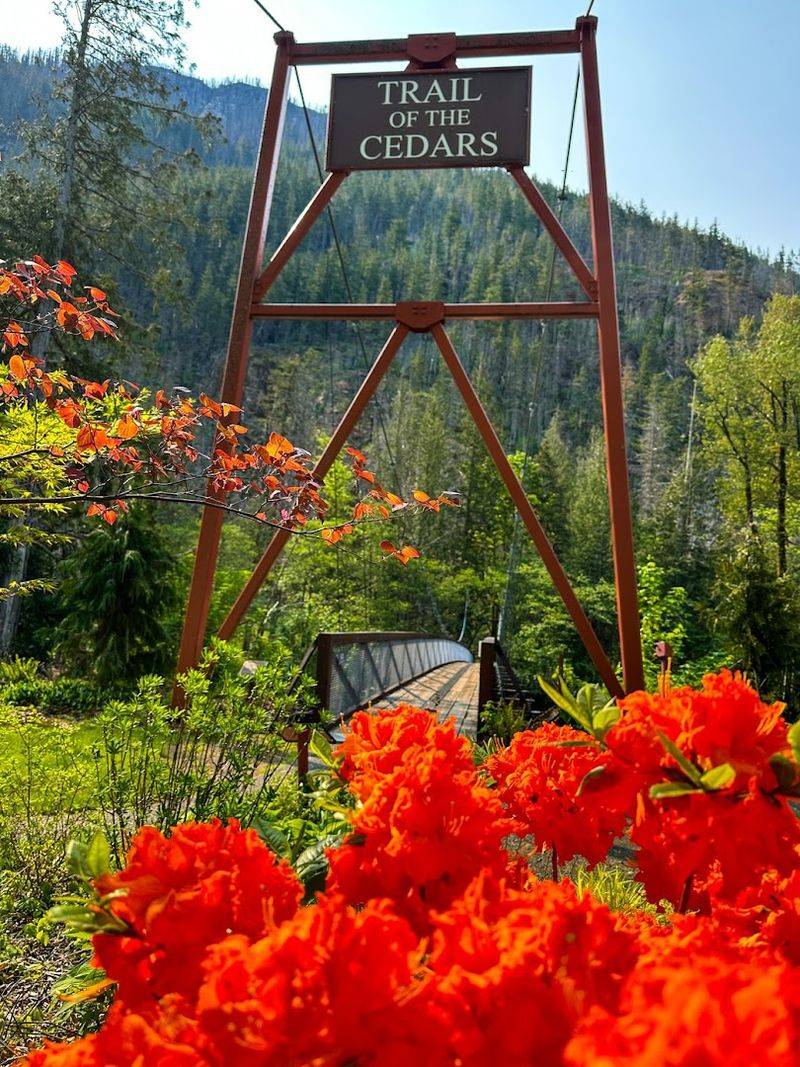
The Trail of the Cedars is located in Rockport, WA 98283, sitting within the boundaries of the North Cascades National Park area along the Skagit River corridor. The trailhead is easy to reach from State Route 20, which is one of the most scenic drives in the entire Pacific Northwest.
Parking is plentiful at the site, which is a genuine relief for anyone who has ever circled a trailhead lot three times hoping for a spot. There is also a small general store and a gift shop nearby, along with clean restroom facilities that make the stop comfortable for families and road-trippers alike.
The trail is open 24 hours a day, seven days a week, so early risers and late-afternoon wanderers are equally welcome. Whether you are making a dedicated trip or pulling off the highway for a quick break, the access here is straightforward and stress-free from the moment you arrive.
Share this story