
When it comes to staying healthy, the country you live in can make a huge difference. Some nations have built healthcare systems so strong that their citizens enjoy longer lives, faster treatment, and better overall well-being.
From cutting-edge hospitals to universal coverage that reaches every citizen, these countries have figured out how to make healthcare work. Read on to find out which 15 countries lead the world in keeping their people healthy.
1. Switzerland

Switzerland is often called the gold standard of healthcare, and for good reason. The country boasts some of the most advanced medical facilities in the world, with highly trained doctors and state-of-the-art technology available across the country.
Patients here rarely wait long for treatment, which is a massive advantage.
Every resident is required by law to have health insurance, which ensures that nearly everyone has access to quality care. The government subsidizes premiums for lower-income residents so that cost is not a barrier.
This balance between private insurance and public support makes the system remarkably efficient.
Switzerland also ranks among the top countries for life expectancy, with citizens living well into their 80s on average. Medical research here is world-class, attracting scientists and specialists from around the globe.
If you value precision and quality in healthcare, Switzerland sets the bar.
2. Singapore

Tiny in size but enormous in achievement, Singapore has built one of the most efficient healthcare systems on the planet. The city-state consistently ranks at or near the top of global health indices, delivering outstanding outcomes at a relatively affordable cost compared to other high-income nations.
Singapore uses a three-tier system called the 3Ms: Medisave, MediShield Life, and Medifund. Together, these programs ensure that citizens can save for medical expenses, access insurance coverage, and receive government assistance if they fall through the cracks.
It is a cleverly layered safety net.
Public hospitals here are clean, modern, and staffed by highly skilled professionals. The country also invests heavily in preventive care and public health education, keeping chronic disease rates comparatively low.
Singapore proves that a smaller nation can punch well above its weight when it comes to taking care of its people.
3. Sweden
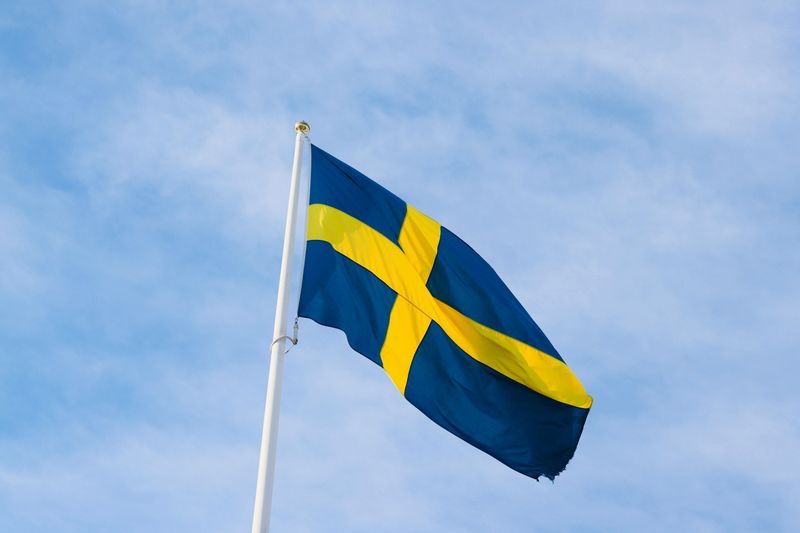
Sweden has long been celebrated for its commitment to social welfare, and its healthcare system is a shining example of that dedication. Funded primarily through taxation, Swedish healthcare is universally available to all residents regardless of income or background.
Nobody is left behind.
The system emphasizes preventive care and early intervention, which helps reduce the burden of chronic illness over time. Regular screenings and health check-ups are widely promoted and easily accessible throughout the country.
This forward-thinking approach has contributed to one of the highest life expectancies in Europe.
Sweden also invests significantly in medical research and innovation, making it a hub for pharmaceutical and biotech developments. Patients generally report high levels of satisfaction with the care they receive, and wait times, while occasionally criticized, have improved steadily in recent years.
Sweden shows that a well-funded public system can deliver genuinely excellent results for everyone.
4. Norway

Norway combines breathtaking natural beauty with a healthcare system that is equally impressive. Backed by the country’s substantial oil fund wealth, Norway has been able to invest generously in hospitals, medical staff, and public health infrastructure.
Money is rarely the limiting factor here.
All Norwegian residents have access to free or heavily subsidized healthcare through the national insurance scheme. General practitioners serve as the first point of contact, guiding patients through the system and referring them to specialists when needed.
This organized approach prevents unnecessary hospital visits and keeps the system running smoothly.
Norway consistently scores high on health outcome measures including infant mortality rates and life expectancy. Mental health services have also received increased funding in recent years, reflecting a broader understanding of what it means to be truly healthy.
Norway’s model demonstrates how national wealth, when invested wisely, can translate directly into a longer and healthier life for its citizens.
5. Denmark

Denmark runs a tax-funded healthcare system that covers all residents, from routine check-ups to complex surgeries, without direct charges at the point of service. It is a system built on the belief that good health is a right, not a privilege, and that philosophy is visible at every level.
Danish hospitals are well-equipped, and the country has made significant investments in digital health records and telemedicine, making it easier for patients to communicate with their doctors. This tech-forward approach has improved coordination between different parts of the healthcare system considerably.
One interesting aspect of Danish healthcare is its strong emphasis on patient involvement. Danes are encouraged to take an active role in managing their own health, supported by clear information and accessible services.
The country also places high priority on mental health and rehabilitation services. Denmark proves that a well-organized public system can be both compassionate and highly functional.
6. Netherlands

The Netherlands has crafted a healthcare model that blends private insurance with strong government regulation, and the result is a system that is both competitive and deeply fair. Every resident is required to purchase basic health insurance from a private provider, but the government sets strict rules about what must be covered.
This keeps insurers honest.
For those who cannot afford premiums, the government provides direct financial assistance, ensuring that cost is never a reason to skip necessary care. Hospitals in the Netherlands are modern and well-staffed, and the country consistently achieves strong scores on European health performance rankings.
The Dutch are also known for their commitment to preventive medicine and healthy lifestyles, which naturally reduces the strain on the healthcare system. Cycling culture, for instance, contributes to lower rates of obesity and cardiovascular disease.
The Netherlands shows that smart regulation and personal responsibility can work hand in hand beautifully.
7. Germany
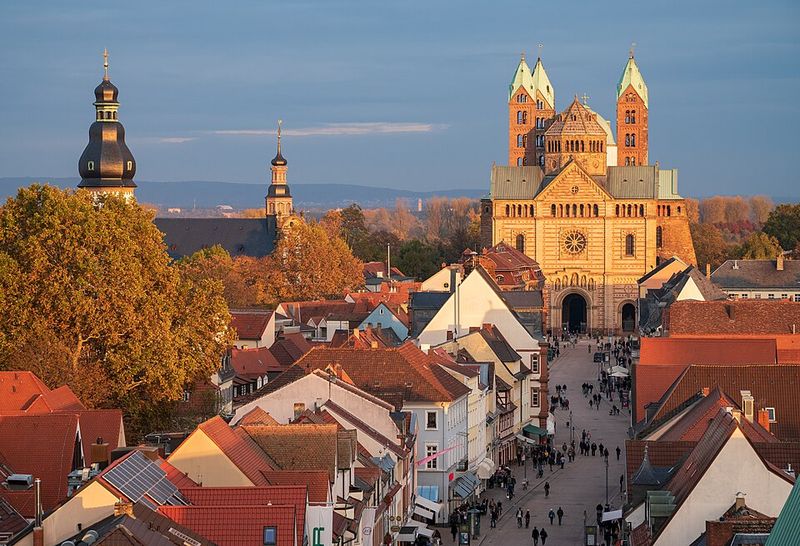
Germany’s healthcare system has been around since the 1880s, making it one of the oldest in the world. Otto von Bismarck introduced it to provide workers with medical coverage, and that pioneering spirit still defines the system today.
Few countries can claim such a long and successful track record in public health.
The system operates through a dual structure of statutory and private health insurance. About 90 percent of the population uses statutory insurance, which is funded through employer and employee contributions.
The remaining 10 percent opt for private insurance, giving higher earners additional flexibility in their care choices.
Germany has a high density of hospital beds and specialist doctors per capita, meaning patients generally receive timely and thorough care. Pharmaceutical access is broad, and medical technology is cutting-edge.
Germans may grumble about bureaucracy occasionally, but the outcomes speak for themselves. This is a system with deep roots and proven staying power.
8. Japan

Japan holds one of the highest life expectancies in the world, and its healthcare system deserves significant credit for that achievement. Japanese citizens live an average of over 84 years, a statistic that reflects both healthy cultural habits and an impressively well-run medical system.
Universal health insurance has been in place since 1961, ensuring that all residents can access care regardless of their financial situation. Premiums are income-based, making the system more affordable for lower earners.
Patients pay a small co-payment at the point of service, keeping out-of-pocket costs manageable across the board.
Japan has an extraordinarily high number of hospitals and clinics per capita, making medical care genuinely accessible even in rural areas. The country also leads in the use of medical technology, from advanced imaging equipment to robotic surgery tools.
Japan’s combination of cultural values and systematic planning has produced healthcare outcomes that the rest of the world quietly envies.
9. South Korea

South Korea transformed its healthcare system in just a few decades, going from a developing nation to a global leader in medical quality and innovation. That kind of rapid progress is genuinely rare, and it reflects the country’s deep commitment to investing in its people’s well-being.
The National Health Insurance system, introduced in 1989, covers virtually the entire population. Premiums are income-based, and the government subsidizes coverage for those who cannot afford contributions.
Patients have remarkable freedom to choose their own doctors and hospitals, which is not always the case in universal systems elsewhere.
South Korea is also a powerhouse in medical technology and research, particularly in areas like cancer treatment and robotic surgery. Hospital facilities in major cities like Seoul rival the best in the world for cleanliness, equipment, and specialist expertise.
South Korea’s story is one of determination, smart policy, and remarkable results achieved within a single generation.
10. Finland
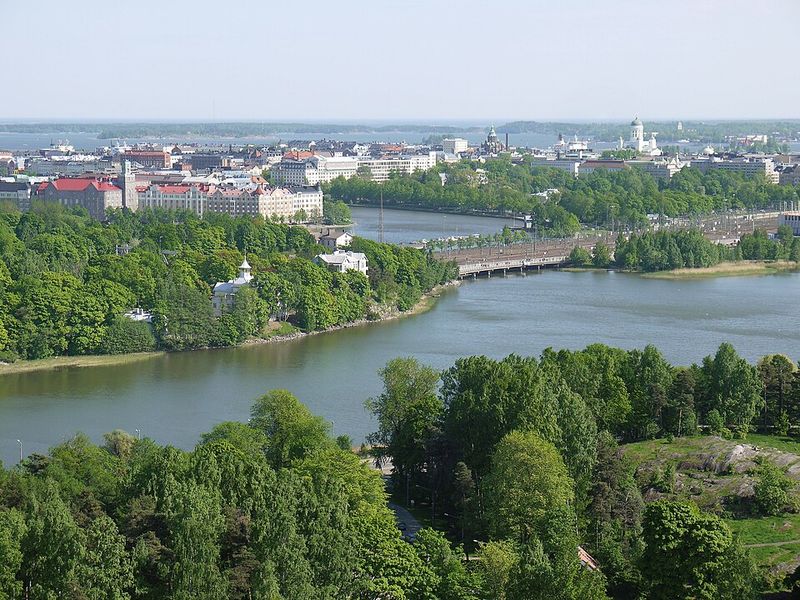
Finland approaches healthcare with the same quiet confidence it applies to most things, building a system that is thorough, equitable, and deeply rooted in the idea that every person deserves good care. Funded through taxation and administered at the municipal level, the system reaches citizens in both urban centers and remote northern communities.
Primary healthcare centers serve as the backbone of the Finnish system, providing everything from routine consultations to dental care and mental health support under one roof. This integrated model reduces the need for specialist referrals and keeps care more personal and community-focused.
Finland also invests heavily in preventive health initiatives, particularly around chronic diseases like diabetes and cardiovascular conditions. The results are visible in strong health outcome data and a population that lives well into old age.
Finnish healthcare may not always make international headlines, but its steady, reliable performance earns it a well-deserved place among the world’s best systems.
11. Australia

Australia’s healthcare system, known as Medicare, has been providing universal coverage to citizens and permanent residents since 1984. It is a source of genuine national pride and a system that Australians across the political spectrum tend to value and want to protect.
Medicare covers visits to general practitioners, specialist consultations, and hospital treatment without upfront costs for most services. The system is funded through a Medicare levy on taxable income, meaning contributions are tied to what people earn.
Private health insurance is also widely available for those who want additional coverage or shorter wait times for elective procedures.
Australia consistently performs well on international health rankings, with strong outcomes in areas like cancer survival rates and chronic disease management. The country also benefits from a robust medical research sector and world-class training for healthcare professionals.
Australia’s Medicare model is frequently cited as an example of how universal coverage can be done right.
12. Canada

Canada’s publicly funded healthcare system, often called Medicare, is woven into the national identity as tightly as hockey and maple syrup. Introduced in the 1960s, it guarantees that all citizens and permanent residents can access medically necessary hospital and physician services without paying at the point of care.
Each province and territory administers its own version of the plan within a national framework, which means there can be some variation in what is covered depending on where you live. Prescription drugs and dental care are not universally covered, though many Canadians access these through employer benefit plans or provincial programs.
Canada’s system is admired globally for its equity and accessibility, particularly in ensuring that low-income Canadians receive the same standard of care as wealthier ones. Challenges like wait times for specialist care remain ongoing concerns, but significant efforts are being made to address them.
Canada’s commitment to universal access remains one of its most defining national values.
13. France

France has repeatedly been ranked as having one of the best healthcare systems in the world by the World Health Organization, and spending time there quickly shows you why. The French system blends public funding with private practice in a way that feels both generous and practical for the people who use it.
About 70 to 80 percent of healthcare costs are reimbursed by the government through the national social security system, called Assurance Maladie. Most people also carry a supplementary private insurance plan called a mutuelle, which covers the remaining costs.
This two-layer approach means out-of-pocket expenses are typically very low.
France has a high density of doctors and specialists, and patients generally enjoy short wait times compared to many other universal systems. Preventive care, maternity services, and mental health support are all well-integrated into the system.
France’s approach shows that generosity in healthcare investment pays dividends in population health for generations to come.
14. Austria

Austria offers a healthcare system that combines European thoroughness with impressive accessibility, giving residents access to a wide range of medical services without financial hardship. The system is funded through a combination of social insurance contributions from employers and employees, along with government subsidies for those who need support.
About 99 percent of the Austrian population is covered by the statutory health insurance system, which is one of the highest coverage rates in the world. Patients can visit general practitioners and specialists freely, and hospital care is largely covered without significant co-payments.
This breadth of access is a genuine point of national pride.
Austria also has a strong tradition of spa and rehabilitation medicine, which reflects a broader cultural appreciation for wellness and preventive care. Medical education in Austria is rigorous, producing well-trained professionals who staff both domestic and international institutions.
Austria’s system may fly under the radar globally, but it consistently delivers for the people who rely on it daily.
15. Belgium
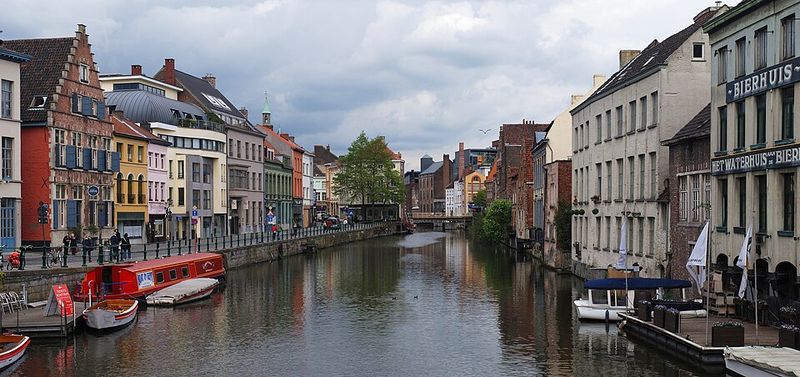
Belgium rounds out this list with a healthcare system that is both comprehensive and highly regarded across Europe. The Belgian model is built on mandatory health insurance, administered through a network of non-profit health insurance funds called mutualites.
These funds compete for members while operating within strict government guidelines.
The government reimburses a significant portion of medical costs, and supplementary insurance through the funds covers much of what remains. This means most Belgians pay very little out of pocket for doctor visits, specialist care, or hospital stays.
The system is particularly strong in areas like oncology, cardiology, and rare disease treatment.
Belgium is also home to several internationally respected research hospitals and universities that drive medical innovation across Europe. Patient satisfaction rates are generally high, and the country performs well on key health outcome indicators.
Belgium may be a small country, but its healthcare ambitions and achievements are anything but modest.
Share this story