History loves a good twist, and some of the most famous people who ever lived nearly ended up in completely different careers, countries, or callings. A single rejection letter, a random encounter, or one last-minute change of plans separated them from an entirely different legacy.
What makes these stories so compelling is how ordinary the turning points were. No grand prophecy or dramatic moment, just small decisions that reshaped the world.
These 13 historical figures came shockingly close to living lives that would have left the world looking very different, and their near-misses are worth knowing about.
1. Vincent van Gogh Almost Became a Pastor Instead of a Painter
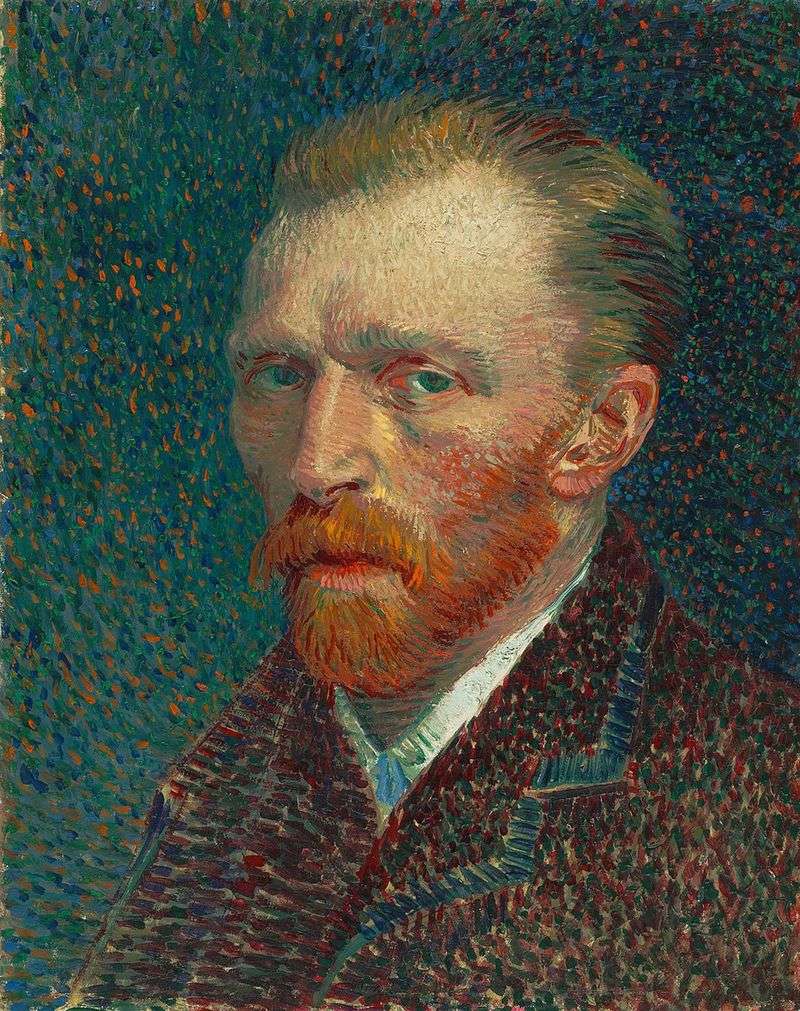
Long before he picked up a paintbrush with any real purpose, Vincent van Gogh was determined to serve the church. His father was a Dutch Reformed minister, and Vincent genuinely believed his calling was religious work, not art.
He studied theology in Amsterdam starting in 1877 and later enrolled in a short missionary training program. When he was not accepted into the formal program, he volunteered as a lay preacher in the Borinage coal mining region of Belgium anyway.
He lived among the miners in poverty, giving away his clothes and food to those who had less. Church officials actually dismissed him for being too extreme in his dedication.
That rejection from religious life pushed him toward painting by 1880. He was 27 years old when he made the shift seriously.
Without those failed church ambitions, the emotional depth that defines his work might never have developed the way it did.
2. Adolf Hitler Wanted to Be an Artist
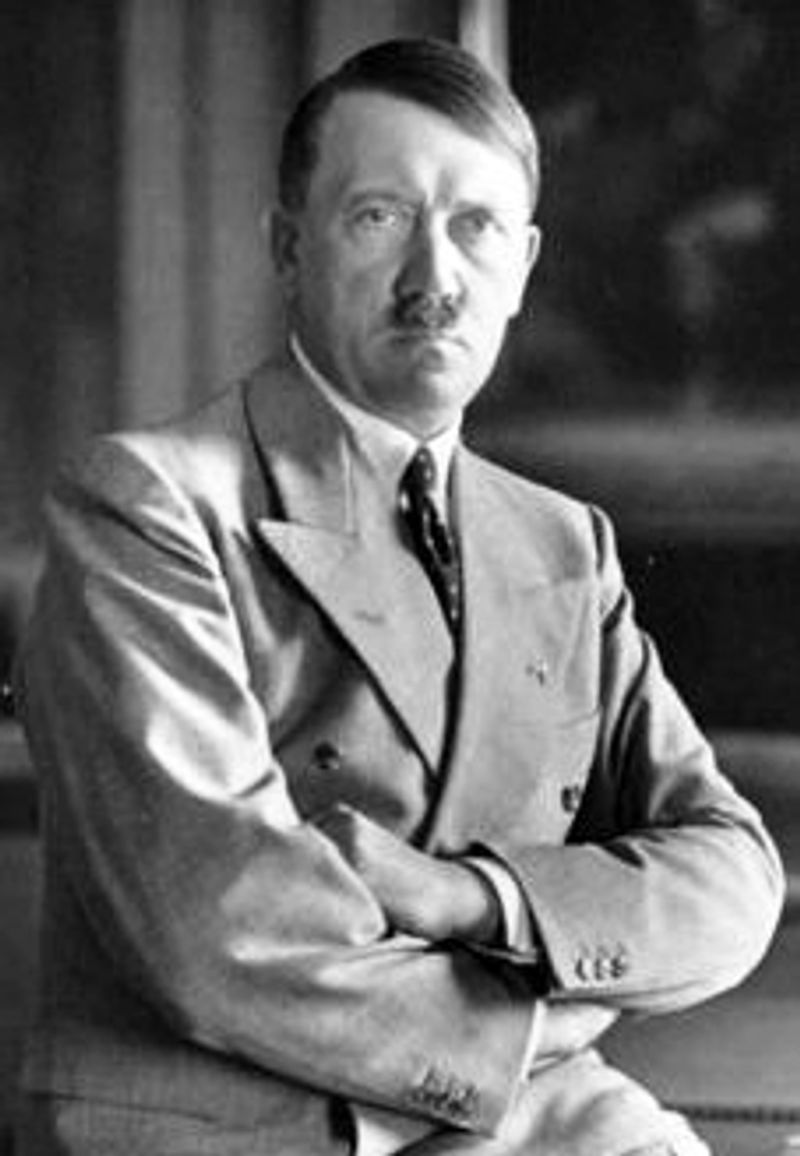
Twice between 1907 and 1908, a young man from Austria walked into the Academy of Fine Arts Vienna with a portfolio of drawings and walked out rejected. The admissions committee noted that his figure drawing was weak, though his architectural work showed some technical ability.
That applicant was 18 years old during his first attempt and spent the following years living in Vienna in difficult financial conditions, selling postcard-sized paintings of city buildings to tourists and small businesses.
Historians and art critics who have reviewed his surviving work generally describe it as competent but unremarkable. The academy suggested he consider architecture instead, but he lacked the required secondary school diploma to pursue that path formally.
The rejection did not produce a quiet life of painting in Vienna. It produced resentment, radicalization, and eventually one of history’s most destructive political careers.
The admissions decision of 1907 carries a weight few academic committees could have anticipated.
3. Julia Child Was Nearly a Spy Full-Time
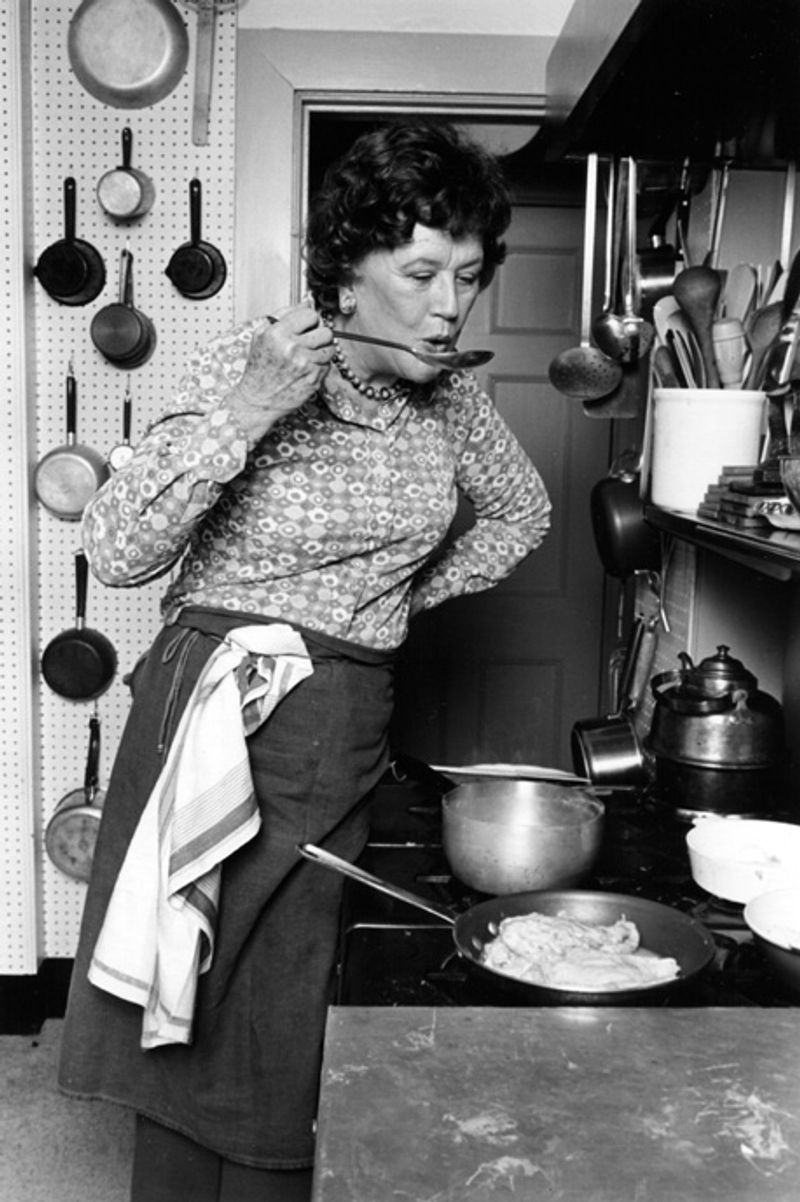
Julia Child joined the Office of Strategic Services in 1942, the wartime intelligence agency that would later evolve into the CIA. She was initially turned down by the Women’s Army Corps because at six feet two inches tall, she exceeded the height limit.
The OSS had no such restriction. She worked in Washington, D.C., then Ceylon, and later China, managing classified files and coordinating communication between field agents and headquarters.
One of her documented contributions was helping develop a shark repellent to protect underwater explosives from being accidentally triggered by curious marine animals. That is not a detail most cooking shows mention.
She did not seriously study French cooking until she moved to Paris with her husband Paul in 1948, years after her intelligence work ended. Her first cookbook was published in 1961 when she was 49 years old.
A longer career in espionage would have kept one of America’s most influential culinary voices permanently out of the kitchen.
4. Steve Jobs Briefly Considered Becoming a Monk
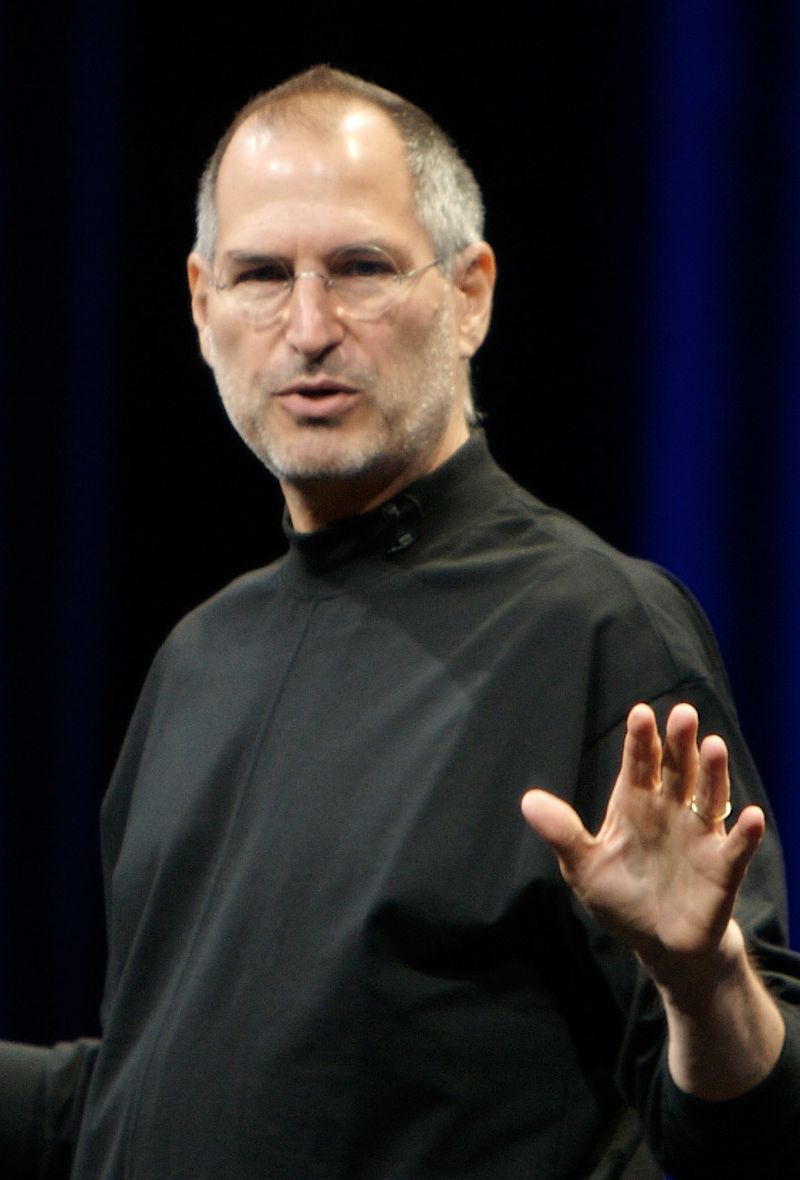
In 1974, Steve Jobs traveled to India with his college friend Dan Kottke, spending seven months searching for a spiritual teacher. He returned with a shaved head, wearing traditional Indian clothing, and deeply committed to Zen Buddhist practice.
Back in California, he became a serious student of Kobun Chino Otogawa, a Zen master based in Los Altos. Jobs later said he came very close to moving to Japan to study at a monastery full-time.
What kept him in California was partly the pull of the emerging personal computer industry and partly Kobun Chino’s own advice, which encouraged Jobs to pursue his work in technology as a form of practice rather than an obstacle to it.
The minimalist design philosophy that defined Apple products, the obsessive reduction of unnecessary elements, and the focus on user experience all trace back to this period. Jobs credited Zen aesthetics directly when discussing product design decisions throughout his career.
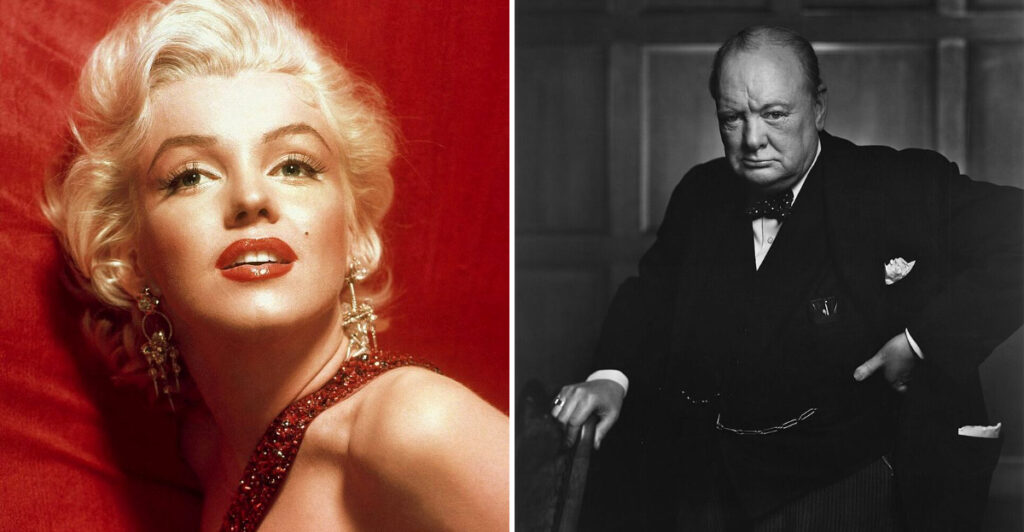
5. Winston Churchill Wanted to Be a War Correspondent Forever
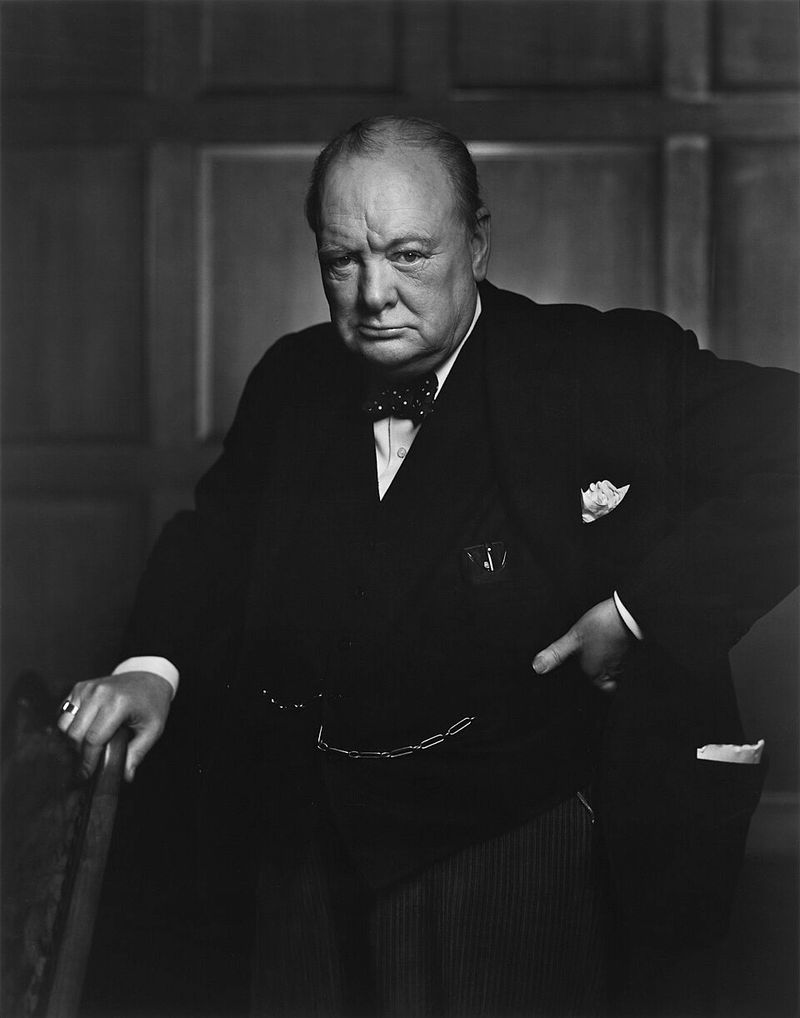
Churchill covered four military conflicts as a journalist before he turned 26. He reported from Cuba in 1895, then India, then Sudan, and then South Africa during the Boer War, all while technically holding military commissions alongside his press credentials.
He was genuinely talented at the work. His dispatches were vivid, well-structured, and widely read.
His book about the Sudan campaign, published in 1899, became a bestseller and also managed to offend his commanding officer, Lord Kitchener, in the same sentence.
During the Boer War, he was captured by enemy forces, escaped dramatically, and the resulting press coverage made him famous across Britain. He leveraged that fame to win a parliamentary seat in 1900.
Churchill never fully left writing behind. He wrote more than 40 books during his lifetime and won the Nobel Prize in Literature in 1953.
Politics and writing ran parallel throughout his entire career, but politics ultimately shaped what he became.
6. Marilyn Monroe Was Found Working in a Factory
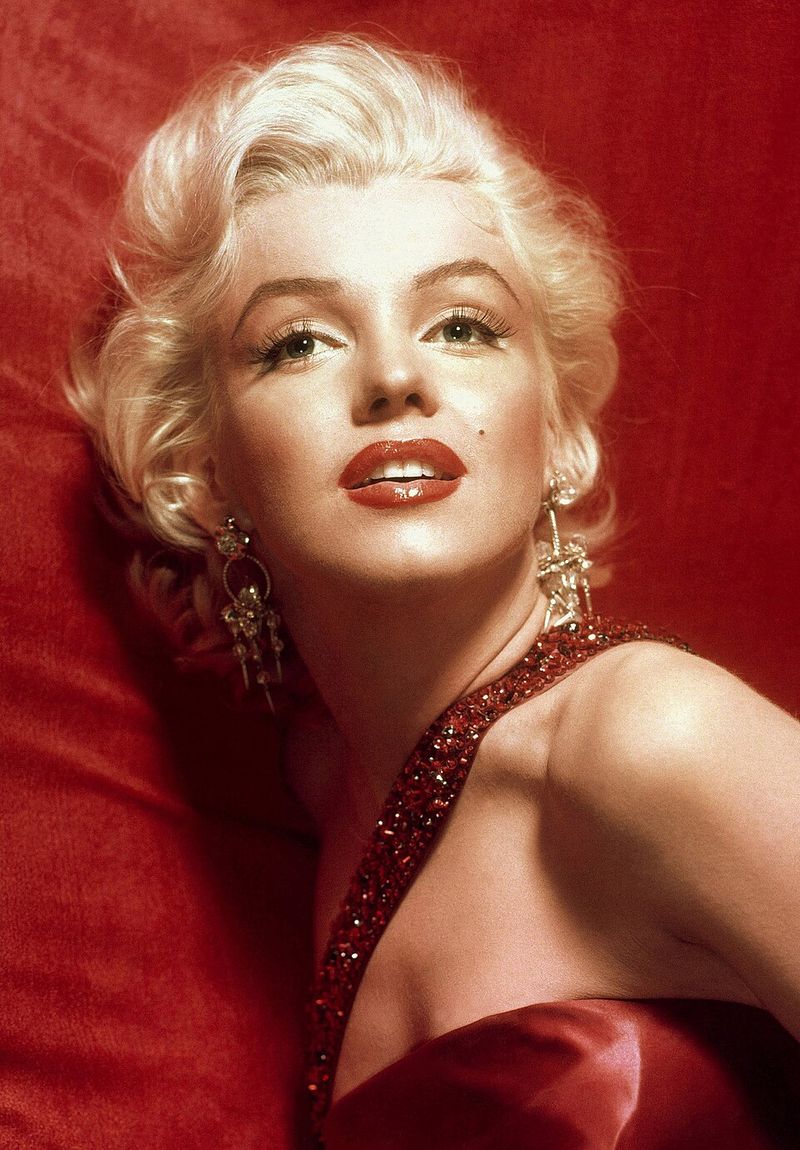
Norma Jeane Mortenson was 18 years old and working at the Radioplane Munitions Factory in Burbank, California in 1945, inspecting parachutes and spraying airplane parts with a liquid coating on the assembly line.
Army photographer David Conover visited the factory that year on assignment from his commanding officer, a young captain named Ronald Reagan, to photograph women contributing to the war effort. Conover noticed Norma Jeane immediately and took her photo for Yank magazine.
That shoot led to modeling work, which led to a contract with a modeling agency, which led to her first film contract with Twentieth Century Fox in 1946. The entire chain started because a photographer had an assignment at a specific factory on a specific afternoon.
Without that visit, Norma Jeane might have stayed in the defense industry or found an entirely different path. The name Marilyn Monroe was chosen later by her studio, selected from a list of options she helped approve.
7. Albert Einstein Nearly Became a Patent Clerk for Life
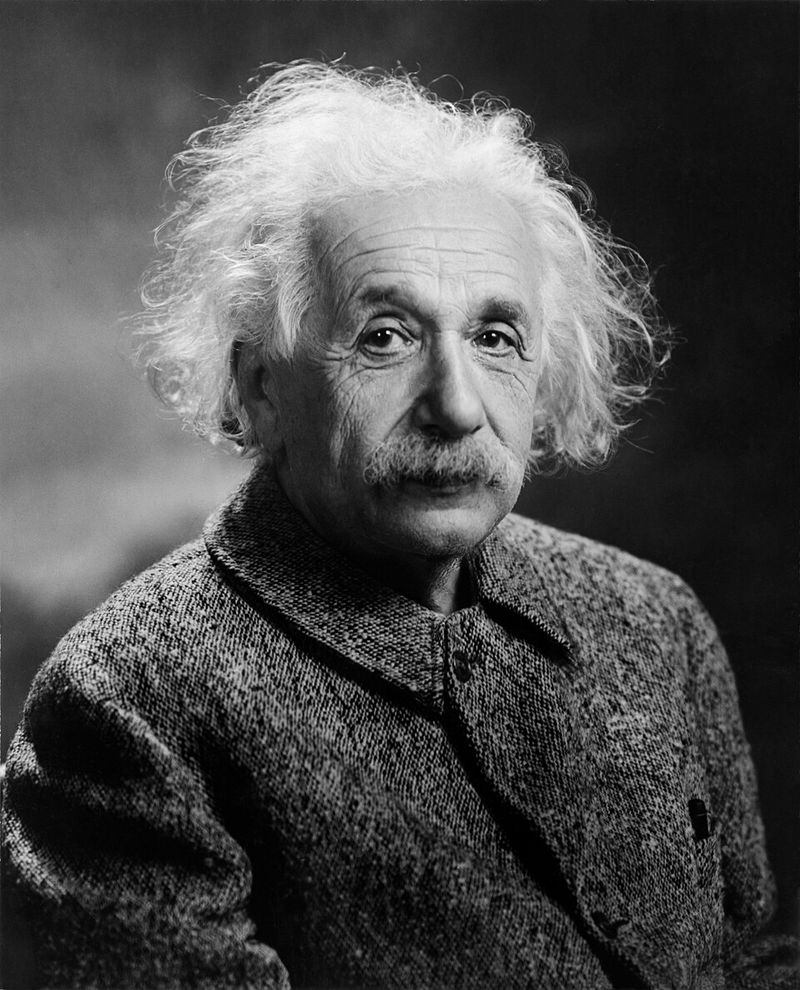
After graduating from the Swiss Federal Polytechnic in Zurich in 1900, Einstein spent nearly two years unable to find a steady academic position. Several professors he had hoped would recommend him declined to do so, partly because of his habit of skipping lectures during his student years.
A friend’s father helped him secure a position as a technical expert third class at the Swiss Patent Office in Bern in 1902. His job was to evaluate patent applications for electrical devices and assess whether the underlying ideas were logically sound.
He later said the work was actually useful for his thinking. Evaluating mechanical and electrical concepts daily sharpened his ability to strip problems down to their essential logic.
His four landmark papers of 1905, including the one introducing special relativity, were written while he was still a patent clerk. He was 26 years old.
The academic world had rejected him, and he changed physics from a government office desk anyway.
8. J.K. Rowling Almost Quit Writing Completely
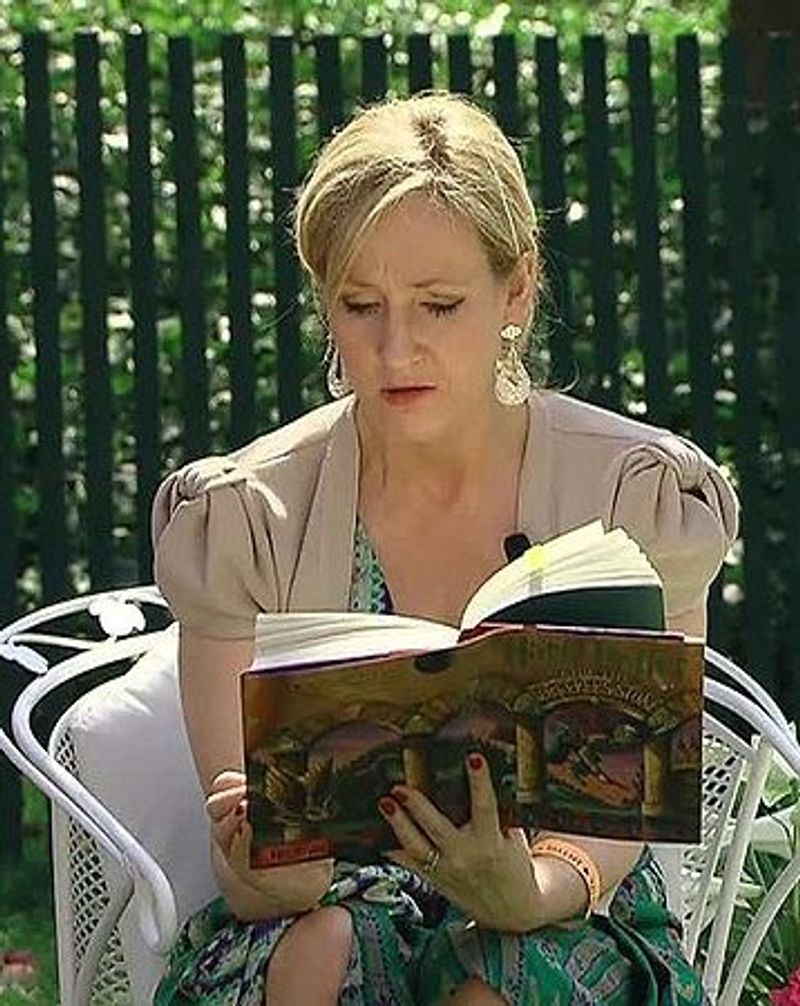
The manuscript for Harry Potter and the Philosopher’s Stone was rejected by 12 different publishing houses before Bloomsbury agreed to publish it in 1997. Rowling had been working on the book since 1990 and faced years of personal and financial hardship during that time.
She was a single mother living on government assistance in Edinburgh, writing in cafes during her daughter’s nap times because her apartment was too cold to work in comfortably. She has spoken publicly about experiencing clinical depression severe enough that she sought professional help during this period.
The Bloomsbury editor who finally accepted the book was convinced to read the full manuscript after his eight-year-old daughter read the first chapter and immediately demanded more. That child’s enthusiasm changed the course of modern publishing.
Rowling has said in interviews that she came very close to giving up entirely. The Harry Potter series has since sold more than 600 million copies worldwide and spawned a film franchise, theme parks, and an entire generation of readers.
9. Elvis Presley Nearly Stayed a Truck Driver
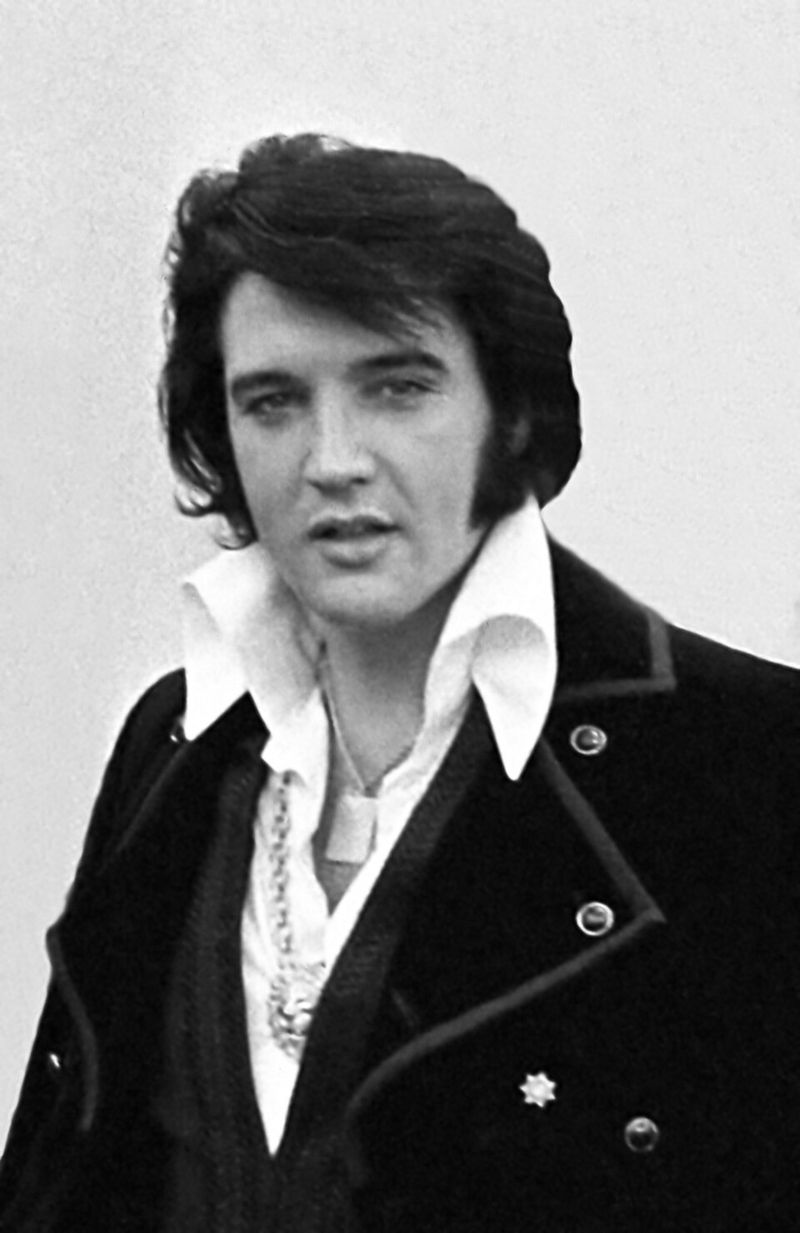
Before Sun Studio and before Ed Sullivan, Elvis Aaron Presley was driving a truck for Crown Electric Company in Memphis, Tennessee. He had graduated from Humes High School in 1953 and took the job to help support his parents, Gladys and Vernon.
He paid four dollars out of his own pocket to record two songs at Sun Studio as a birthday gift for his mother in the summer of 1953. Studio owner Sam Phillips did not immediately see star potential, and Elvis continued driving trucks for nearly a year after that first visit.
In 1954, Sam Phillips was looking for a white singer who could perform with the feel of Black rhythm and blues artists. He called Elvis back in for a session that almost did not happen because the initial recordings were not working.
A spontaneous, loose run-through of Arthur Crudup’s song That’s All Right clicked immediately. Phillips released it as a single, and Memphis radio stations were flooded with listener calls within hours of the first broadcast.
10. Theodore Roosevelt Was Supposed to Be Physically Weak Forever
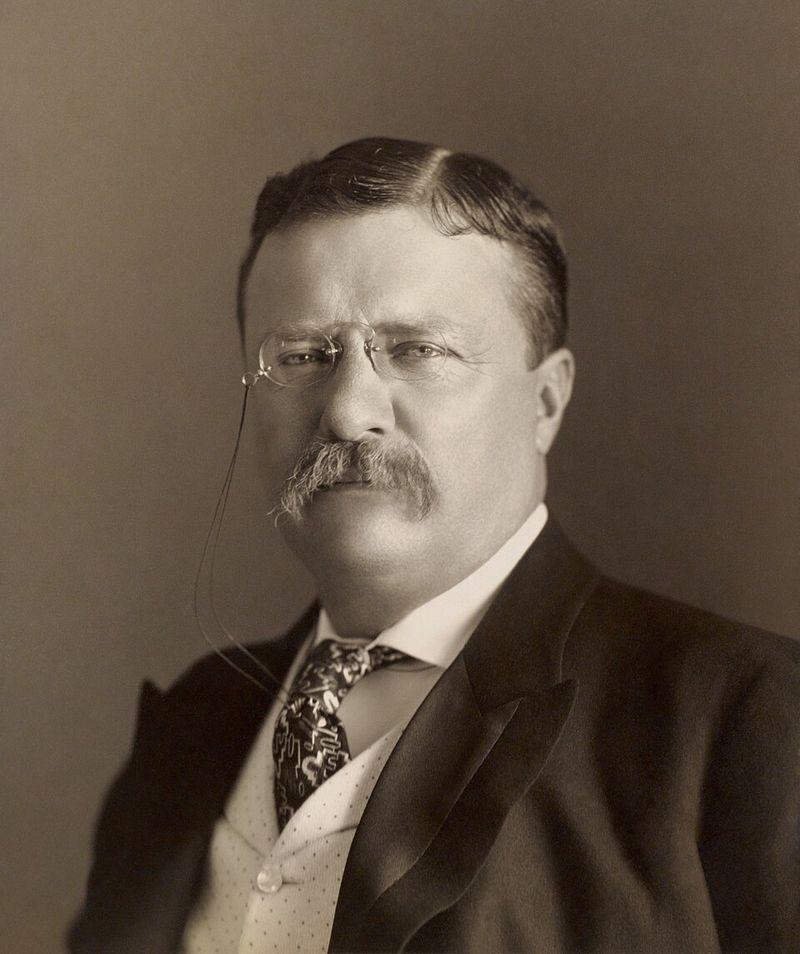
Theodore Roosevelt was born in New York City in 1858 into a wealthy family, but his early childhood was marked by severe asthma attacks that left him bedridden for extended periods. Doctors offered little hope that his health would meaningfully improve.
His father, Theodore Roosevelt Sr., told him directly that he had the mind but not the body to match it, and challenged him to build his physical strength deliberately. Roosevelt took this challenge seriously, setting up a home gymnasium and beginning a rigorous program of weightlifting, boxing, and outdoor activity.
By the time he reached Harvard in 1876, he was boxing competitively and hiking aggressively. He later ranched in the Dakota Territory, led a cavalry charge during the Spanish-American War in 1898, and climbed the Matterhorn on his honeymoon.
The transformation was so complete that his physical vigor became a defining part of his presidential identity. He was the youngest person to hold the office at 42, and his energy level in the role was widely documented.
11. Frida Kahlo Planned to Study Medicine
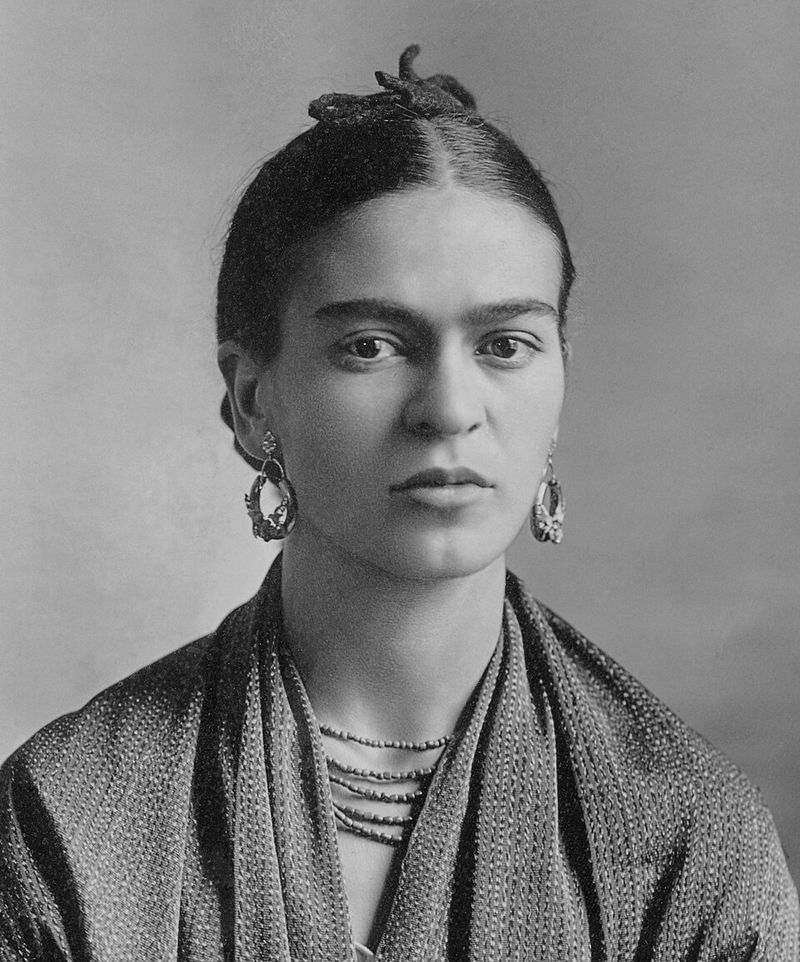
Frida Kahlo enrolled at the National Preparatory School in Mexico City in 1922, one of only 35 girls admitted among roughly 2,000 students. She was academically ambitious and had set her sights on medical school, planning to become a doctor.
On September 17, 1925, when she was 18 years old, the bus she was riding collided with a streetcar. The accident left her with multiple fractures including her spine, collarbone, ribs, and pelvis, along with severe injuries to her right leg and foot.
She spent months recovering in bed and in a full body cast. Her mother commissioned a special easel that could be used while lying flat, and Kahlo began painting self-portraits using a mirror attached to the canopy above her bed.
Medical school was no longer a realistic path given her ongoing health challenges. She went on to create 143 paintings, 55 of which were self-portraits, and became one of the most studied artists of the 20th century.
12. Stan Lee Thought Comic Books Were Temporary Work
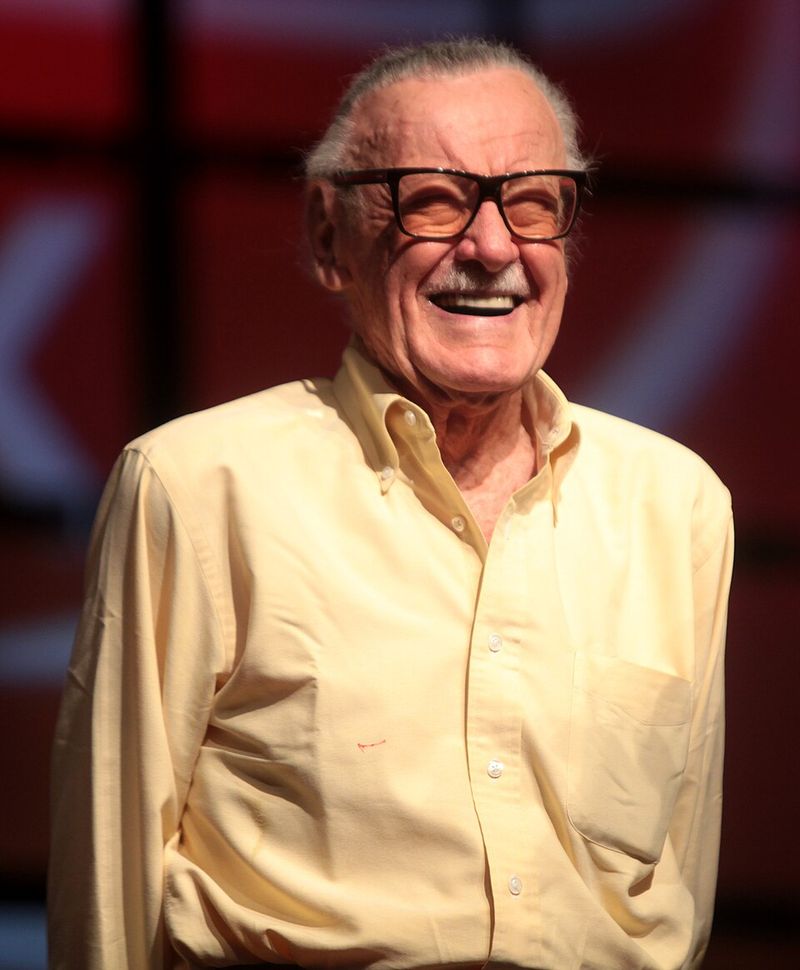
Stanley Martin Lieber started working at Timely Comics in New York City in 1939 at the age of 17, doing small tasks like filling inkwells and getting lunch for the senior staff. He used the pen name Stan Lee for his first published work in 1941 because he planned to save his real name for serious literary fiction.
He genuinely expected to leave comics quickly and write novels. Instead, he stayed, and Timely Comics eventually became Marvel Comics.
By the early 1960s, editor and publisher Martin Goodman told Lee to create new superhero characters to compete with DC Comics. Lee was so close to quitting at that point that his wife Joan suggested he try writing the comics he actually wanted to write rather than what he thought the market wanted.
That advice produced the Fantastic Four in 1961, followed rapidly by Spider-Man, the Hulk, Thor, Iron Man, and the X-Men. He remained the public face of Marvel for decades and made cameo appearances in Marvel films until 2019.
13. George Lucas Almost Never Made Star Wars
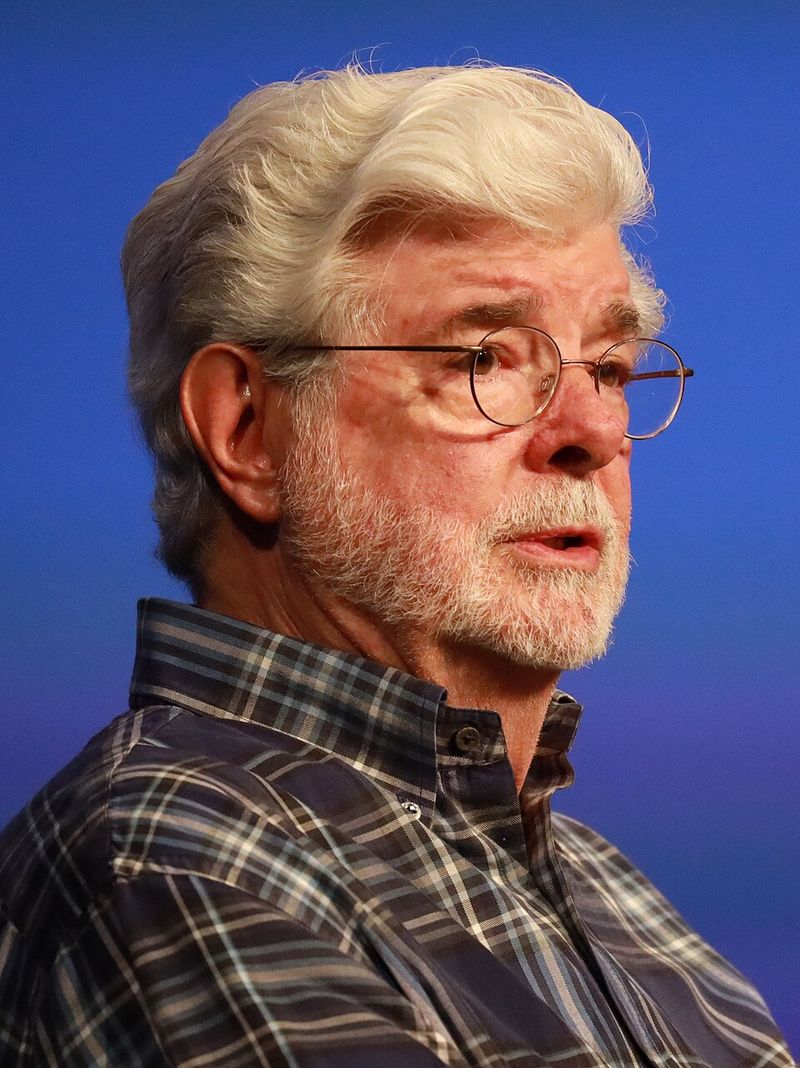
George Lucas co-wrote the script for Apocalypse Now with John Milius in the early 1970s and fully intended to direct it himself. When Francis Ford Coppola took over the project instead, Lucas shifted his focus toward a science fiction concept he had been developing loosely since 1971.
United Artists and Universal both passed on Star Wars before Twentieth Century Fox agreed to take a chance on it in 1973. Even after the deal was made, production in Tunisia and England was plagued with equipment failures, difficult weather, and a cast and crew that largely did not believe the film would work.
Lucas himself was so stressed during filming that he reportedly had a minor health scare and told friends he doubted the movie would find an audience. Editor John Jett helped save early cuts of the film that Lucas felt were not coming together properly.
Star Wars opened on May 25, 1977, in 32 theaters and immediately broke box office records. It changed how Hollywood financed, marketed, and merchandised films permanently.
Share this story