There is a small country tucked between the Alps and the Adriatic Sea that has quietly earned a reputation as the most driver-friendly destination on the planet for foreign visitors. Roads that wind past turquoise lakes, dramatic mountain passes, and medieval towns make every kilometer feel like a reward.
Slovenia recently topped a global ranking for foreign drivers, and after spending time behind the wheel there myself, I can tell you the title is completely deserved. From crystal-clear road signs to remarkably courteous locals, this Central European country treats drivers like welcome guests rather than lost tourists.
Stick around, because what I found on these roads surprised me in the best possible way.
Where the Road Begins: Slovenia’s Location and How to Get There
Sandwiched between Italy, Austria, Hungary, and Croatia, Slovenia sits at a natural crossroads of Central Europe, making it remarkably easy to reach by car from multiple directions.
The country’s official address for tourism purposes centers on its capital, Ljubljana, Slovenia, Europe, accessible via well-maintained highway corridors from Vienna, Venice, and Zagreb.
Flying into Ljubljana Joze Pucnik Airport and picking up a rental car there is one of the smoothest airport-to-road experiences I have had anywhere in Europe. The rental process was fast, the staff spoke clear English, and the maps provided were genuinely useful.
Slovenia covers just over 20,000 square kilometers, which means you can drive from one corner to another in a few hours without feeling rushed. That compact size, combined with its central location, makes it a natural starting point for a broader European road trip.
Why Slovenia Topped the Global Ranking for Foreign Drivers
A recent international study evaluated dozens of countries on factors including road quality, signage clarity, driver behavior, and ease of navigation for visitors unfamiliar with local rules.
Slovenia came out on top, and the results were not even particularly close. The country scored consistently high across every category measured, which is a genuinely rare achievement for any nation.
Road signs throughout Slovenia are clear, logical, and often printed in both Slovenian and English in tourist-heavy areas. Speed limits are posted frequently and consistently, so there is never any guesswork involved.
Local drivers tend to be patient and predictable, which takes a significant amount of stress out of navigating unfamiliar intersections or roundabouts. After driving through several other European countries in the same trip, the difference in overall driving comfort in Slovenia was immediately noticeable and genuinely refreshing.
The Roads Themselves: Quality, Condition, and Maintenance
One of the first things I noticed after crossing into Slovenia from Austria was how well-kept the roads were. There were no jarring potholes, no faded lane markings, and no sudden drops in pavement quality.
Slovenia has invested heavily in its road infrastructure over the past two decades, and the results are visible everywhere. The highway network, known locally as avtocesta, connects major cities and tourist regions with efficiency and ease.
Even the smaller regional roads that curl through the Julian Alps or dip into the Karst region are maintained to a surprisingly high standard. Guardrails are sturdy, drainage is well-designed, and road surfaces hold up even after heavy mountain rain.
For drivers who have wrestled with crumbling roads in other parts of Europe, Slovenia feels almost too good to be true. The infrastructure alone justifies its top ranking, and it sets a tone of confidence from the very first kilometer.
Lake Bled and the Drive That Will Change How You See Roads
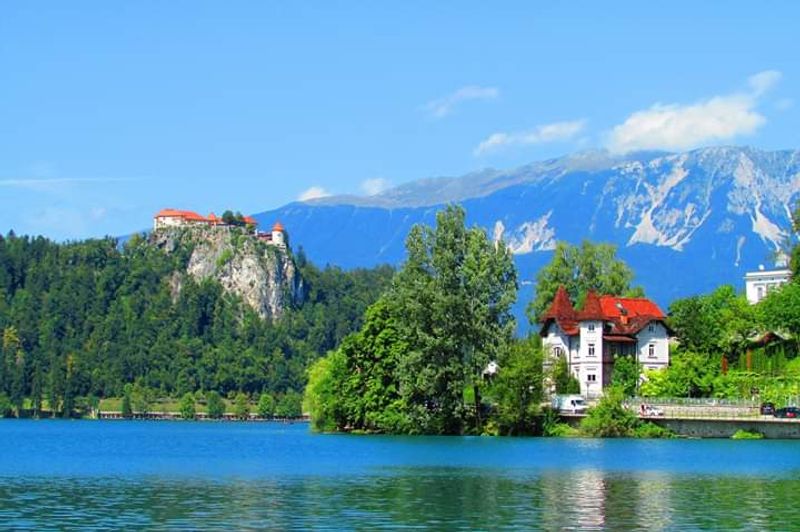
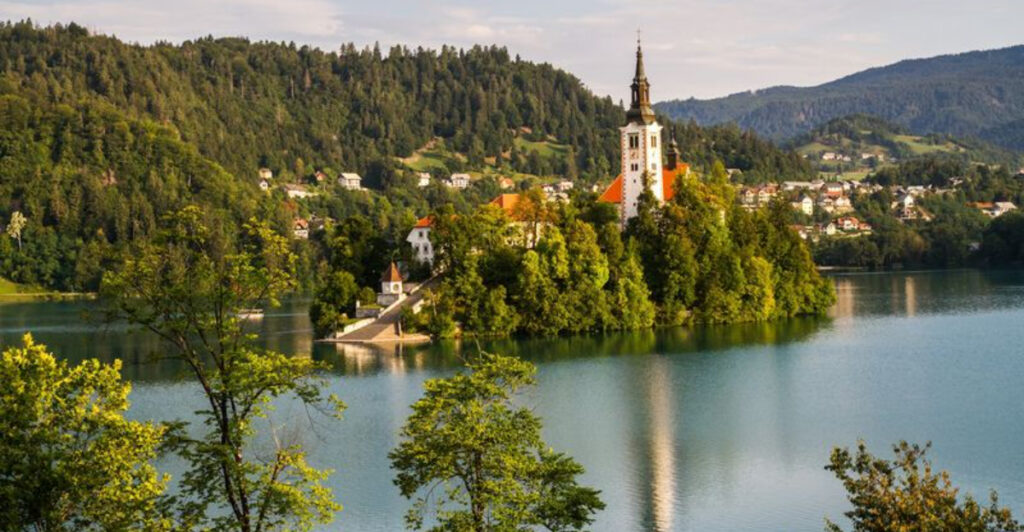
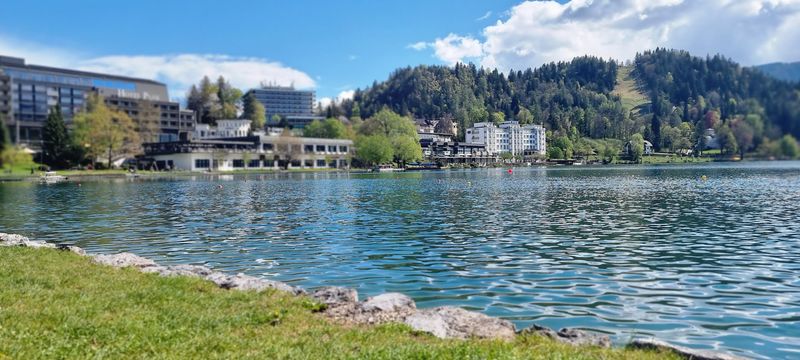
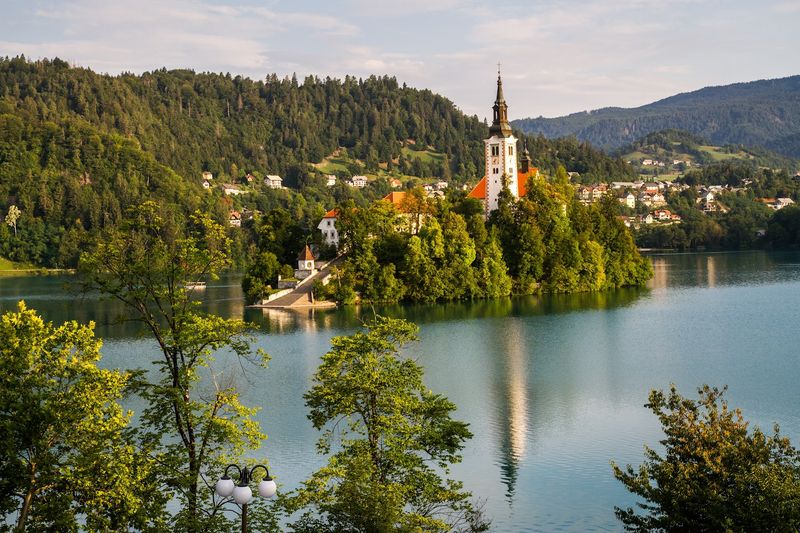
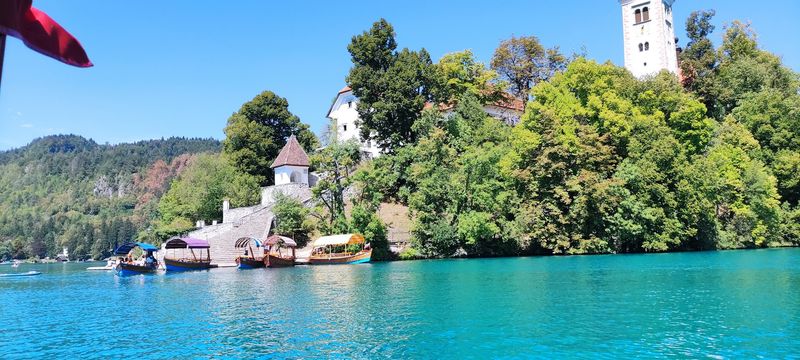
Few drives in Europe prepare you for the moment Lake Bled appears through the trees. The glacial lake, fed by natural hot springs, sits in a valley framed by the Karavanke mountain range, and the approach road offers views that genuinely stop conversation mid-sentence.
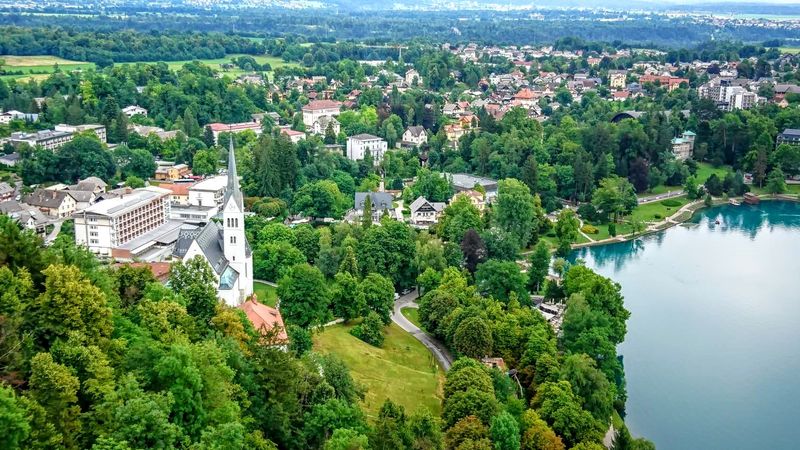
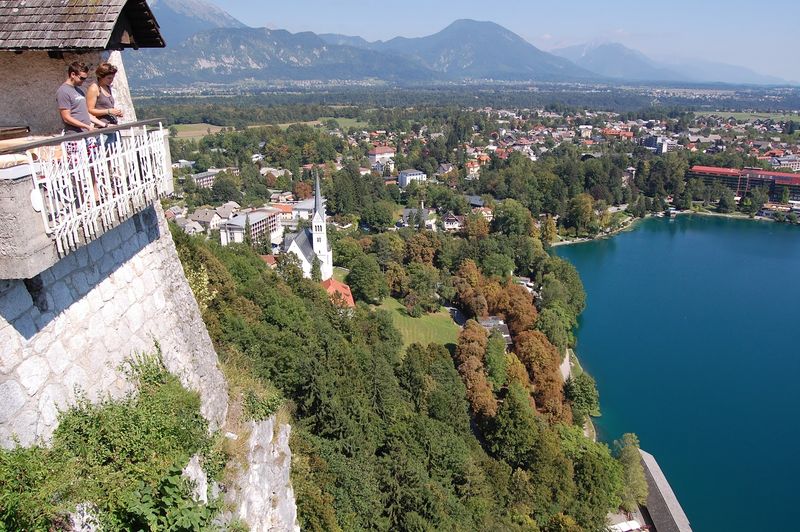
The town of Bled surrounds the lake and features a church-topped island that sits at the center of the water, alongside a medieval castle perched dramatically on a cliff above the eastern shore. Getting there by car is straightforward, with well-marked routes from Ljubljana taking roughly 55 minutes.
Parking near the lake is organized and clearly signed, with different zones for short and long stays. I found a spot within minutes, which is not always the case at popular European destinations.
The drive around the lake itself takes about 20 minutes and offers a different perspective at every turn, making it one of the most rewarding short circuits I have ever driven.
Ljubljana: Driving Into a Capital That Welcomes Cars and Cyclists Equally
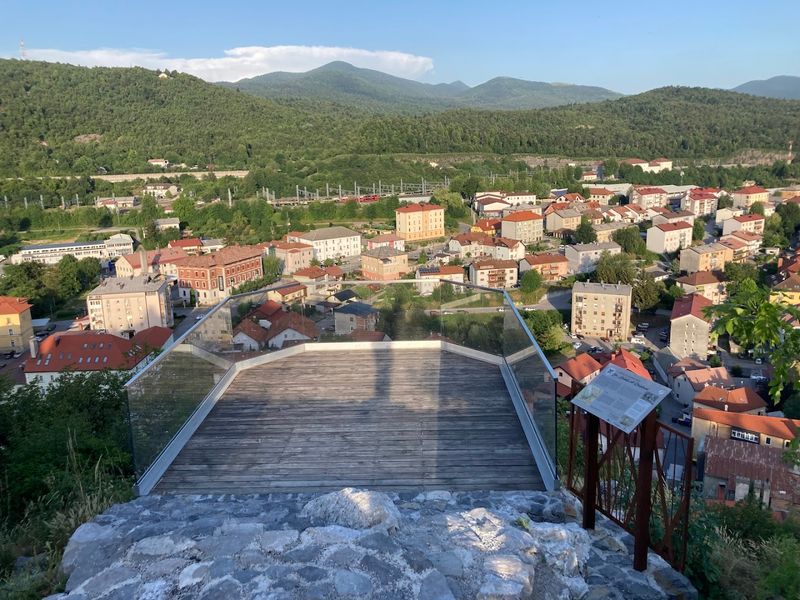
Ljubljana, Slovenia’s capital, has a reputation for being one of the most livable cities in Europe, and that extends to how it handles traffic and parking for visitors arriving by car.
The city center is largely pedestrian-friendly, but the surrounding ring roads and parking structures are logically designed and easy to navigate without local knowledge. I parked in a multi-story garage near the old town within minutes of arriving.
One of the most photographed spots in Ljubljana is the Tromostovje, or Triple Bridge, designed by the renowned Slovenian architect Joze Plecnik. The bridge spans the gently curving Ljubljanica River and connects the old baroque quarter with the newer parts of the city.
Baroque facades mix effortlessly with 20th-century architecture throughout Ljubljana, creating a visual rhythm that rewards slow exploration on foot after you park. The city feels confident in its identity, and that confidence extends to how it manages visitors arriving from every direction.
The Vrsic Pass: One of the Most Spectacular Mountain Drives in Europe
At 1,611 meters above sea level, the Vrsic Pass is the highest mountain road in Slovenia, and it earns every superlative thrown at it. The road climbs through 50 numbered hairpin turns, each one offering a slightly more dramatic view than the last.
Built during World War One by Russian prisoners of war, the pass carries a weight of history that adds depth to the physical experience of driving it. A small Russian Orthodox chapel near the top stands as a quiet tribute to those who constructed the road.
The surface is well-maintained for a high-altitude mountain route, and guardrails are present along the most exposed sections. I drove it in late summer when the road was fully open and conditions were ideal, though it is worth checking seasonal closures before planning your visit.
Reaching the top and looking out over the Triglav National Park felt like a reward earned by the road itself, not just by altitude.
Triglav National Park: Driving Through Slovenia’s Natural Crown
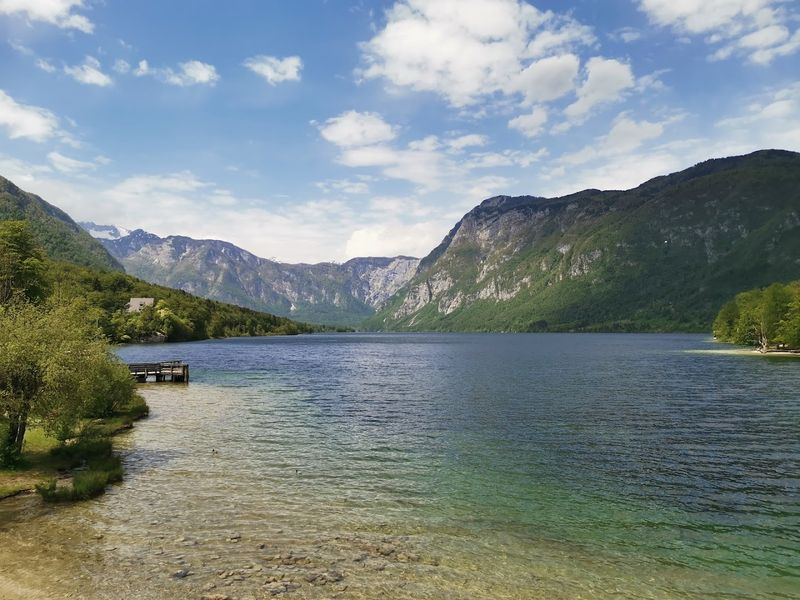
Triglav National Park covers roughly 4 percent of Slovenia’s total land area and contains some of the most visually striking roads in the country. The park is named after Mount Triglav, Slovenia’s highest peak at 2,864 meters, which watches over the landscape like a national symbol.
Driving through the park along the Soca Valley route is an experience that sits in a category of its own. The Soca River runs an almost unnatural shade of turquoise-green, and the road follows its path through narrow gorges and open meadows with equal confidence.
Speed limits inside the park are moderate and well-enforced, which actually enhances the experience by slowing you down enough to notice details you might otherwise miss. Small wooden bridges, grazing deer, and roadside waterfalls become part of the rhythm of the drive.
The park has clear entry signage and designated viewpoints with safe pull-off areas, making it easy to stop and take in the scenery without disrupting traffic.
Road Rules Every Foreign Driver Should Know Before Entering Slovenia
Slovenia uses a motorway vignette system, meaning you need to purchase a sticker or digital permit before driving on its highways. Vignettes are available at border crossings, petrol stations, and online, and they come in weekly, monthly, and annual options.
The weekly vignette is the most practical choice for most tourists and costs a modest fee that covers unlimited highway use during that period. Driving on the motorway without one results in a significant fine, so it is not a detail worth skipping.
Speed limits are 50 km/h in urban areas, 90 km/h on regional roads, and 130 km/h on motorways. These are consistently signposted and strictly enforced through radar systems.
Headlights must be on at all times regardless of weather or time of day, which is a rule that catches some foreign drivers off guard. Carrying a reflective vest and a first-aid kit in the vehicle is also legally required and worth knowing before you set off.
The Karst Region: Where the Road Leads Underground
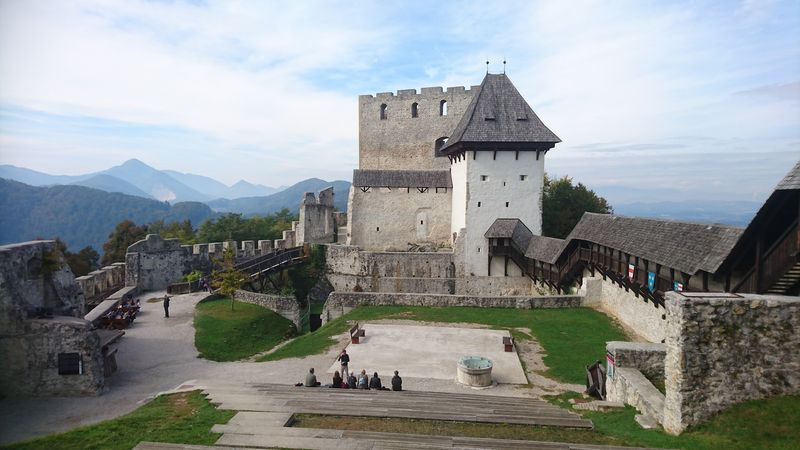
The Karst plateau in southwestern Slovenia is the region that gave the geological term ‘karst’ to the entire world. The landscape here is defined by limestone sinkholes, caves, and underground rivers, and the roads that cross it carry a quiet, windswept drama all their own.
Postojna Cave, one of the largest cave systems in Europe, sits just off the main road and draws visitors from across the continent. The drive to it from Ljubljana takes about an hour and passes through some of the most distinctive scenery in the country.
Roads through the Karst tend to be straight and wide, cutting across open plateau land with long sightlines that make driving feel relaxed and unhurried. The contrast with the mountain roads to the north is striking and shows how much variety Slovenia packs into a small area.
Predjama Castle, built into a cliff face near Postojna, is another stop worth adding to any Karst driving route, and signage to it is clear and reliable.
Petrol Stations, Rest Stops, and Practical Driving Comfort
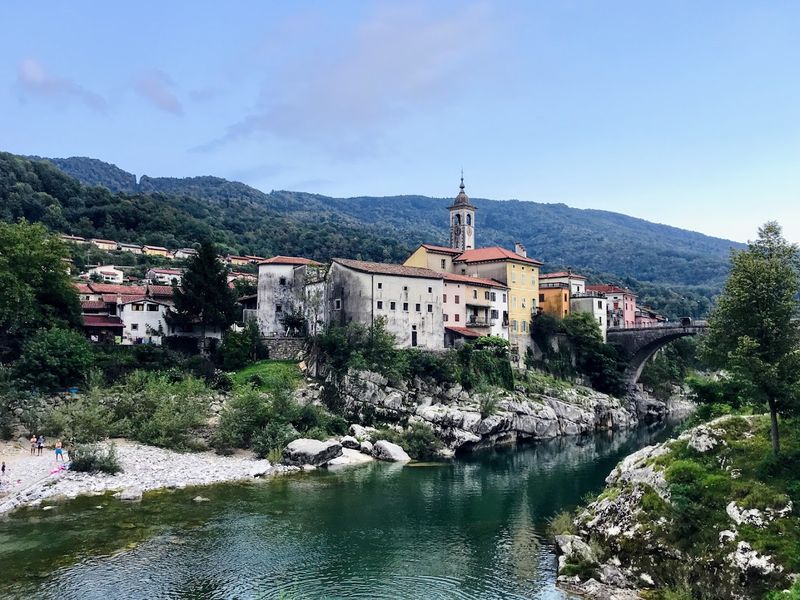
One of the quieter advantages of driving in Slovenia is how well the practical infrastructure supports long journeys. Petrol stations appear at regular intervals along both highways and regional roads, and most of them are clean, staffed, and stocked with food, coffee, and basic supplies.
Many highway service areas include sit-down dining options rather than just vending machines, which makes a genuine difference on a long driving day. I stopped at one near the Karavanke tunnel and had a proper warm meal without losing more than 30 minutes.
Rest areas along scenic routes are thoughtfully placed, often with views worth stopping for on their own merits. Picnic tables, clean facilities, and clear signage make them easy to use without any guesswork.
Electric vehicle charging points are increasingly common at larger service stations, reflecting Slovenia’s push toward sustainable tourism. For drivers of any vehicle type, the overall support network along Slovenian roads feels complete and genuinely considerate of visitor needs.
Driving to the Adriatic: Slovenia’s Short but Stunning Coastal Route
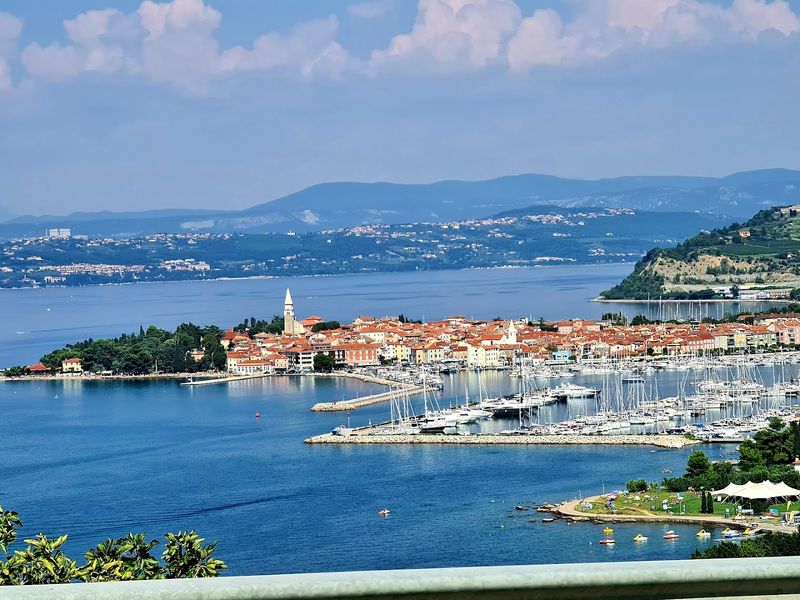
Slovenia has only about 46 kilometers of Adriatic coastline, but that short stretch packs in more character than coastlines ten times its length. The drive from Ljubljana to the coast takes roughly an hour and a half, passing through the Karst plateau before the land opens up toward the sea.
The coastal town of Piran is the jewel of this route, a Venetian-influenced port town with narrow stone streets and a hilltop church that overlooks terracotta rooftops and sparkling blue water. Getting there by car is easy, though the old town itself is pedestrian-only.
Parking on the outskirts of Piran is well-organized, with shuttle services connecting the car parks to the town center during peak season. I found the system efficient and stress-free compared to similar coastal towns elsewhere in the Mediterranean.
The coastal road between Koper, Izola, and Piran is a short but genuinely scenic stretch that rewards slow driving with views that linger long after you leave.
What Makes Slovenia Truly Special for Drivers: A Final Thought
After spending nearly two weeks driving through Slovenia, the thing that stayed with me most was not any single road or view, but the overall sense of ease that came with every kilometer. Nothing about driving here felt adversarial or stressful.
The combination of excellent road quality, clear signage, respectful local drivers, and breathtaking scenery creates a driving environment that is genuinely difficult to find anywhere else in the world. It is no surprise that international researchers placed it at the very top of their global rankings.
Slovenia rewards the kind of traveler who prefers to move at their own pace, stop when something catches their eye, and take the longer route because the longer route is almost always more beautiful. That philosophy is baked into the road network itself.
Whether you are a seasoned road tripper or a first-time visitor to Europe, Slovenia offers a driving experience that sets a standard most countries would struggle to match.
Share this story