Hawaii is one of those places where the food is almost as breathtaking as the view from your table. Across six main islands, you will find restaurants that have been feeding locals since before statehood, chefs who personally know the fishermen supplying their kitchens, and dining rooms where the Pacific Ocean is basically the wallpaper.
Some of these spots require reservations made months in advance. Others are walk-up counters where regulars line up before the doors open.
A few are the kind of places that travel writers fly across the ocean just to review. What they all share is a serious commitment to Hawaiian ingredients, bold flavors, and the kind of hospitality that makes you feel like a guest rather than a customer.
This list covers 12 restaurants spread across Maui, Oahu, Kauai, and the Big Island, each one worth planning a trip around.
1. Mama’s Fish House, Paia, HI
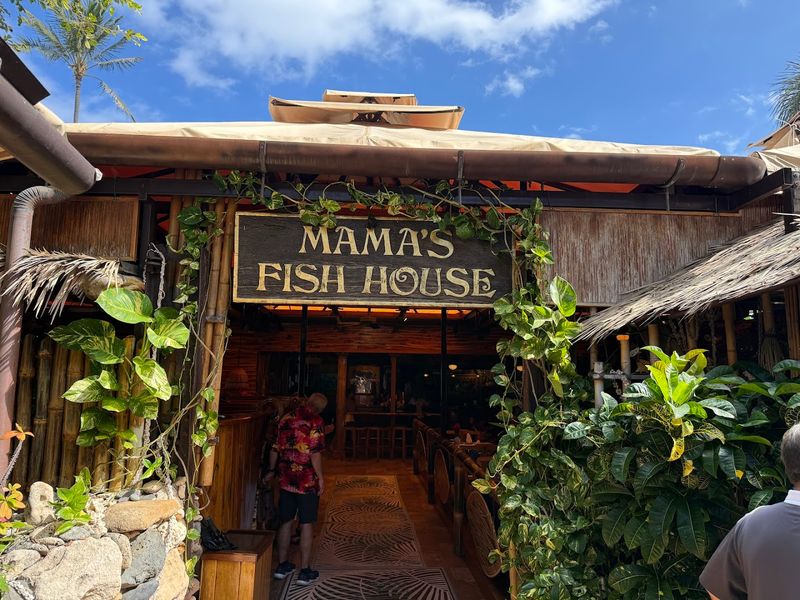
Getting a table at this legendary Maui restaurant takes planning. Reservations often need to be made two to three months ahead, and regulars treat that booking like a golden ticket.
Mama’s Fish House has been operating on Maui’s North Shore since 1973, which makes it one of the longest-running family-owned restaurants in the state. The menu is famously specific about where its fish comes from, listing the name of the fisherman and the exact location where the catch was pulled from the ocean.
That level of detail is not just a marketing move. It reflects a genuine ocean-to-plate philosophy that was ahead of its time when the restaurant first opened.
The menu changes based on what is actually available that day.
Dishes like macadamia nut-crusted mahimahi and fresh opakapaka prepared in traditional Hawaiian style keep guests coming back year after year.
2. Duke’s Waikiki, Honolulu, HI
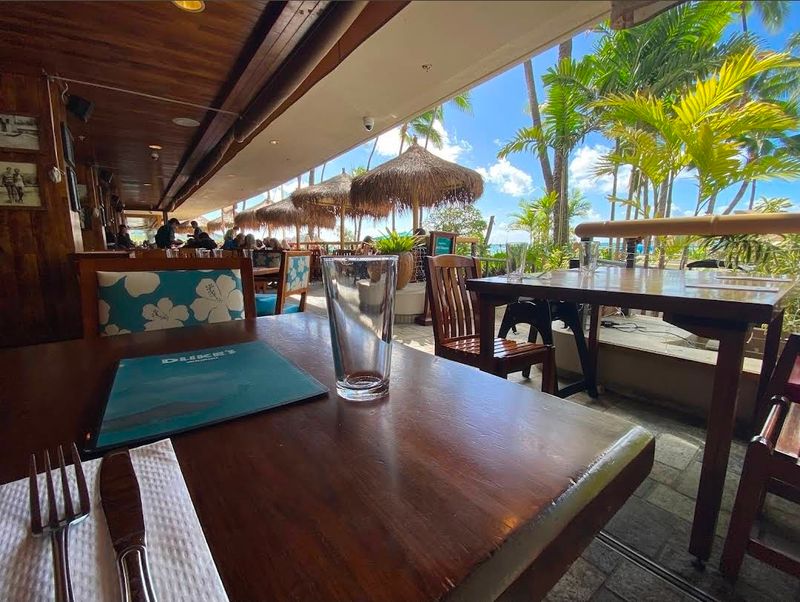
Right on the sand at Waikiki Beach, Duke’s is the kind of place where you can watch surfers while eating a plate of Huli Huli chicken. That combination alone earns it a spot on this list.
Named after Duke Kahanamoku, the Olympic swimmer and surfing pioneer who helped put Hawaiian culture on the world map, this restaurant has turned its location into a full dining experience. Surfboards, vintage photographs, and memorabilia fill the interior, giving it the feel of a living museum dedicated to Hawaiian surf culture.
The menu leans into Hawaiian-inspired comfort food. Furikake ahi tuna steak is a crowd favorite, and the fish tacos are consistently rated among the best in Honolulu.
Duke’s also hosts live music regularly, drawing both tourists and locals. Lunch here is more casual, while dinner tends to fill up fast, so reservations are a smart move.
3. The Beach House Restaurant, Koloa, HI
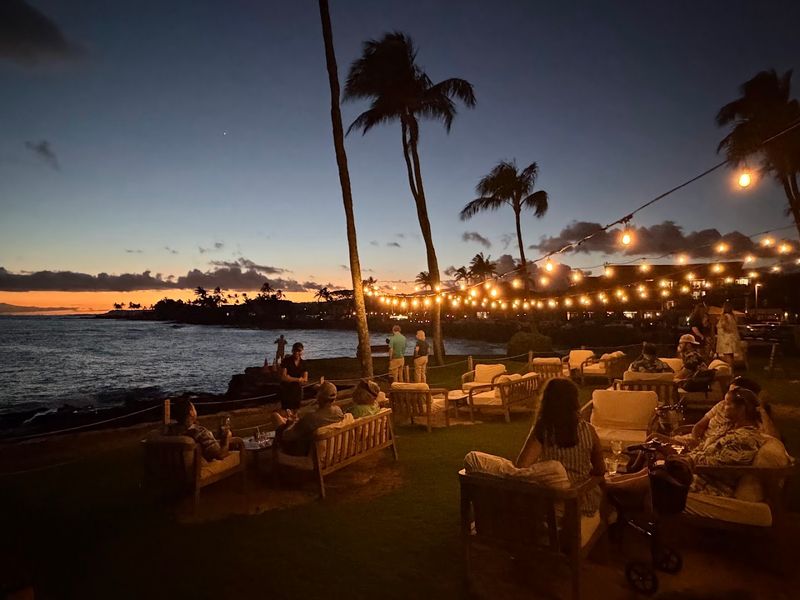
On Kauai’s south shore, The Beach House Restaurant has built a reputation that extends well beyond the island. It regularly appears on national best-of lists, and the reason is straightforward: the food is excellent and the location is hard to beat.
Chef Marshall Blanchard leads a kitchen that takes Pacific Rim cooking seriously. The menu features dishes like grilled sea scallops, pork potstickers, and poke tacos, all built around locally sourced ingredients from Kauai farms and nearby waters.
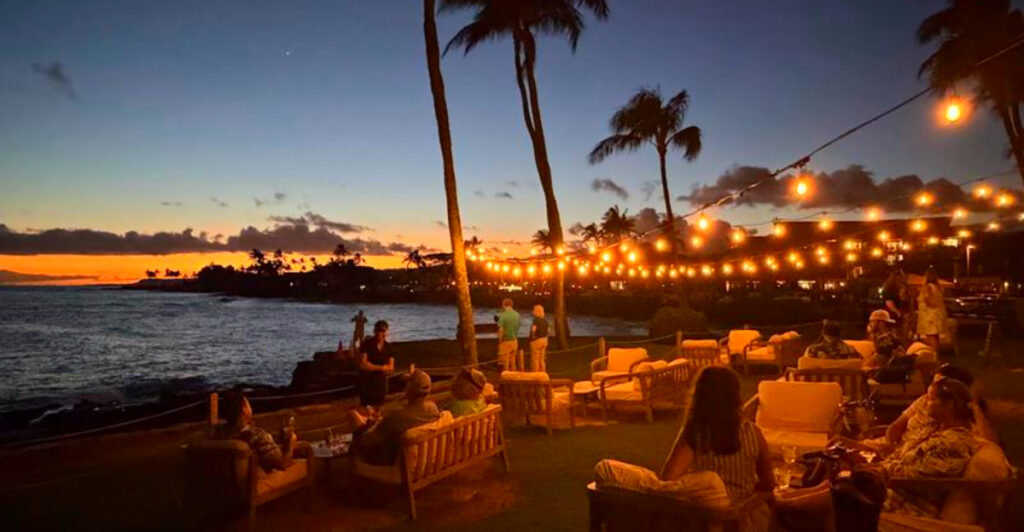
The restaurant practices old-fashioned Hawaiian hospitality, which means staff genuinely engage with guests rather than rushing them through a meal. Tables fill up every evening, and the oceanfront setting draws diners who time their arrival specifically for the views over Lawai Beach.
Reservations are strongly recommended, especially during peak travel months. First-time visitors are often surprised by how well the kitchen balances creativity with approachability on every plate.
4. Helena’s Hawaiian Food, Honolulu, HI
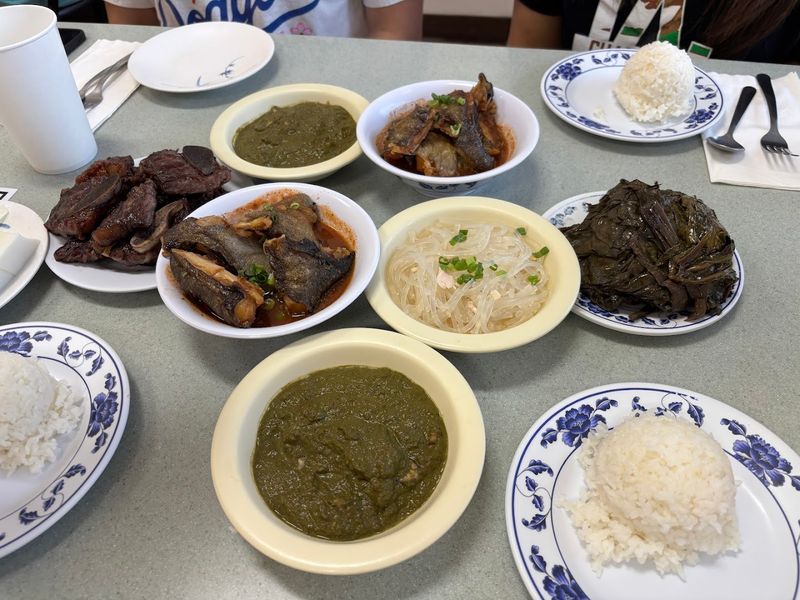
A James Beard Award is one of the highest honors in American food, and Helena’s Hawaiian Food in Honolulu has one. It was named an America’s Classic in 2000, a category reserved for restaurants that have served quality, regionally important food for decades.
Helena Chock opened the restaurant in 1946, and it has been a gathering point for native Hawaiian cooking ever since. The menu reads like a guide to traditional Hawaiian cuisine: Kalua pig, poi, lomi salmon, butterfish, and pipipkaula, which is a dried and pan-fried short rib dish that Helena herself developed.
The space is small and no-frills. There are no tablecloths or elaborate presentations here.
What you get instead is food prepared according to methods passed down through generations, cooked by people who treat the recipes as cultural heritage rather than just menu items.
It is cash only and closes early, so planning ahead is essential.
5. Roy’s Waikoloa Bar & Grill, Waikoloa Village, HI
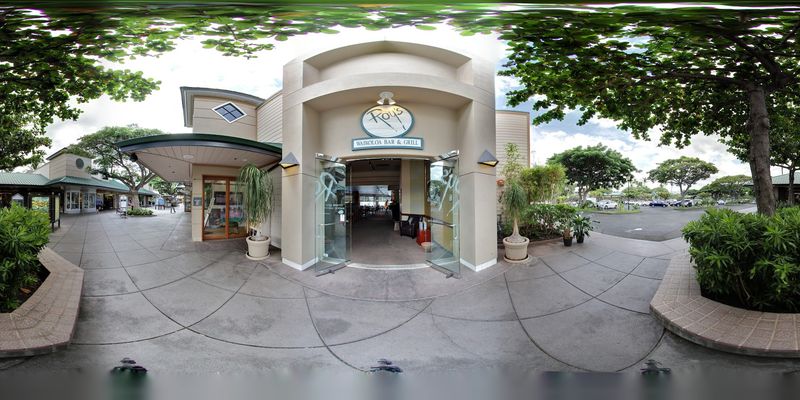
Roy Yamaguchi is one of the most recognized names in Hawaiian cuisine, and his Waikoloa location on the Big Island delivers the signature experience his restaurants are known for: Hawaiian Fusion cooking that draws from Japanese technique and local ingredients.
The open kitchen design is intentional. Yamaguchi has always believed that cooking should be visible and transparent, and at the Waikoloa location, diners can watch the kitchen team work through the dinner service from many seats in the dining room.
Signature dishes include misoyaki butterfish, which has appeared on Roy’s menus since the early days of the brand, and a rotating selection of fresh local fish prepared in various fusion styles. The dessert menu is also taken seriously here, with the melting hot chocolate souffle being a longtime favorite.
The restaurant sits within the Waikoloa Beach Resort area, making it convenient for guests staying along the Kohala Coast.
6. Monkeypod Kitchen by Merriman, Kihei, HI
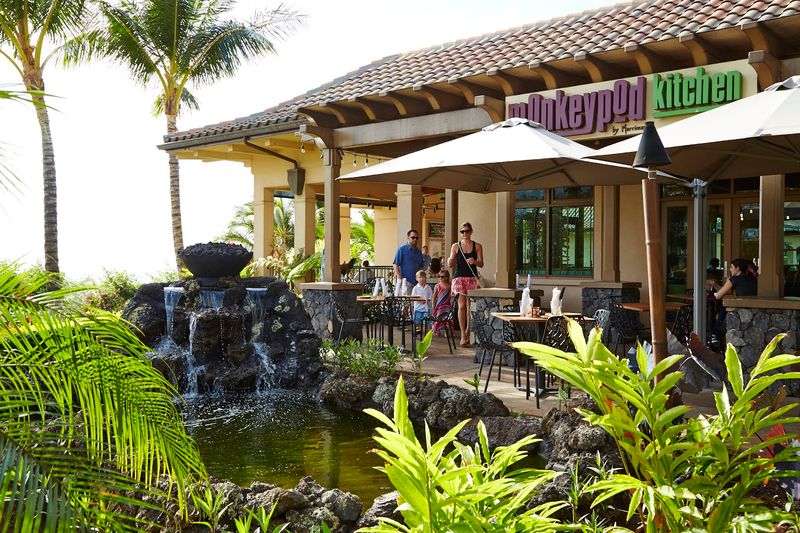
Peter Merriman’s more casual brand has a devoted following, and the Kihei location on Maui is one of its busiest outposts. The concept is built around the same local-sourcing commitment that defines all of Merriman’s restaurants, but delivered in a more relaxed, open-air format.
The menu covers a lot of ground. Wood-fired pizzas sit alongside fresh poke bowls, locally caught fish tacos, and farm-sourced salads.
The kitchen sources from more than 30 local farms and fishing operations, a fact that shows up clearly in the quality of ingredients across every dish.
Monkeypod draws a mixed crowd of families, couples, and solo travelers who want solid food without the formality of a fine dining reservation. The bar program focuses on fresh-pressed juices and house-made syrups paired with tropical ingredients.
Happy hour here has become something of a local institution, running twice daily and drawing regulars who treat it as a reliable end-of-day ritual.
7. Tin Roof Maui, Kahului, HI
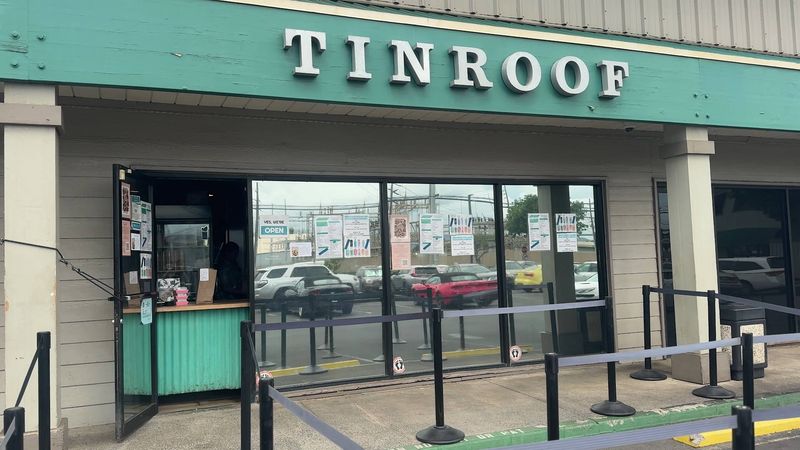
Chef Sheldon Simeon became a household name among food lovers after his appearances on Top Chef, and Tin Roof in Kahului is where you go to eat the food that made him famous on that show.
The concept is counter-service and intentionally casual. There are no servers, no tablecloths, and no reservations.
You order at the counter, find a seat, and wait for your number to be called. What arrives is some of the most thoughtfully constructed plate lunch food in Hawaii.
Simeon’s signature dish, the Mochiko chicken, has developed a following of its own. His garlic noodles and slow-cooked pork plates reflect his Filipino-Hawaiian background and his training in professional kitchens.
The flavors are bold and specific rather than generic.
Lines can get long, especially during lunch hours. Most regulars arrive early or plan for a short wait as part of the experience.
Tin Roof is proof that great food does not require a formal setting.
8. Hula Grill Waikiki, Honolulu, HI
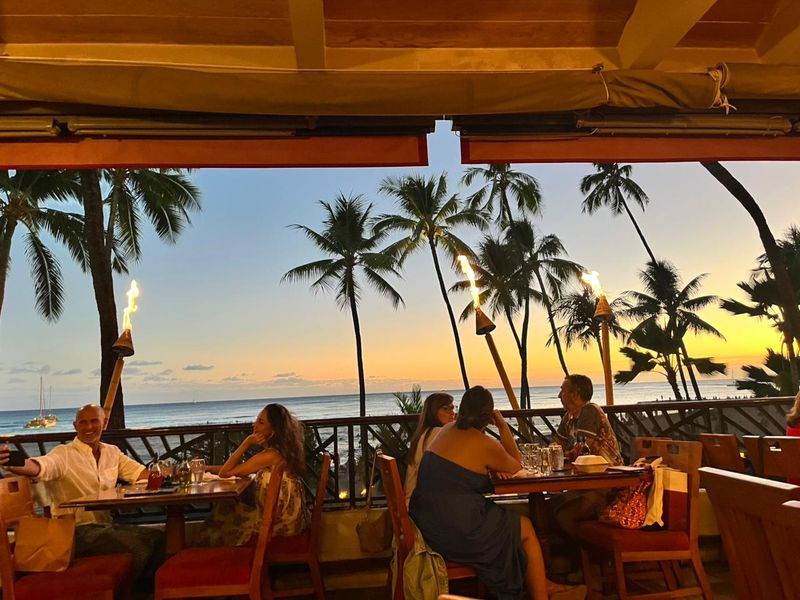
Not every great Waikiki restaurant requires a reservation three months out or a collared shirt. Hula Grill makes a strong case for beachfront casual dining done right, and locals return regularly to back that claim.
The restaurant is part of the TS Restaurants group and sits directly on the beach at the Outrigger Waikiki on the Beach hotel. The menu is built around fresh Hawaiian fish and locally sourced ingredients, with dishes like macadamia nut-crusted fish, fish tacos, and taro chips with fresh salsa reflecting the kitchen’s commitment to island flavors.
The Barefoot Bar section of the restaurant operates as a more casual walk-up option, where guests can eat right at the edge of the beach without needing a full table reservation. It has become a go-to spot for travelers who want a relaxed midday meal with an unobstructed view of the Pacific.
Live Hawaiian music performances are scheduled regularly throughout the week.
9. Kō Restaurant, Wailea, HI
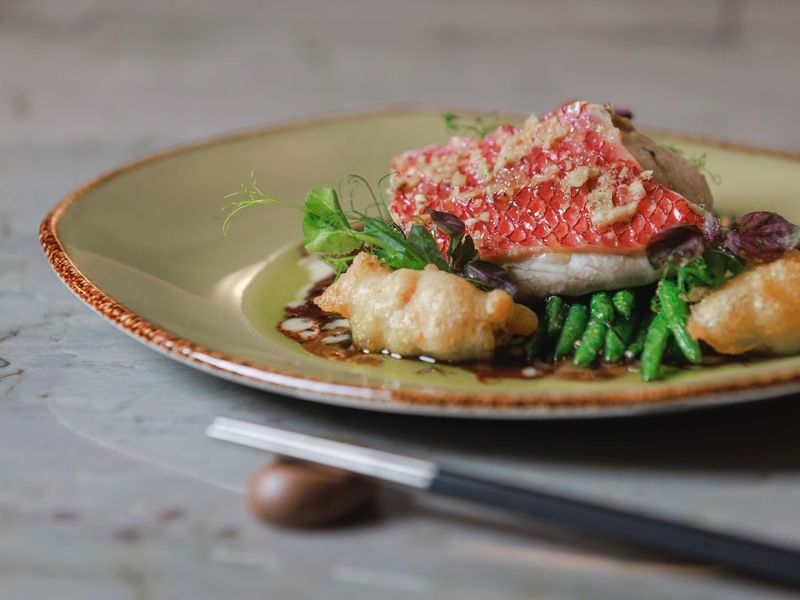
The name Ko means sugarcane in Hawaiian, and it points directly to the restaurant’s central concept: plantation-era cuisine from the multicultural communities that worked the sugar fields of Hawaii in the 1800s and early 1900s.
Located at the Fairmont Kea Lani in Wailea, Ko draws from Portuguese, Filipino, Japanese, Korean, Chinese, and Puerto Rican culinary traditions that all took root in Hawaii during that era. Executive Chef Tylun Pang has spent years researching these food histories and building menus that reflect them accurately rather than superficially.
Dishes like Korean kalbi short ribs, Filipino chicken adobo, and Portuguese bean soup appear alongside more contemporary preparations, creating a menu that functions as both a meal and a history lesson. The open-air dining room faces the ocean, and the resort setting adds a level of polish to the experience.
Ko is one of the most genuinely educational dining experiences available anywhere in Hawaii.
10. Bar Acuda, Hanalei, HI
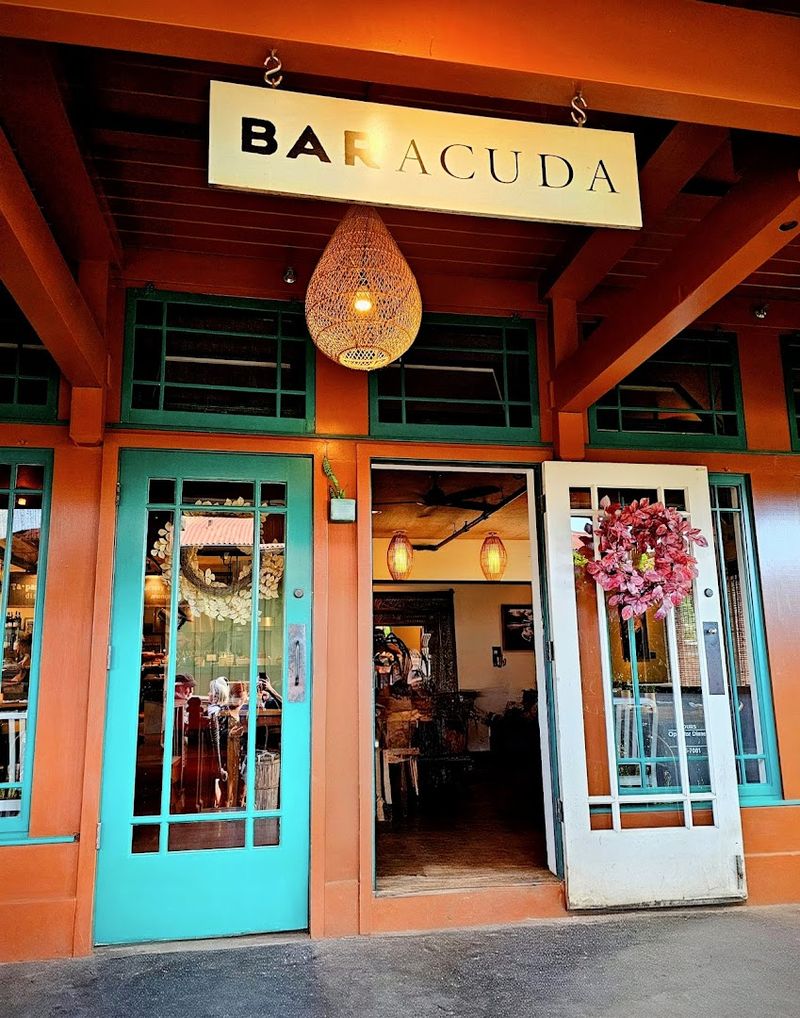
Hanalei is a small town on Kauai’s north shore, and Bar Acuda is exactly the kind of restaurant a small town like that deserves. It is intimate, specific, and run with real intention.
Chef Jim Moffat opened Bar Acuda in 2005 after years of cooking in Europe and California. The menu is tapas-style, which means the kitchen produces a long list of small plates rather than traditional entrees.
This format encourages sharing and allows diners to try a wider range of dishes in a single visit.
The menu changes regularly based on what is available from local farms and the surrounding ocean. Regulars know not to expect the same dishes on every visit, which keeps the experience fresh even for people who eat here frequently.
The wine list is carefully chosen and pairs well with the Mediterranean-influenced preparations. Bar Acuda seats a limited number of guests each evening, so reservations are necessary, especially during the busy north shore season.
11. Da Poke Shack, Kailua-Kona, HI
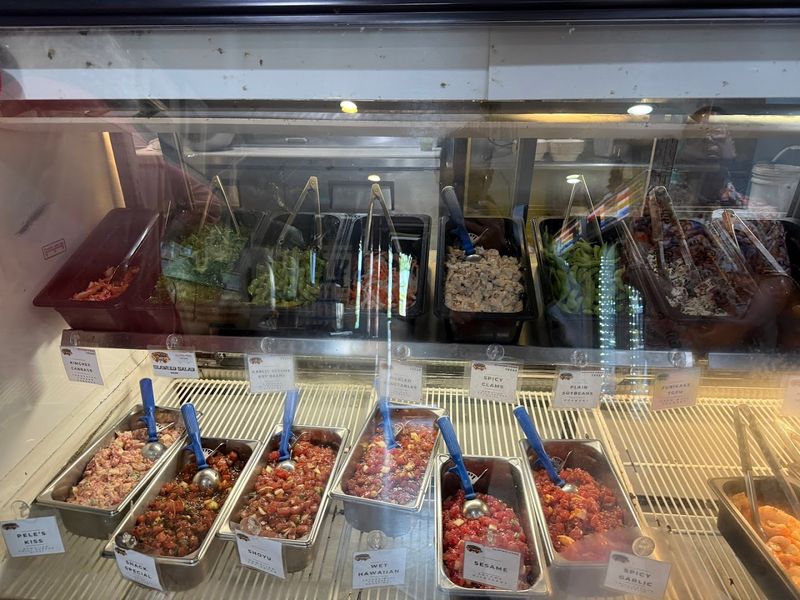
On any given morning in Kailua-Kona, a line forms outside a small counter operation that has been rated one of the best poke spots in the entire state. Da Poke Shack earns that reputation fresh every single day.
The menu typically features eight or more varieties of poke, all made daily from fish that arrives directly from local fishermen. On some days, regulars report watching the catch come in while they wait in line, which is about as fresh as the supply chain gets.
Standout varieties include Pele’s Kiss, a spicy preparation named after the Hawaiian volcano goddess, and a creamy avocado poke that has become one of the most requested items on the menu. Portions are generous and prices are reasonable by Hawaii standards.
Da Poke Shack does not take reservations and sells out most days before closing time. Arriving early is the only reliable strategy for getting your first-choice varieties.
12. Moon and Turtle, Hilo, HI
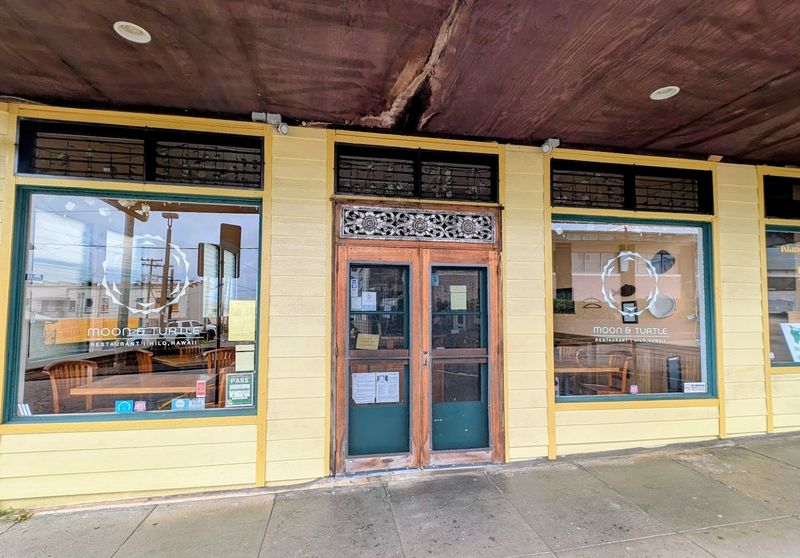
Hilo does not always make the top of Hawaii travel itineraries, but Moon and Turtle is the kind of restaurant that gives food-focused travelers a very good reason to add the east side of the Big Island to their plans.
The restaurant is small and deliberately so. The dining room seats a limited number of guests, and the menu changes daily based on what local farmers and fishermen deliver that morning.
Chef Robert Barroso has built the entire operation around this hyper-seasonal approach, which means no two visits are exactly alike.
The cuisine is Pacific Fusion with strong Asian influences, drawing from Japanese, Korean, and Chinese techniques applied to Hawaiian ingredients. Dishes are creative without being confusing, and the kitchen avoids unnecessary complexity in favor of letting quality ingredients lead.
Reservations are essential and fill up quickly. Moon and Turtle has a loyal local following that books regularly, leaving fewer open tables for visiting diners who discover it late.
Share this story