Southeast Asia is packed with islands, but the famous ones have gotten crowded. Phuket now has traffic jams.
Bali has waiting lines at rice terraces. Boracay has tourists bumping into other tourists trying to escape tourists.
The good news is that the region still hides dozens of islands where you can actually find an empty beach, chat with a local fisherman, and eat fresh seafood without fighting over a table. Some of these places are hard to reach.
Some have limited electricity. A few still have that rare quality that popular islands lost years ago: the feeling that you found something before everyone else did.
This list covers 13 islands across Thailand, the Philippines, Indonesia, Cambodia, and Vietnam that are genuinely worth visiting right now, before the beach clubs, souvenir stalls, and resort chains move in for good.
1. Koh Yao Noi, Thailand
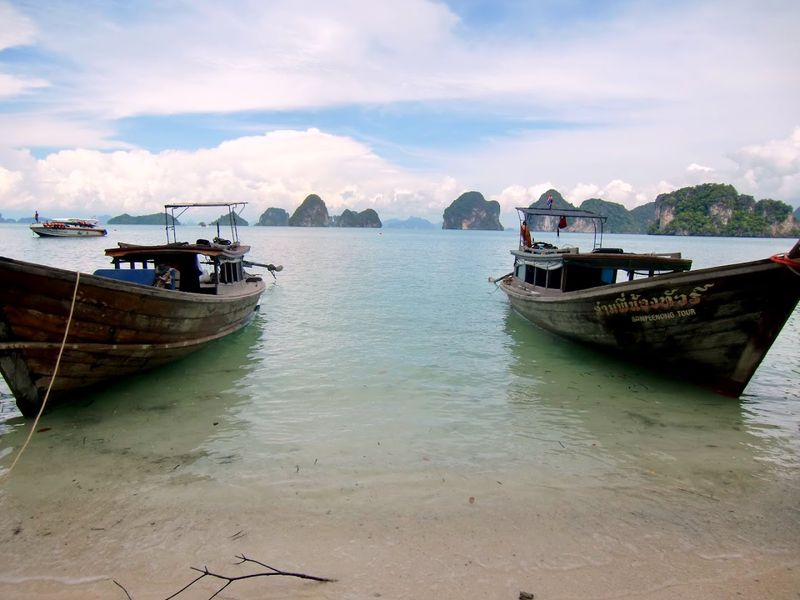
Sandwiched between Phuket and Krabi, this small island has somehow managed to stay calm while its famous neighbors turned into full-blown tourist machines.
Koh Yao Noi runs on fishing village rhythms. Locals paddle out in traditional long-tail boats early in the morning, and the afternoon pace is slow by design, not accident.
There are no mega-resorts here. A handful of eco-lodges and small guesthouses take the place of five-star towers, and the island has rules in place to keep development limited.
Rock climbers come for the limestone karsts. Cyclists come for the flat coastal roads.
Yoga retreats have quietly set up shop without turning the place into a wellness circus.
Getting here is easy, just a 30-minute ferry from Phuket or Krabi. The real question is why more people haven’t figured that out yet.
2. Siquijor, Philippines
Ask a Filipino where Siquijor is, and they might lower their voice slightly before answering. The island has a long reputation for folk healing, ancient rituals, and local legends that have followed it for centuries.
Whether you believe any of that or not, the island itself is genuinely beautiful. White sand beaches, dramatic waterfalls, and coral reefs sit within easy reach of each other.
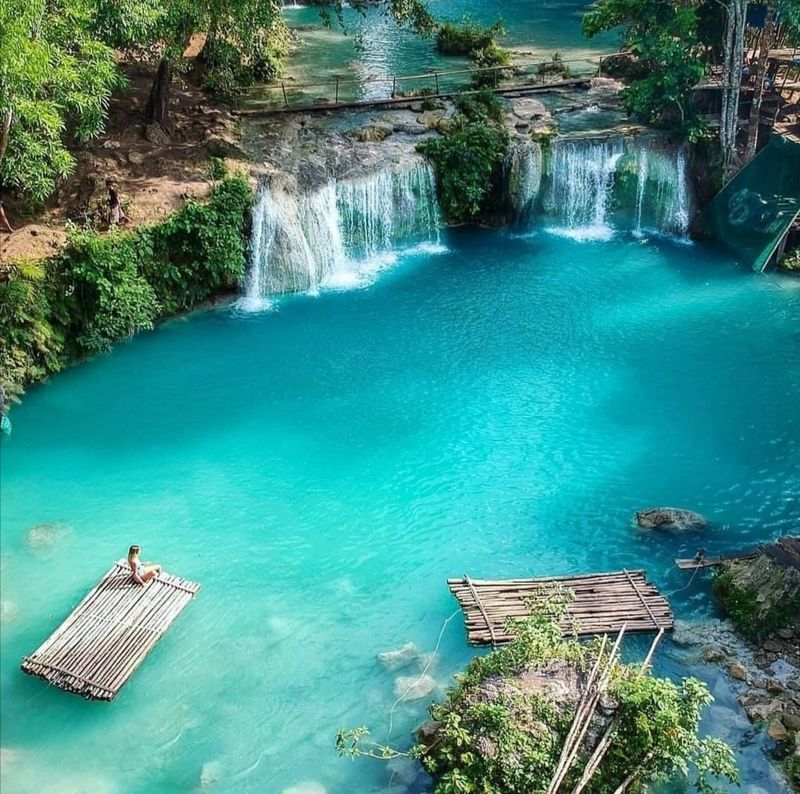
Cambugahay Falls is one of the most visited spots, a series of natural pools fed by a river cutting through the jungle interior. You can rope-swing into the lower pools if you are feeling adventurous.
The island sees far fewer visitors than Cebu or Palawan, which means lower prices and shorter lines at popular spots.
Motorbike rental is the standard way to explore, and a full loop around the island takes just a few hours.
3. Karimunjawa, Indonesia
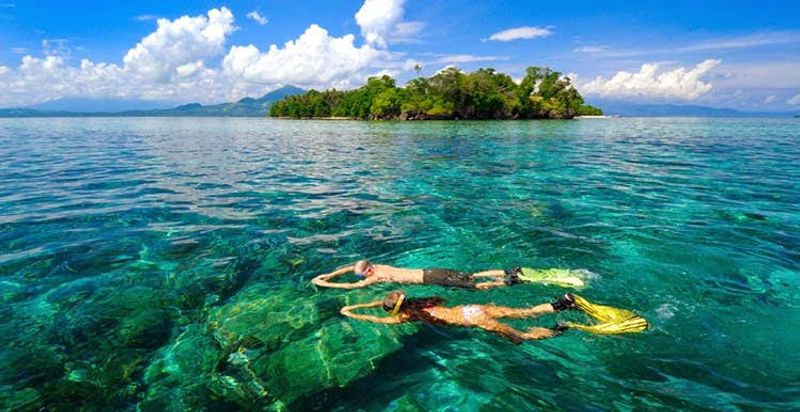
North of Java and well off the standard Indonesia tourist trail, Karimunjawa is a cluster of 27 small islands with some of the clearest water in the country.
Most visitors come to snorkel and island-hop. The coral reefs here are in noticeably better condition than reefs closer to heavily trafficked areas, and the fish populations reflect that.
Blacktip reef sharks are regularly spotted in shallow water, which sounds alarming but is actually a sign of a healthy marine ecosystem. They are not interested in tourists.
The main island has basic guesthouses, a small market, and a few restaurants serving fresh fish. It is not a luxury destination, and that is precisely the point.
Access is by ferry from Jepara or by a short flight from Semarang. The ferry takes several hours, which conveniently filters out anyone not serious about getting there.
4. Koh Rong Samloem, Cambodia
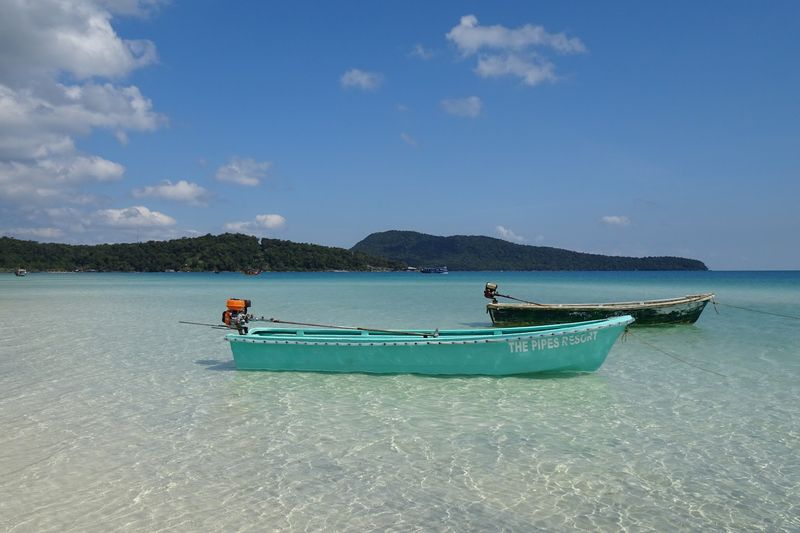
Nearby Koh Rong has been discovered, developed, and is now well on its way to becoming another party island. Koh Rong Samloem quietly refused to follow that path.
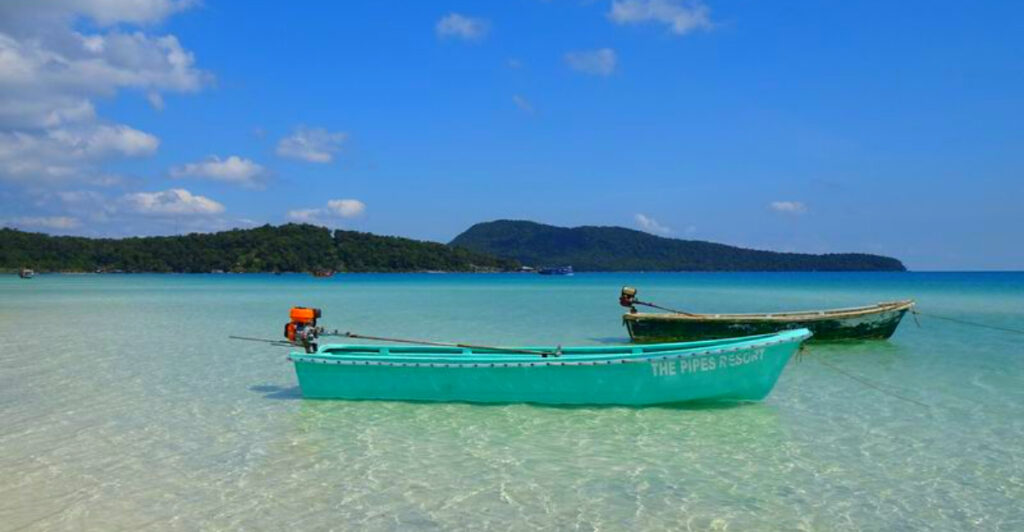
The southern part of the island, Saracen Bay, has a gentle curve of white sand and shallow water that stays calm for most of the year. Bungalows here run on solar power, and Wi-Fi can be patchy, which most guests consider a feature rather than a flaw.
At night, the bioluminescent plankton in the water lights up blue when disturbed. Swimming after dark turns into something genuinely memorable without requiring any special equipment or guided tour.
The jungle interior has walking trails, and the northern tip of the island remains almost completely undeveloped.
Ferries run from Sihanoukville. The crossing takes about an hour, and the contrast with the mainland feels immediate the moment you step off the boat.
5. Pulau Weh, Indonesia
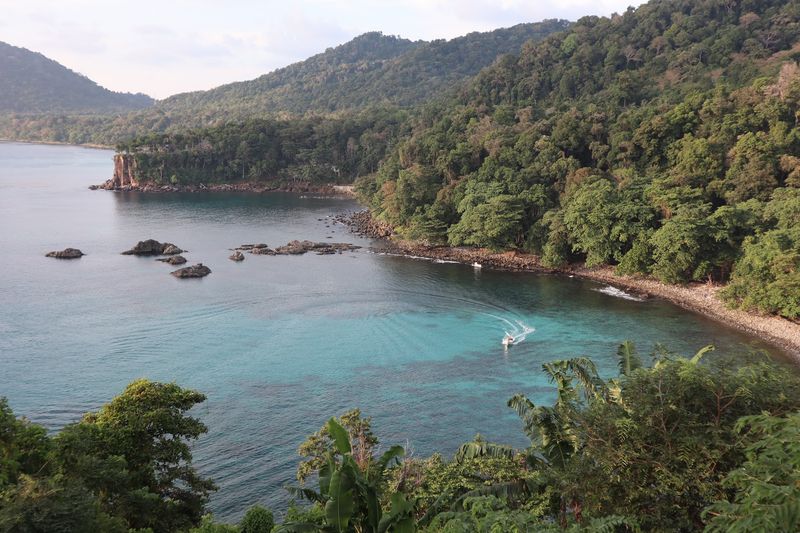
Most travelers arriving in Sumatra head straight for Lake Toba or the orangutan reserves. The island sitting off the northern tip of the province quietly offers some of the best diving in all of Indonesia.
Pulau Weh sits in the Indian Ocean where it meets the Strait of Malacca, a location that creates strong currents and rich marine diversity. Whale sharks pass through seasonally, and the reefs around Rubiah Island are consistently rated among Indonesia’s top dive sites.
The island has a backpacker-friendly infrastructure centered around the small town of Sabang. Accommodation is basic and affordable, and the dive operators here are experienced without charging resort prices.
Above water, the island has volcanic hot springs, forested hills, and a relaxed pace of life that reflects its distance from Java’s crowded tourist zones.
A ferry from Banda Aceh takes about 45 minutes to two hours depending on the vessel.
6. Koh Mak, Thailand
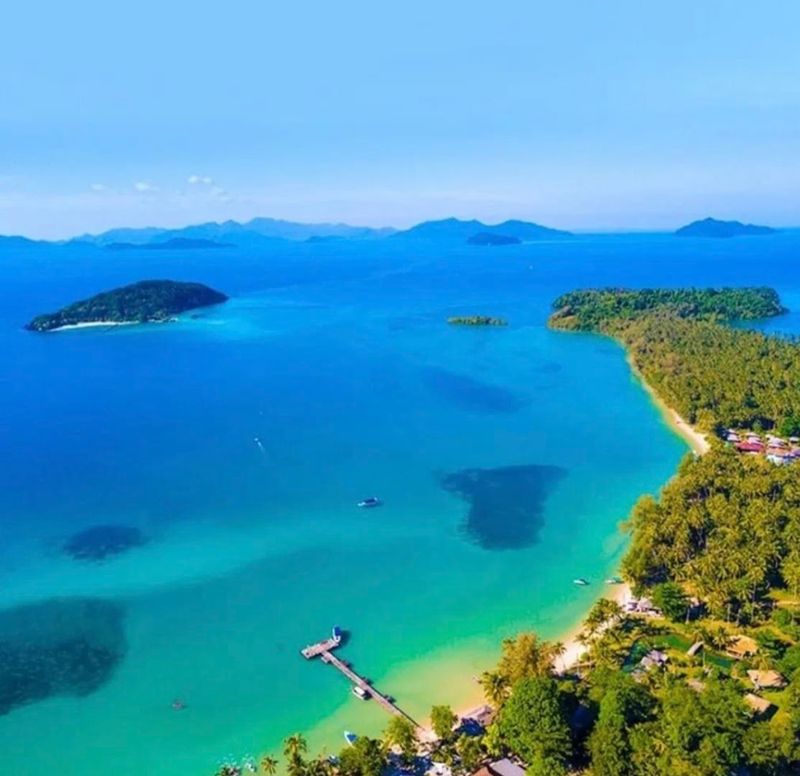
Koh Mak made a deliberate decision. When developers came looking for land to build large resorts and nightlife venues, the island community pushed back, and the result is an island that still looks and feels like Thailand did before the tourist boom.
Coconut and rubber plantations cover much of the interior. The roads are quiet enough that bicycles are a practical way to get around, and most visitors rent one on arrival.
The beaches on the western and northern sides of the island have calm, shallow water that is particularly good for children and swimmers who prefer not to battle strong currents.
There are small resorts and guesthouses here, but nothing with a capacity large enough to flood the beach with sunbeds and branded towels.
Koh Mak sits near Koh Chang but gets a fraction of its neighbor’s visitors. The ferry connection from the mainland makes it easy to reach without the crowds that come with easy access.
7. Camiguin, Philippines
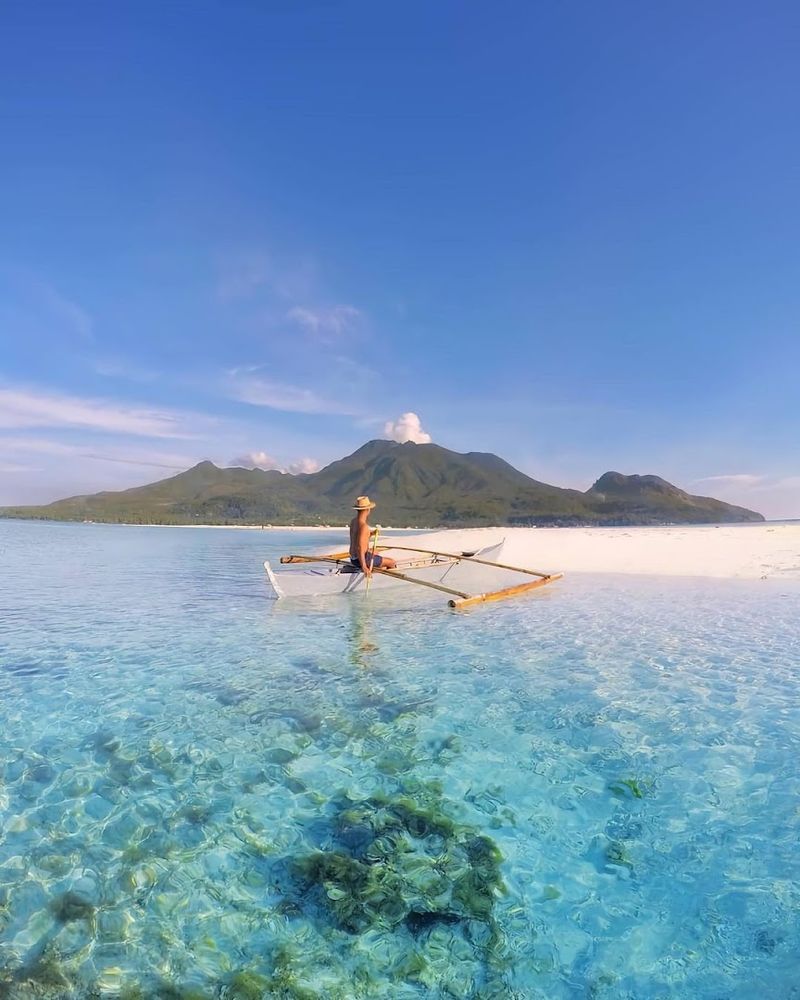
The nickname says it all: the Island Born of Fire. Camiguin has more volcanoes per square kilometer than any other island on Earth, and the geological drama does not stop at the coastline.
Underwater, a sunken cemetery from a 19th-century volcanic eruption sits beneath the sea, marked by a large cross that is visible from boats at low tide. Snorkelers can explore it directly.
White Island, a shifting sandbar just offshore, appears and disappears depending on tides and season. It has no permanent structures, no vendors, and no shade, which makes it either perfect or terrible depending on how you feel about sunscreen.
Hot springs fed by volcanic activity bubble up near the interior, and Katibawasan Falls drops 250 feet through dense forest.
Getting to Camiguin requires a ferry from Balingoan on mainland Mindanao. The relative effort involved has kept visitor numbers low, and the island feels genuinely local as a result.
8. Belitung Island, Indonesia
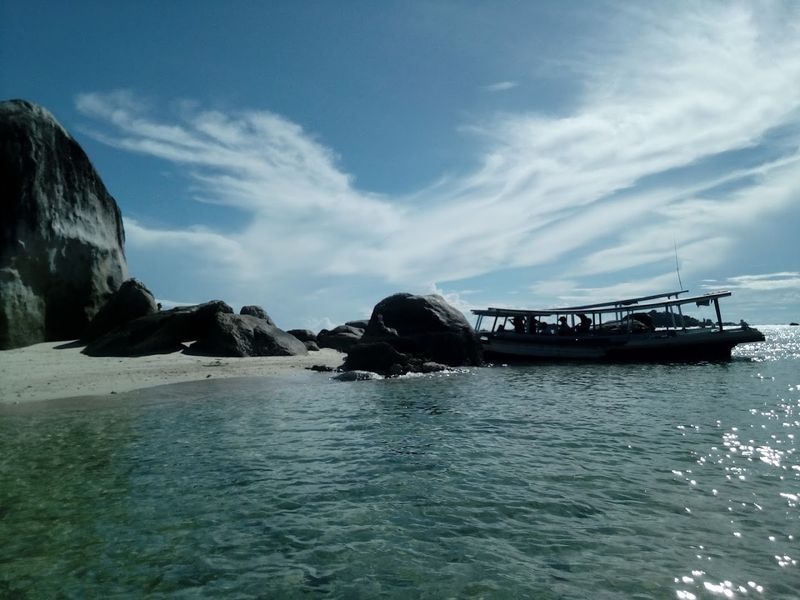
There are beaches with rocks, and then there is Belitung, where the rocks are the entire point. Giant granite boulders, some the size of small buildings, sit directly in the shallow water along the coastline, creating a landscape that looks like it was designed by someone with a very large art budget.
The island gained wider attention after the 2008 Indonesian film “Laskar Pelangi” was shot here. That brought domestic tourism, but international visitor numbers remain modest compared to Bali or Lombok.
Tanjung Kelayang beach is the main base for island-hopping trips through the surrounding rock formations. Day trips take in several small islands, each with its own boulder arrangement and clear water for swimming.
Belitung also has a history tied to tin mining, and remnants of that industry can still be seen around the main town of Tanjung Pandan.
Direct flights connect Belitung to Jakarta in under an hour.
9. Koh Bulon Le, Thailand
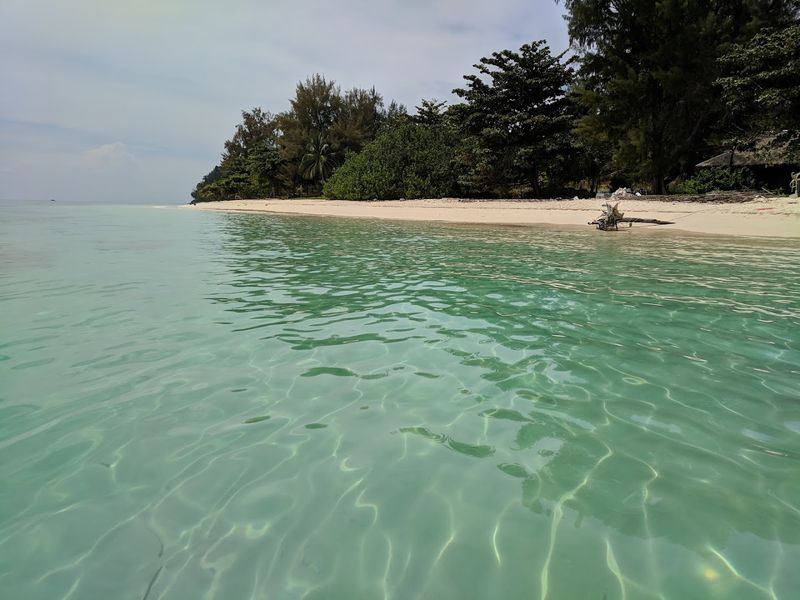
At the far southern end of Thailand’s Andaman coast, close enough to Malaysia that the culture starts to shift, Koh Bulon Le sits in near-total obscurity by choice.
The island has no paved roads and no ATMs. Electricity runs on a limited schedule in most accommodations.
There is one main beach, a handful of bungalow operations, and a small Muslim fishing community that has been here far longer than any tourist infrastructure.
The water on the west side of the island stays remarkably calm during the dry season, and the reef just offshore is accessible without a boat. Longtail taxis run to neighboring islands for day trips.
This is not a place to visit if you need reliable connectivity or multiple restaurant options. It is a place to visit if you have been to too many islands that promised quiet and delivered the opposite.
Ferries run from Pak Bara pier during the November to May season.
10. Cat Ba Island, Vietnam
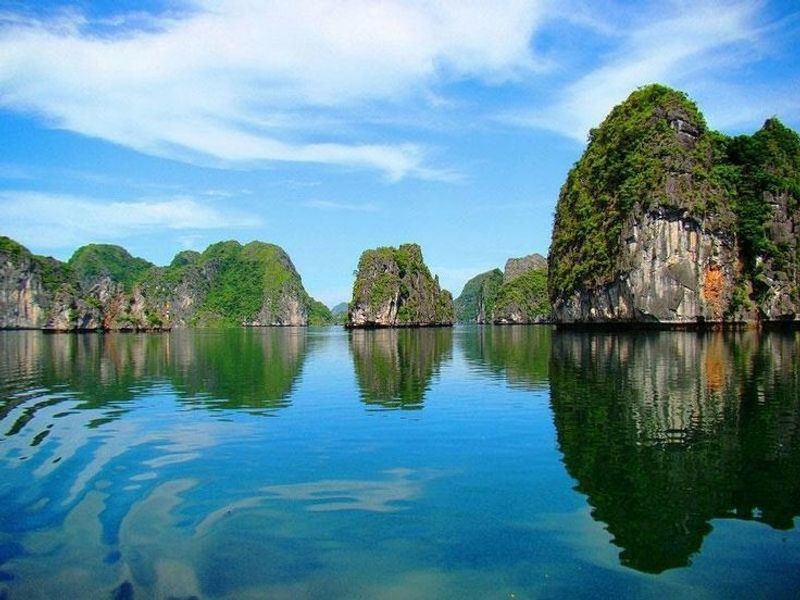
Most Ha Long Bay cruises treat Cat Ba as a brief stop rather than a destination. Travelers who actually get off the boat and stay for a few days tend to wonder why they did not plan for longer.
Cat Ba National Park covers nearly half the island and has hiking trails that reach viewpoints overlooking both Ha Long Bay and the quieter Lan Ha Bay. The park also protects the Cat Ba langur, one of the rarest primates in the world, with fewer than 100 individuals remaining.
Lan Ha Bay, accessible from the island’s eastern side, has the same dramatic limestone scenery as Ha Long Bay but significantly fewer cruise boats. Kayaking through its lagoons and caves is possible on day trips or overnight charters.
The main town on Cat Ba has a full range of accommodation options, from budget hostels to mid-range hotels, along with a busy seafood restaurant strip along the harbor.
Fast boats connect Cat Ba to Haiphong and Hanoi.
11. Maratua Island, Indonesia
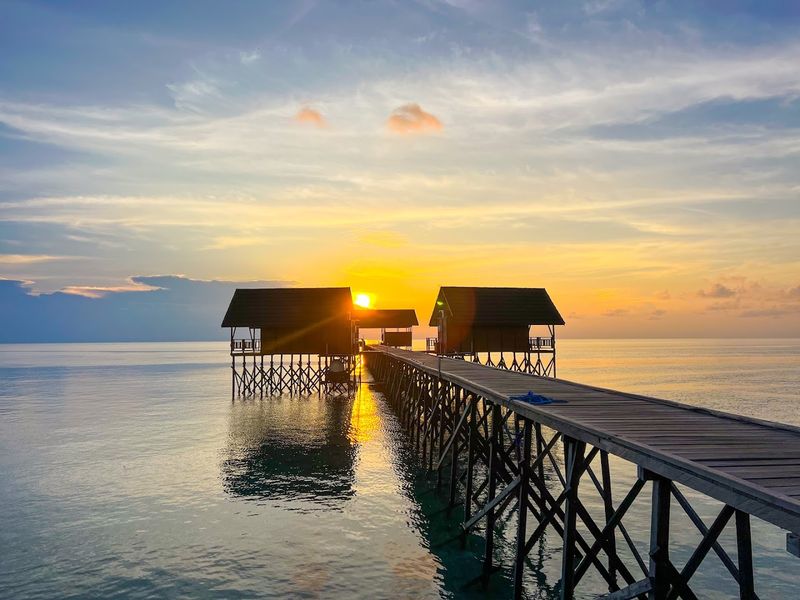
Few islands in Southeast Asia offer the combination of accessibility and genuine remoteness that Maratua manages. It sits in the Celebes Sea off the east coast of Borneo, and getting here is not simple, but the payoff is proportional to the effort.
The atoll shape of the island creates a large interior lagoon with shallow, protected water in shades of blue and green that seem almost too vivid to be natural. Sea turtles feed and rest in the lagoon regularly, and encounters are common without any organized tour.
The dive sites around Maratua include walls, channels, and open-water spots where manta rays and schools of barracuda are frequently documented. The Derawan archipelago as a whole is considered one of the top dive regions in Indonesia.
Accommodation options have grown in recent years but remain limited. A small number of overwater bungalow operations cater to divers and snorkelers without the resort-scale infrastructure found elsewhere.
Charter flights connect Maratua to Berau in East Kalimantan.
12. Koh Jum, Thailand
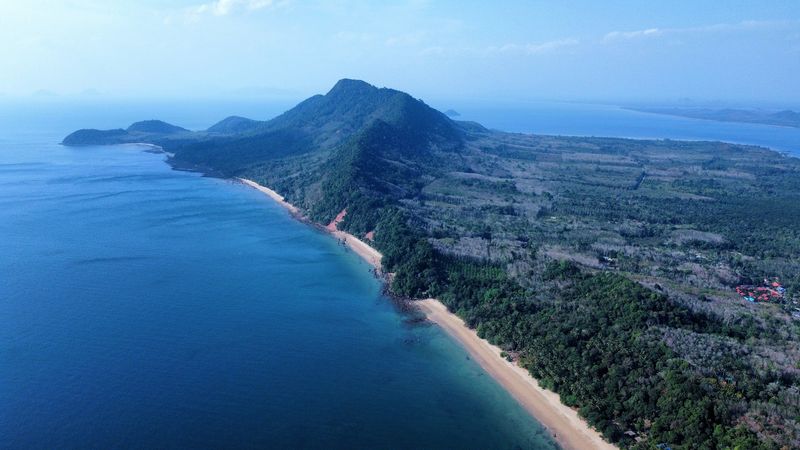
Between the well-organized tourism of Krabi and the backpacker scene of Koh Lanta, Koh Jum sits in a pleasant middle ground that most travelers skip entirely.
The island splits informally into two sections. The northern part, sometimes called Koh Pu, is home to a small sea gypsy community and has almost no tourist facilities.
The southern end has a modest collection of bungalow resorts and small restaurants clustered near the main beach.
Long Beach stretches for several kilometers with fine sand and water that stays shallow far from shore. It is the kind of beach where you can walk out 100 meters and still be knee-deep.
There is no nightlife to speak of, which is either a dealbreaker or a major selling point depending on the traveler. The lack of entertainment infrastructure has kept development slow and the atmosphere genuinely relaxed.
Boats run from Krabi and Koh Lanta, with crossing times under an hour from either direction.
13. Tingloy, Philippines
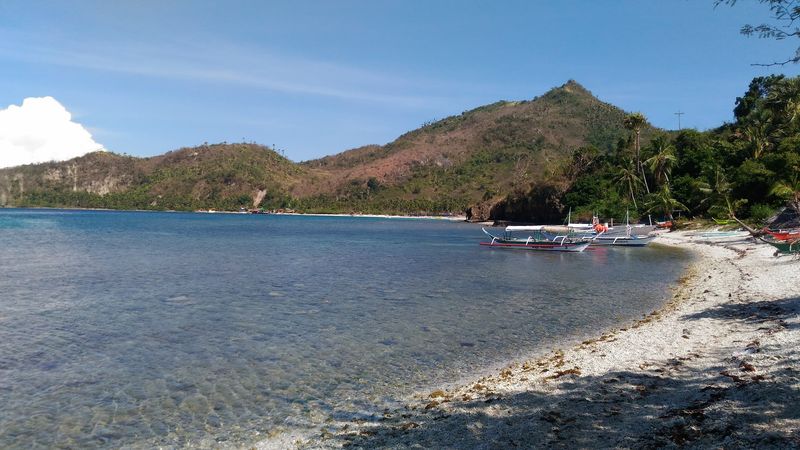
Just a few hours from Metro Manila, Tingloy sits in Batangas province and somehow remains almost completely unknown to international travelers, which is remarkable given how easy it is to reach.
The island is part of the Mabini Coastal Zone Protected Landscape and Seascape, which gives its reefs legal protection and keeps commercial fishing pressure lower than on unprotected islands nearby.
Anilao, on the Batangas mainland, has long been famous among divers for its macro marine life. Tingloy’s surrounding waters share that same biological richness, with nudibranchs, frogfish, and seahorses documented at dive sites that see only a fraction of Anilao’s traffic.
The island has a small local population living in fishing communities, and the pace of life reflects that. There are basic guesthouses and a few homestay options, but no resorts or tour packages.
A combination of bus and ferry from Manila takes roughly three to four hours total, making it a viable weekend destination for city-based travelers.
Share this story