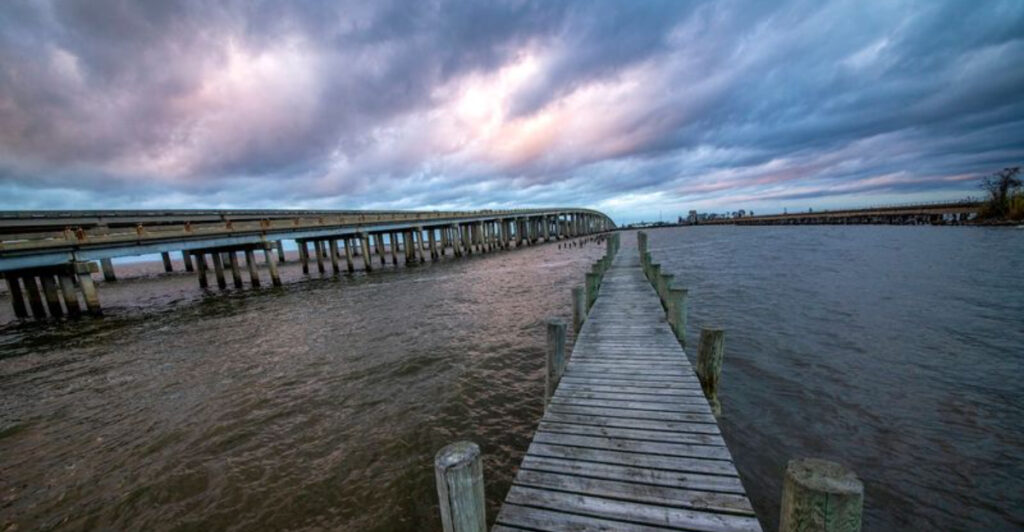
There is a lake in southeastern Louisiana that most people outside the state have never heard of, yet locals have been boating, fishing, and crabbing on it for generations. Tucked between cypress swamps and marshland, this sprawling body of water covers roughly 92 square miles and sits at the heart of some of the most dramatic natural scenery the Gulf South has to offer.
The sunsets here turn the sky into something that feels almost too vivid to be real, and the wildlife is as bold and varied as the Cajun culture surrounding the shoreline. I had been hearing about this place for years before I finally made the drive out, and I can tell you honestly that it delivered on every single thing people had promised me it would.
A Lake Hidden in Plain Sight
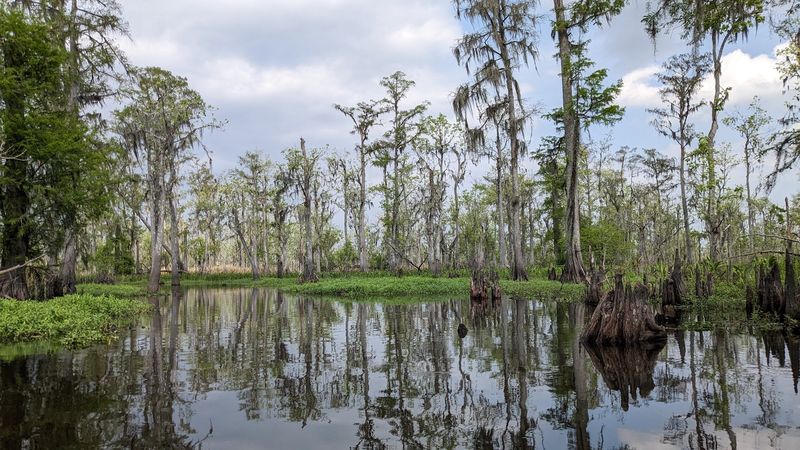
Lake Maurepas sits in southeastern Louisiana, part of the Lake Pontchartrain Basin, and it covers approximately 92 square miles of open freshwater. Its coordinates place it at roughly 30.27 degrees north, 90.51 degrees west, nestled between St. John the Baptist, Tangipahoa, and Livingston parishes.
Most people driving through the region have no idea this massive lake is right there, partially hidden by dense stands of bald cypress and marsh grass that line its shores. The lake connects to Lake Pontchartrain through Pass Manchac, a narrow waterway that has served boaters and fishermen for well over a century.
What makes this place feel special is exactly that low profile. There are no resort strips or tourist boardwalks crowding the banks.
The lake just sits there, wide and calm, doing its thing while the rest of the world rushes past on Interstate 55 a few miles away.
The Cypress Swamp Scenery That Stops You Cold
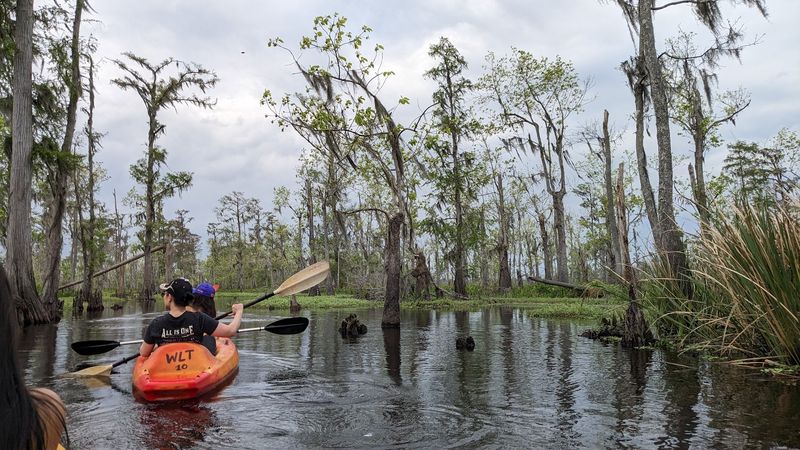
The tree line around Lake Maurepas is one of the most visually striking things I have ever seen from a boat. Bald cypress trees rise directly out of the water, their wide, flared bases gripping the lakebed while their canopies reach high above the surface.
Spanish moss hangs in long gray-green curtains from nearly every branch, giving the whole scene a layered, almost theatrical quality. The water beneath the trees is dark and still, reflecting the trunks and moss in a near-perfect mirror image on calm mornings.
These cypress forests are not just beautiful backdrops. They serve as nursery habitat for fish, shelter for nesting birds, and natural buffers that protect the shoreline from wave erosion.
Paddling a kayak along the tree line feels genuinely immersive, like moving through a living painting that shifts its colors and shadows with every hour of daylight.
Fishing the Freshwater With Serious Results
Anglers have been coming to Lake Maurepas for a very long time, and the lake has a reputation for delivering solid catches across multiple species. Largemouth bass, sac-a-lait (white crappie), catfish, and bream are all present in the lake’s waters throughout the year.
Water levels can fluctuate after heavy rainfall, which affects how productive certain spots are on any given trip. When conditions are right, though, the fishing here is genuinely rewarding, especially around the cypress stands where fish tend to hold in the shade and structure.
One of the more unusual species found in these waters is the alligator gar, a prehistoric-looking fish that can grow to impressive lengths. Spotting one roll near the surface is the kind of thing that makes you pause and reconsider everything you thought you knew about what lives in a Louisiana lake.
Local guides know exactly where to find them.
Crabbing Season and Why Locals Live for It
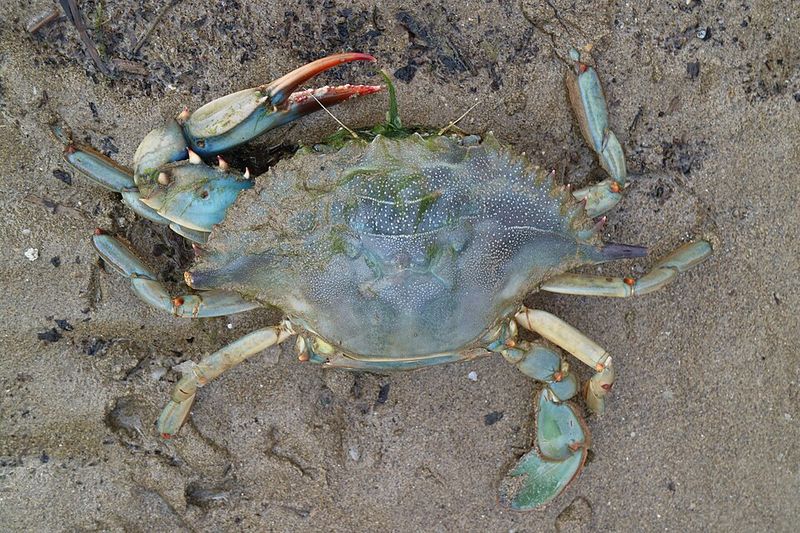
Ask anyone who grew up near Lake Maurepas what they love most about the place, and there is a good chance the answer involves crabbing. Blue crabs move through the lake’s connected waterways in strong numbers during the warmer months, and the tradition of running crab lines and traps is deeply embedded in the local culture here.
The process is straightforward enough that families do it together, with kids learning to bait and check traps from an early age. Fresh blue crab boiled with corn, sausage, and potatoes is the kind of meal that makes you understand why people stay in Louisiana their whole lives.
The season typically peaks in late spring through early fall, and local knowledge matters a great deal when it comes to finding productive spots. A good day of crabbing on this lake can fill a cooler, and a great day can fill two, which is exactly the kind of math that brings people back year after year.
Sunsets That Deserve Their Own Fan Club
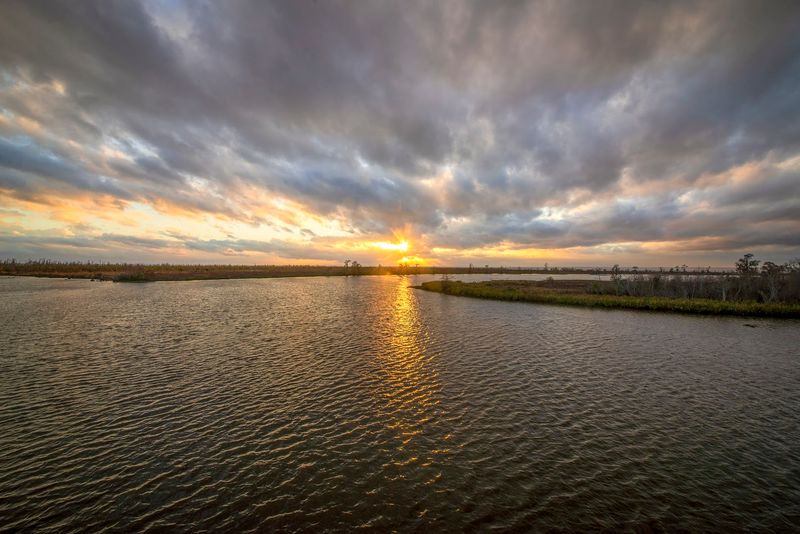
The sunsets over Lake Maurepas have a quality that is hard to describe accurately without sounding like you are exaggerating. The flat, open water gives the sky full room to perform, and the cypress silhouettes along the edges frame the whole scene in a way that feels almost deliberately composed.
Colors here tend to run warm and saturated, with deep oranges fading into pinks and then purples as the light drops. The reflection on calm water doubles the effect, so you are essentially watching the sunset twice at once, once above and once below.
Photographers who know about this spot make a point of being on the water in the hour before dark, and it is easy to understand why. Even on evenings when the sky is partially cloudy, the light scattering through those clouds over open water produces something genuinely worth staying out late for.
Bring a camera and a full battery.
Boating Across 92 Square Miles of Open Water
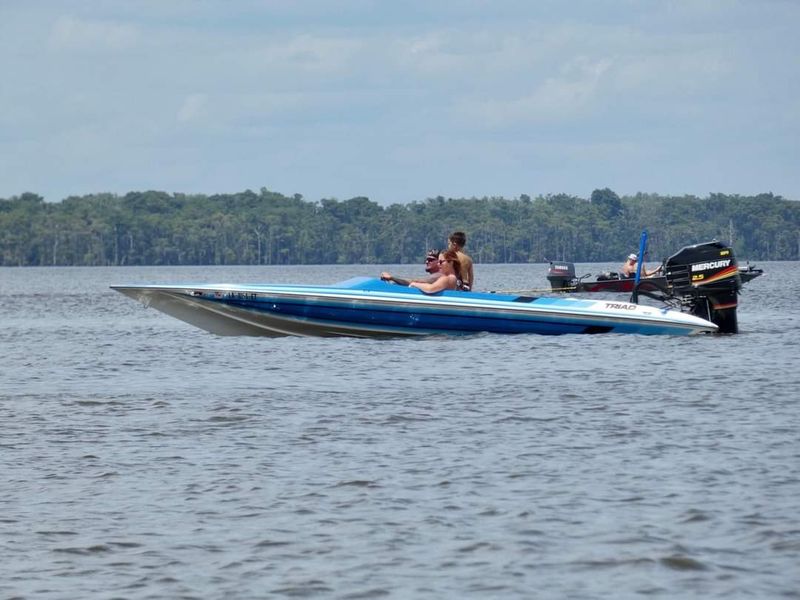
The sheer size of Lake Maurepas gives boaters a sense of freedom that smaller inland lakes simply cannot match. With 92 square miles of surface area, there is always room to open up the throttle and cover serious ground, or to find a quiet cove and drift for an afternoon without seeing another soul.
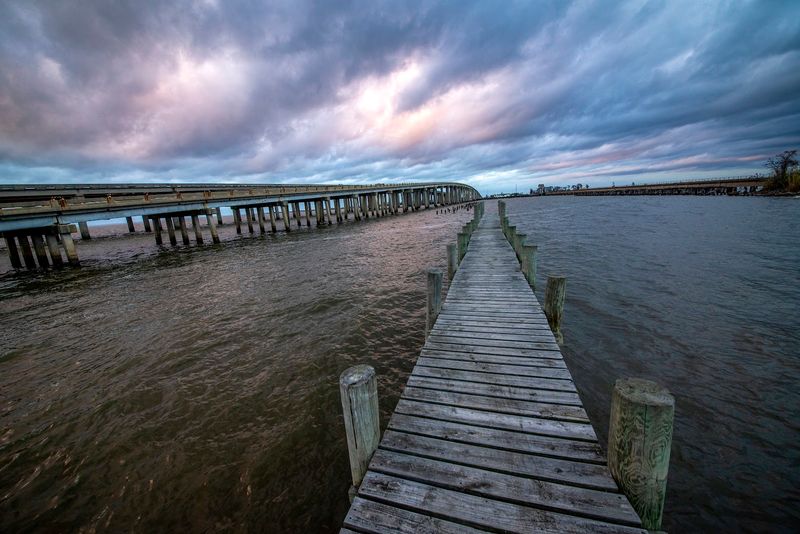
The lake connects to Lake Pontchartrain through Pass Manchac, which means experienced boaters can plan longer routes that take them through multiple bodies of water in a single day. That kind of connectivity makes the area a legitimate destination for anyone who enjoys extended time on the water.
Conditions can change quickly, especially during afternoon thunderstorm season in the summer months, so checking the weather before heading out is genuinely important here. The lake is shallow in many areas, averaging around nine feet deep, so local knowledge and up-to-date nautical charts are worth having before your first trip out.
Kayaking the Quiet Edges of the Lake
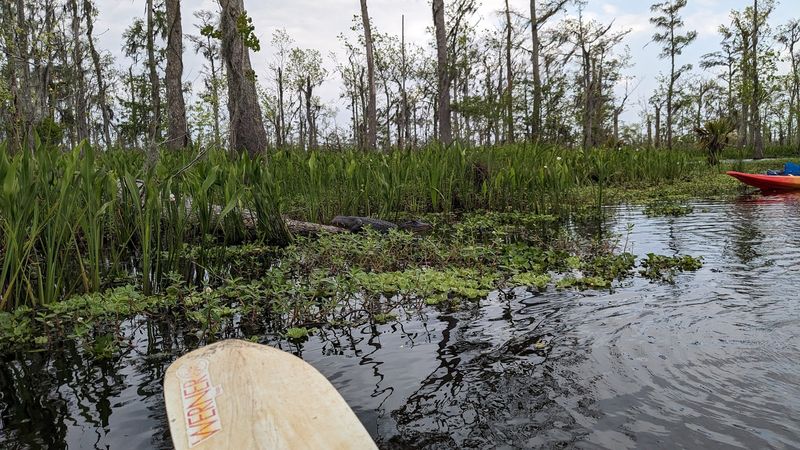
Not every great experience on Lake Maurepas involves a motor. The quieter, shallower edges of the lake and its connecting bayous are perfectly suited for kayaking, and the experience of paddling through cypress channels at a slow pace is something that sticks with you long after you have driven home.
The narrow waterways that feed into the main lake body feel entirely different from the open water. Sound changes, the air gets cooler under the canopy, and wildlife that would spook at the sound of an engine stays put and lets you get surprisingly close.
Great blue herons, egrets, osprey, and the occasional alligator are all regular sights along these edges. Renting a kayak from one of the local outfitters near the lake is straightforward, and guided paddle tours are available for first-timers who want someone familiar with the water leading the way through the more intricate channel systems.
Wildlife That Reminds You Where You Are
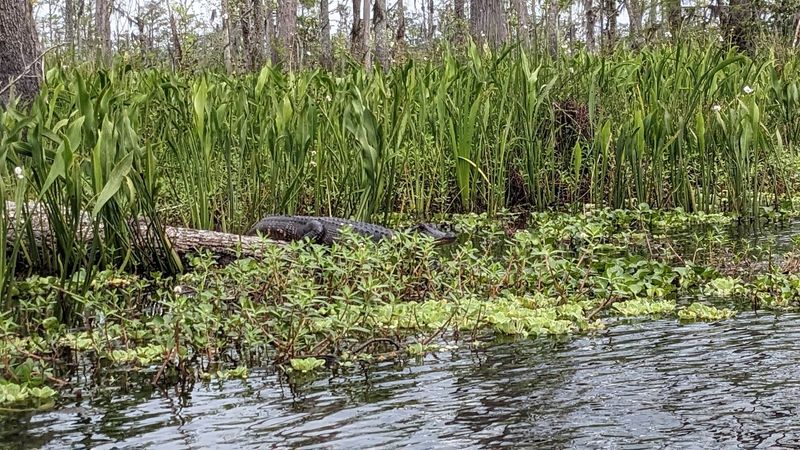
Lake Maurepas and its surrounding wetlands support a wildlife community that feels genuinely wild in a way that surprises visitors who are used to more managed natural areas. Alligators are present throughout the lake and its connected marshes, and spotting one sunning on a log or sliding off a bank into the water is a regular part of any day spent here.
The birdlife is exceptional, with the lake sitting along migratory routes that bring seasonal visitors through in impressive numbers. Resident species include great blue herons, snowy egrets, roseate spoonbills, ospreys, and various species of duck that use the marsh habitat for nesting and feeding.
Nutria, river otters, and white-tailed deer also inhabit the wetland edges around the lake. The biodiversity here reflects the health of the broader Pontchartrain Basin ecosystem, and conservation efforts in recent years have focused on protecting the cypress forests that anchor so much of this habitat in place.
The Cajun Culture Woven Into Every Corner
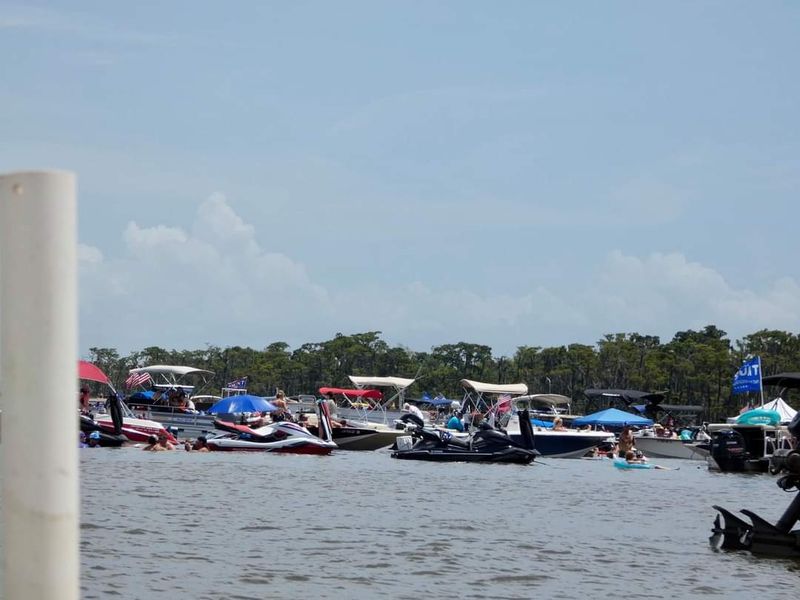
The communities around Lake Maurepas carry a cultural identity that has been shaped by generations of Cajun and Creole heritage. Towns like Ponchatoula, Hammond, and the communities along Pass Manchac have long traditions tied to the water, from commercial fishing and crawfish farming to the music and food that define life in this part of Louisiana.
Cajun cuisine in this region is not a performance for tourists. It is just how people eat.
Crawfish etouffee, boudin, and fresh seafood prepared with the kind of seasoning knowledge that takes years to develop are staples at local kitchens and roadside spots near the lake.
Festivals, community fish fries, and seasonal gatherings happen throughout the year and give visitors a genuine window into how deeply connected people here are to the land and water around them. That connection is not something you can manufacture, and it is one of the most compelling reasons to spend real time in this area.
Planning Your Visit and What to Know First
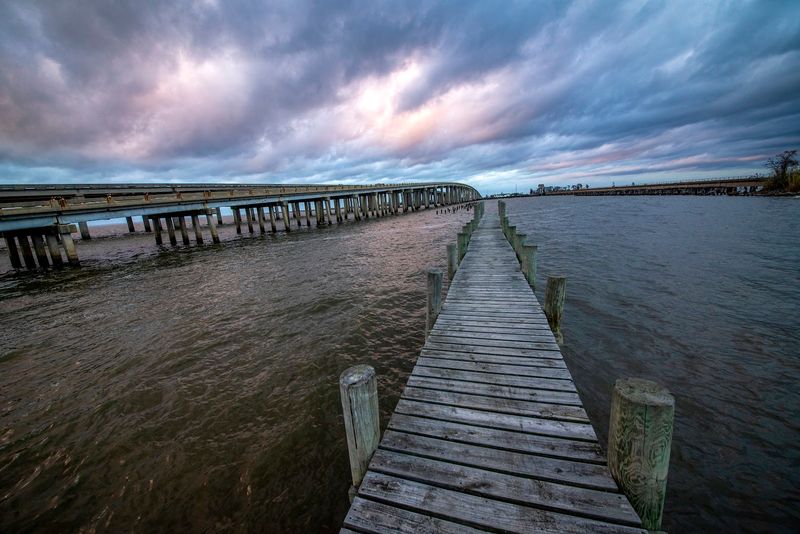
Getting to Lake Maurepas is reasonably easy from both New Orleans and Baton Rouge, with Interstate 55 providing the most direct access from the east side and Interstate 10 serving those coming from the west. The drive from New Orleans takes roughly 45 minutes under normal traffic conditions.
Boat launches are available at several points around the lake, and fishing licenses are required for anyone planning to fish Louisiana waters. The Louisiana Department of Wildlife and Fisheries website has current license information and regulation updates worth reviewing before your trip.
Summer months bring heat and humidity, but also peak crabbing and fishing activity. Spring and fall offer more comfortable temperatures and excellent birdwatching conditions.
The lake does not have large commercial facilities on its immediate shores, so packing supplies and planning ahead matters more here than it would at a more developed destination. That self-sufficiency is part of what keeps this place feeling real.
Share this story