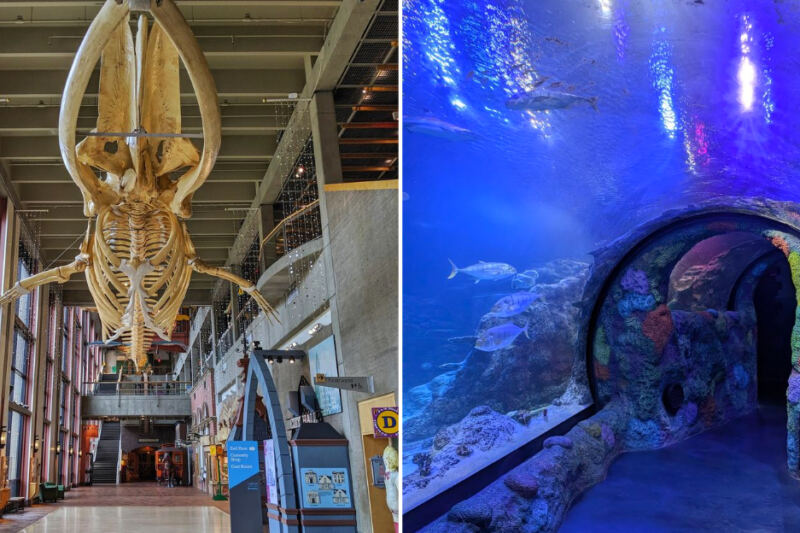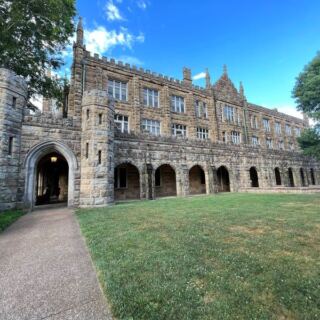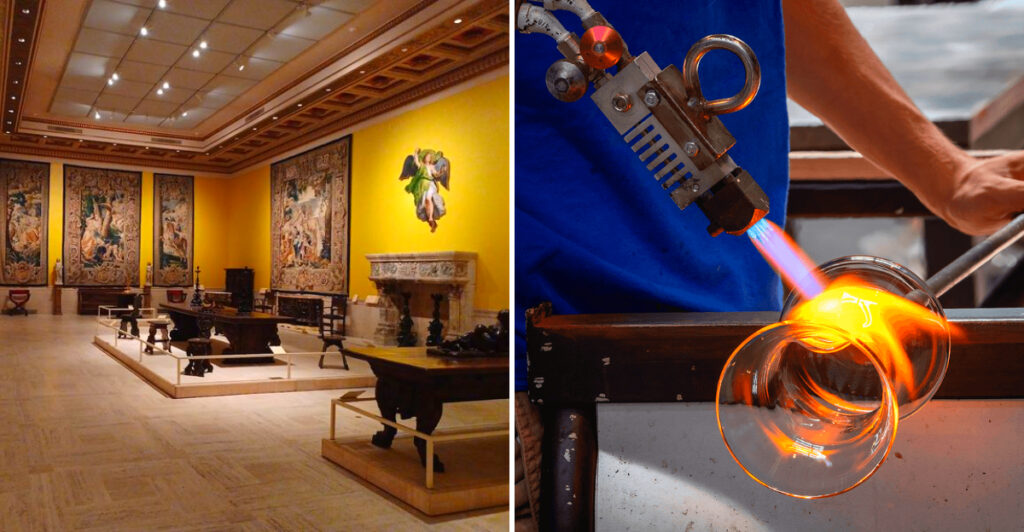
The Flint Institute of Arts offers a rare mix of world-class artwork and hands-on creativity under one roof. Its collection spans thousands of years and more than 8,000 works, ranging from European paintings to contemporary glass art.
What truly sets it apart is the attached art school, where visitors can watch glassblowing demonstrations or take classes in ceramics, painting, and more. It is a place where art feels both inspiring and approachable, connecting visitors directly to the creative process.
Michigan’s Second Largest Art Museum, Right in Flint
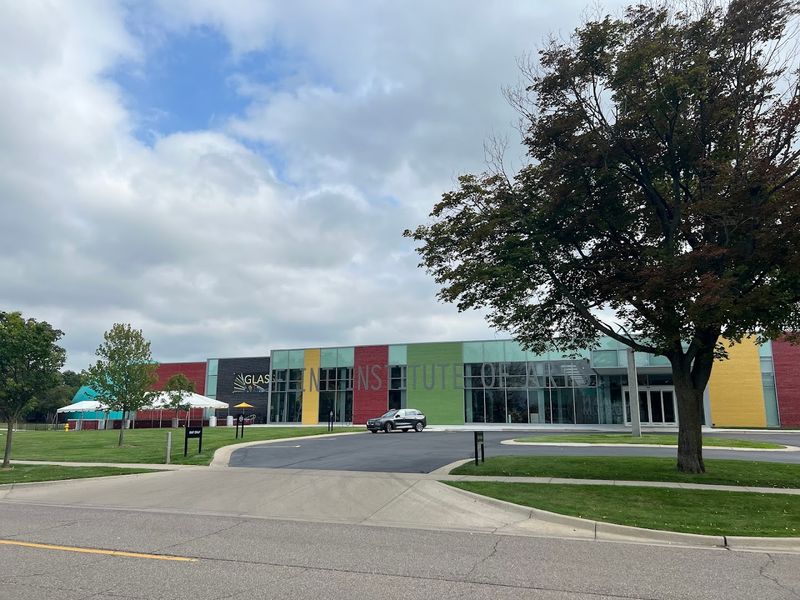
Not every city gets to claim the second largest art museum in its state, but Flint does exactly that. The Flint Institute of Arts, located at 1120 E Kearsley St, Flint, MI 48503, sits within a cultural campus that also includes the Sloan Museum and the Flint Public Library.
The FIA has held accreditation from the American Association of Museums for over 40 years, a distinction that speaks to the quality and care put into every gallery, program, and collection on site.
The building itself feels spacious and welcoming, with well-lit galleries that guide you from one era or style to the next without feeling rushed or overwhelmed. Staff members are genuinely friendly, and the overall pace of the museum is calm and self-directed.
You go at your own speed, which makes the whole experience feel personal rather than like a guided tour you did not ask for. The cultural campus around it only adds more reasons to spend a full day here.
A Permanent Collection That Spans 5,000 Years
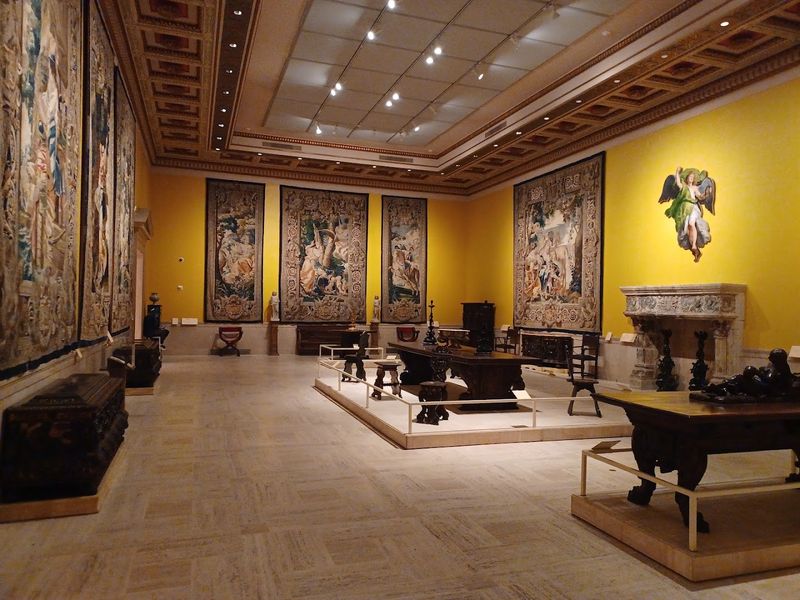
More than 8,000 works of art live inside the FIA’s permanent collection, representing artistic traditions from across the globe and across thousands of years of human history. American, European, Native American, African, and Asian art all share space here, making the collection genuinely diverse rather than narrowly focused.
You can find paintings, sculptures, prints, drawings, and decorative arts all under one roof. The placards throughout the galleries are detailed and easy to read, which means you actually learn something as you move through each room rather than just admiring pretty objects.
Names like John Singer Sargent, Mary Cassatt, Thomas Hart Benton, Andrew Wyeth, and Barbara Sorensen appear across the collection, giving the permanent galleries serious artistic weight. One visit rarely feels like enough to absorb everything, and many people return multiple times and still discover something new.
The breadth of this collection genuinely rivals what you would expect from a much larger city’s institution.
The Contemporary Craft Wing That Changed Everything
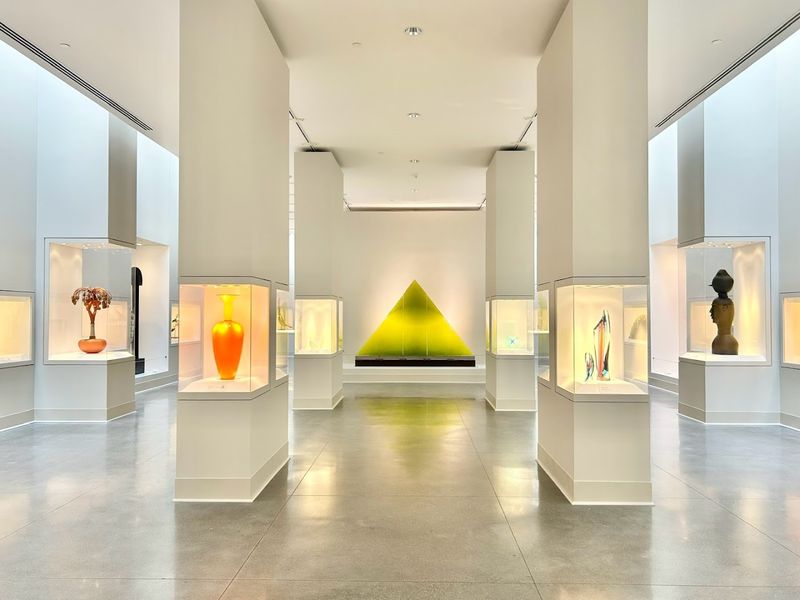
Completed in 2018, the Contemporary Craft wing added a whole new dimension to the FIA experience. This dedicated space focuses on glass and ceramics, two art forms that tend to get overlooked in traditional fine art museums but absolutely shine here.
The wing includes a long-term loan of 21st-century glass from the Isabel Foundation, specifically the Sherwin and Shirley Glass collection, alongside contemporary ceramic gifts from Dr. Robert and Deanna Harris Burger. The result is a curated display that feels both current and deeply considered.
The glass works in particular stop visitors in their tracks. Colors, textures, and forms that you would not expect from a material as simple as sand and heat fill the room with something close to wonder.
One visitor described the contemporary glass section as their absolute favorite part of the entire museum, and after spending time in that wing, it is easy to understand why. The ceramics collection holds its own just as impressively alongside it.
World-Class Temporary Exhibitions That Keep Returning Visitors Coming Back
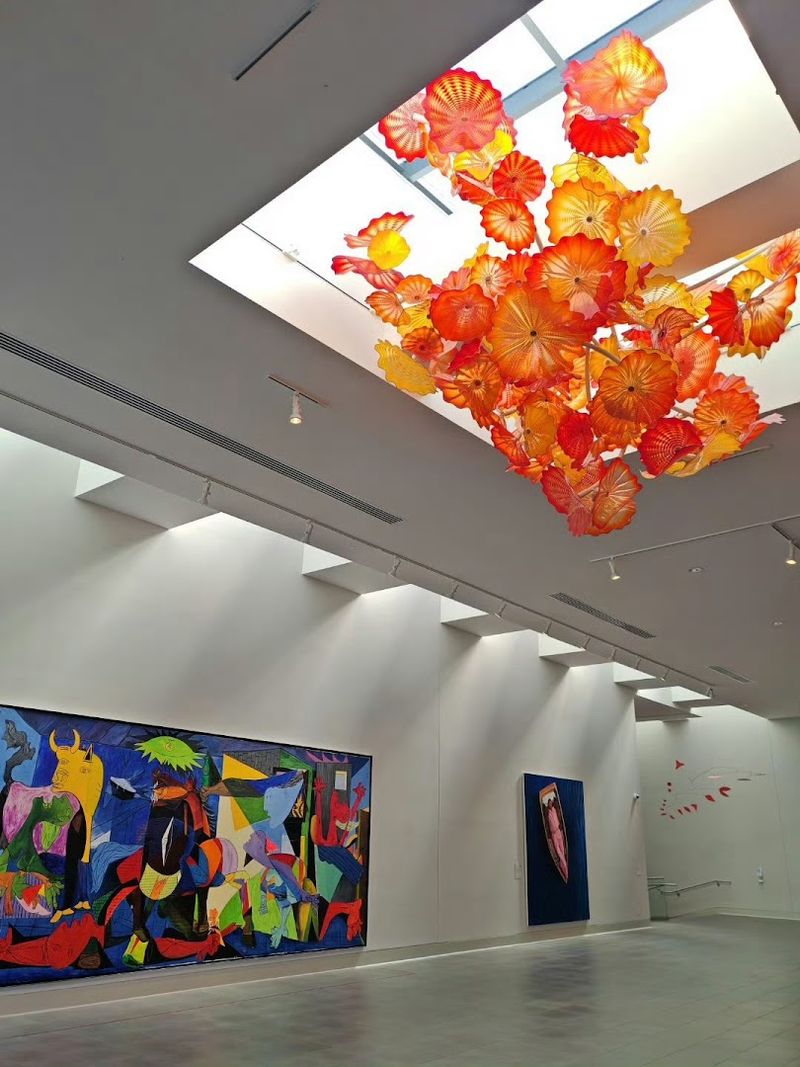
Beyond the permanent collection, the FIA rotates in multiple temporary exhibitions every year that draw visitors from well outside the Flint area. Past showcases have featured works connected to Picasso, Rodin, and M.C.
Escher, the kind of names that would normally require a trip to a major metropolitan museum.
The fantasy illustration exhibit has been a crowd favorite, described as fun for the entire family and genuinely impressive in its scope. A particularly powerful past exhibit chronicled the Flint Water Crisis, giving the museum a role not just as an art space but as a keeper of local history and community memory.
Temporary exhibitions are one of the main reasons regular visitors keep returning throughout the year. Each new show brings a different mood, subject, and style to the galleries, so the museum never feels static or predictable.
Checking the FIA website before your visit is always a smart move, because the current exhibition might be exactly the reason to make the trip sooner rather than later.
The Hot Shop: Where Glass Meets Fire on the Weekends
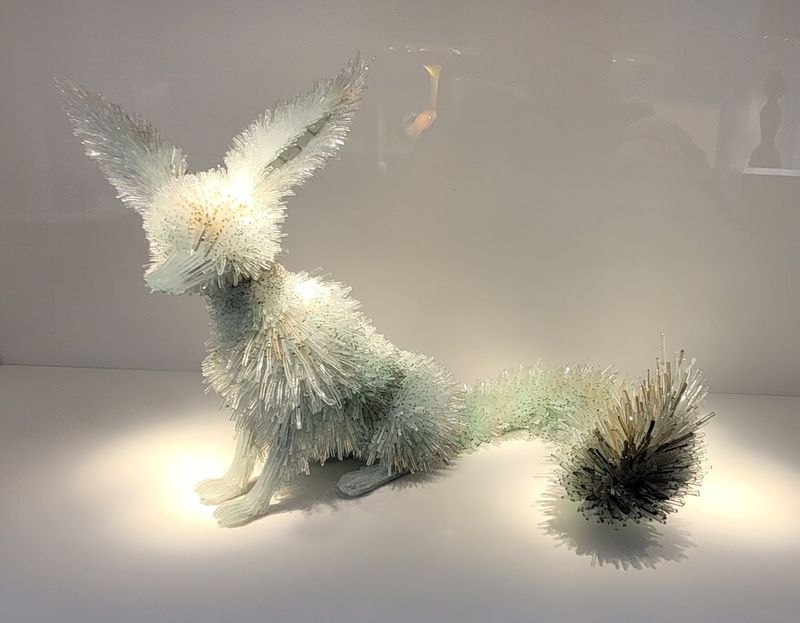
Every Saturday and Sunday, the FIA’s Hot Shop opens its doors for public glassblowing demonstrations that are genuinely unlike anything else you can watch at a museum. Professional glass artists work with molten glass right in front of you, shaping it with pipes, paddles, and sheer skill into forms that look impossible given how unforgiving the material is.
The heat, the glow, and the precision of the process make it feel more like a performance than a craft demonstration. Families with kids especially love this part of the visit, and it has a way of making adults forget they were supposed to be looking at paintings a few galleries over.
Beyond watching, the Hot Shop also facilitates classes and workshops where individuals can learn glassblowing techniques themselves. Private group sessions and team-building glass projects are available as well, making it a surprisingly creative option for corporate groups or friend gatherings.
The Hot Shop alone is worth the drive to Flint on a weekend morning.
Over 100 Art School Courses for Every Skill Level
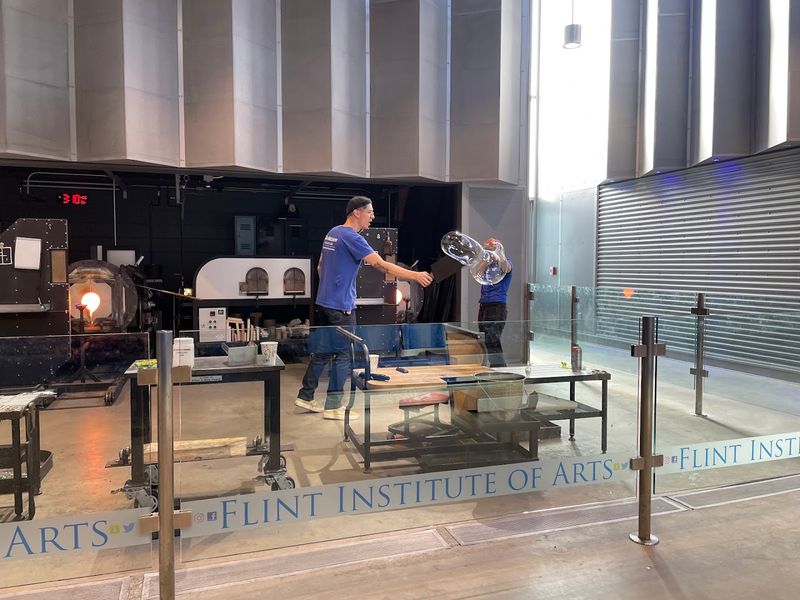
The FIA Art School is one of the largest museum-connected art schools in the entire United States, and its course catalog backs that claim up convincingly. More than 100 courses and workshops run each term, reaching over 2,000 students annually across all age groups and experience levels.
The range of what you can study here is genuinely broad. Drawing, painting, photography, printmaking, ceramics, welding, jewelry making, and creative writing all appear in the offerings.
Glass courses go even further, with options in glassblowing, flameworking, and fusing available for those who want to work with one of the most technically demanding art materials around.
The faculty consists of working artists, which means the instruction carries real-world perspective rather than purely academic theory. Whether you are a complete beginner trying a first ceramics class or an experienced artist looking to push into new territory, the school has something structured around your current level.
That accessibility is a big part of what makes the FIA feel genuinely community-focused rather than exclusive.
15 Fully Equipped Studio Classrooms Built for Serious Art-Making
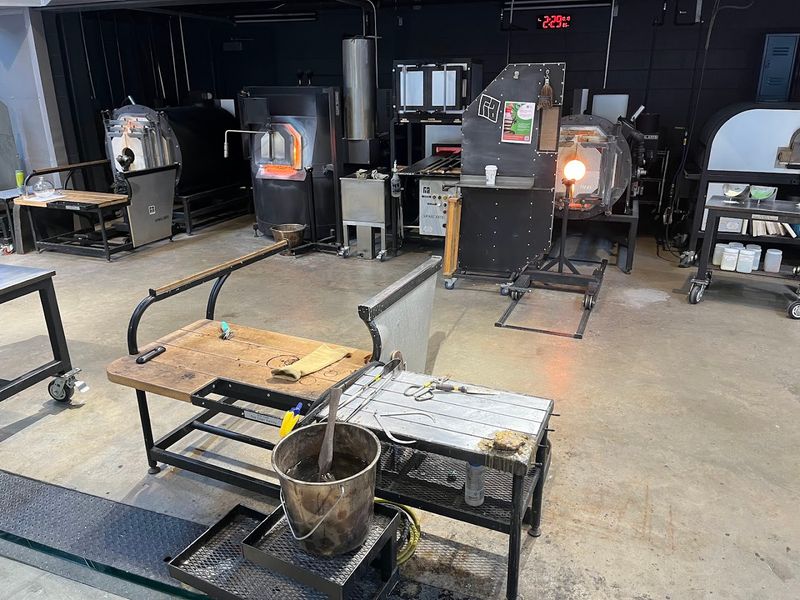
Having a wide course catalog means nothing without the physical space to support it, and the FIA Art School delivers on that front with 15 fully equipped studio classrooms. Each studio is purpose-built for its discipline, so ceramics students work in a space with a proper glaze lab and kiln room rather than a converted classroom.
Dedicated spaces exist for cold glasswork, flameworking, welding, sculpture, and drawing and painting as well. The specificity of each room matters because the tools and environment in a welding studio are completely different from what you need for flameworking or printmaking.
That level of investment in physical infrastructure signals that the FIA treats its art school as seriously as it treats its museum galleries. Students are not working around limitations or sharing equipment meant for a different purpose.
Everything in each studio is there because it belongs there, which makes the learning experience cleaner, safer, and more productive. Serious creative work happens here, and the facilities make that clear from the moment you walk in.
Gallery Learning Experiences That Make Art Interactive
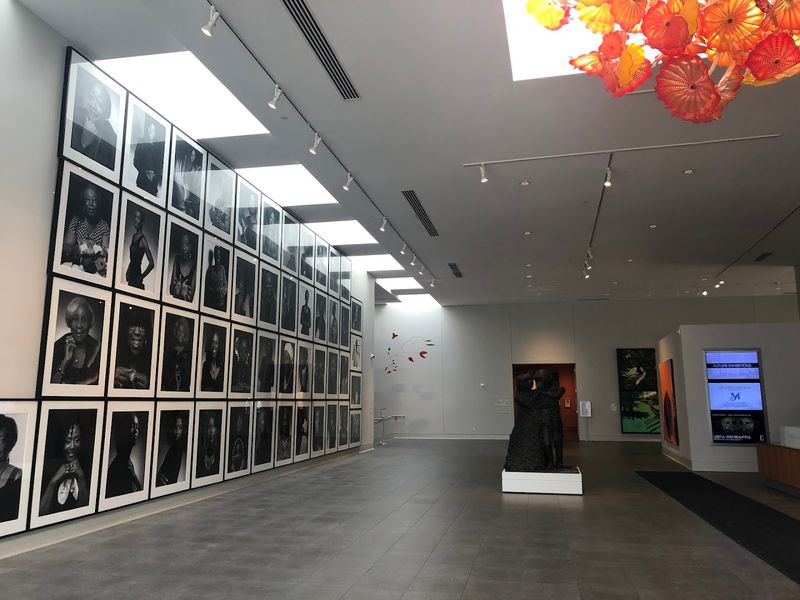
The FIA takes a thoughtful approach to making its galleries more than just spaces to walk through quietly. Gallery Learning Experiences, known as GLEx, are interactive programs designed to engage visitors with art through guided discussions and hands-on activities rather than passive observation.
These programs work well for school groups, families, and adult learners who want a more structured and conversational way to experience the collection. The format encourages questions, observations, and personal responses to the artwork rather than just absorbing facts from a label on the wall.
There is something genuinely different about standing in front of a painting and talking through what you see with a knowledgeable facilitator compared to reading about it in a brochure. GLEx programs tap into that difference and make the art feel more alive and relevant.
For younger visitors especially, this kind of engagement can turn a museum trip from something they tolerated into something they actually remember and talk about afterward. That impact is hard to overstate.
Art Practice Experiences That Bridge Gallery and Studio
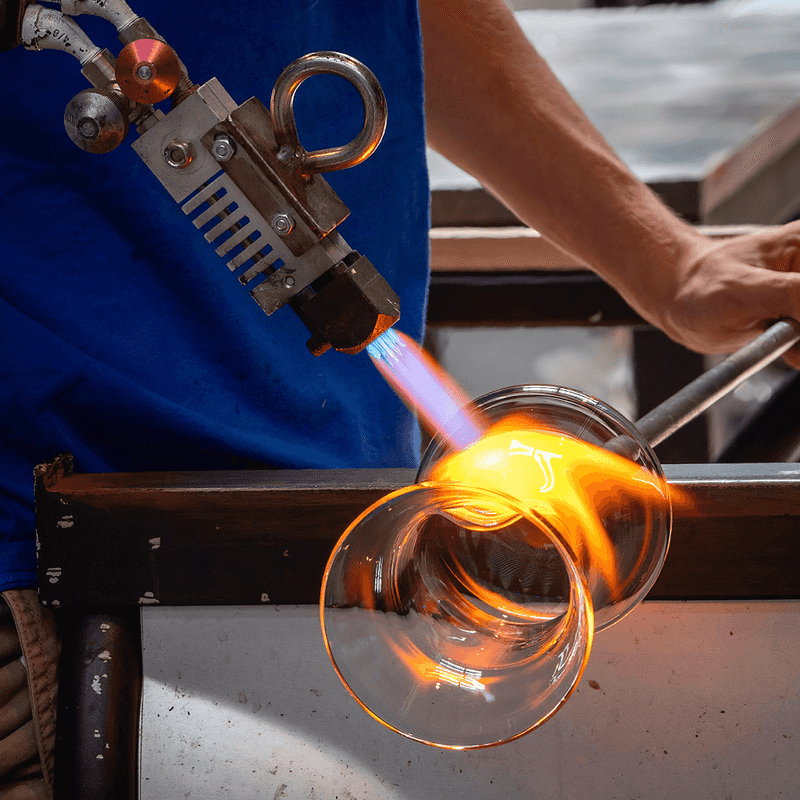
Art Practice Experiences, called APEx, take the idea of gallery engagement one step further by connecting what visitors see in the galleries directly to what they create in the studio. The program bridges the gap between looking at art and making it, which is a connection that traditional museum visits rarely offer.
Students explore a concept or technique visible in the permanent collection, then move into a studio space to apply that same idea in their own work. The result is a more complete understanding of what goes into a finished piece of art, because you have seen the outcome and then tried the process yourself.
This kind of experiential learning sticks in a way that passive viewing simply does not. APEx is available for various age groups and works especially well for school programs looking to connect curriculum goals with a memorable real-world experience.
The FIA’s ability to run both a world-class gallery and a functioning art school in the same building is what makes APEx possible in the first place.
Art Spark: A Program With Real Heart for Memory Care
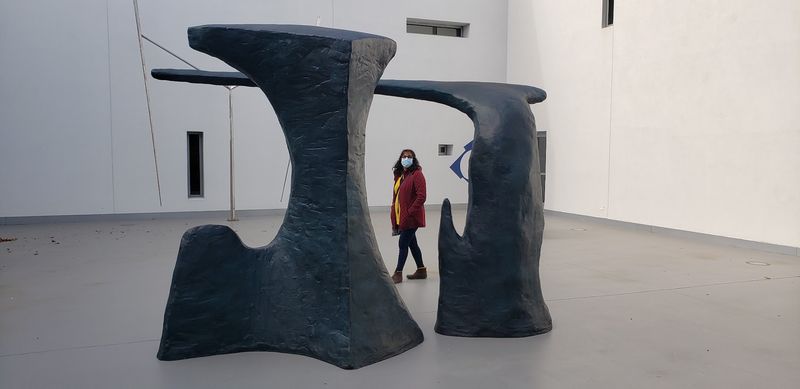
Among the most meaningful programs the FIA runs is Art Spark, a specialized offering designed for individuals experiencing mild to moderate memory loss and their care partners. The program blends gallery engagement with art-making in a format that is paced and structured to be accessible and calming rather than overwhelming.
Art Spark recognizes that creative engagement can be genuinely beneficial for people navigating memory challenges, and it builds that understanding into every session. Participants explore the galleries together, respond to what they see, and then make art in a supportive and relaxed environment.
Care partners participate alongside their loved ones, which makes the experience shared rather than separate. That element of togetherness matters a great deal in a program like this.
The FIA’s willingness to design and maintain a program like Art Spark says something important about how the institution views its role in the broader community. Art here is not just for people who already feel comfortable in museums; it is genuinely for everyone, at every stage of life.
Free Saturdays, Free Parking, and Practical Visitor Tips
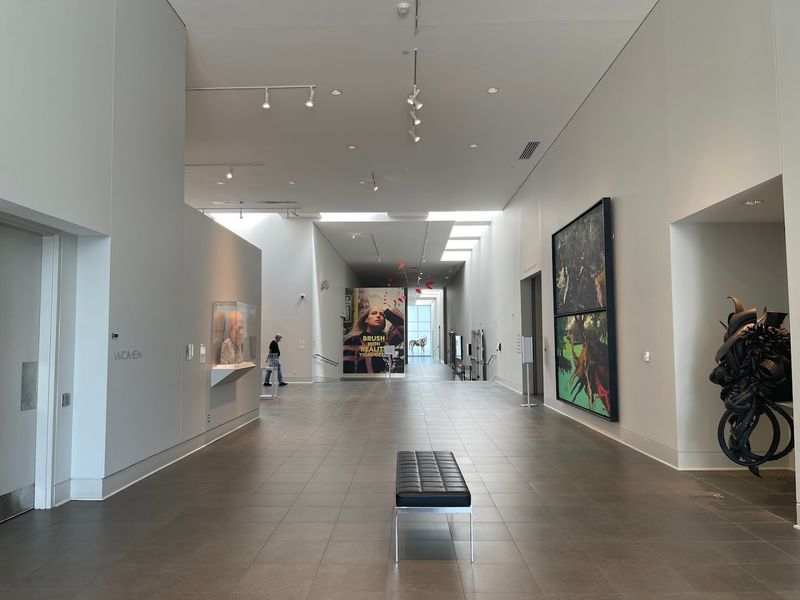
One of the most visitor-friendly things about the FIA is its free Saturday admission, made possible through a partnership with Huntington. Genesee County residents get free admission year-round, and parking on site is also free, which removes two of the most common friction points that keep people from visiting cultural institutions.
The museum is open Tuesday through Friday from 10 AM to 5 PM, with extended hours until 8 PM on Fridays. Saturday hours run 10 AM to 5 PM, and Sunday hours are 1 PM to 5 PM.
The phone number for inquiries is +1 810-234-1695, and the website at flintarts.org keeps the calendar of exhibitions and programs current.
A gift shop on site carries pieces by local artisans and student works, and the cafe offers food options that visitors consistently describe as surprisingly good. The overall cost of a visit here, especially on a Saturday, makes it one of the most accessible and rewarding cultural outings available anywhere in Michigan’s mid-region.
Why the FIA Deserves a Spot on Every Michigan Itinerary
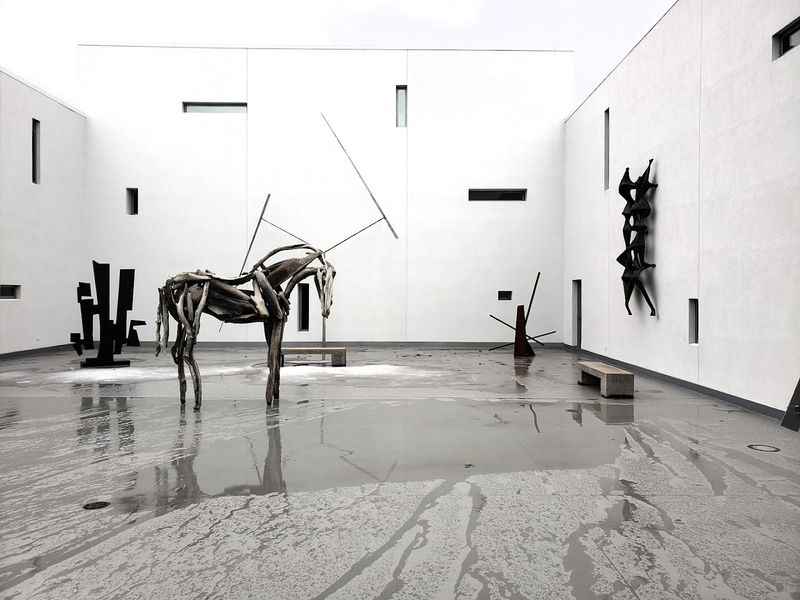
There are art museums that feel like obligations, places you visit because you feel you should, and then there are places that genuinely surprise you. The FIA falls firmly into the second category.
The combination of a 8,000-piece permanent collection, rotating world-class exhibitions, a fully operational art school, weekend glassblowing demonstrations, and inclusive community programs is rare anywhere in the country, let alone in a mid-sized Midwestern city.
The staff are consistently warm and knowledgeable, the galleries are clean and thoughtfully arranged, and the whole campus around the museum adds even more to a full-day visit. The cultural center that surrounds the FIA includes other institutions worth exploring before or after your time inside.
For anyone planning a Michigan road trip or looking for a meaningful day out from Detroit or Lansing, the FIA earns its place on the list without any hesitation. The drive is worth it, the experience is memorable, and the price on a Saturday makes the decision about as easy as it gets.
Share this story