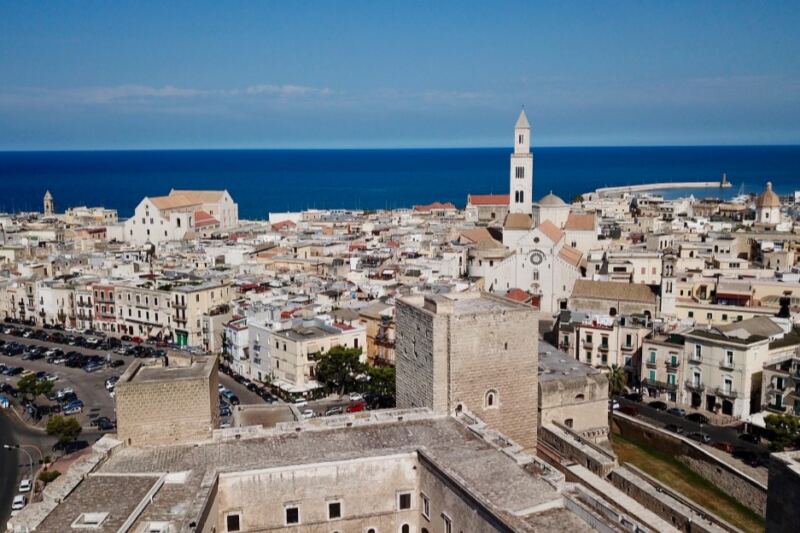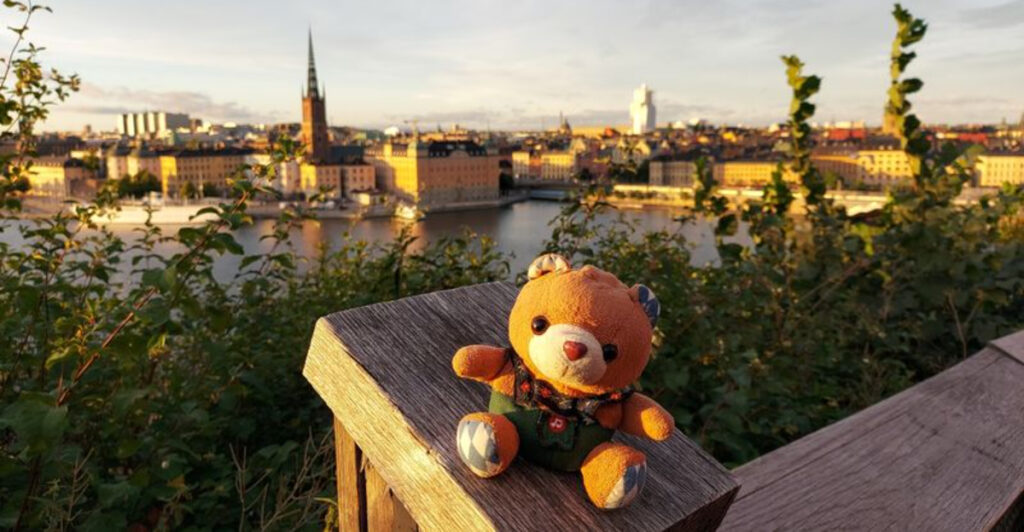
Some cities are made for cars, and some cities are made for people. The best travel memories I have didn’t happen on a bus or in a taxi.
They happened while wandering down a cobblestone street with no particular plan. These 15 cities reward every step you take, turning ordinary walks into unforgettable moments.
Florence, Italy
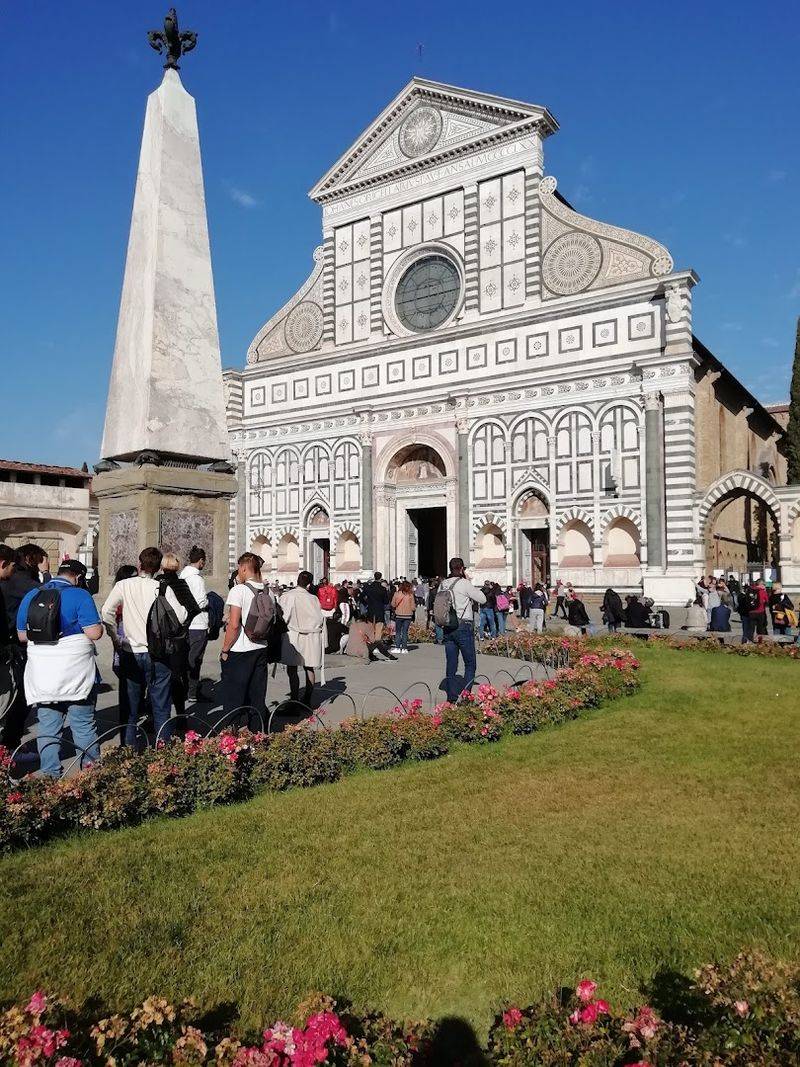
Tourlane ranked Florence first on its 2025 walkability list, and honestly, no one should be surprised. The entire historic center is a UNESCO World Heritage Site packed into 505 hectares, meaning world-class landmarks are practically neighbors with each other.
Start your walk at Piazza del Duomo, where the Cathedral of Santa Maria del Fiore will stop you cold. Then drift toward Piazza della Signoria, cross Ponte Vecchio, and end up on the Oltrarno side for a quieter view back at the city.
The route is not complicated because it does not need to be.
Florence is one of those cities where getting slightly lost is actually the plan. The streets themselves are the experience, not just the path between experiences.
Even a wrong turn lands you somewhere beautiful. Comfortable shoes and a loose schedule are the only real requirements here.
Venice, Italy
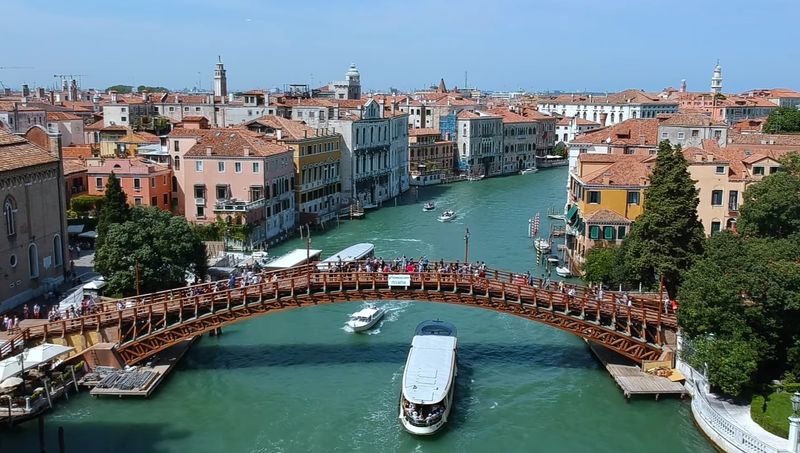
Venice has zero cars. Not a few, not a handful.
Zero. That fact alone makes it one of the most naturally walkable cities on the planet, and Tourlane ranked it second on its 2025 list for exactly this reason.
More than 400 bridges connect the city’s six historic sestieri, which means every walk involves a little bridge-hopping, some canal-gazing, and at least one moment where you realize you have absolutely no idea where you are. That is the best part.
The classic Rialto-to-St. Mark’s route is lovely, but Venice gets genuinely magical when you wander into Cannaregio, Dorsoduro, or Castello. Quieter canals, local squares, and everyday Venetian life replace the postcard crowds.
I once followed a wrong turn into Dorsoduro and stumbled onto a neighborhood market that felt entirely untouched by tourism. Venice rewards curiosity more than any map ever could.
Amsterdam, Netherlands
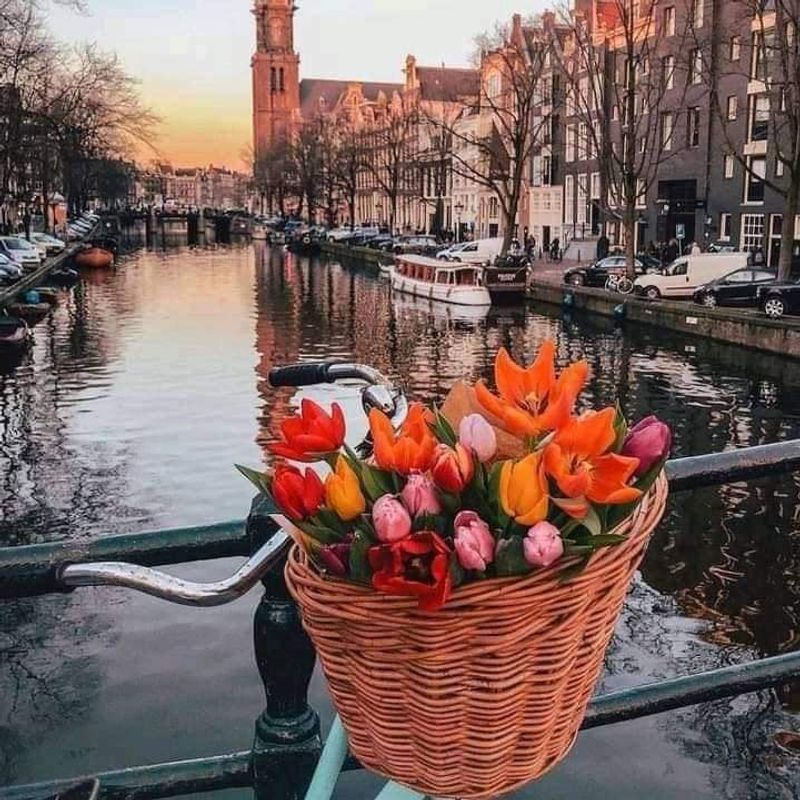
Amsterdam does not have one showstopping landmark. Its beauty is distributed evenly across canals, bridges, narrow gabled houses, courtyards, and small neighborhood streets, which makes walking here feel like a constant reward rather than a march toward a single destination.
The 17th-century canal system created what the Netherlands’ official tourism site calls a structured maze, and that description is both accurate and slightly hilarious. You will get turned around.
You will cross the same bridge twice. You will not mind at all.
The best approach is to start near the Canal Ring, drift through the Nine Streets, and wander into Jordaan with no fixed agenda. One heads-up: Amsterdam is famous for cycling, so stay alert in bike lanes or risk a very embarrassing near-miss.
As a walking city, though, it is wonderfully atmospheric at every hour, especially in the early morning before the crowds arrive.
Copenhagen, Denmark
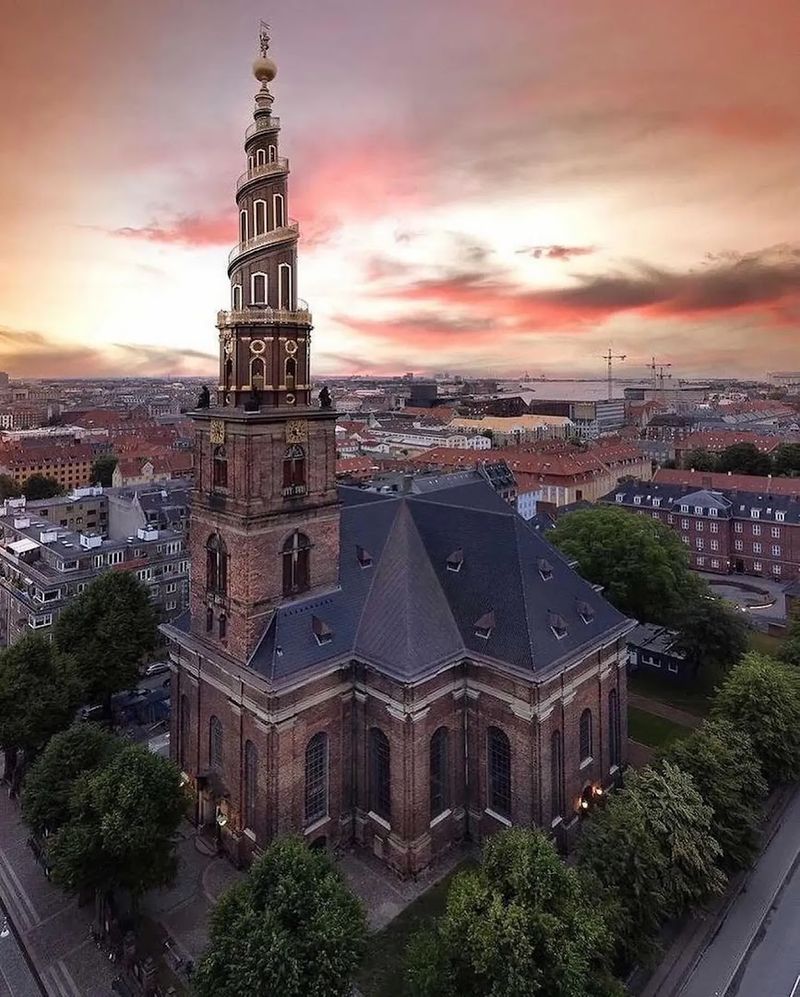
Copenhagen has been quietly perfecting the pedestrian experience since 1962, when Strøget became one of Europe’s first major car-free shopping streets. That was not a small decision.
It was a statement that this city belonged to people, not vehicles, and it set a trend that influenced urban planners worldwide.
The route from City Hall Square along Strøget to Kongens Nytorv, then onward to Nyhavn, is one of the most satisfying urban walks in northern Europe. Colorful harbor buildings, outdoor cafes, and a genuinely relaxed atmosphere make it feel less like sightseeing and more like living.
Copenhagen’s flat terrain is a quiet blessing, especially after dealing with Edinburgh’s cobblestone hills or Porto’s relentless climbs. The city’s combination of clean design, waterfront views, excellent food stops, and well-maintained public spaces makes walking feel genuinely enjoyable rather than something you do because the taxi was too expensive.
Paris, France
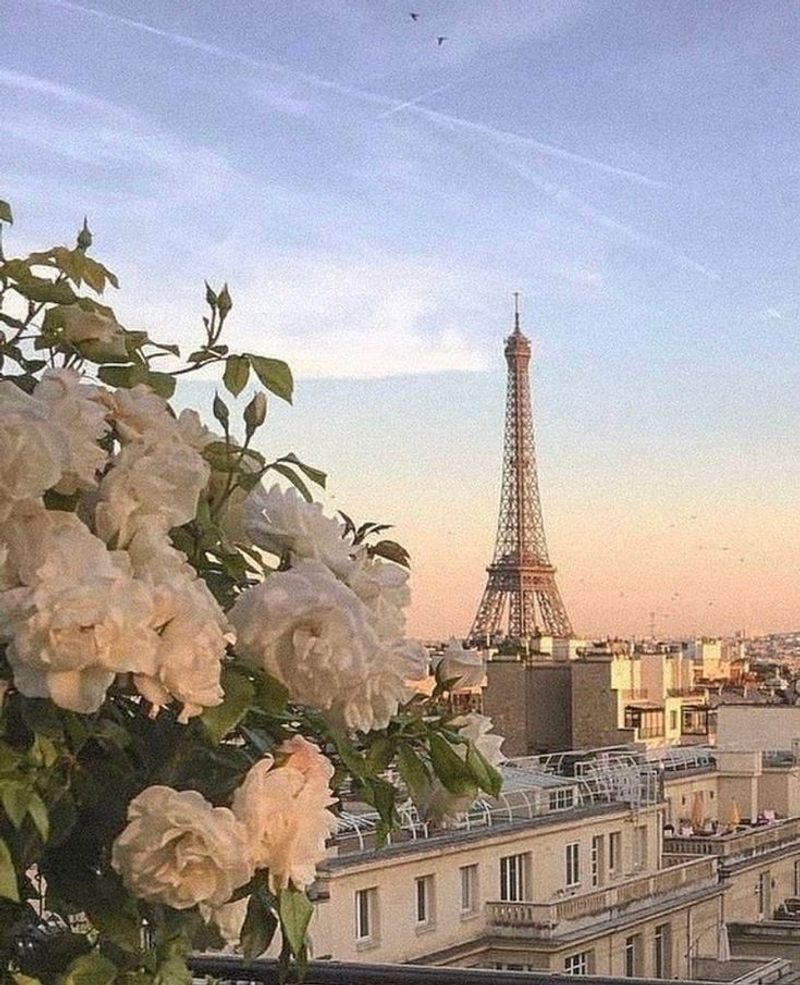
Paris has a walking route for every mood you could possibly be in. Grand boulevards for feeling dramatic, covered passages for feeling mysterious, riverside paths for feeling romantic, and village-like neighborhoods for feeling like you actually live there.
The pedestrianized Seine riverbank added even more space for walkers, and the official Paris tourism site actively promotes walking tours as a core part of visiting the city. That is not marketing fluff.
Paris genuinely works better on foot than by any other method.
A classic route runs from the Louvre through the Tuileries, down to the Seine, and along the river while bridges do the navigating for you. But the real secret is the neighborhoods: Montmartre, Le Marais, Saint-Germain-des-Prés, and Île Saint-Louis each carry a completely different energy.
Spend a morning in one and an afternoon in another, and Paris will feel like four cities packed into one spectacular walking day.
Edinburgh, Scotland
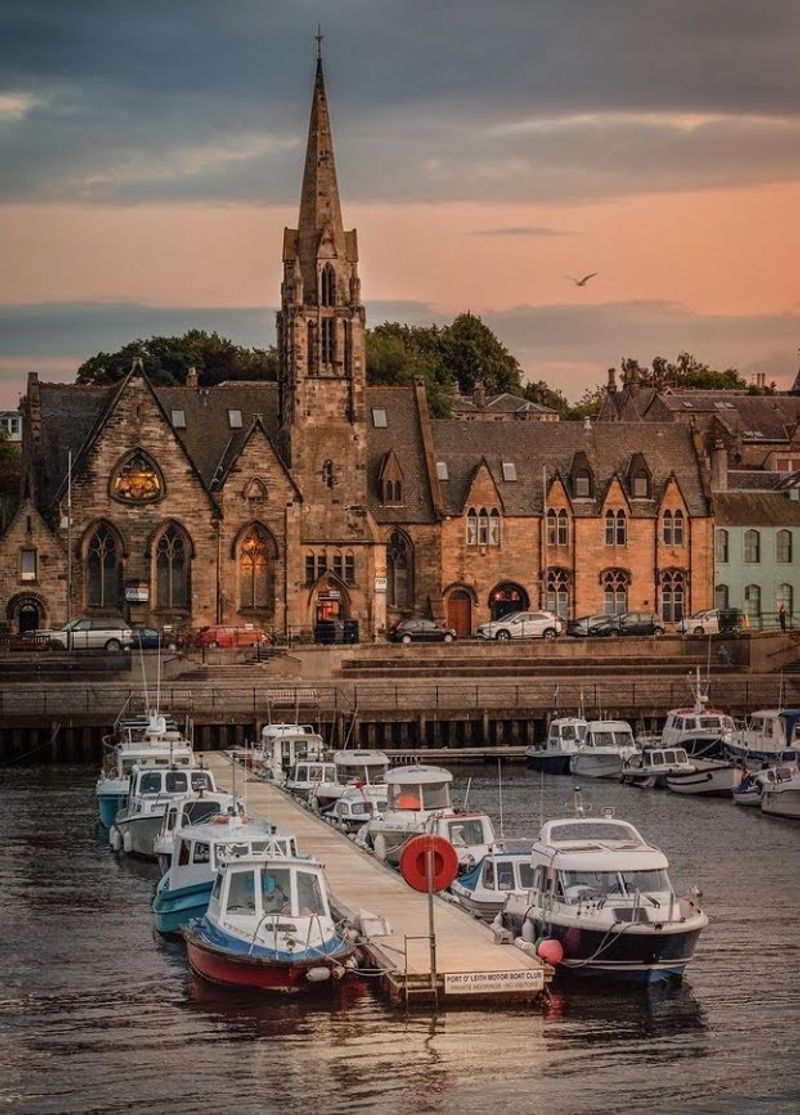
Edinburgh does not apologize for its terrain. Hills, cobblestones, hidden closes, steep stairways, and sudden dramatic views are all part of the deal, and that is exactly what makes walking here feel like a genuine adventure rather than a casual stroll.
The Royal Mile is the spine of the Old Town World Heritage area, connecting Edinburgh Castle at one end to the Palace of Holyroodhouse at the other. Forever Edinburgh describes it as culturally and historically important, which is the kind of understatement only the Scots could pull off with a straight face.
A great route follows the Royal Mile, dips into the hidden closes on either side, and then continues up to Calton Hill for a panoramic payoff. Wear proper shoes because the surfaces are uneven and will humble any fashionable footwear quickly.
The reward, though, is one of Europe’s most atmospheric city walks, full of history at every corner.
Vienna, Austria
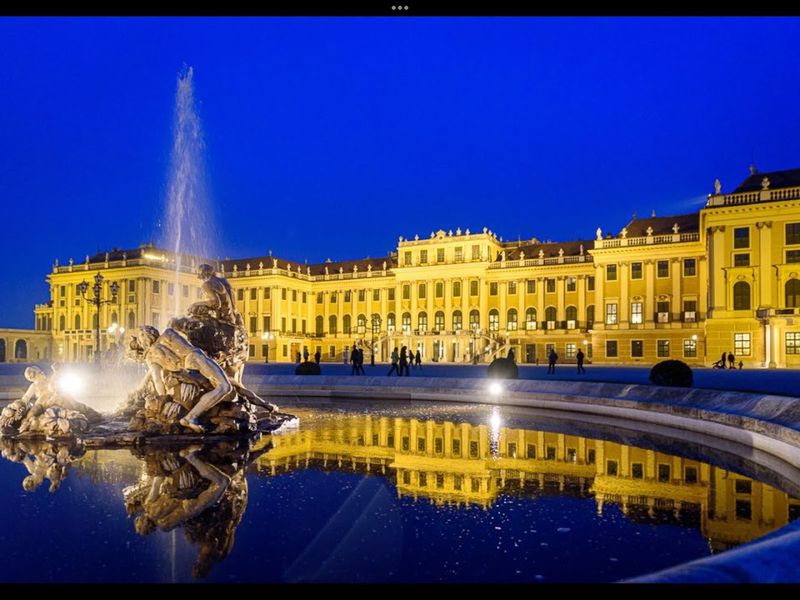
About 30 percent of journeys in Vienna are made on foot, according to the City of Vienna. That statistic says a lot about how seriously this city takes its pedestrians, with walking routes, dedicated maps, pedestrian zones, drinking fountains, and public passageways all part of the official infrastructure.
For visitors, the Innere Stadt is the obvious place to begin. St. Stephen’s Cathedral anchors the center, and from there, Kärntner Straße, the Hofburg area, and the grand Ringstrasse unfold in a logical, satisfying loop that never feels forced or exhausting.
Vienna suits travelers who want their walks seasoned with architecture, café stops, music history, and the kind of city planning that feels genuinely intentional. It is elegant without being cold, orderly without being dull.
I spent an entire afternoon wandering between coffee houses and palace courtyards and felt no guilt whatsoever about covering very little ground very slowly.
Prague, Czech Republic
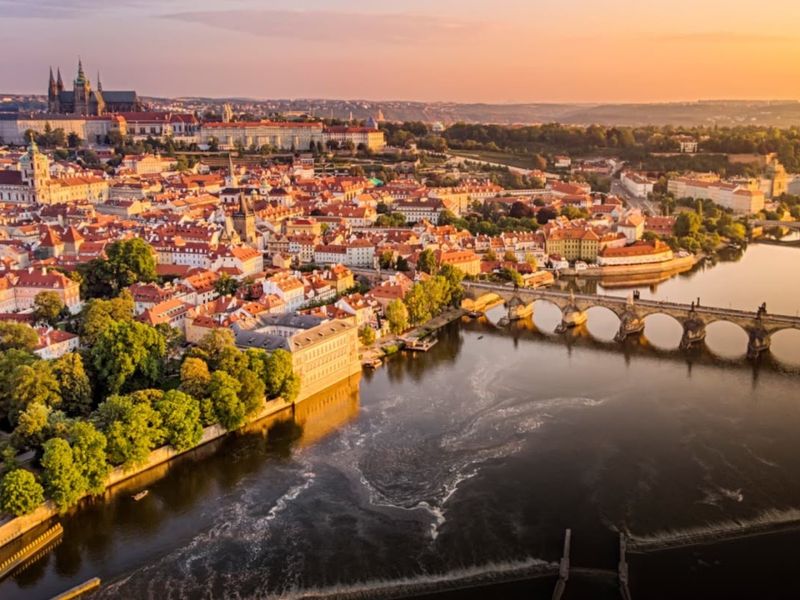
Few cities in Europe connect their major historic areas as naturally as Prague does. Old Town Square, medieval lanes, Charles Bridge, Malá Strana, and the castle district flow into each other so logically that a map becomes almost optional after the first hour.
Charles Bridge itself dates to the 14th century, and Prague City Tourism describes its Old Town Bridge Tower as a historic gateway into the Old Town. Walking across it feels less like crossing a river and more like crossing several centuries at once.
Go early. Seriously, set an alarm.
The bridge is quieter in the morning, the light is better, and the city feels almost cinematic without the afternoon crowds. The walk from Old Town Square across Charles Bridge and into Malá Strana is popular for excellent reasons, and doing it before 8 a.m. is one of the better travel decisions you can make in Central Europe.
Porto, Portugal
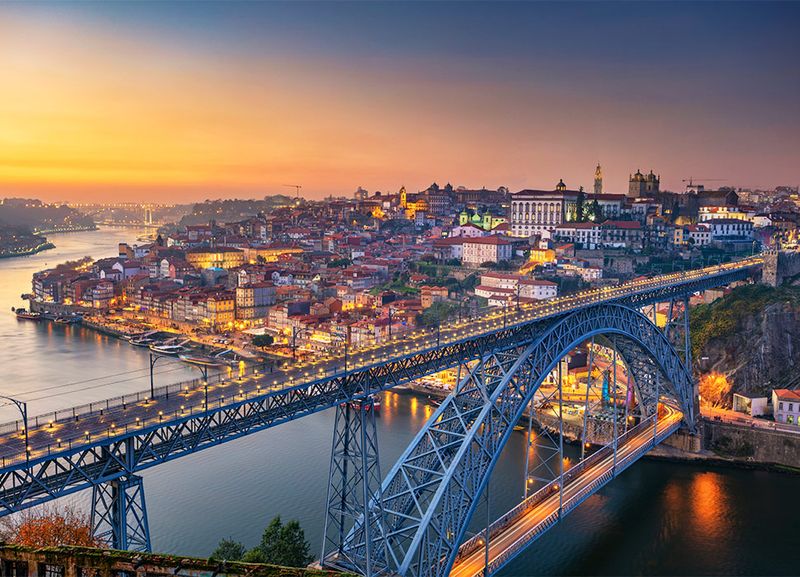
Porto is compact, beautiful, and honest about its hills. They are steep, they are real, and they are absolutely non-negotiable.
But here is the thing: those hills are also what give Porto its dramatic tiled facades, sudden viewpoints, and the deeply satisfying feeling of earning a view.
Tourlane ranked Porto among its top walkable cities, pointing to its riverside walks, colorful old town, and panoramic views over the Douro. The best route starts around São Bento station, moves through the historic center, descends toward Ribeira, and finishes with views of the Luís I Bridge.
Walking Porto lets you feel the city in layers: azulejo tiles on every wall, narrow lanes that smell like history, wine cellars tucked across the river in Vila Nova de Gaia, and viewpoints that reward every uphill struggle generously. A Porto walk is not effortless, but it is absolutely worth every breathless step of the climb.
Kyoto, Japan
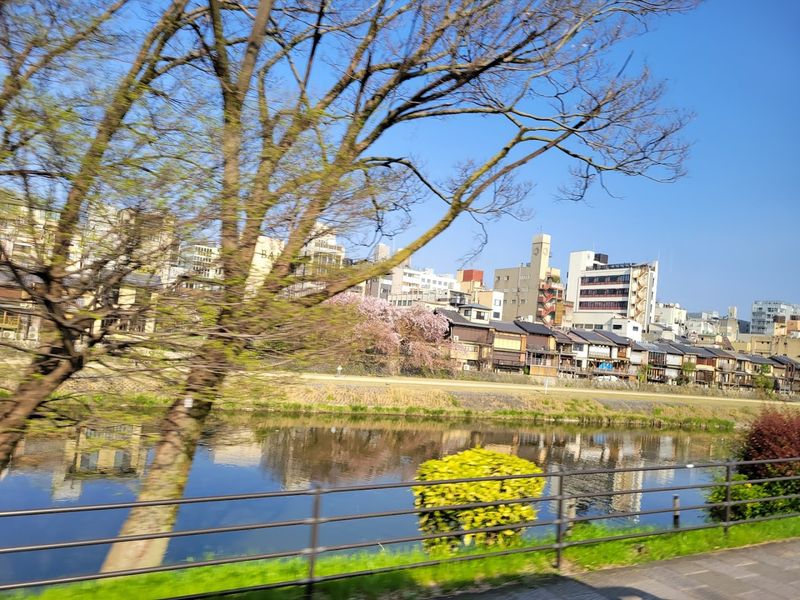
Kyoto is larger than it first appears on a map, but its historic walking zones are some of the best-preserved urban environments anywhere in the world. The city’s official guide highlights the Higashiyama Course of the Kyoto Trail, which connects major landmarks including Fushimi Inari Shrine and Kiyomizu-dera Temple.
For a manageable visitor-friendly route, Southern Higashiyama delivers everything: Kiyomizu-dera, preserved stone lanes, the Yasaka Pagoda framed between rooftops, Maruyama Park, and the wooden townhouses of Gion. It is a route that feels curated without being artificial.
Kyoto rewards slow walkers. The city is not a place to rush through ticking off landmarks.
Go early in the morning or near dusk when the light is softer and the lanes are quieter. I spent a full morning in Higashiyama covering maybe one kilometer total and left feeling like I had seen more than most people do in a full day of sightseeing.
Tokyo, Japan
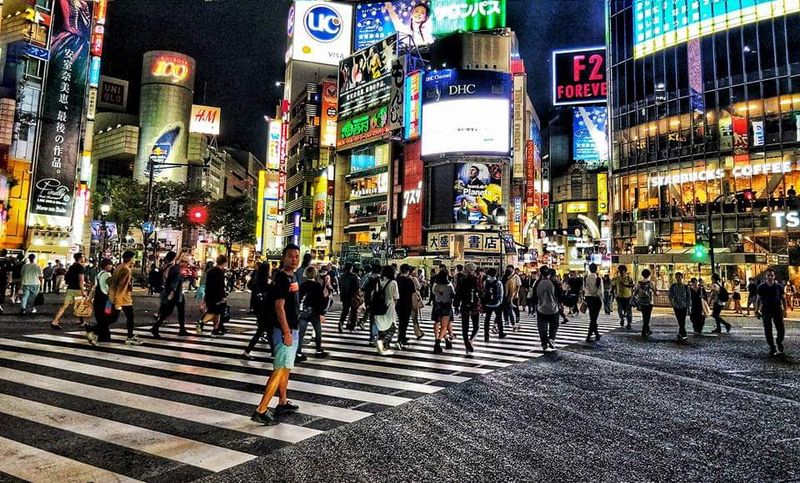
Tokyo has 37 million people and roughly the same number of opinions about where to walk first. The city seems impossibly large from the outside, but the official Tokyo travel guide frames it perfectly: explore one district at a time, and the city becomes entirely manageable.
The guide highlights walking areas across Harajuku, Shinjuku, Yanaka, Nezu, Akihabara, Aoyama, and Omotesando. Each neighborhood operates almost like its own small city with its own personality, pace, and surprises.
Trying to walk all of Tokyo at once is how you end up exhausted and confused on a train platform at 9 p.m.
Pick a cluster instead. Harajuku to Omotesando for fashion and tree-lined avenues.
Yanaka to Nezu for old Tokyo atmosphere and local temple life. Asakusa around Sensō-ji for history and street food.
Tokyo’s excellent public transport connects these walkable pockets easily, letting you hop between neighborhoods without destroying your legs in the process.
Singapore
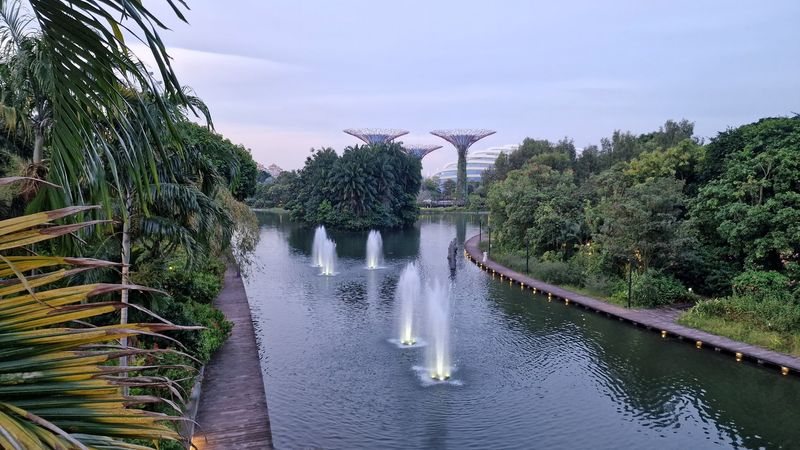
Singapore is hot, humid, and absolutely worth every drop of sweat. The city rewards planned urban walks with some of the most well-maintained, historically layered, and visually dramatic streetscapes in Southeast Asia.
The National Heritage Board maintains a network of heritage trails that guide visitors through the stories behind Singapore’s neighborhoods, streets, national monuments, and everyday spaces. These trails cover areas as distinct as Kampong Gelam, Chinatown, Little India, and the Civic District, each carrying a completely different cultural atmosphere.
Marina Bay is the easiest entry point for first-time walkers. The waterfront promenade connects the Merlion Park, Marina Bay Sands, Helix Bridge, and Gardens by the Bay in one continuous loop that feels spectacular at any hour.
Bring water, wear light clothing, and do not underestimate the midday heat. Evening walks along the bay, when the skyline lights up over the water, are honestly one of the most visually rewarding urban experiences in the world.
Barcelona, Spain
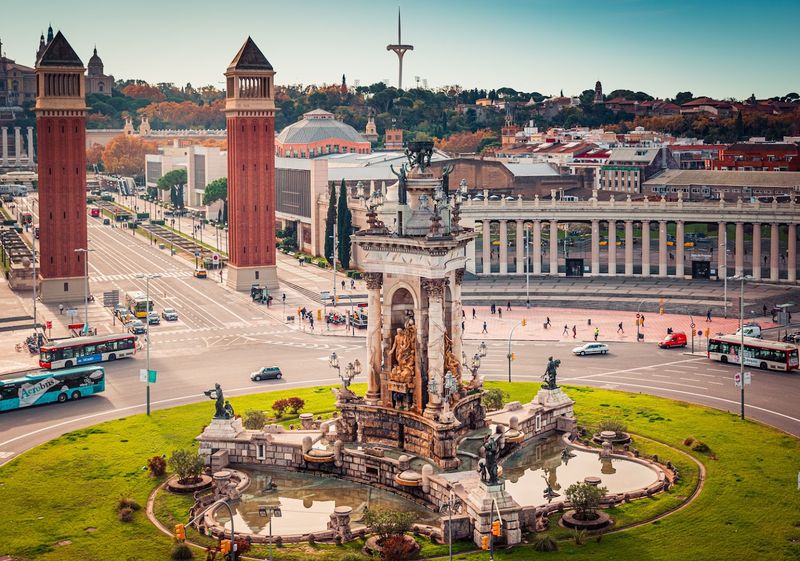
Barcelona’s neighborhoods have personalities strong enough to feel like separate cities. The Gothic Quarter alone, described by the official tourism site as one of the world’s best-preserved medieval districts, could absorb an entire morning without any effort at all.
Start in the Gothic Quarter, where centuries-old buildings crowd the narrow streets and every corner holds something unexpected. Continue toward El Born for a more artsy, laid-back vibe, then head toward the waterfront or up Passeig de Gràcia to see Modernist architecture in its natural habitat.
Barcelona is the kind of city that punishes people who treat it like a Gaudí checklist. Yes, Sagrada Família is extraordinary.
But the real Barcelona lives in its plazas, its market culture, its street life, and the rhythm of its neighborhoods. Walking is how you access that version of the city.
The bus gets you to the landmarks; your feet get you to Barcelona itself.
Stockholm, Sweden
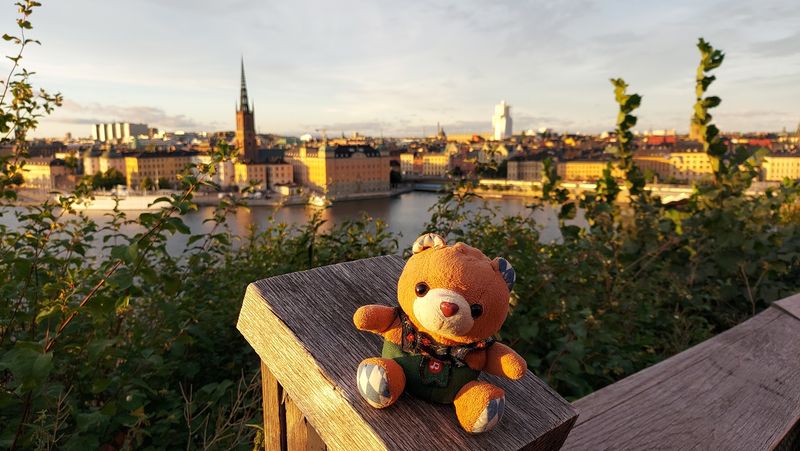
Stockholm is technically an archipelago city, built across islands connected by bridges. That sounds like it should complicate walking, but in practice it makes every short stroll feel scenic in a way that flat, landlocked cities simply cannot match.
Gamla Stan, Stockholm’s original city center, is the natural starting point. Visit Sweden describes it as a medieval island made up of Stadsholmen and nearby islets, packed with cobbled streets, old town squares, cafés, museums, and the Royal Palace.
It is compact enough to cover thoroughly in half a day.
From Gamla Stan, walkers can cross bridges toward Riddarholmen, Skeppsholmen, or the waterfront and watch the city open up across the water. Each crossing reveals a new angle on Stockholm’s skyline and its relationship with the surrounding water.
The island layout turns even a 20-minute walk into something that feels properly adventurous, which is a rare gift in any capital city.
Ljubljana, Slovenia
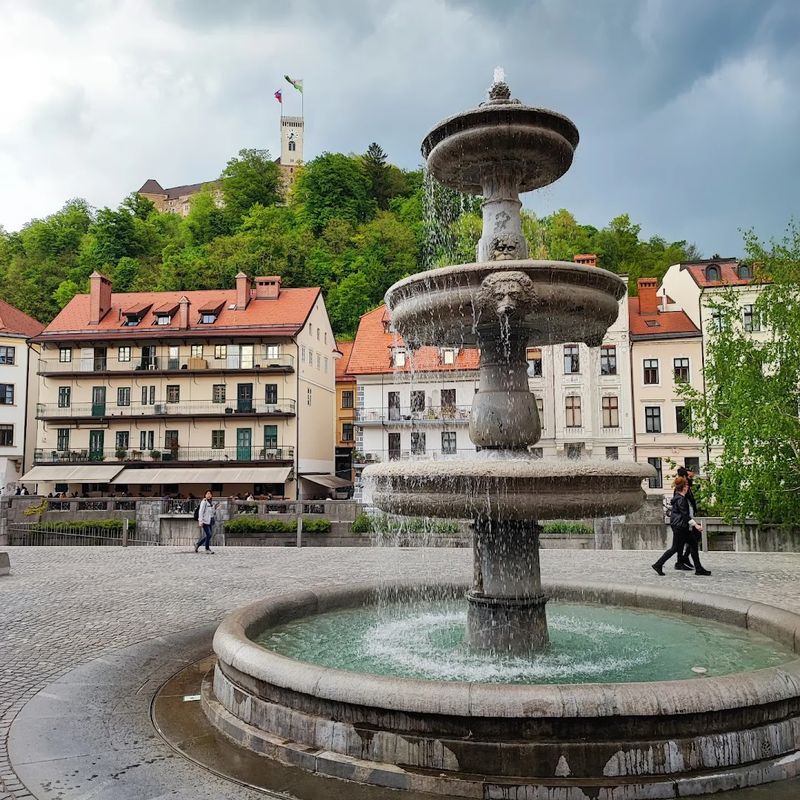
Ljubljana is Europe’s best-kept walking secret, and locals clearly prefer it that way. The compact center, riverside cafés, dragon-topped bridges, castle views, and genuinely unhurried pace make it one of the easiest and most enjoyable capitals on the continent to explore without a car.
The official Ljubljana tourism site highlights central landmarks including the castle, Dragon Bridge, the open-air market, embankments, and riverside areas, all of which sit within comfortable walking distance of each other. The whole central loop takes maybe two hours at a relaxed pace, which is exactly the point.
The most rewarding route follows the Ljubljanica River, crosses the Triple Bridge, passes through the market, continues to Dragon Bridge, and loops back through the old town. Ljubljana is the rare city where you do not need a rigid itinerary.
The center is compact enough that following curiosity works better than following a schedule. Wander long enough and you will cover everything worth seeing anyway.
Share this story