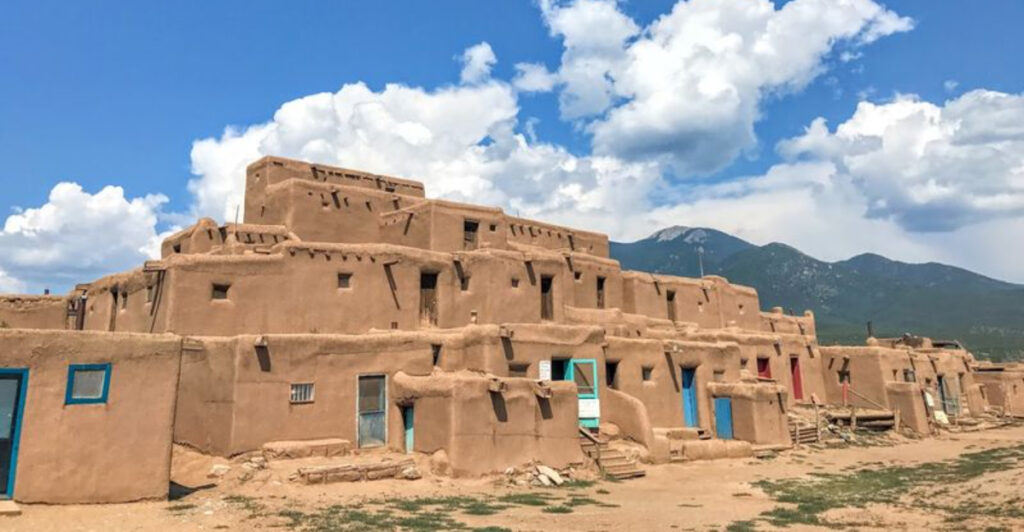
Somewhere in northern New Mexico, about a mile north of the modern city of Taos, a multi-story adobe complex has been standing for over a thousand years. The people who built it never left.
This village is one of the oldest continuously inhabited communities in all of North America, and it holds a UNESCO World Heritage Site designation to prove it. The Taos-speaking Puebloan people who call this place home have maintained their traditions, their architecture, and their way of life through centuries of change, conflict, and outside pressure.
What makes this place so compelling is not just its age, but the fact that it is still very much alive. Real families live here, ceremonies take place throughout the year, and the community continues to govern itself on its own terms.
The story of Taos Pueblo is one worth knowing.
A Community That Predates the United States by Centuries
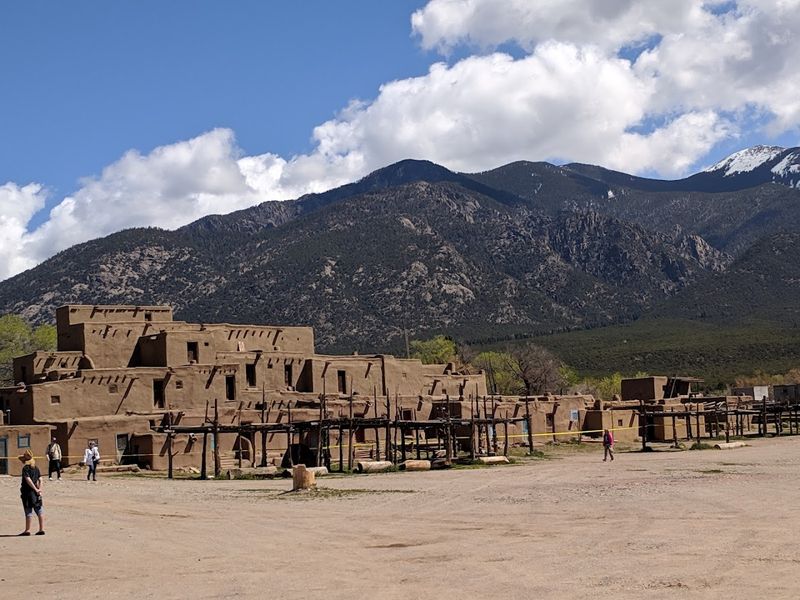
Most estimates place the construction of the current Taos Pueblo buildings somewhere between 1000 and 1450 CE, though the site itself may have been occupied even earlier. That means the community was already well-established long before European explorers arrived in the Americas.
Spanish explorers first encountered Taos Pueblo in 1540, when Francisco Vasquez de Coronado’s expedition passed through the region. The community had already developed a sophisticated social and architectural system by that point, with multi-story residential buildings that could house hundreds of people.
Surviving for a millennium while maintaining a consistent cultural identity is no small achievement. The Taos Pueblo people navigated Spanish colonization, Mexican governance, American territorial expansion, and the pressures of the modern world without abandoning their core traditions.
The community’s longevity is not a matter of luck. It reflects deliberate choices made by generations of people who understood the value of what they were protecting.
The Architecture That Has Stood for Generations
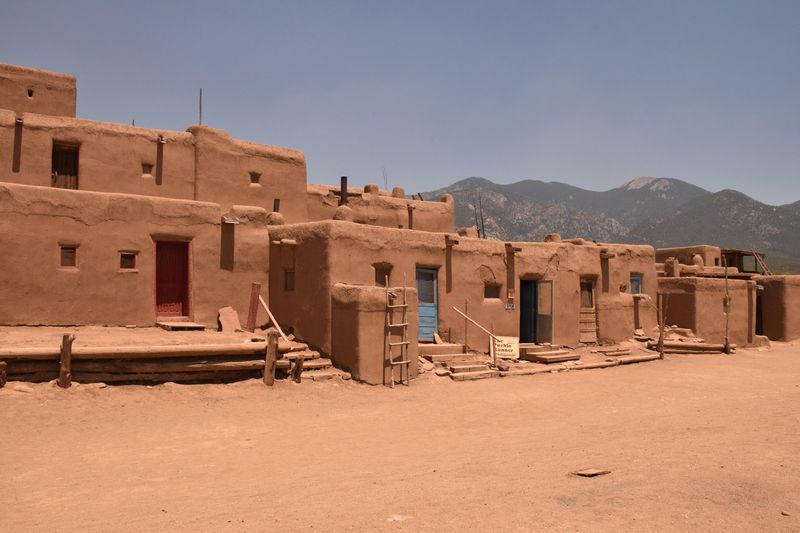
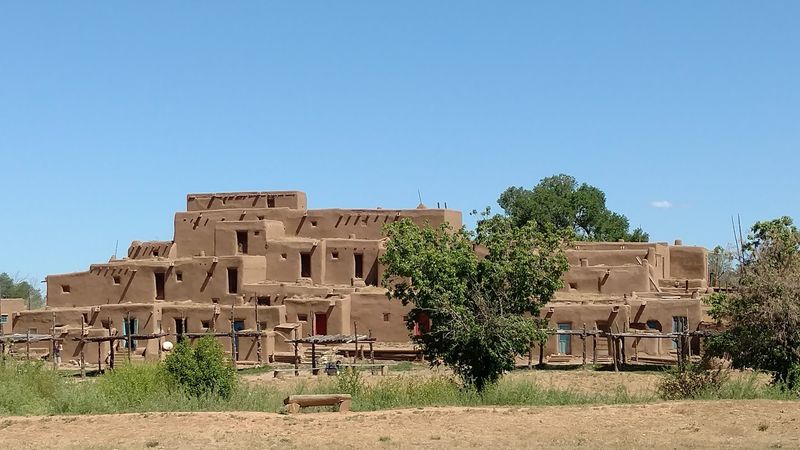
The two main residential buildings at Taos Pueblo, known as Hlauuma (North House) and Hlaukwima (South House), are among the most recognizable structures in the American Southwest. Both rise multiple stories high and are constructed from adobe, a mixture of earth, water, and straw that has been used in the region for thousands of years.
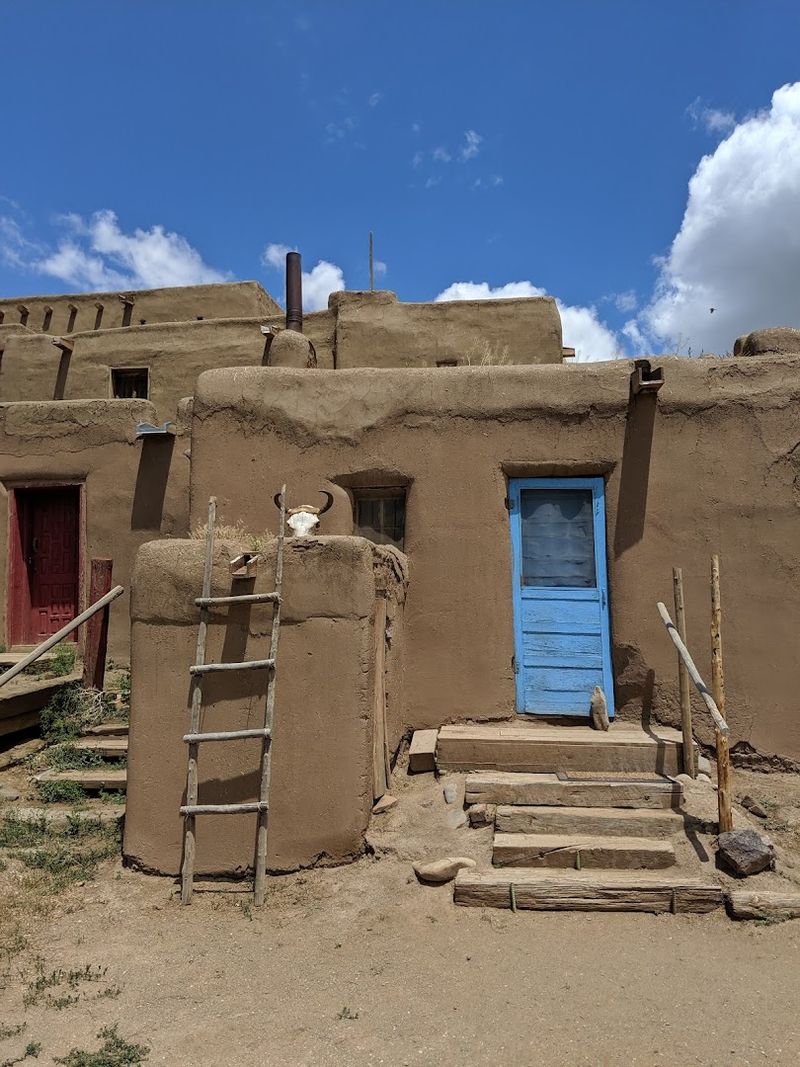
The buildings were designed without interior staircases. Residents historically used wooden ladders to move between levels, and removing the ladders served as a form of defense against outside threats.
Some of that traditional approach to access is still maintained today.
Adobe requires regular maintenance because it erodes over time. The people of Taos Pueblo have kept up this work across countless generations, replastering walls and making repairs using the same basic materials and methods their ancestors used.
The result is a living structure that looks ancient because it genuinely is, not because it has been artificially preserved for tourism purposes.
UNESCO World Heritage Recognition and What It Means
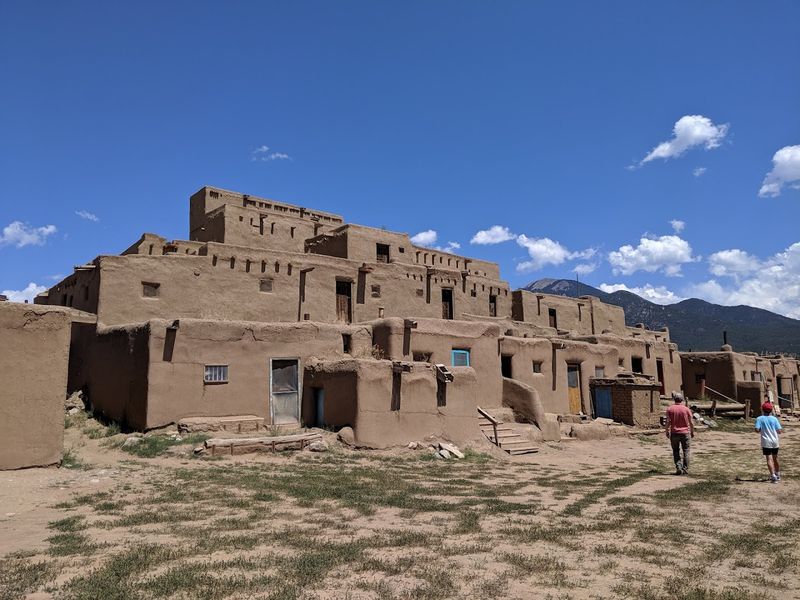
Taos Pueblo received UNESCO World Heritage Site designation in 1992, joining a list of places around the world that are considered to have outstanding universal value. The designation recognizes both the architectural significance of the complex and the continuous human occupation of the site.
Being a World Heritage Site brings international attention and a degree of formal protection, but the community at Taos Pueblo was not waiting for outside validation to take care of their home. The UNESCO recognition simply made visible what the community had always known about the value of this place.
The designation also placed Taos Pueblo alongside sites like the Egyptian pyramids, the Great Wall of China, and Machu Picchu in terms of global cultural significance. For a community of a few hundred people in northern New Mexico, that kind of recognition carries real weight, both in terms of preservation resources and in terms of how the outside world pays attention to Indigenous heritage in the United States.
The Rio Pueblo de Taos and Its Sacred Role
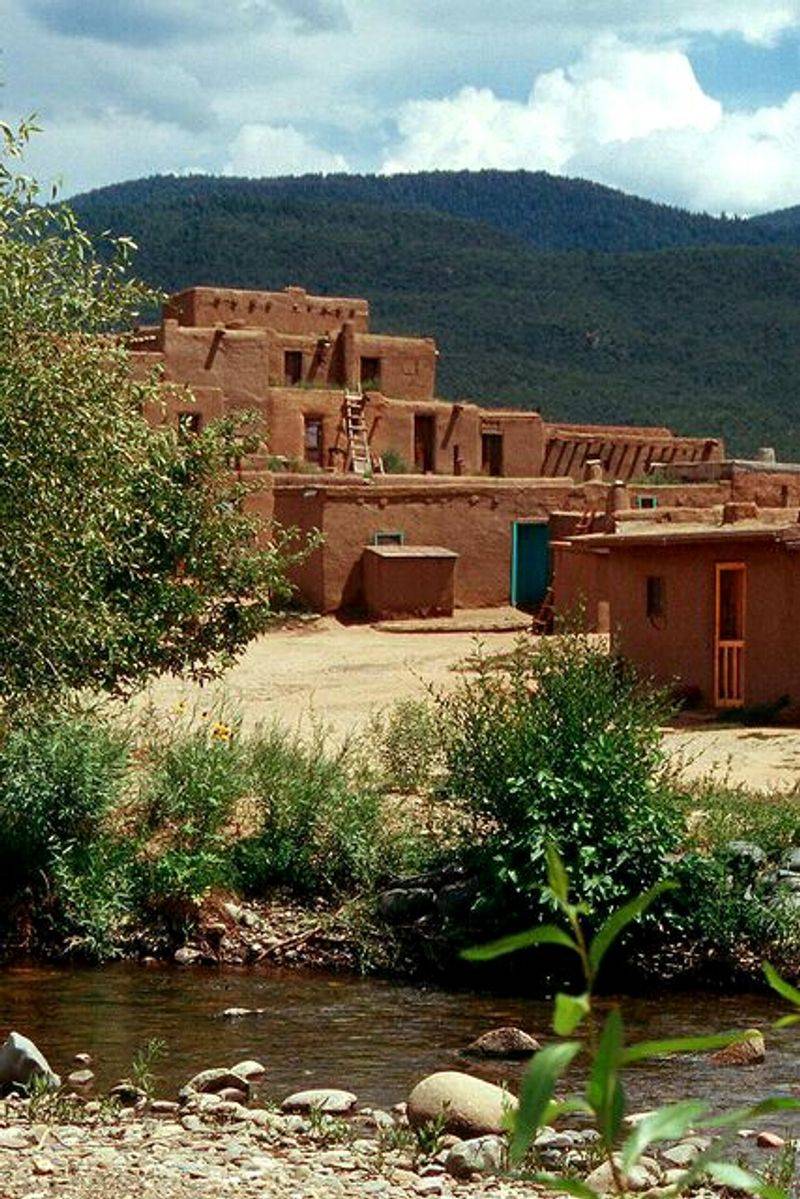
A small river runs directly through the center of the Taos Pueblo complex, dividing the North House from the South House. The Rio Pueblo de Taos originates in the Blue Lake area high in the Sangre de Cristo Mountains and flows down through the community before continuing south.
The river is not just a geographic feature. It is the community’s primary source of drinking water and holds deep spiritual significance in Taos Pueblo tradition.
The water from this river is considered sacred, and for that reason, no modern plumbing infrastructure has been installed within the historic core of the pueblo.
Residents who live in the traditional buildings still carry water from the river for daily use. This is a deliberate choice, not a limitation.
Preserving the purity of the water source and maintaining the traditional relationship with it is part of how the community expresses its values. The river connects the living residents to the generations who came before them.
Blue Lake and the Long Fight to Get It Back
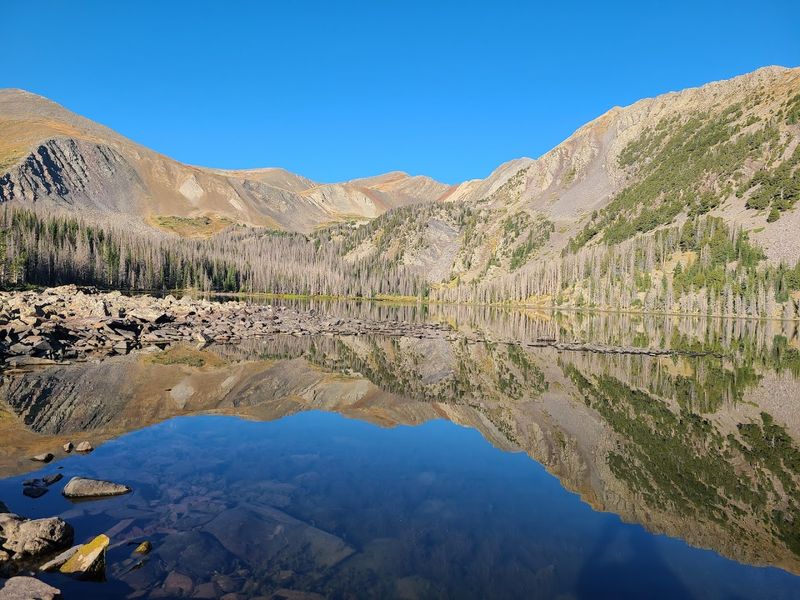
High in the Sangre de Cristo Mountains above the pueblo lies Blue Lake, a body of water that holds profound religious significance for the Taos Pueblo people. The lake is considered the spiritual origin point of the community and has been central to their ceremonial life for as long as their oral history extends.
In 1906, the U.S. government seized Blue Lake and the surrounding land as part of what became Carson National Forest. The Taos Pueblo community spent the next 64 years fighting through legal and political channels to reclaim it.
The effort involved multiple generations of community members and required sustained advocacy at the federal level.
In 1970, President Richard Nixon signed legislation returning Blue Lake and approximately 48,000 acres of surrounding land to Taos Pueblo. The victory was considered a landmark moment for Indigenous land rights in the United States.
The return of Blue Lake remains one of the most significant events in the community’s modern history.
Daily Life Inside the Historic Core
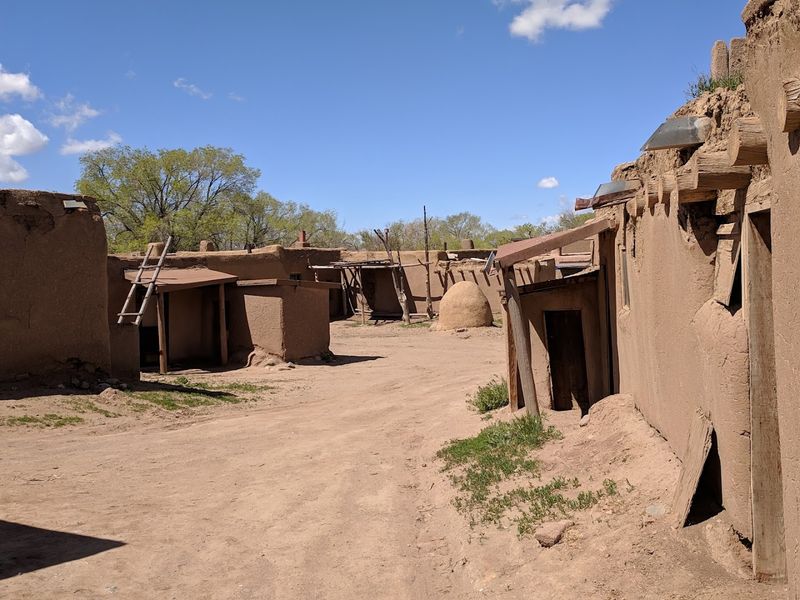
Not everyone at Taos Pueblo lives in the ancient multi-story buildings full time. Many community members have homes outside the historic core with modern utilities.
However, a portion of the population does maintain residence within the traditional structures, particularly during ceremonial periods and throughout much of the year.
Life inside the historic buildings means living without electricity or running water, by community choice. Cooking, heating, and lighting are handled through traditional or low-tech methods.
The decision to maintain these conditions is tied to the community’s commitment to preserving the integrity of the site and the lifestyle it represents.
The plaza area between the two main buildings serves as a gathering space and the center of community activity. Ceremonies, dances, and daily social interactions happen in and around this shared space.
The layout of the pueblo was not accidental. It was designed to create a community that functions together, and that design continues to shape how people relate to one another within the historic core.
Ceremonial Calendar and Public Events
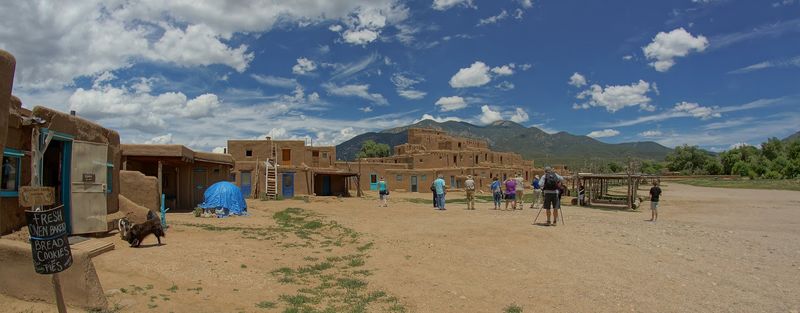
Throughout the year, Taos Pueblo holds a series of ceremonies and dances that are tied to the agricultural and spiritual calendar. Some of these events are open to the public, while others are private and restricted to community members only.
Public feast days and dances take place at various points during the year, often tied to Catholic saint days that were layered onto existing Pueblo ceremonial traditions during the Spanish colonial period. The Deer Dance and Turtle Dance are among the events that outside guests have historically been permitted to attend under specific guidelines set by the community.
Attending a public ceremony at Taos Pueblo is not a performance or a tourist attraction in the conventional sense. The dances and ceremonies are genuine religious and cultural events.
Guests are expected to follow strict rules about photography, behavior, and dress. The community sets those rules, and respecting them is the baseline requirement for anyone who wishes to be present.
Governance and Sovereignty at Taos Pueblo
Taos Pueblo operates as a sovereign nation with its own government, laws, and governing structure. The community is led by a governor and a tribal council, with traditional religious leaders also playing a significant role in community decision-making.
Sovereignty means that Taos Pueblo has the authority to make its own rules about who can enter the community, what activities are permitted on its land, and how its resources are managed. This includes the right to close the pueblo to outside visitors entirely, which the community does periodically for private ceremonies and during certain times of the year.
The relationship between Taos Pueblo and the United States government has been shaped by treaties, legal battles, and ongoing negotiations over land, water, and rights. The return of Blue Lake in 1970 was one outcome of that ongoing relationship.
Tribal sovereignty is not a historical concept at Taos Pueblo. It is an active, daily reality that shapes every aspect of how the community functions.
Visiting Taos Pueblo as an Outside Guest
Taos Pueblo is open to outside guests during designated hours, typically from morning to late afternoon, though the schedule changes depending on the time of year and community events. An admission fee is charged, and additional fees apply for photography permits.
Guests are required to stay within designated areas and to follow the community’s rules about behavior and dress. Photography is restricted in certain areas and prohibited entirely during ceremonies.
Drones are not permitted. These are not suggestions.
They are conditions set by the community as the price of access to a living, sovereign place.
Guided tours are available and provide context about the history and culture of the pueblo. Speaking with community members who work as guides or run small businesses within the pueblo is often the most direct way to understand what the place actually means to the people who live there.
Visiting with genuine curiosity and respect tends to make the experience far more meaningful than simply walking through as a sightseer.
Art, Pottery, and Traditional Crafts
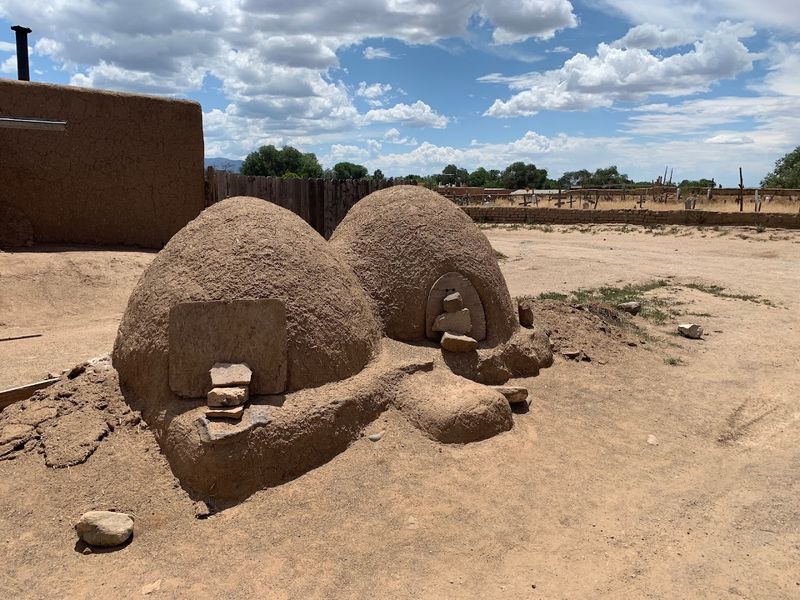
Taos Pueblo has a long tradition of pottery-making, jewelry, and other crafts that reflect the artistic knowledge passed down through generations. Community members sell their work within the pueblo, and purchasing directly from the artist is both a way to support the community economically and a way to acquire something genuinely made by hand.
Taos Pueblo pottery is known for its micaceous clay, which gives finished pieces a distinctive glittery quality. The clay comes from local sources and has been used in the region for centuries.
The forms and designs used in Taos Pueblo pottery carry cultural meaning that goes beyond their visual appeal.
Buying art at Taos Pueblo is different from buying a souvenir at a gift shop. The pieces available within the pueblo are made by people whose families have lived on that land for generations.
That context is part of what makes the work significant, and it is part of what the buyer takes home along with the object itself.
The Spanish Colonial Influence and San Geronimo Church
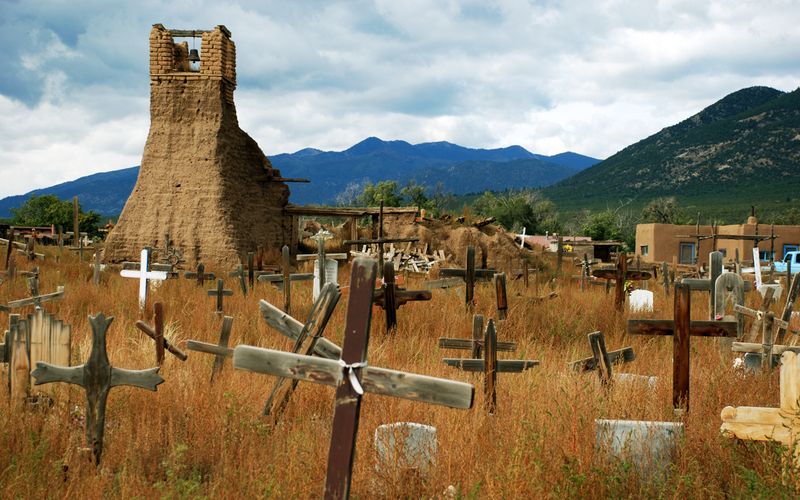
Spanish missionaries arrived at Taos Pueblo in the early 1600s and built a church within the community. The original San Geronimo Church was constructed around 1619 and became a site of significant conflict during the Pueblo Revolt of 1680, when the Taos Pueblo people joined other Pueblo communities in driving Spanish colonizers out of the region.
The church was rebuilt after the Spanish returned in 1692, and the ruins of that second structure still stand within the pueblo grounds today. A newer church, also named San Geronimo, was built in the 1800s and continues to be used by the community.
The presence of a Catholic church within Taos Pueblo reflects the complicated history of Spanish colonialism in the Southwest. Rather than replacing Pueblo religious traditions entirely, the two belief systems became layered on top of each other over time.
The community today maintains both Pueblo ceremonial traditions and Catholic observances, navigating that dual heritage on its own terms.
The Pueblo Revolt of 1680 and Its Legacy
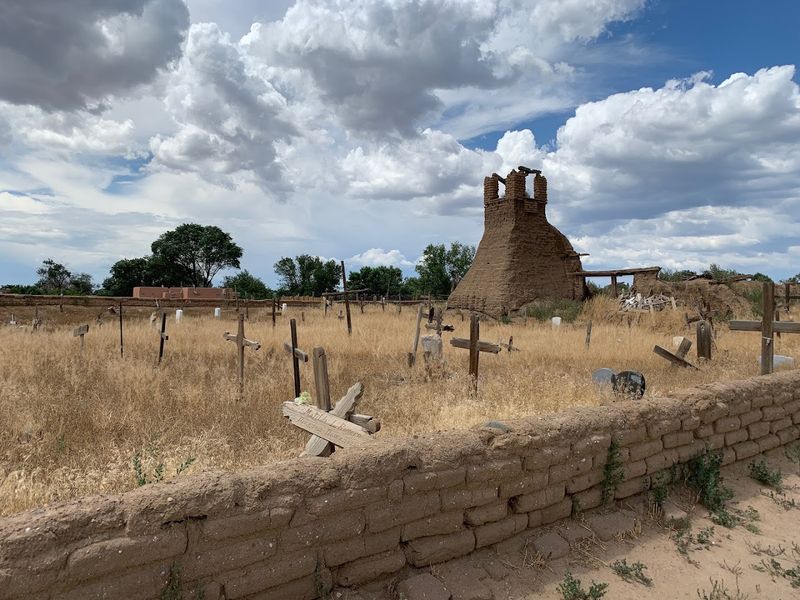
The Pueblo Revolt of 1680 was one of the most significant events in the history of the American Southwest. Taos Pueblo was among the communities that participated in the coordinated uprising against Spanish colonial rule, which resulted in the expulsion of Spanish settlers and missionaries from the region for over a decade.
Pope, a religious leader from Ohkay Owingeh Pueblo, is widely credited with organizing the revolt. The planning involved multiple Pueblo communities communicating across significant distances and maintaining secrecy long enough to execute a coordinated action.
The revolt demonstrated the organizational capacity of Pueblo communities and their willingness to resist colonial control at great cost.
The legacy of the revolt is still felt at Taos Pueblo today. It is remembered as a moment when the community chose resistance over accommodation, and the values that motivated that choice remain part of how Taos Pueblo people understand their own history.
The revolt is not a distant event. It is a reference point for ongoing conversations about sovereignty and self-determination.
Why Taos Pueblo Continues to Matter
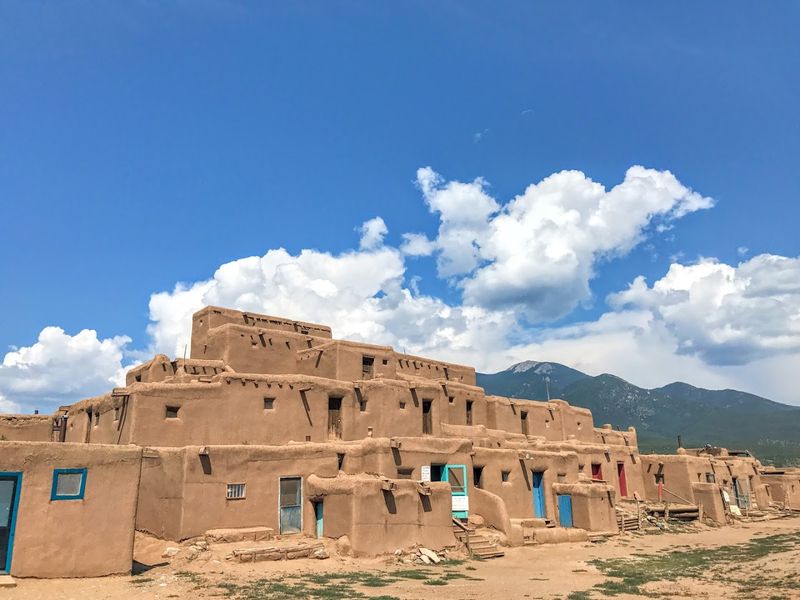
More than a thousand years of continuous habitation in a single location is an achievement that has no parallel in North America. Taos Pueblo stands as evidence that a community can maintain its identity, its language, its architecture, and its spiritual life across an extraordinary span of time, even under sustained external pressure.
The community’s ability to adapt without losing its core character is what makes Taos Pueblo relevant beyond its historical significance. The choices made here, about water, language, governance, and access, are not relics of the past.
They are active decisions being made right now by living people who understand what is at stake.
For anyone who visits northern New Mexico, Taos Pueblo offers something that very few places in the world can provide: direct contact with a community that has been present on the same land, practicing its own traditions, longer than most nations have existed. That kind of continuity deserves more than a quick stop on a road trip.
It deserves genuine attention.
Where Exactly Taos Pueblo Stands
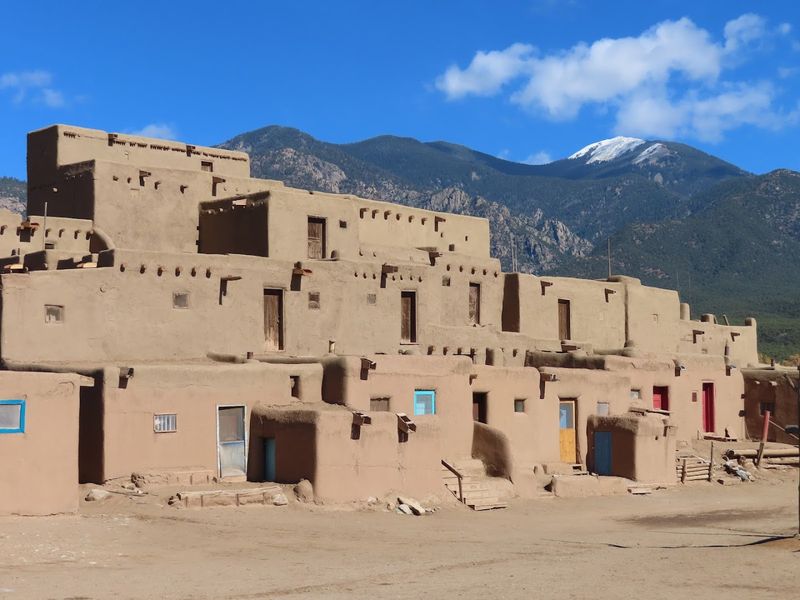
Taos Pueblo sits about one mile north of the city of Taos, New Mexico, in the Taos Valley at the base of the Sangre de Cristo Mountains. The official address for visiting is 120 Veterans Highway, Taos, New Mexico 87571.
The site occupies land that has been home to Taos-speaking Puebloan people for well over a thousand years. The surrounding landscape includes open desert terrain, the Rio Pueblo de Taos running through the center of the complex, and mountain views that stretch across the horizon.
The pueblo sits at an elevation of roughly 7,000 feet, which means the climate can shift quickly between seasons. The location itself is not incidental to the community’s identity.
The land, the water, and the mountains are all considered sacred within the Taos Pueblo belief system, and the physical setting remains central to how the community understands its own history and purpose.
Share this story