There is exactly one lighthouse on the Chesapeake Bay where you can actually sleep inside the keeper’s residence, and it happens to be nearly 200 years old. Tucked along the western shore of Maryland, this historic landmark has been guiding ships through the bay since 1828, making it the oldest continuously operating lighthouse in the Chesapeake.
Most people drive past without realizing they could book a night there through Airbnb, wake up steps from the water, and have a piece of living history entirely to themselves. This article covers everything worth knowing before you go, from the lighthouse’s remarkable past to what it actually feels like to stay overnight, plus practical tips on visiting hours, what to do nearby, and how to make the most of your time at one of Maryland’s most underrated overnight destinations.
A Lighthouse Built in 1828 That Never Stopped Working
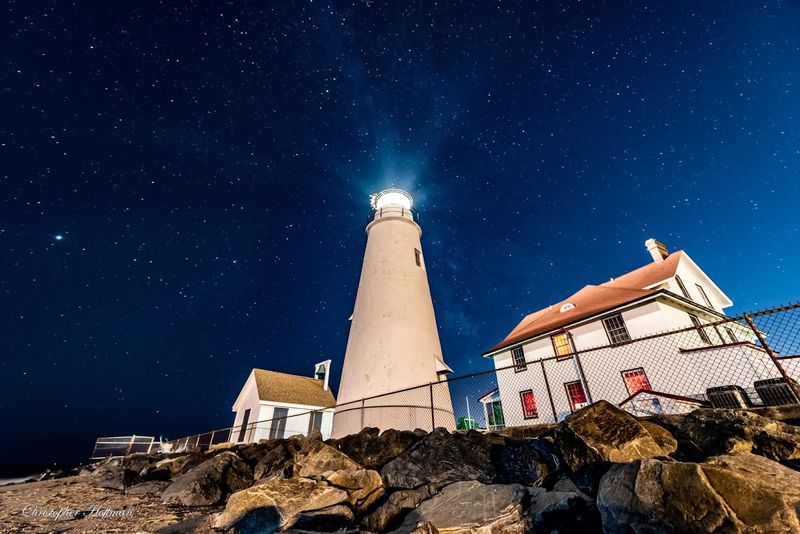
Most buildings from the 1820s are either crumbling ruins or museum pieces behind velvet ropes. Cove Point Lighthouse is neither.
Built in 1828, it holds the distinction of being the oldest continuously operating lighthouse on the Chesapeake Bay, which means it has been doing its job without interruption for nearly two centuries.
The lighthouse was constructed during a period when the federal government was rapidly expanding its coastal navigation infrastructure. The Chesapeake Bay, with its heavy commercial traffic and unpredictable weather patterns, was a priority location for new lighthouses.
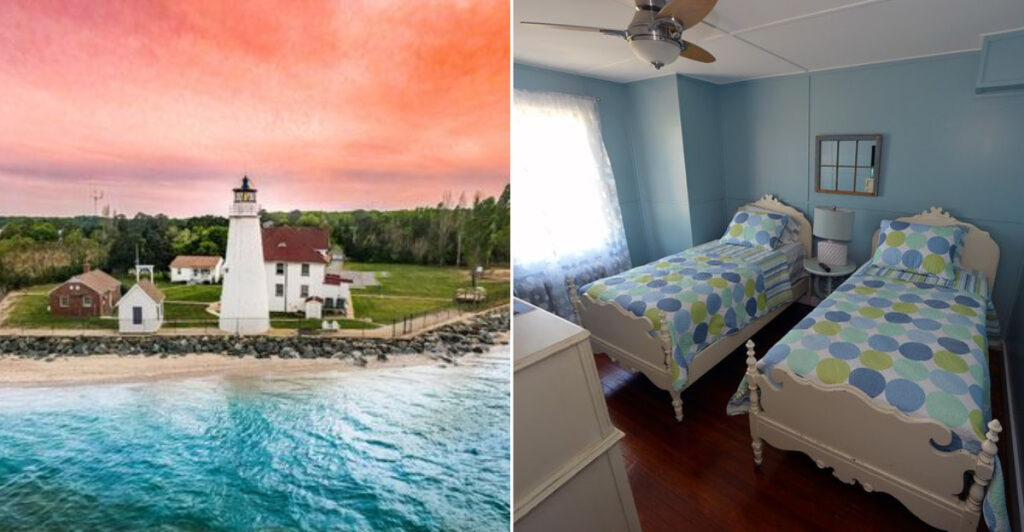
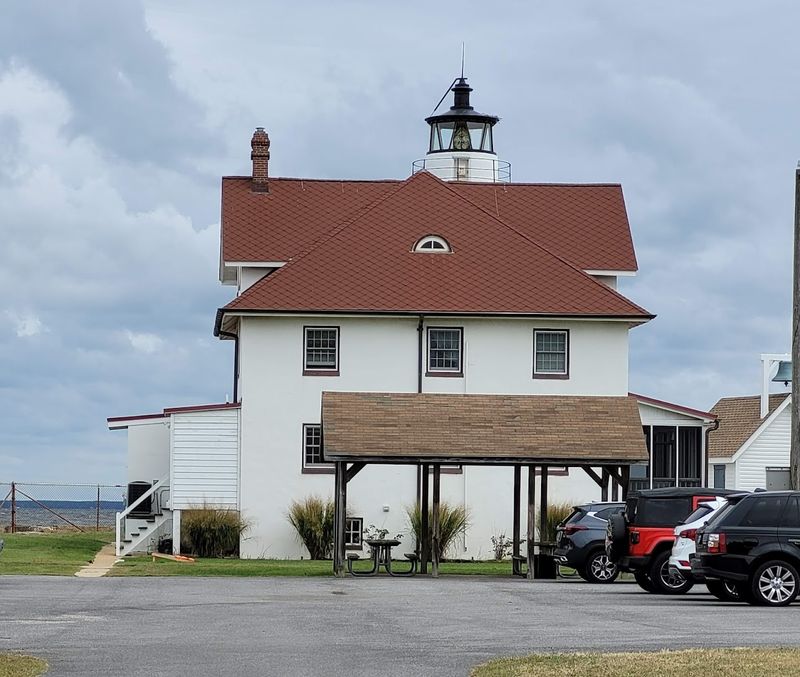
The original keeper’s home was built alongside the tower and has been restored to reflect its 19th-century character while still functioning as a livable space. The tower itself is a classic brick construction painted white, and its light mechanism has been updated over the decades to meet modern Coast Guard standards.
History at this lighthouse is not something behind glass; it is still actively unfolding.
The Only Lighthouse on the Bay Where You Can Sleep Over
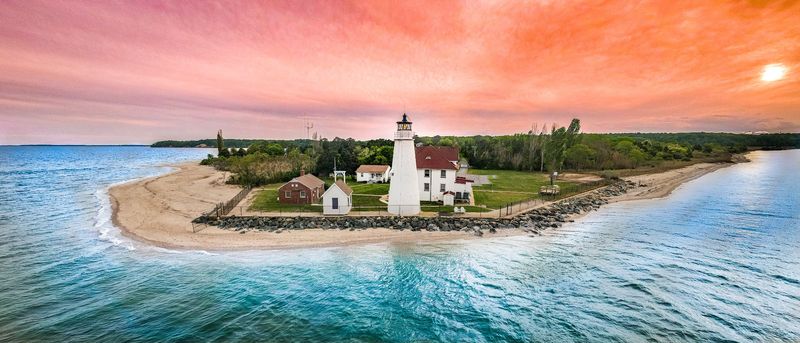
Spending the night inside a functioning 19th-century lighthouse is not something most travel bucket lists include, simply because the option rarely exists. At Cove Point, it does.
The keeper’s residence attached to the lighthouse tower is available for overnight rental through Airbnb, making it the only sleep-in lighthouse experience on the Chesapeake Bay.
The residence offers multiple sleeping options spread across a surprisingly spacious layout. Groups, wedding parties, and families have all booked the space, and the property offers easy beach access that day-trippers never get to enjoy.
Waking up at a lighthouse where the bay is right outside the window and the grounds are yours alone before the public arrives is a genuinely rare kind of travel experience. The keeper’s residence has been carefully restored, so the character of the original structure remains intact while still providing the basic comforts needed for an overnight stay.
Booking in advance is strongly recommended given the limited availability.
What the Grounds Actually Look Like Up Close
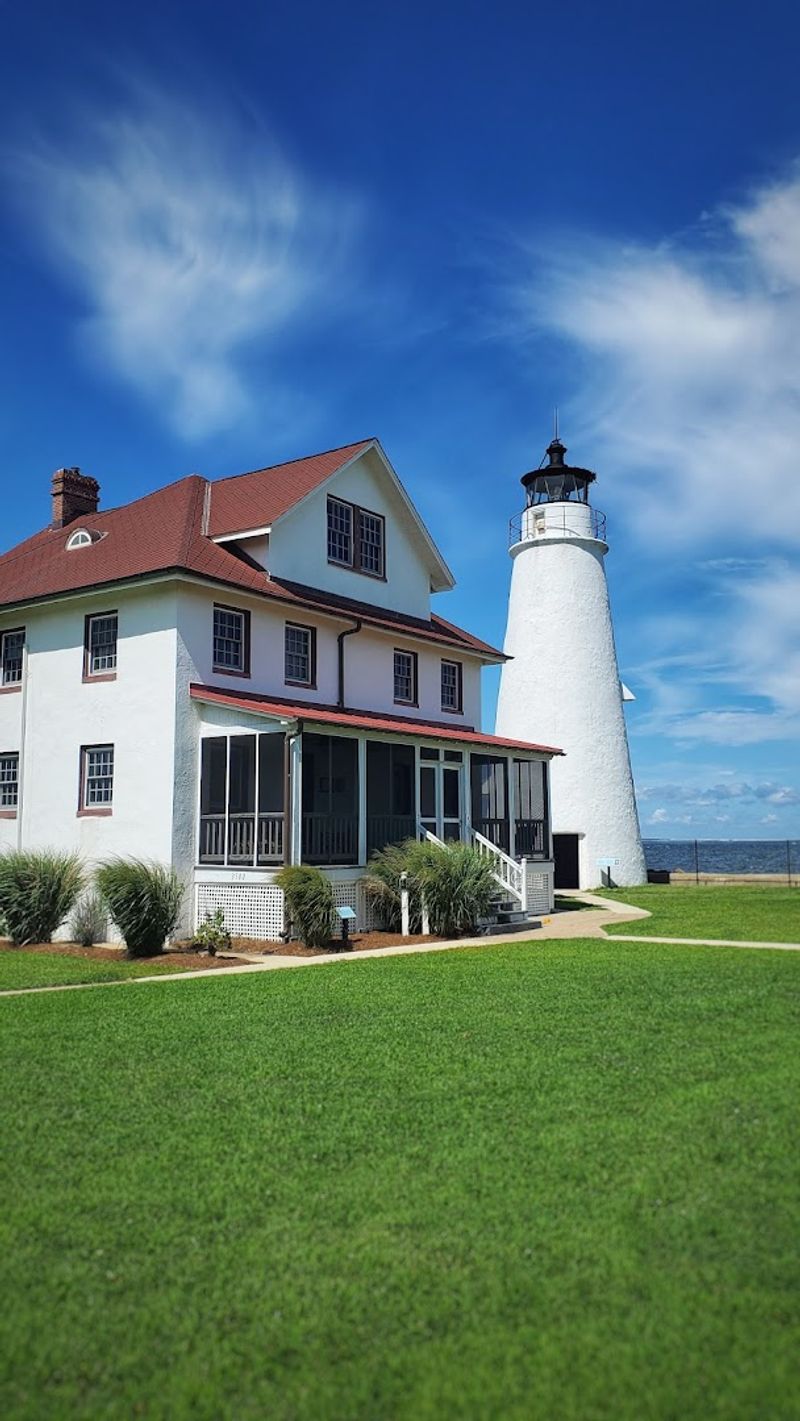
Seven acres sounds like a lot until you realize how thoughtfully the Cove Point property uses every bit of that space. The grounds include the lighthouse tower, the restored keeper’s home, a visitor center, a pavilion, and open lawn areas that stretch toward the bay shoreline.
Informational signs are posted throughout the property, each one packed with historical facts and context about the lighthouse, its keepers, and the role it played in Chesapeake Bay navigation. The grounds are well maintained and easy to walk, with no significant elevation changes or difficult terrain.
There is also a small two-seat rocking chair near the visitor area that has become something of a signature detail for those who stop long enough to sit and take in the surroundings. The lawn areas offer clear sightlines toward the water, and on clear days the views extend toward Calvert Cliffs across the bay.
The property feels cared for in a way that reflects genuine institutional pride rather than just routine upkeep.
The Small Museum That Packs a Big History Lesson
The visitor center on the Cove Point property is modest in size but well-organized in content. A short video plays during visit hours, giving a concise overview of the lighthouse’s history, the life of its keepers, and the broader story of lighthouse preservation on the Chesapeake Bay.
The video runs about five minutes and covers a surprising amount of ground for its length. Staff members, often described as knowledgeable and approachable, are on hand to answer questions and add context that the displays alone cannot provide.
Beyond the video, the center includes historical artifacts, photographs, and written materials that fill in the gaps between the major milestones. For families with children, the museum offers an accessible entry point into maritime history without overwhelming younger audiences with too much text.
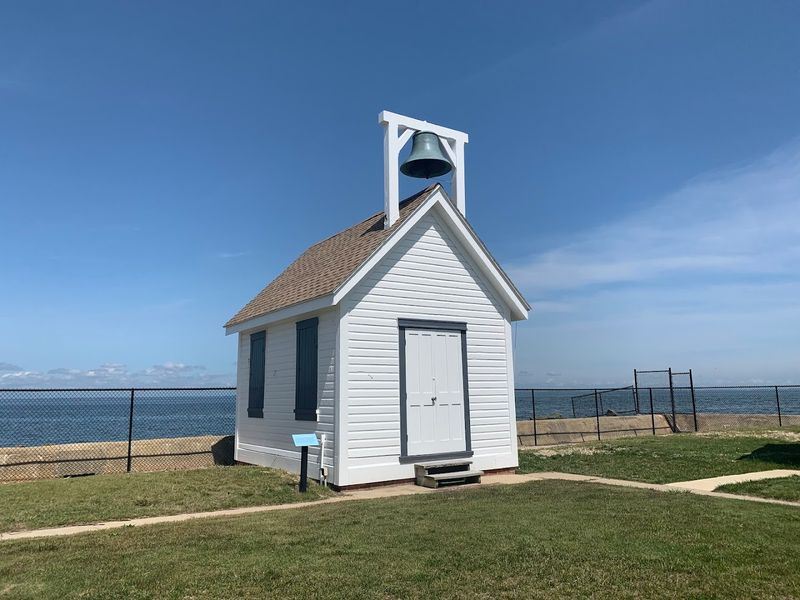
Ringing the large bell on the property is also a popular activity for all ages. The museum is free to enter during operating hours, which adds to its appeal as a low-commitment stop.
Know Before You Go: Hours and Access Rules
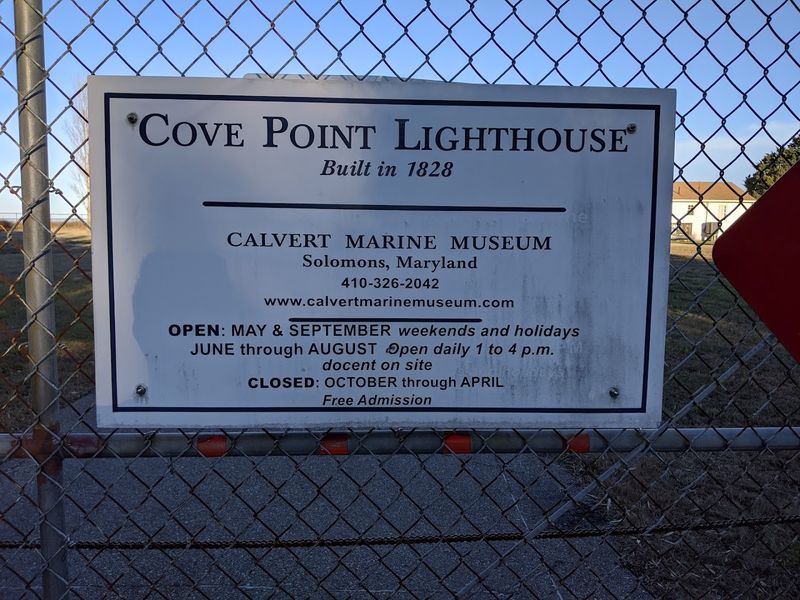
Planning a trip to Cove Point without checking the hours first is a mistake that has frustrated more than a few well-intentioned visitors. The site operates on a limited schedule that catches people off guard if they rely only on general online search results.
Public visiting hours run from May through September, and the lighthouse is open Wednesday, Saturday, and Sunday from 1 p.m. to 4 p.m. only. Outside of those windows, the main gate is locked and the grounds are not accessible to the general public.
From October through April, the site closes entirely to walk-in visitors. The property is privately gated, and the surrounding roads are part of a residential community where access is controlled.
Showing up outside of hours means seeing the gate from the road and nothing more. The Calvert Marine Museum, which manages the site, is the best source for current schedule updates before any visit.
Calling ahead or checking the museum website at calvertmarinemuseum.com is always a good idea.
The Calvert Marine Museum Connection You Should Know About
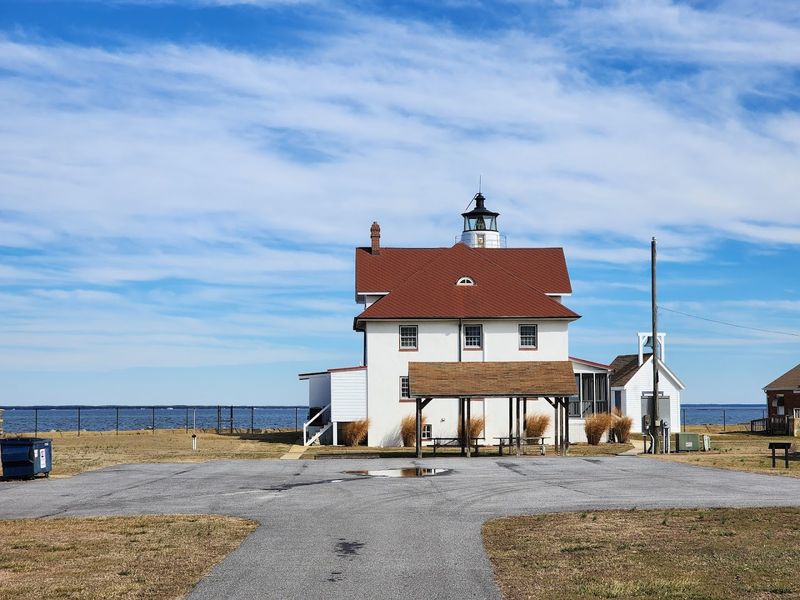
Cove Point Lighthouse does not operate in isolation. The entire site is managed by the Calvert Marine Museum, based in nearby Solomons, Maryland, which gives the lighthouse access to professional curatorial oversight, educational programming, and preservation resources that a standalone historic site might struggle to maintain.
The museum itself is worth a separate visit and covers the natural and maritime history of the Patuxent River and Chesapeake Bay region. Its collection includes fossils from Calvert Cliffs, live river otters, a historic buyboat, and a working screwpile lighthouse replica that floats in the river adjacent to the museum.
The connection between the two sites means that a visit to the Cove Point Lighthouse fits naturally into a broader day of exploration in Calvert County. Museum staff are also the ones who manage the overnight rental of the keeper’s residence, so anyone interested in booking a stay should start their inquiry through the museum’s website and contact channels rather than through third-party booking platforms alone.
Beach Access and What You Can Actually Reach on Foot
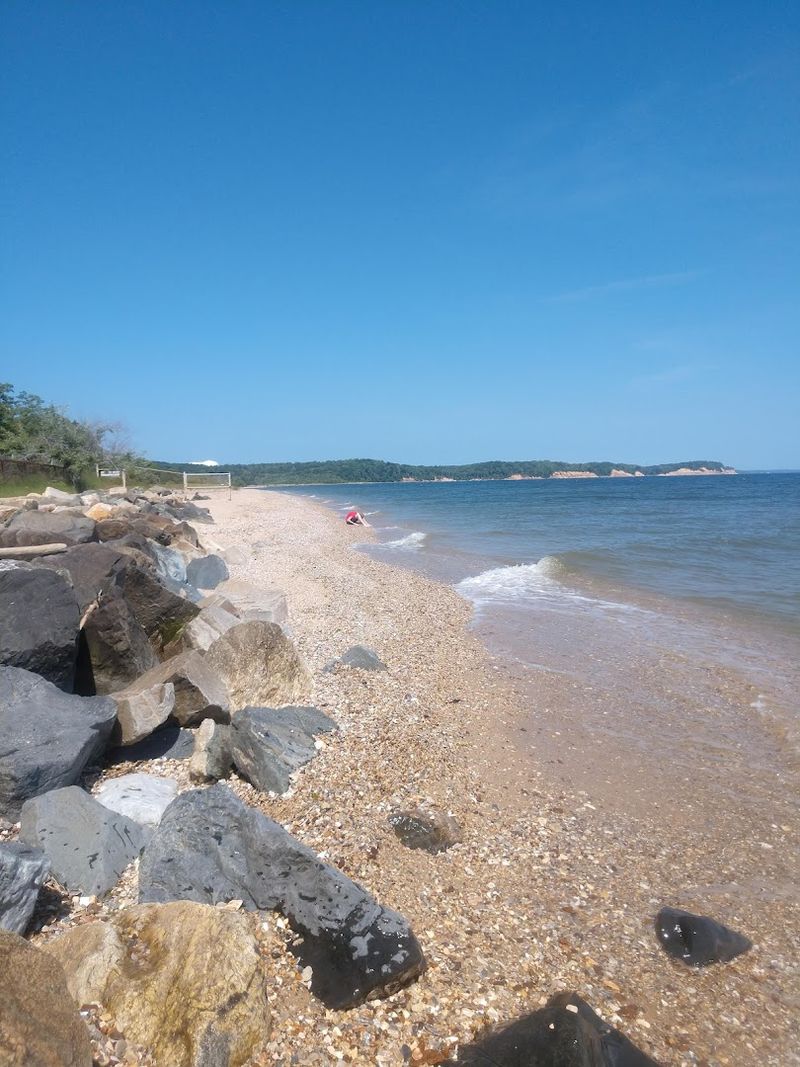
Beach access at Cove Point is one of the details that changes significantly depending on whether you are a day visitor or an overnight guest. For those visiting during public hours, there is no public beach access from the lighthouse property itself, and the surrounding roads are part of a private residential community.
Overnight guests staying in the keeper’s residence, however, do have beach access as part of the rental arrangement. This is one of the key differences between a daytime stop and a full overnight booking, and it significantly changes the character of the experience.
Day visitors who want beach time in the area are better served by planning a separate stop at a nearby public access point or state park. Calvert Cliffs State Park, a short drive away, offers a beach at the end of a hiking trail through forested terrain.
The distinction between public and private access at Cove Point is clearly marked on the property, and the residential community takes those boundaries seriously.
What It Is Like to Book the Keeper’s Residence
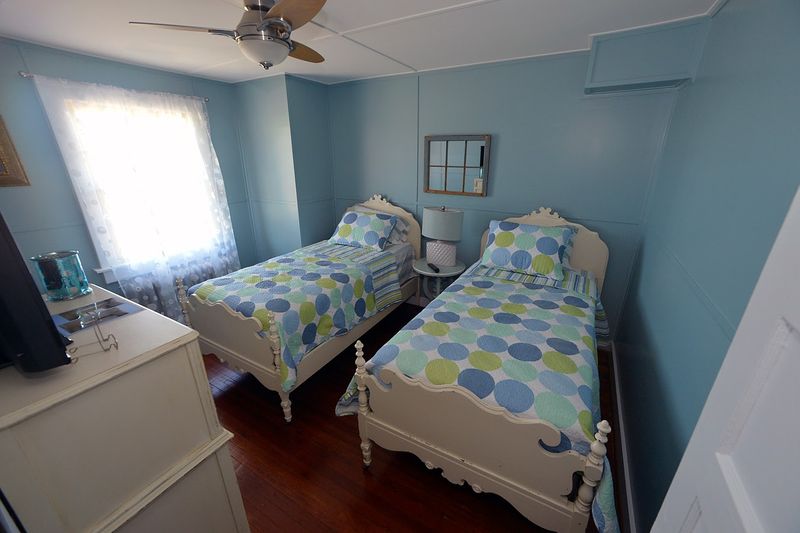
Booking the keeper’s residence at Cove Point is not quite like booking a standard vacation rental. The property has a specific character shaped by nearly two centuries of history, and the experience of staying there reflects that in both practical and atmospheric ways.
The residence has been restored to maintain its historic feel while offering enough space and amenities for a comfortable stay. Multiple sleeping configurations make it suitable for small groups, families, or wedding parties looking for something genuinely out of the ordinary.
The listing has appeared on Airbnb and has drawn guests who specifically sought out a one-of-a-kind overnight option rather than a conventional hotel stay. The property’s connection to the Calvert Marine Museum means that the rental is managed with an emphasis on historical preservation alongside guest comfort.
Early booking is essential, especially during the warmer months when demand from groups and special occasion travelers tends to be higher. The experience of having the grounds to yourself in the early morning is a consistent highlight for those who have stayed.
The Lighthouse Tower: What You Can and Cannot Do
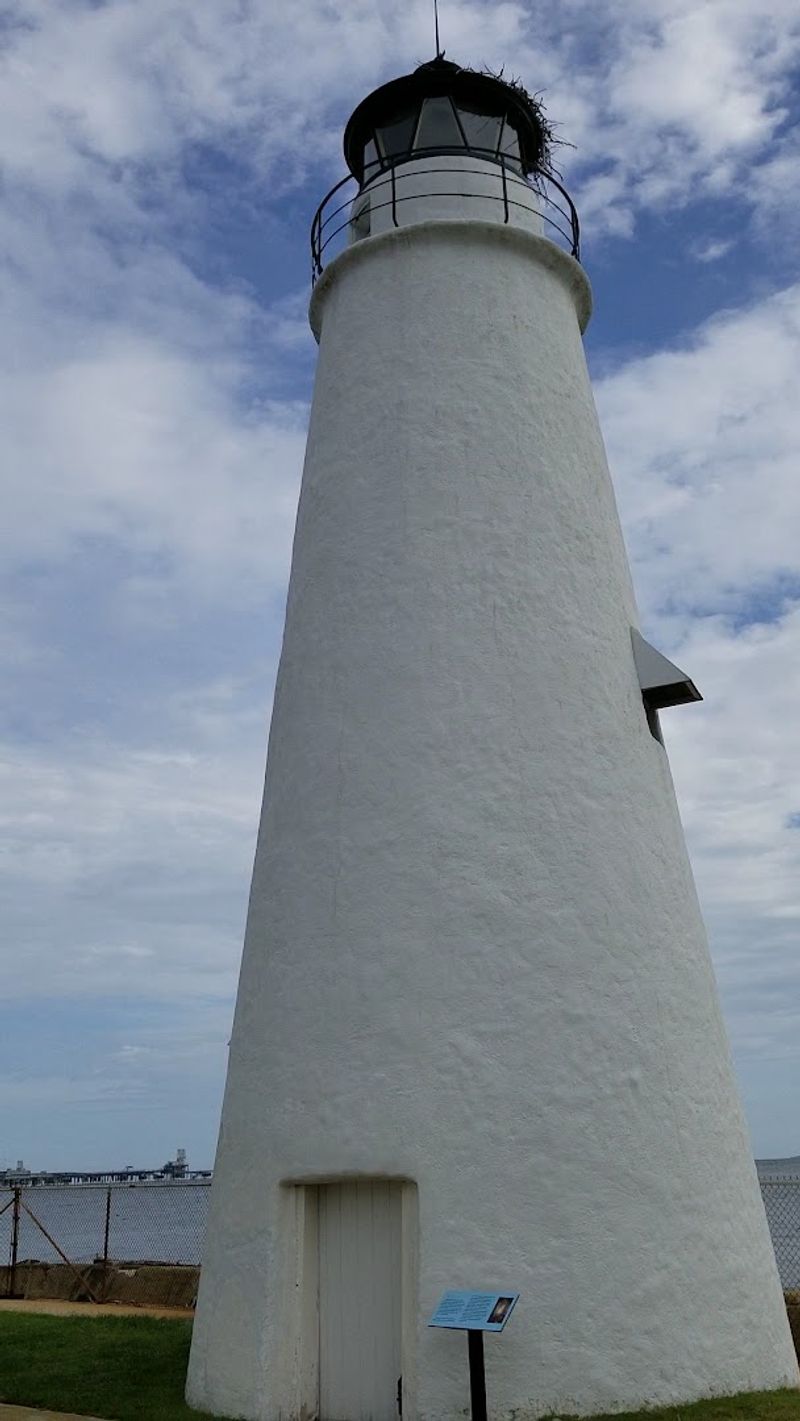
One of the most common questions about Cove Point is whether visitors can climb the lighthouse tower. The straightforward answer is no. The interior of the tower above the base level is not open to the public, and there is no guided climb offered during visiting hours.
What visitors can do is enter the base of the tower, which provides a close-up look at the structure’s construction and a sense of the scale involved in a working 19th-century lighthouse. The exterior of the tower is also fully visible from the grounds, and the surrounding signage provides detailed information about the tower’s construction history and subsequent modifications.
A black metal fence surrounds the tower’s exterior, which some visitors have noted affects the photographic appeal of the structure. The fence is a practical safety and preservation measure rather than an aesthetic choice.
Despite not being climbable, the tower remains the centerpiece of the property and draws consistent interest from history enthusiasts and architecture observers who appreciate the craftsmanship of the original 1828 construction.
Calvert Cliffs State Park as a Natural Companion Stop
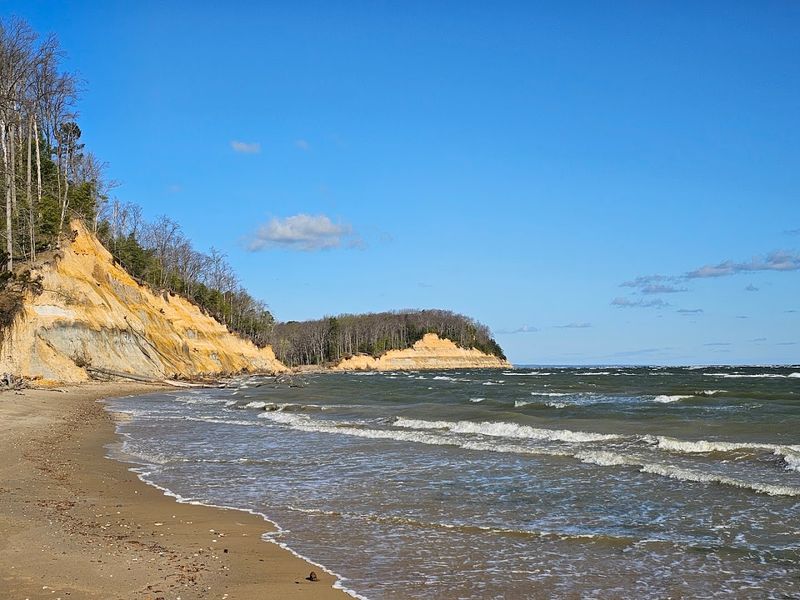
Any visit to the Cove Point area that does not include at least a consideration of Calvert Cliffs State Park is leaving one of Maryland’s most distinctive natural landmarks off the itinerary. The park preserves a stretch of ancient cliffs along the Chesapeake Bay shoreline that contain fossil deposits dating back millions of years.
Getting to the beach at the base of the cliffs requires a hike of roughly 1.8 miles through forested terrain, which keeps the shoreline from feeling crowded even on busy weekends. Fossil hunting is permitted, and many visitors find shark teeth and ancient marine fossils along the waterline.
From the lighthouse property, the cliffs are visible across the bay on clear days, which gives the two locations a visual connection that adds to the sense of place for anyone exploring the region. Pairing a morning hike at Calvert Cliffs with an afternoon visit to Cove Point during the 1 to 4 p.m. public window creates a well-rounded day in Calvert County.
Tips for Getting the Most Out of a Daytime Visit
A daytime visit to Cove Point Lighthouse works best when it is treated as a planned stop rather than a spontaneous detour. The three-hour window from 1 to 4 p.m. on Wednesday, Saturday, and Sunday is enough time to see everything the public side of the property offers, but only if you arrive knowing what to expect.
Most visitors spend between 30 minutes and an hour on the grounds. That time covers the visitor center video, a walk around the exterior of the tower, a read-through of the historical signage, and a few minutes at the pavilion or rocking chairs near the entrance.
Bringing a packed lunch to enjoy at the pavilion is a detail that some visitors wish they had thought of in advance. The staff members present during visiting hours tend to be well-informed and genuinely engaged with the history of the site, so asking questions is encouraged rather than just tolerated.
Admission to the grounds during public hours is free.
Why This Place Deserves More Attention Than It Gets
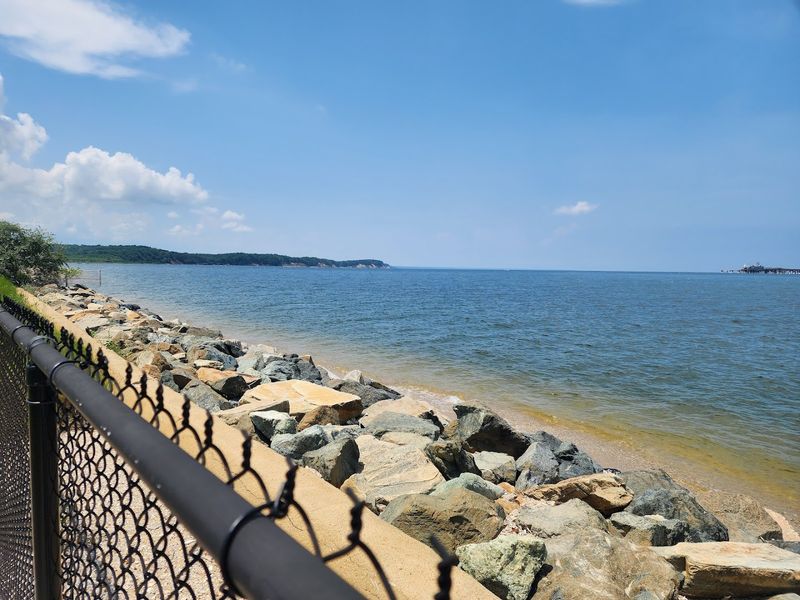
Nearly 200 years of continuous operation, a rare overnight rental option, sweeping bay views, free admission during public hours, and a well-preserved historic property managed by a credible maritime institution. By most measures, Cove Point Lighthouse should be one of the most talked-about destinations in Southern Maryland.
The limited visiting hours and seasonal closure from October through April keep the site from reaching a wider general audience, and the lack of a climbable tower removes one of the typical draws that lighthouse tourists expect. Those factors combine to keep Cove Point genuinely off the radar for many Maryland travelers.
That relative obscurity is part of what makes the overnight rental so appealing. Guests who book the keeper’s residence are not competing with crowds or navigating a tourist infrastructure.
They are simply staying in a working lighthouse on the Chesapeake Bay, in a building that has been standing since 1828, in one of the quietest and most historically layered corners of the Maryland coast. That combination is harder to find than it sounds.
Where Exactly This Lighthouse Sits
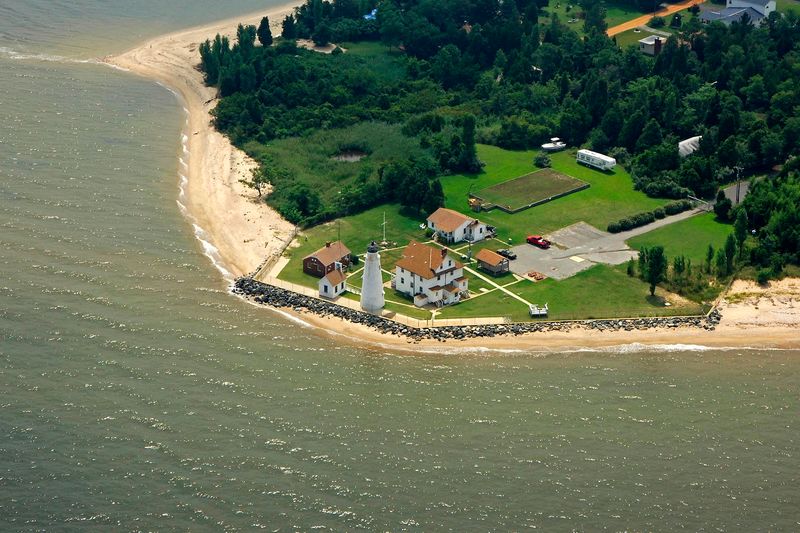
Cove Point Lighthouse stands at 3500 Lighthouse Blvd, Lusby, MD 20657, on a seven-acre property perched above the Chesapeake Bay in Calvert County, Maryland. The location puts it in a quiet coastal stretch of Southern Maryland, roughly halfway between Washington D.C. and the Virginia border.
Getting there is straightforward from most major routes in the region. The property sits close to Solomons Island, a well-known waterfront town that makes a natural base for exploring the area.
The grounds are managed by the Calvert Marine Museum, which oversees both the public visiting hours and the overnight rental of the keeper’s residence. The lighthouse tower itself rises just above the bay shoreline, giving the entire property a front-row position on the water.
The surrounding seven acres include open lawn, a small educational visitor center, and a pavilion that makes the setting feel more like a historic estate than a typical roadside attraction.
Share this story