
The Muskegon Lakeshore Trail offers something most waterfront trails do not: a mix of beaches, sand dunes, marinas, and maritime history all packed into a single ride. Stretching roughly 12 miles along Muskegon Lake and Lake Michigan, the paved path connects parks, shoreline views, museums, and working waterfront areas in a way that keeps the scenery constantly changing.
One stretch takes you past historic ships and a retired submarine, while another runs alongside dunes and open lake views that feel far removed from the city nearby. The trail works just as well for cyclists as it does for walkers and runners, with enough variety along the route to make the miles pass quickly.
It is the kind of path where every section feels a little different from the last, which is exactly why so many visitors end up staying longer than they planned.
Where the Trail Begins: Location and First Impressions

The Muskegon Lakeshore Trail runs through Muskegon, MI 49441, winding along the western edge of Michigan’s Lower Peninsula where Muskegon Lake meets Lake Michigan. The trail parallels Lakeshore Drive and Shoreline Drive, giving visitors a clear and scenic corridor to follow.
My first impression when I arrived was how well-maintained the pavement looked. The path felt wide and welcoming, with clear sight lines ahead that practically invited me to keep moving forward.
Multiple parking areas are scattered along the route, though they are not always labeled specifically for trail use, so arriving early on busy weekends is smart. The trail is open 24 hours a day, seven days a week, which means early morning rides with the mist still sitting on the water are absolutely an option worth taking.
That first stretch set the tone for everything that followed, and I had a feeling the best views were still ahead of me.
Eleven Miles of Scenery That Never Gets Old
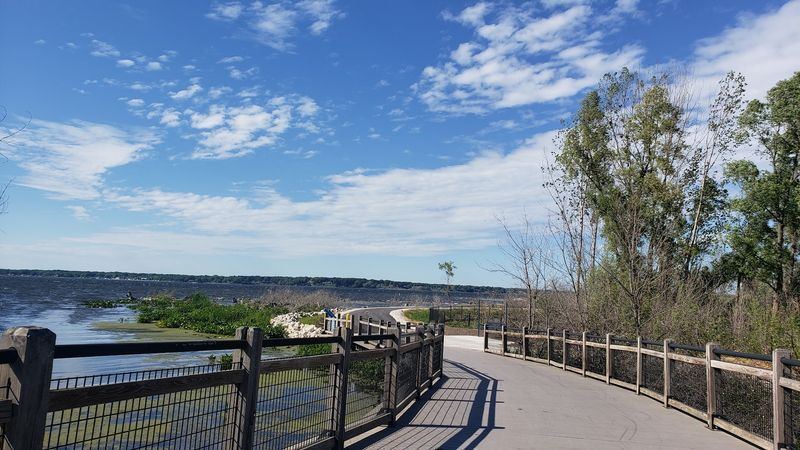
At roughly 11.2 to 12 miles in total length, the Muskegon Lakeshore Trail is long enough to feel like a real adventure without being so long that it becomes a chore. The route shifts character as you move along it, which keeps things visually interesting from start to finish.
Near the water’s edge, you get open views across Muskegon Lake that stretch far enough to make you forget you are in a city. Further along, the trail tucks closer to neighborhoods and parks, giving you a more grounded, community feel.
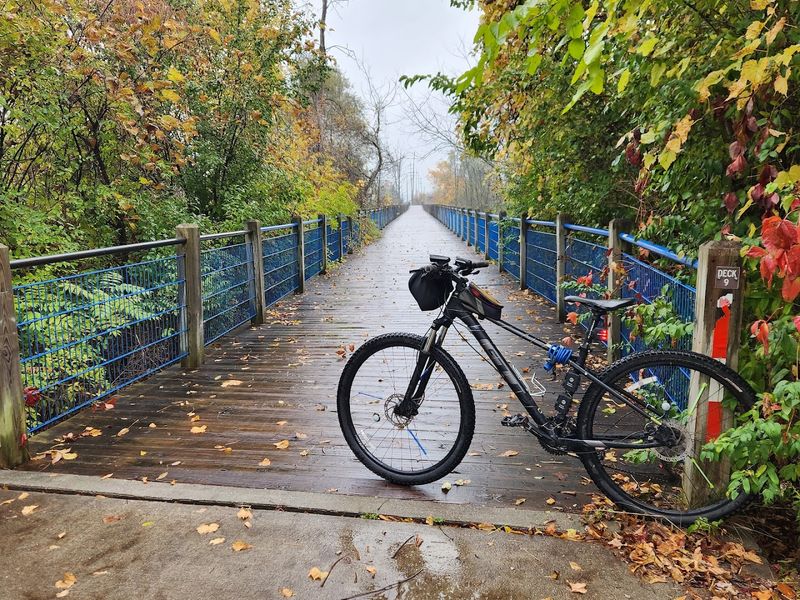
The paved surface is smooth through most sections, making it accessible for road bikes, cruisers, and even adaptive equipment. A few on-road bike lane segments connect parts of the route, so paying attention to trail markers is worthwhile.
Honestly, the variety of scenery packed into those miles is what keeps people coming back, because no two stretches feel quite the same.
The Sand Dunes and Lake Michigan Views That Stop You Cold
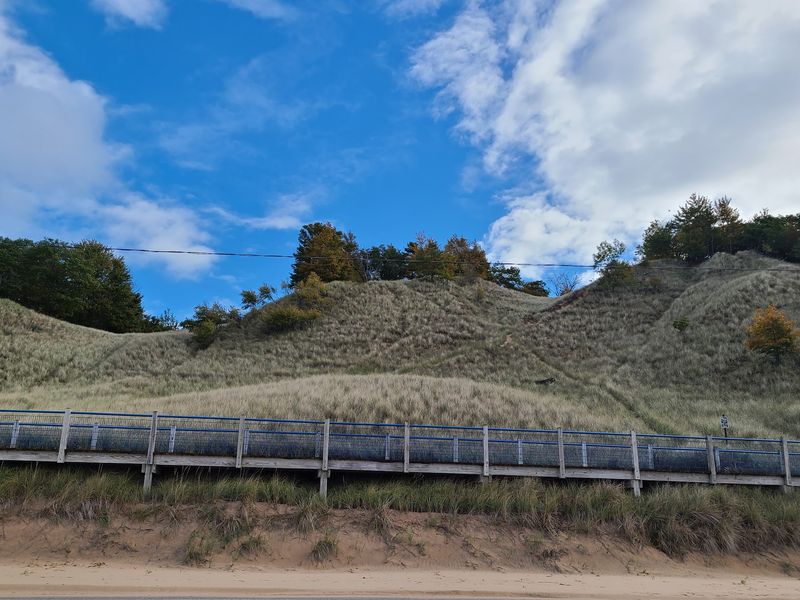
There is a moment on the trail when the trees pull back and Lake Michigan opens up in front of you, and it genuinely stops you mid-stride. The sand dunes that edge the shoreline near Pere Marquette Park are the kind of natural feature that photographs can never fully capture.
The water color on a clear day shifts from pale aquamarine near the shore to a deep navy further out, and the contrast against white sand is striking. I stood at one of the lookout points for a few minutes longer than I planned, just watching the waves roll in.
The dune landscape also provides a natural buffer against wind coming off the lake, which makes the trail feel sheltered even on breezy afternoons. Sunsets from this stretch of the trail are reportedly spectacular, and after seeing the late-afternoon light hit the water, I completely believed it.
The next section of the trail brings a very different kind of landmark into view.
Pere Marquette Park: The Trail’s Crown Jewel
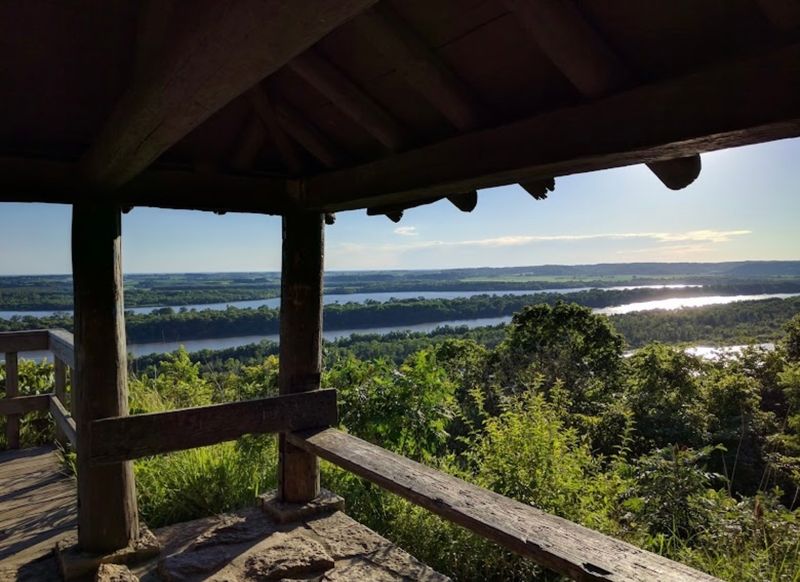
Pere Marquette Park sits at the western end of the trail loop, and it earns its reputation as the trail’s most popular landmark. The park provides direct beach access to Lake Michigan, making it a natural rest stop for anyone covering the full route.
The South Pier Light Station stands at the end of the Muskegon Channel nearby, and walking out toward it gives you a perspective of the lake that feels almost cinematic. Boats moving through the channel pass close enough that you can wave to the people on deck.
The park has open grassy areas, sandy beaches, and enough space to spread out even on a busy summer Saturday. Families set up for the afternoon while cyclists roll through, and the energy of the place feels relaxed rather than crowded.
After spending time at the park, I found myself curious about what the trail looked like heading back toward the city, and the answer turned out to be genuinely interesting.
Historic Ships and Submarines Right Off the Path

One of the most unexpected pleasures of the Muskegon Lakeshore Trail is how close it brings you to serious maritime history. The USS Silversides Submarine Museum sits near the trail, and the sight of a World War II-era submarine moored at the waterfront is not something you forget quickly.
The USS LST 393 Veterans Museum is another accessible stop, honoring the landing ship tank vessels that played a critical role in major military operations. Both museums are reachable without straying far from the trail, making them easy additions to any ride or walk.
The Milwaukee Clipper, a historic passenger steamship, is also accessible from this stretch of the waterfront. These three vessels together tell a layered story of Great Lakes maritime life that spans both wartime service and civilian travel.
History fans could easily spend an entire afternoon exploring just this section of the trail before continuing onward, where the landscape shifts toward something more natural and quiet.
Wildlife, Wildflowers, and the Ruddiman Creek Section
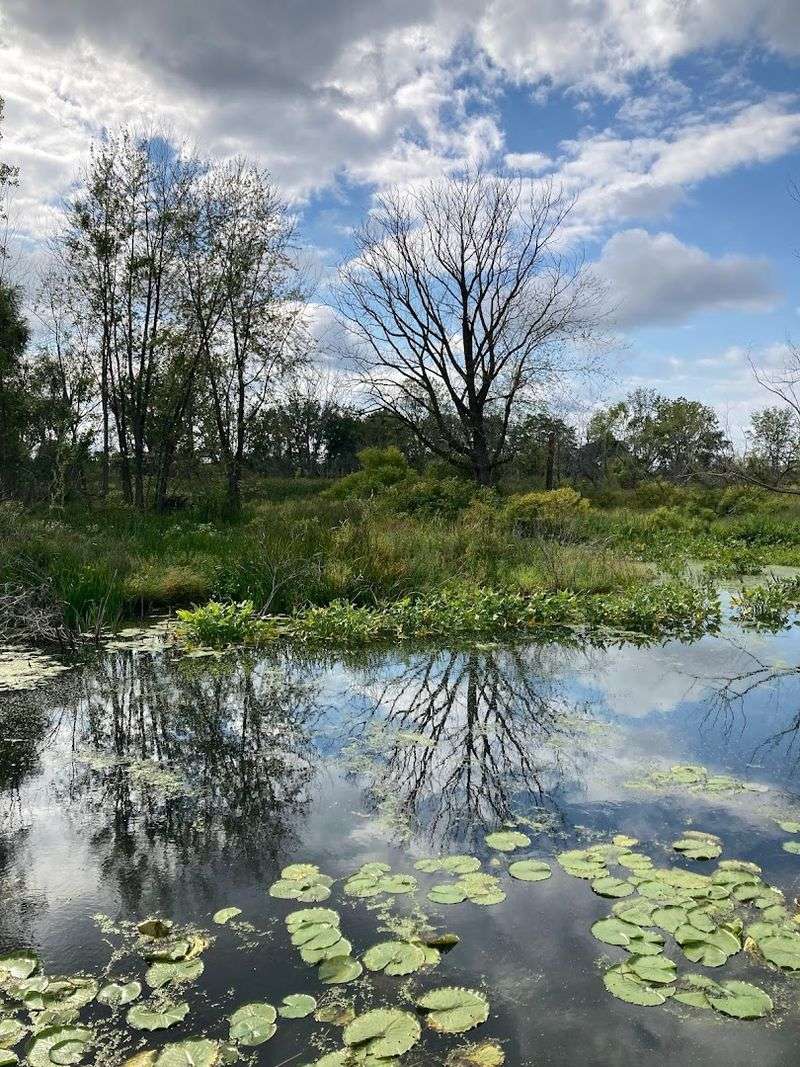
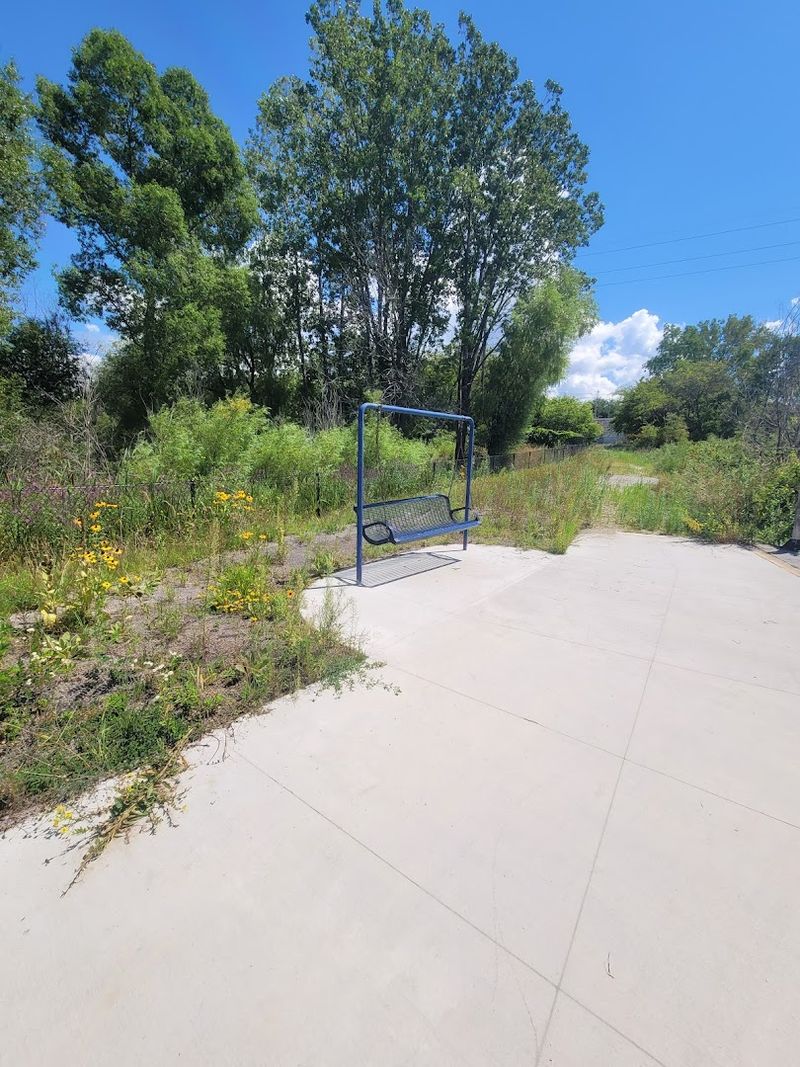
The section of trail near Ruddiman Creek is one of the most quietly beautiful stretches of the entire route. Native plant landscaping lines the path here, and the combination of wildflowers, grasses, and creek views creates a mood that feels more like a nature preserve than a city trail.
The work done on this portion transformed what was once a brownfield site into something genuinely lovely. Herons, ducks, and smaller birds are common sightings along the creek edge, and the wildlife presence makes the walk feel rewarding even if you are not covering much distance.
Benches and sitting pagodas are placed at intervals throughout this section, inviting people to pause and take in the surroundings without rushing. The path here is clean, wide, and well-maintained, which reflects the ongoing care that goes into keeping the trail in good shape year-round.
Just ahead, the trail connects to something that tells a very different story about Muskegon’s industrial past.
Heritage Landing and the Trail’s Industrial Past
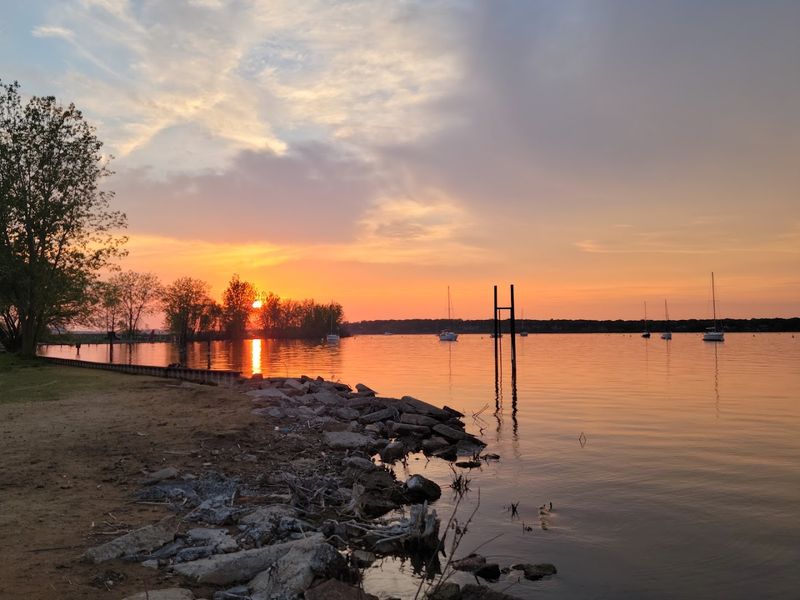
Heritage Landing sits along the trail with a fascinating backstory that most visitors would never guess just by looking at it. The site was once a scrapyard, and its transformation into a public waterfront gathering space is one of the more remarkable examples of urban renewal along the route.
Today, Heritage Landing hosts seasonal festivals and events that draw crowds from across the region. The open space along the water is wide and welcoming, with views of Muskegon Lake that feel expansive and calm at the same time.
The trail connection between Heritage Landing and the western sections can feel a little unclear in spots, as some users have noted the signage is not always obvious in this area. Paying attention to the path markings and asking other trail users for guidance helps smooth things out.
Adelaide Pointe, nearby, carries its own industrial history as a former lumber mill and foundry site, and both locations remind you that this waterfront has been working hard for a very long time.
Marinas, Boats, and the Waterfront Vibe

If watching boats is your idea of a perfect afternoon, the Muskegon Lakeshore Trail might be the best place in Michigan to indulge that interest. The trail passes by several marinas along Muskegon Lake, and the constant movement of vessels of all sizes keeps the waterfront lively throughout the warmer months.
Sailboats, fishing vessels, and pleasure cruisers come and go throughout the day, and the marina docks are close enough to the trail that you can see the details of each boat clearly. The sounds of rigging and water lapping against hulls provide a steady background rhythm as you move along.
Several restaurants are reachable from the trail in these waterfront areas, making it easy to stop for a meal or a snack without leaving the route entirely. The combination of good food options and great boat-watching creates a natural gathering energy along this stretch.
Keep rolling, though, because the trail has a few more surprises tucked into its quieter corners.
Trail Connections That Open Up the Whole Region
One detail that makes the Muskegon Lakeshore Trail more than just a standalone route is how well it connects to the broader regional trail network. The trail links directly to the Laketon Trail, the Musketawa Trail, and the Fred Meijer Berry Junction Trail, opening up significantly more mileage for riders who want to extend their journey.
These connections mean that a visit to the Lakeshore Trail can be a starting point rather than a destination in itself. Experienced cyclists have used these links to piece together long day rides that cover a wide swath of western Michigan’s landscape.
For casual users, the connections are easy to ignore and the Lakeshore Trail works perfectly well as a self-contained out-and-back or loop. But knowing the options are there adds a sense of possibility that makes the trail feel like part of something larger.
The trail’s history is equally layered, and the story of how some of these paths came to exist is worth knowing before your next visit.
A Railroad Past Hidden Beneath the Pavement
Sections of the Muskegon Lakeshore Trail follow a former railroad corridor that once served the Sappi paper mill, and that history adds an interesting layer to an otherwise straightforward recreational path. The flat, straight alignment of certain trail segments is a direct inheritance from the rail lines that used to run there.
Rail-to-trail conversions are common across Michigan, but knowing the specific industrial purpose this corridor once served makes the walk feel more grounded in local identity. Muskegon has a deep manufacturing and industrial heritage, and the trail quietly reflects that history underfoot.
Some sections were also developed on former brownfield sites, meaning that the native plant landscaping you see today replaced land that once had a very different and less scenic use. The restoration effort is genuinely impressive when you consider where these areas started.
That layered history gives the trail a sense of earned character, and the winter months reveal yet another side of it entirely.
Winter on the Trail: A Completely Different Experience

Most people think of the Muskegon Lakeshore Trail as a warm-weather destination, but the trail stays open through winter and transforms into something surprisingly appealing when the snow arrives. Cross-country skiing and snowshoeing are both viable options along the paved and adjacent unpaved sections during the colder months.
The lake views in winter carry a completely different mood. Muskegon Lake can develop ice formations along its edges, and the bare trees and quiet atmosphere give the trail a stillness that the busy summer months simply cannot replicate.
Fewer users on the trail during winter means more space, more quiet, and a more personal experience with the landscape. Bundling up and heading out on a cold clear morning with the lake reflecting a pale winter sky is genuinely worth the effort.
The trail’s year-round accessibility is one of its most underrated qualities, and it means there is never really a bad time to show up and start moving.
Tips, Benches, and What to Know Before You Go

A few practical details make the Muskegon Lakeshore Trail a more comfortable experience when you know them in advance. There is a drinking fountain and water filling station at McCracken Street, which is a useful landmark to keep in mind on longer rides or walks.
Benches, swings, and picnic tables are placed at various points along the route, and some lookout decks offer direct fishing access over the water. The trail’s open 24-hour schedule means early risers and sunset chasers alike can time their visits perfectly.
Parking can be tricky, as some lots near the trail are gated or not clearly marked for public use, so arriving early on busy days is genuinely good advice. Signage in a few areas, particularly between Heritage Landing and the western sections, can be inconsistent, so downloading a trail map before heading out saves frustration.
The trail earns its 4.6-star rating honestly, and with a little preparation, it delivers a lakefront experience that is hard to top anywhere in western Michigan.
Share this story